SENJIE Healthy & Technology SENJIE Healthy & Technology

OEM/ODM Surgical Graspers Factories & Exporters

Precision Engineering, Medical-Grade Metallurgy, and Scalable Manufacturing Solutions for Global Orthopedic, Laparoscopic, and Veterinary Surgical Instrumentation.

Evolution & Structural Trends of Modern Surgical Graspers

The evolution of minimally invasive surgery (MIS) has fundamentally transformed the requirements for surgical graspers and holding forceps. Standard general-purpose instrumentation is no longer sufficient for complex modern orthopedic, laparoscopic, and neurological surgeries. Today's surgeons require highly customized, application-specific graspers that deliver fine tactile response, precise grip mechanics, and absolute structural durability.

Key engineering trends include the development of ergonomic dual-axis articulations, which reduce manual fatigue during lengthy micro-surgical procedures. In neurosurgery and orthopedics, the shift toward titanium alloy structures and carbon-coated surfaces minimizes light reflection under theater operating microscopes, ensuring excellent visual field clarity. Furthermore, the integration of quick-coupling systems for driver handles and modular, detachable forceps tips allows medical institutions to minimize sterilization turnaround times and simplify autoclave maintenance.

6+
Years Sourcing Experience
ISO
13485 Standard Alignments
25%
North American Market Share
100%
Traceable Raw Materials
B2B Procurement Realities: Critical Demands of Global Distributors

For medical device brand businesses, wholesalers, and clinical institutions, procuring surgical instruments involves complex evaluations of liability, regulatory compliance, and mechanical reliability. Key requirements include:

  • Biocompatibility & Corrosion Resistance: Compliance with ISO 10993 testing is mandatory. Instruments must withstand hundreds of autoclaving cycles at 134°C without demonstrating pitting, rusting, or alignment degradation.
  • Metallurgical Precision: The raw materials used—such as Martensitic stainless steels (Grade 420, SUS420J2) for edge retention in bone punches, and Austenitic grades (304, 316L) for structural shafts—require certified heat treatments to balance tensile strength with ductility.
  • Regulatory Compliance & Traceability: Modern supply chains mandate Unique Device Identification (UDI) laser-marked onto each tool, linked back to mill test certifications for verification.
China Factory 4.0: Achieving Supply Chain Resilience & Technical Efficiency

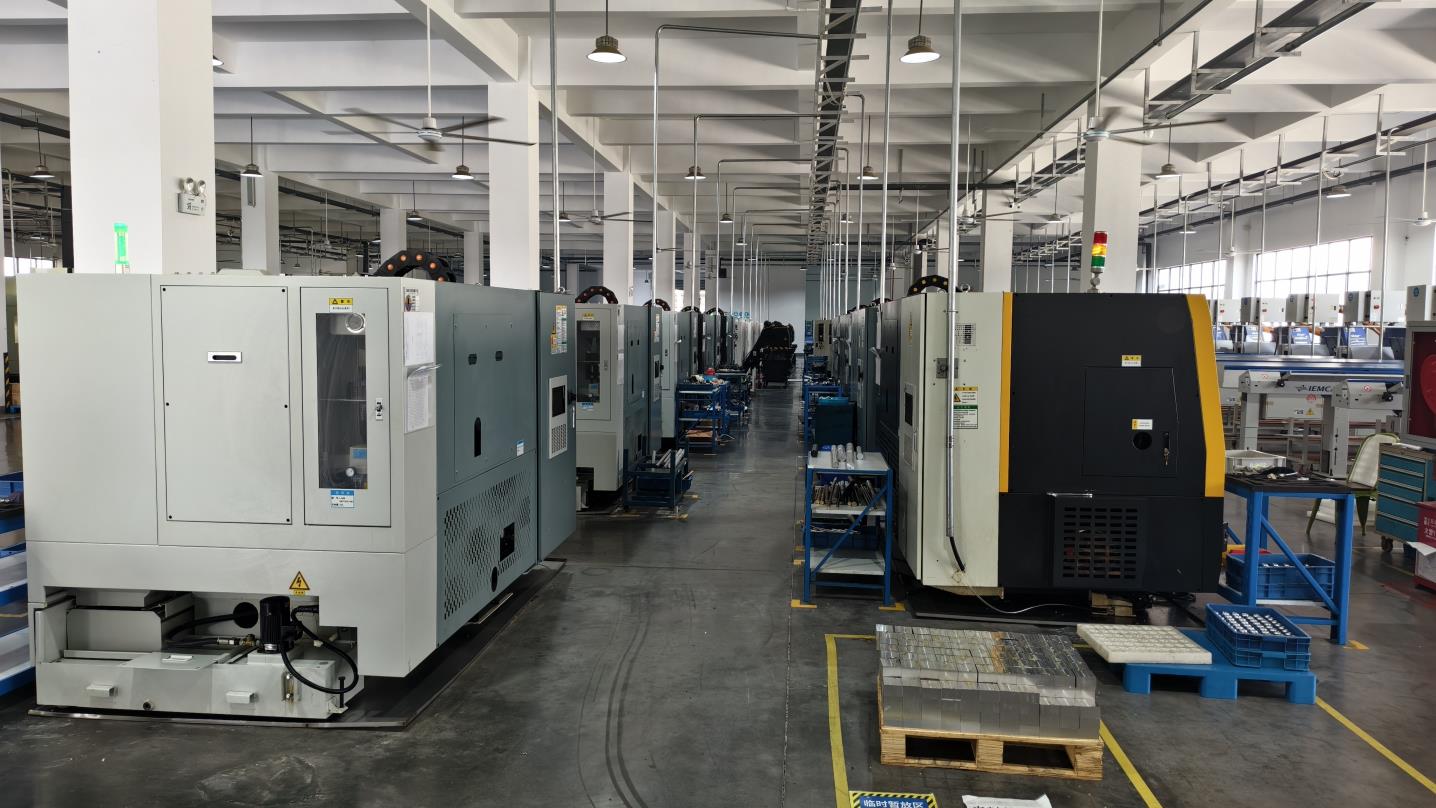
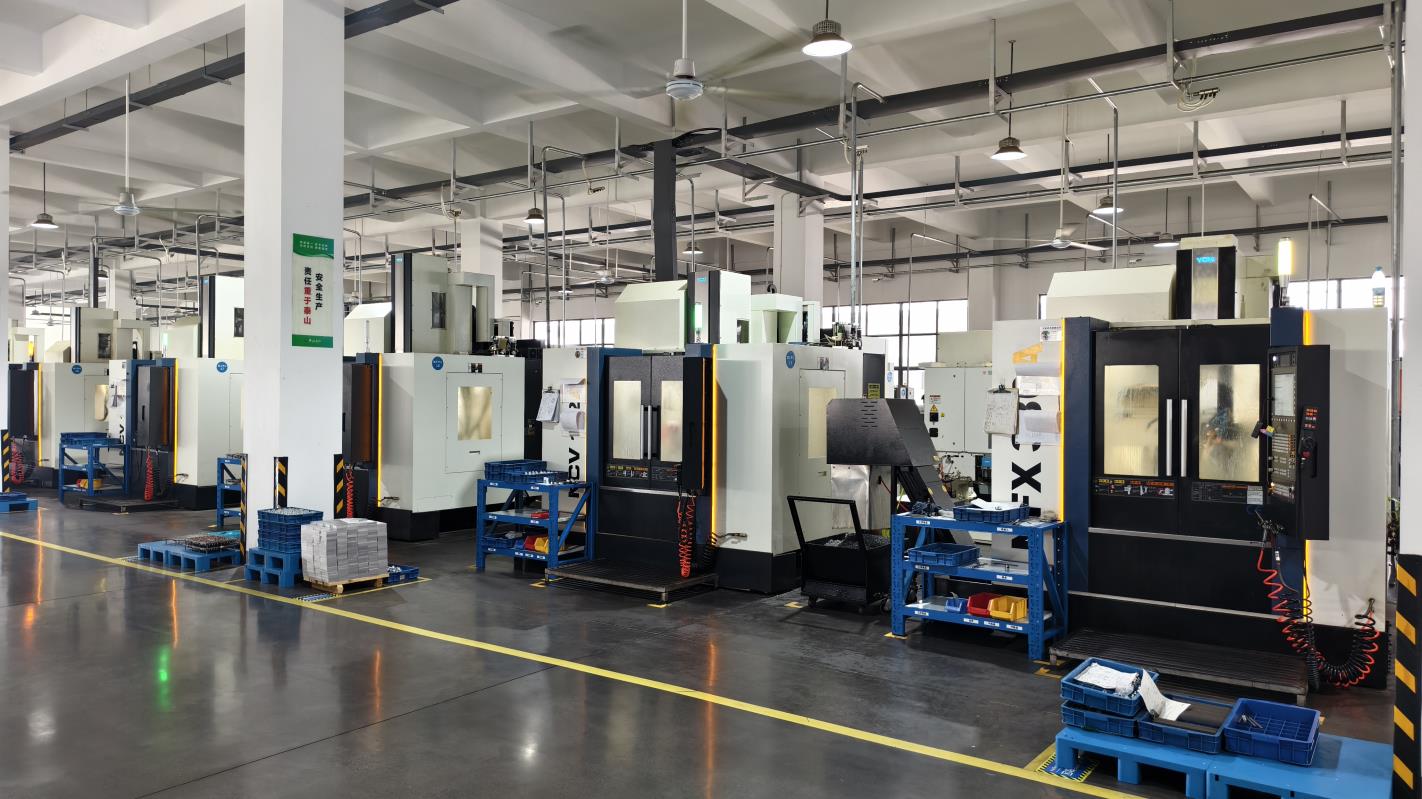
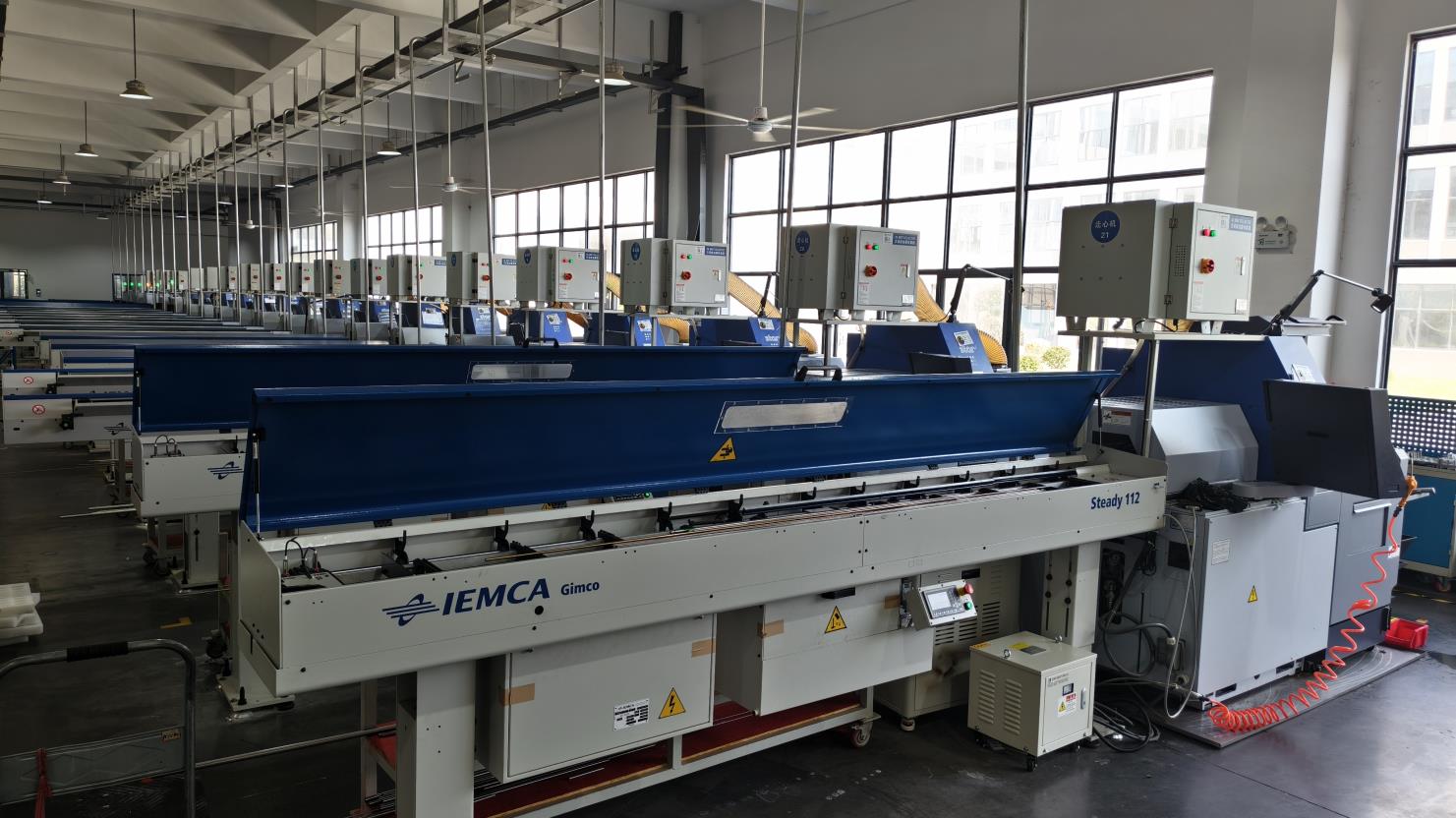
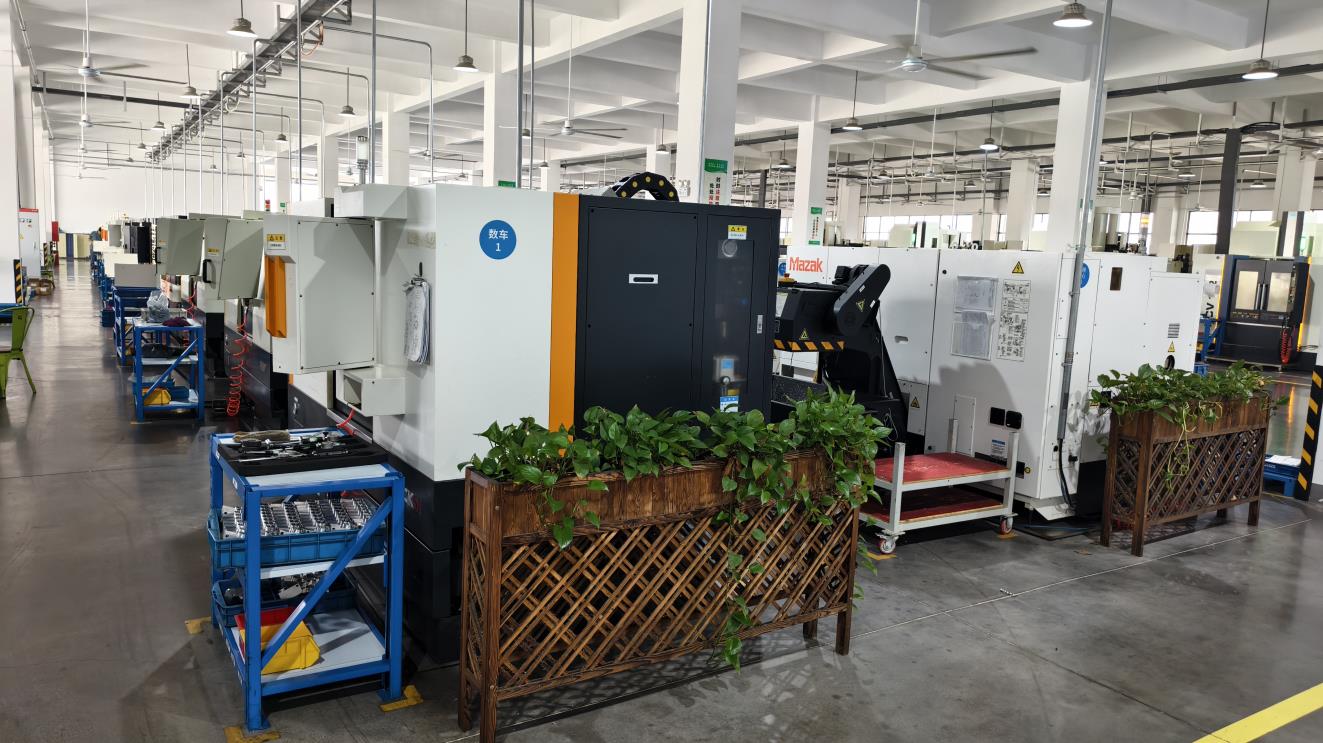
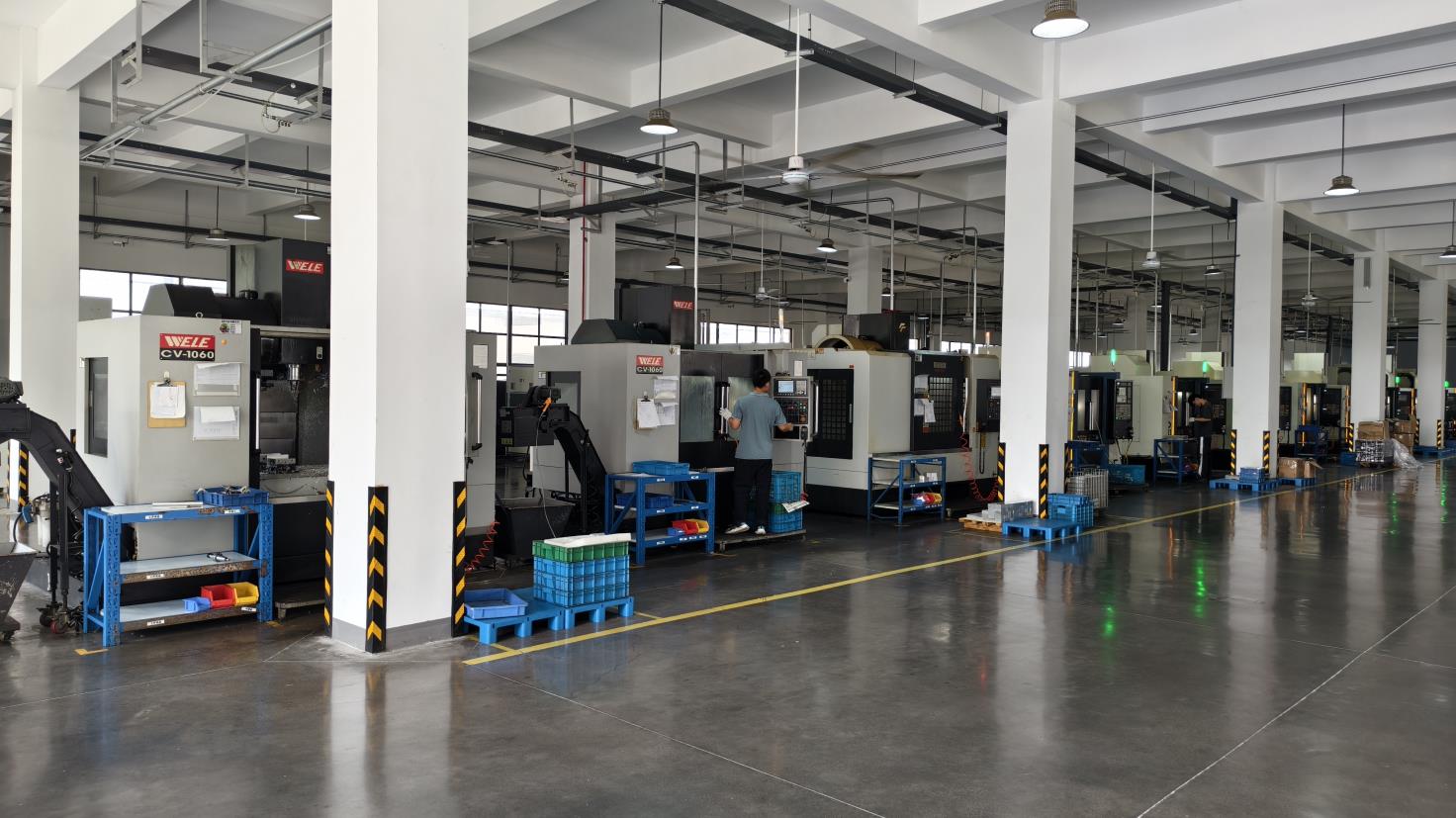
The shifting landscape of global manufacturing has repositioned advanced Chinese surgical device factories as strategic engineering partners. Utilizing digital design-to-production workflows (Factory 4.0), we leverage computer-aided manufacturing (CAM) and automated CNC milling centers to maintain tolerances within ±0.01 mm.

This digital integration ensures consistency across batches, removing manual variations from crucial steps like jaw hinge assembly and serration profiling. In addition, the centralization of our local raw material suppliers, thermal processing units, and surface passivation facilities guarantees a resilient supply chain. As a result, international medical brands can reduce production lead times while lowering tooling costs, without sacrificing regulatory quality or reliability.

Manufacturer Profile & Trade Capabilities
Registration Date 2019-11-20
Years in Export Market 6 Years
QA/QC Internal Inspectors 3 Dedicated Inspectors
Inspection Strategy Randomized & According to Client Requirements
Primary Export Territories North America (25%), South America (25%), Southeast Asia (15%)
Accepted Communication English (Fluent B2B Negotiations)
Customization Options Sample Processing, CAD/Graphic Processing, Tailored Demand Design
Core Supply Chain Traceability Yes, Full Raw Material Heat Traceability
Advanced Manufacturing Facilities & Process Inspection

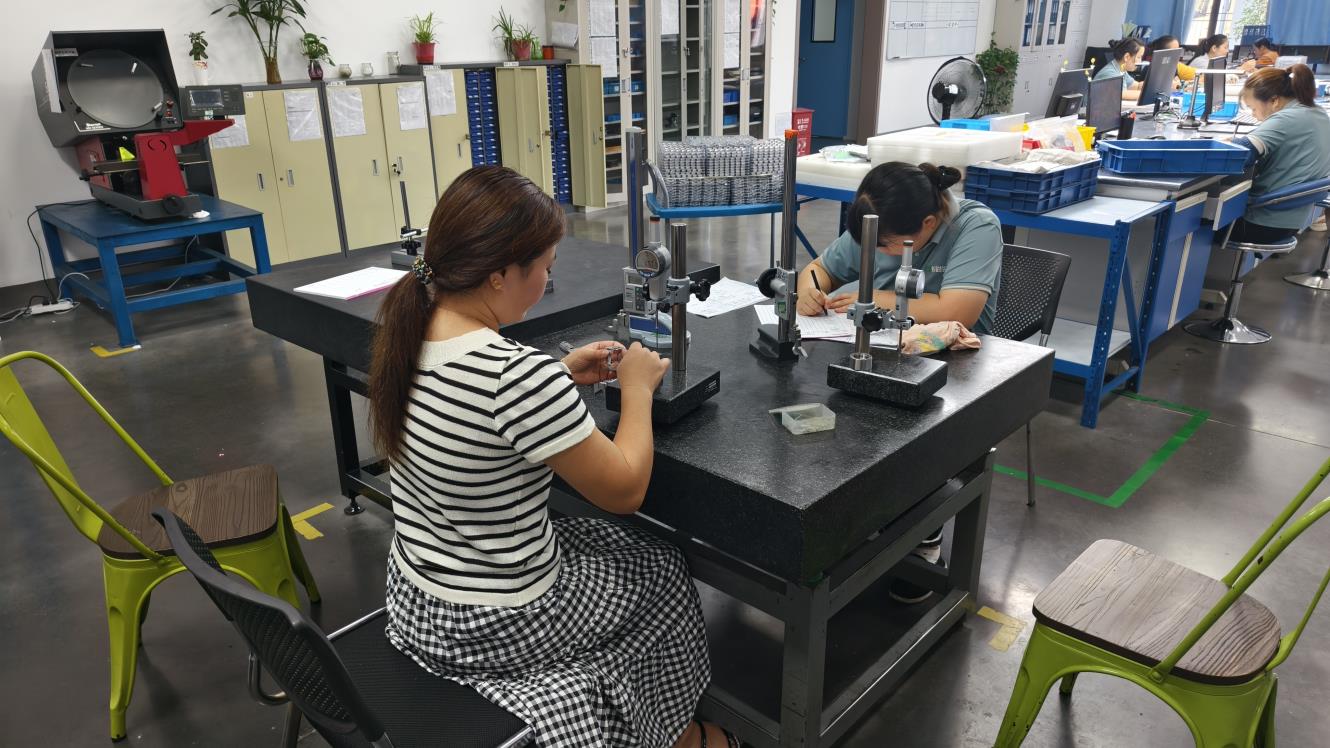
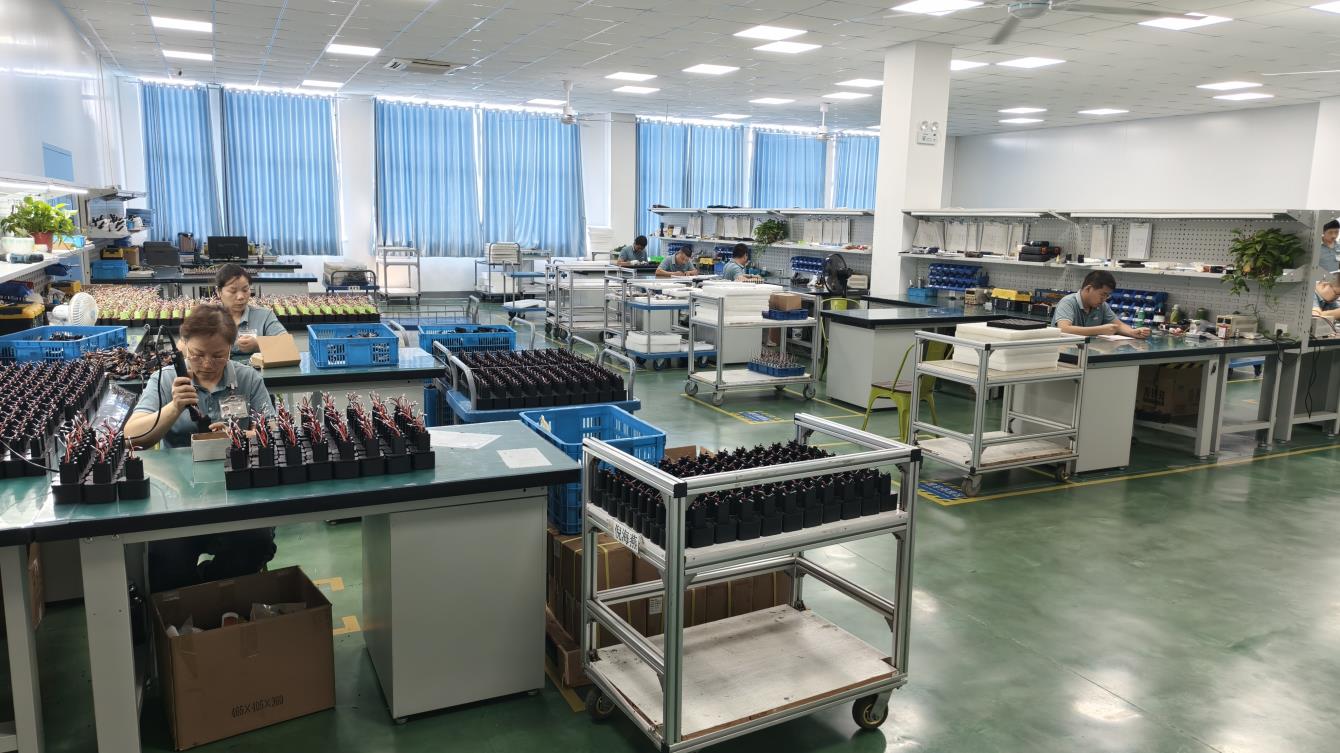
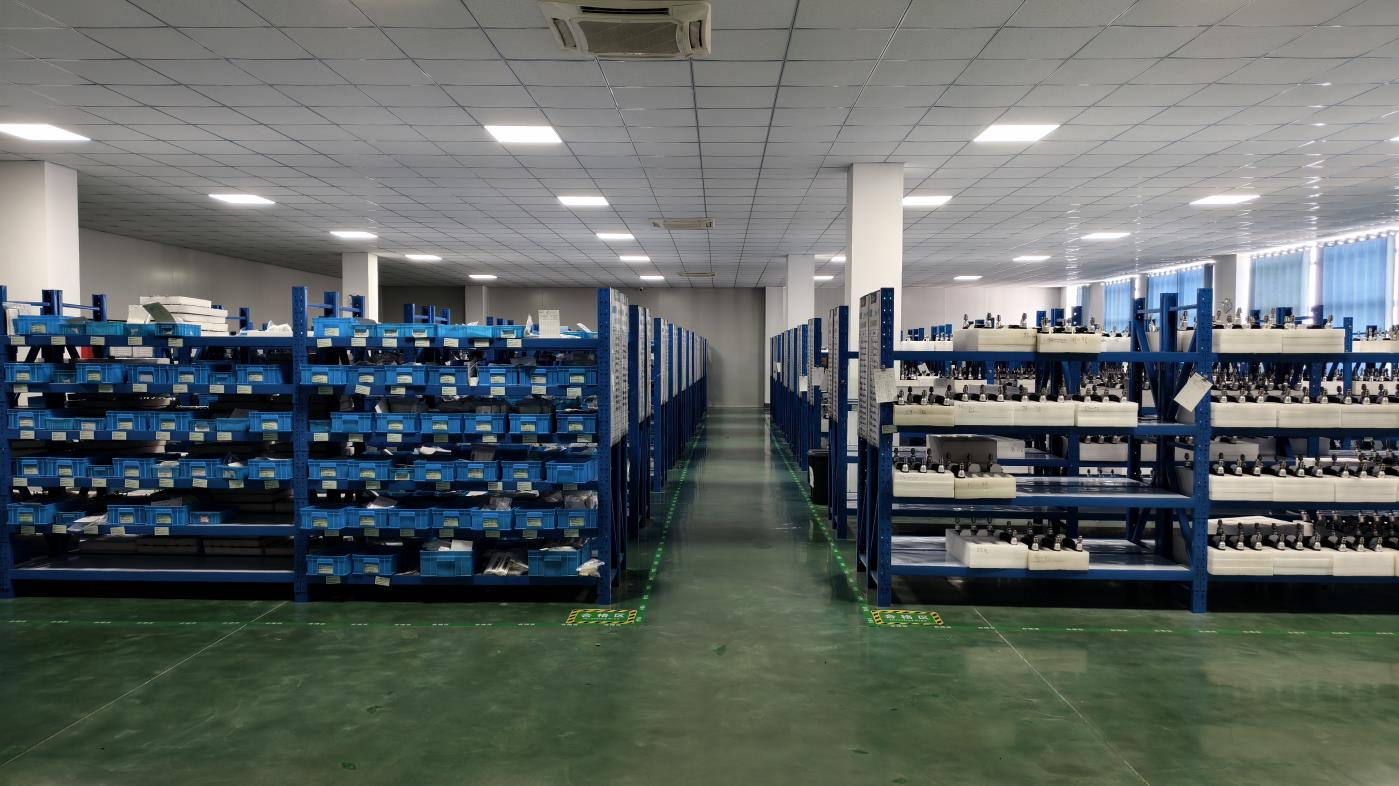
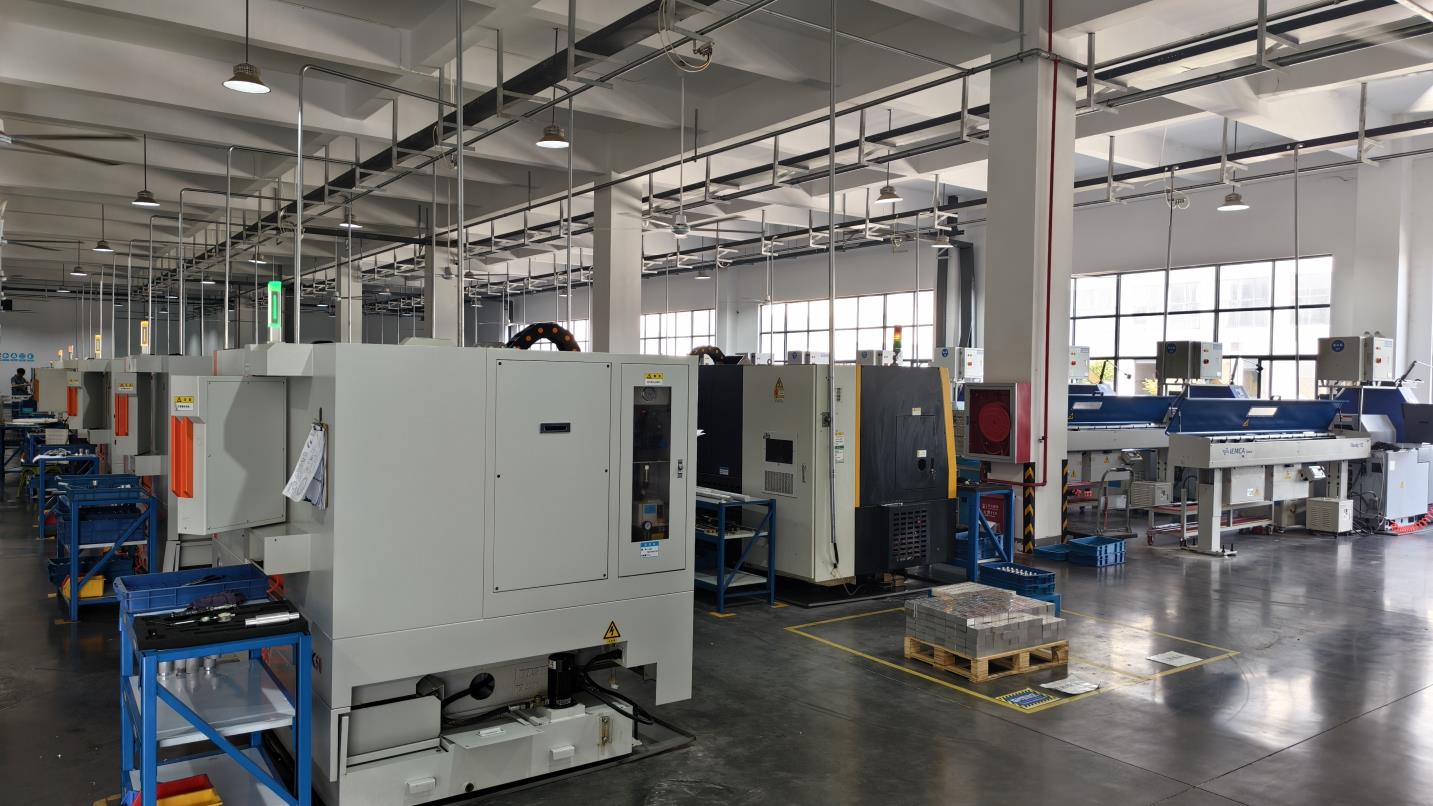
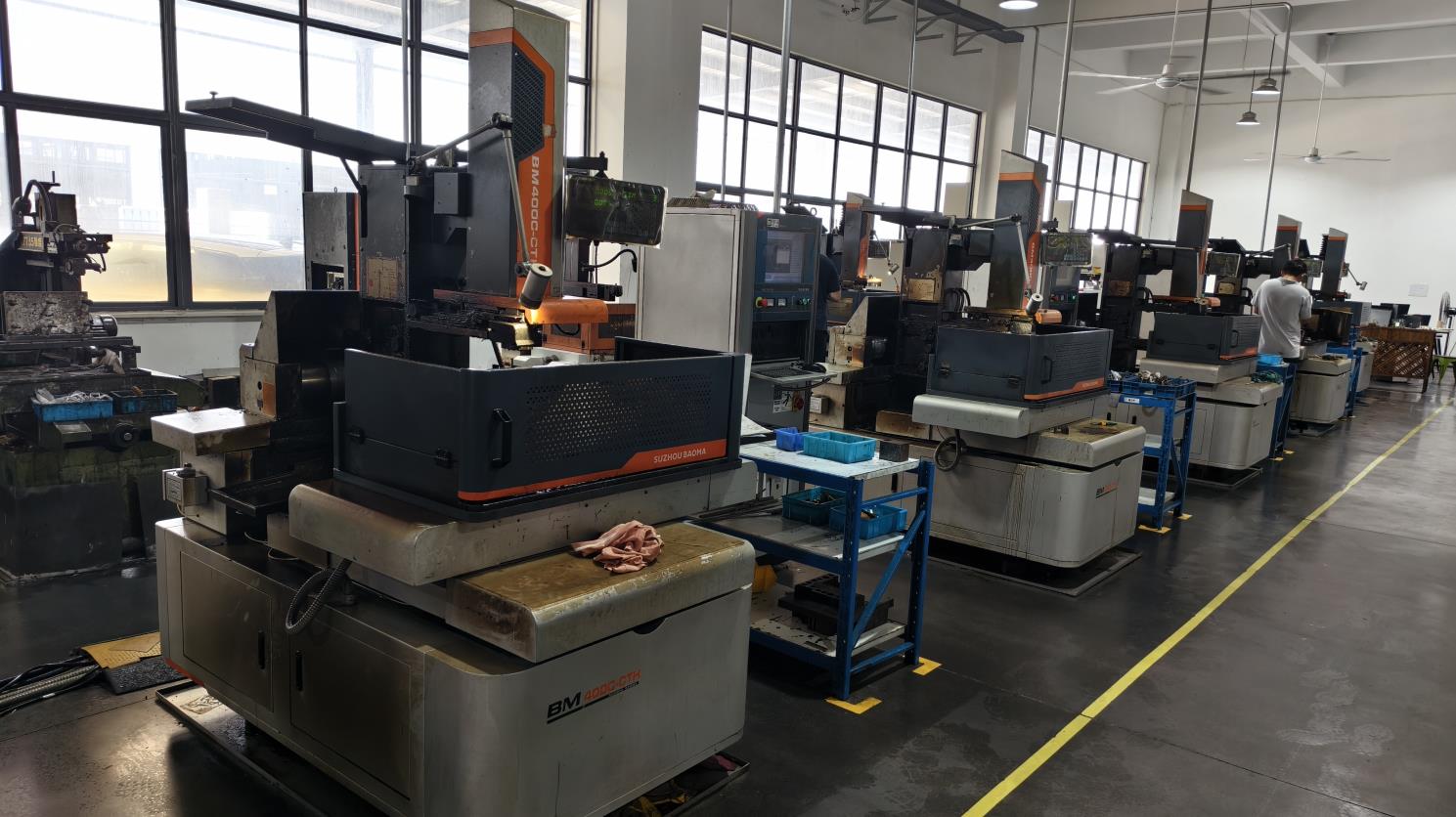
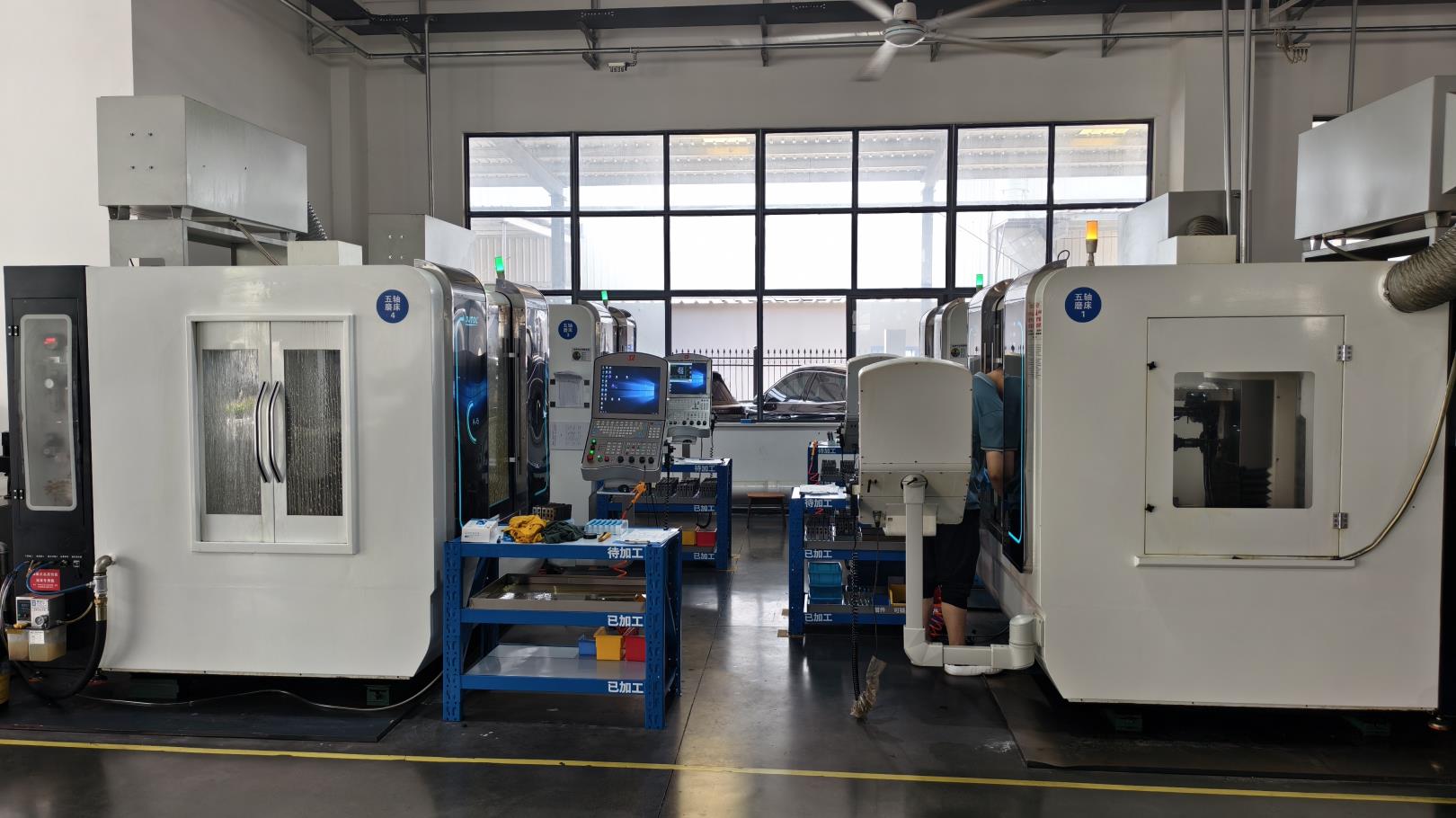
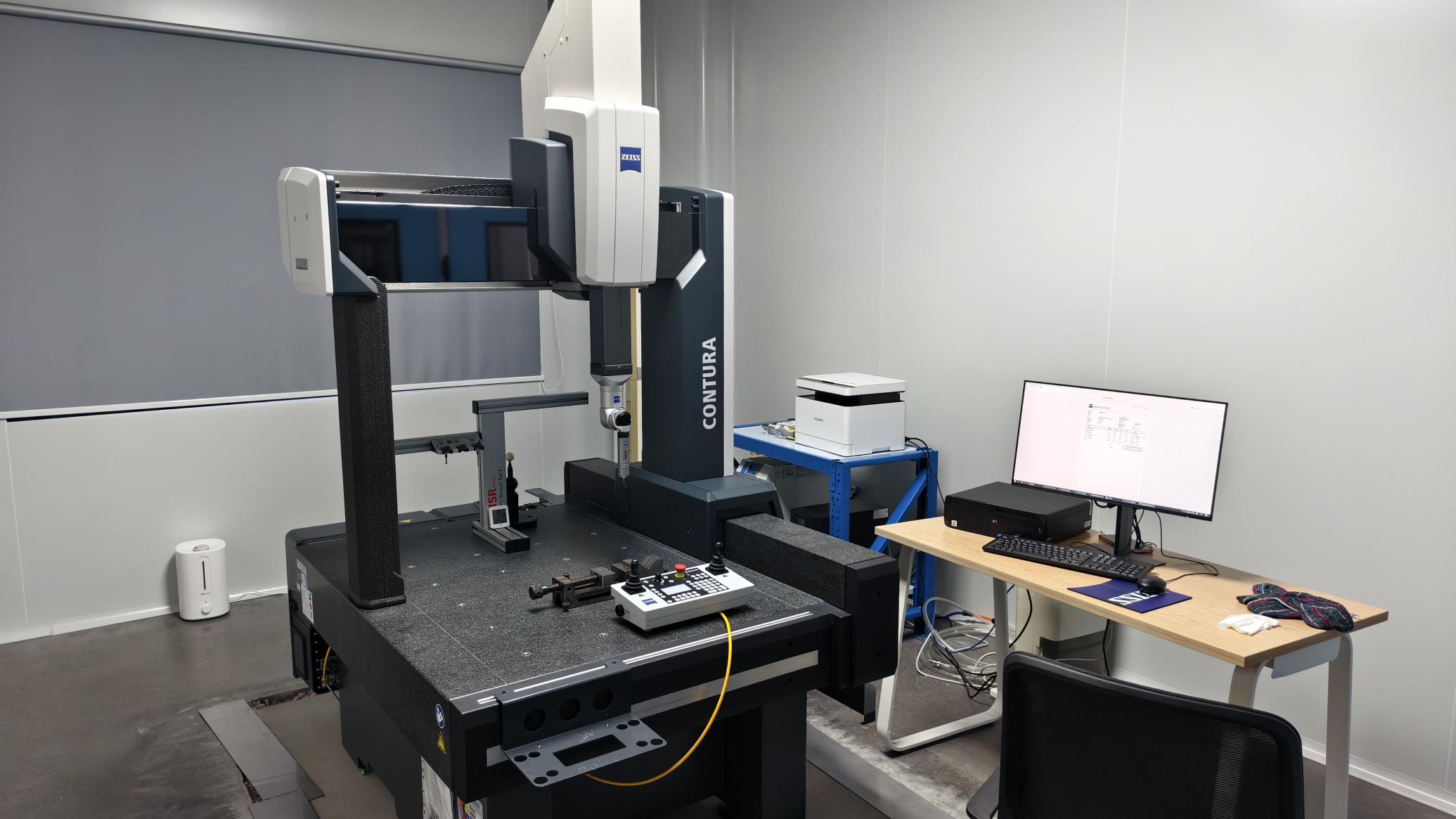
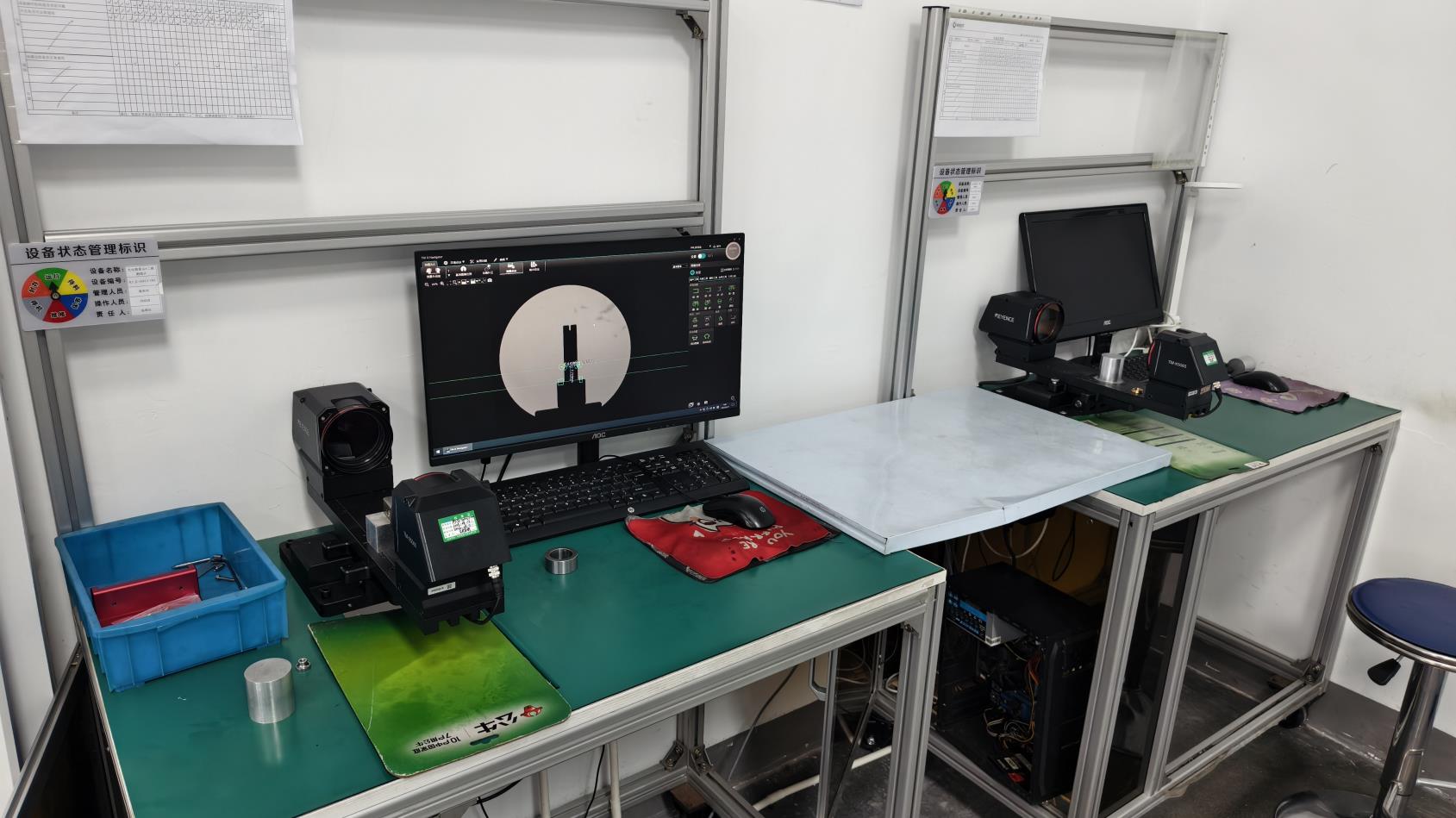
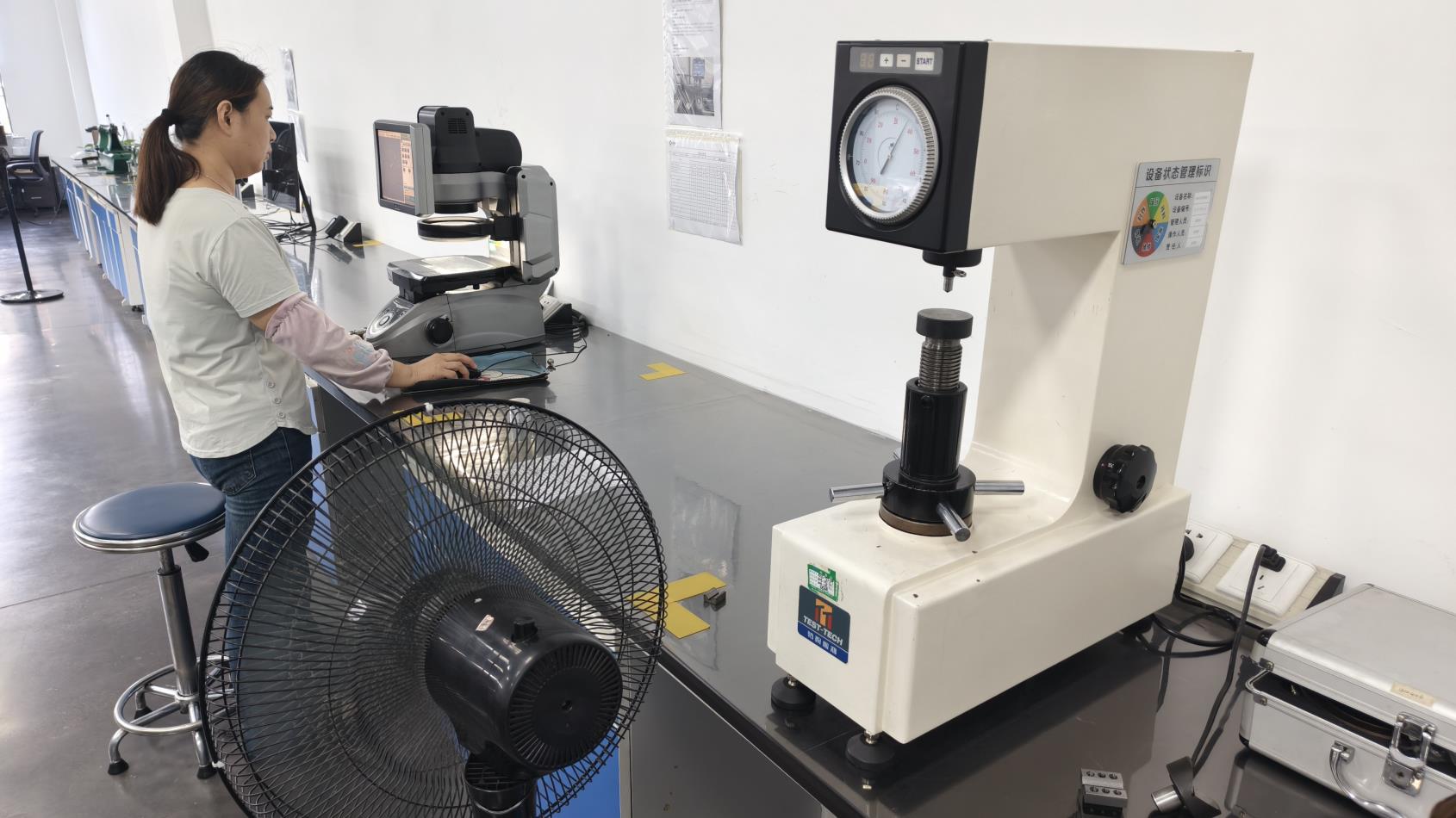
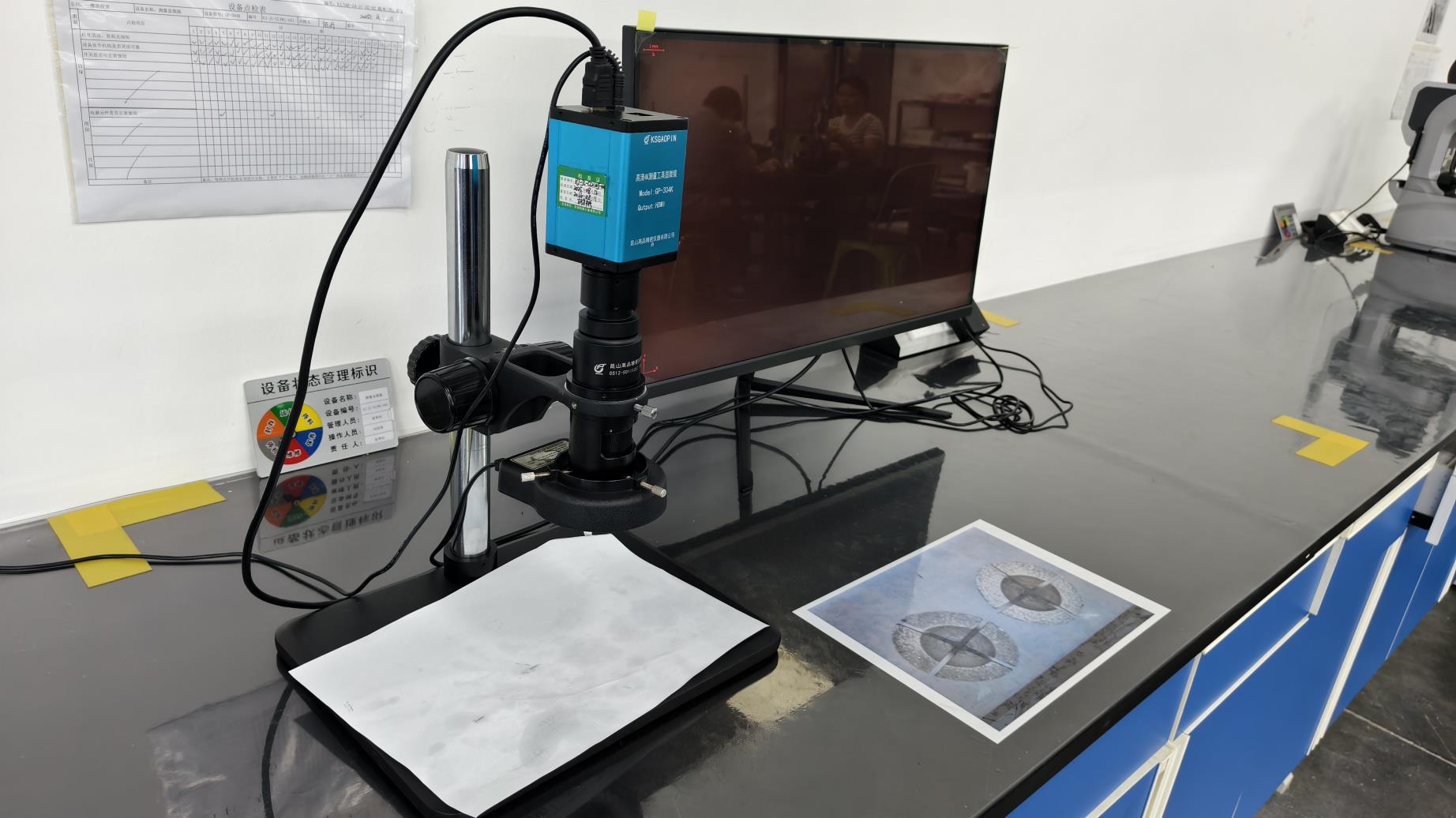
Our integrated workshop facilities balance precision mechanical tooling, cleanroom assembly, and micro-polishing stations. Review our visual workflow highlighting the daily operations that drive our quality output.

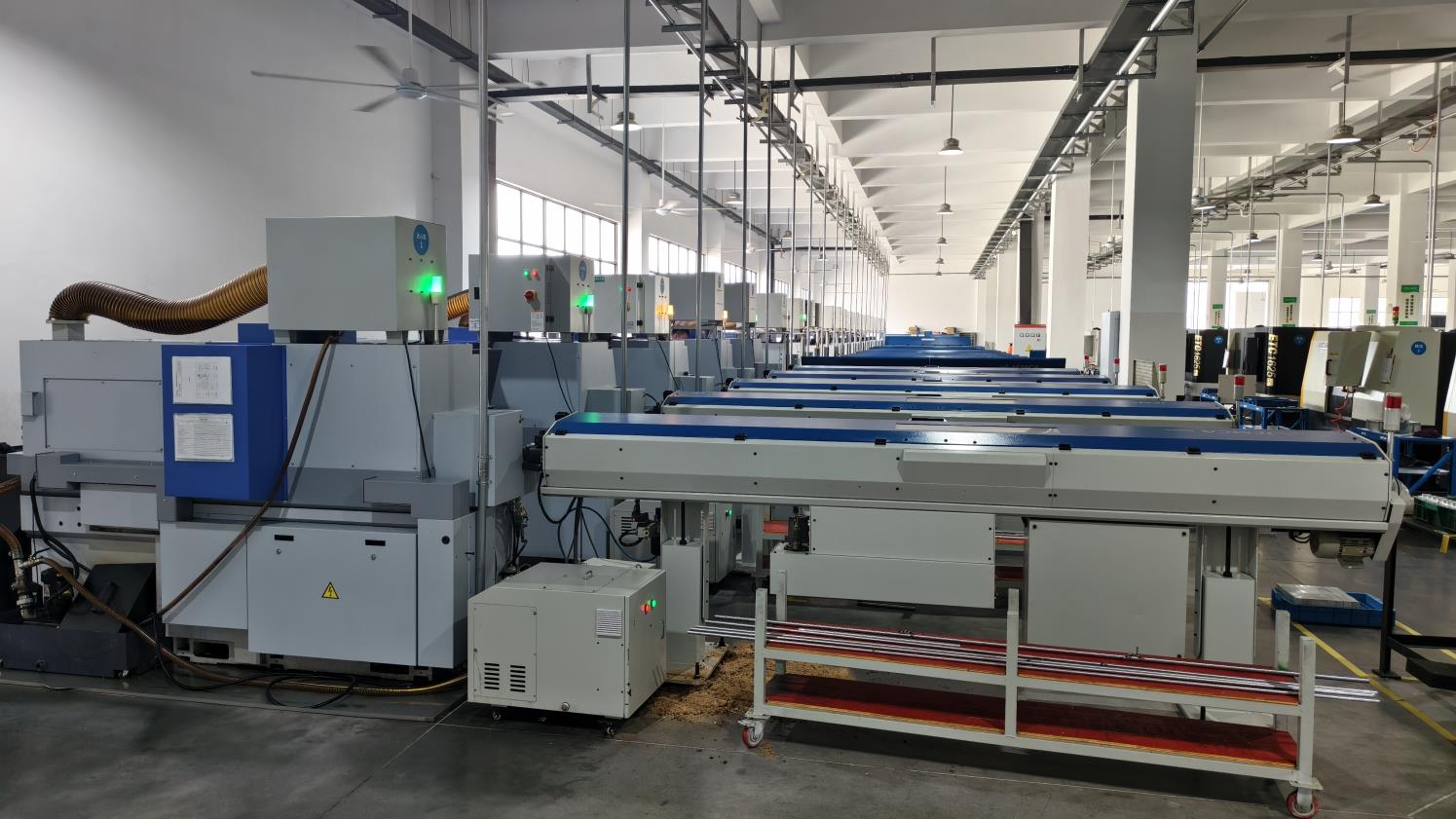
Production Facility Overview
Manufacturing Hub & Assembly Line
CNC Lathes & Precision Milling
Multi-Axis CNC Machining Stations
Cold Processing & Wire EDM Cut
High-Accuracy Wire EDM Cutter
Micro Joint Polishing Process
Micro Joint Hand Polishing
Quality Control Inspection Room
Raw Material Quality Control
Optical Alignment Testing Equipment
Visual Alignment Inspection
Autoclave Resistance Test Chamber
Autoclave Durability Testing Room
Ultrasonic Cleaning and Rinse Baths
Multi-Stage Ultrasonic Washers
Laser Etching System
UDI Laser Etching Machines
Sterile Pouch Packaging System
Class 10,000 Clean Packaging Area
Hinge Tolerancing Rig
Tension & Clamp Load Testing
Surface Passive Coating Treatment
Passivation Chemical Baths
Finished Products Rack
Batch Verification & Vault storage
Microscope Inspection System
Sterile Defect Assessment Lab
Instrument Calibration Calibration
Mechanical Calibration Laboratory
Final Packing Station
Custom B2B Brand Labeling
Export Logistics Area
Global Export Dispatch Center
Technical Breakdown: Selecting the Right Surgical Forceps Configuration

Surgical procedures demand distinct physical properties from hand tools, depending on the tissue and bone structures involved. Below is an engineering overview of the variations within our catalog:

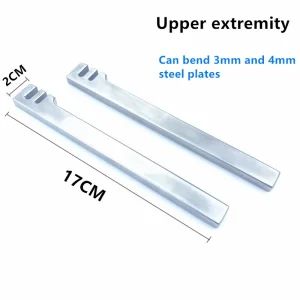
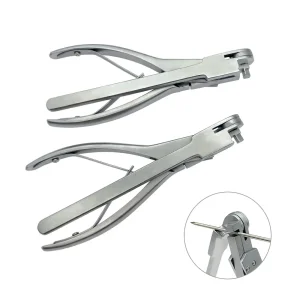
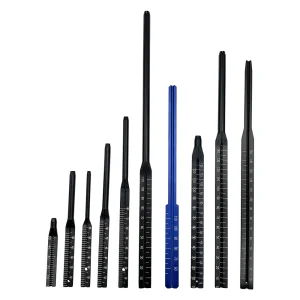
  • Bone Plates Bender Bending Pliers: Designed to manipulate rigid implants, these tools require high-strength alloy composition to prevent metal transfer or cross-contamination during plate contouring. They are critical for establishing customized contact interfaces in orthopedic surgeries.
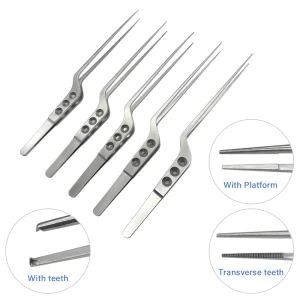
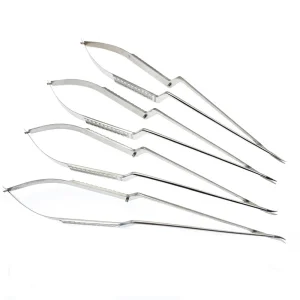
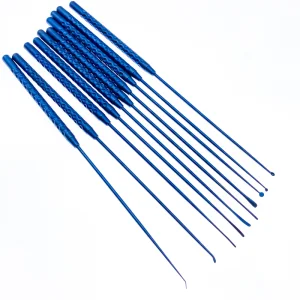
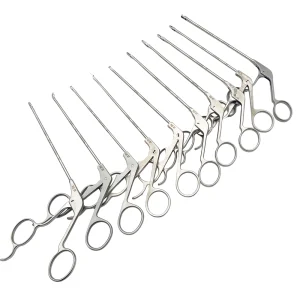
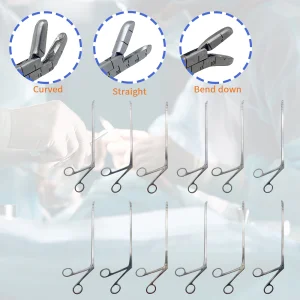
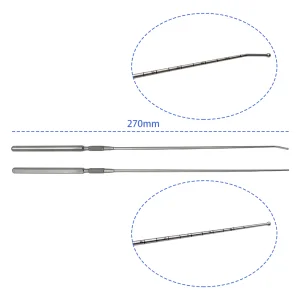
  • Micro Bayonet Forceps (Z-Type): Configured for neurosurgical interventions, the double-bend shape preserves the surgeon's line of sight through microscope apertures. The fine jaw design ensures reliable micro-tissue manipulation without applying excessive grip force.
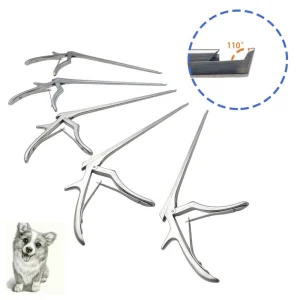
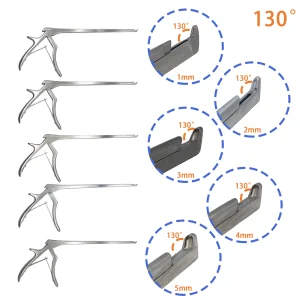
  • Kerrison Rongeur Forceps & Bone Punches: Engineered for laminectomies and spinal decompression, these instruments utilize sharp, wear-resistant cutting jaws. High-vacuum heat treatment prevents micro-fracturing of the tool's bite face during bone resection.
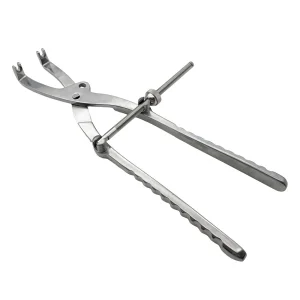
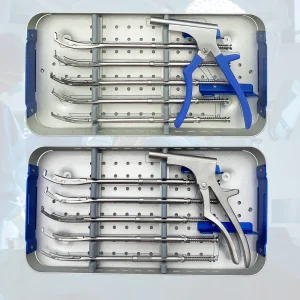
  • Orthopedic Pelvis Reduction Forceps: Designed to stabilize acetabular fractures, these heavy-duty clamps feature adjustable locking mechanisms to hold anatomical reductions in place without slipping under tension.
B2B Purchasing & Supply Chain Q&A
What raw materials do you use for your orthopedic and neurosurgical instruments?
We use premium medical-grade stainless steel alloys, including AISI 304, 316L, 420, and 420J2, which are verified through independent lab chemical assessments. For micro-neuro-surgical tools and micro bayonet forceps, we offer Grade 5 Titanium (Ti-6Al-4V) options. Titanium provides a lightweight feel, high tensile strength, and reduces hand fatigue during long operations.
How does your factory ensure raw material traceability and quality control?
Every batch of raw material is registered upon arrival with mill test sheets and chemical composition data. Our QC department includes three full-time internal quality inspectors who oversee production from primary CNC routing to final passivating cycles. We offer certificate tracing records and carry out randomized testing, as well as strict custom tests according to client specifications.
What OEM/ODM customization capabilities do you provide?
We provide full-service customization pathways, including CAD/CAM drawing adjustments, prototype production, and custom packaging. Clients can submit blueprints, 3D STEP files, or reference samples. We specialize in custom surgical jaw serrations, handle shape re-modeling, laser-etched branding, and specific surface finishing, such as satin, mirror, or black ceramic coatings.
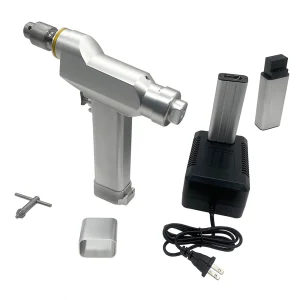
Are your veterinary surgical instruments distinct from human medical instruments?
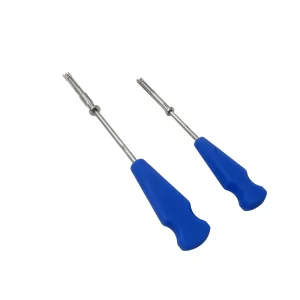
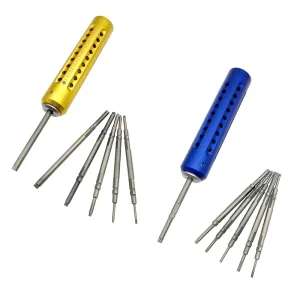
While structural designs can be similar, veterinary devices are optimized to accommodate diverse animal anatomy, ranging from small exotic pets to large livestock. Our orthopedic tools, like the Quick Coupling Handle Screwdrivers and Bone Plate Benders, are tailored for animal care and are built using the same durable materials and manufacturing processes as human surgical devices to ensure clinical safety.