SENJIE Healthy & Technology
SENJIE Healthy & Technology
SENJIE Healthy & Technology
Explore our top-tier catalog of specialized orthopedic forceps, bending instruments, and power tool configurations designed for modern hospitals and veterinary applications.
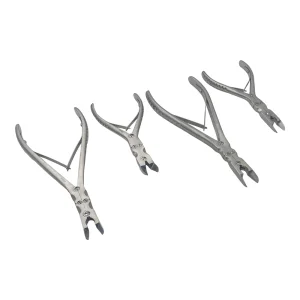
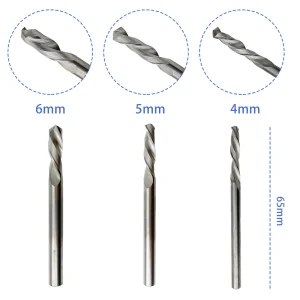
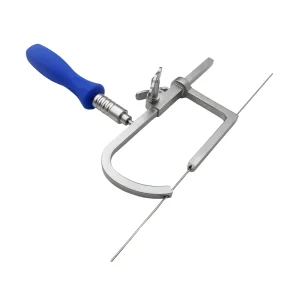
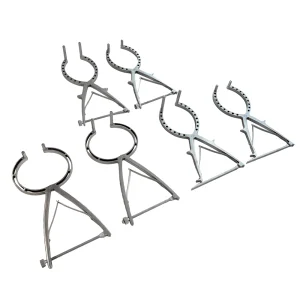
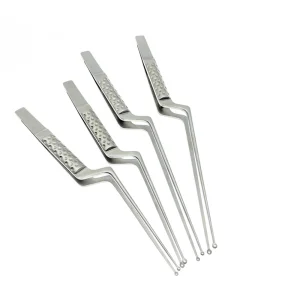
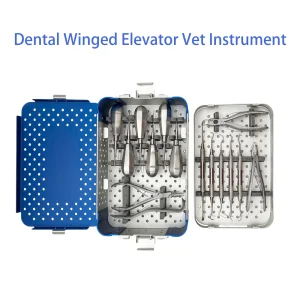
Orthopedic surgical procedures require unparalleled precision, mechanical reliability, and structural integrity. As premier OEM/ODM orthopedic forceps manufacturers, our research and production paradigms focus on the elimination of mechanical fatigue and surface degradation during high-temperature autoclave processes. Surgical instruments, especially bone reduction forceps, plate-bending pliers, and bone rongeurs, must withstand high mechanical loads without bending or fracturing.
To achieve this, we source surgical-grade stainless steels compliant with international biomaterial standards, such as ASTM F138 (316LVM) and martensitic steels such as 420B and 440C. These alloys provide the ideal balance of tensile strength, ductility, and rockwell hardness (typically calibrated between 48 and 54 HRC depending on the specific application). By implementing advanced vacuum heat-treatment processes, we ensure that the microcrystalline structure of the metal is optimized to resist micro-cracking and stress corrosion cracking (SCC) under surgical load profiles.
"Passivation according to ASTM A967 is a fundamental standard step in our production. By removing free iron from the surface and promoting the formation of a dense chromium oxide passive layer, we guarantee that each custom instrument remains free of rust and pitting corrosion over hundreds of sterilization cycles."
Our double-action mechanical joint designs (found in our signature Double Action Bone Rongeurs) maximize force amplification while reducing hand fatigue for the operating surgeon. Through precise kinematic analysis and computer-aided engineering (CAE), our joint systems distribute load pressure evenly across dual pivot points, ensuring smooth, predictable closures.
From conceptual design to rapid clinical prototyping, we provide a structured, engineering-driven pathway for global medical device brands and private label distributors.
Our engineering team translates custom product briefs, physical samples, or graphic drafts into highly detailed 3D CAD models. FEA simulation is applied to determine stress distribution and identify potential mechanical weaknesses before steel cutting begins.
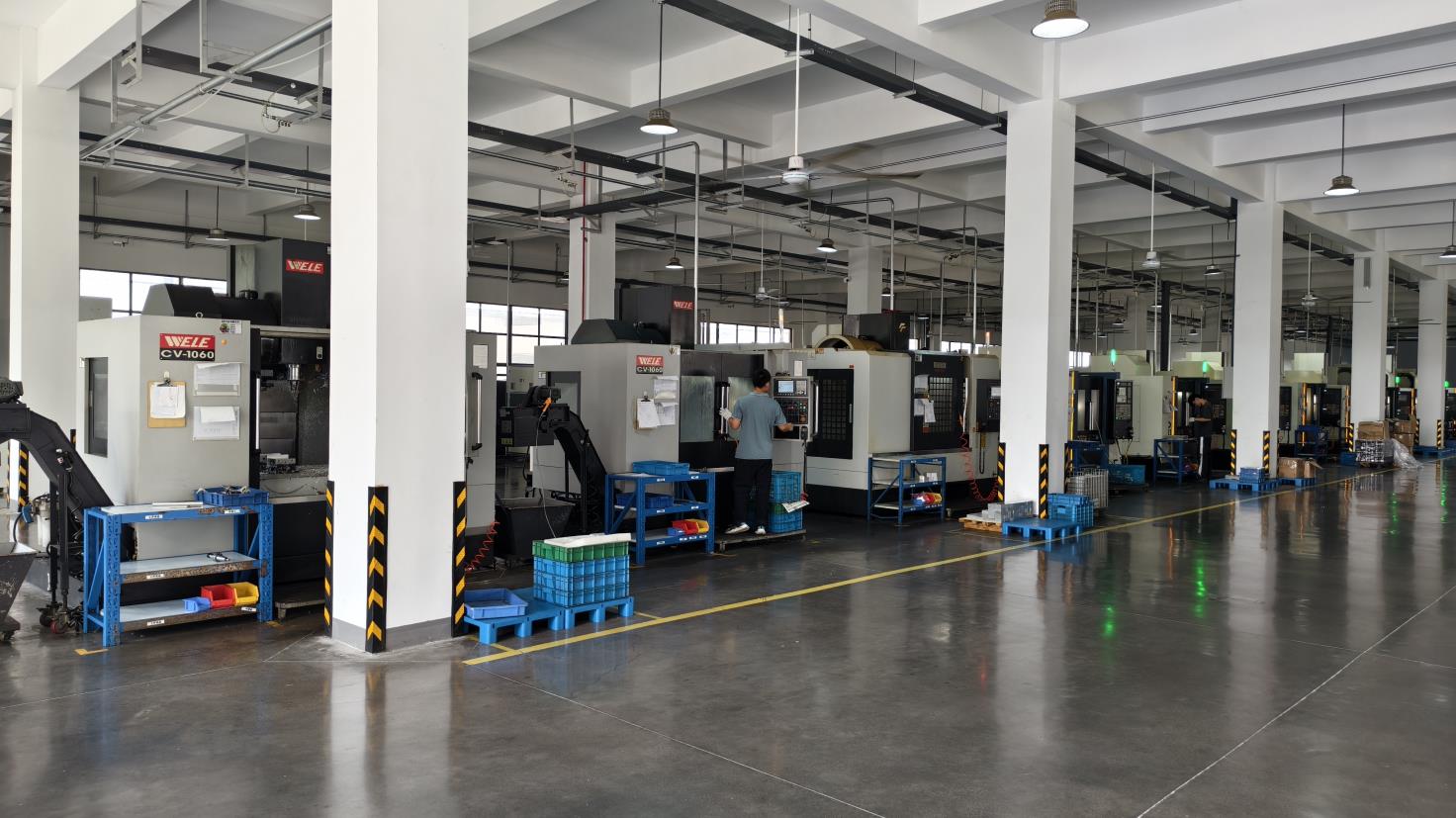
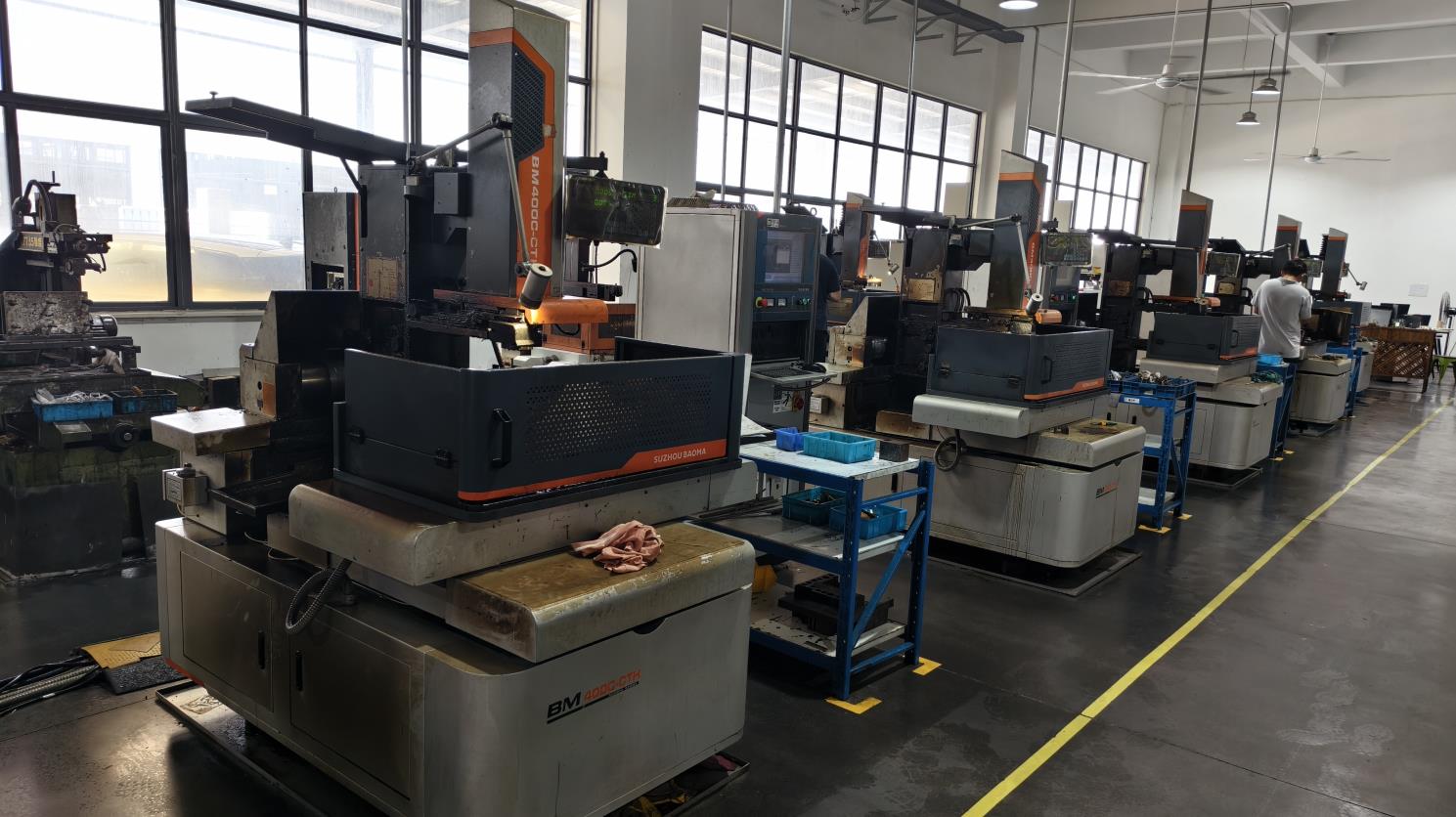
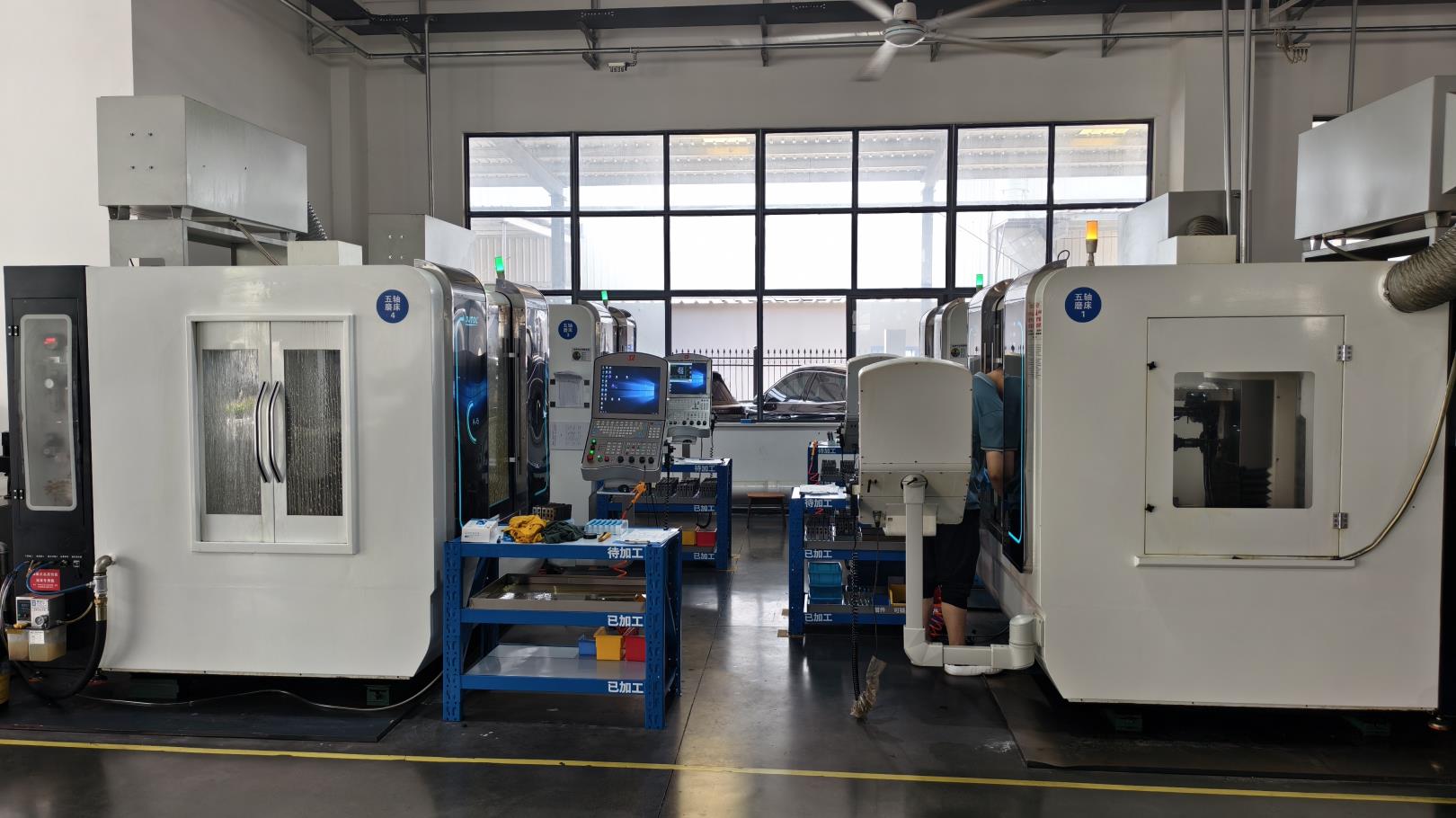
Forging blanks are produced via drop-forging techniques to establish optimal grain flow. Following this, multi-axis CNC machines and wire EDM cut out complex geometric structures, locking hinges, and serrated jaws with tolerances down to ±0.01 mm.
Instruments undergo fine grinding, manual tuning, and surface modification. Depending on specifications, we offer satin finishes, matte bead-blasted coatings (to eliminate operating room light reflection), and physical vapor deposition (PVD) coatings like Titanium Nitride (TiN).
Every device undergoes rigorous validation testing: boiling water corrosion tests, copper sulfate testing, and tensile testing. Laser etching applies unique device identifiers (UDI) and batch numbers directly on the instruments to ensure 100% material traceability from source to end-user.
Medical device demands vary widely by region, regulatory environment, and patient demographics. Our customizable orthopedic instruments and forceps are engineered to address these localized requirements:
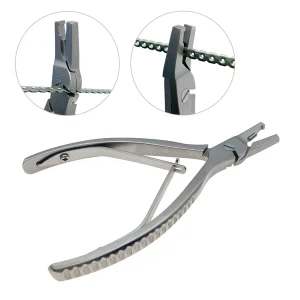
In the US and Canadian markets, our orthopedic forceps support minimally invasive plate osteosynthesis (MIPO). The demand focuses on low-profile, lightweight designs, specifically micro plate benders and Kirschner wire distractor forceps, which allow surgeons to work through micro-incisions with maximized tactile feedback.
Veterinary orthopedics in Brazil, Argentina, and Mexico requires highly cost-effective, versatile, and heavy-duty instrumentation. Our small fragment instrument sets and pet extraction/dental forceps are optimized for dual-use across avian, canine, and equine veterinary applications, featuring enhanced durability to withstand rugged animal clinical settings.
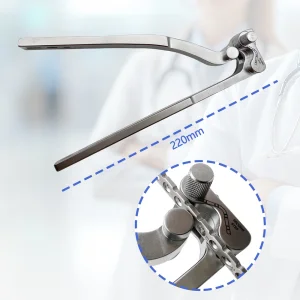
With rapidly growing public healthcare infrastructure in Vietnam, Thailand, and Indonesia, hospitals prioritize multi-functional reconstructive tools. Our AO reconstruction plate benders are engineered to support various plate geometries without fracturing the plate, providing a cost-effective, all-in-one tool for municipal surgery centers.
Operating from China's advanced medical instrument cluster since our registration in 2019, we leverage an unmatched industrial supply chain. This ecosystem allows us to source premium materials, implement advanced machinery, and scale production rapidly while maintaining strict cost-control measures.
| Manufacturing Dimension | Chinese Supply Chain Capability | Global Advantage |
|---|---|---|
| Raw Material Sourcing | Direct access to ISO-certified medical-grade titanium and stainless steel mills. | Lower logistics cost for raw material, 100% trace origin certificate. |
| Tooling & Prototyping | Rapid tool making using automated CAD-to-CNC linkages. | Sample lead time reduced from months to under 15 working days. |
| Quality Control (QA/QC) | Continuous inspection by 3 dedicated internal auditors, random/client audits. | Extremely low defect rate (<0.05%) reaching the international market. |
| Export Experience | 6 years of global shipping experience under complex customs regulations. | Hassle-free shipping, expert documentation for North/South America & SE Asia. |
Our facility does not just produce finished instruments; we design modular solutions. We integrate sample processing and graphic processing capabilities into our operational workflow. Whether a client requires an aesthetic alteration to standard bone pliers, a customized handle to reduce user hand pressure, or an OEM-branded orthopedic kit with customized autoclave boxes, our production lines scale dynamically to fulfill orders ranging from micro-batches to mass-market quantities.
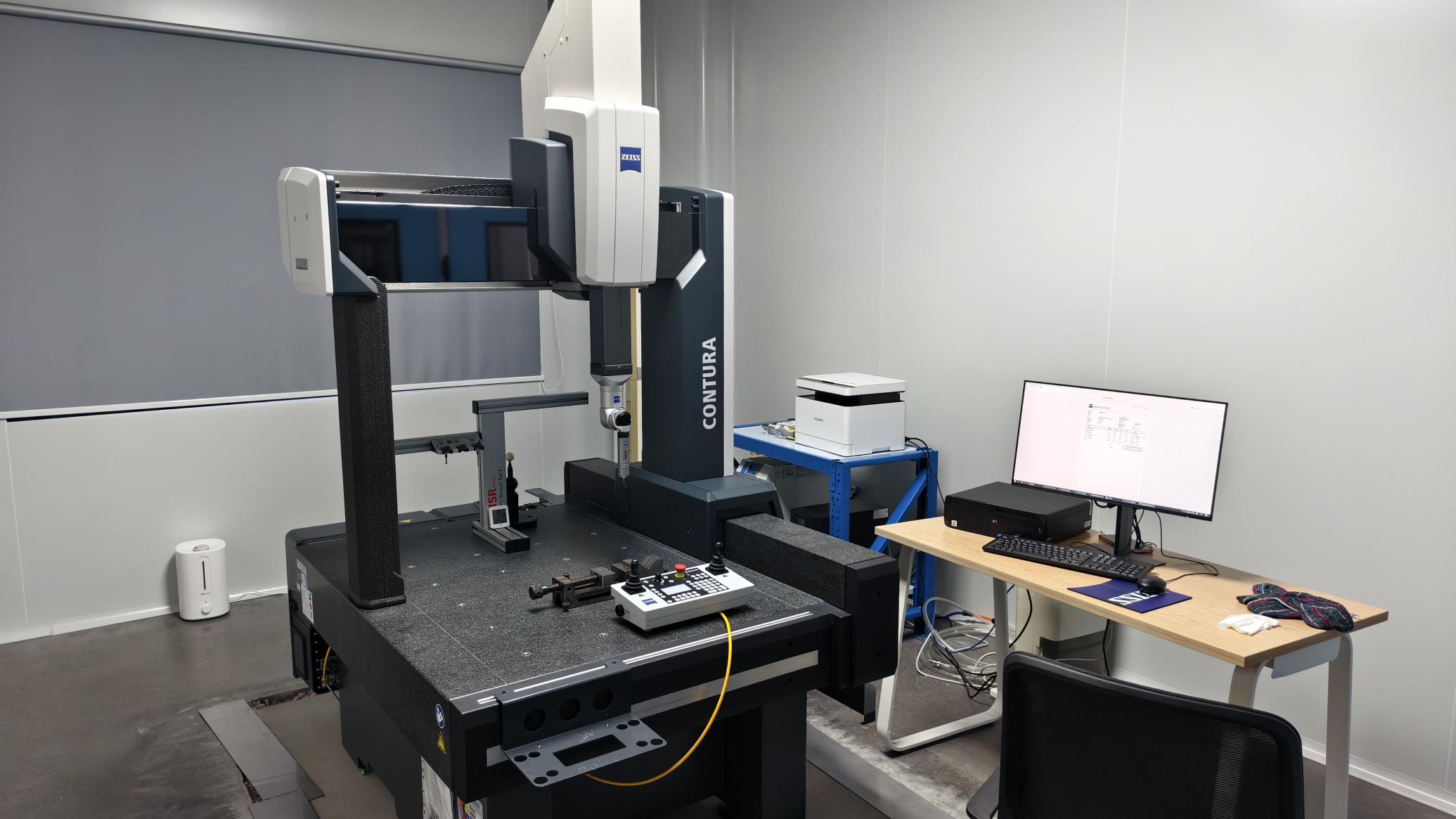
Take a look inside our ISO 13485 aligned workshops, precision testing zones, raw material testing facilities, and finishing lines.
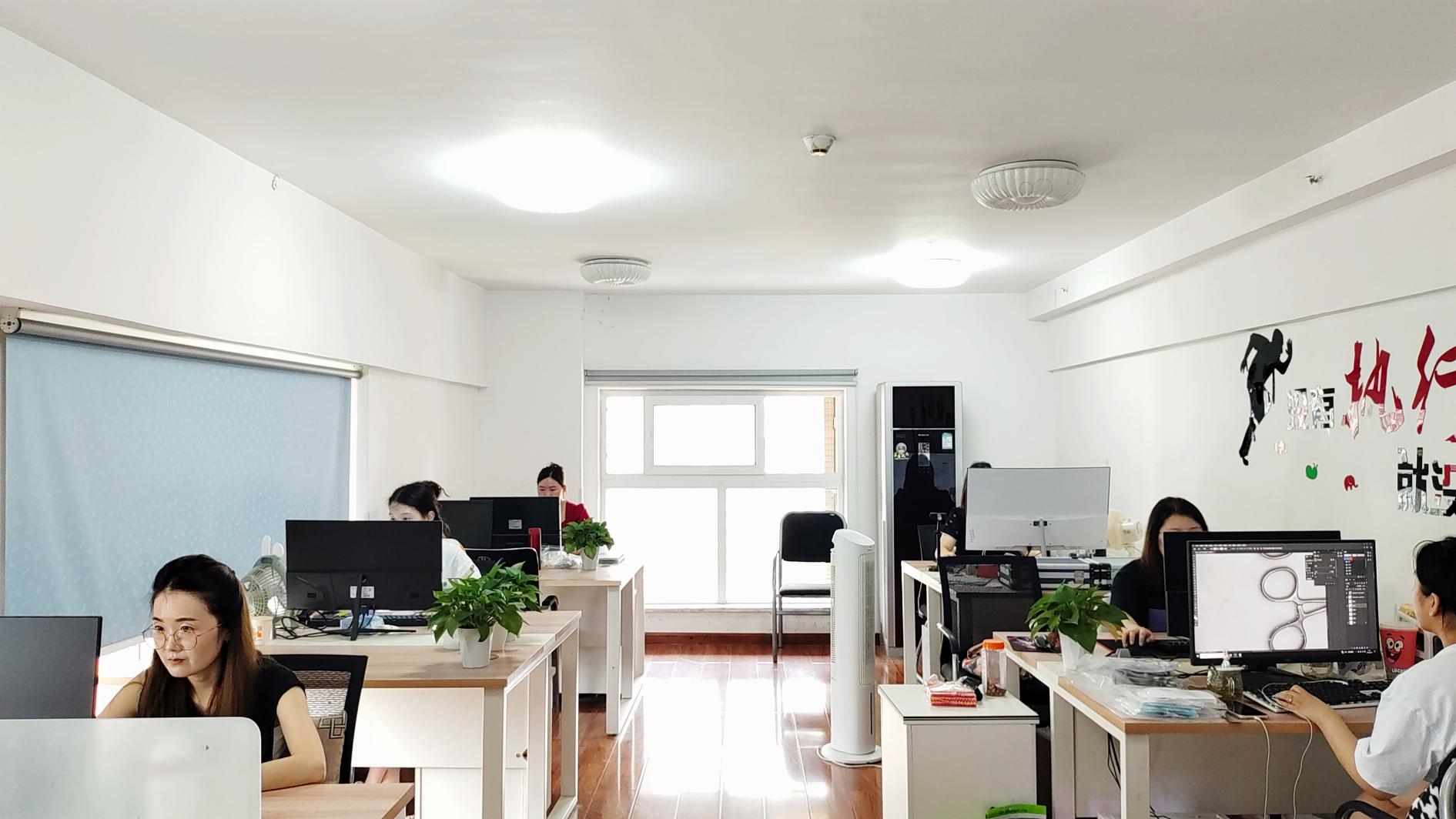
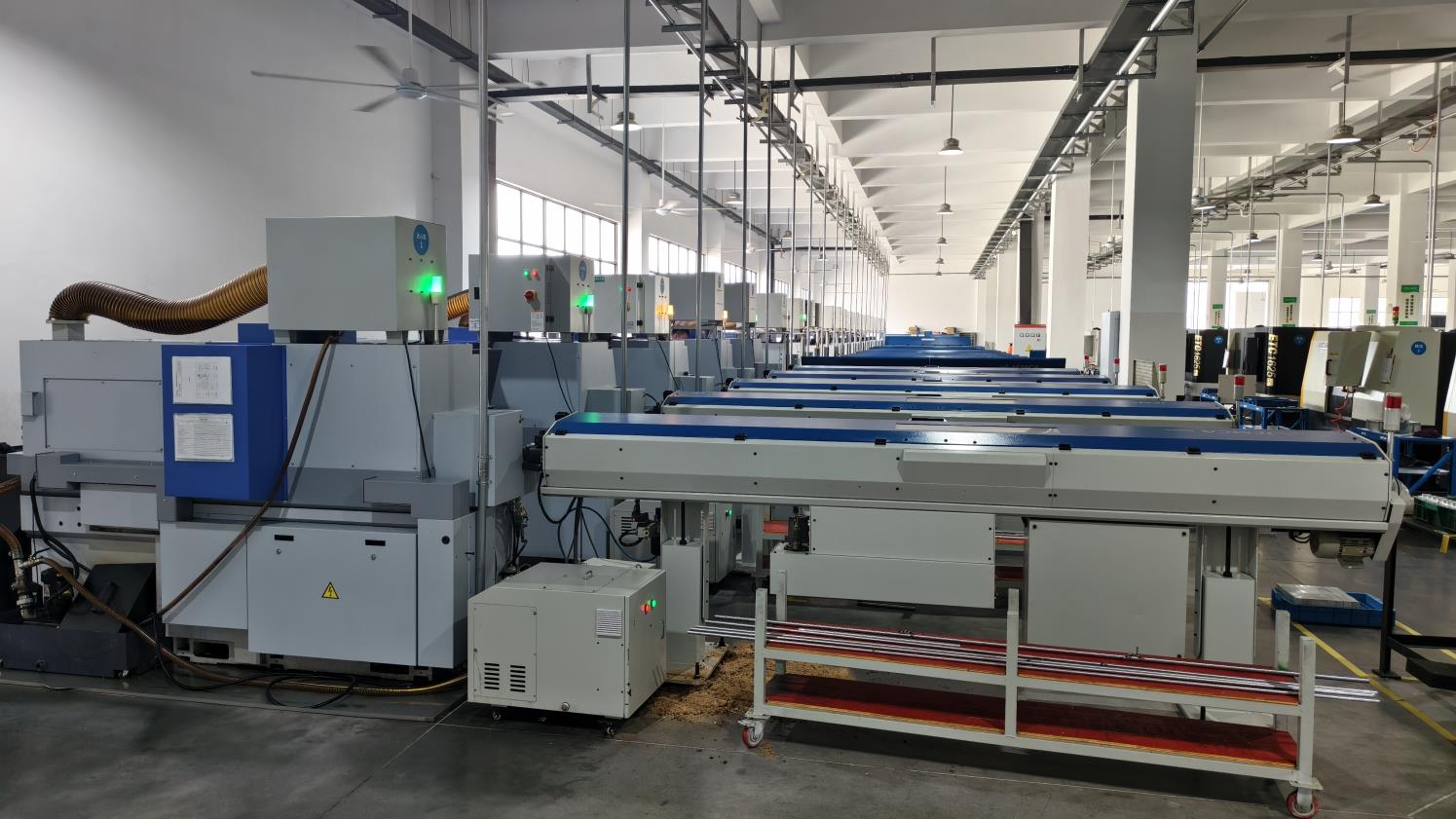
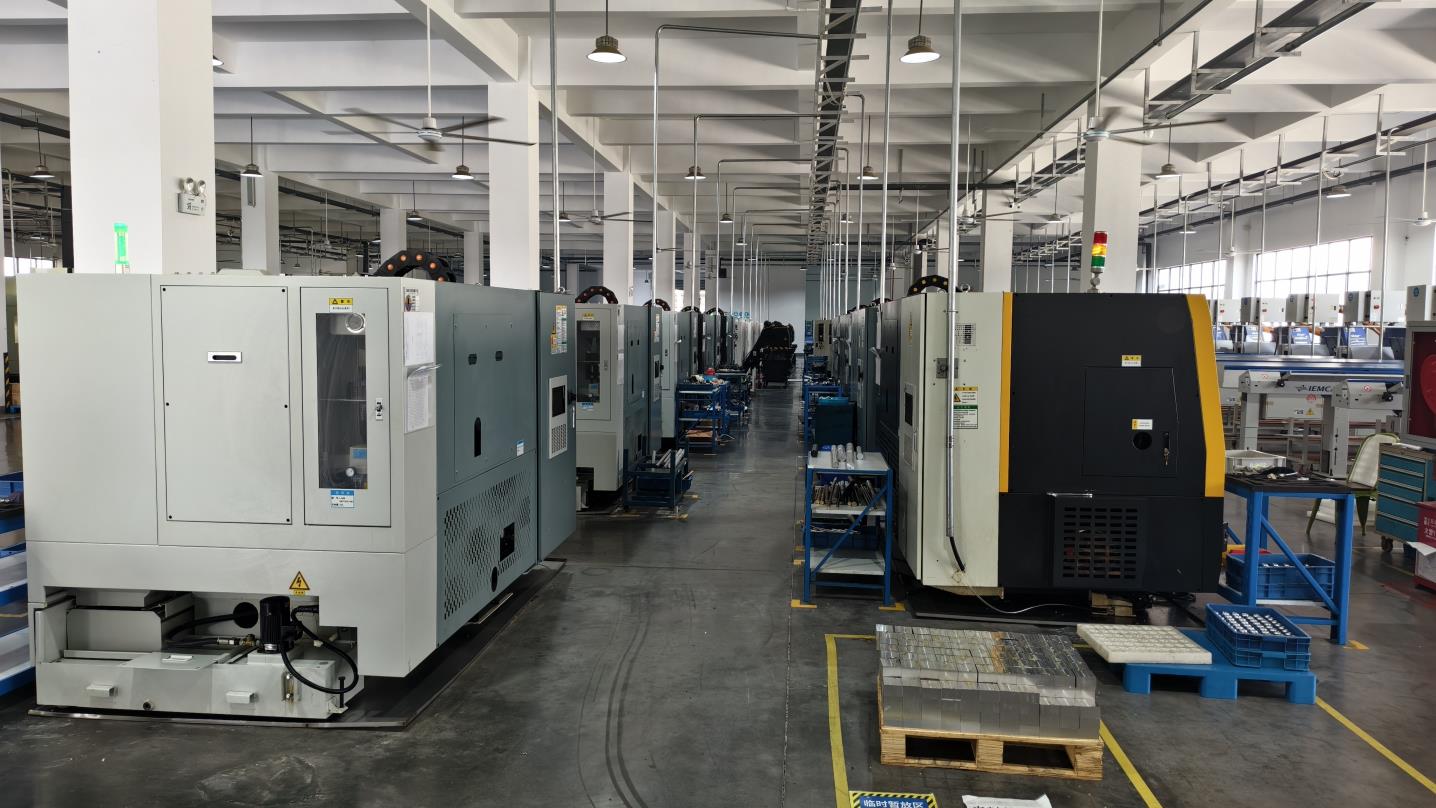
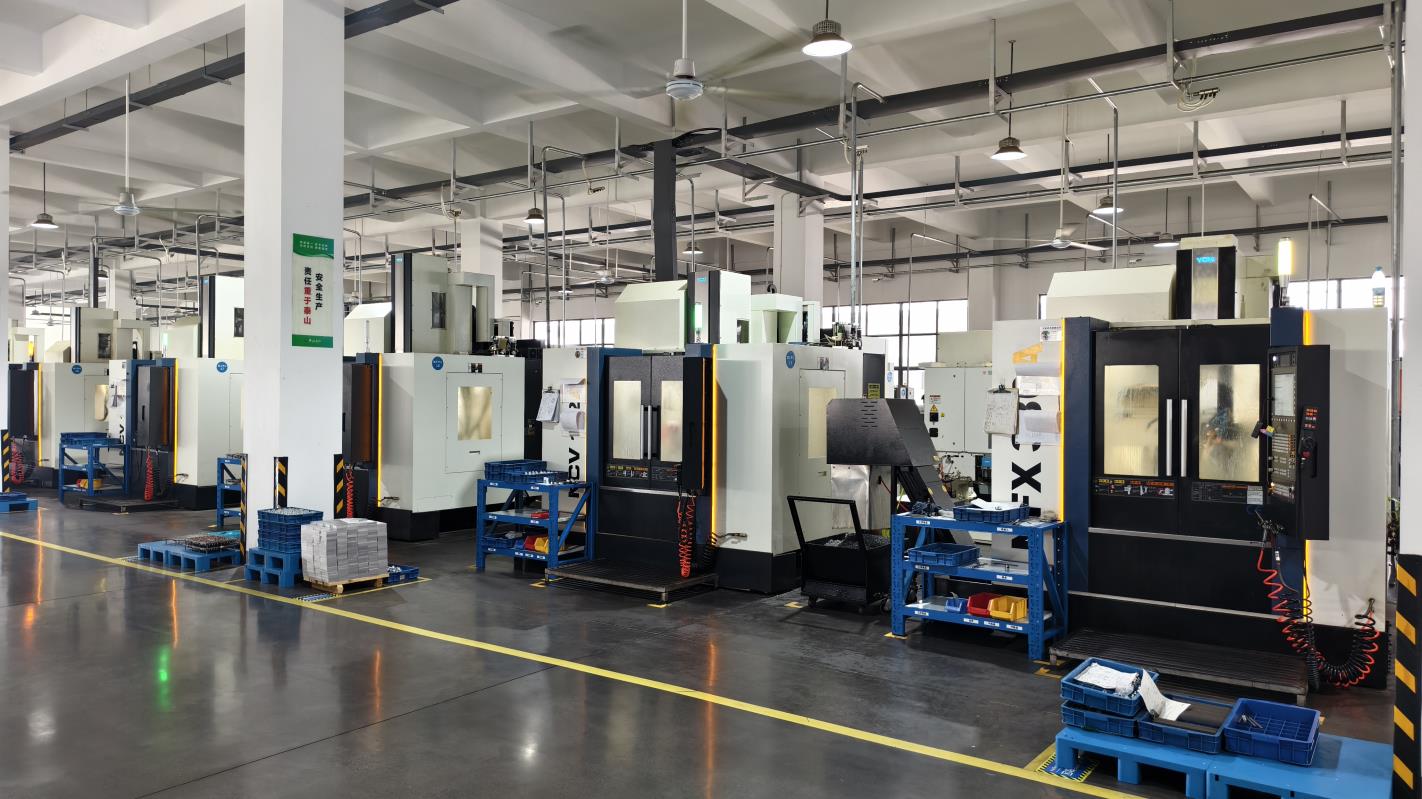
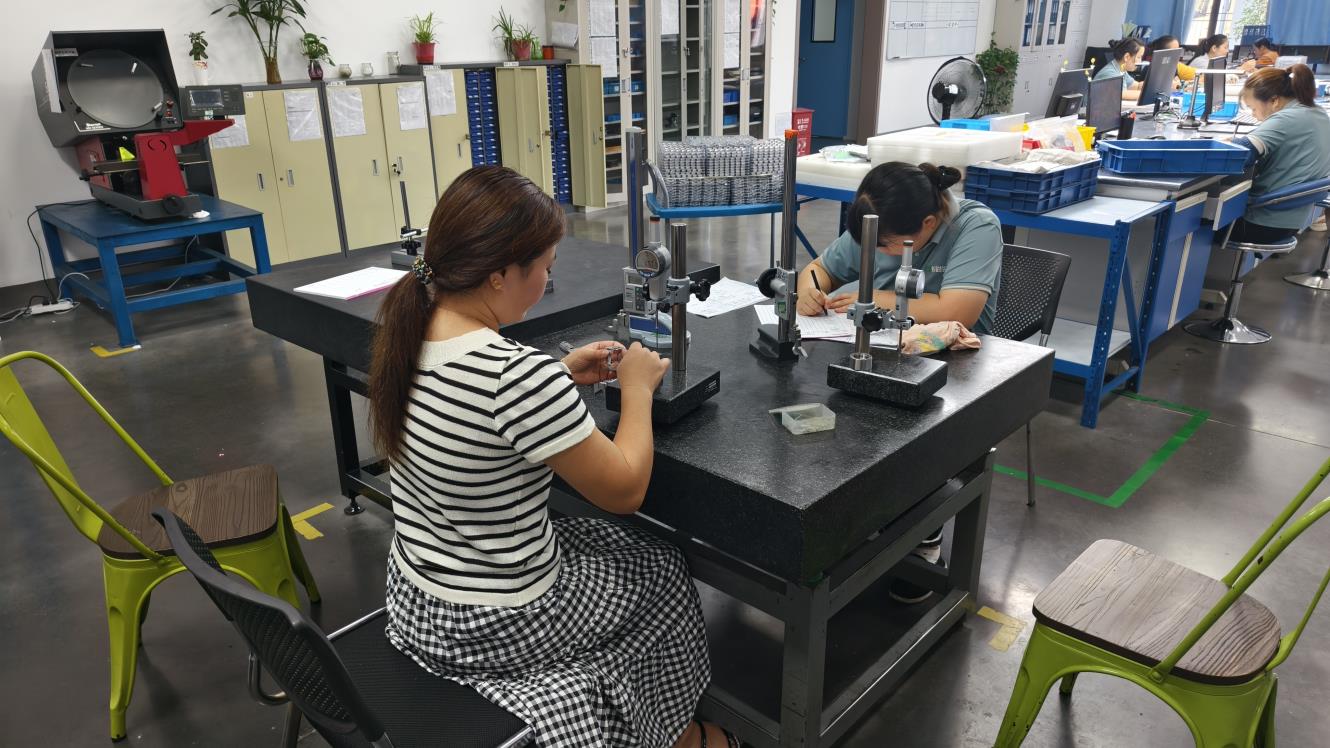
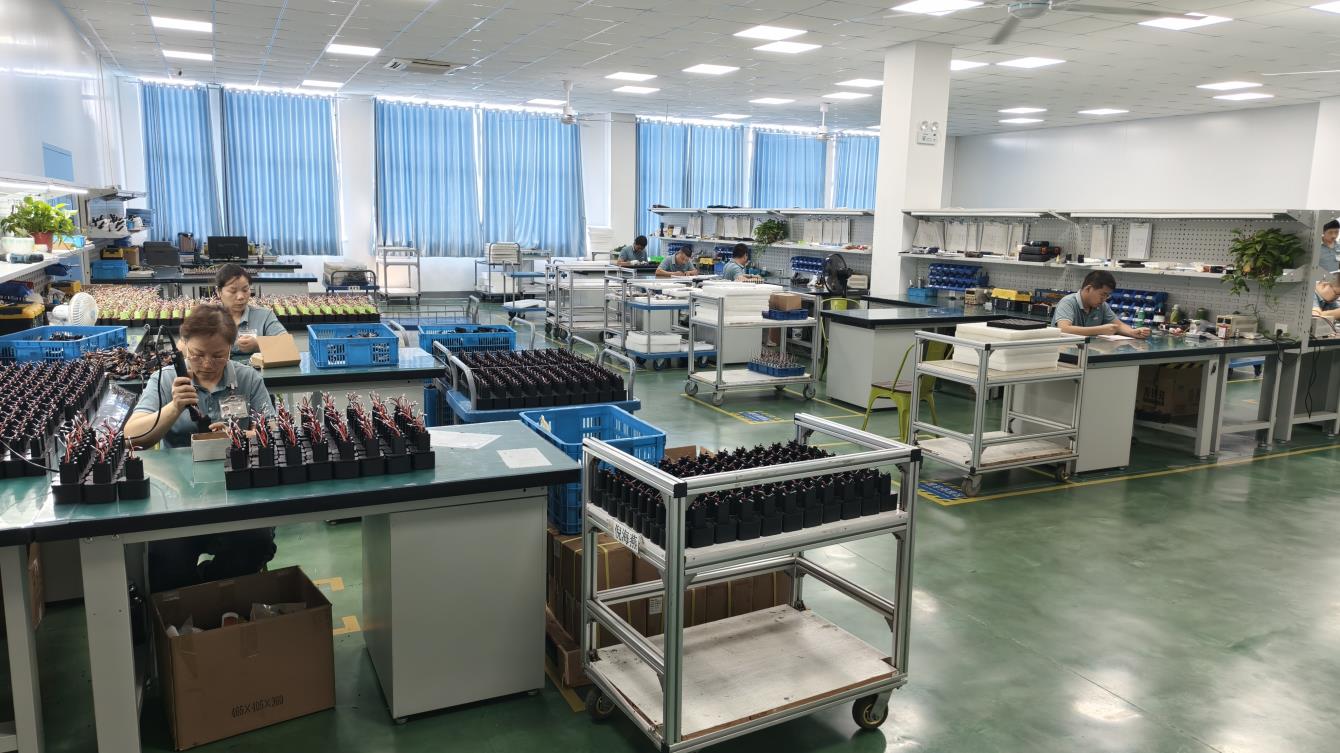
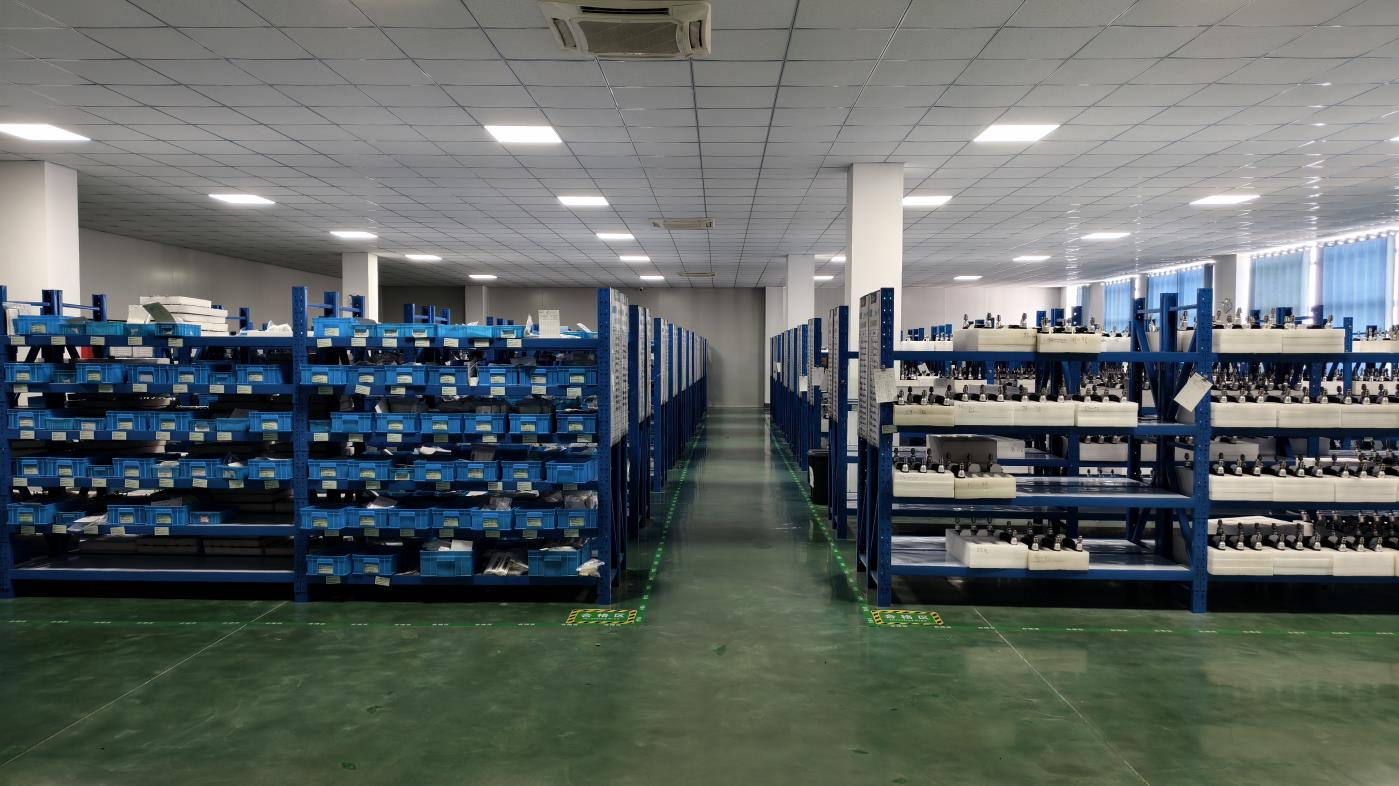
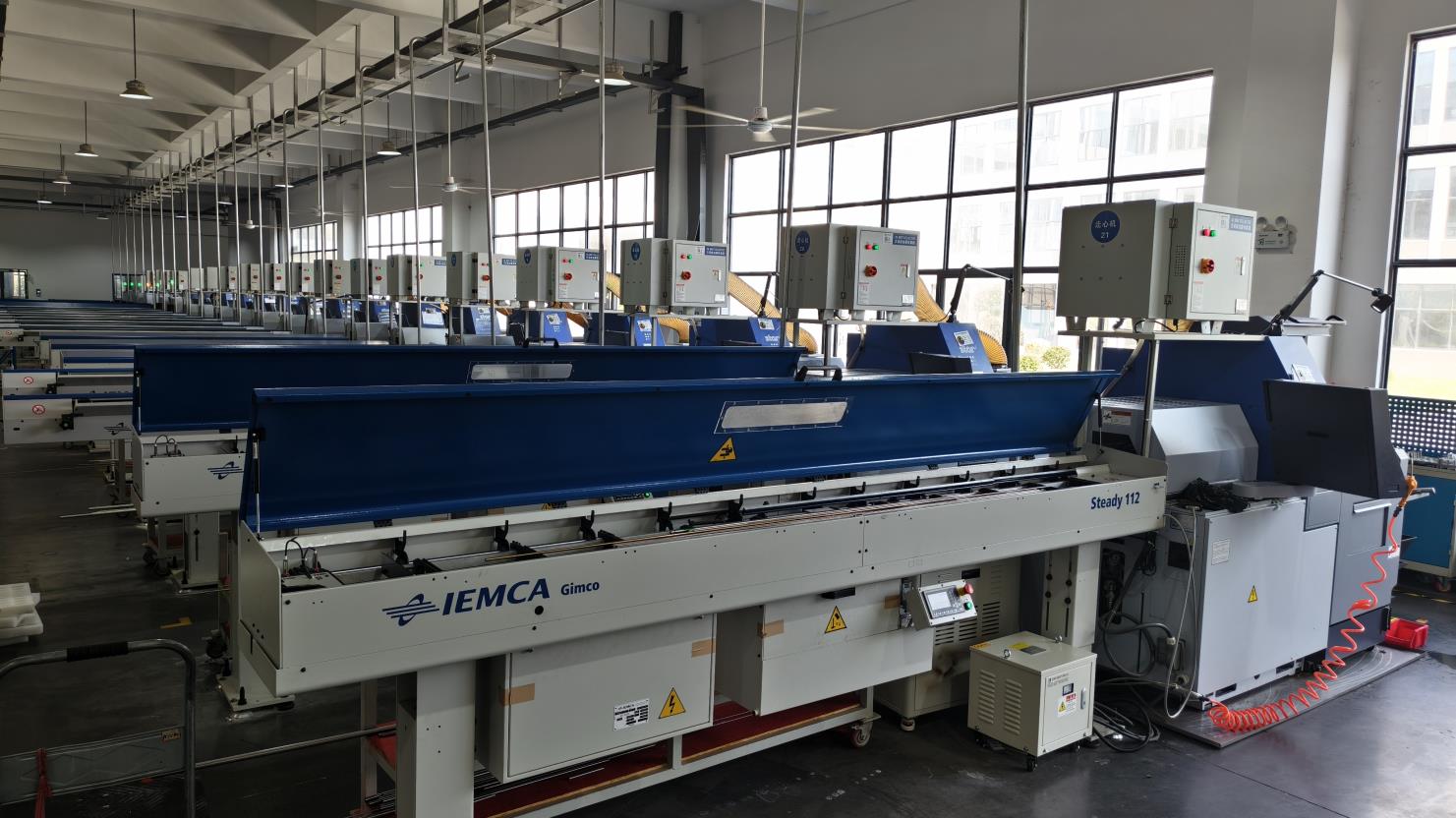
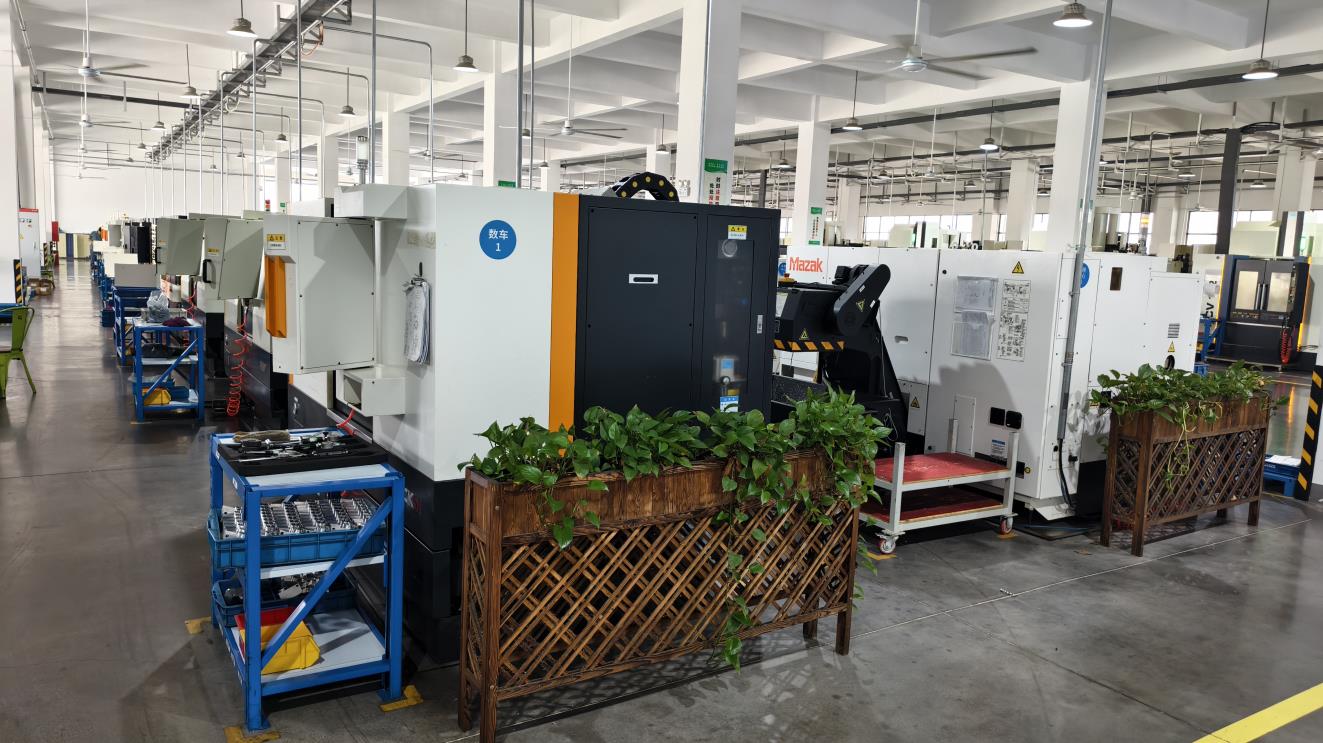
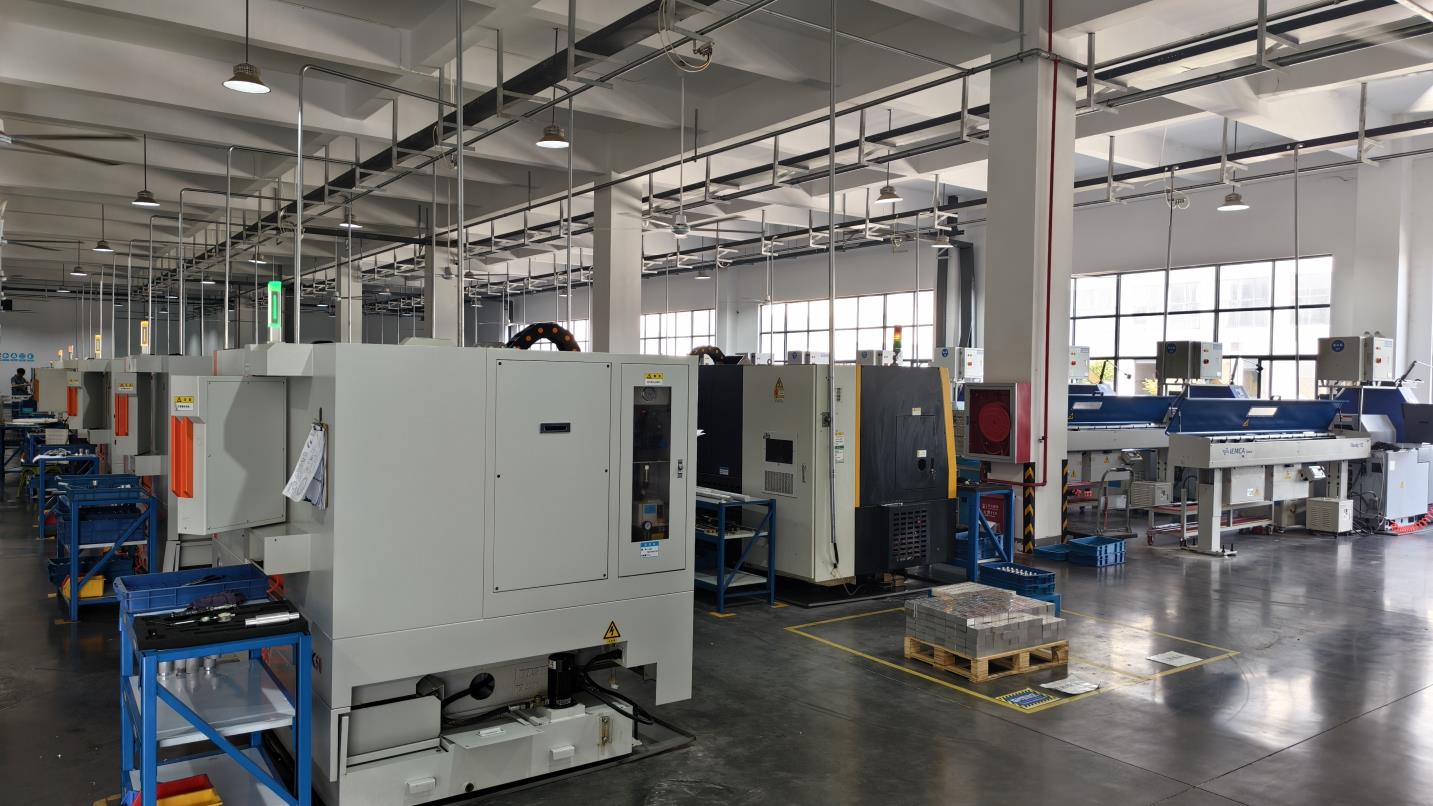
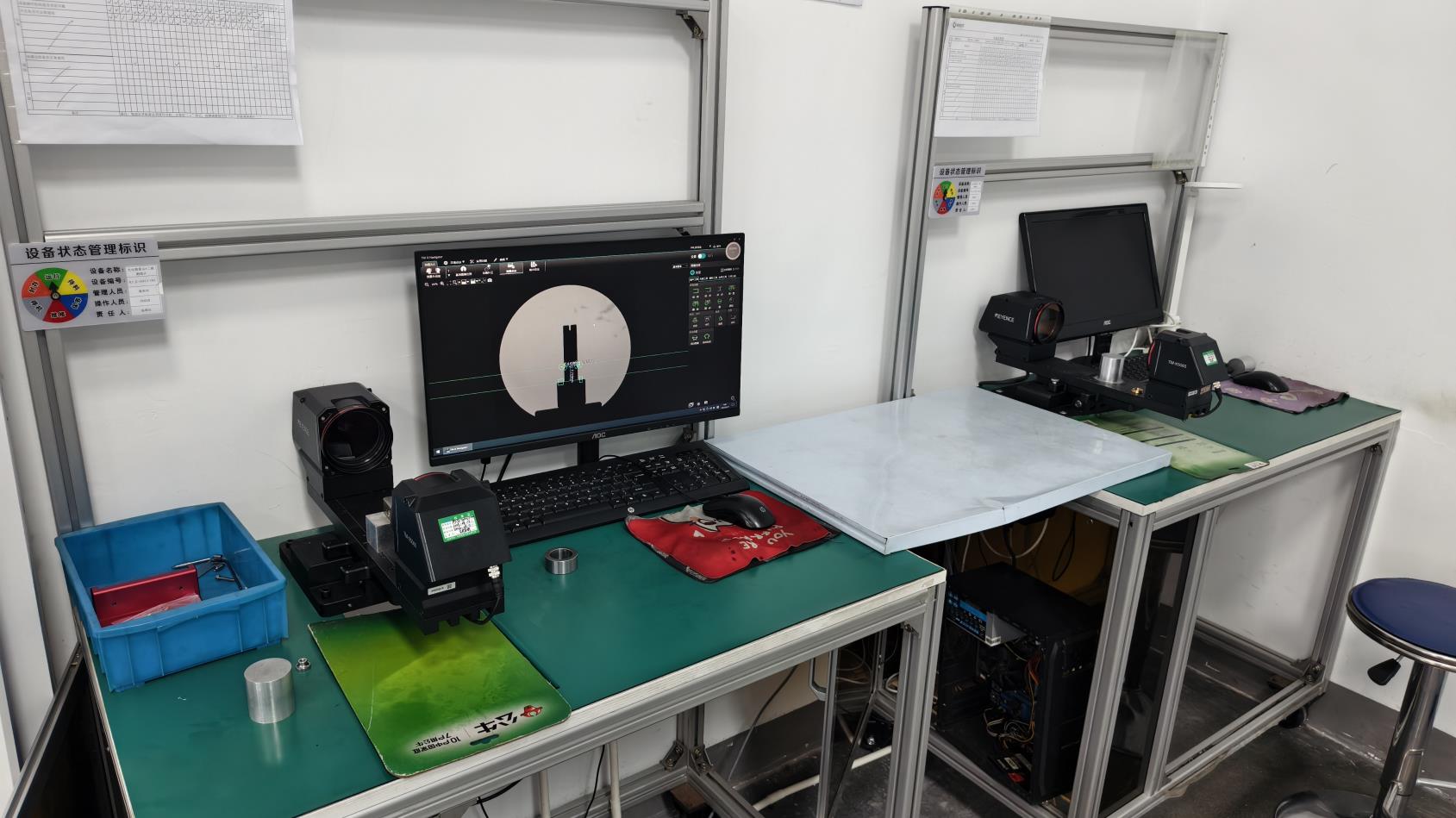
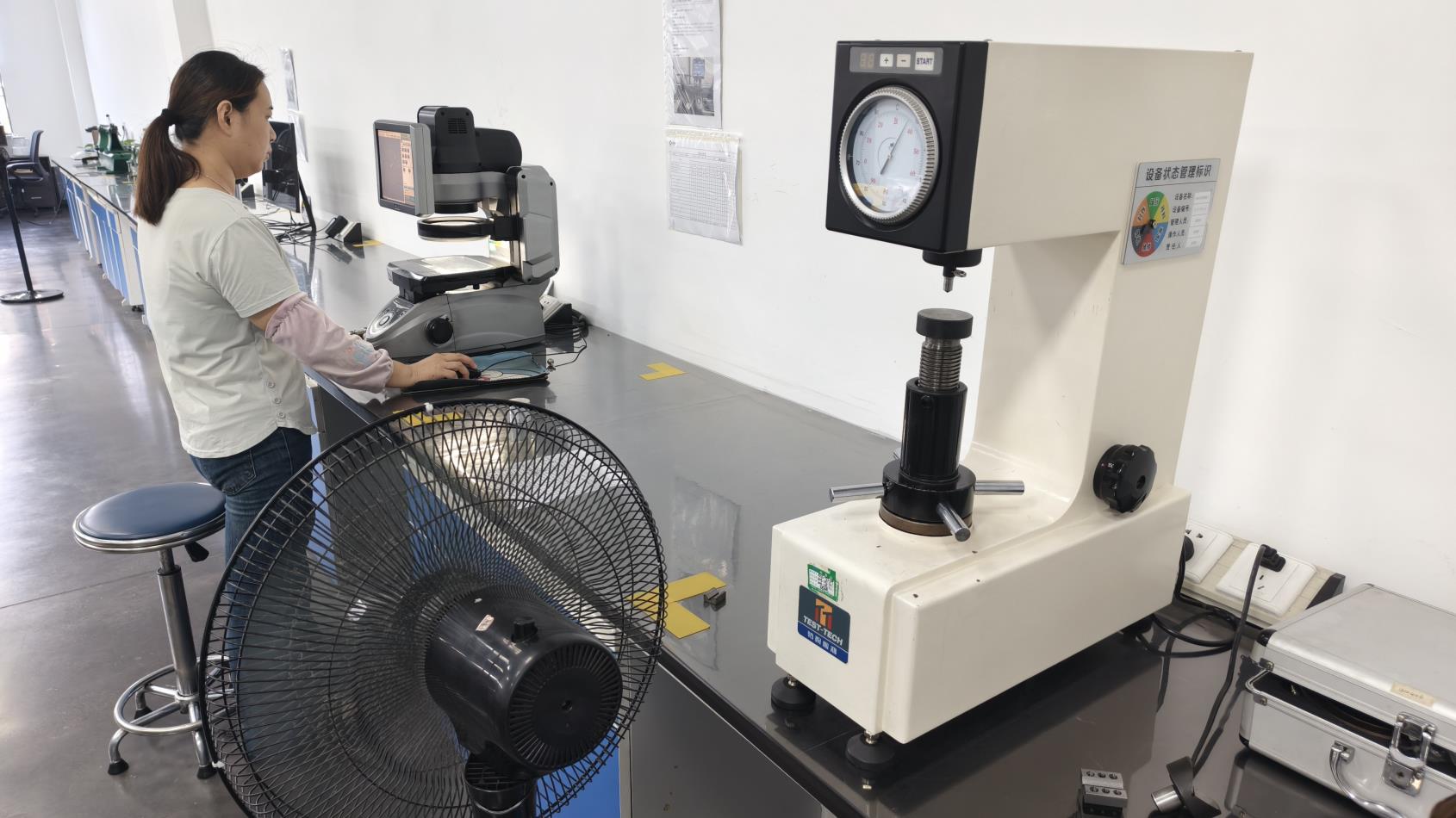
Selling surgical instruments in highly regulated markets such as North America, Europe, and Asia-Pacific requires comprehensive documentation. In alignment with Google E-E-A-T criteria, the profile below represents our verified operational metrics, manufacturing frameworks, and regulatory capabilities:
| Profile Attribute | Certified Factory Specifications |
|---|---|
| Registration & Experience | Established on November 20, 2019. Over 6 years of direct export specialization. |
| Traceability Systems | 100% traceability from raw material ingots to final laser-etched UDI numbers. |
| Quality Control Framework | Randomized batch inspections or 100% individual inspections based on customer quality plans. |
| Active Export Footprint | North America (25%), South America (25%), Southeast Asia (15%), Others (35%). |
| Customization Scope | Physical sample replication, CAD/CAM blueprint machining, custom-branded medical kits. |
| Language Capabilities | Native technical English communication for engineering and commercial teams. |
Our company bridges the gap between affordable volume manufacturing and high-end medical-grade compliance. For custom developments, we provide comprehensive documentation support including certificate of conformance, raw material mill reports, hardness mapping files, and bio-compatibility test reports to streamline your local FDA or CE registration processes.
Get answers to critical technical, logistic, and design-related inquiries regarding our OEM/ODM orthopedic instrument operations.
We primarily utilize medical-grade martensitic stainless steels (specifically ASTM F899 compliant alloys like 420A, 420B, or 420C) for instruments that require edge-holding sharpness or heavy torque resistance, such as rongeurs and cutting saws. For implants, wires, or plates, we use austenitic 316LVM (ASTM F138) or Grade 5 Titanium (Ti-6Al-4V ELI) to guarantee biocompatibility and mechanical strength.
Every OEM/ODM instrument undergoes a multi-step chemical passivation process according to ASTM A967. This step removes surface contaminants and free iron, generating a corrosion-resistant chromium-oxide passive layer. Following passivation, we conduct standard copper sulfate and boiling-water testing to verify that no rust will form during clinical steam sterilization cycles (134°C autoclaving).
Yes. Our R&D engineering division is equipped to handle graphic design, engineering prints, and actual physical samples. We recreate a digital 3D model, perform Finite Element Analysis (FEA) to confirm mechanical strength, and manufacture prototype samples for your validation before initiating bulk commercial production.
For customized sample developments, prototypes are usually ready within 15 to 25 days depending on the structural complexity. Once the design is validated and approved by the client, bulk production runs take between 30 and 45 days, depending on raw material availability and order volume.
We employ 3 dedicated in-house QA/QC inspectors. Inspection protocols include 100% visual inspection under magnification, mechanical function testing (hinge play, locking mechanism testing), dimensional calibration checking via high-precision calipers, and chemical test verification. Clients are welcome to deploy third-party inspectors like SGS or TÜV prior to cargo release.
All orthopedic forceps and tools are individually packaged in protective medical-grade bubble wraps or PE bags, preventing metal-on-metal scratching. Bulk shipping uses heavy-duty double-corrugated export cartons with corner protectors, ensuring safe maritime, air, or express courier delivery directly to your facility.
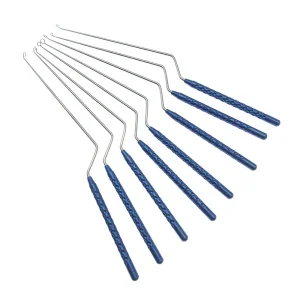
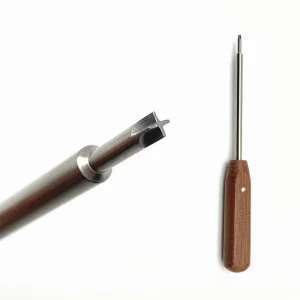
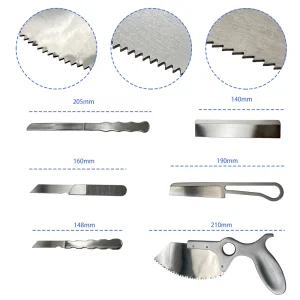
From micro-neurosurgery curettes to large veterinary bone saws, find the exact instrument design to fit your clinical specialty catalog.
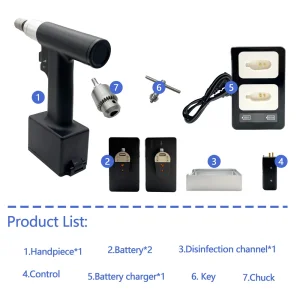
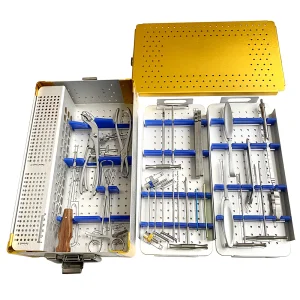
As surgical practices transition toward minimally invasive robotics, the demand on manual instrumentation is shifting. We are actively investigating hybrid manufacturing setups, incorporating additive manufacturing (3D metal printing) to produce ultra-lightweight hollow-handle forceps. By optimizing internal lattice structures, we can reduce the overall weight of heavy-reduction forceps by up to 40% while maintaining the identical mechanical failure thresholds.
Additionally, our metallurgical research division is monitoring the developments in bio-resorbable zinc and magnesium alloys, projecting the future integration of temporary fixative clips directly deployable from complex handheld delivery forceps. Partnering with our engineering team ensures your brand remains at the absolute forefront of modern clinical technology.