SENJIE Healthy & Technology
SENJIE Healthy & Technology
SENJIE Healthy & Technology
High-performance mechanical constructs engineered to withstand fatigue, deliver accurate tactile response, and guarantee safe clinical outcomes.
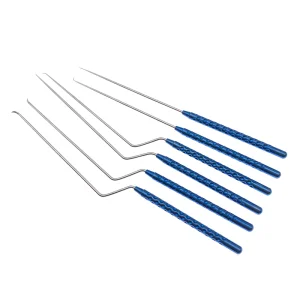
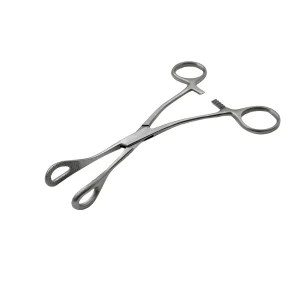
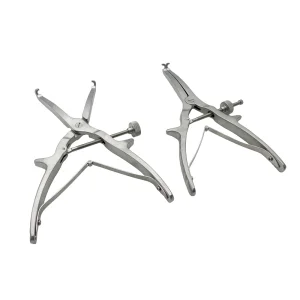
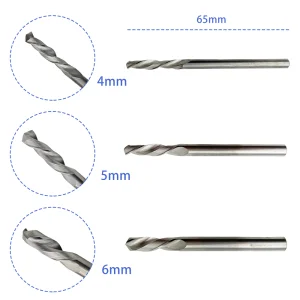
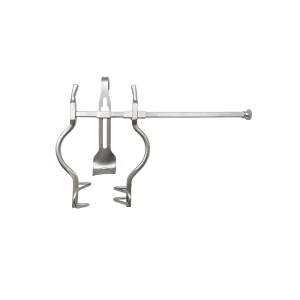
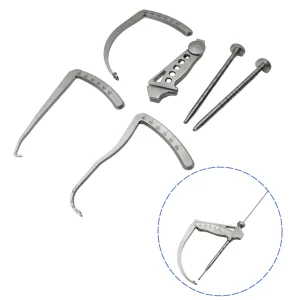
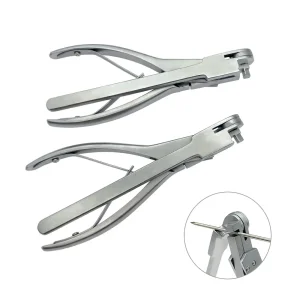
Transparent profile detailing our technical footprint, geographical reach, and operational milestones as an established surgical device supplier.
Our operational capabilities are configured to meet the stringent demands of brand businesses, global medical wholesalers, local retailers, and custom private label programs. With a strong commitment to quality control, we run random inspections and customized testing profiles tailored specifically to each client's target regulatory parameters. We support complete material traceability starting from the raw material mill certificate up to the finished instrument, assuring our clients of the performance of each instrument in critical environments.
Optimizing surgical intervention tools to align with modern clinical techniques and patient-specific needs.
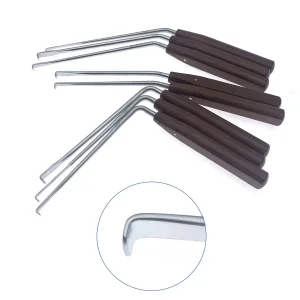
Modern orthopedic surgery demands high accuracy, biomechanical compatibility, and long-term durability. Bone curvature instruments, including benders, forceps, retractors, and drivers, represent the core equipment required for correction, stabilization, and bone-reconstruction procedures. Whether handling pediatric deformities, adult spinal stabilization, or complex veterinary osteotomies, the physical shape and performance of the instrument directly affect surgical outcomes.
At a macro level, the global demand for orthopedic and spine surgeries is rising due to aging demographics, sports-related trauma, and advanced veterinary practices. Surgeons face complex anatomical scenarios that require instruments capable of bending, cutting, and grasping with high precision. Standard configurations often fail when dealing with unique anatomical curvatures, making high-quality OEM/ODM customization a necessity for global distributors and medical device brands.
To address this, our customization framework utilizes Finite Element Analysis (FEA) to simulate strain on variable-radius curves. This process helps ensure that when an orthopedic surgeon applies force to a plate or rod bender, the stress is distributed evenly. As a result, the tool performs reliably without causing structural issues or losing calibration, even during demanding procedures.
The performance of orthopedic surgical instruments is highly dependent on material composition. Selecting the right metal alloy determines the tool's durability, sterilization compatibility, and resistance to corrosion. Below is a comparative look at the primary materials we use in our manufacturing process:
| Material Designation | Common Applications | Key Mechanical Strengths | Biocompatibility & Corrosion Resistance |
|---|---|---|---|
| Stainless Steel 316LVM (ASTM F138) | Bone plate benders, repositioning forceps, retractors, and manual drivers. | High yield strength, excellent ductility for smooth adjustment cycles. | Vacuum-melted alloy reduces inclusions, minimizing local corrosion. |
| Titanium Alloy (Ti-6Al-4V ELI - ASTM F136) | Micro-neurosurgery forceps, spinal separators, and implant-contacting guides. | Exceptional strength-to-weight ratio, low density, reduced surgeon fatigue. | Outstanding biological compatibility, creates an inert passivation layer. |
| Tungsten Carbide Inserts | Jaw inserts for wire benders, cutting blades, and high-wear driver tips. | Extreme hardness, keeps sharp edges clean, prevents slip during bending. | Highly stable; requires mechanical bonding to stainless steel substrates. |
A structured, end-to-end path from initial technical concepts to high-precision surgical instruments.
Our engineering services turn complex clinical requirements into reliable medical instruments. We provide customized solutions for manufacturing customized configurations, matching existing surgical designs, or modifying handles for specific needs.
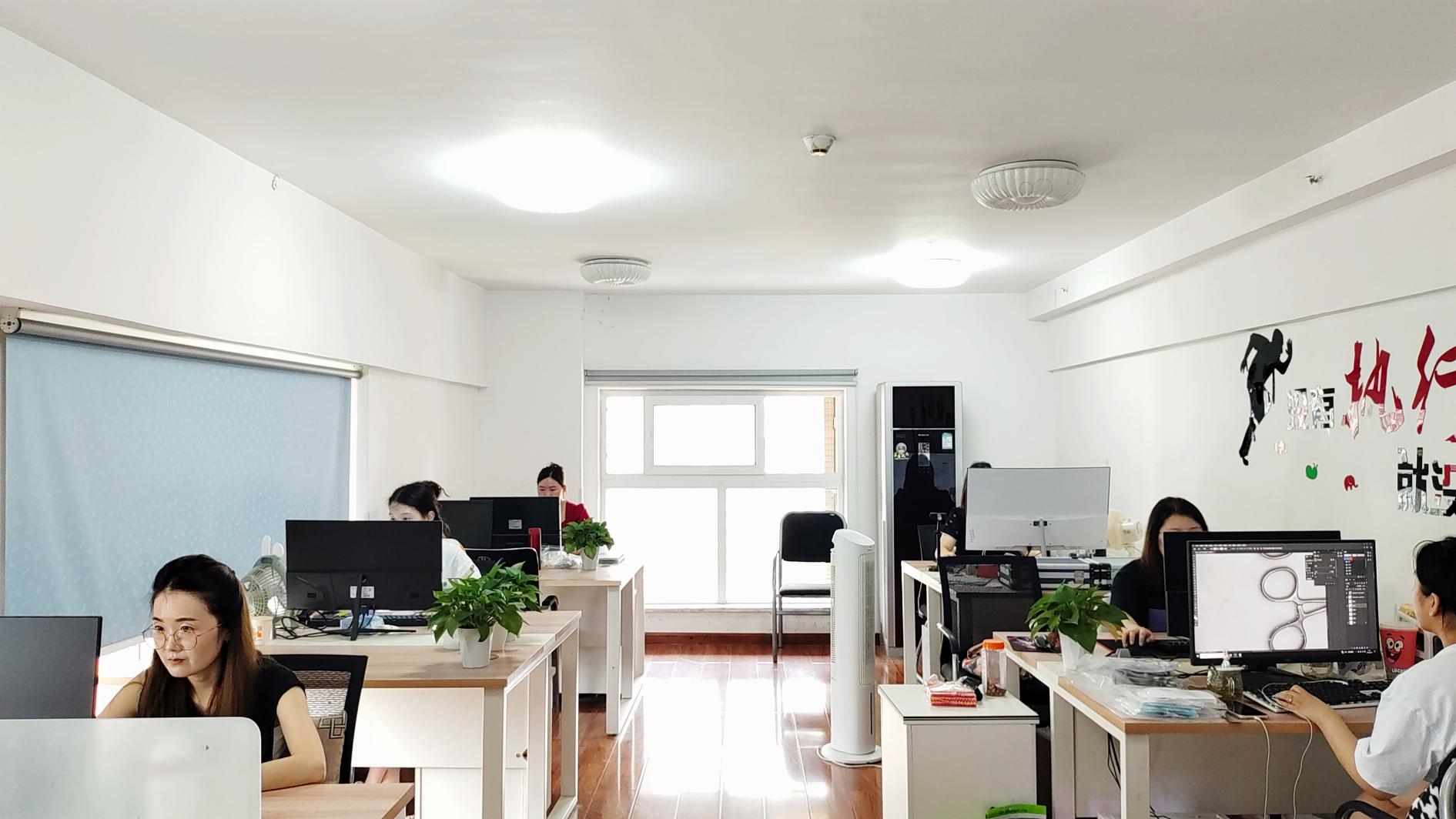
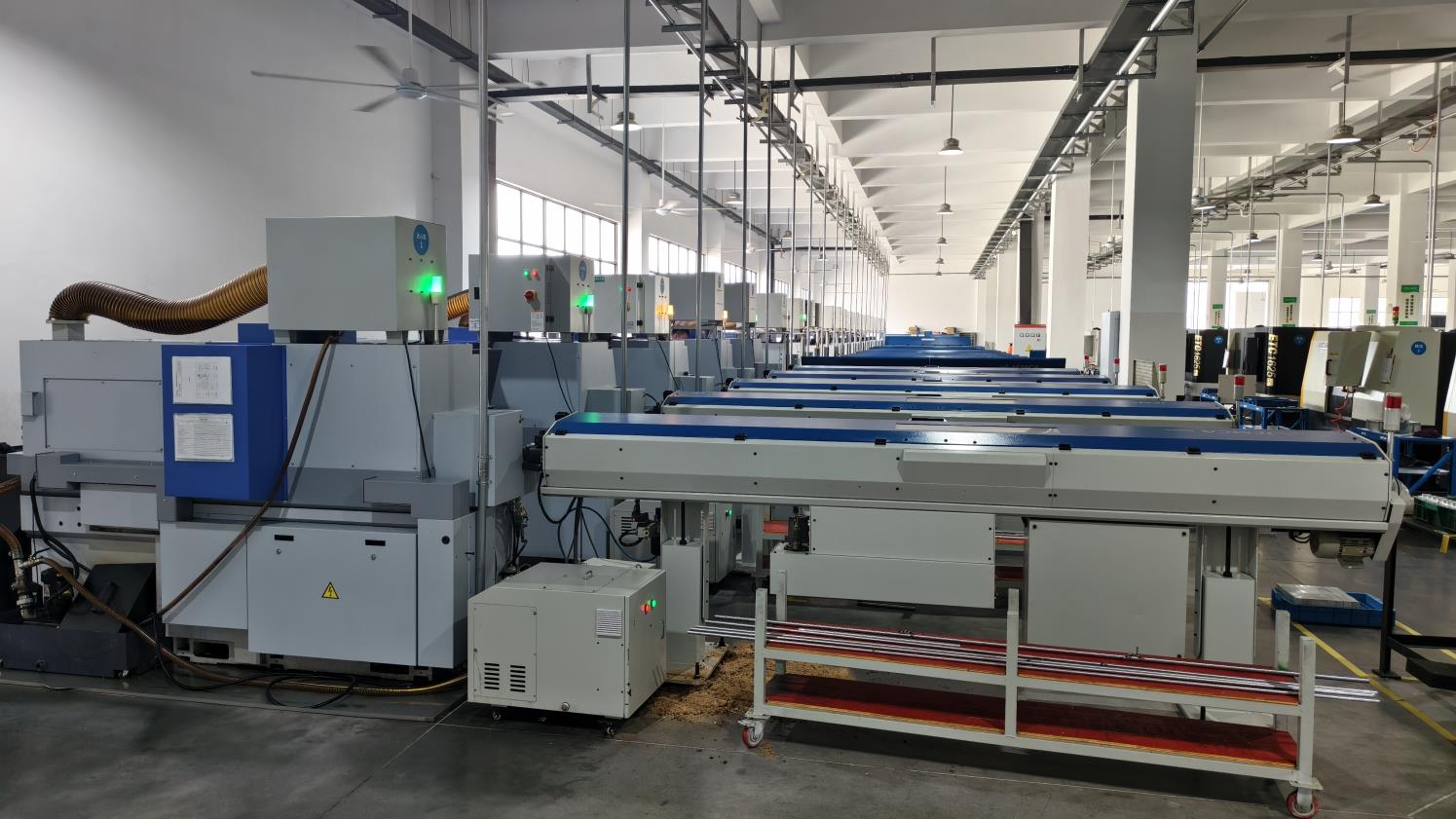
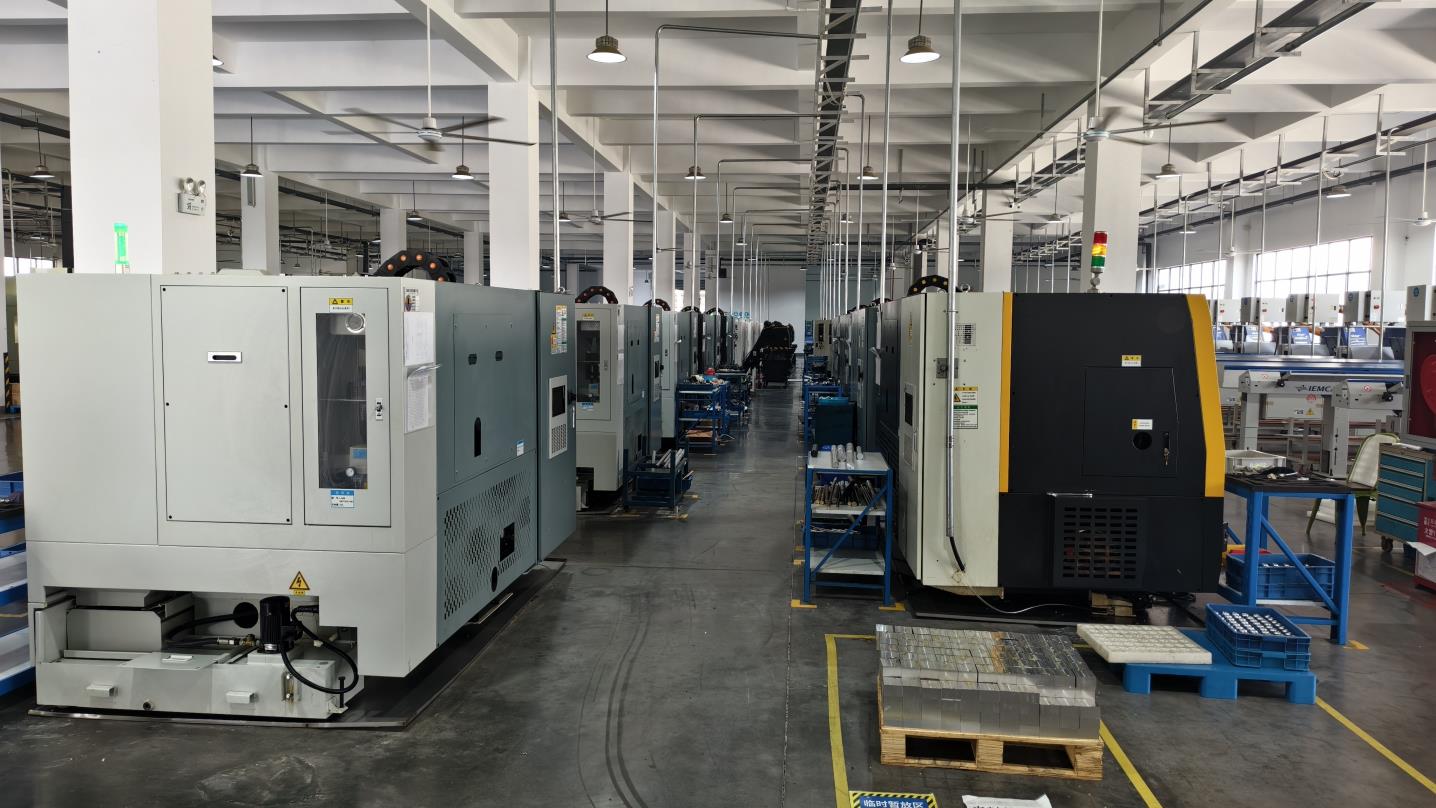
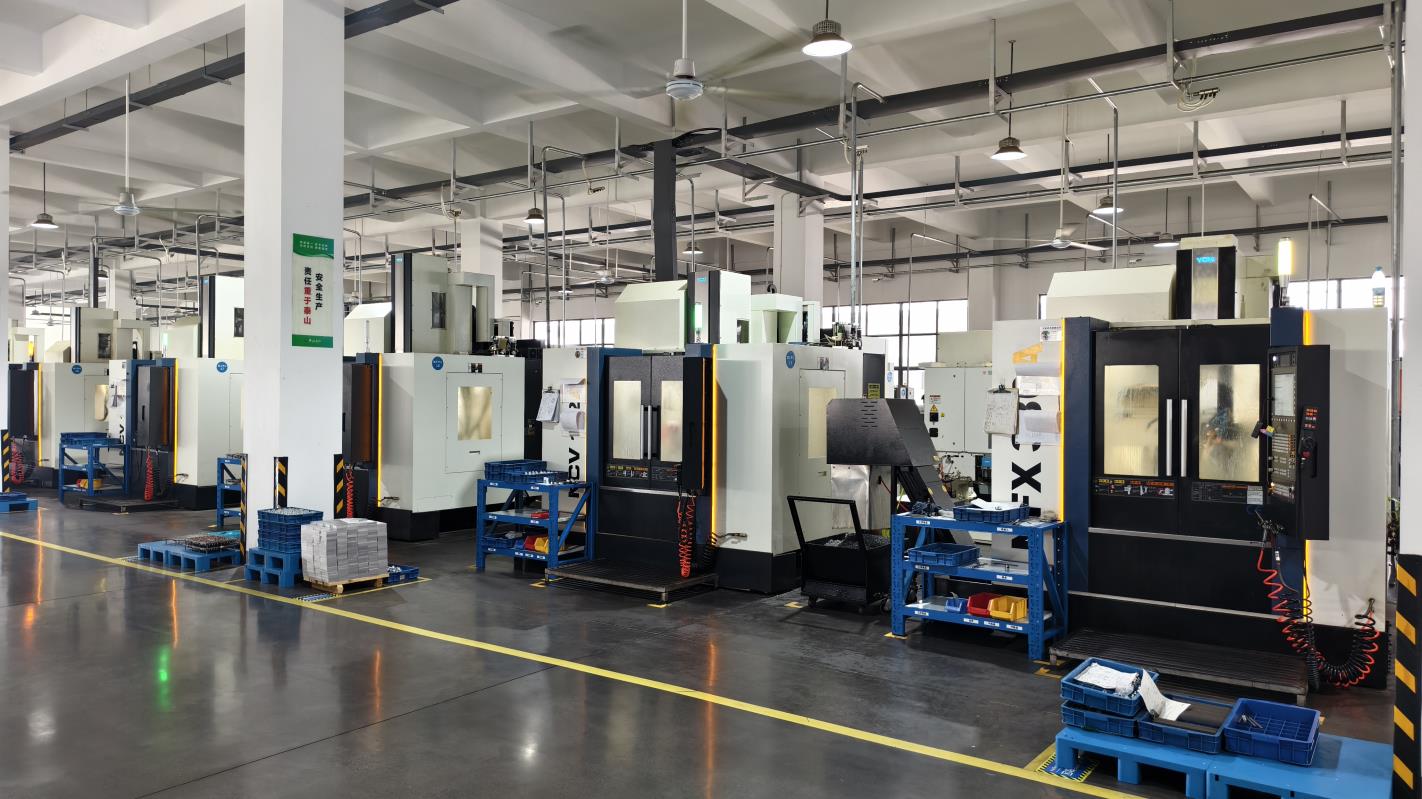
A detailed look at our production capacity, cleanrooms, machining centers, and raw material validation zones.
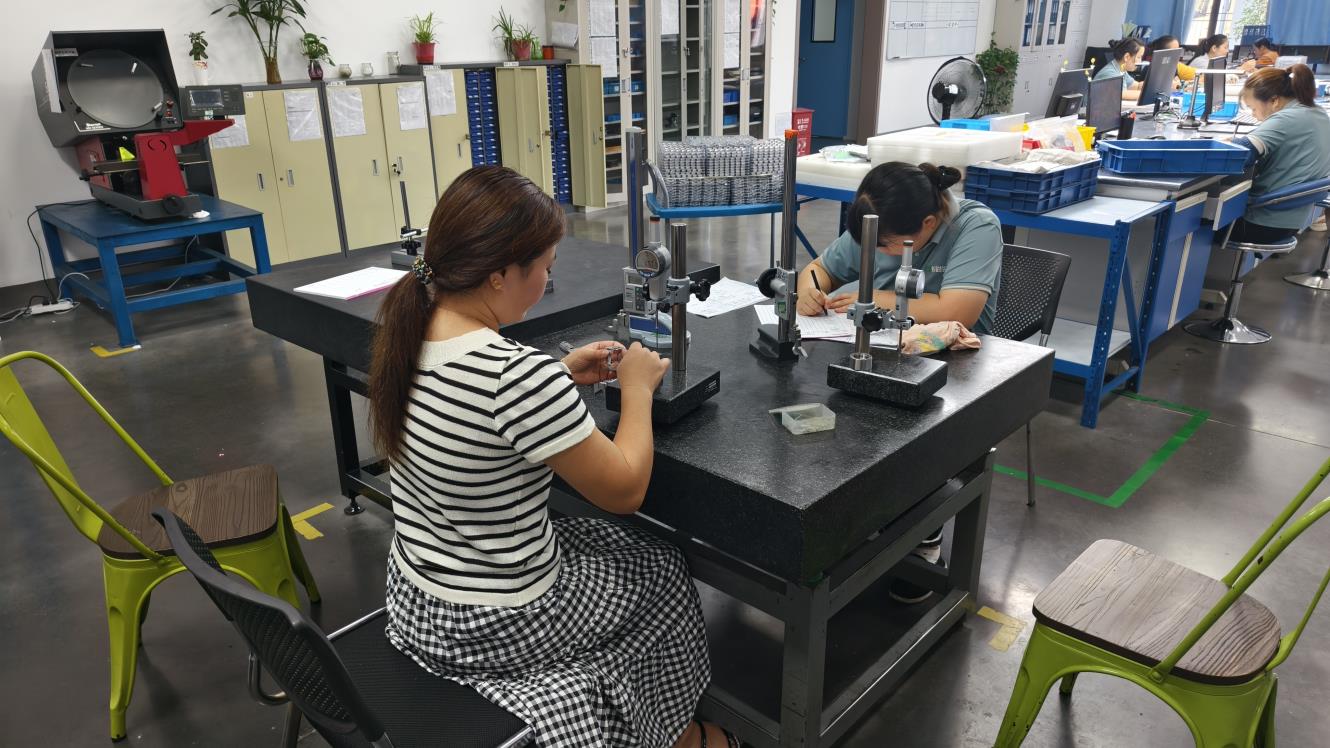
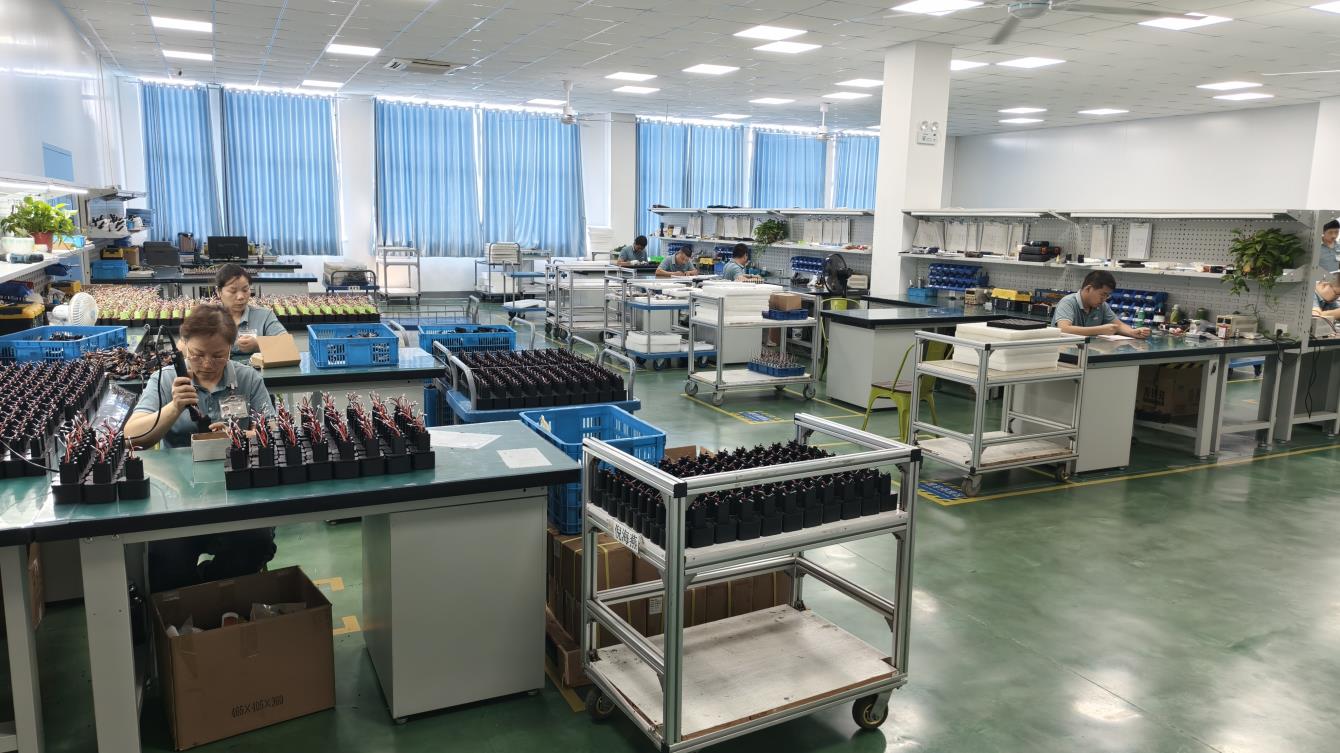
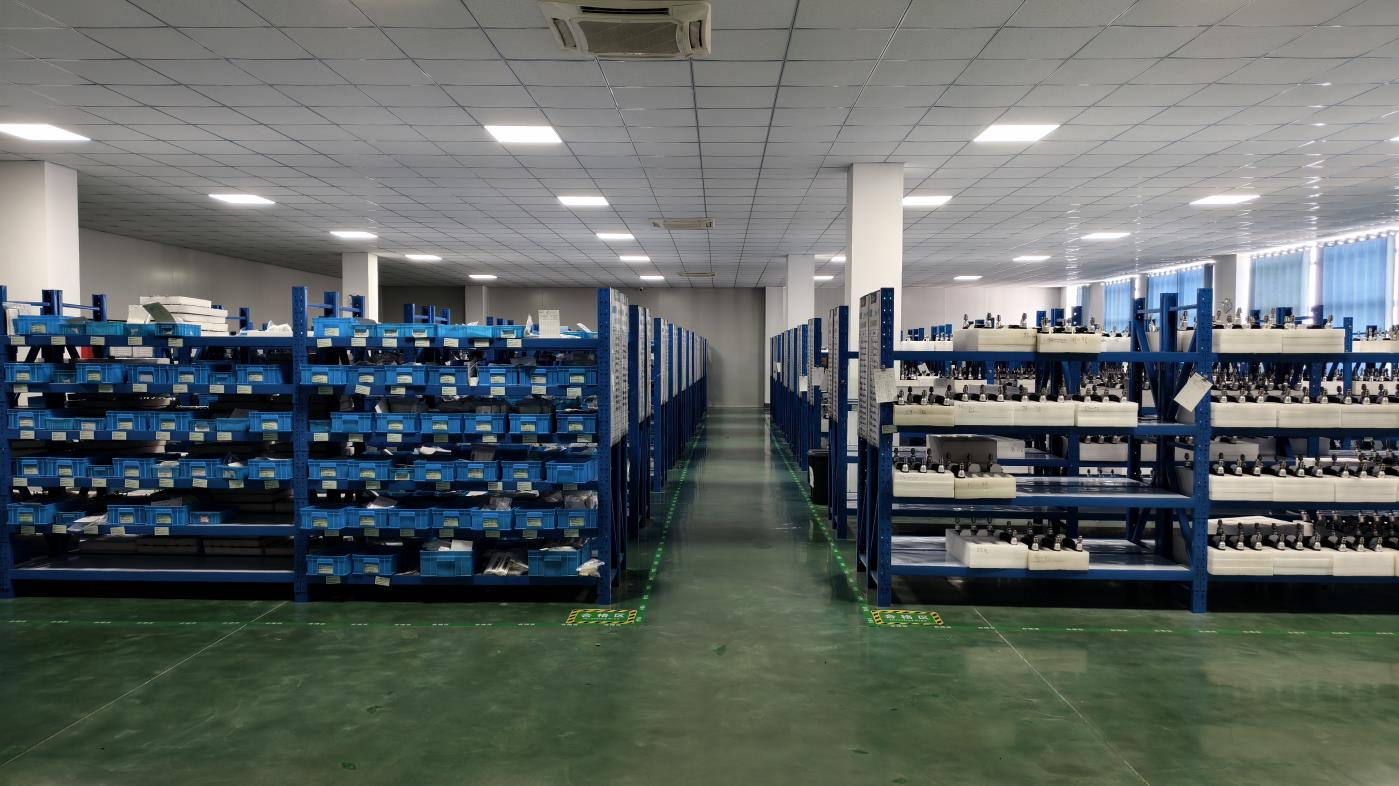
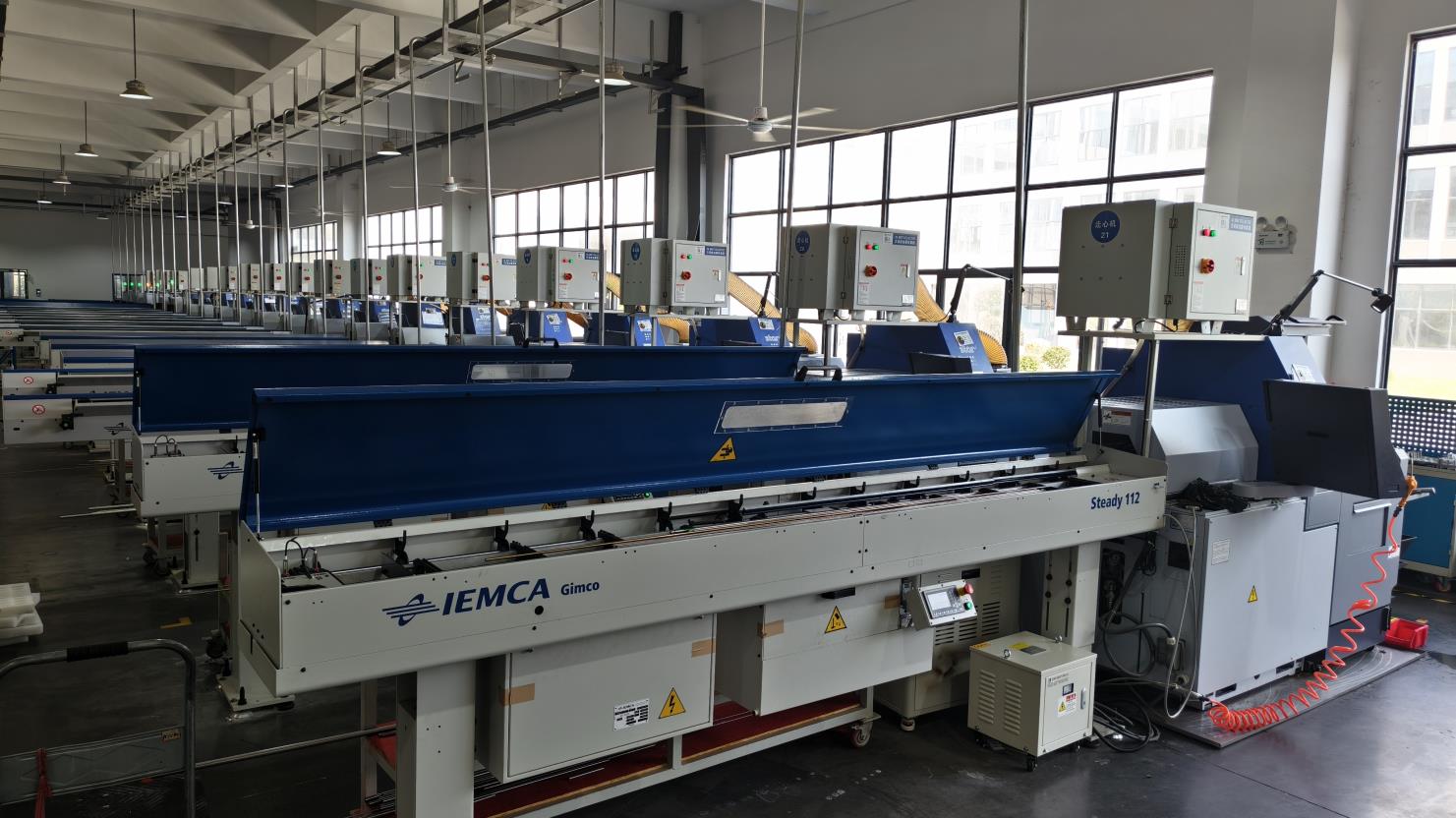
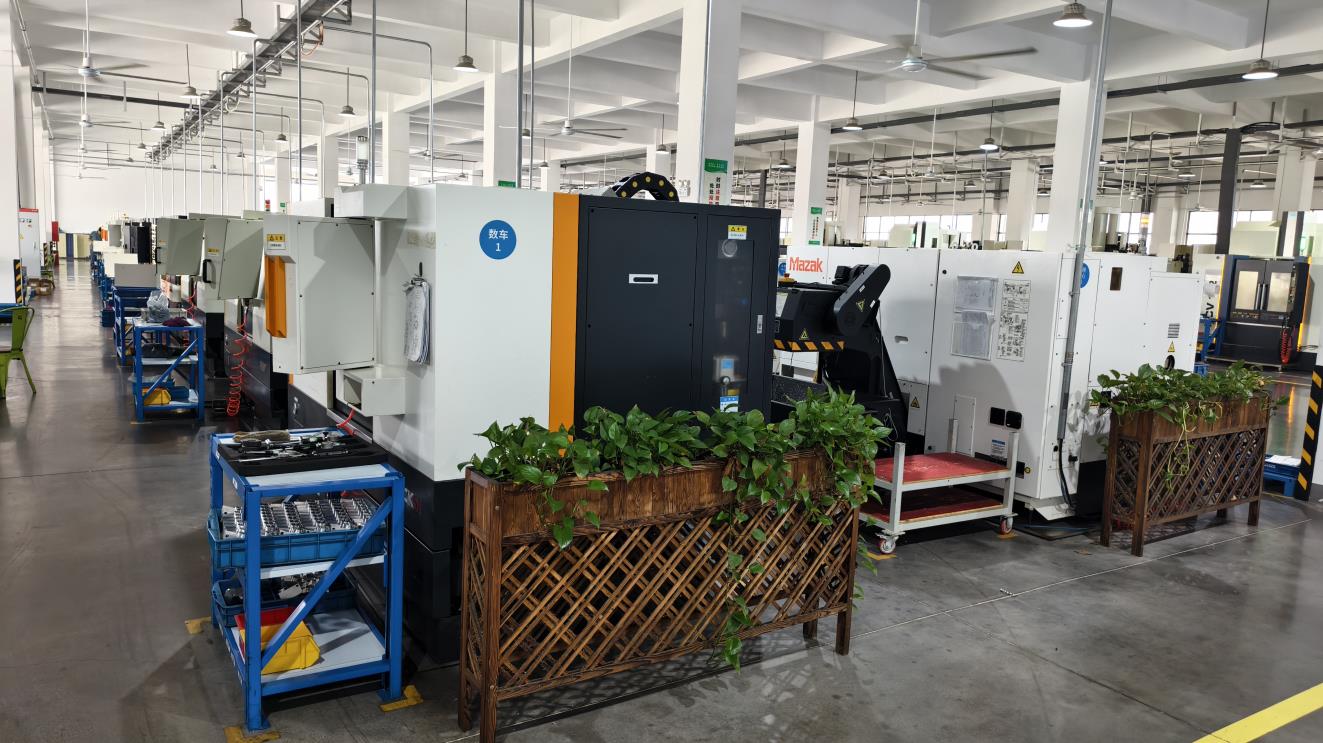
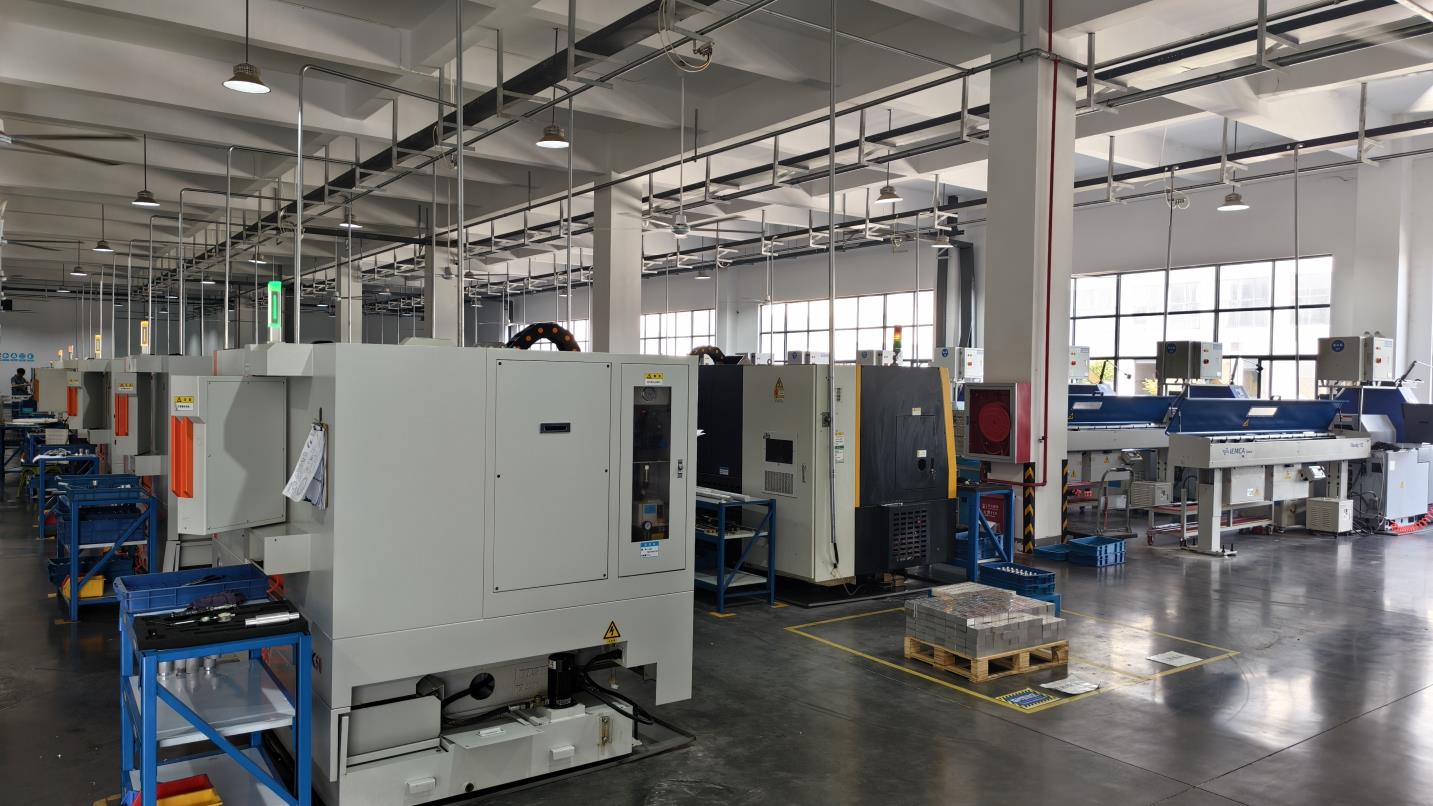
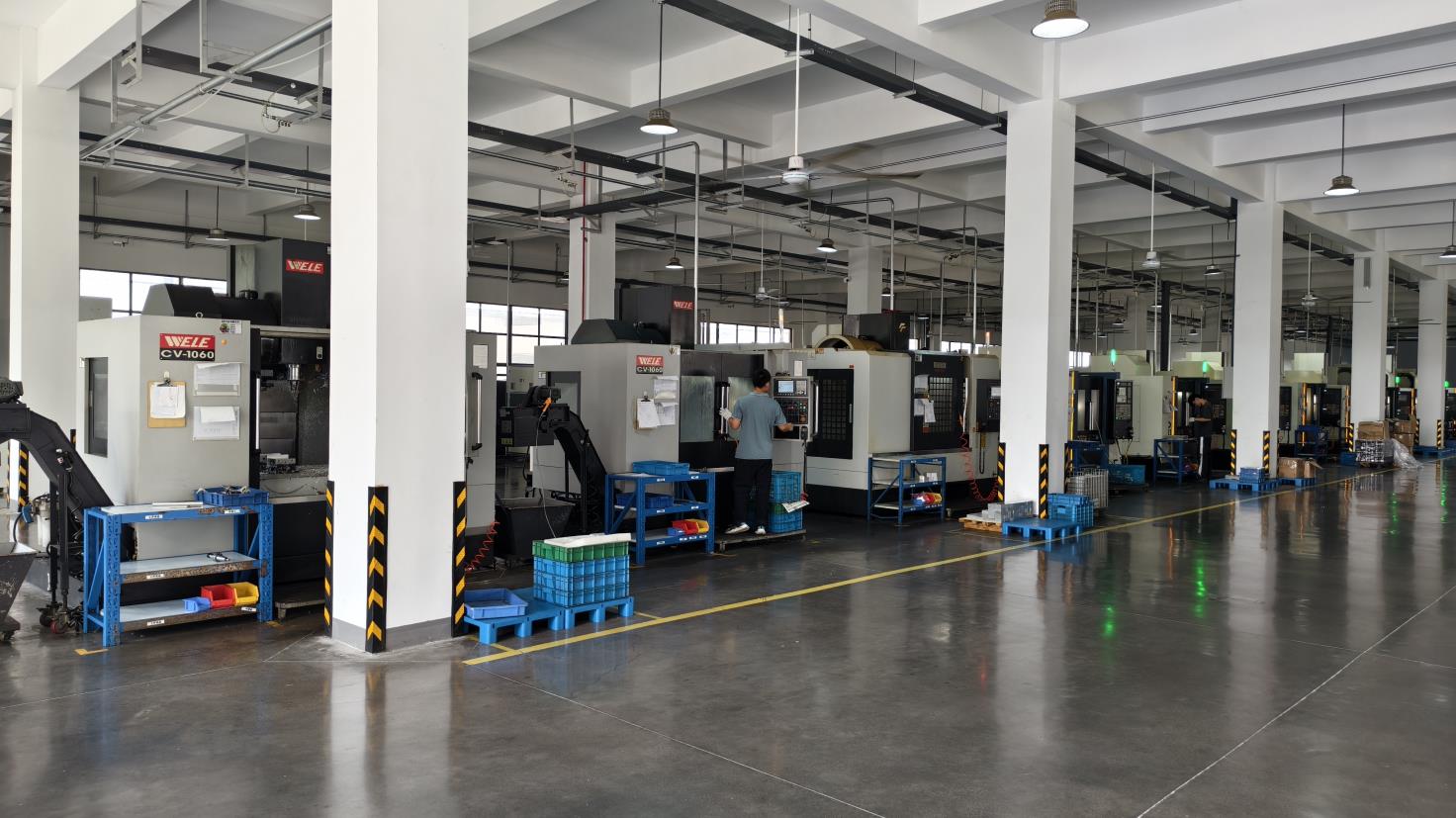
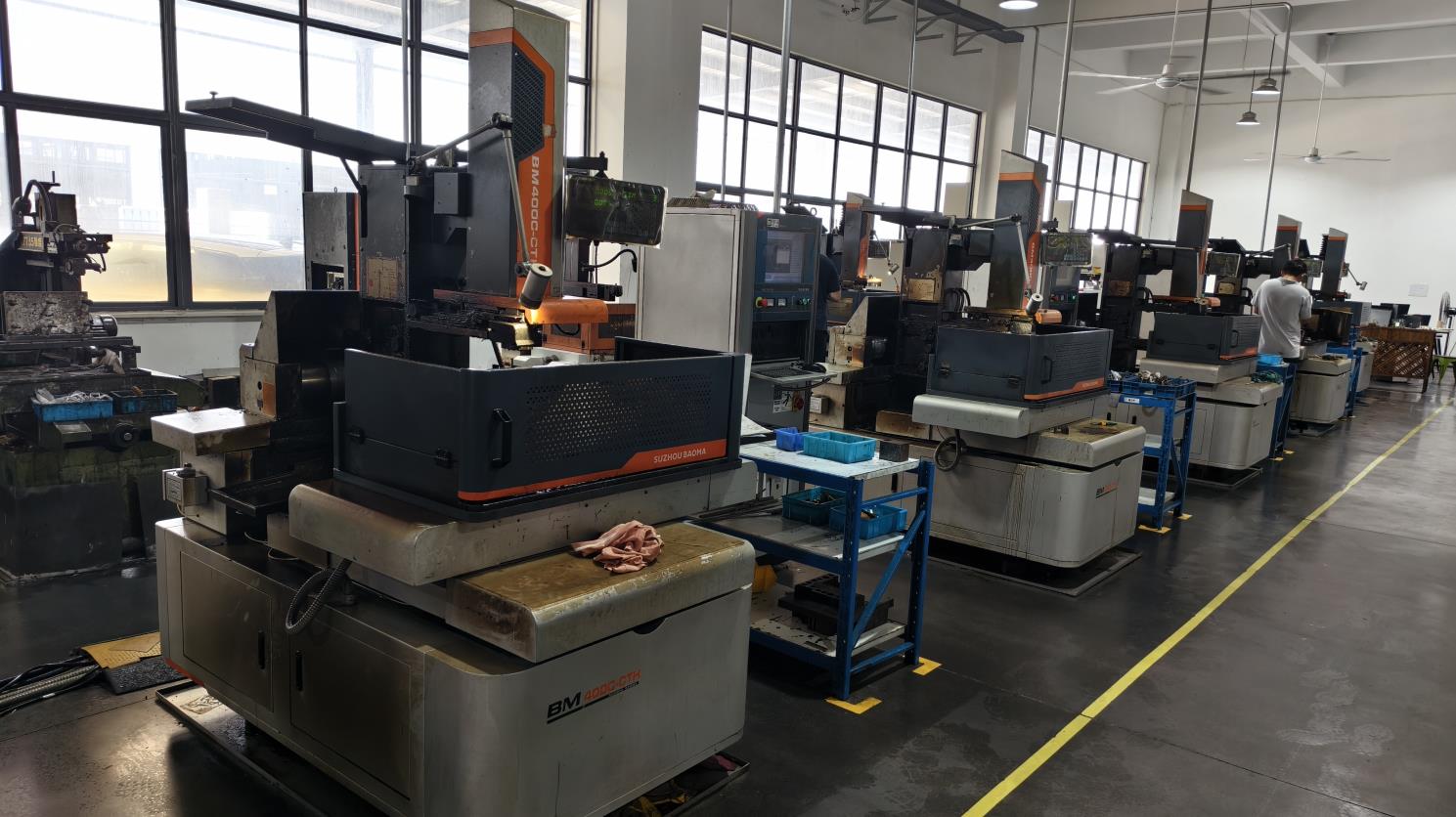
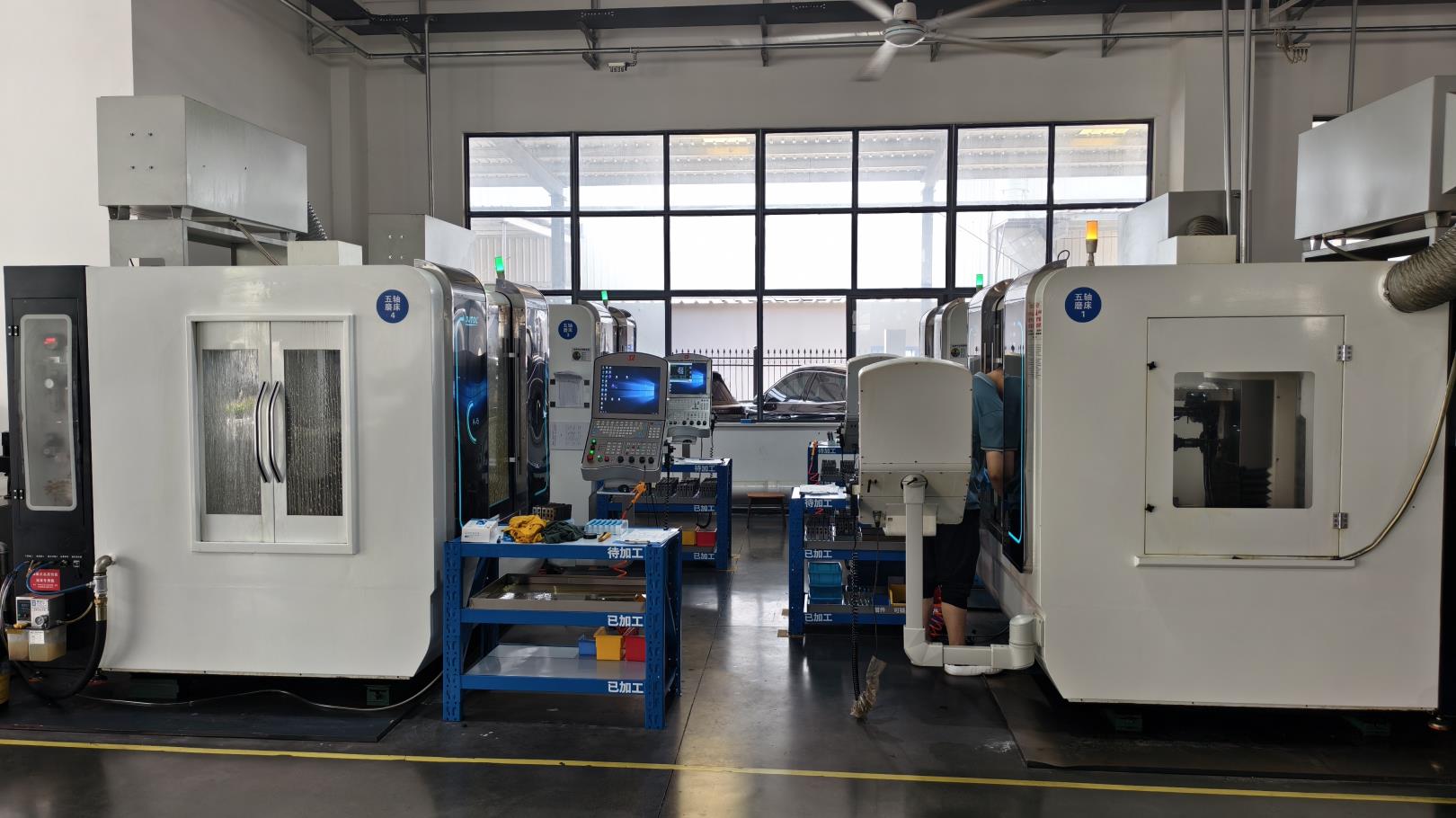
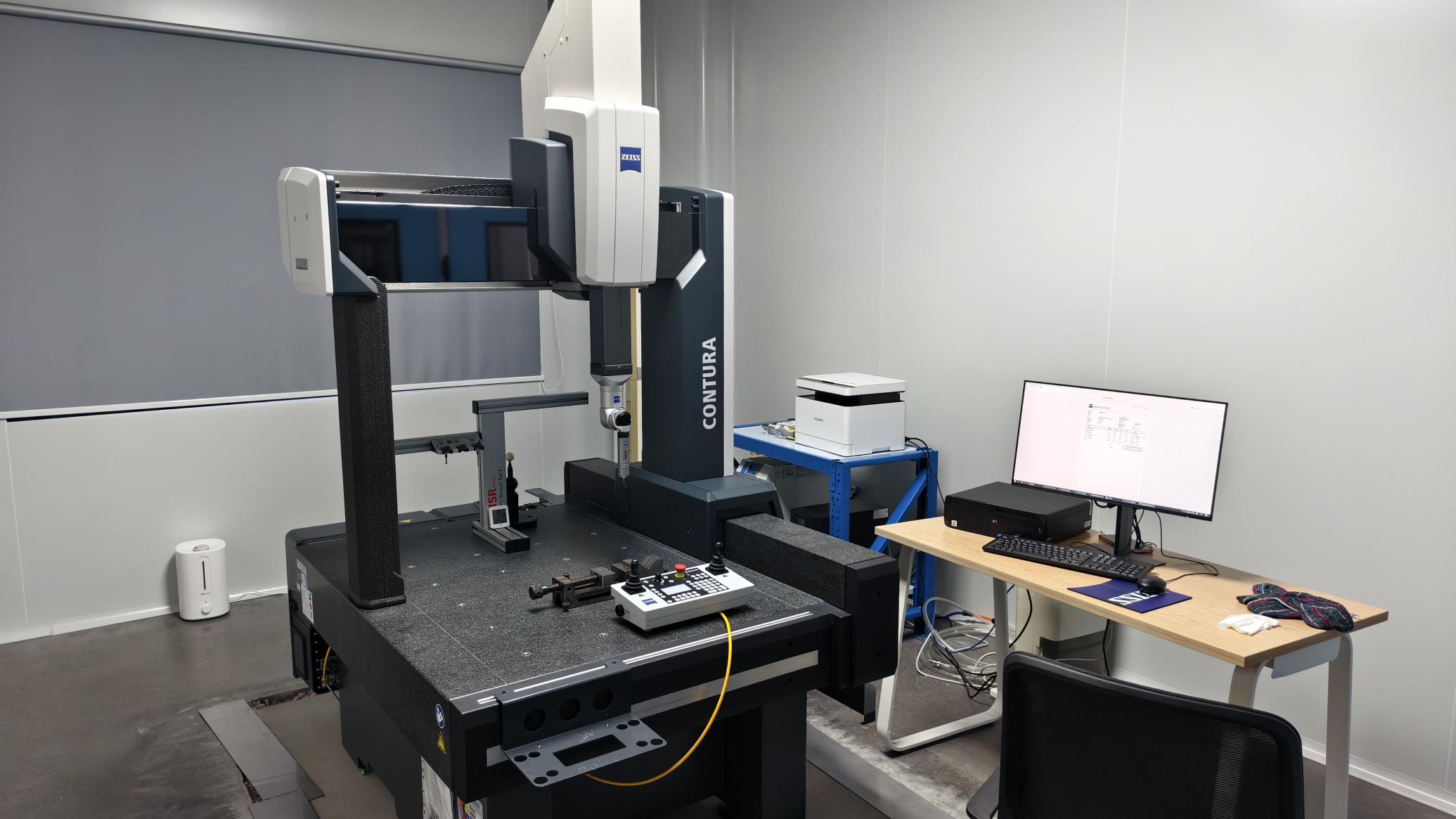
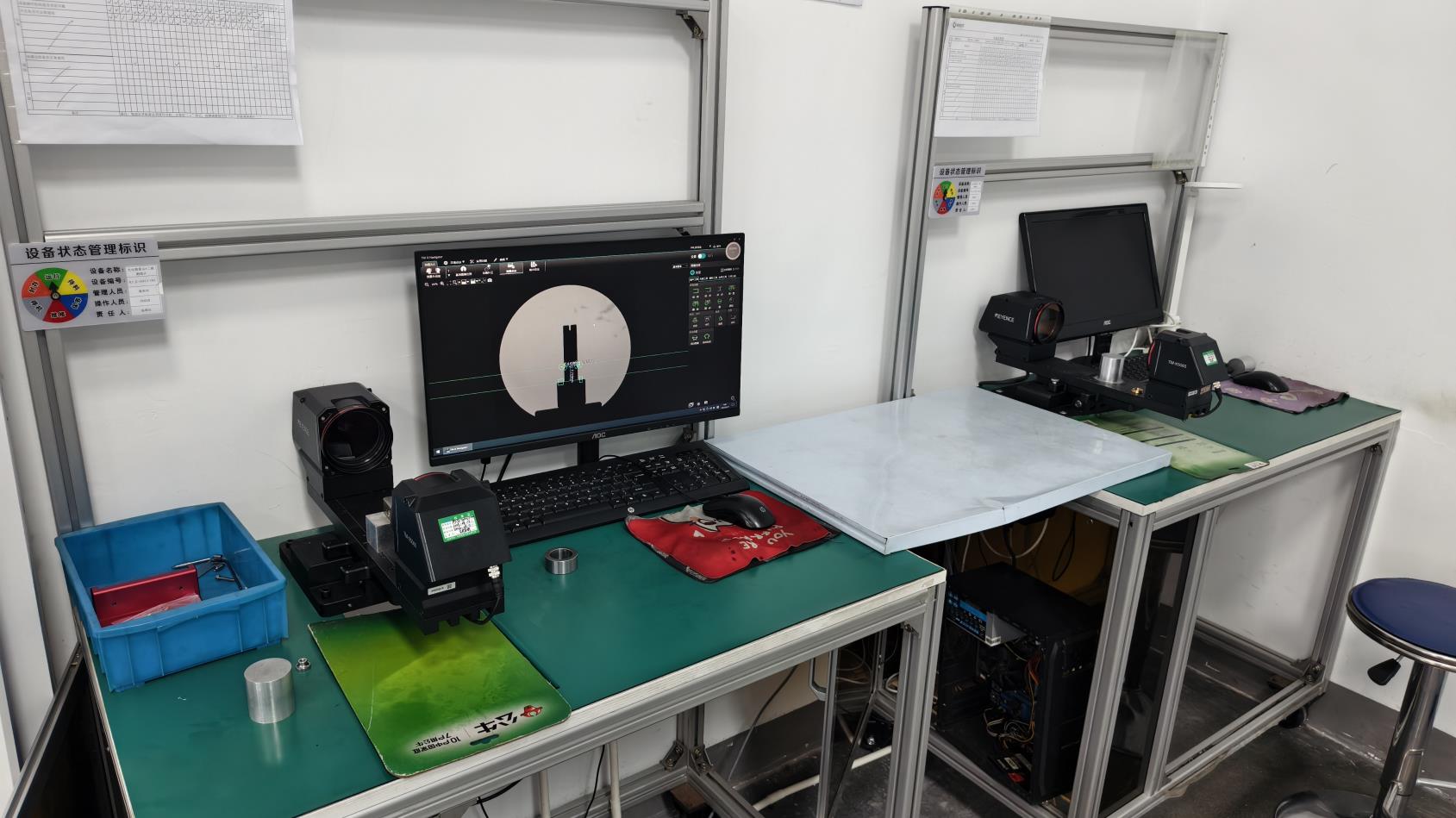
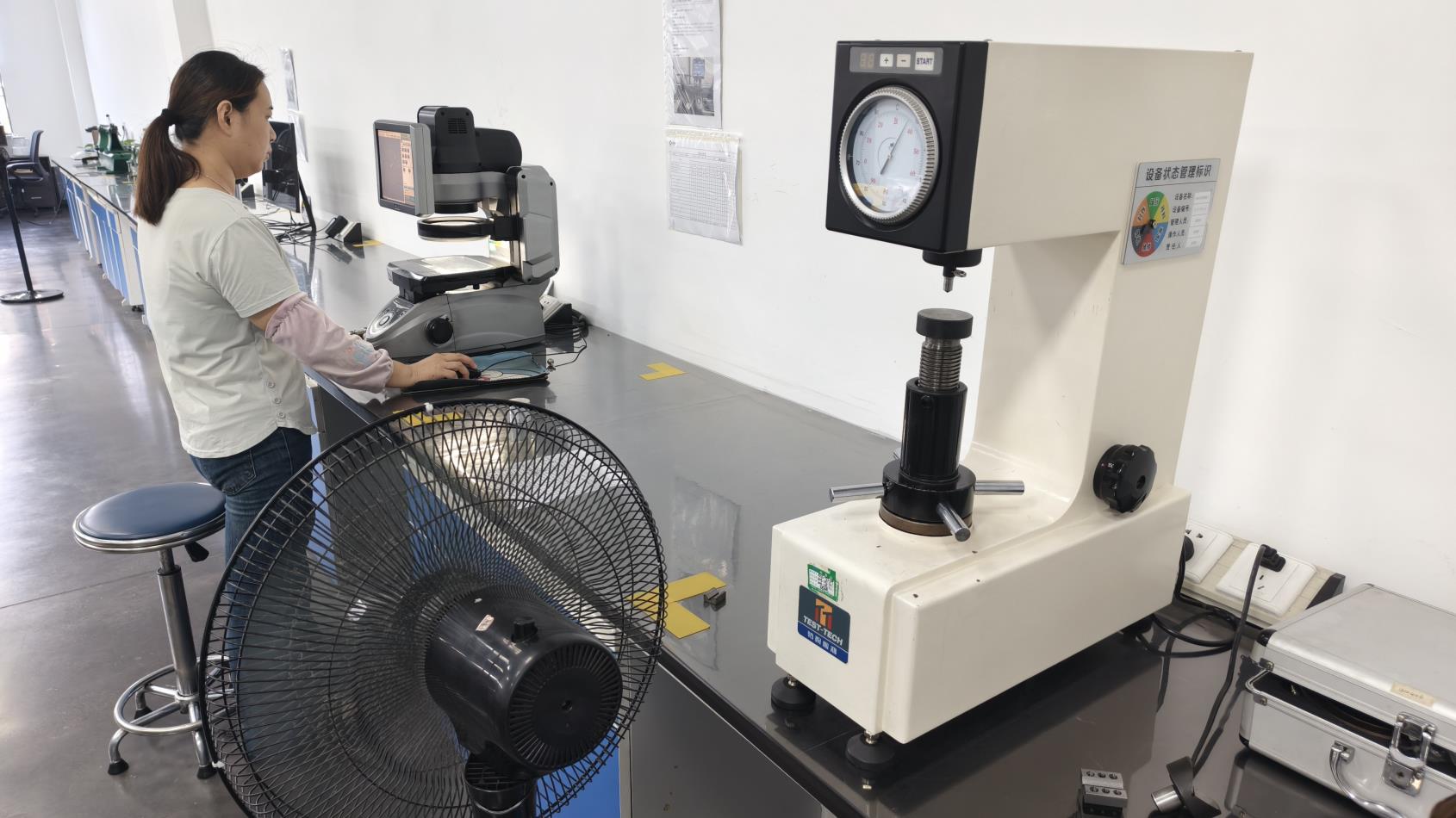
Understanding the differences in clinical needs between human neuro-orthopedic procedures and veterinary surgery.
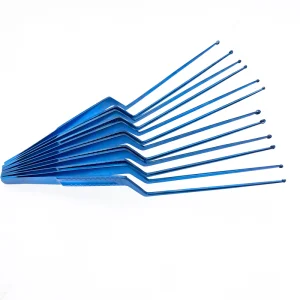
Human spinal structures require extremely fine tolerances, often measured in micrometers. In procedures like lumbar decompression or microdiscectomy, instruments such as fine dual-channel nerve root probes, brain bone retractors, and micro bayonet forceps must perform without deviation. The surgical site is tight and closely bounded by sensitive nerve networks, demanding thin-profile designs that provide clear lines of sight under surgical microscopes. Our micro knives and neurosurgical retractors feature specialized non-reflective finishes, helping to minimize glare under bright operating theater lights.
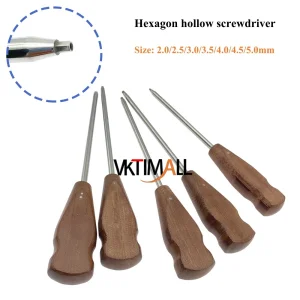
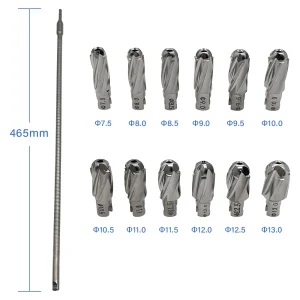
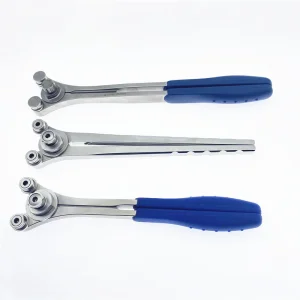
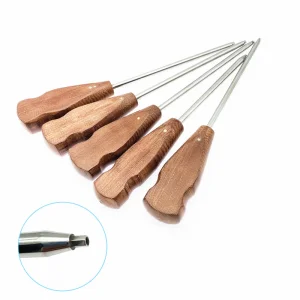
Veterinary bone structures present a wide range of anatomical sizes and strengths. A veterinary surgeon may treat a 3kg feline in the morning and a 60kg canine in the afternoon. This diversity requires highly adaptable plate bending pliers, adjustable bone irons benders, and modular reconstruction guides. Veterinary tools must also withstand repetitive bending cycles for thick, high-density cortical bone plates. Our veterinary series, including hollow cannulated bone screwdrivers and guide hole repositioning forceps, is designed to handle these mechanical loads while remaining easy to sterilize in standard autoclaves.
Meeting international quality standards to support secure and compliant market distribution.
Exporting to markets in North America, South America, and Southeast Asia requires adherence to localized quality and regulatory frameworks. We maintain strict manufacturing controls, ensuring our products comply with international medical device standards.
Our quality management system centers on total batch control. Raw materials undergo spectroscopic verification upon arrival to verify alloy ratios before production begins. Outgoing shipments include comprehensive inspection logs detailing dimensional checks and passivation layer tests. This documentation provides global medical brand distributors with the verification needed for regulatory audits.
Our commitment to research and development for the future of orthopedic surgical instrumentation.
Our technology roadmap focuses on advancing the performance of surgical instrumentation through three core areas: material innovation, smart manufacturing, and ergonomic design. We are researching Shape Memory Alloys (SMAs) to develop instruments that can adapt dynamically to tissue temperatures during procedure access, and we are working to integrate carbon-fiber composite materials to reduce instrument weight.
To support this, we are upgrading our CNC systems with real-time toolpath adjustments. This technology monitors milling resistance to maintain high dimensional accuracy across large production runs. Additionally, we are refining our surface passivation methods to improve durability, helping instruments withstand repeated sterilization cycles without losing performance.
Answers to common technical, material, and logistics questions from procurement and R&D managers.
Highly durable hand-held instruments for orthopedic trauma, reconstructive surgeries, and fine tissue manipulation.