 SENJIE Healthy & Technology
SENJIE Healthy & Technology
SENJIE Healthy & Technology
Direct from our manufacturing floor: heavy-duty bone drills, precise micro-scissors, and specialized orthopedic systems designed to optimize surgical outcomes.
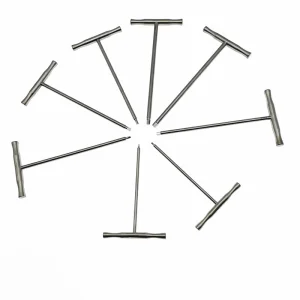

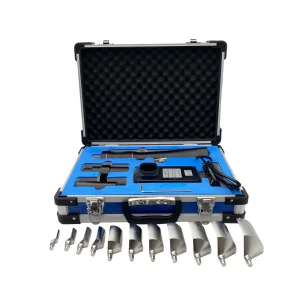
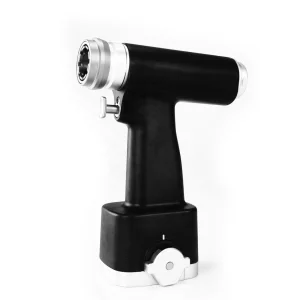

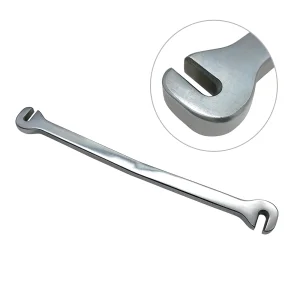
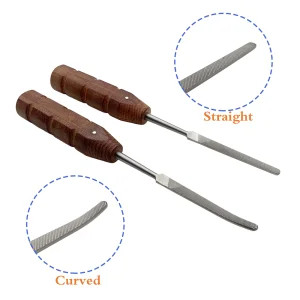
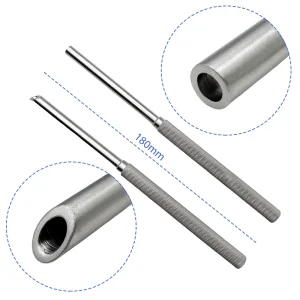
Surgical floor instruments constitute the bedrock of operating theatres, veterinary clinics, and orthopedic surgical suites. Far from being simple hand-held metallic devices, modern surgical tools are complex bio-mechanical structures requiring precise engineering. High-alloy stainless steel, specialized passivated coatings, and advanced micro-structural geometries define contemporary instruments designed for clean cutting, retraction, and bone manipulation.
Under the global transition toward minimally invasive surgery (MIS) and robotic-assisted procedures, the tolerance thresholds for medical-grade equipment have dramatically narrowed. As a dedicated OEM supplier, we focus on raw material composition (utilizing ASTM-compliant AISI 304, 316L, and 420 martensitic steel) to prevent stress corrosion cracking and surface degradation during repetitive autoclave sterilization cycles (up to 134°C).
Our raw material procurement process ensures strict compliance with ISO 7153-1 and ASTM F899 standards. Each batch undergoes chemical analysis to verify chromium, carbon, and nickel percentages, guaranteeing superior rust resistance.
From complex cranial mills to ergonomic self-retaining retractors, our R&D team leverages 3D CAD modeling and CNC grinding to translate blueprint specifications into highly accurate functional prototypes.
Controlled vacuum heat treatment gives our bone punches, curettes, and micro-scissors the necessary Rockwell hardness (typically 48-52 HRC) to retain edge sharpness and withstand high physical stresses.
How we address the critical pain points of medical distributors, healthcare groups, and veterinary OEMs.
B2B medical procurement managers face significant challenges: fluctuating raw material costs, regulatory updates, supply chain delays, and inconsistent product quality. Our production infrastructure is built to absorb these pressures through a vertically integrated supply chain, offering extensive customization options from sample processing to graphic design and tailored packaging.
To assure long-term chemical passivity, every surgical floor instrument we manufacture undergoes rigorous chemical testing. This includes copper sulfate tests and boiling water testing to ensure the chromium-oxide protective layer is fully formed, eliminating potential corrosion sites before shipping.
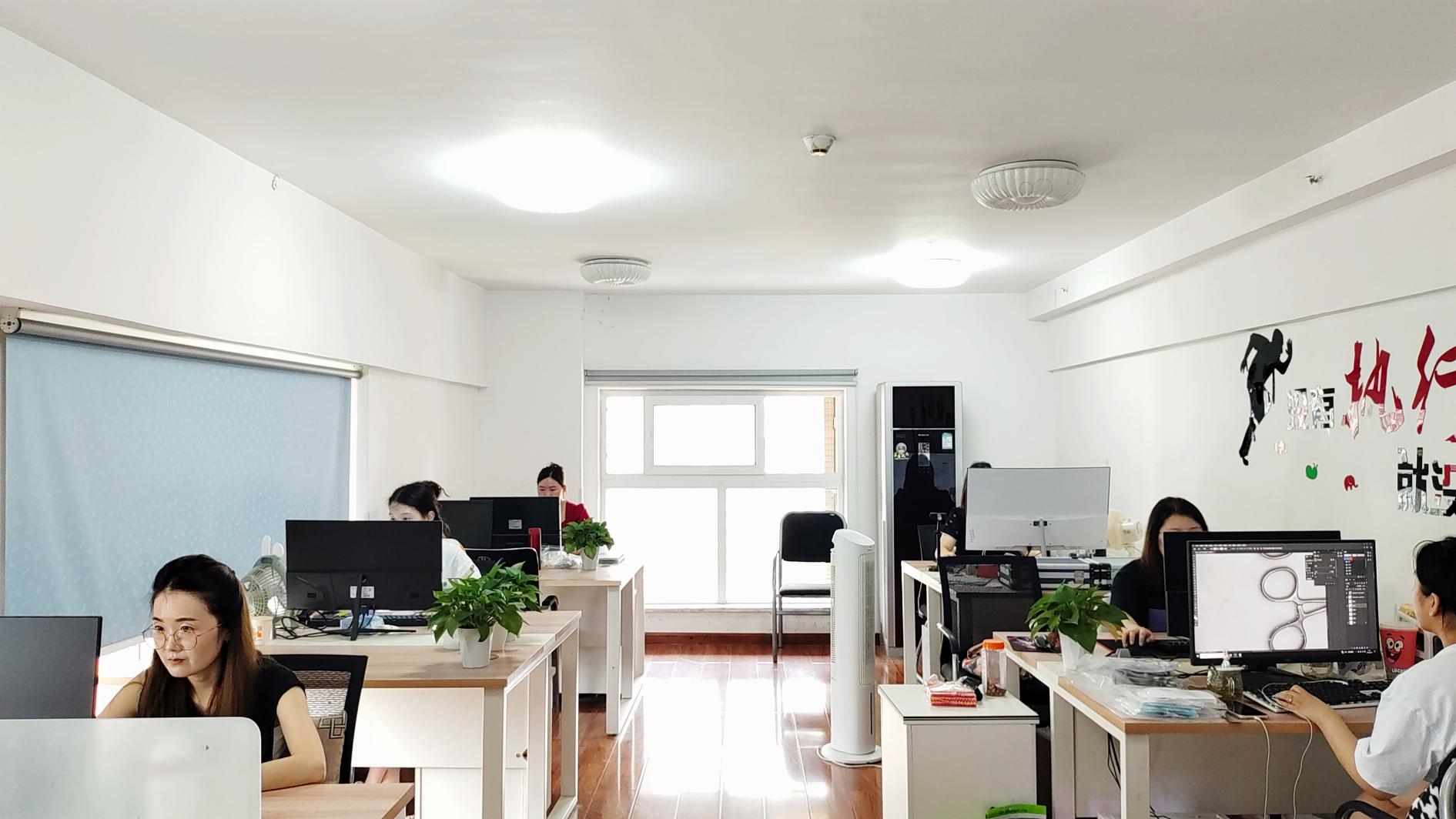
A transparent look inside our modern facility, displaying state-of-the-art machinery, raw materials, testing labs, and assembly operations.
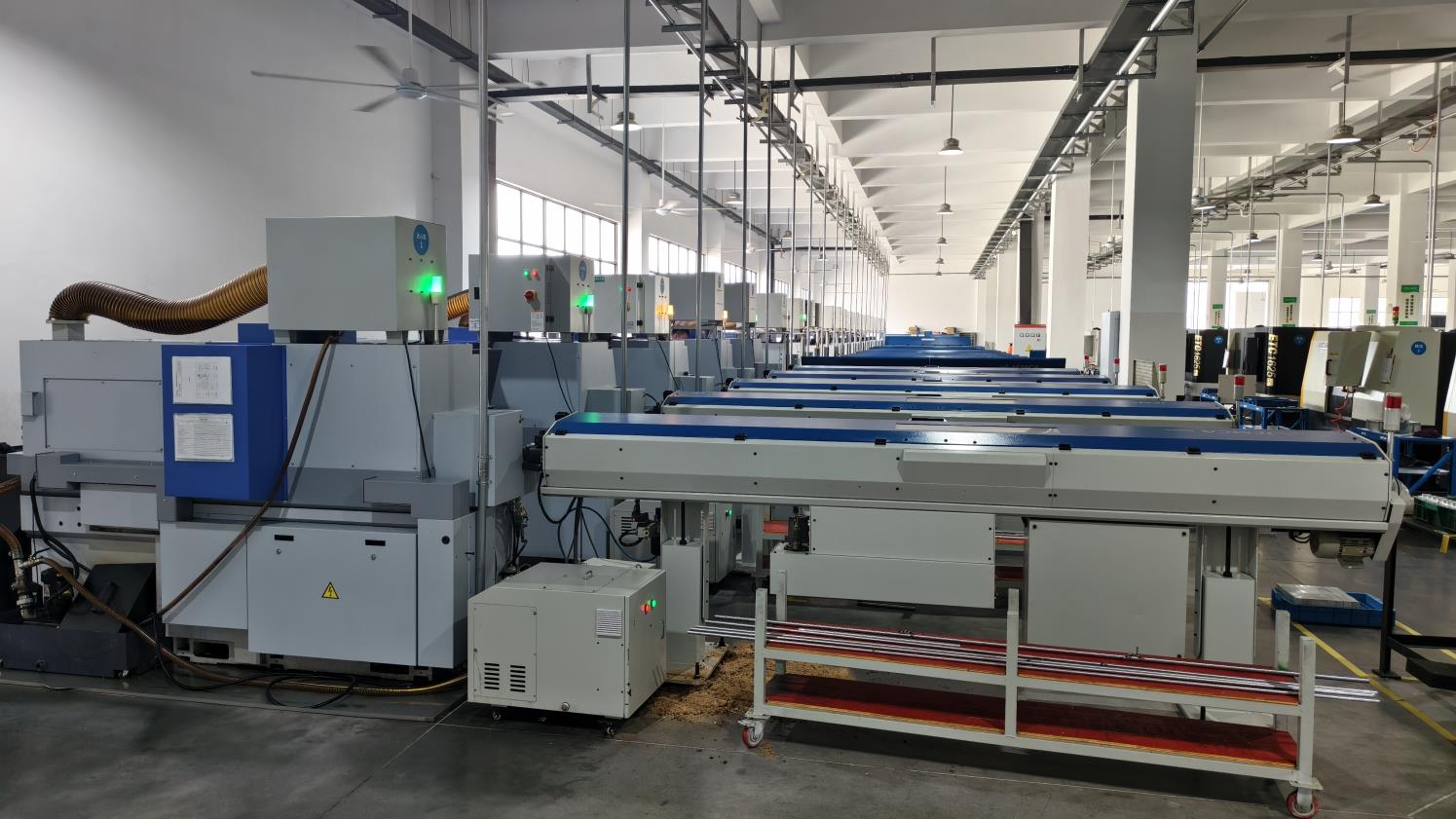
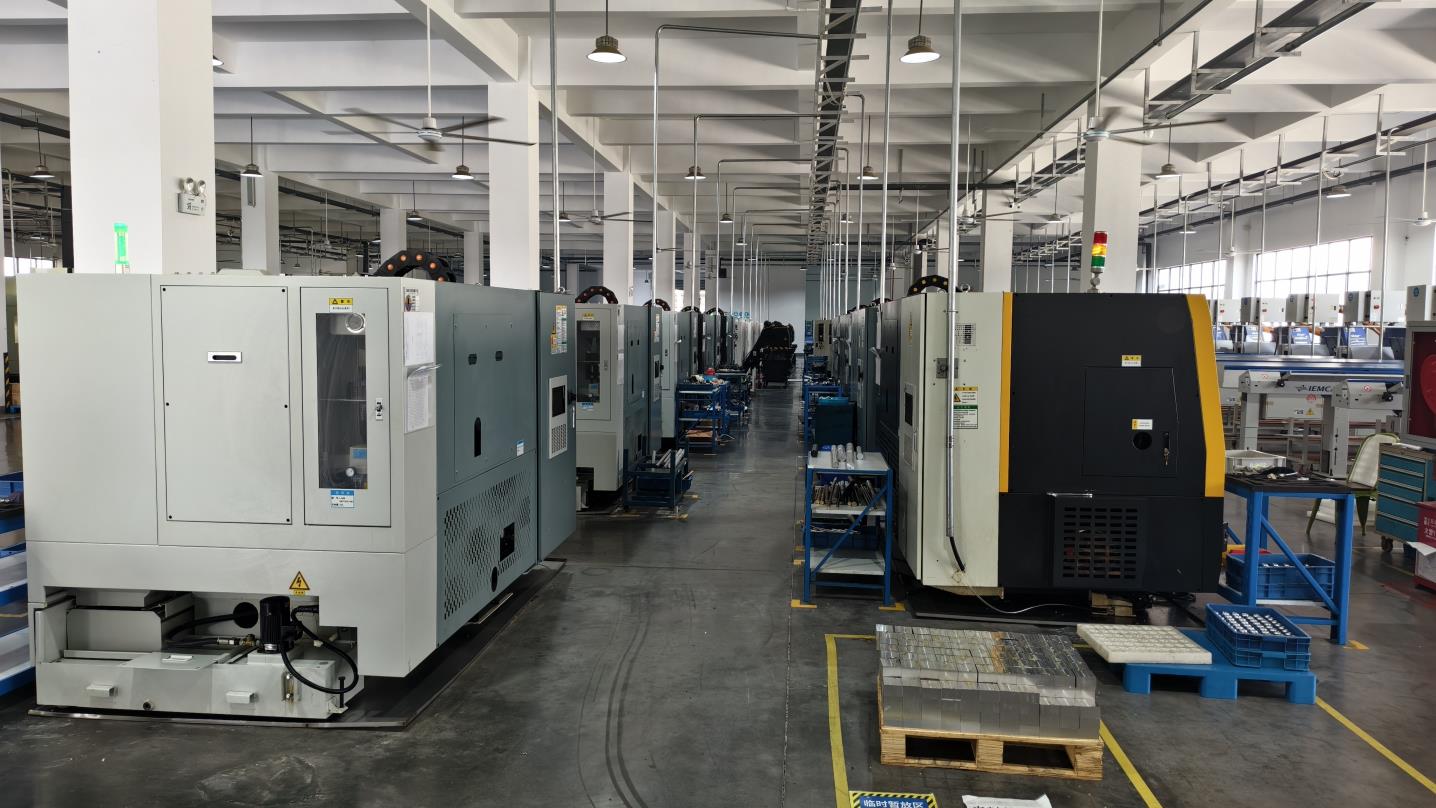
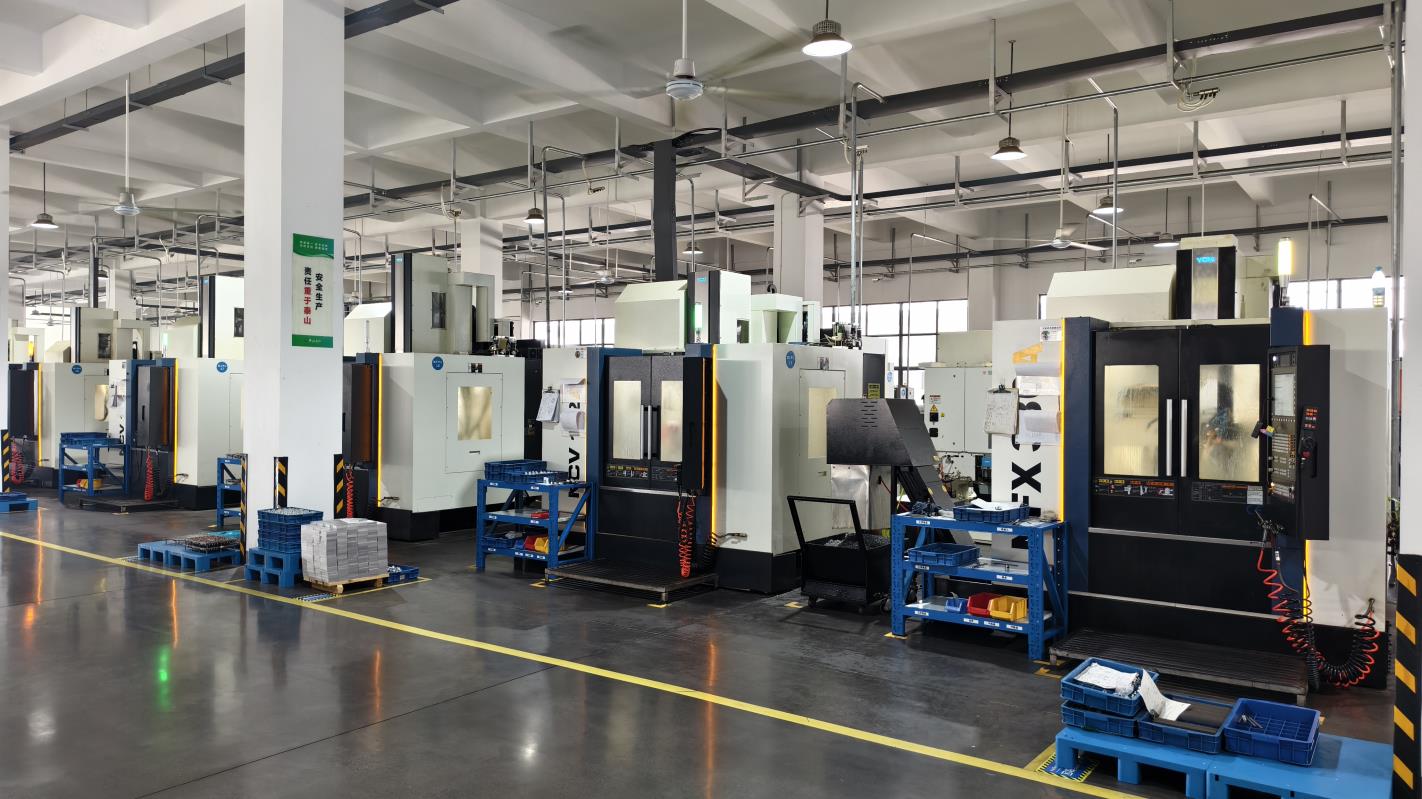
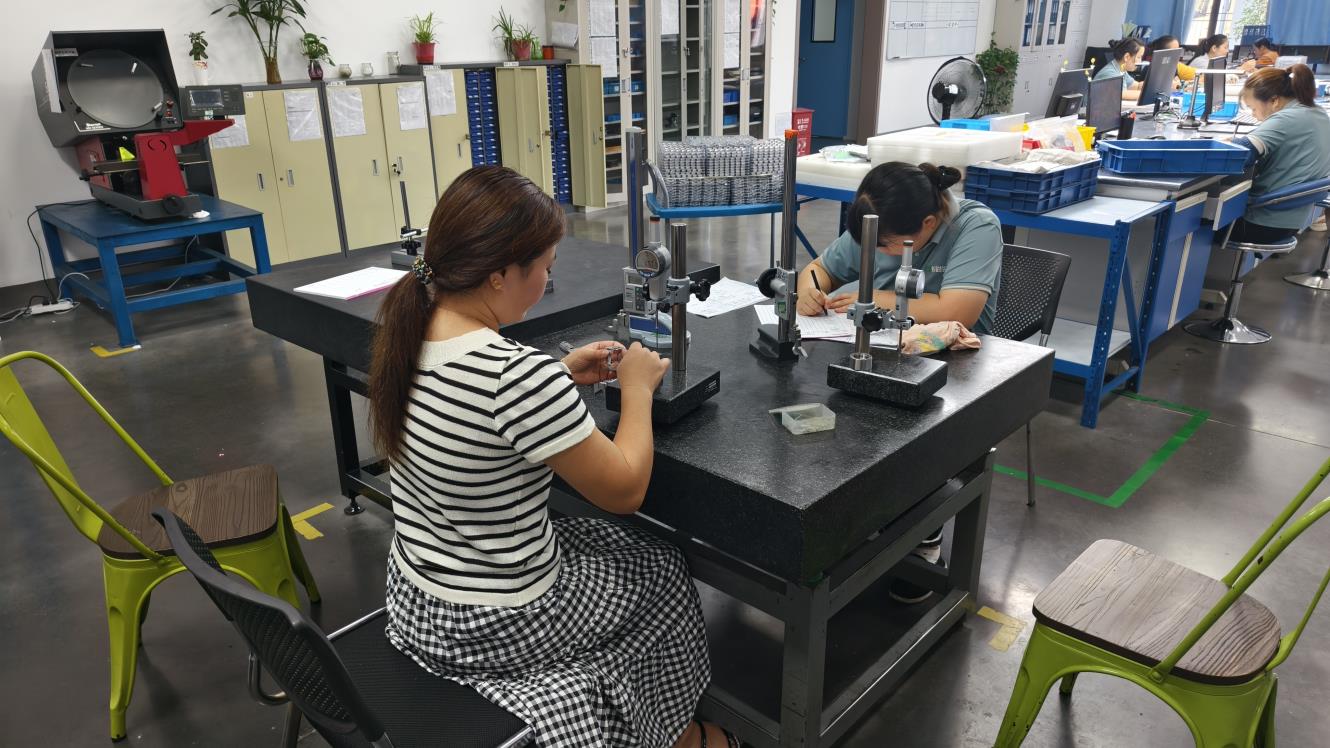
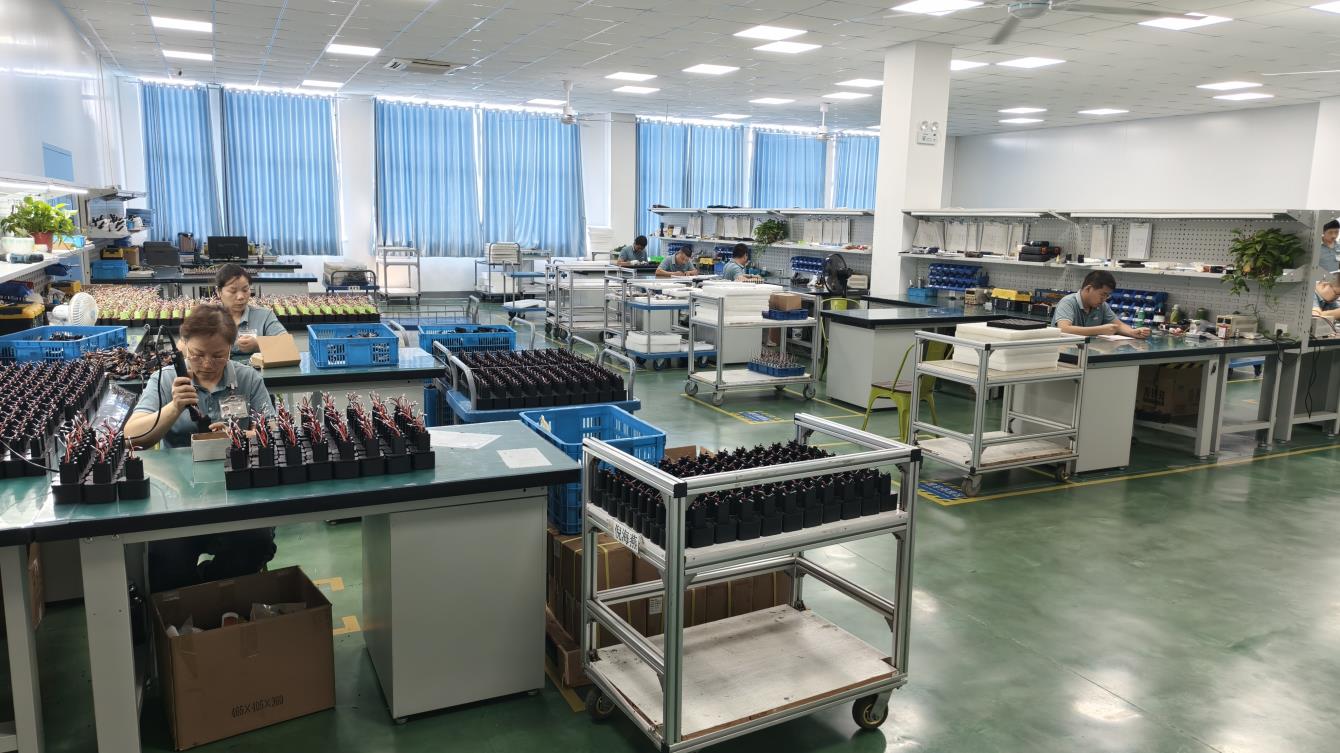
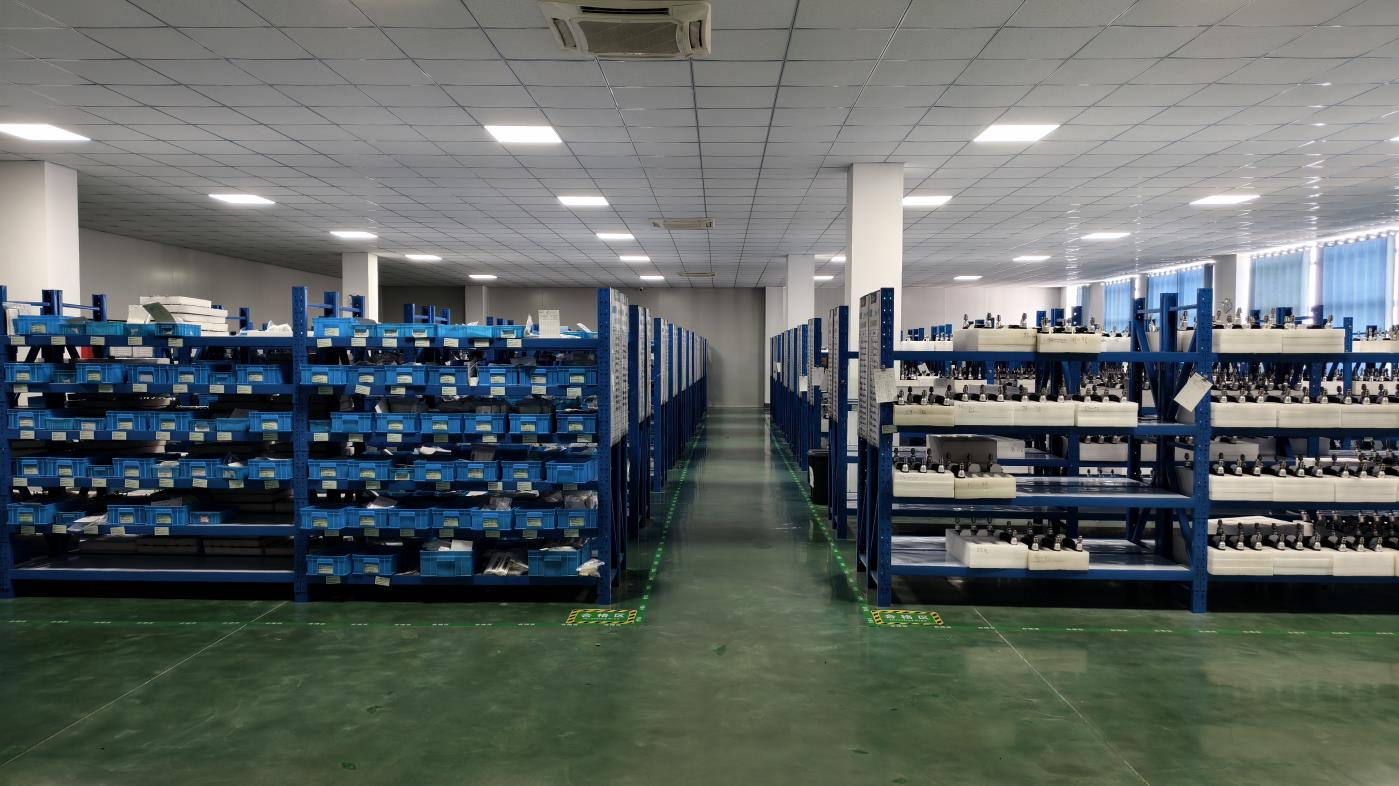
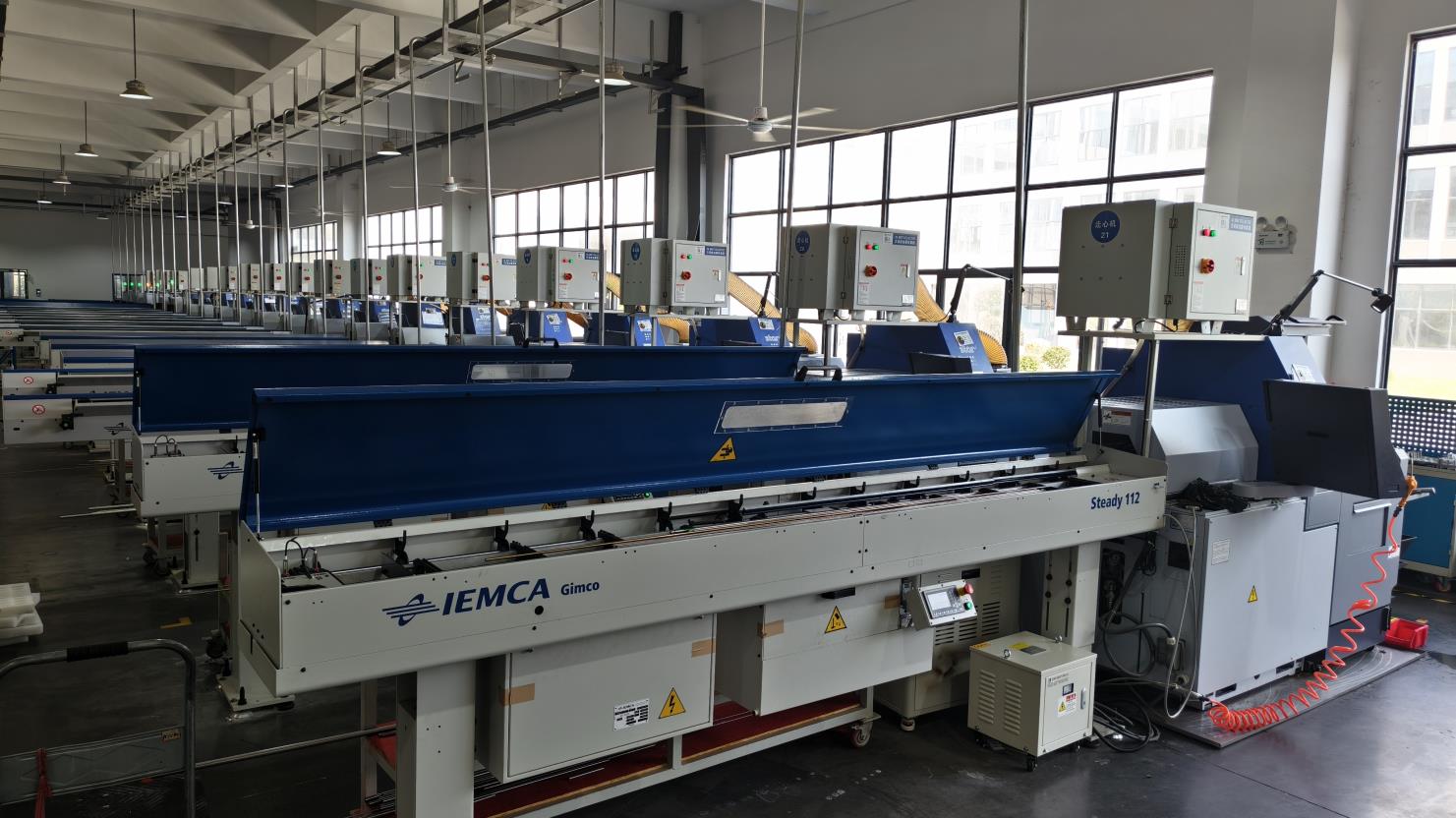
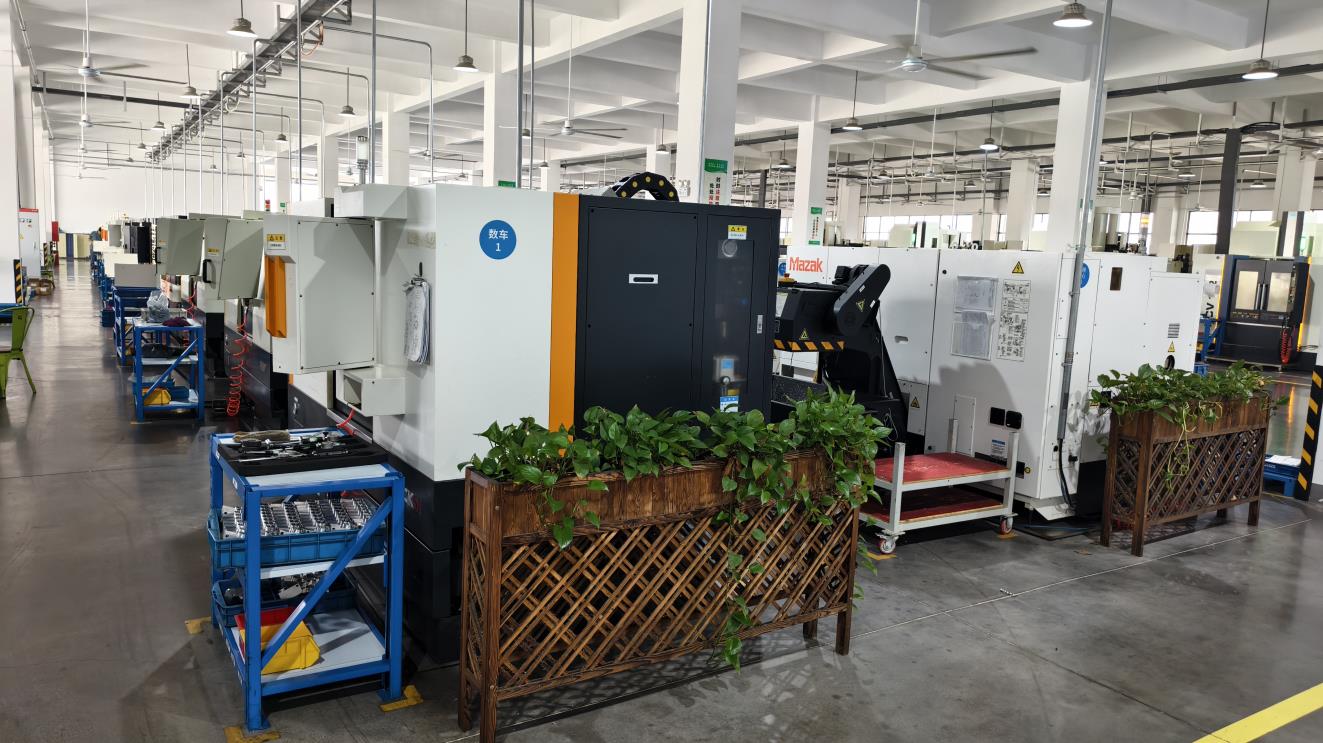
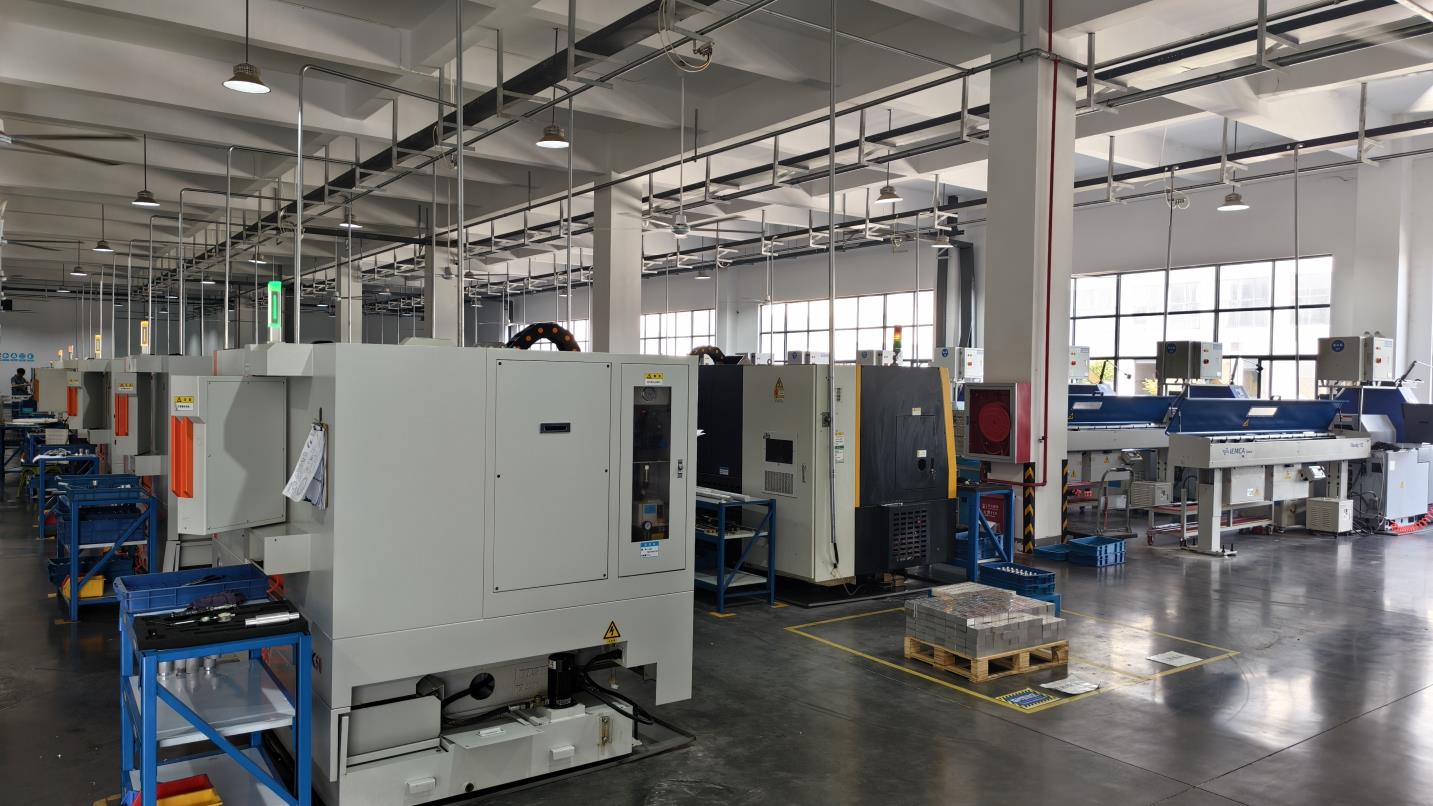
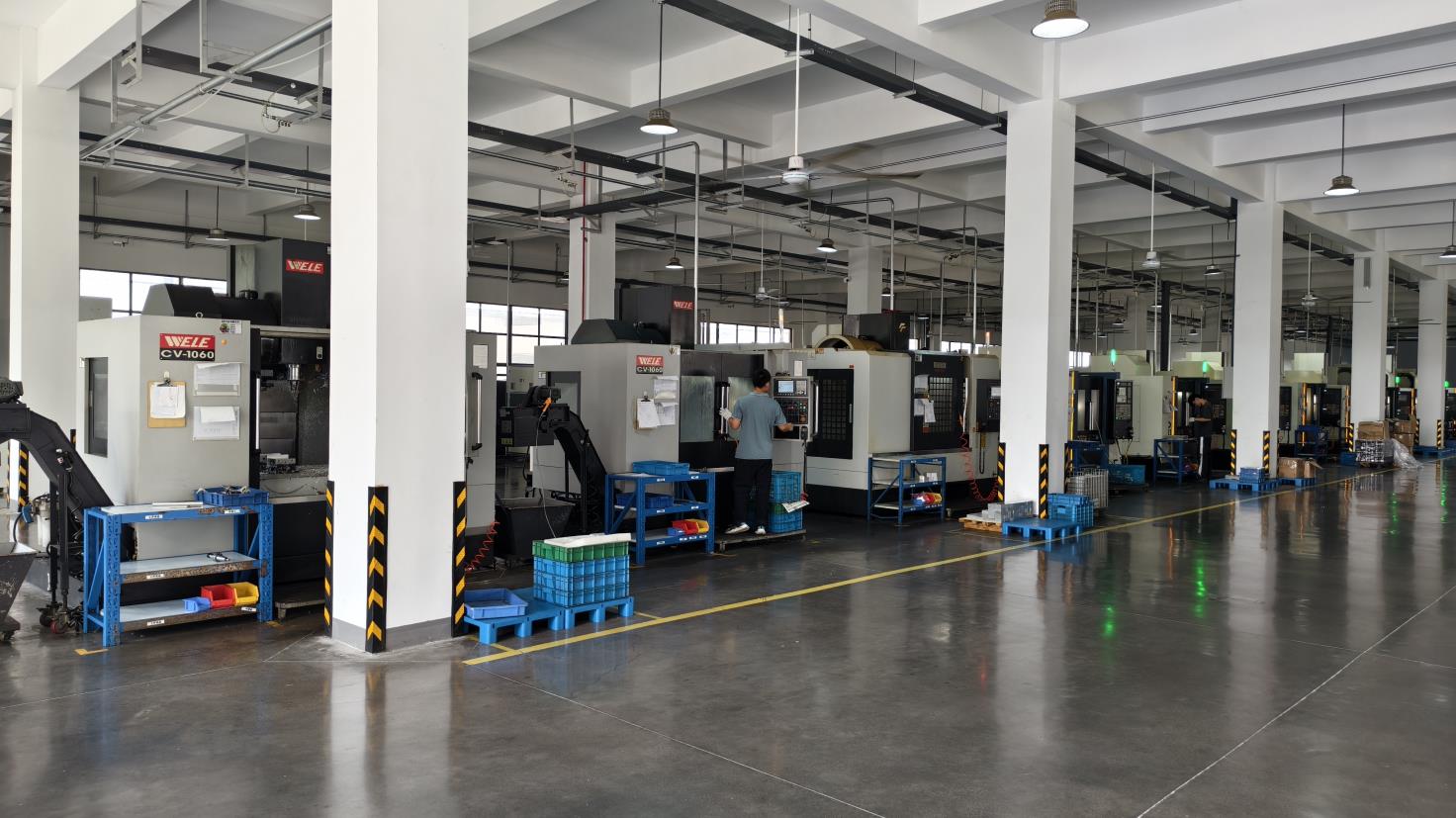
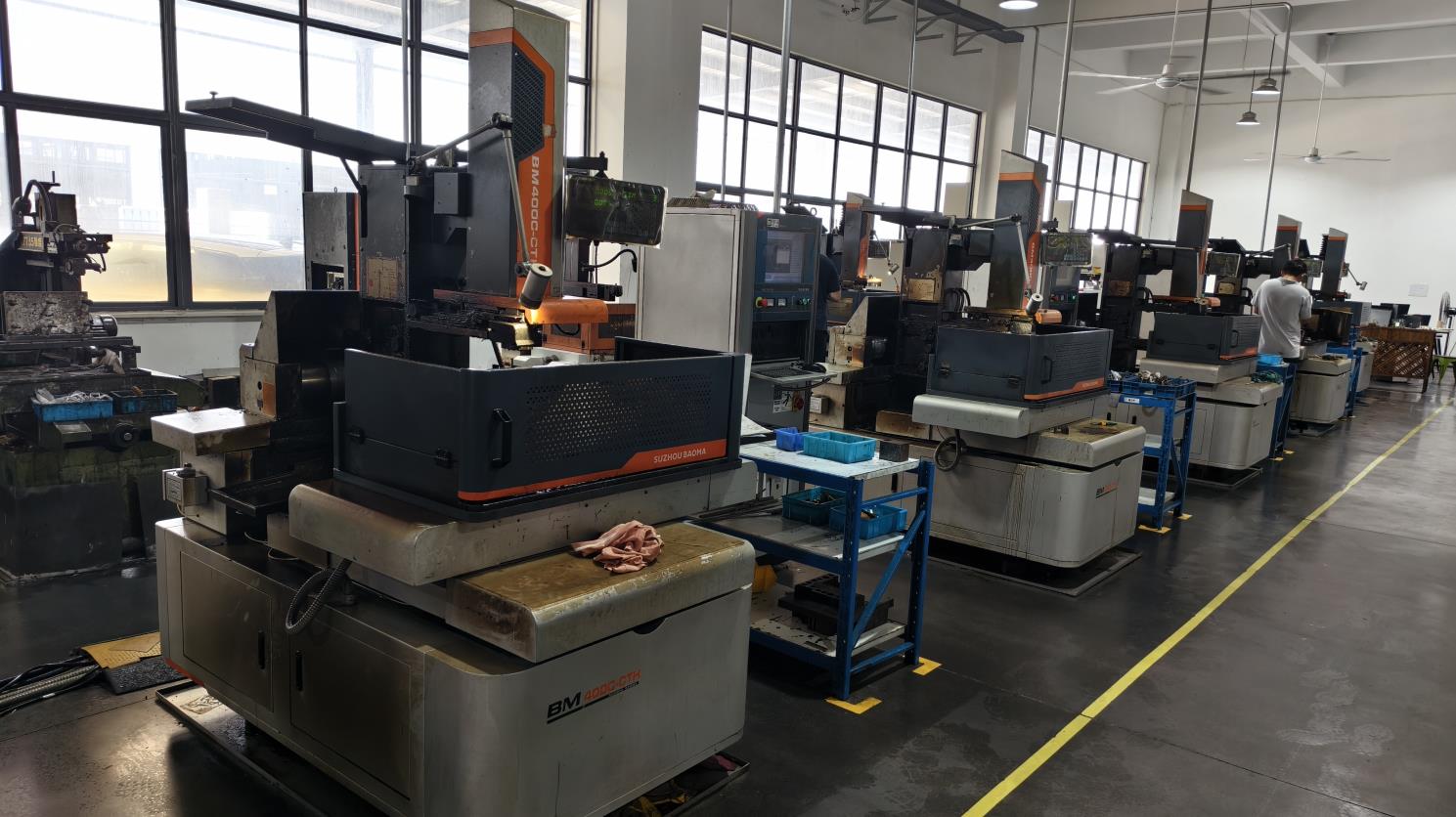
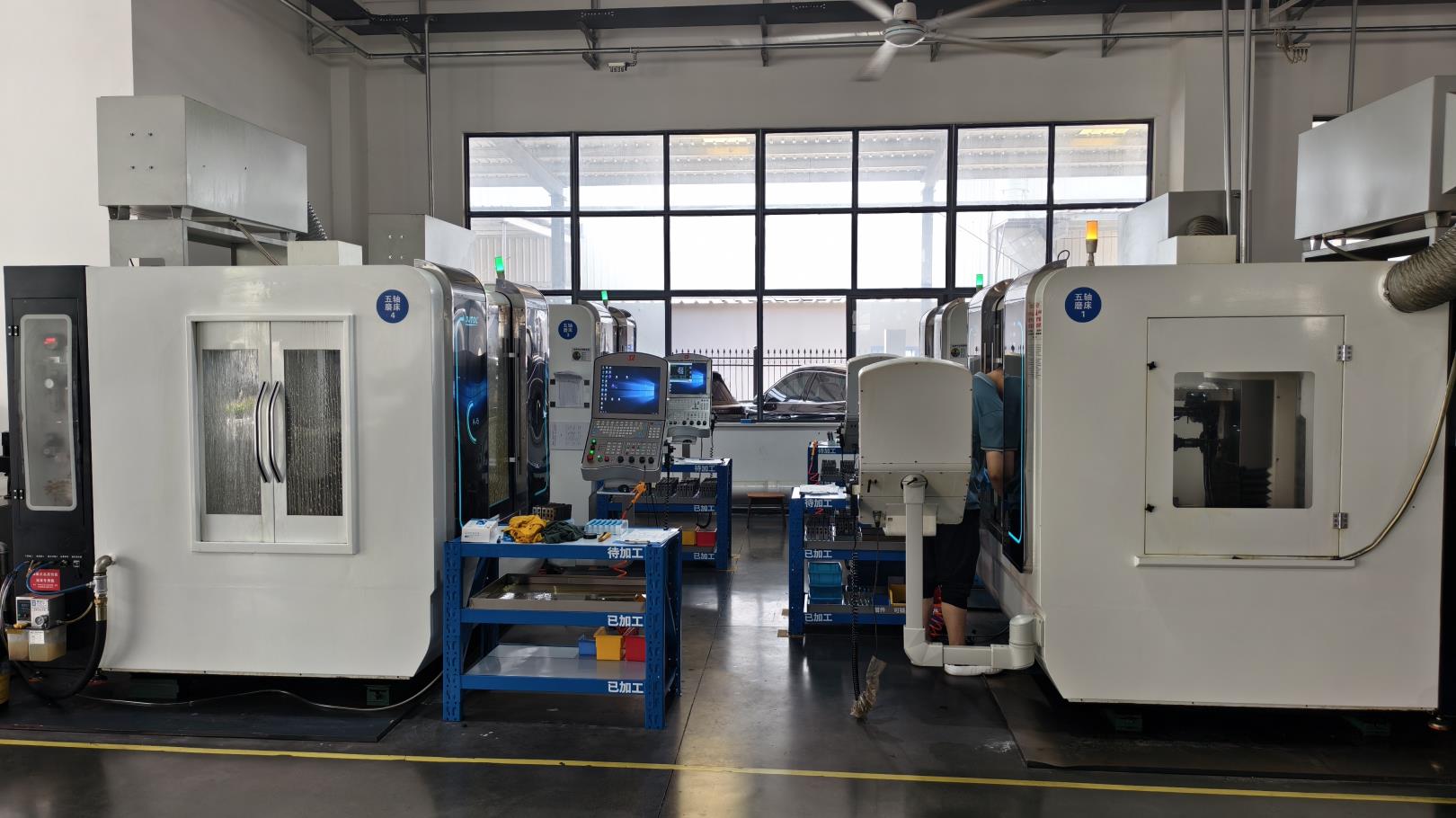
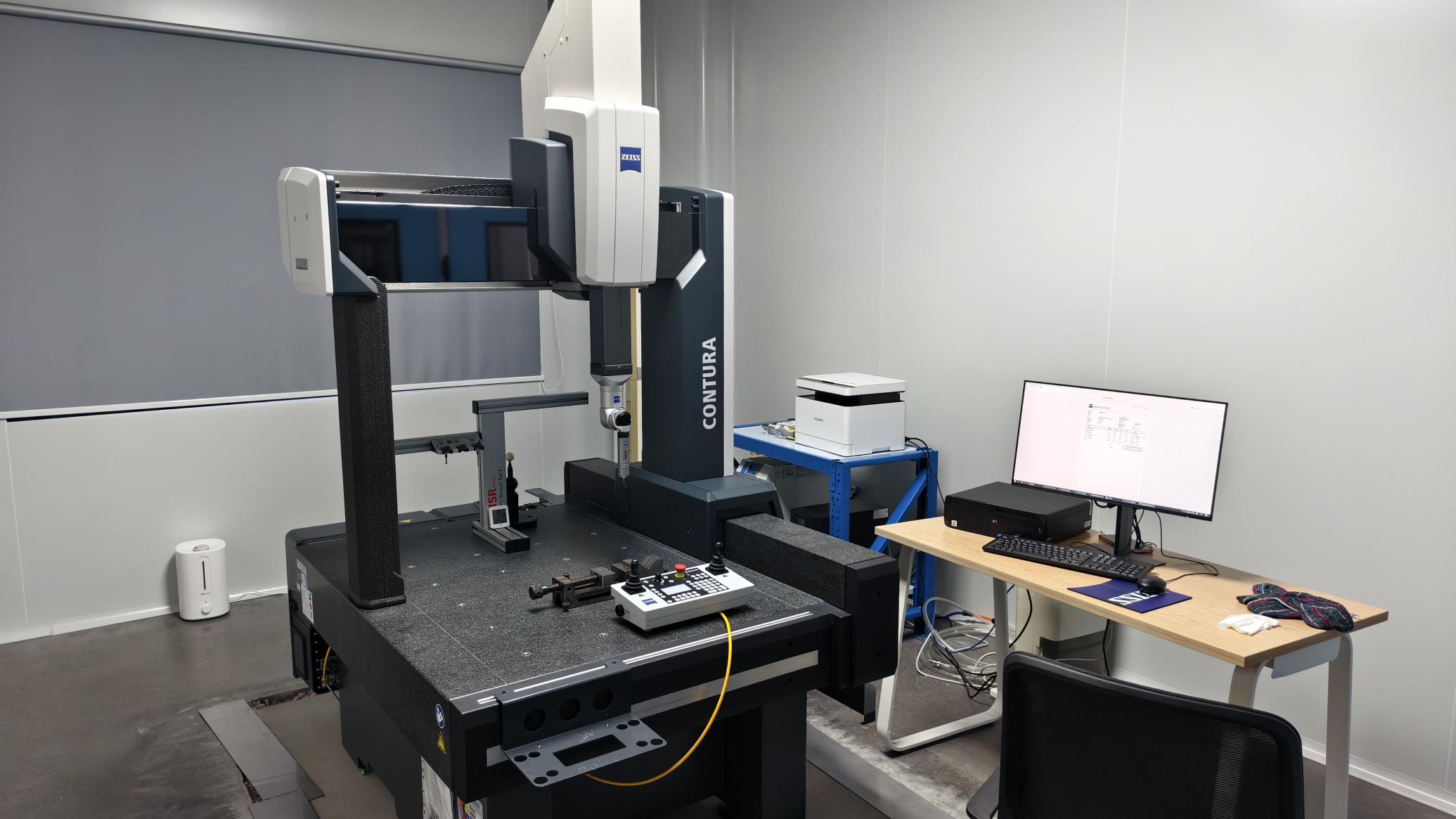
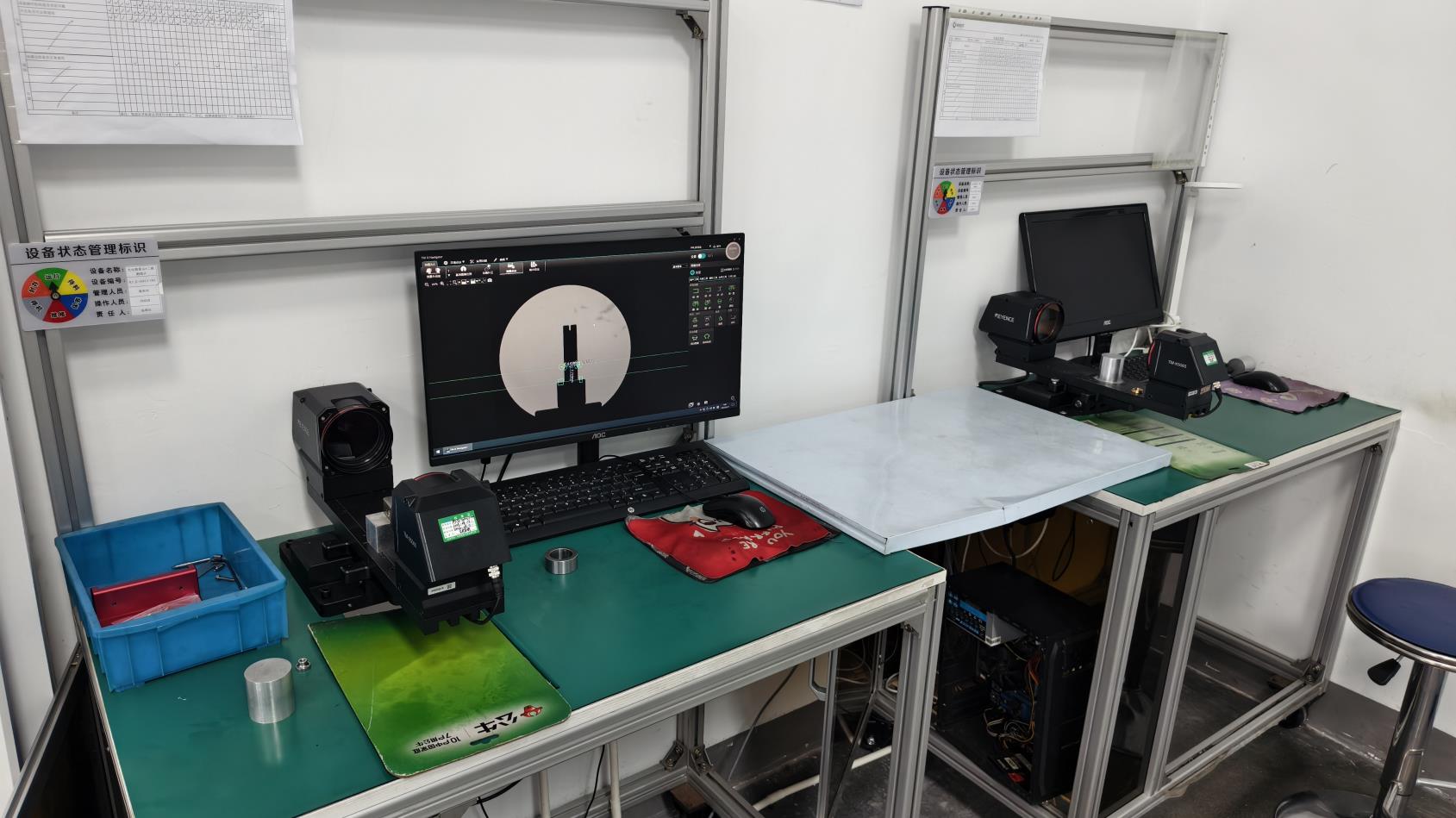
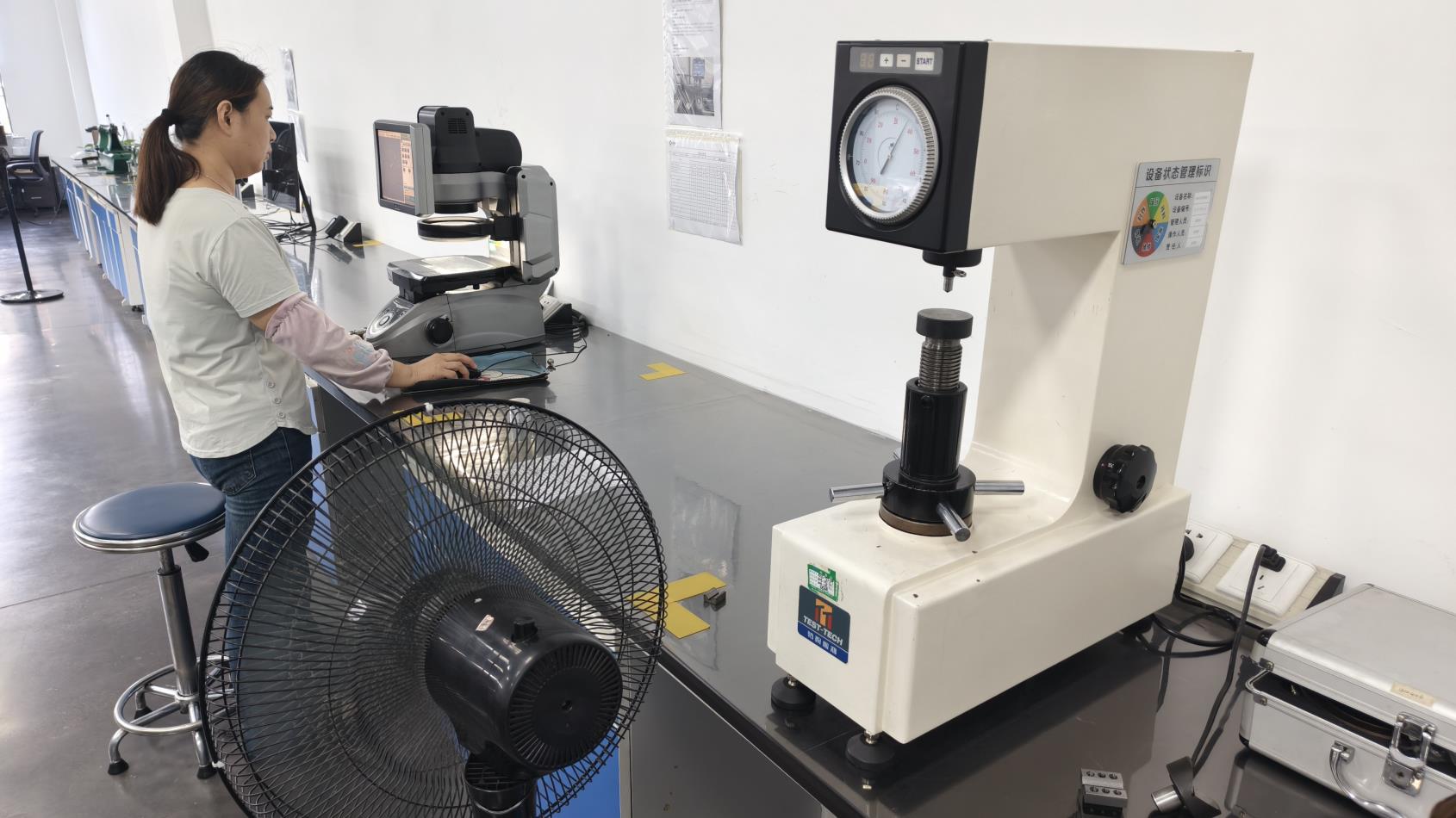
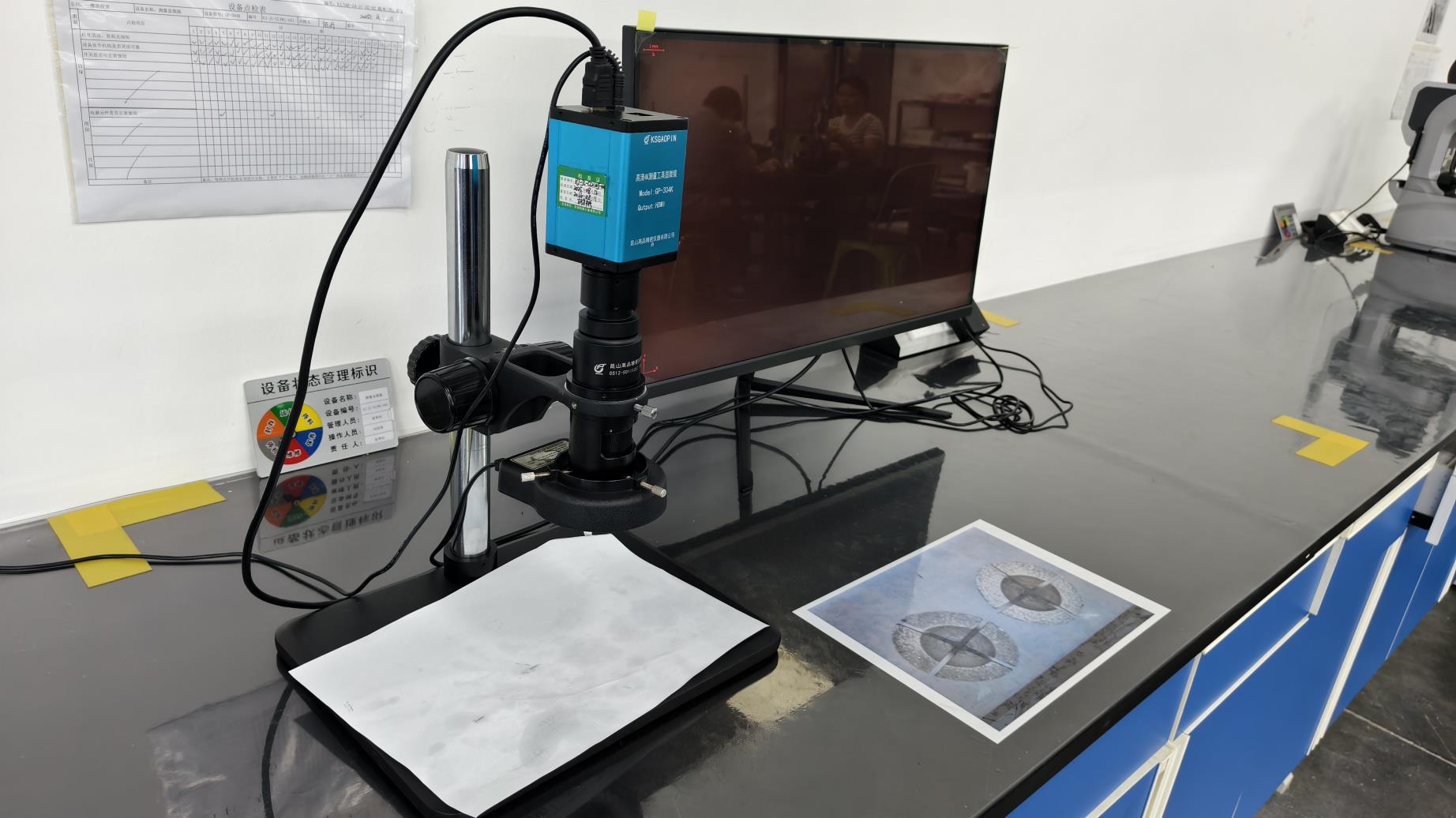
Medical technology is evolving rapidly, and our production systems are keeping pace. We are expanding our CNC 5-axis milling capacity and adopting automated laser polishing to reduce microscopic surface defects where bacteria can thrive. Our goal is to achieve near-zero defect rates for complex hand-operated instruments like spinal rongeurs, tissue retractors, and micro-scissors.
In addition, we are exploring surface coatings like Titanium Nitride (TiN) and Diamond-Like Carbon (DLC). These processes improve surface hardness, lower friction coefficients, and help instruments retain their edge for up to five times longer than standard uncoated surgical steel.
With an export framework designed to serve North America (25%), South America (25%), and Southeast Asia (15%), we are experienced with regional customs processes and certification requirements. We provide flexible customs support, robust ocean and air transport packaging, and post-delivery assistance to resolve shipping issues quickly.
Our OEM customer portal provides real-time access to production schedules, QA inspection records, and shipping documents. This transparency is a key reason why international wholesalers, major distributors, and hospital procurement teams trust us for their long-term supply needs.
Engineered with micro-tolerances for high precision in neurosurgical and general orthopedic procedures.
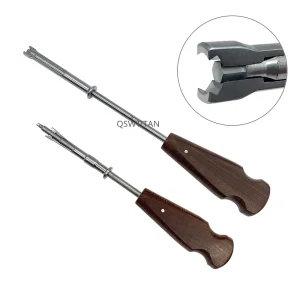
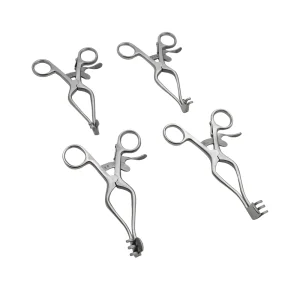
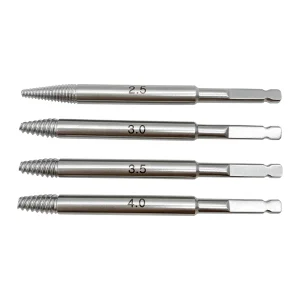
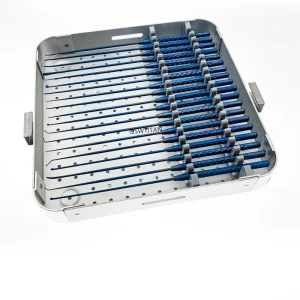
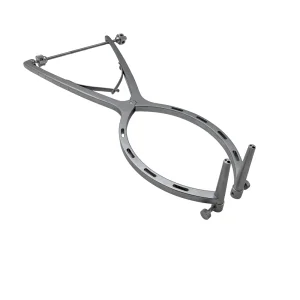
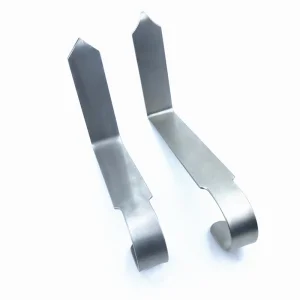
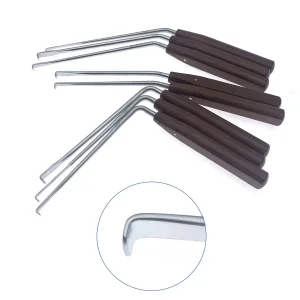

Detailed performance parameters, raw material specifications, and quality verification standards.
In accordance with global quality guidelines, our factory operations are structured around clear quality checkpoints. We focus on providing detailed documentation for raw material sourcing, production stages, and final packaging processes. This ensures all surgical floor instruments are fully traceable and compliant with international healthcare regulations.
Key technical insights to guide your next surgical instrument order.
Our raw materials (typically AISI 304 and 420 martensitic steel) undergo a chemical passivation process that removes free iron from the surface and forms a protective chromium-oxide layer. Each batch is verified using boiling and copper sulfate tests to ensure long-term corrosion resistance in harsh sterilization environments.
We provide full customization, including custom branding (laser etching), modification of working end dimensions (such as curette size or micro-scissor blade length), and custom handle styles (flat, textured, or fiber handles). Clients can submit 3D CAD files or send physical samples for replication.
Our quality assurance process is managed by three dedicated in-house inspectors. We perform dimensional checks during CNC production, functional tests (such as cutting tests for scissors and grip strength tests for retractors), and final inspections before packaging to ensure every tool matches approved specifications.
Lead times vary depending on the product's complexity. Standard hand instruments are typically shipped within 30 to 45 days, while complex motorized bone drills or custom surgical systems requiring specialized components may take 60 days. We provide detailed timeline estimates for every project during the initial quote phase.