SENJIE Healthy & Technology
SENJIE Healthy & Technology
SENJIE Healthy & Technology
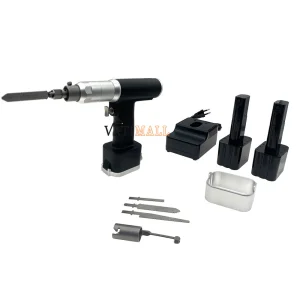
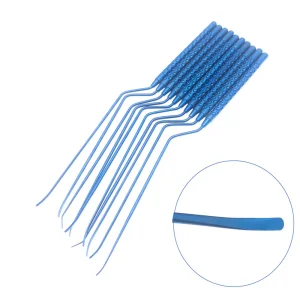
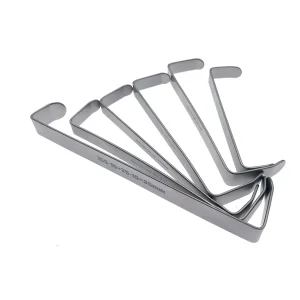
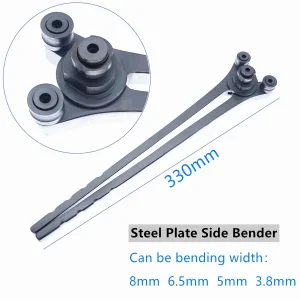
In modern minimally invasive surgery (MIS), the requirement for clear, cold, and high-intensity illumination is paramount. Surgical fiber optic instruments serve as the critical conduit between high-lumen light sources and the focal surgical site. Whether applied in endoscopic procedures, deep-cavity retractors, or specialized ophthalmic and neurosurgical tools, the engineering behind optical fiber cables and light-guide connectors dictates the clinical efficacy and visual clarity available to the surgeon.
Traditional illumination methods often fail due to thermal accumulation and bulky structures that obstruct the surgeon's line of sight. Advanced medical-grade fiber optics solve this issue by transmitting light via total internal reflection through customized silica or glass core fibers. These fiber bundles are encapsulated within flexible, autoclave-compatible silicone or stainless-steel sheaths to withstand the rigorous sterilization demands of modern hospitals. A single micro-crack or impurity in the fiber material can cause critical light scattering, resulting in diminished illumination and thermal heat generation at the distal tip, presenting a risk to sensitive tissue.
Ensuring wider emission angles and maximum light collection efficiency. By utilizing high-purity glass formulations, our instruments deliver uniform light distribution across the surgical field without hotspots.
Passive cooling configurations coupled with precision optical filters ensure that the light output contains minimal infrared wavelengths, protecting tissues from inadvertent thermal damage during prolonged procedures.
Surgical tools face repeated steam autoclaving cycles (134°C / 2.3 bar). Our proprietary sealing technologies protect fiber bundles from moisture penetration, preventing degradation and blackouts.
Navigating the complex landscape of global medical device procurement requires sourcing partners who balance cost, speed-to-market, and uncompromising compliance with international standards. As a premier custom OEM surgical fiber optic instruments manufacturer based in China, we stand at the crossroads of advanced optical engineering and industrial-scale manufacturing efficiency.
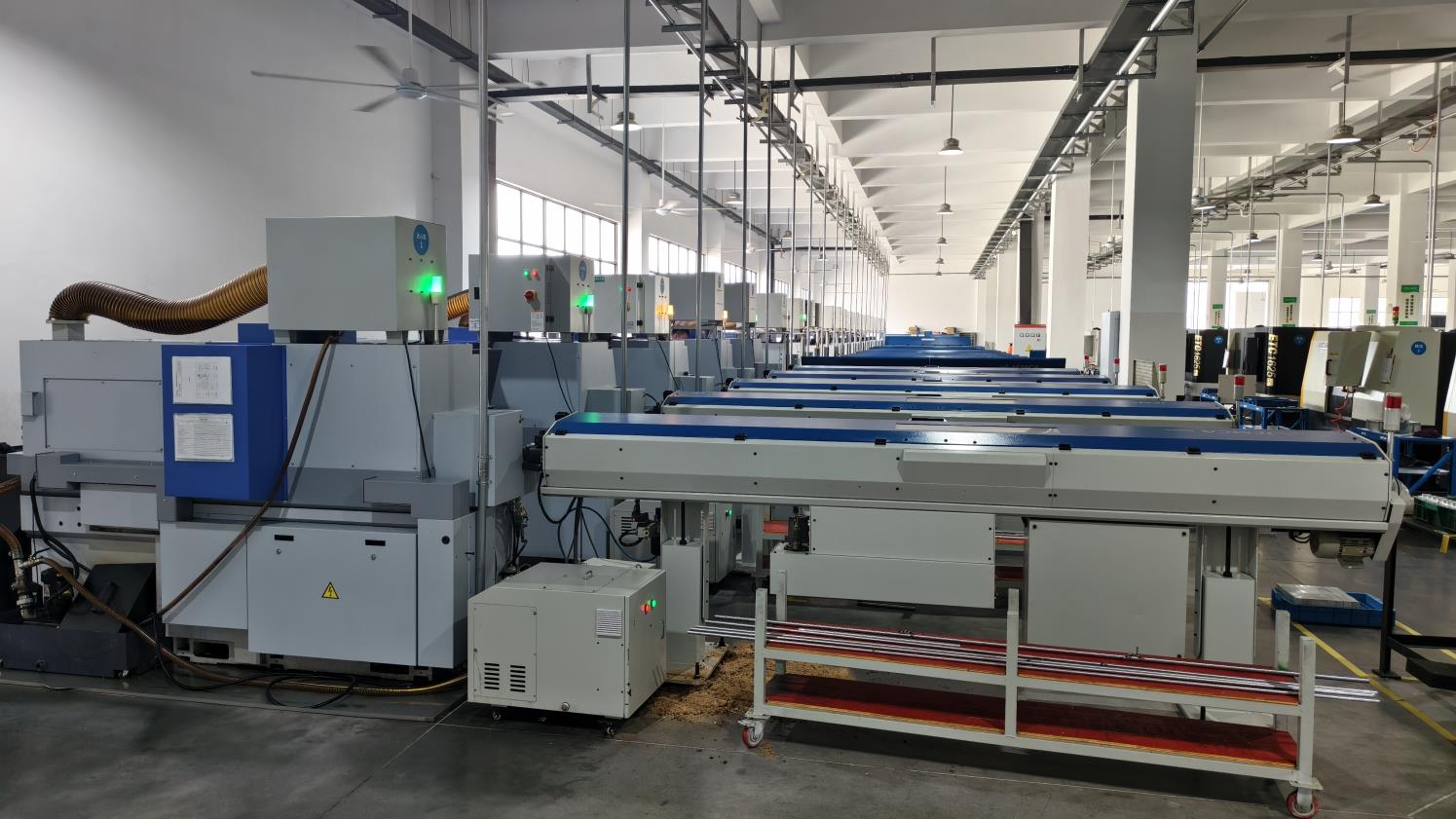
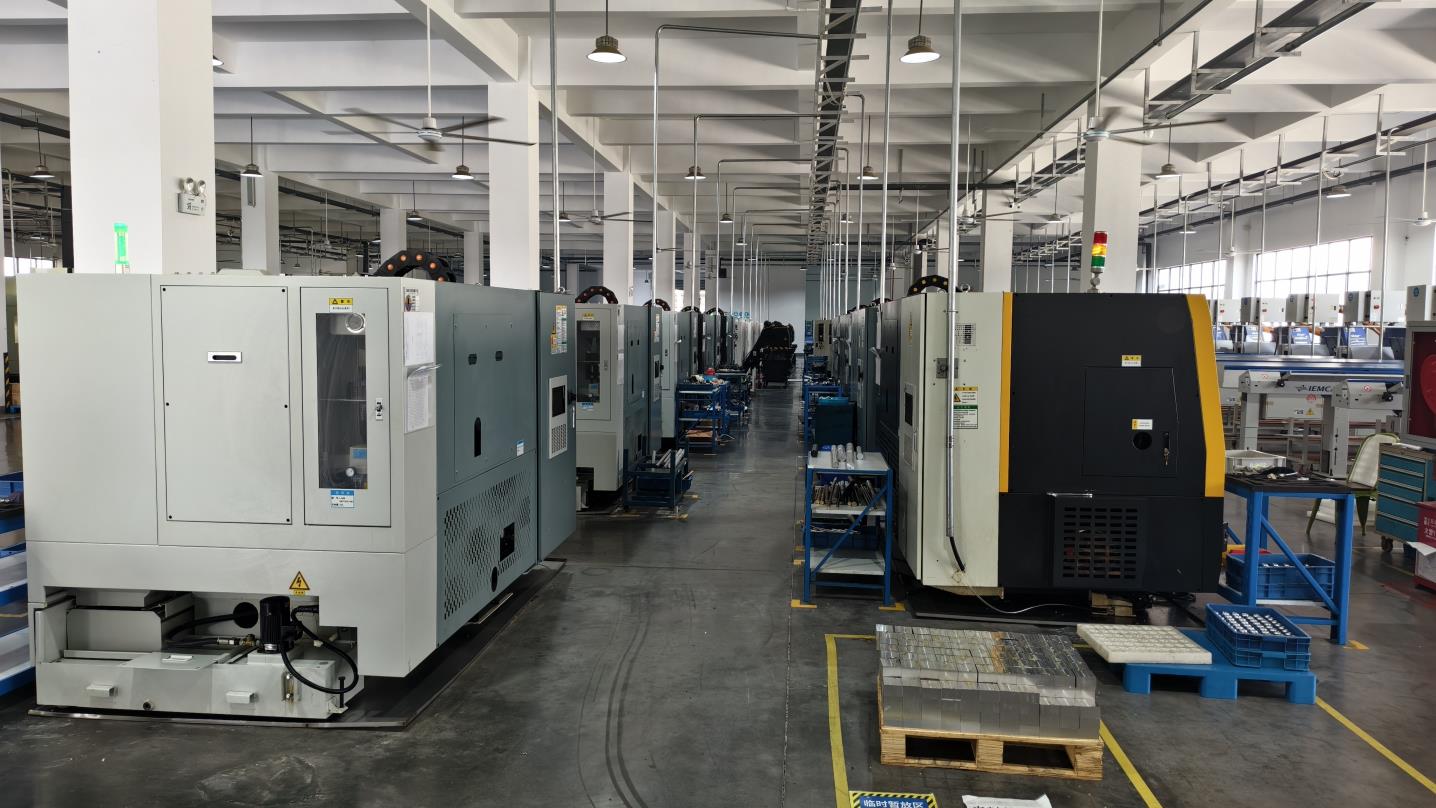
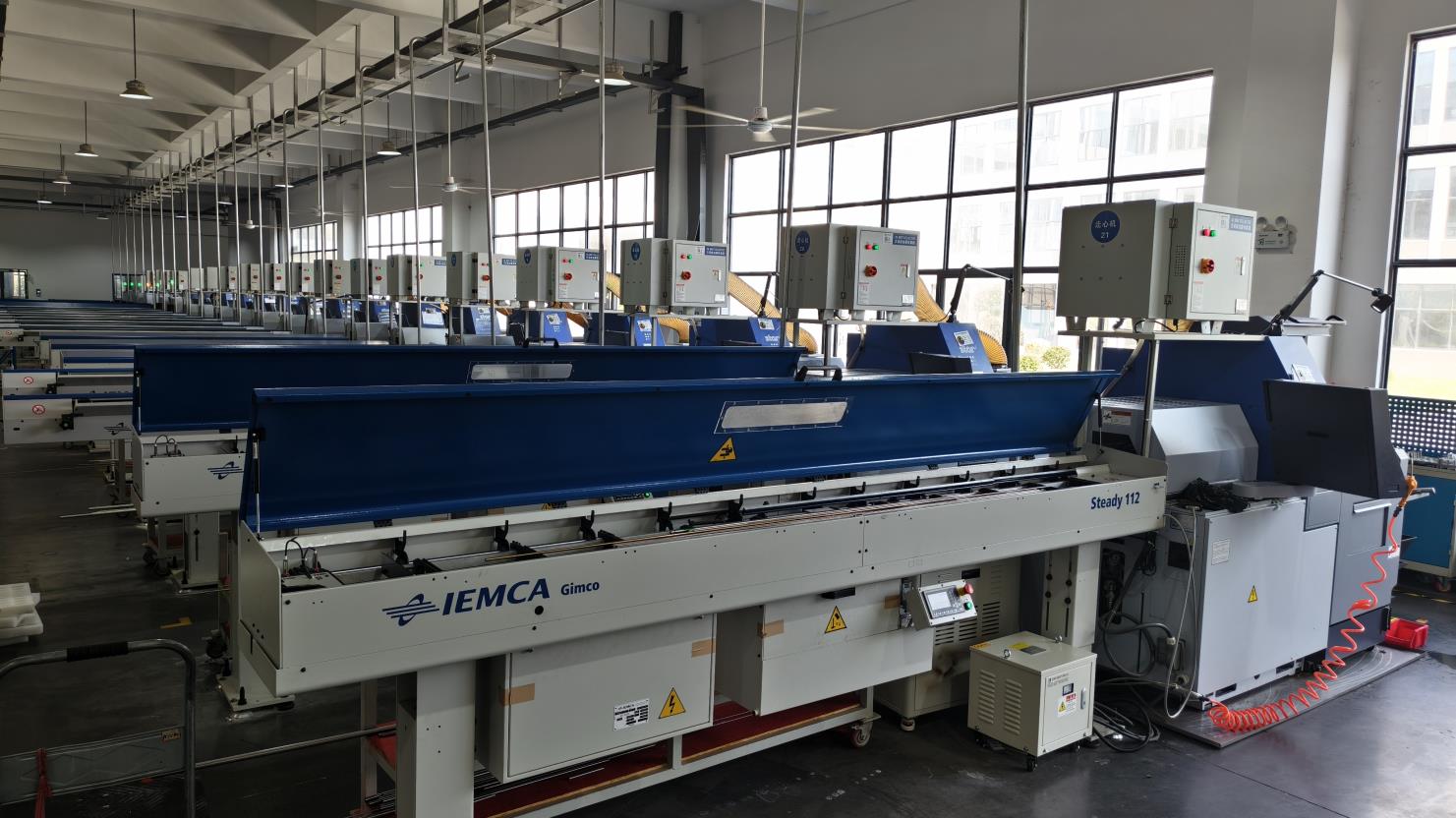
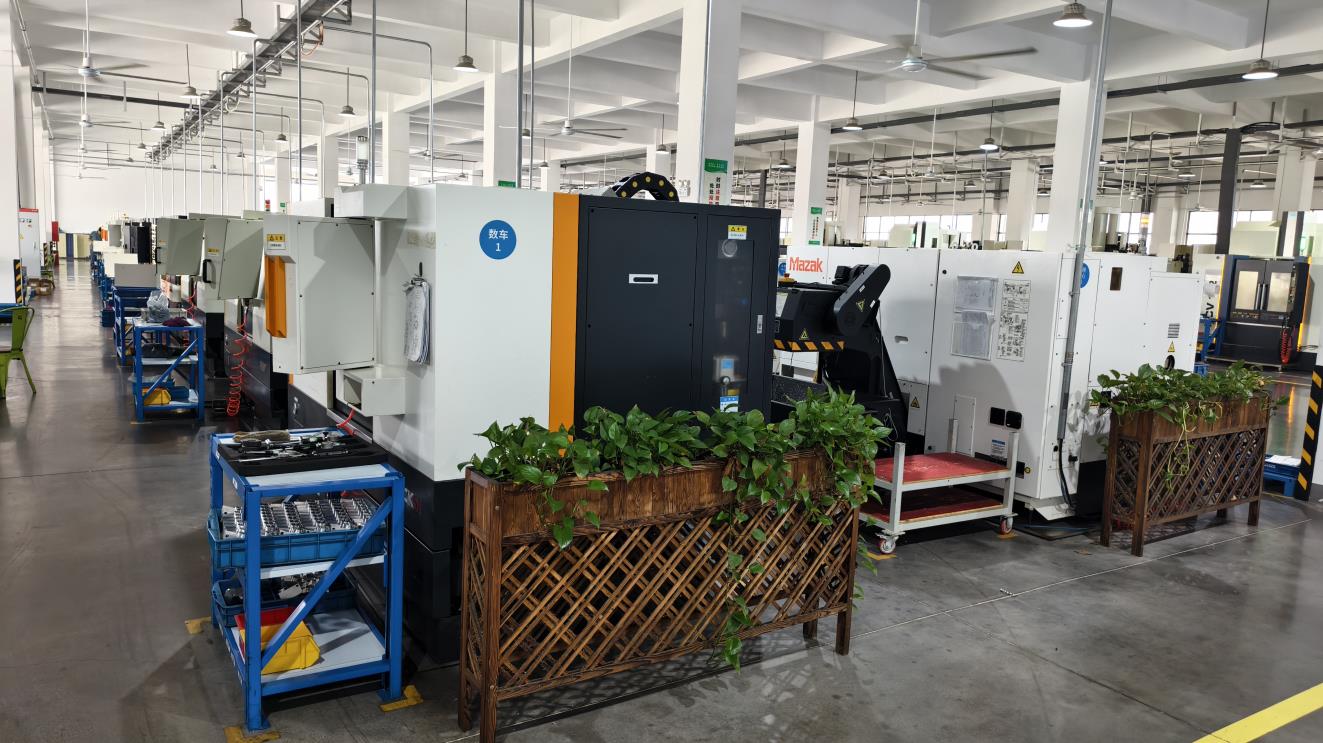
China’s surgical instrument manufacturing ecosystem, specifically centered around high-tech development zones, provides unmatched advantages in raw material sourcing (such as medical-grade SUS316L and German-sourced optical fibers), precision micro-machining (Swiss CNC lines), and surface treatment technologies. Our factory integrates these components to offer a streamlined contract manufacturing process—from initial CAD prototyping to cleanroom assembly and validation. This end-to-end integration reduces lead times by up to 40% compared to Western manufacturers, without sacrificing quality metrics.
Rapid deployment of functional prototypes within 14 business days. We accommodate design parameters for specific handle ergonomics, unique optical tip configurations, and proprietary universal light guide connectors.
Each batch of surgical stainless steel, titanium, and fiber material comes with verified mill certificates and optical attenuation reports, ensuring full compliance with traceability audits.
By automating fiber drawing and bundle alignment while maintaining skilled artisans for delicate micro-grinding and finishing, we optimize manufacturing costs for both low-volume runs and mass production.
Established on 2019-11-20, our organization has established a strong presence as a global contract manufacturer specializing in high-performance surgical instrumentation and fiber optic integration. Over 6 years of continuous export operations, we have built a robust supply chain serving brand owners, wholesalers, and medical distributors across diverse regional healthcare markets.
Different medical sectors demand customized technical properties for surgical instrumentation. Human medical applications require strict compliance with regulatory standards (e.g., FDA, CE, MDSAP), while veterinary clinics need cost-effective, high-durability instruments that can handle the structural demands of varied animal sizes. Our product portfolio bridges this gap by offering configurable, surgical-grade platforms.
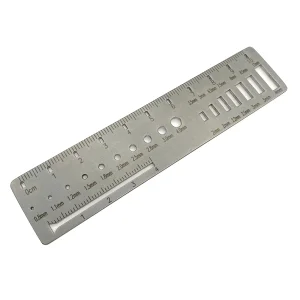
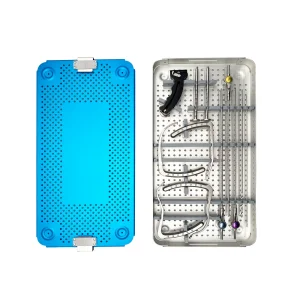
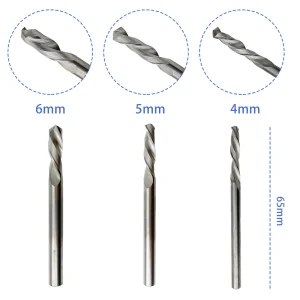
Integrated assemblies like our ACL-PCL Reconstruction Instrument Sets provide orthopedic surgeons with the precise guides, drills, and measuring devices needed for arthroscopic joint restoration.
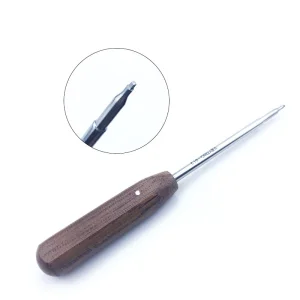
From Bone Screwdrivers to specialized Plate Bending Pliers, we design heavy-duty instruments that resist distortion and yield clean clinical results in small animal clinics and equine surgery centers.
Advanced visualization tools require high-power illumination. Our fiber optic retractors work alongside powered surgical saws to maintain clean cavity visibility under low ambient operating room lighting.
The surgical fiber optic industry is evolving rapidly, driven by the integration of robotic surgery and next-generation endoscopic imaging. Here are the core technical trends defining the industry today:
To eliminate cross-contamination risks, healthcare networks are shifting toward semi-disposable structures where the high-cost fiber guide is reusable, but the patient-contact optical tip is single-use and easily recyclable.
With the rise of pediatric and neurosurgical interventions, fiber diameters are shrinking below 1.5mm. Manufacturing these bundles requires cleanroom alignment to maximize light transmission through smaller cross-sections.
Modern instruments must handle high-intensity LED and Laser (xenon alternative) light inputs. This requires high-durability optical adhesives at the coupling interface to prevent burning or yellowing over time.
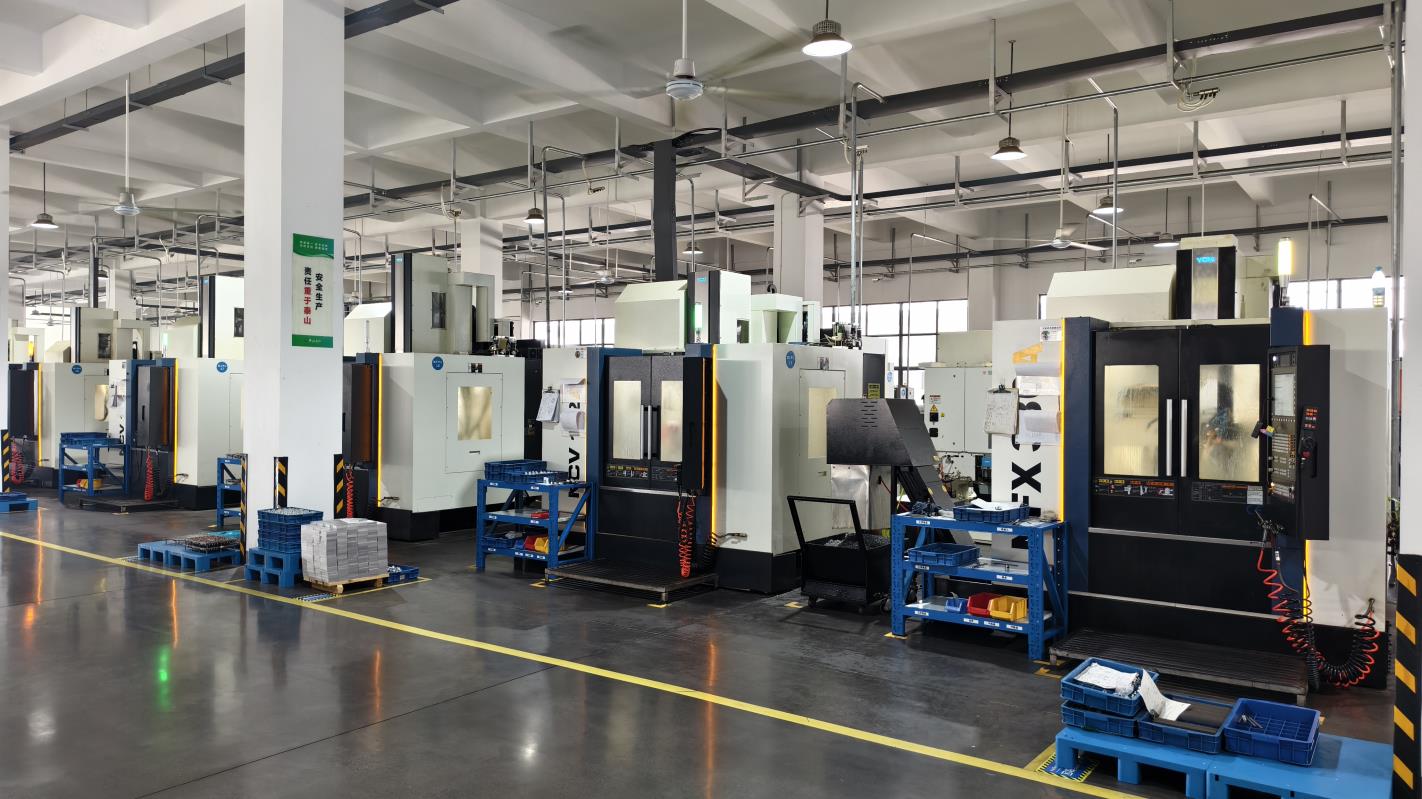
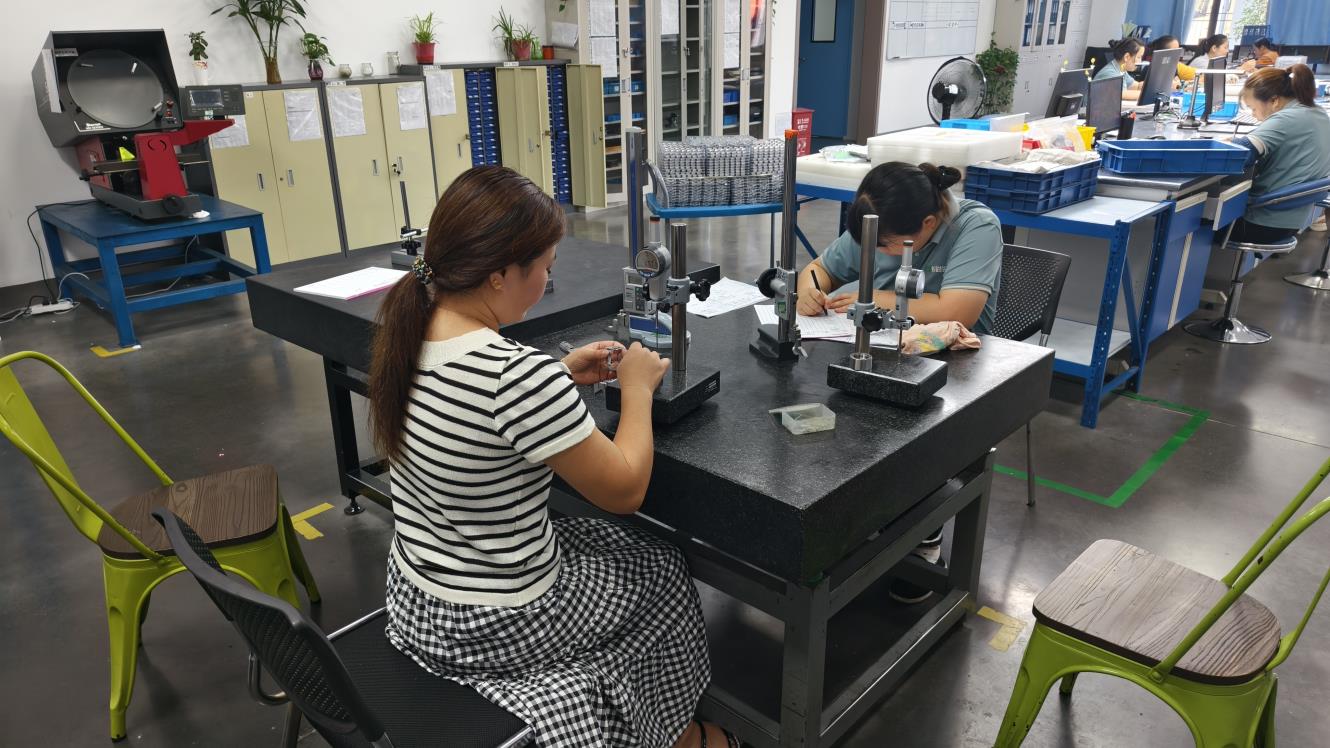
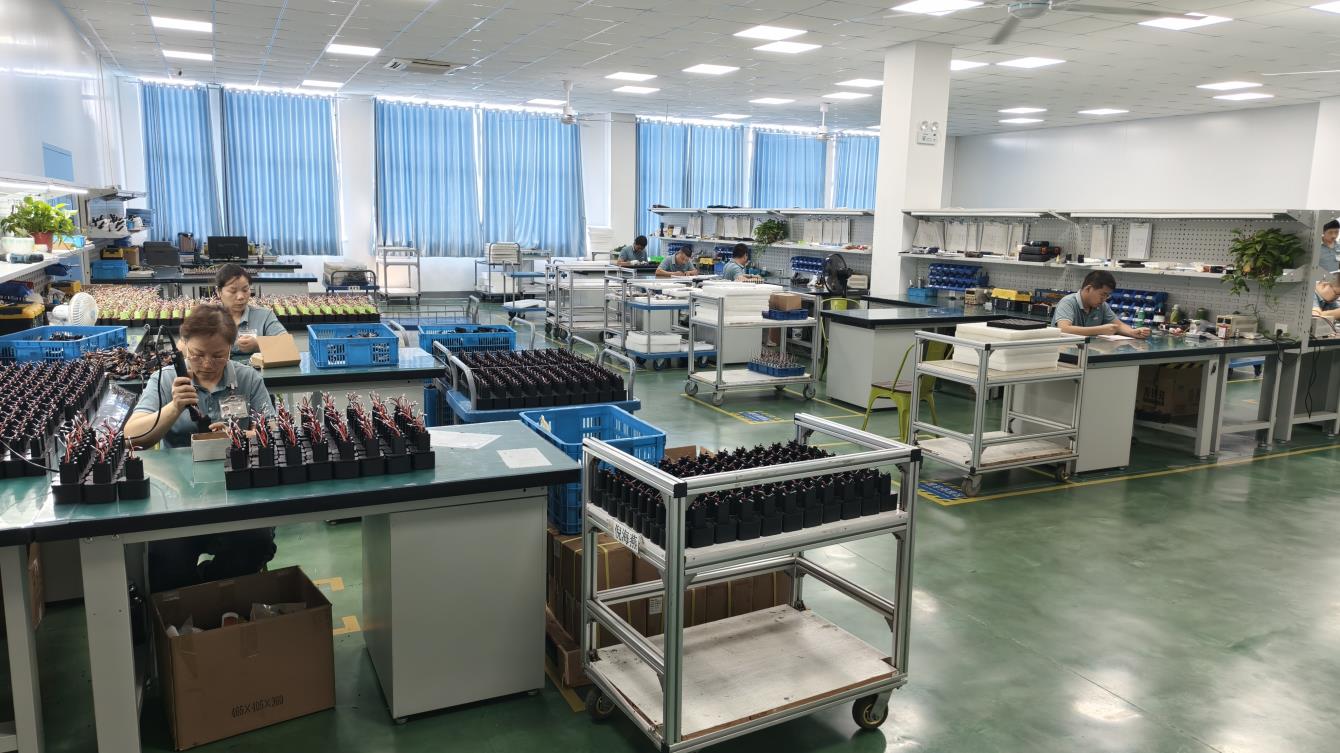
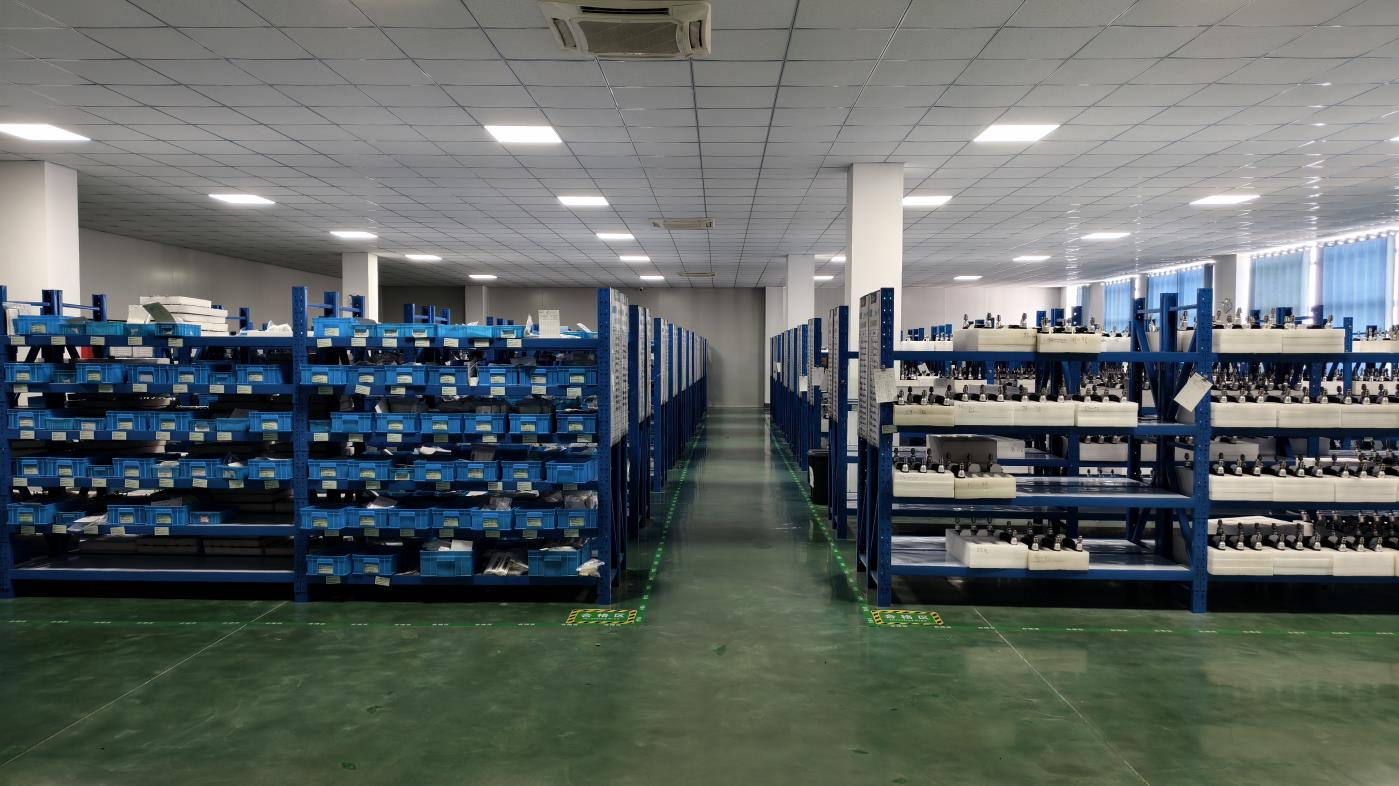
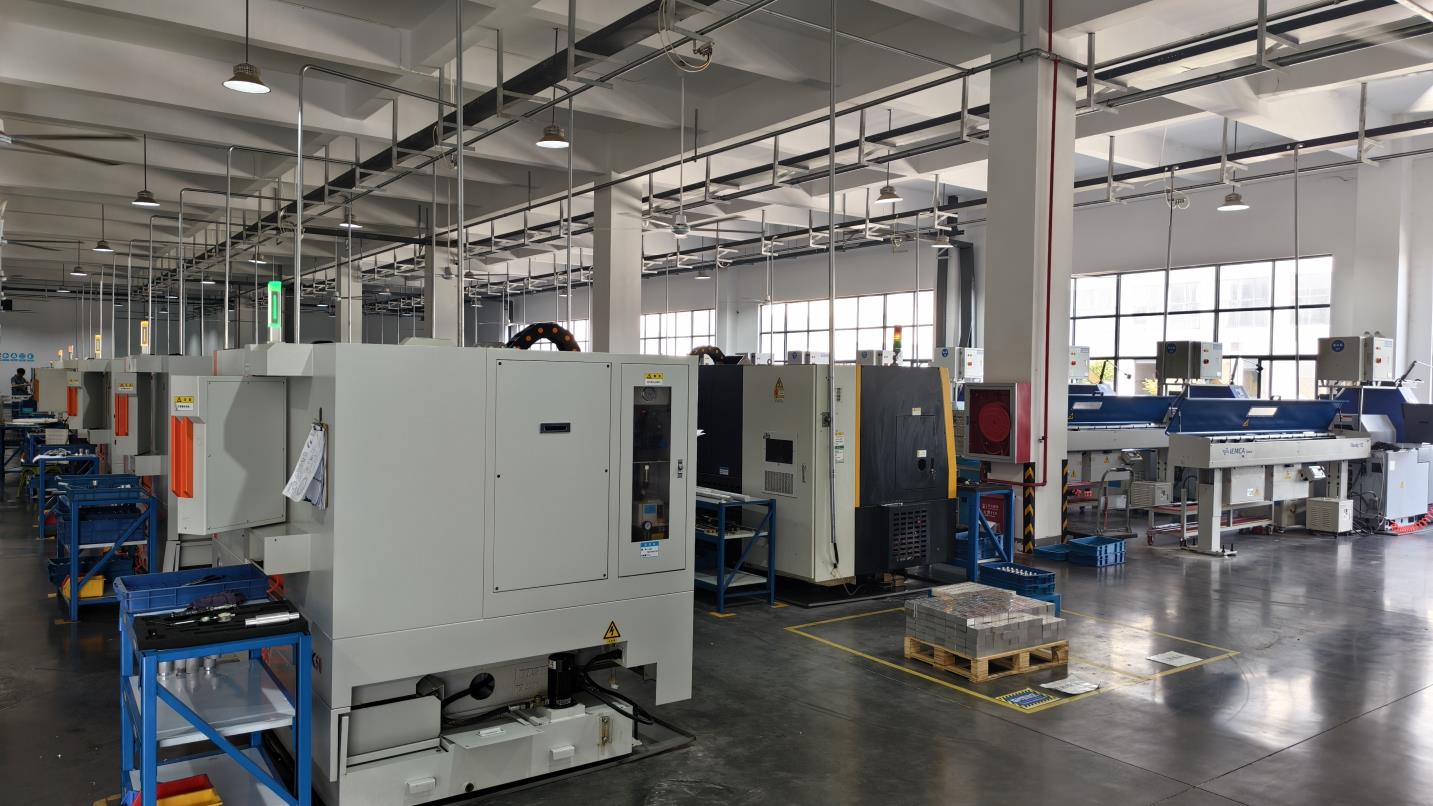
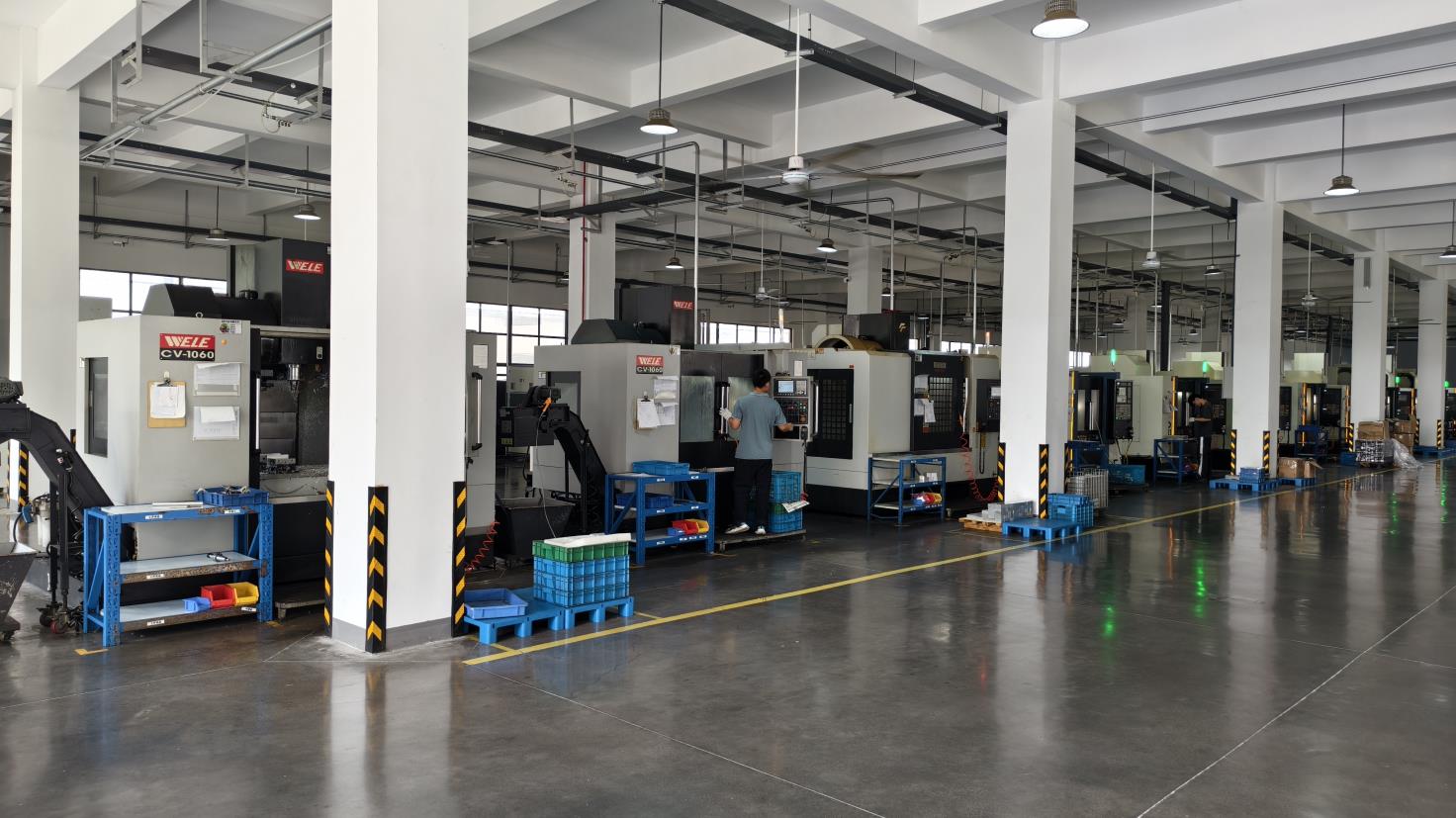
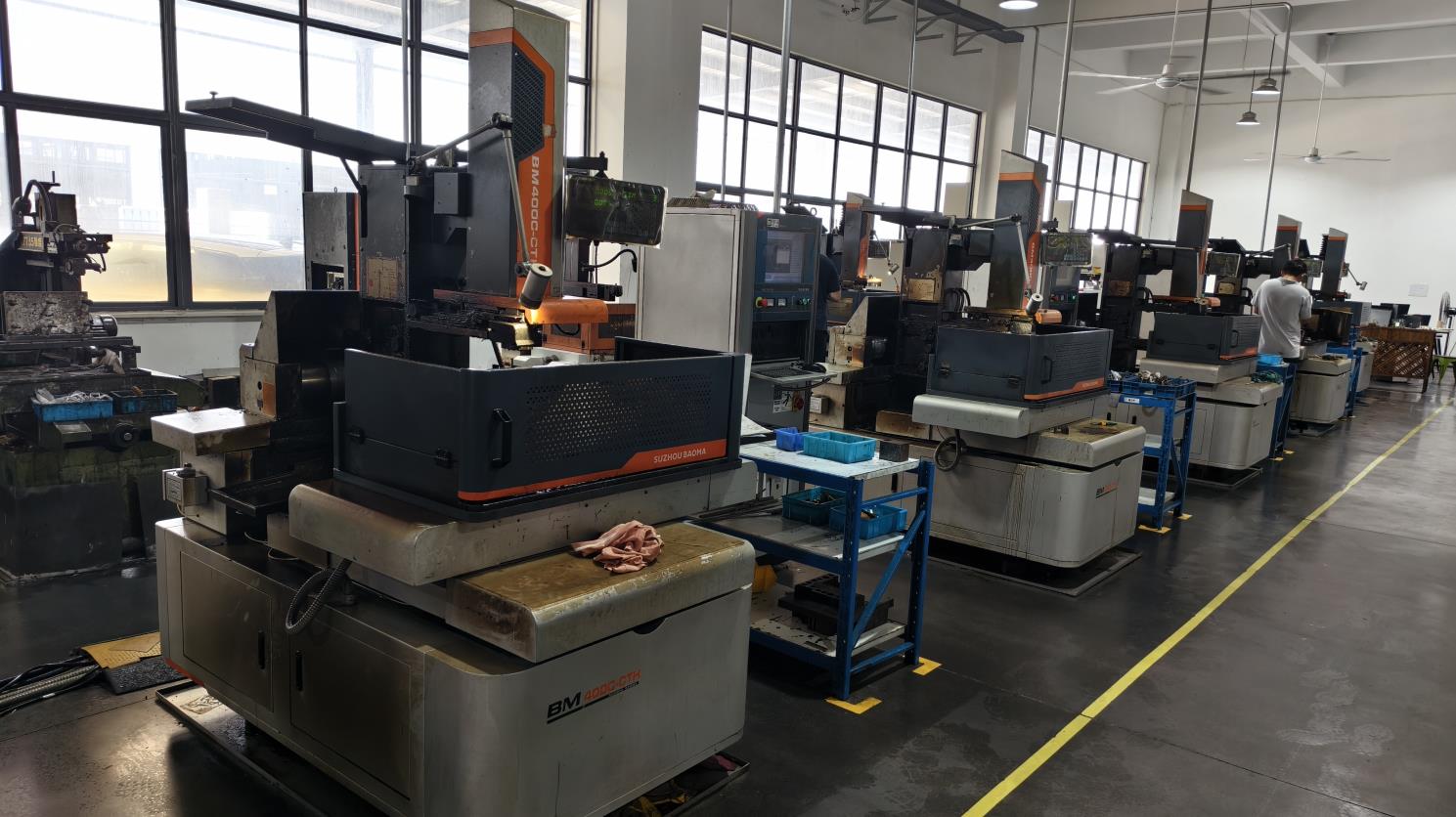
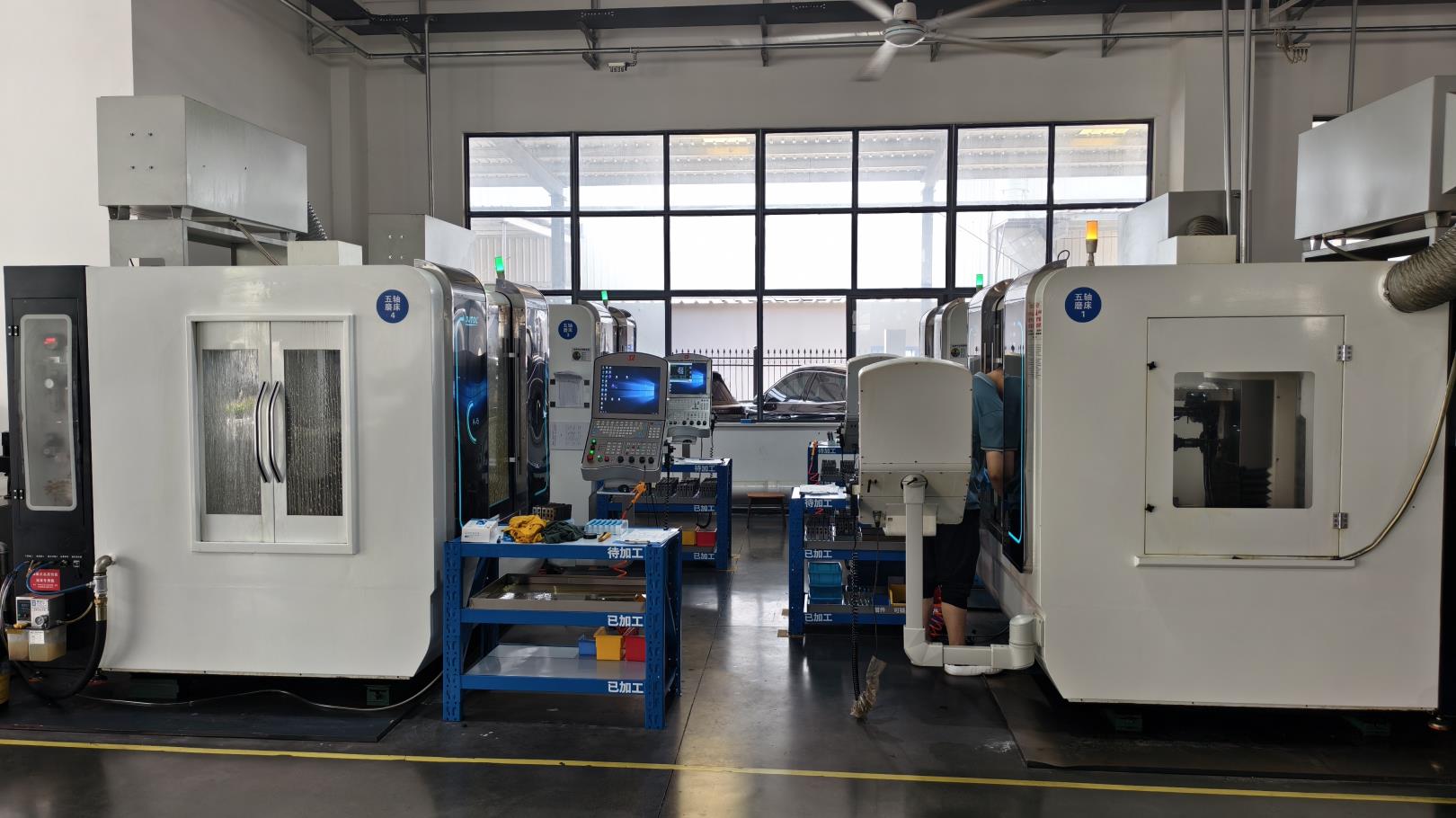
Quality is maintained by managing production parameters at every step. From raw materials selection through CNC milling and polishing to final cleanroom assembly, our manufacturing infrastructure delivers reliable surgical tools. Below is an overview of our production facility, showcasing our quality control workflows and testing setups.

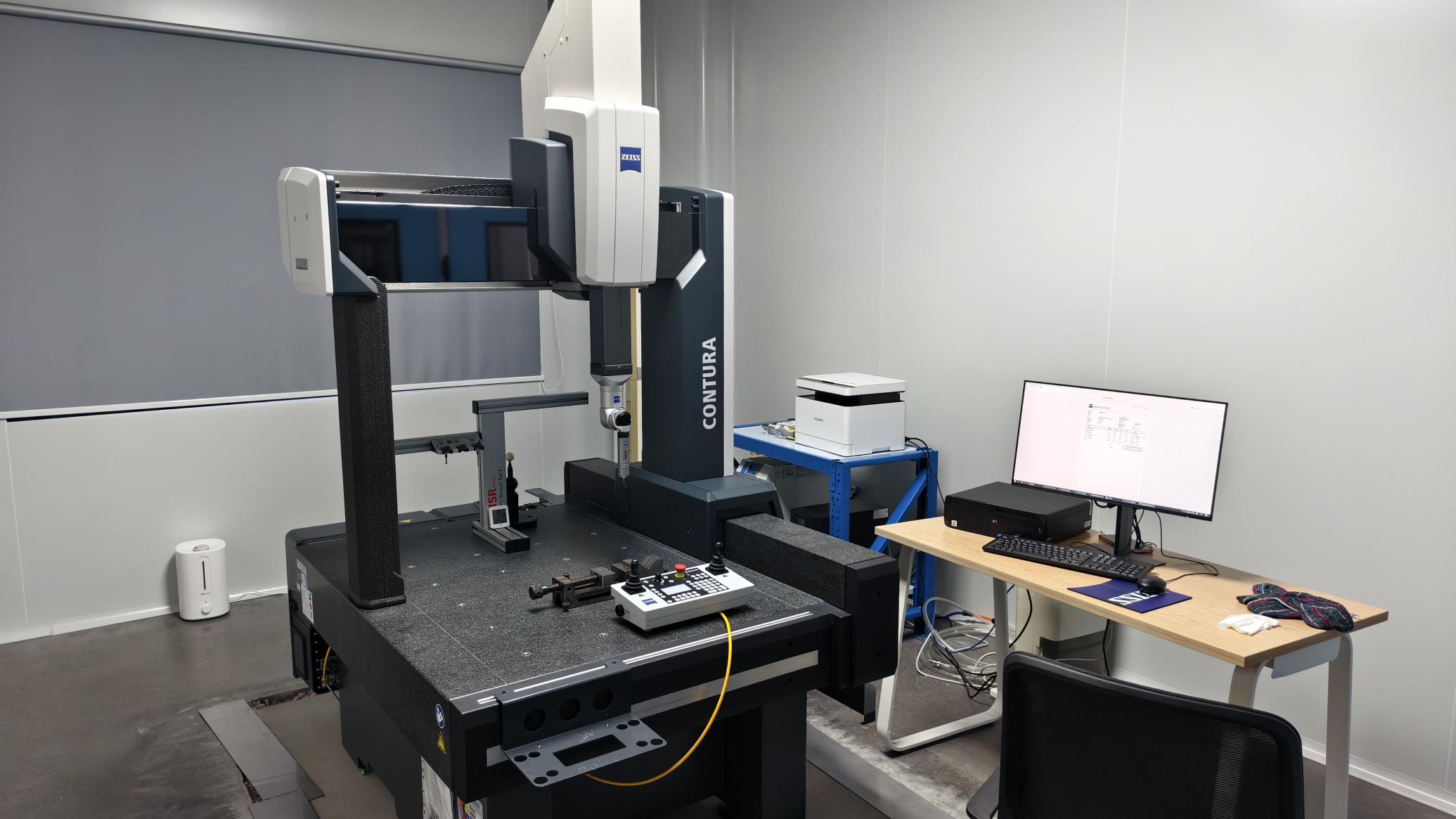
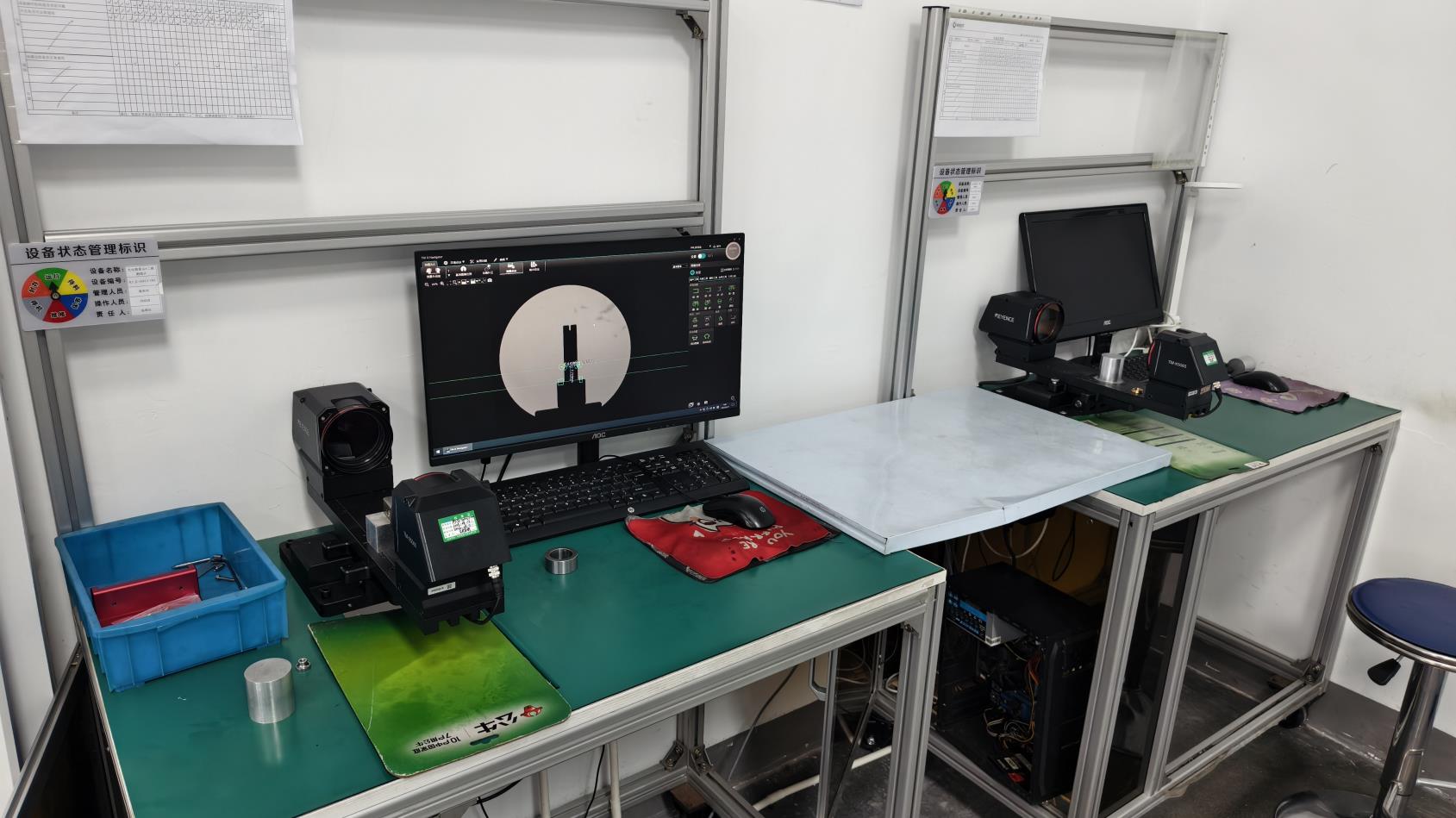
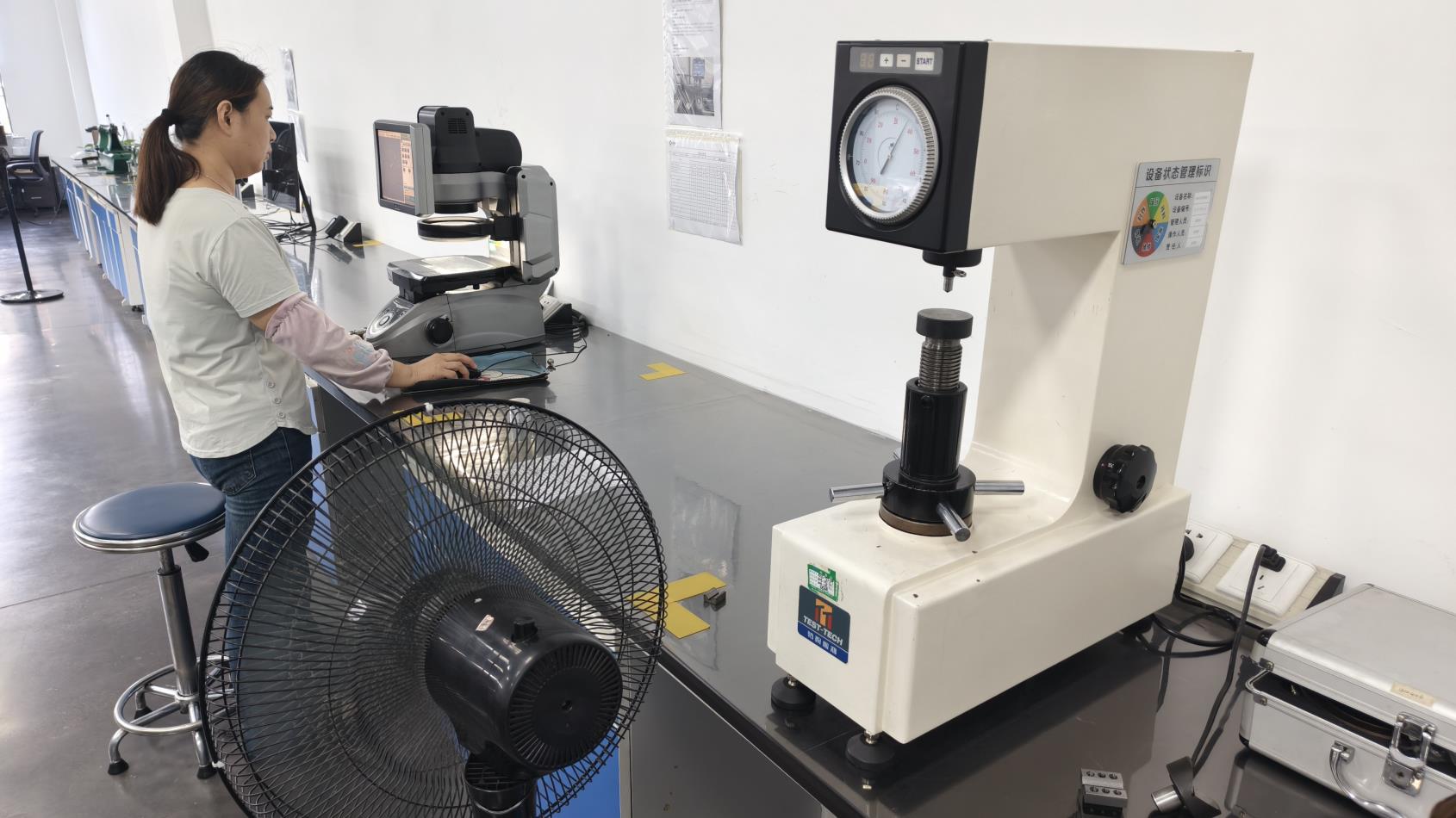
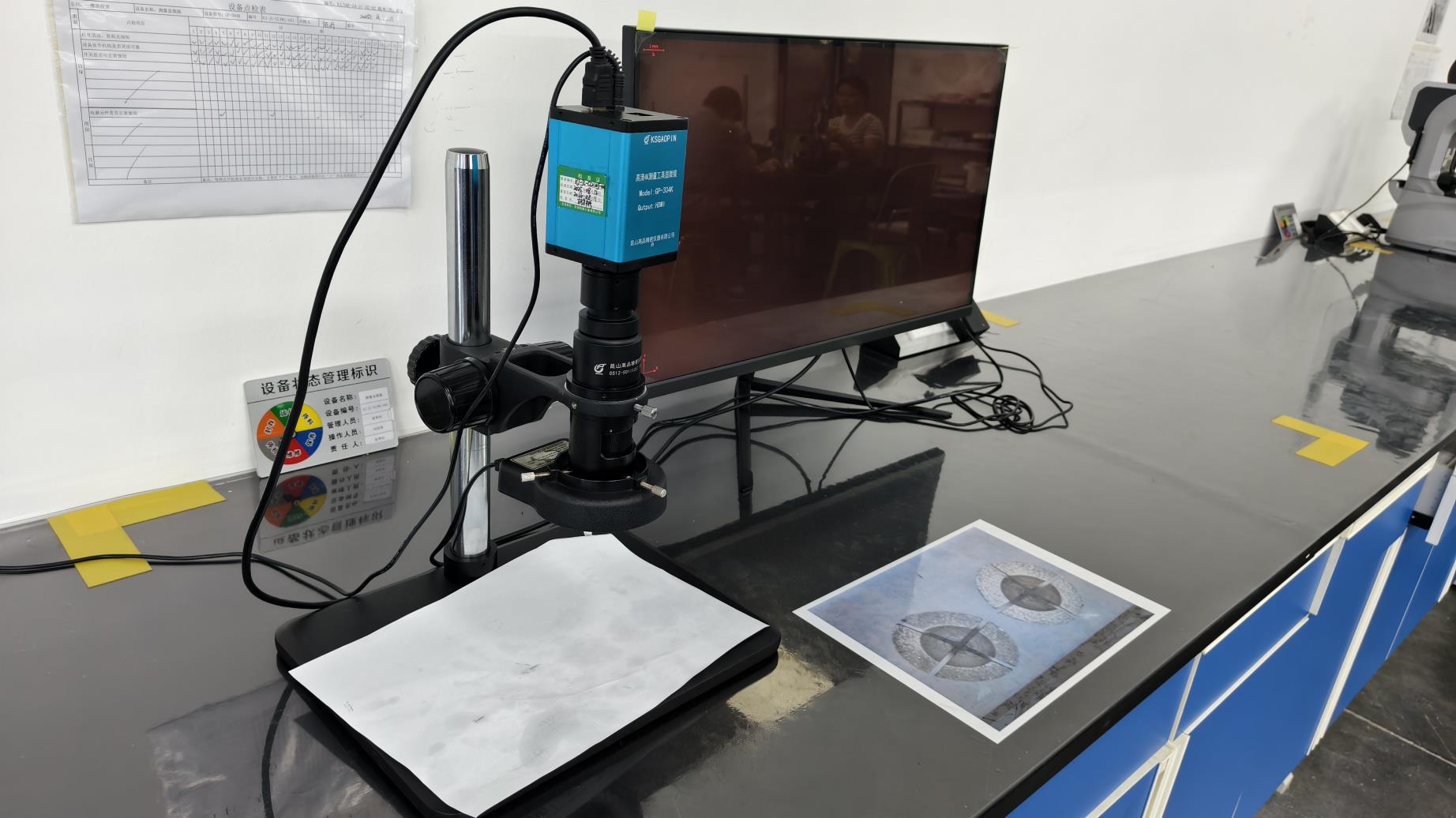
Procuring medical-grade instrumentation requires navigating strict regulatory pathways and ensuring reliable quality standards. For medical brand distributors, OEM buyers, and surgical hospital systems, selecting a production partner involves assessing manufacturing capacity, material standards, and technical compliance.
Our production facility supports OEM partners in preparing 510(k) submissions, CE technical files, and regional registration documents. We offer full material composition declarations to help streamline regulatory reviews.
To verify product consistency, our QA team uses optical comparators, surface roughness testers, and digital light meters. We support both remote and on-site factory audits from third-party certification bodies.
With direct export pipelines to North America, Europe, and Southeast Asia, we coordinate customs clearances and safe transit packaging. This helps protect delicate optical instruments throughout the international shipping process.
Review technical details regarding optical specifications, customization options, and quality control standards.