SENJIE Healthy & Technology
SENJIE Healthy & Technology
SENJIE Healthy & Technology
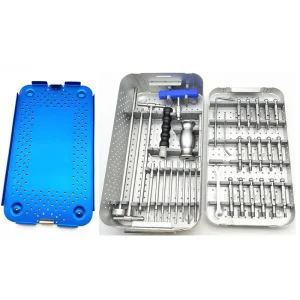
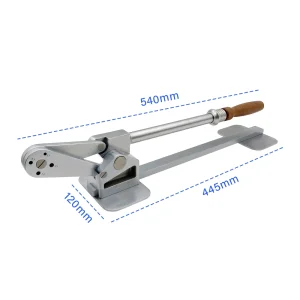
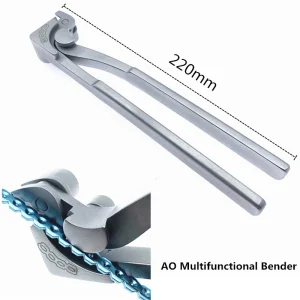
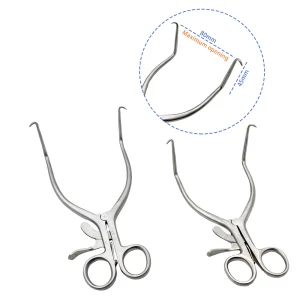

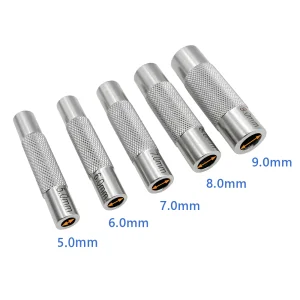
Surgical dilators represent the silent backbone of minimally invasive procedures, interventional therapies, and orthopedic remodeling. As clinical environments demand narrower access paths and reduced patient trauma, the technical specifications of these tools have evolved from generic rods to highly specialized, custom-engineered instruments.
For medical brand businesses, distributors, and surgical product designers, sourcing high-performing dilators is not just a matter of price—it is a critical alignment of metallurgical science, precision engineering, and absolute compliance. Devices must interact flawlessly with delicate vascular, urethral, or orthopedic boundaries, making surface roughness ($R_a$), taper precision, and mechanical integrity non-negotiable key performance indicators (KPIs).
"Precision at the micron level ensures that surgical dilators glide smoothly, preventing micro-tearing and ensuring stable, predictable outcomes. Custom OEM manufacturing demands a rigorous synthesis of materials science and ISO 13485 controls."
At the center of any surgical instrument is the choice of material. Premium manufacturers operate exclusively with medical-grade alloys selected for their tensile strength, fatigue resistance, and non-reactive biological properties:
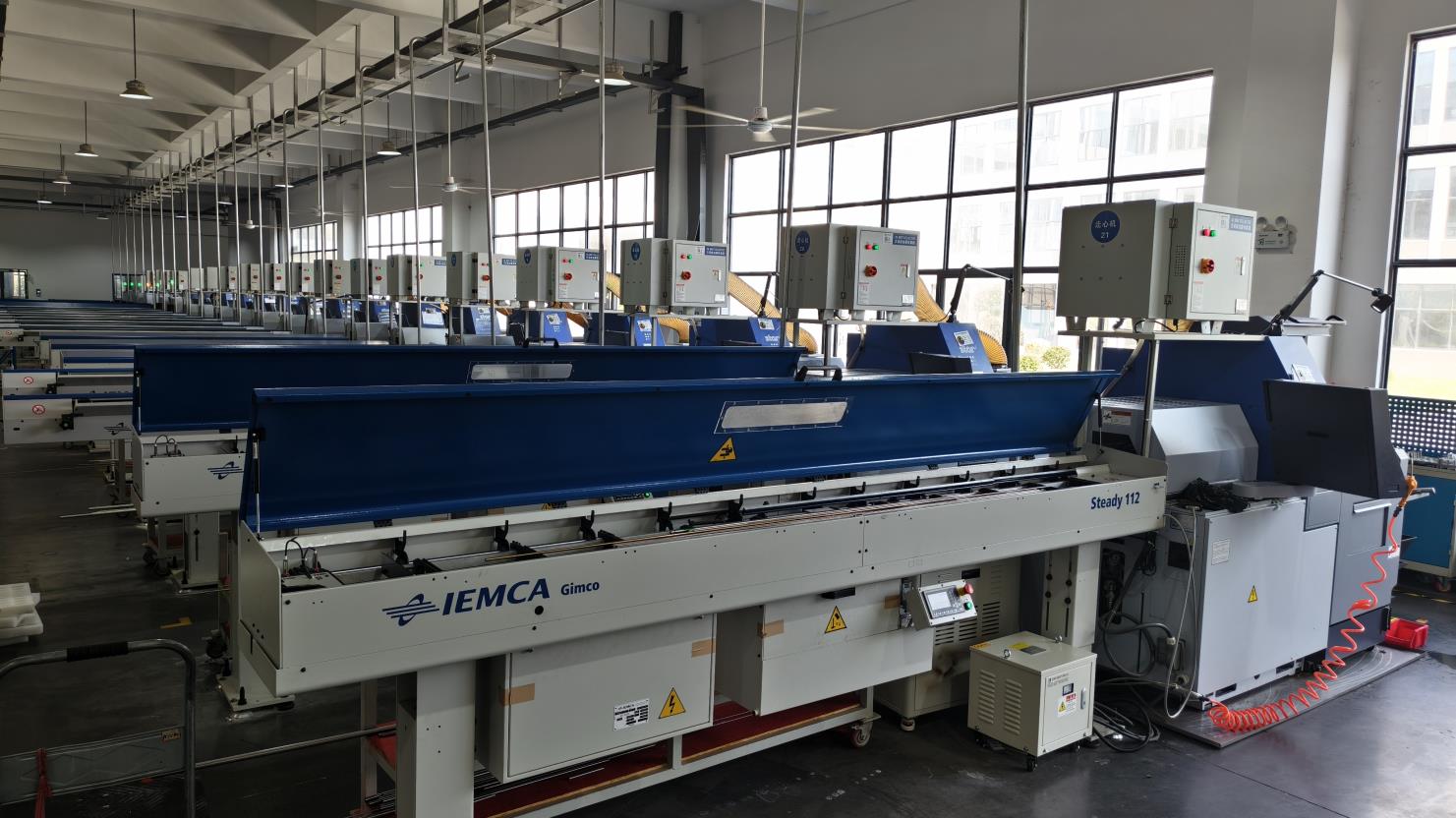
Surgical dilators require precise tapered profiles to distribute expansion forces gradually. This dynamic is critical in minimizing tissue resistance. Advanced CNC Swiss machining controls outer diameter tolerances within ±0.01 mm, achieving seamless transitions between French sizes (Fr) without steps or abrupt ridges that cause localized stress concentrations.
Navigating the complexities of contract medical manufacturing requires a partner with deep engineering domain expertise. Below are the key pillars of our custom production capabilities.
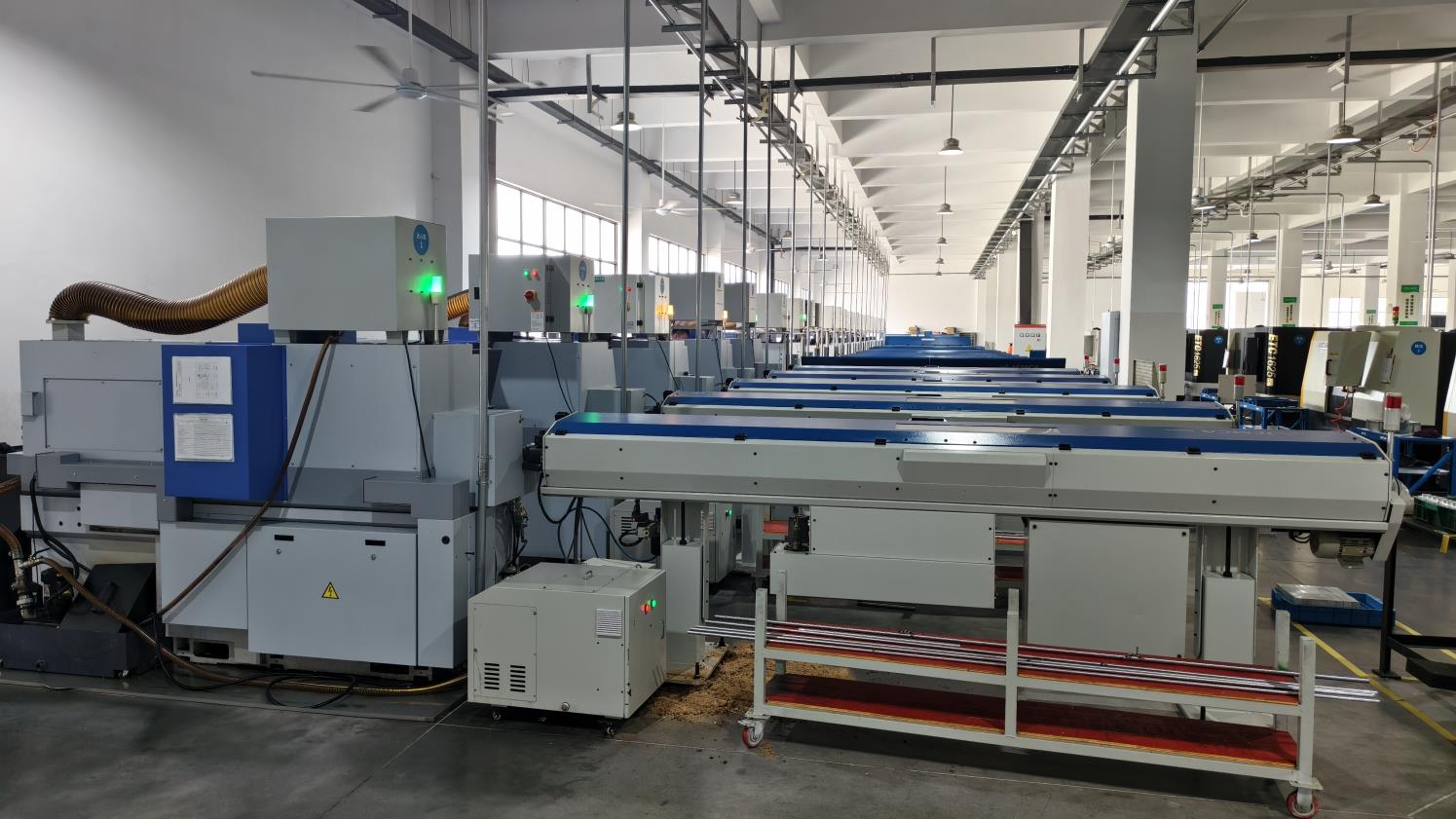
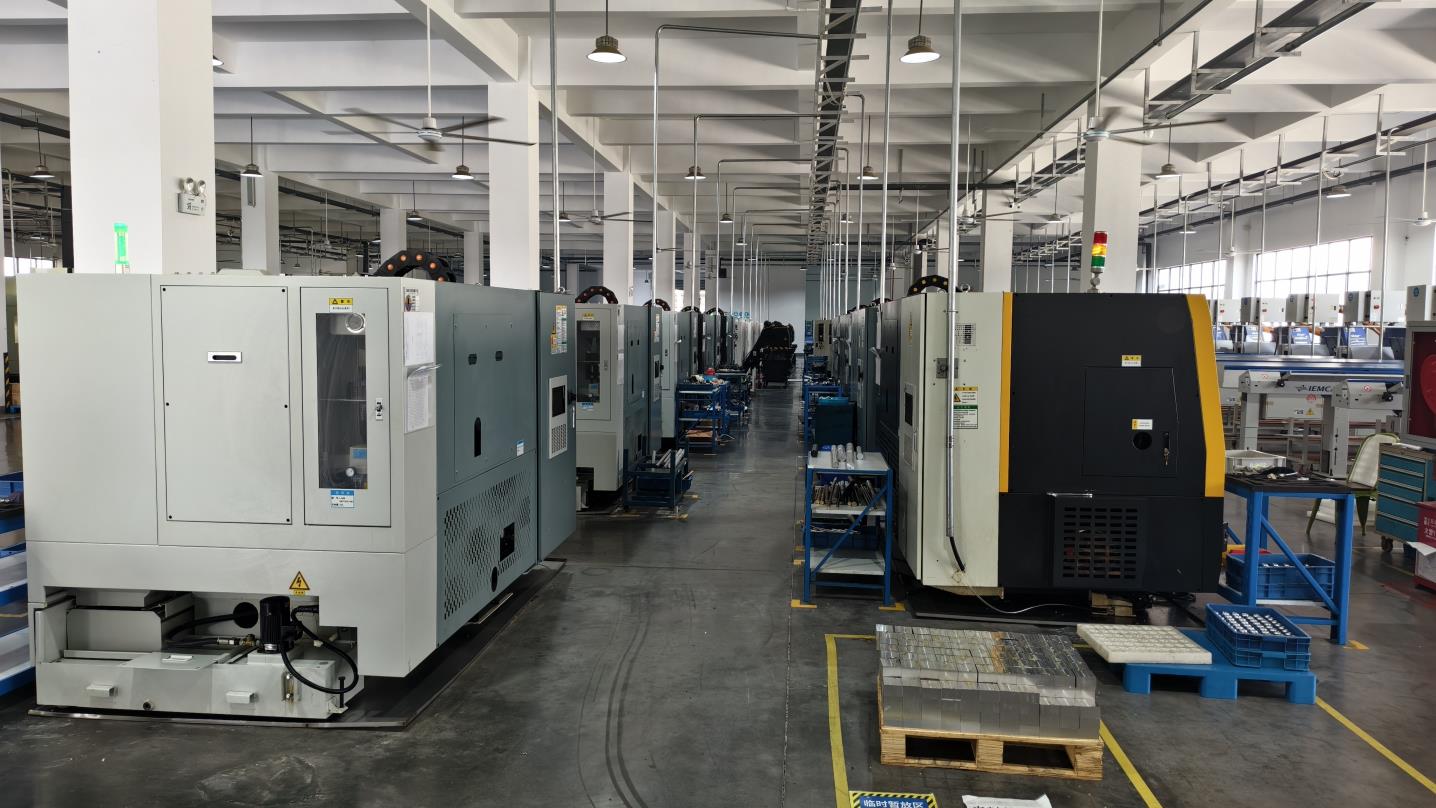
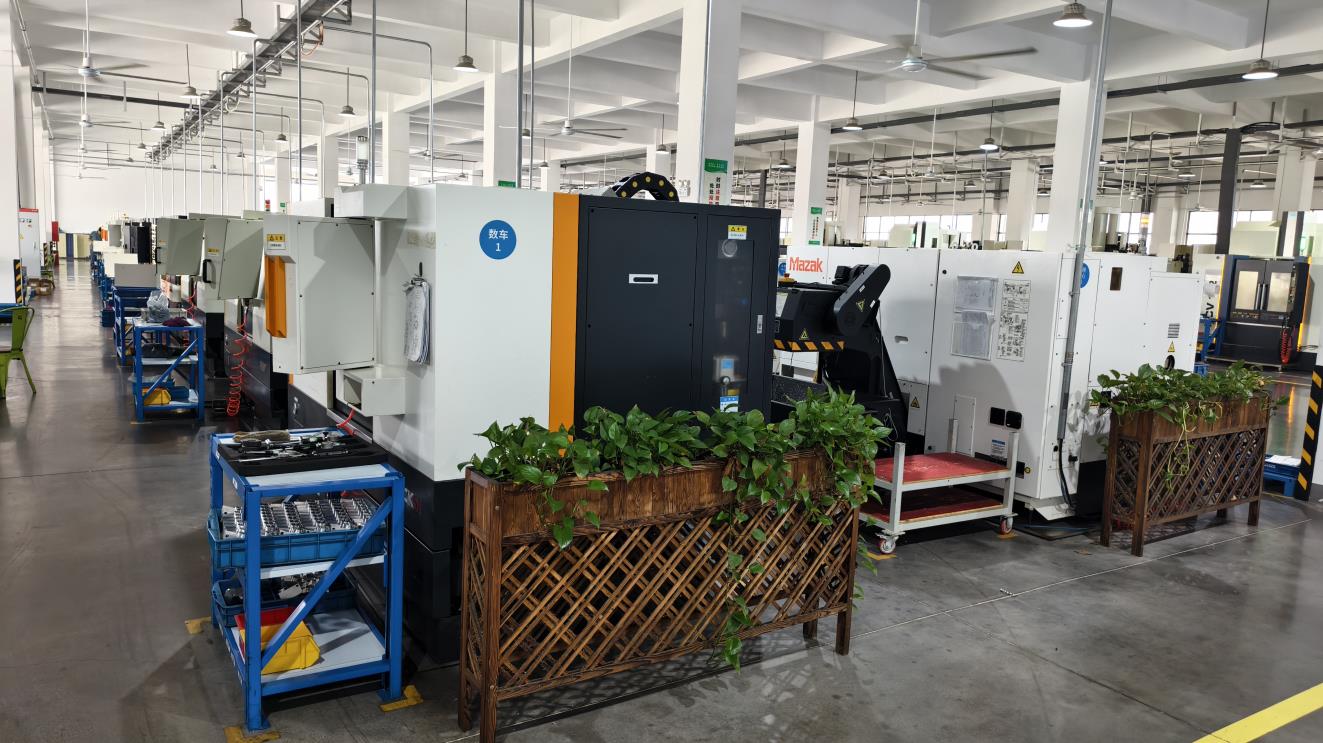
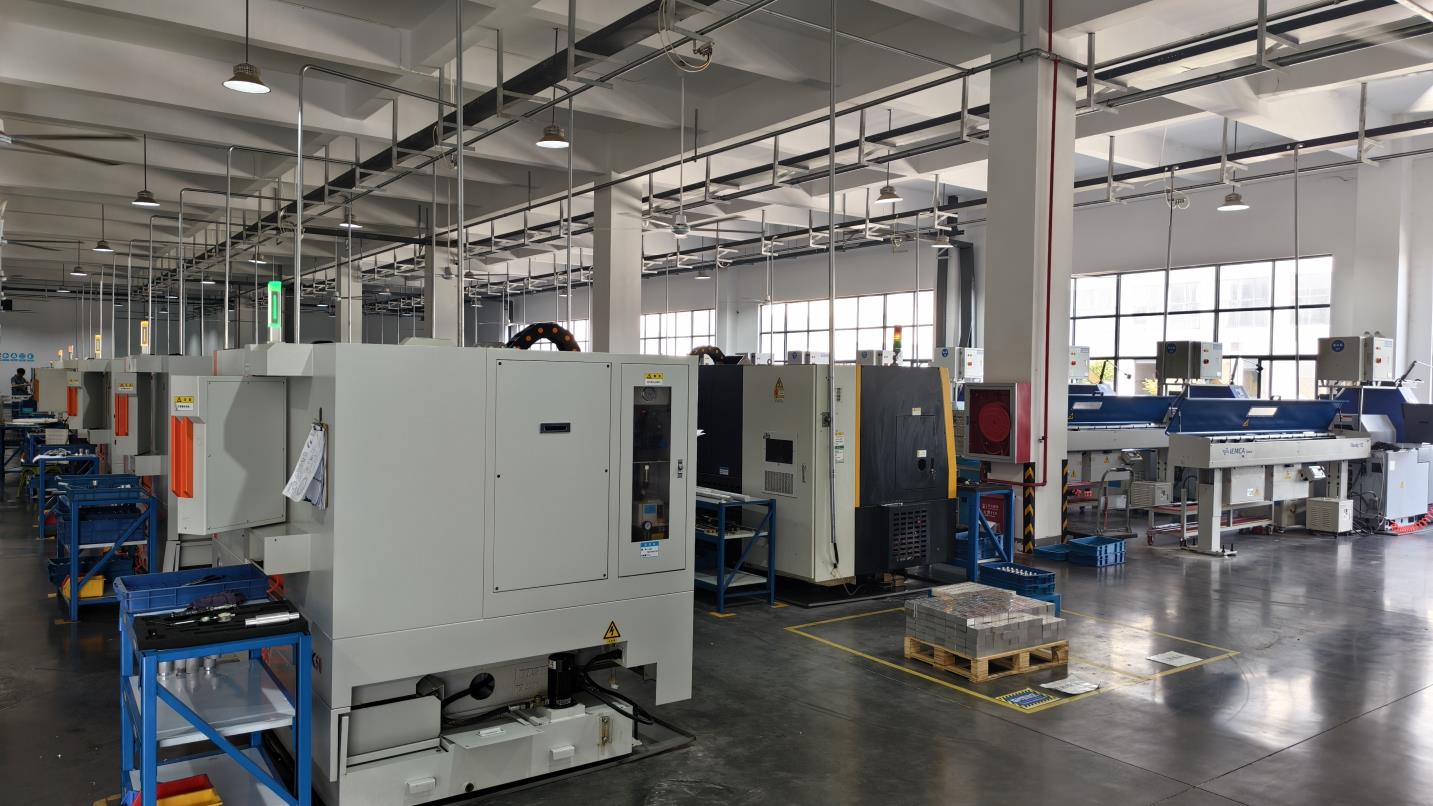
Utilizing high-end multi-axis CNC Swiss-type lathes to turn, drill, and polish dilators in a single operation, keeping dimensional variances below 10 micrometers.
Passivation per ASTM F86, electropolishing to reach a mirror finish ($R_a < 0.4 \mu m$), and precision laser engraving for depth marking and brand identification.
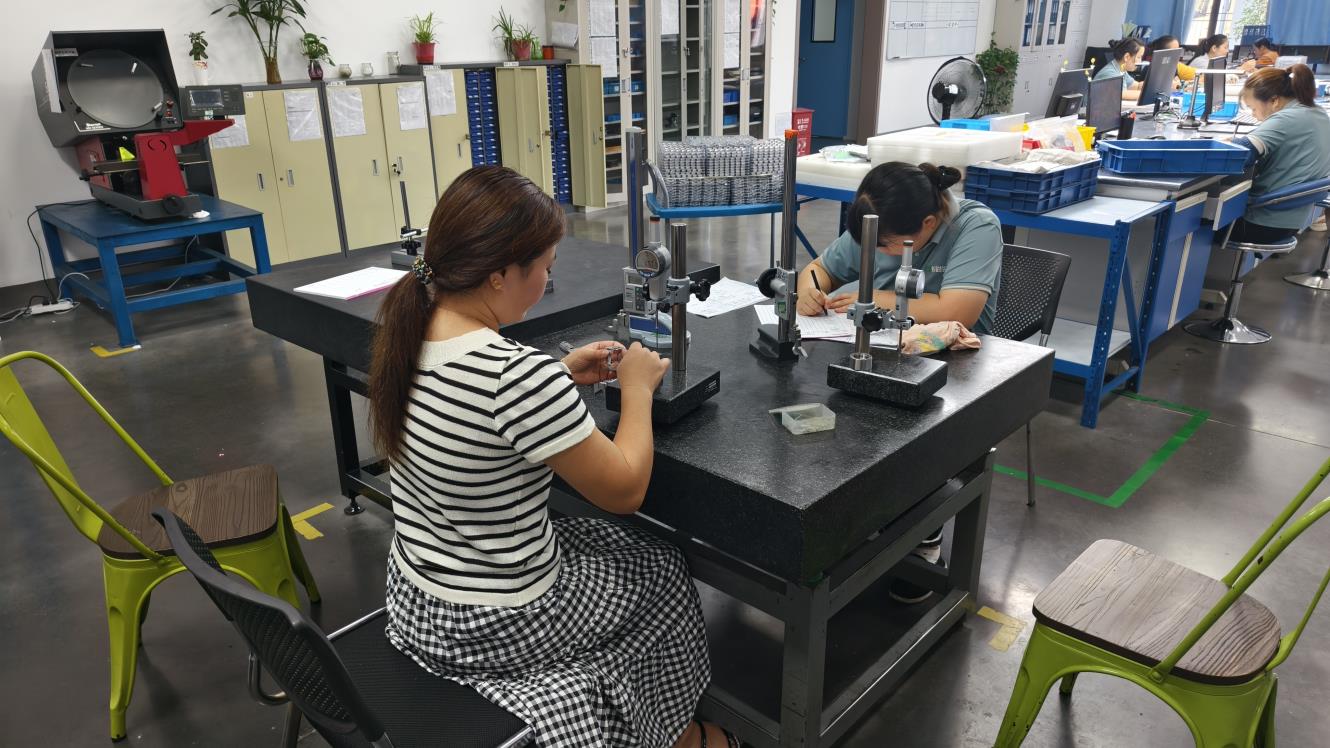
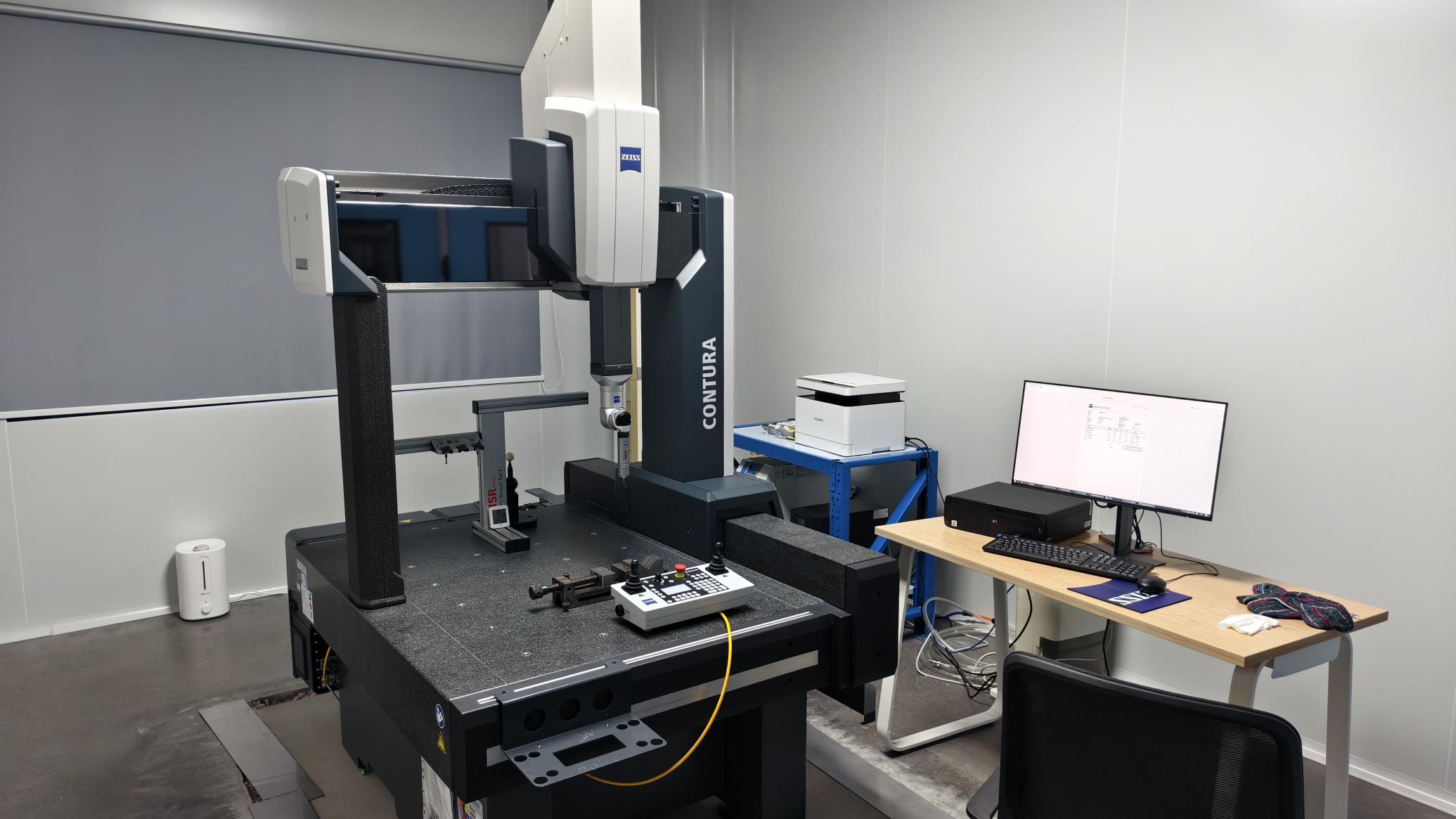
From initial mill certificates for raw medical steel bar stock to final coordinate measuring machine (CMM) reports, ensuring complete quality assurance audits.
The global demand for high-quality surgical dilators is driven by three intersecting macro trends: the expansion of geriatric care, the rise of ambulatory surgical centers (ASCs), and the push for procedural cost efficiencies. Sourcing officers in major markets face the constant challenge of securing components that satisfy clinical precision and pricing constraints.
MIS procedures require surgical access channels to be as narrow as possible. This puts intense mechanical demands on dilators. Instruments must provide high stiffness to dilate tough fascial planes while maintaining thin wall profiles and flexible entry dynamics. This requires advanced multi-step tapering engineering where single-piece construction replaces multi-component welds, eliminating points of potential structural failure.
With updates to European MDR and rigorous FDA 510(k) clearances, medical device brands must establish traceably documented supply lines. Sourcing from a facility established with active quality management systems mitigates the risk of batch-to-batch inconsistencies, chemical contaminants, and material degradation. High-precision cleanroom passivation is critical to remove free iron and prevent surface staining during repeated autoclaving.
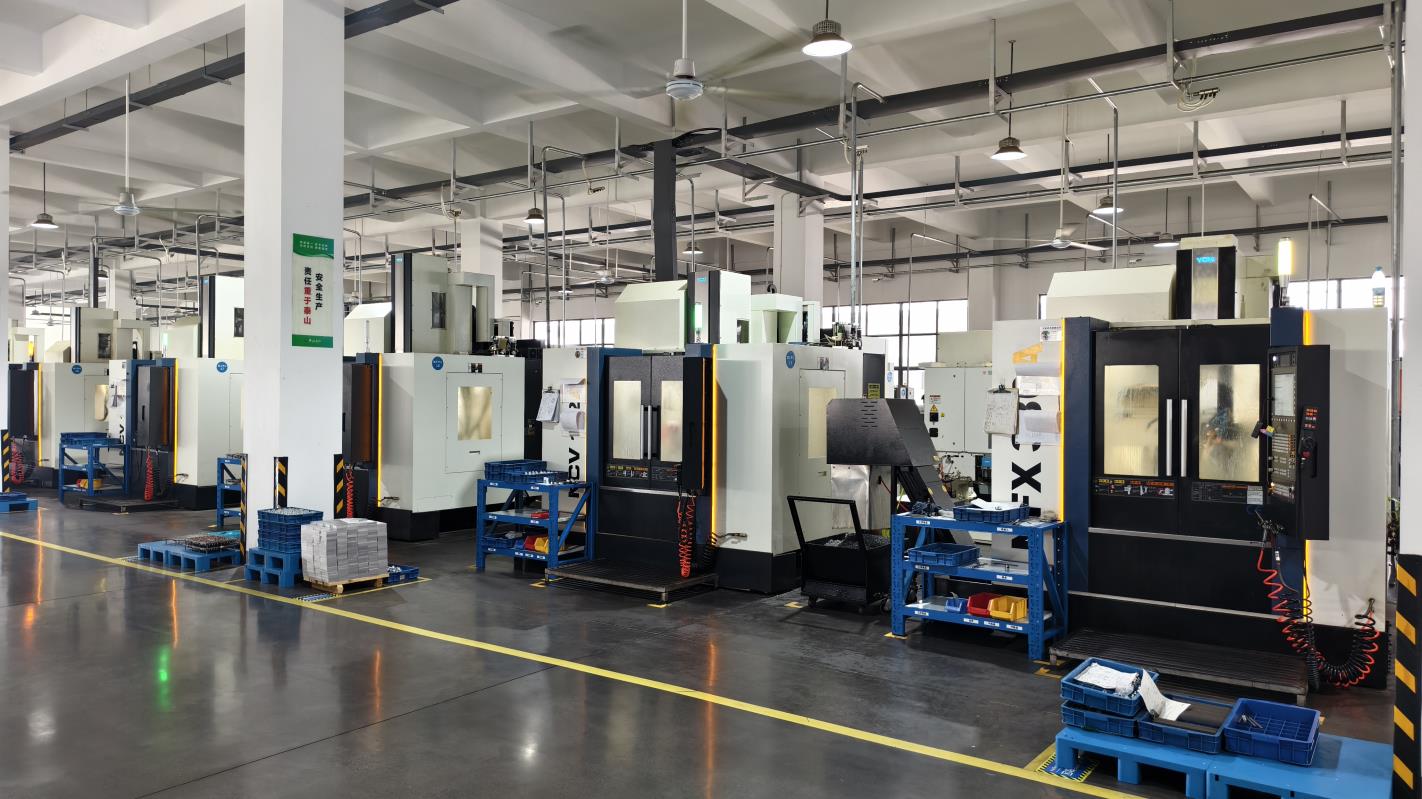
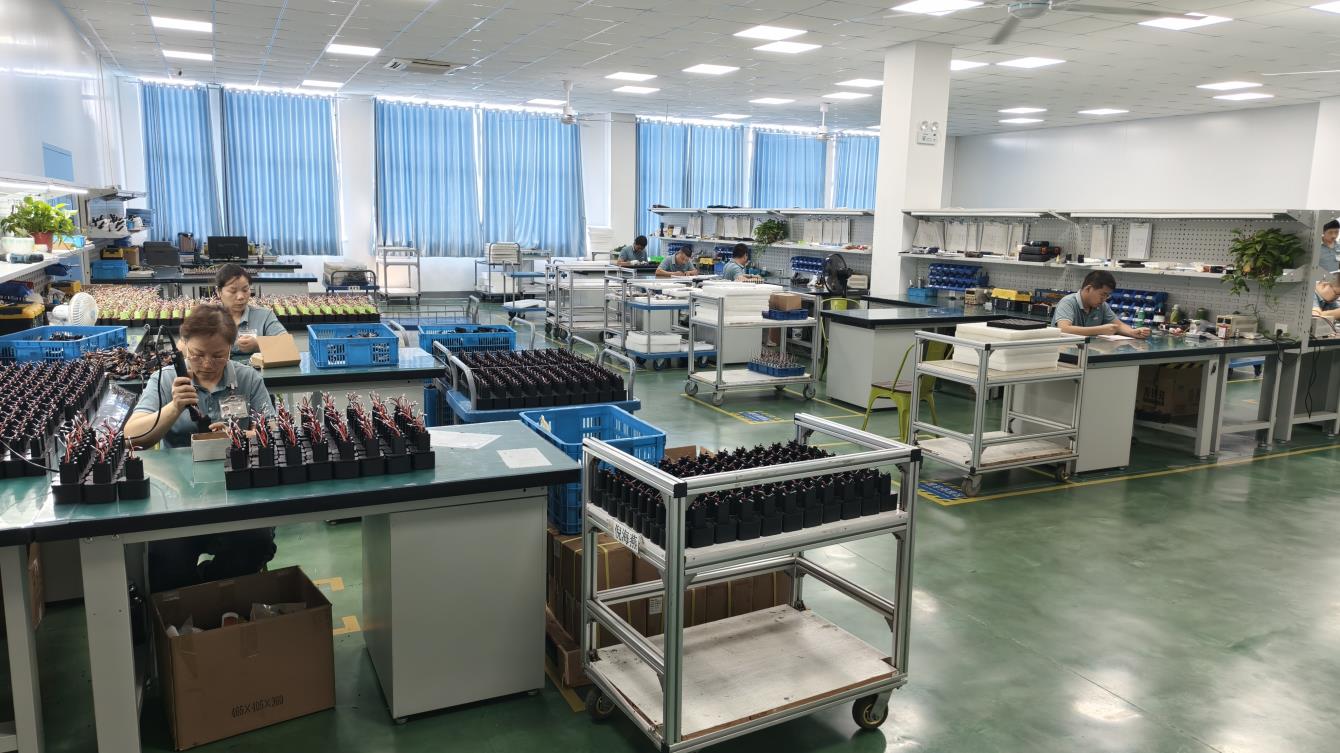
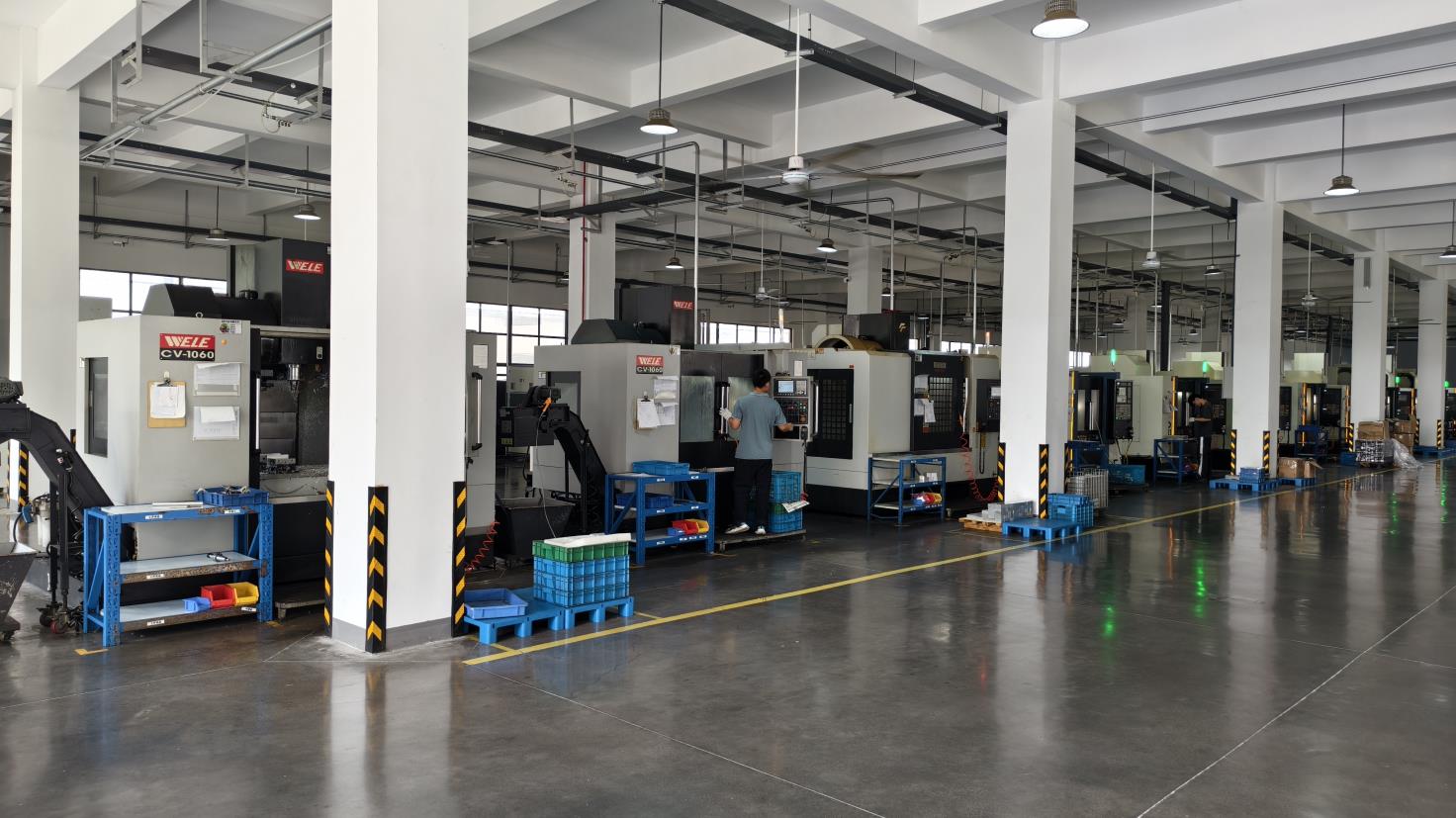
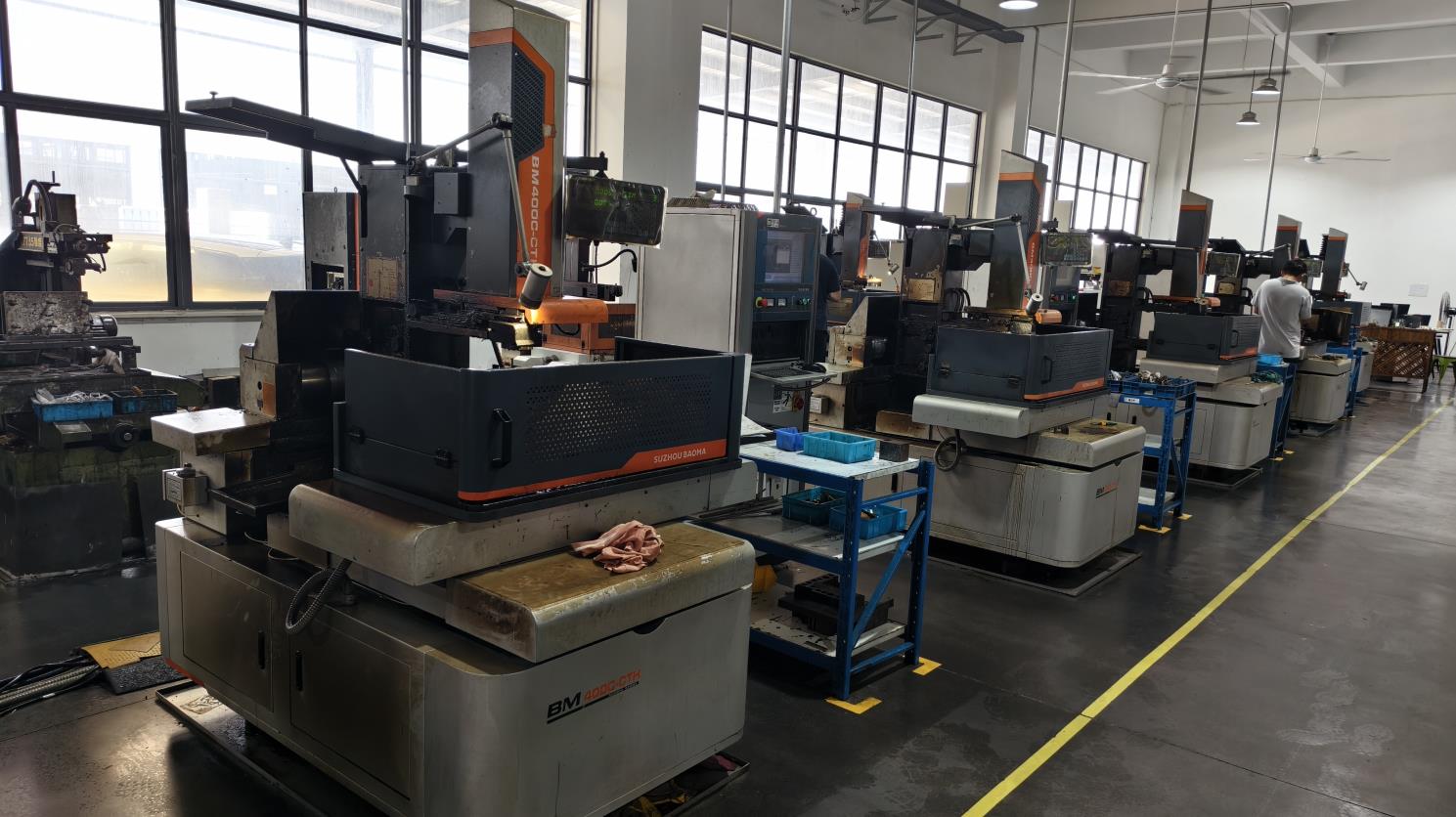
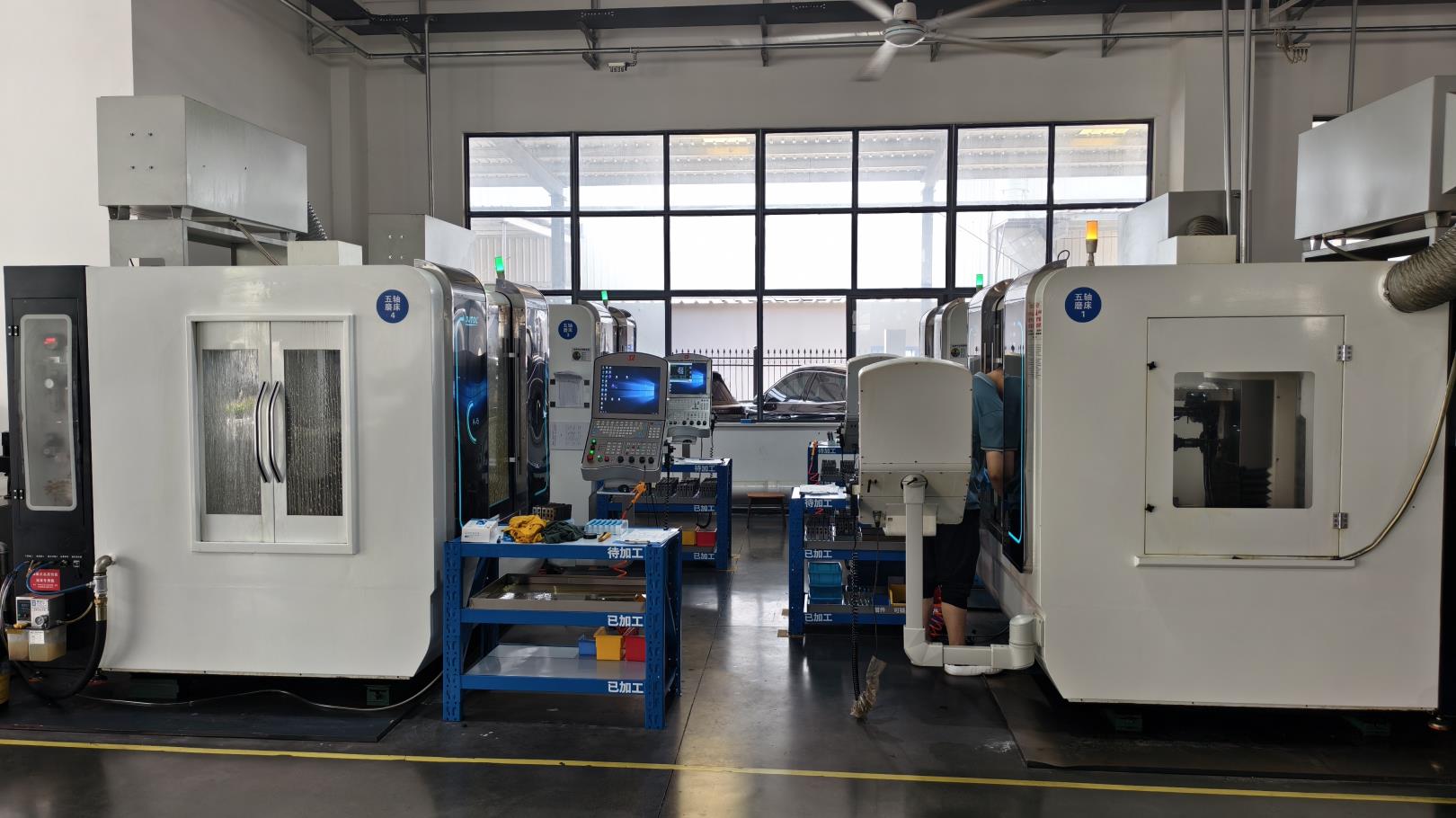
Operating out of highly integrated industrial zones, Chinese advanced manufacturers utilize localized specialized supply chains. Our factory merges raw material access with advanced machining technology. Transitioning to Industry 4.0 automation allows us to offer shorter lead times and high design adaptability without compromising quality control.
Our facility specializes in turning CAD/CAM models and physical templates into finished, clinical-grade medical instruments. Below is our engineering baseline for surgical dilators and orthopedic accessories.
Send us your engineering prints or reference samples. We produce detailed manufacturing schematics to ensure precise form, fit, and clinical performance.
We provide deep, crisp, corrosion-resistant laser etching for French size indicators, insertion depth rings, and custom corporate branding.
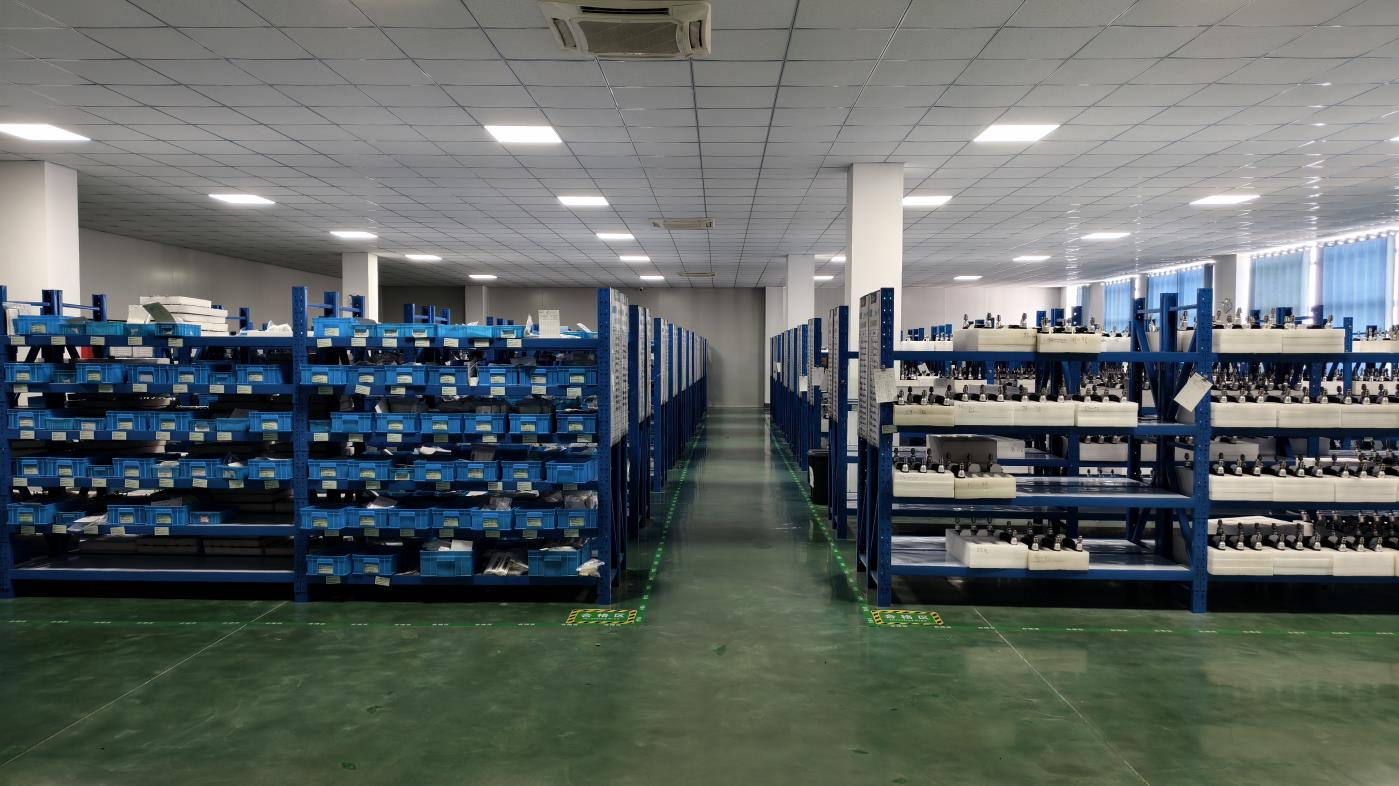
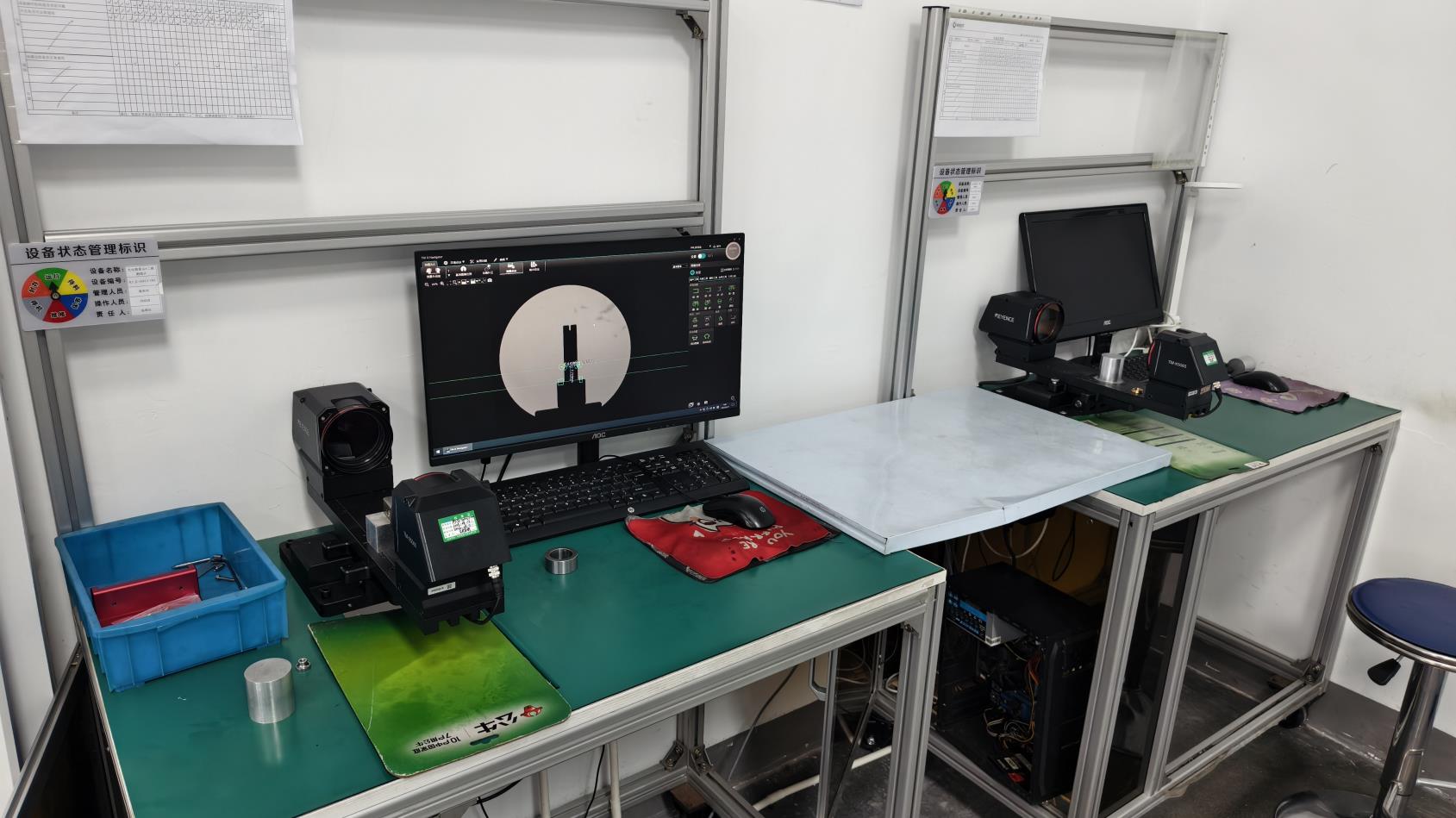
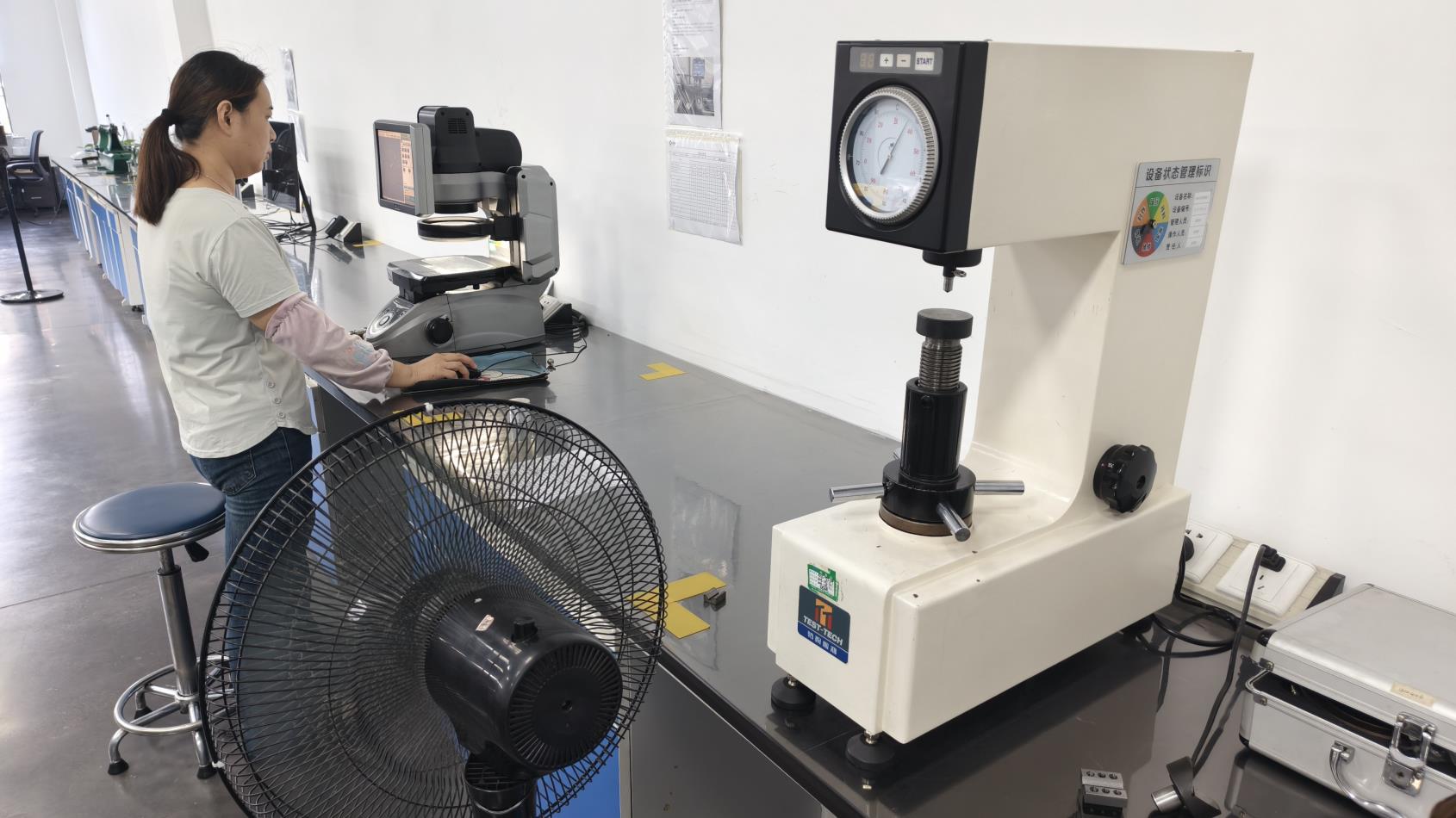
Every shipment is subjected to random inspections and dimensional verifications. Material traceability ensures audit readiness for distributors.
Clear answers on compliance, materials, logistics, and capabilities.