SENJIE Healthy & Technology
SENJIE Healthy & Technology
SENJIE Healthy & Technology
Advanced diagnostic and surgical instruments engineered for veterinary and neurosurgical precision.
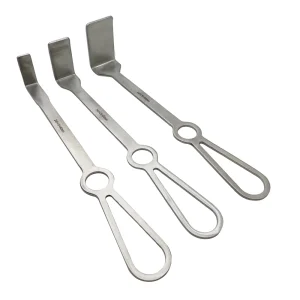
In modern orthopedic surgery, visualization is paramount. Deep cavity visualization, joint reconstruction, and spinal fusion procedures demand lighting solutions that provide exceptional depth of field, high contrast, and minimal shadow casting. As a premier custom OEM orthopedic surgical lighting exporter, we integrate advanced LED optical pathways with smart control systems to meet these stringent clinical demands.
Our engineering team focuses on color reproduction indices (CRI Ra > 97, R9 > 95, R15 > 95) that permit clear differentiation between bone structures, soft tissues, and blood vessels. By incorporating solid-state light engines and precise lens geometries, our lighting systems provide uniform illumination across variable fields, reducing eye strain for surgeons and improving overall surgical safety.
"A surgical lighting system is not merely an illumination source; it is a critical component of the sterile field and surgical workflow. Our designs ensure laminar flow compatibility, minimizing airflow turbulence in the clean operating room."
The global demand for high-end orthopedic operations continues to expand alongside aging populations and rising rates of sports-related injuries. Modern operating theaters are shifting away from traditional halogen systems to integrated LED configurations that feature digital controls, HD camera mounts, and dynamic color adjustment. For distributors and hospital developers, sourcing directly from an experienced OEM surgical lighting exporter provides access to custom configurations tailored to local standards (such as ceiling heights, voltage specifications, and local safety rules).
Additionally, modern orthopedic procedures require specialized visualization for deep bone cavities. Unlike general surgery, orthopedic workflows involve deep bone preparation, internal fixation placement, and joint arthroplasties. Standard overhead lights often create visual voids. Our OEM systems solve this through active shadow management and adjustable depth of field, enabling surgeons to maintain concentration without manually repositioning the light head during procedures.
Evaluating surgical lighting performance requires looking beyond simple brightness (Lux). Accurate color rendering is critical. In bone and joint surgeries, the lighting system must reproduce saturated reds (measured by the R9 value) and skin tones (R15) with high fidelity. Our LED systems achieve an R9 rating exceeding 95, allowing surgeons to distinguish fine details and vascular variations in deep tissue planes.
Furthermore, surgical lighting must manage shadows. Shadows occur when surgical staff stand between the light head and the surgical site. The shadow dilution index (measured in accordance with IEC 60601-2-41 standards) evaluates a luminaire's ability to maintain light intensity despite partial obstructions. Our multi-lens array matrices merge hundreds of light beams into a single, cohesive column, minimizing shadows and ensuring the operating field remains bright and clear.
Streamlined, open-design light heads prevent heat generation and minimize turbulence, allowing clean sterile air to flow freely through the OR.
Multiple individual LED clusters merge to create a deep, shadow-free light field, maintaining high color rendering and consistency.
Advanced thermal management dissipates heat upward away from the patient, preventing tissue desiccation and keeping surgical staff cool.
Our OEM capabilities are designed to support client-specific needs from initial design through regulatory submission. Whether you require particular mounting configurations (ceiling, dual-arm, wall, or mobile stand models), integrated HD/4K camera setups, or specialized console interfaces, our design team adapts to meet your requirements. We offer rapid design iterations, optical simulations, and custom color matching to align with your product line's aesthetic and branding.
We utilize advanced CAD tools and optical simulation software to model beam paths and thermal performance prior to physical prototyping. This approach reduces time-to-market and ensures compliance with international electrical and optical safety standards. Our production lines support variable manufacturing scales, accommodating small-batch custom configurations and large-scale hospital orders alike.
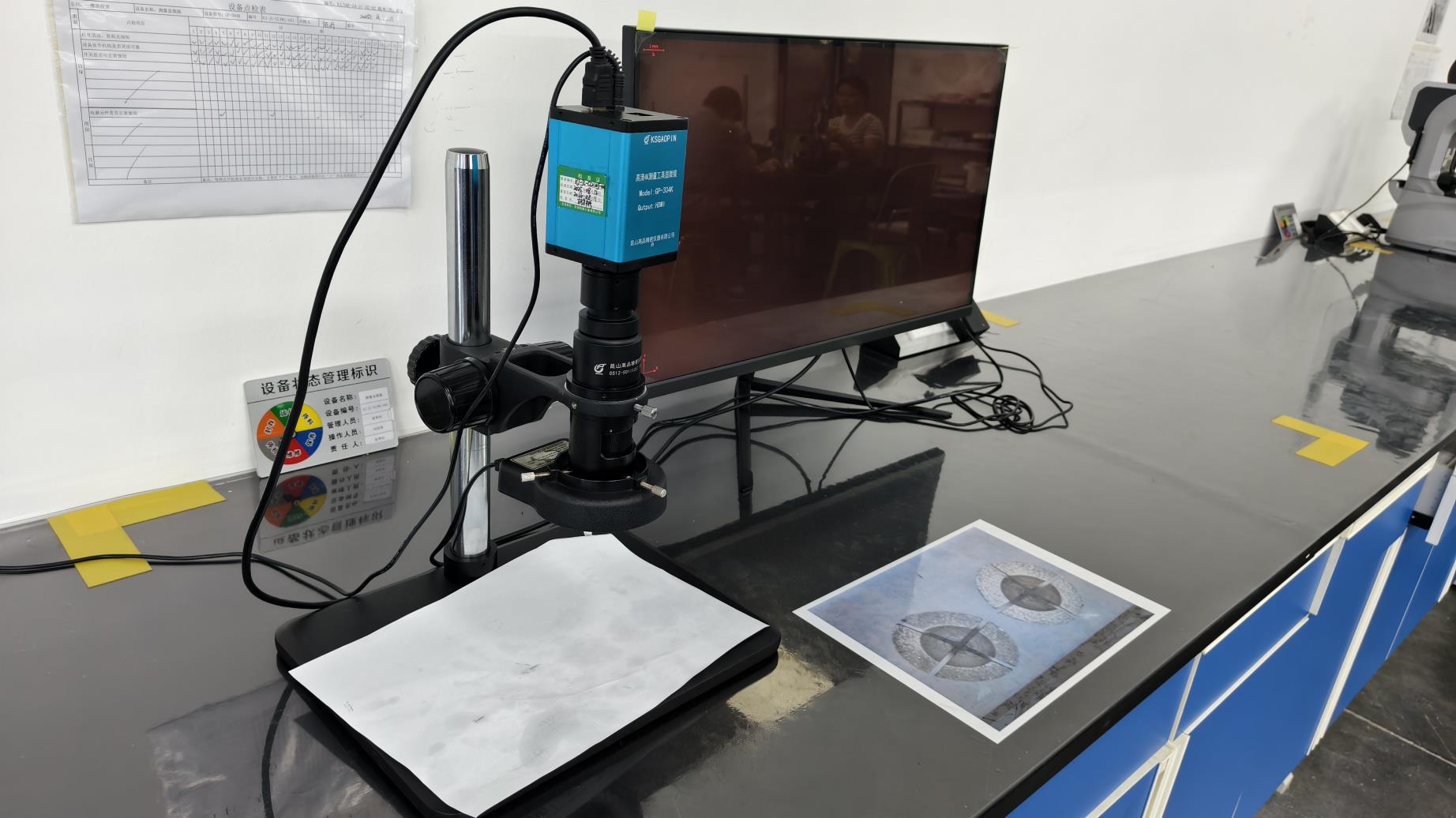
A visual insight into our state-of-the-art production environments, advanced optical calibration, and testing laboratories.
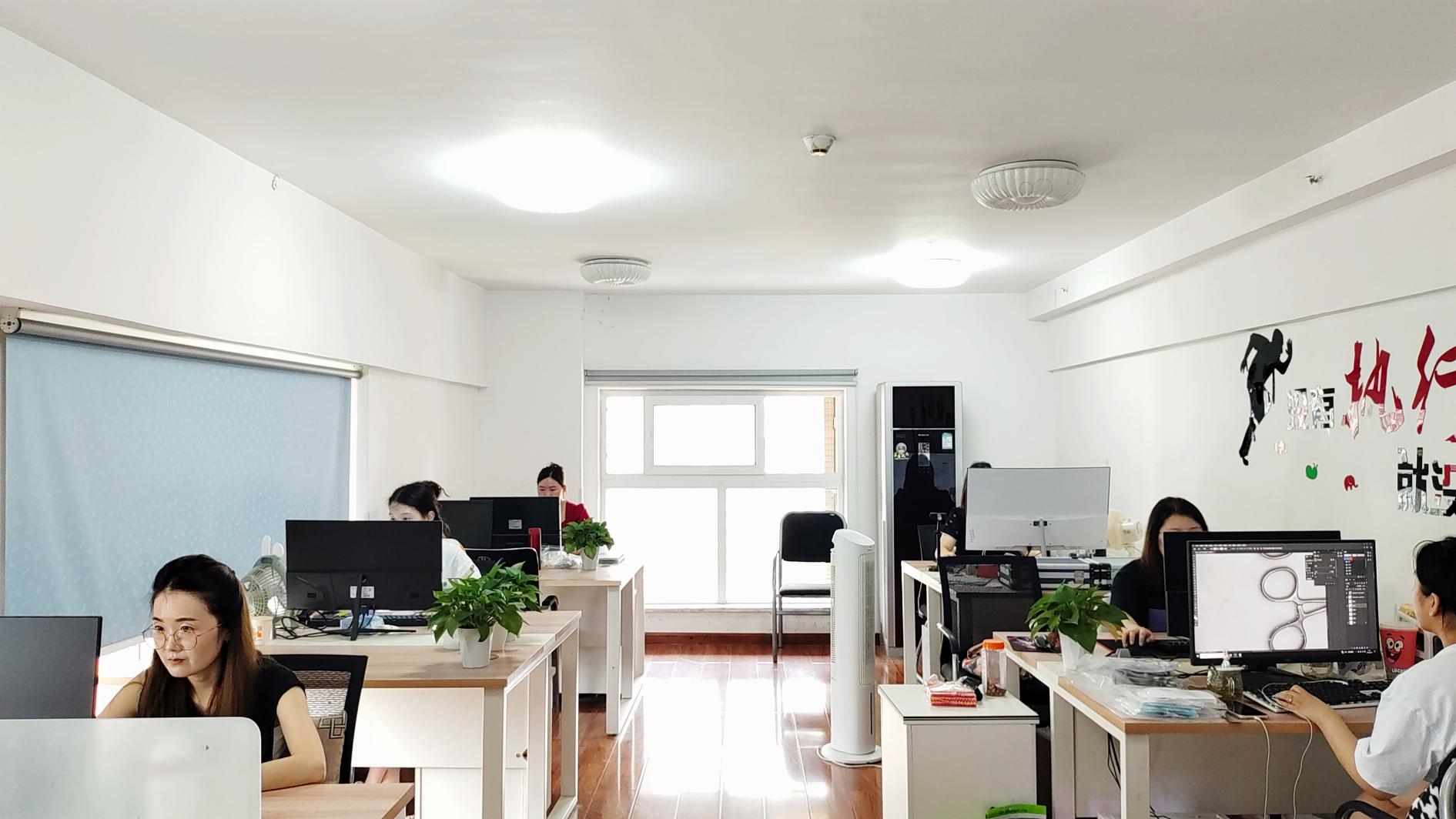
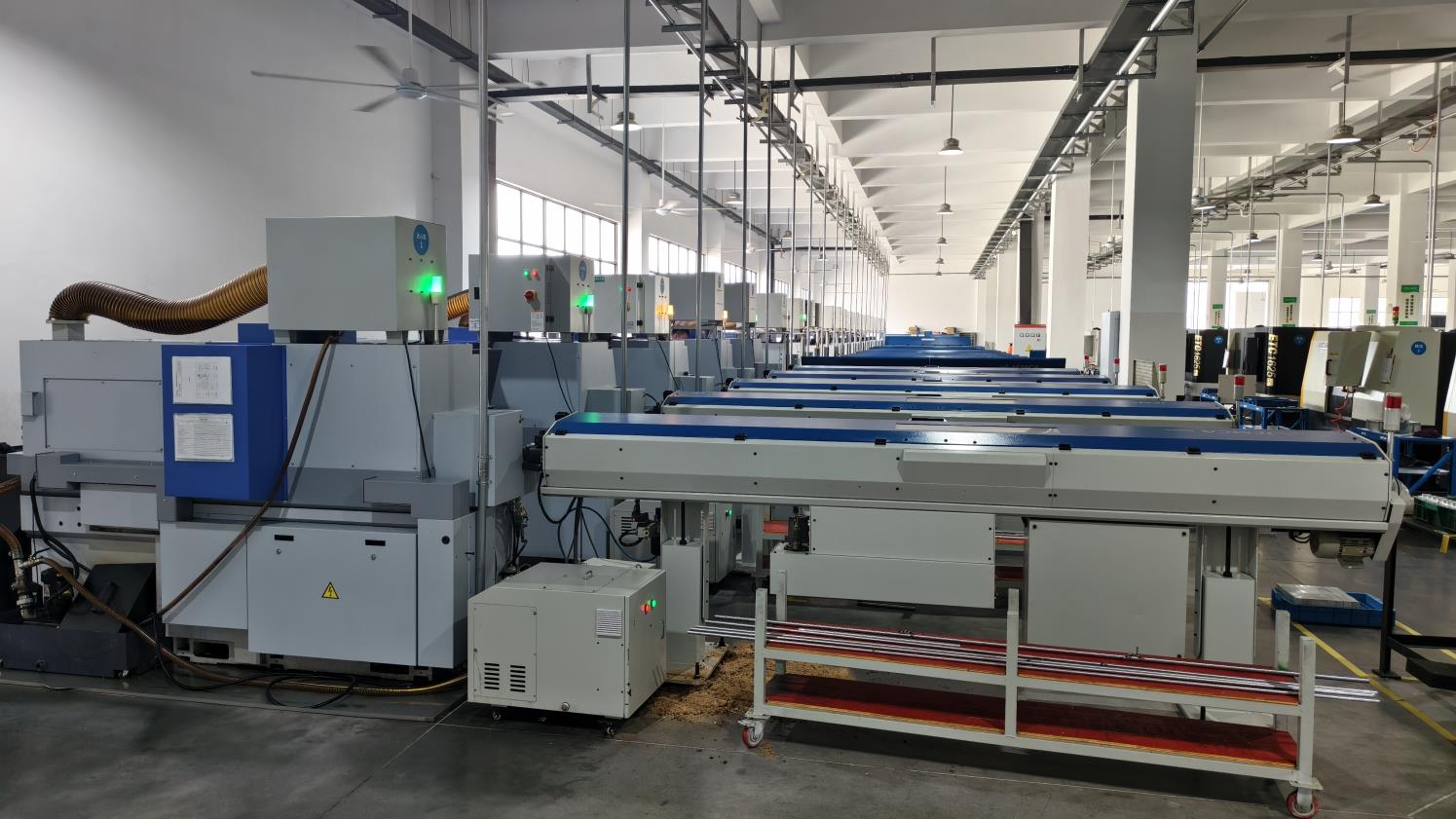
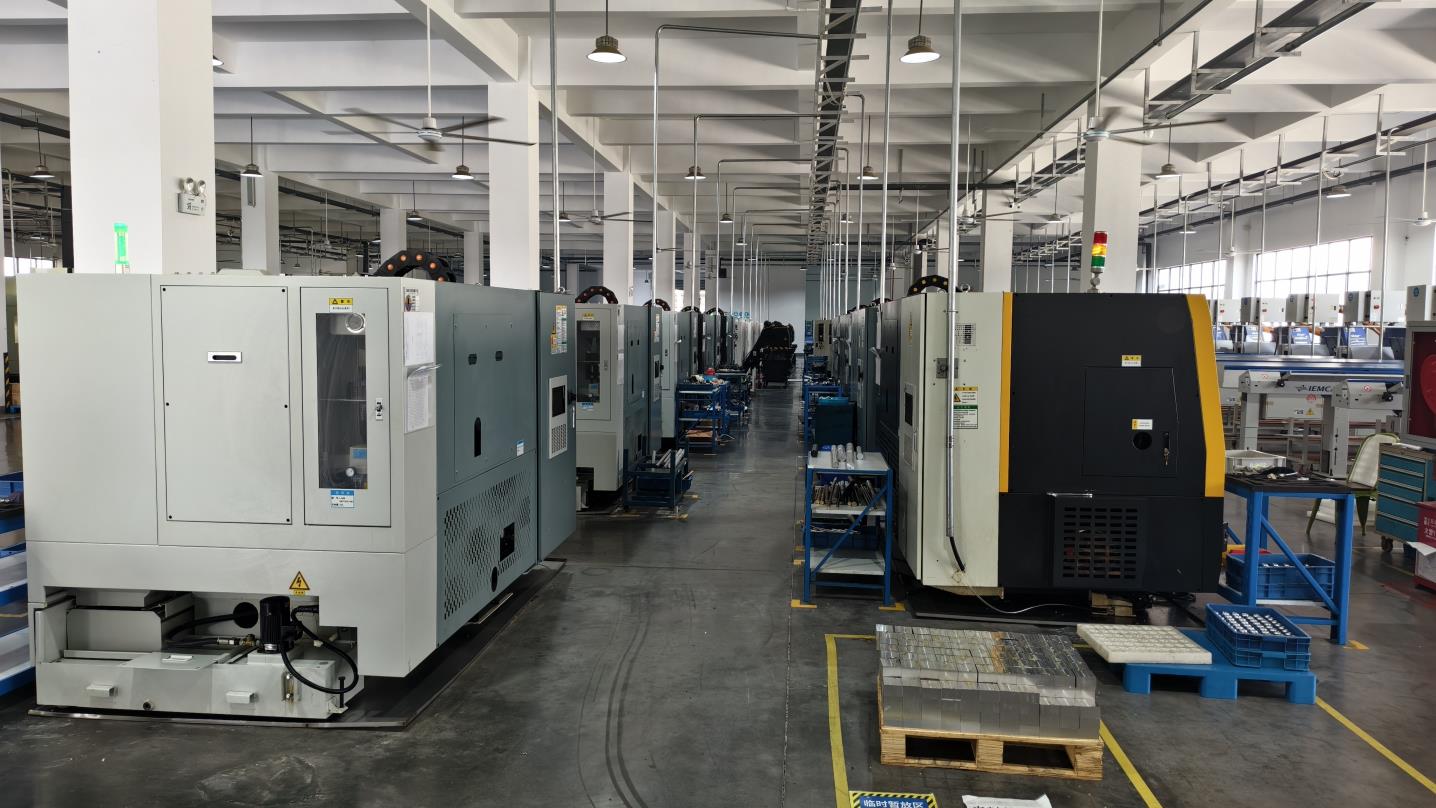
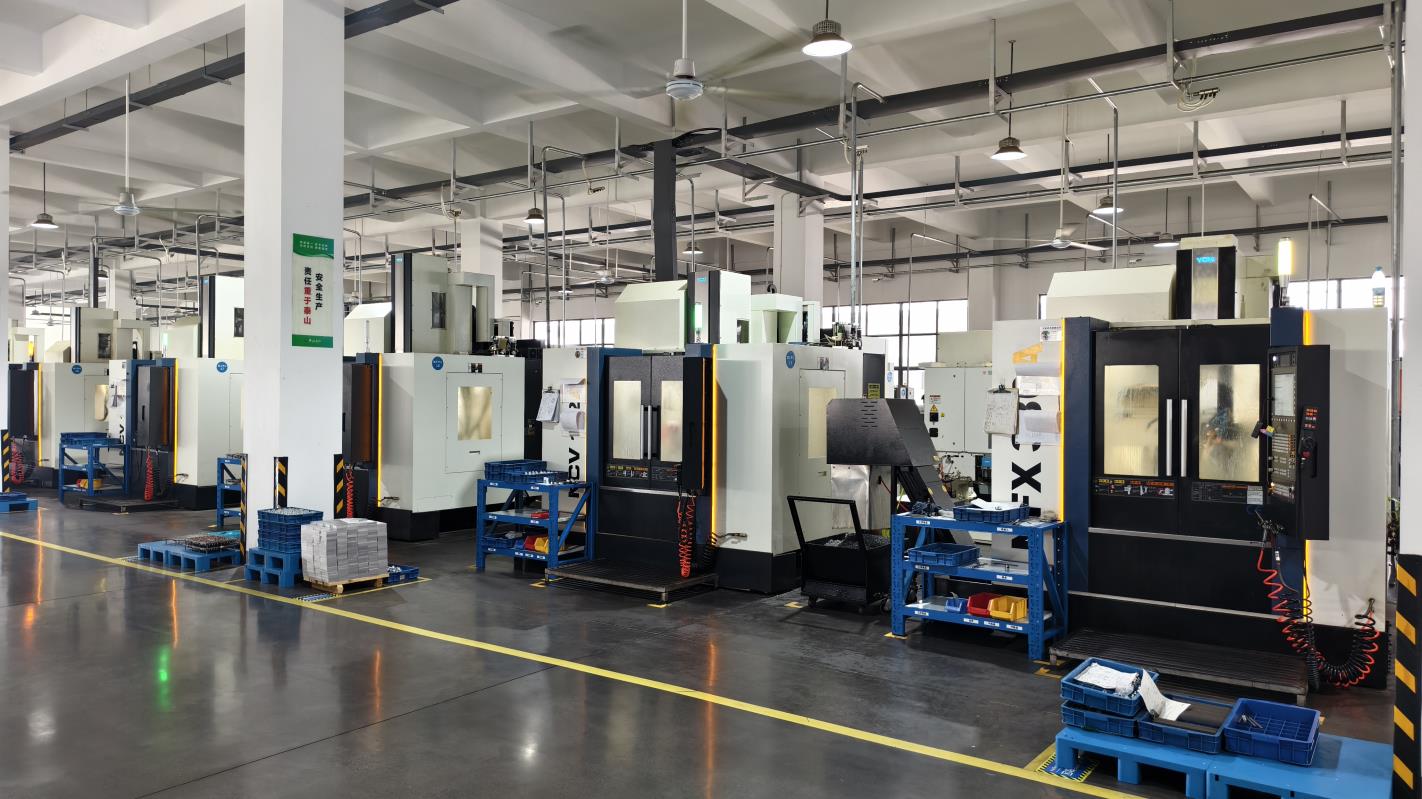
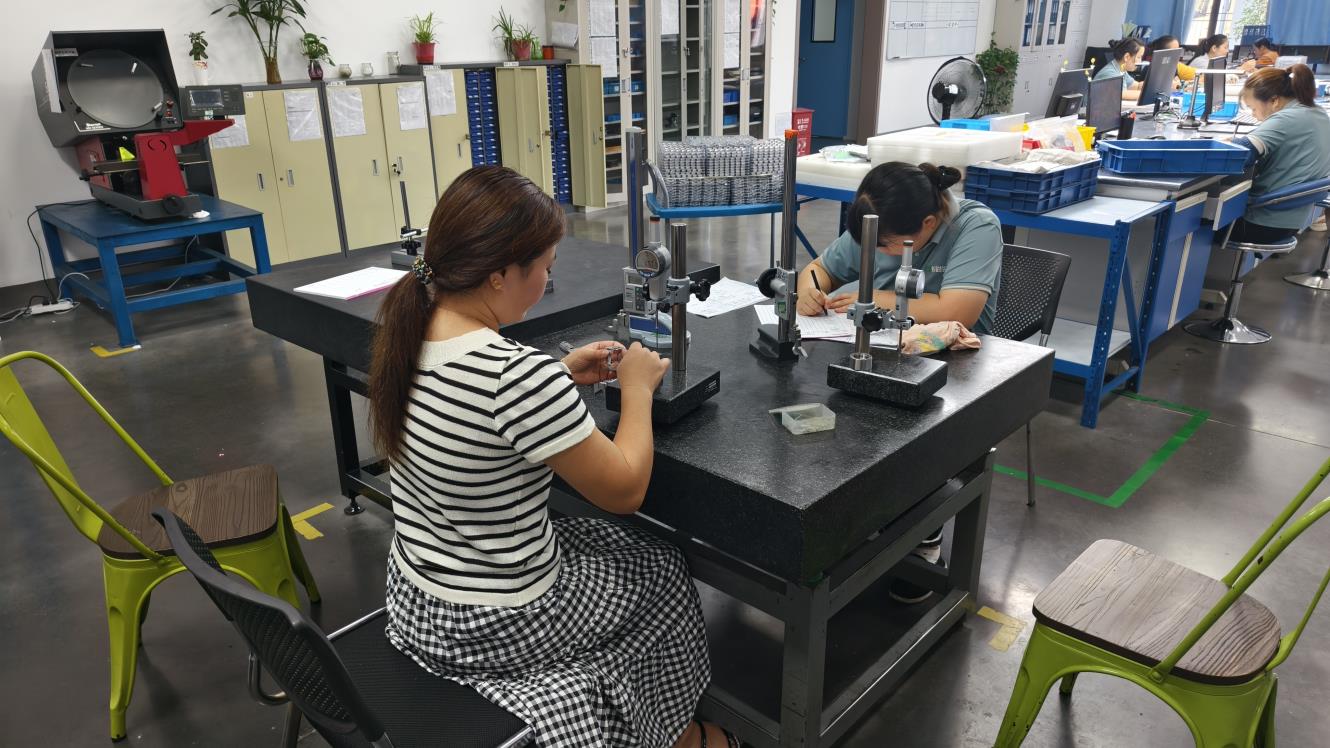
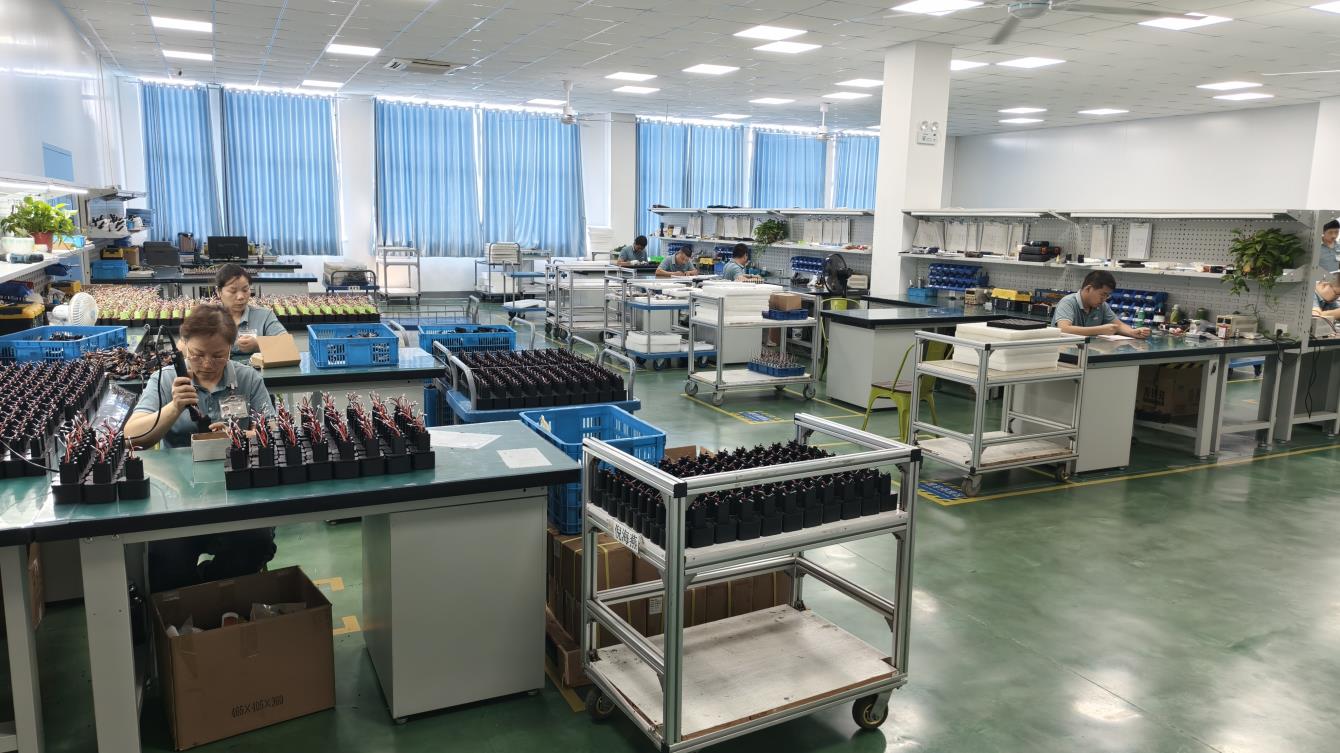
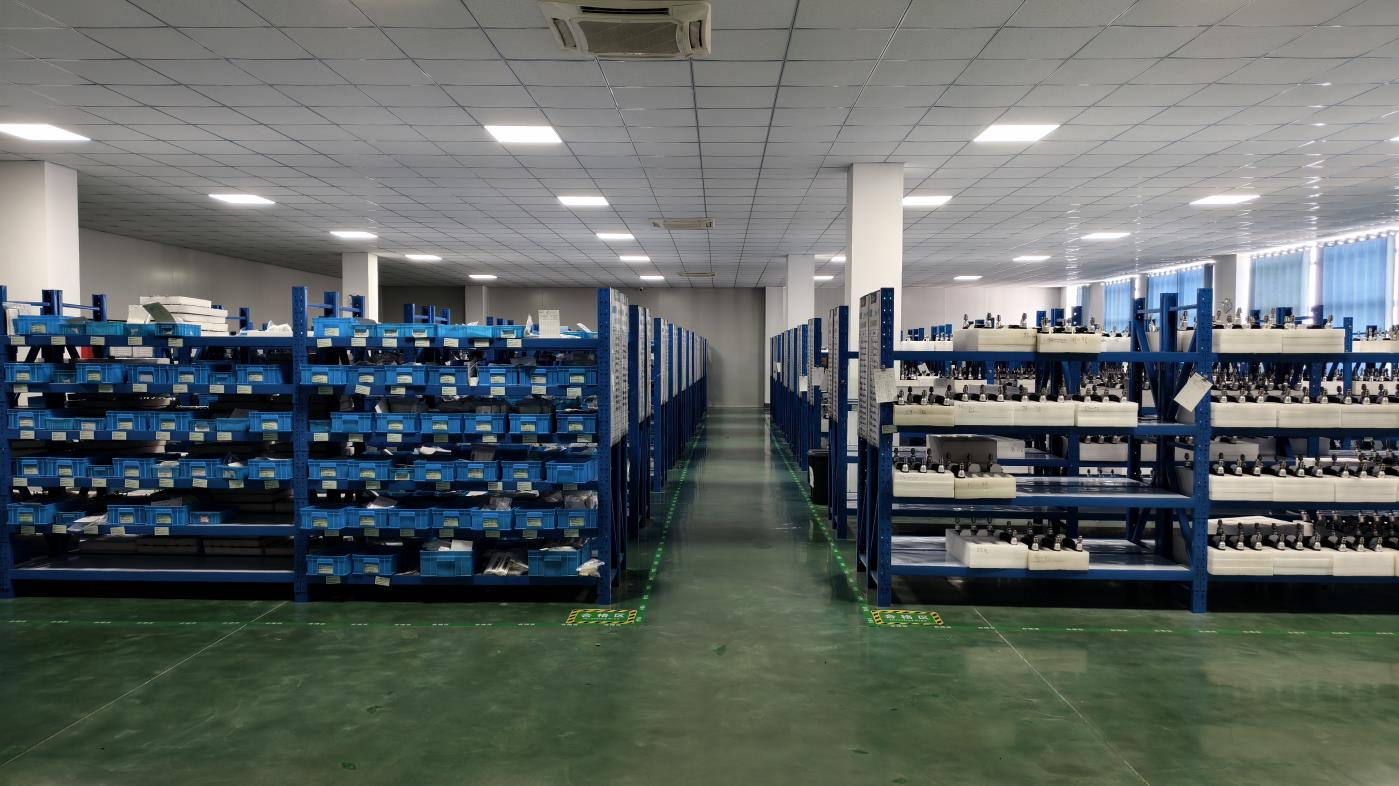
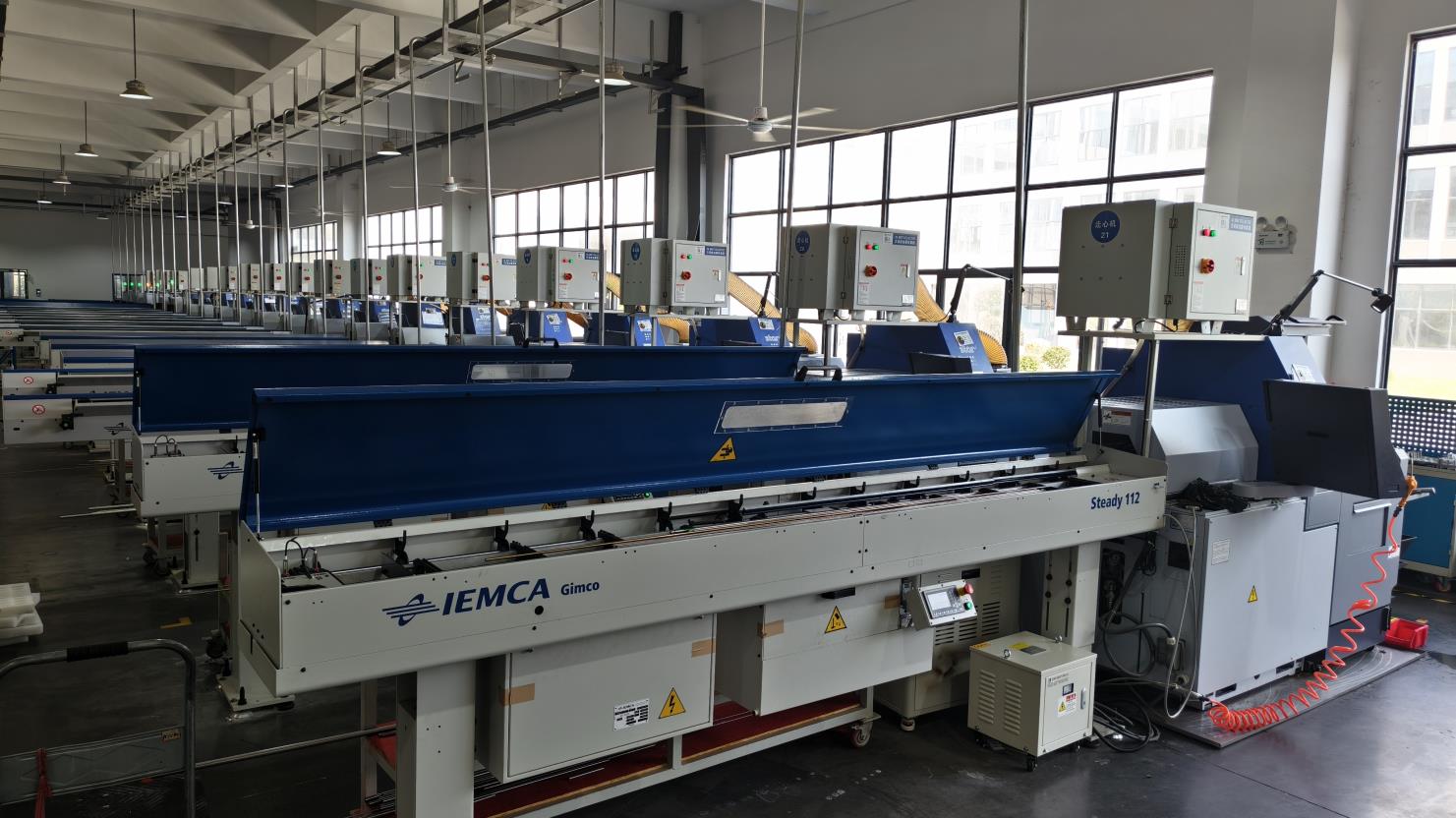
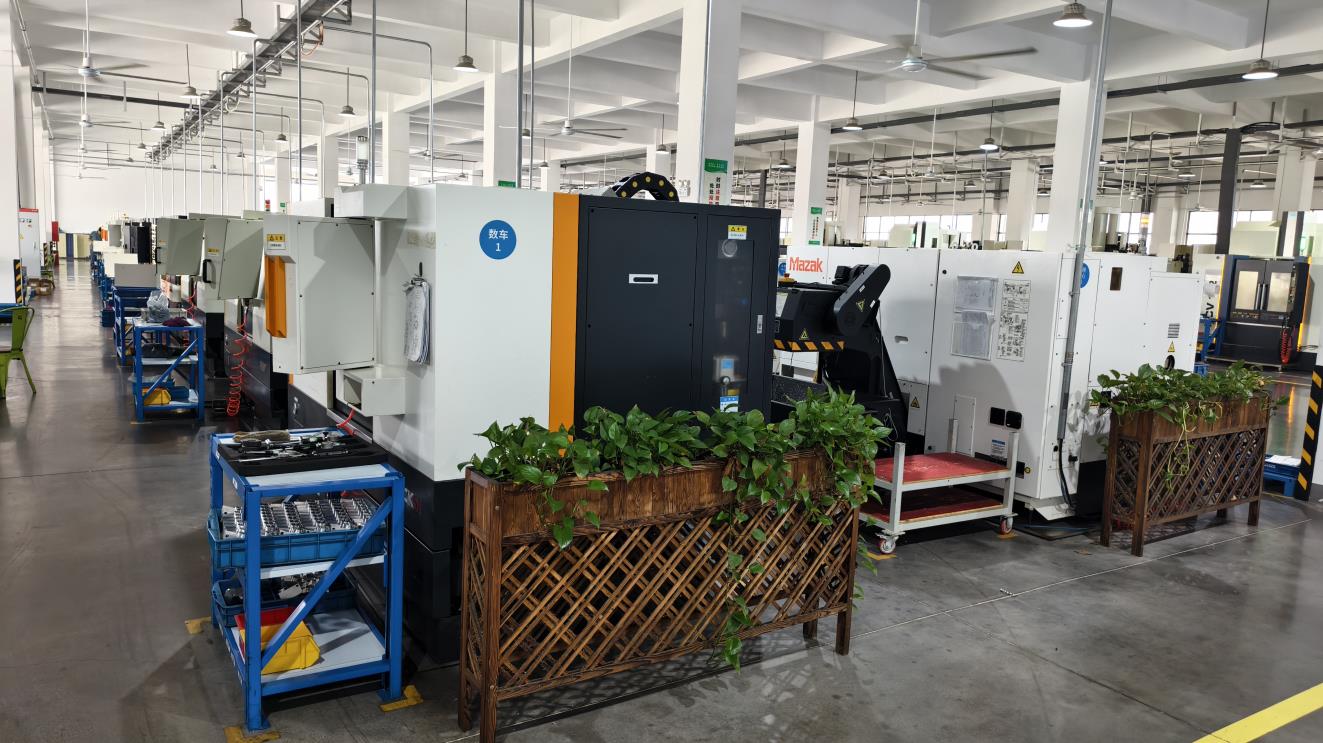
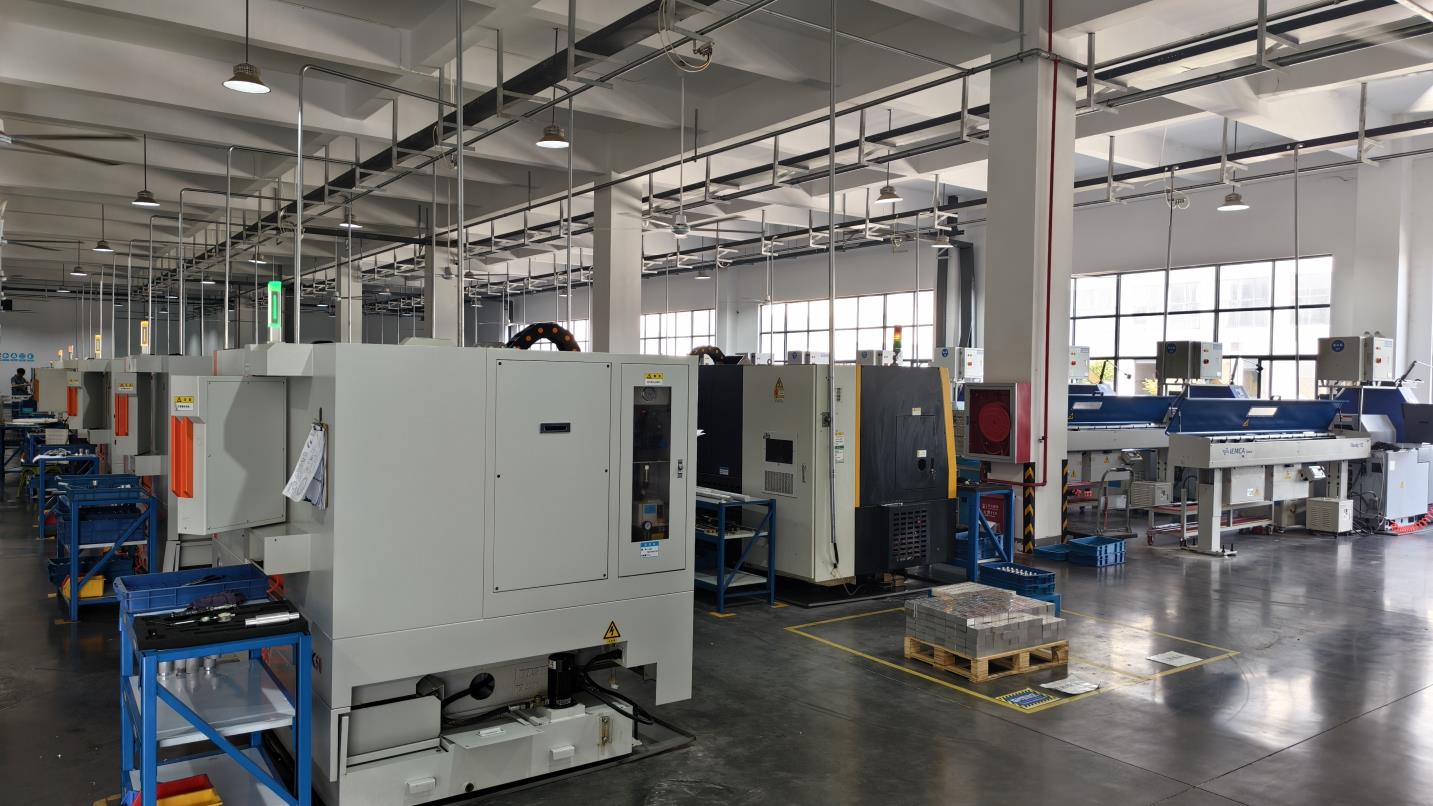
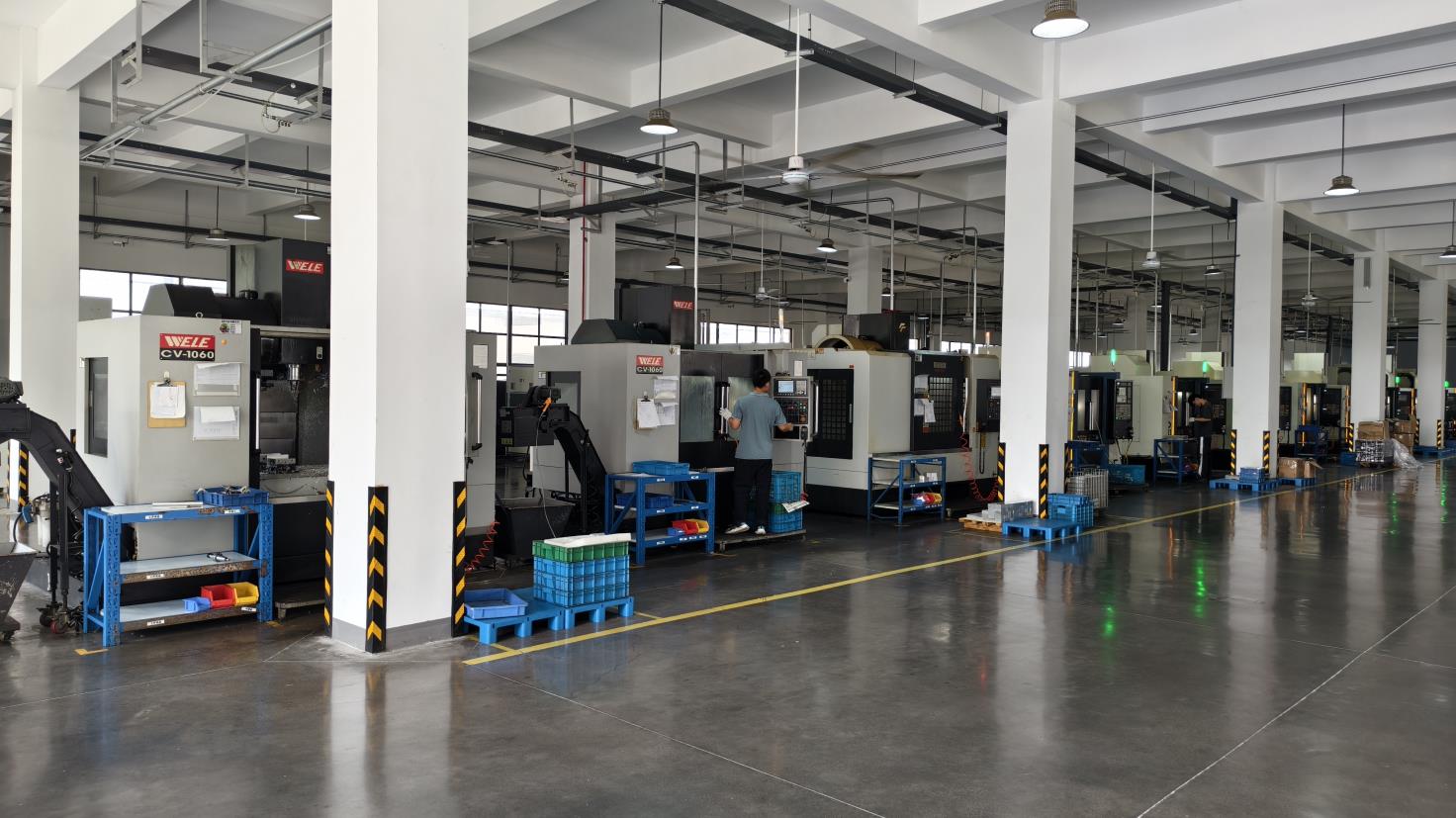
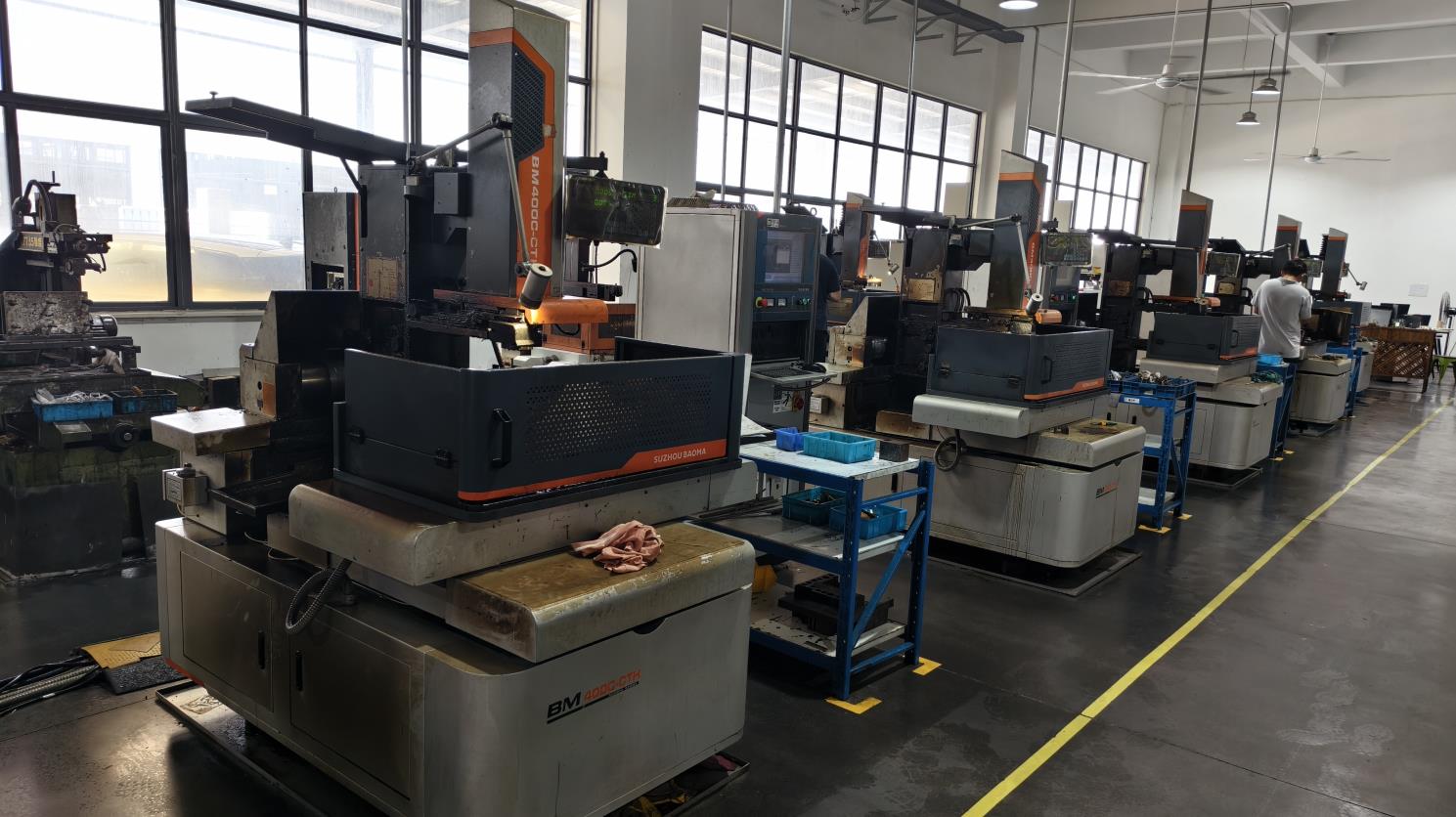
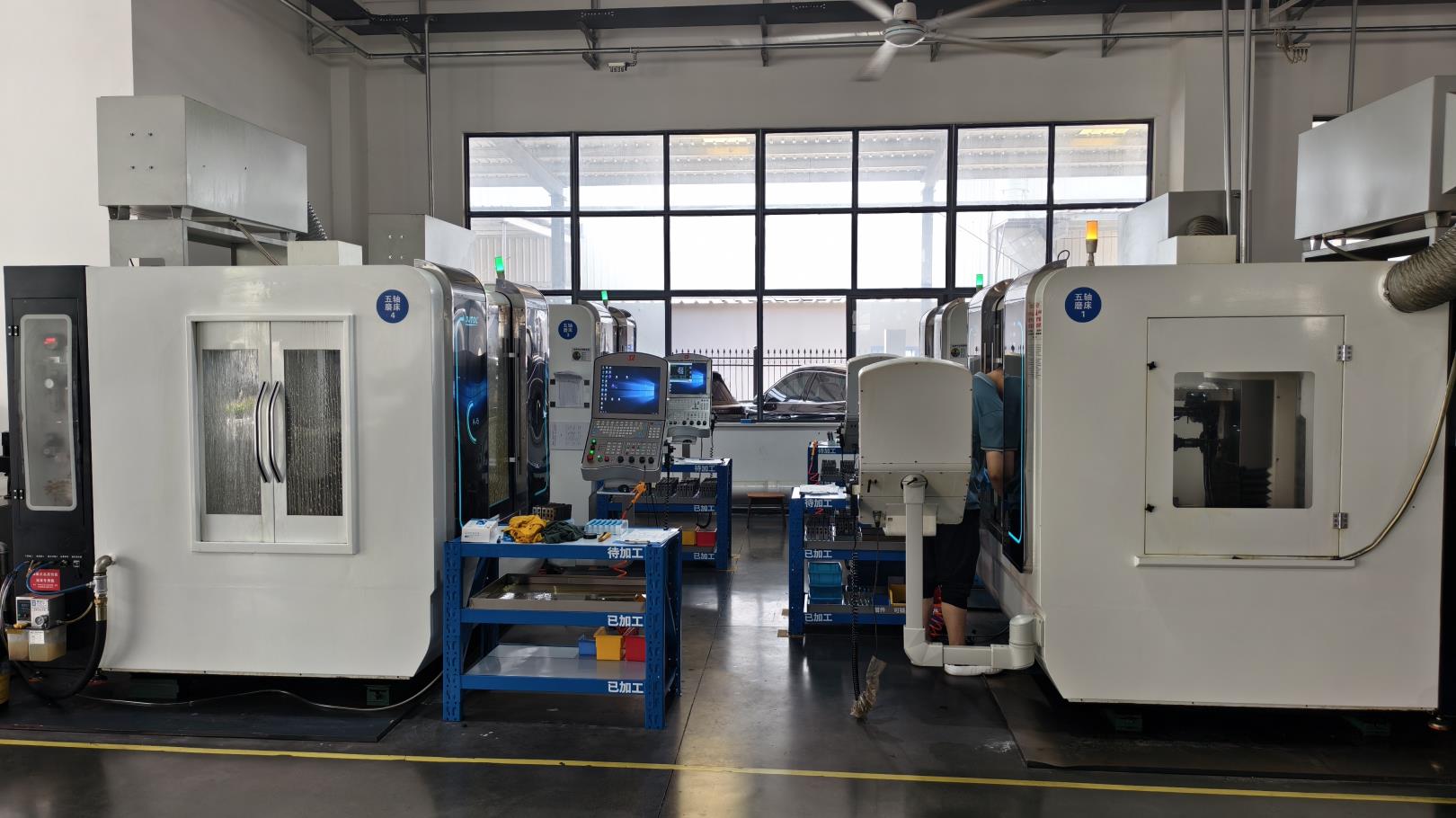
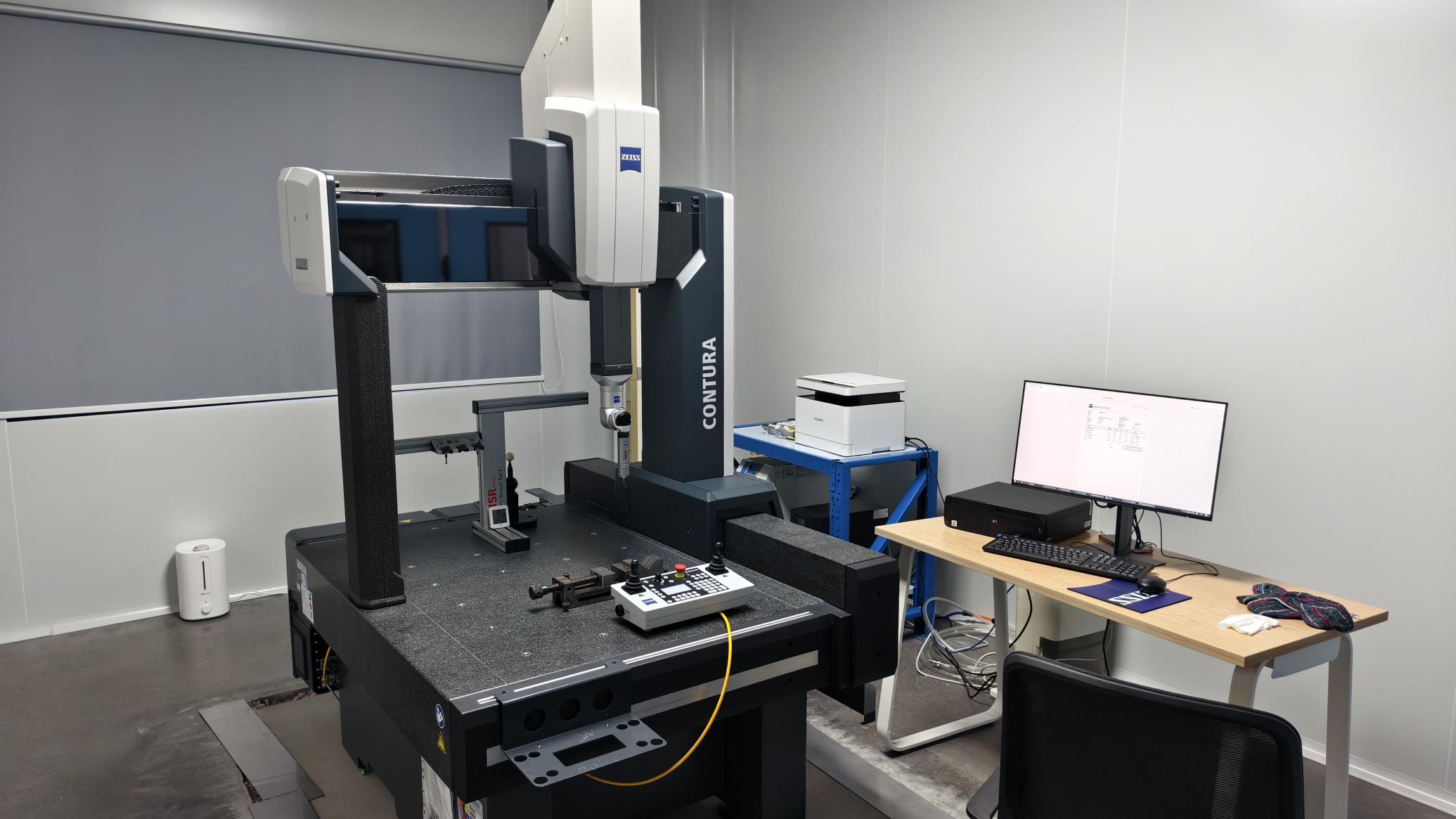
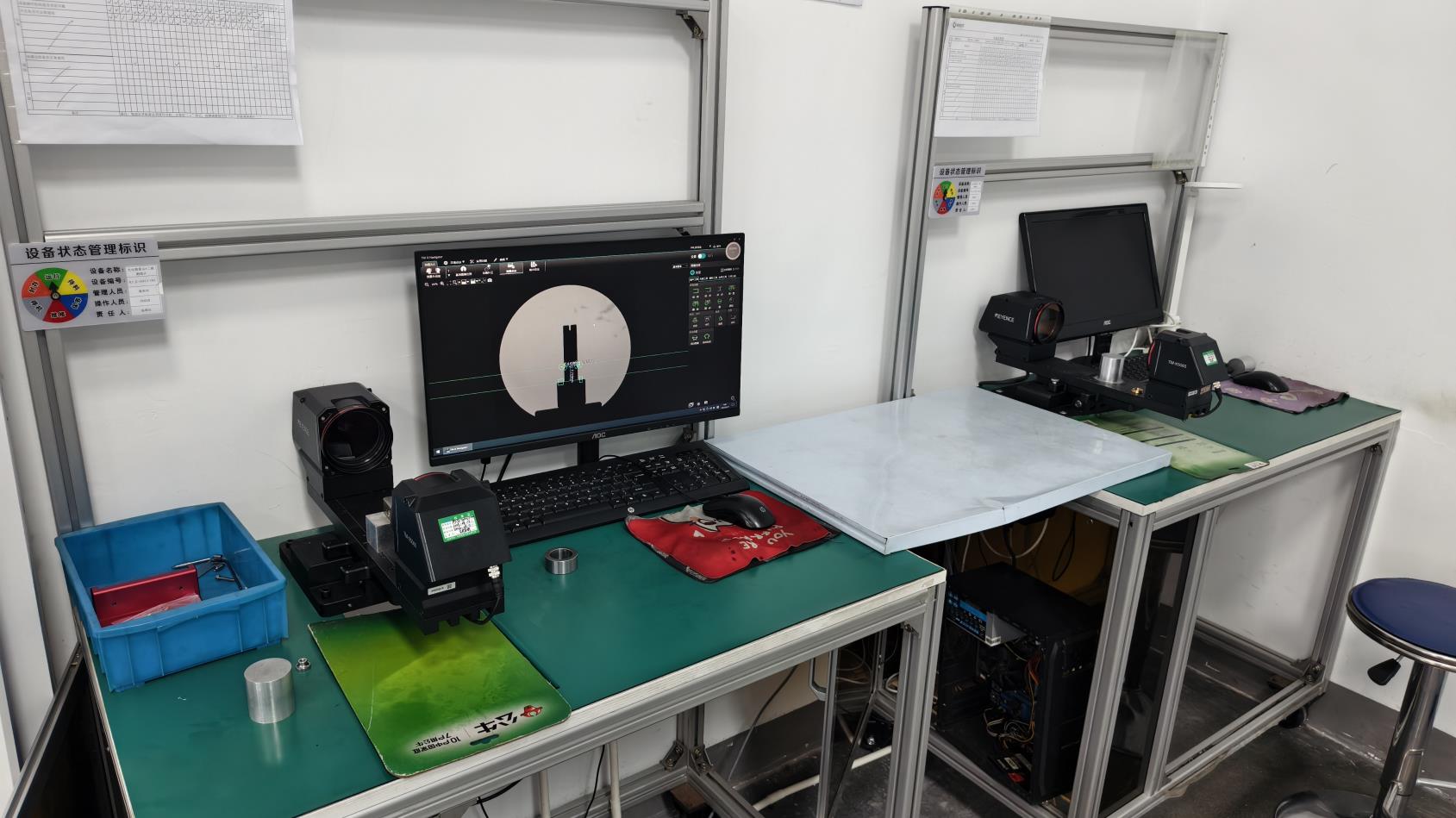
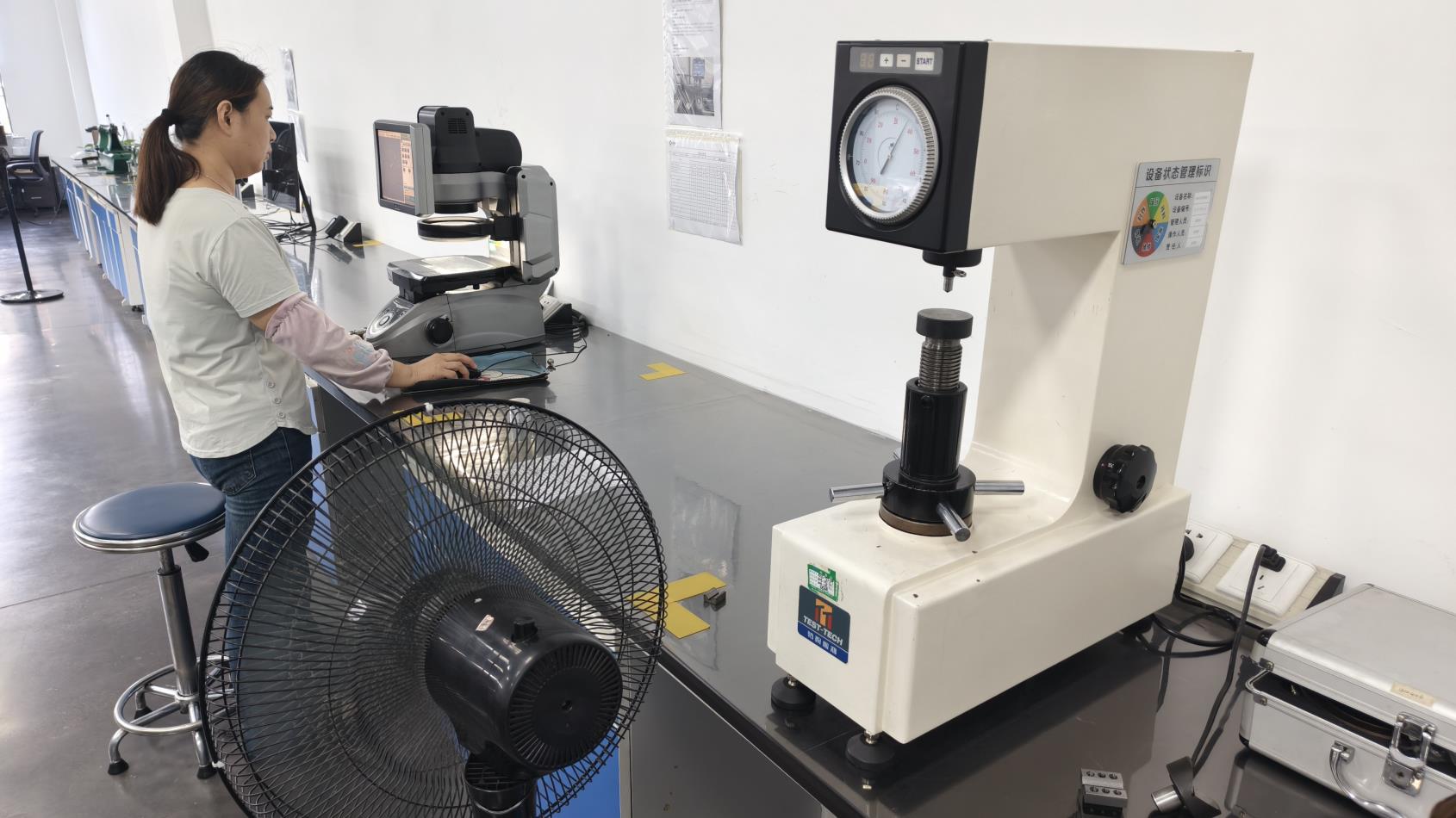
Exporting medical devices requires strict adherence to regulatory standards. Each custom orthopedic lighting system we produce complies with essential international frameworks. From electrical safety (IEC 60601-1) to the specialized performance standards for surgical luminaires (IEC 60601-2-41), our products are built to perform reliably in demanding operating environments.
Our quality assurance workflow begins at the raw material stage. We verify the batch consistency of all materials, including aerospace-grade aluminum housings, optical-grade PMMA lenses, and high-performance LED arrays. During manufacturing, each light undergoes automatic color coordinate calibration, lux intensity measurements, and ground impedance testing to ensure the finished luminaire meets clinical requirements.
The field of surgical lighting is transitioning from passive illumination to interactive clinical systems. Our ongoing research and development targets the integration of multispectral sensor arrays that automatically detect the position of the surgeon's head and dynamically adjust the beam profile. This helps keep the surgical field consistently illuminated even during complex spinal or hip reconstructions.
In addition, the integration of surgical lights with cleanroom environments is becoming more refined. Modern smart operating rooms require central control protocols (such as RS485 or Ethernet interfaces) to link lighting, ventilation, and patient monitors into a single dashboard. By designing with these future interfaces in mind, our OEM lighting platforms ensure long-term compatibility with evolving healthcare infrastructure.
Detailed technical answers for hospital procurement specialists, biomedical engineers, and commercial partners.
We collaborate closely with our clients during the design phase to align products with regional requirements, including CE (MDR) for Europe and FDA guidance for the US. We supply comprehensive testing documentation, circuit schematics, and raw material declarations to facilitate your registration process.
Our LED modules are rated for over 50,000 hours of continuous operation. We integrate active thermal dissipation backplanes that keep the junction temperature low, limiting color shifting and light loss to less than 1% over years of typical clinical use.
Yes. We offer OEM designs with central camera prep or integrated 4K HD camera arms, supporting modern surgical recording and telemedicine requirements.
We maintain full traceability for all critical components, including LED drivers and optical arrays. Every unit undergoes automated optical and safety testing before packaging to ensure stable, reliable performance in clinical environments.
High-precision spinal, orthopedic, and trauma surgery instruments designed for sterile clinical environments.