SENJIE Healthy & Technology
SENJIE Healthy & Technology
SENJIE Healthy & Technology
High-fidelity instrumentation designed for micro-reconstruction, trauma fixation, and joint restoration
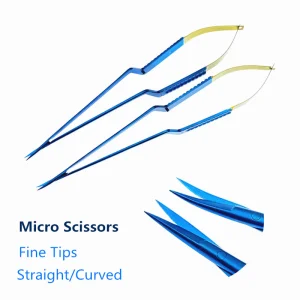
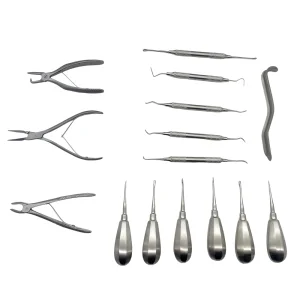
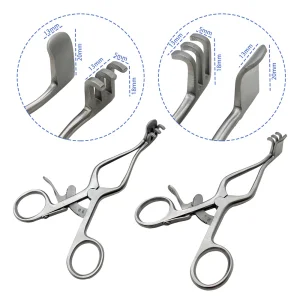
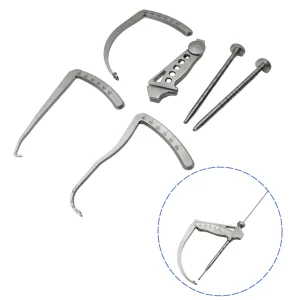
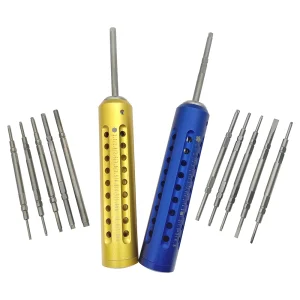
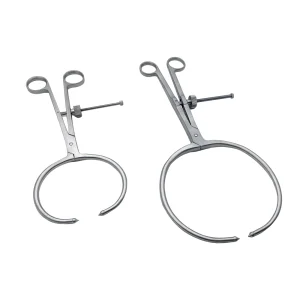
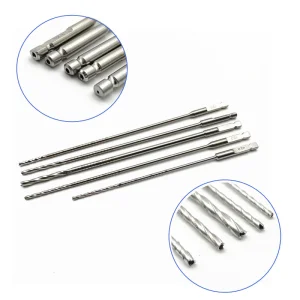
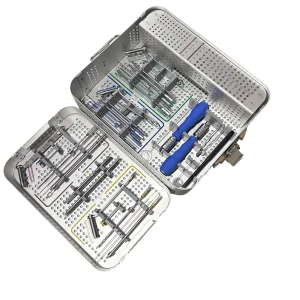
The global orthopedic surgery and bone fusion sectors are experiencing unprecedented evolution. Driven by an aging population, an increasing prevalence of sports-related injuries, and a corresponding rise in joint reconstruction and spinal fusion procedures, the demand for high-reliability, custom OEM orthopedic tools is surging. Modern trauma and reconstructive surgeries demand zero-tolerance thresholds for manufacturing defects, making the role of qualified medical-grade instrumentation suppliers more critical than ever.
Currently, the market is shifting from standardized, off-the-shelf instruments to patient-specific, custom OEM solutions. Regulatory updates—including the European Union's Medical Device Regulation (MDR) and the US FDA's stringent Class II classifications—have heightened the entry barriers for manufacturers. Strategic buyers, medical device brands, and healthcare systems are prioritizing suppliers that maintain comprehensive raw material traceability, deploy ISO-certified quality management systems, and exhibit robust mechanical design capabilities capable of supporting high-precision clinical outcomes.
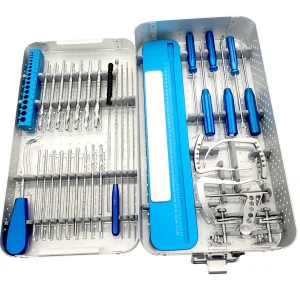
For human clinical applications, bone fusion tools such as Herbert screw instruments, ACL-PCL reconstruction kits, and cervical spine microscope instruments must satisfy extreme biocompatibility protocols. Advanced surgical setups require strict adherence to dimensional tolerances to ensure that tools interface seamlessly with dynamic bone implants.
Veterinary orthopedics has transitioned from simplified practices to highly sophisticated treatments, including TPLO (Tibial Plateau Leveling Osteotomy) and intricate spinal fusions for companion animals. The tool requirements require specific physical geometries optimized for different animal species, making agile OEM customization essential.
Global medical device brands must establish robust OEM channels to mitigate supply chain disruptions. Shortening product lead times while verifying manufacturing compliance parameters—such as material passivity, wear resistance, and autoclavability—serves as the baseline for industrial growth.
The convergence of metallurgy, biomechanics, and micro-engineering
Next-generation bone fusion instruments demand materials with exceptional corrosion resistance and mechanical strength. Suppliers utilize ASTM F138 (316LVM) surgical stainless steel, ASTM F136 (Ti-6Al-4V ELI) titanium alloys, and high-performance polyetheretherketone (PEEK). Advanced tools must survive hundreds of autoclave sterilization cycles (typically at 134°C at 2.2 bar) without degrading their mechanical integrity or experiencing micro-cracking.
3D metal printing (Direct Metal Laser Sintering or Selective Laser Melting) is revolutionizing bone fusion guides and drilling jigs. It allows the cost-effective creation of custom porous architectures matching the biological Young's modulus of cortical and trabecular bones. This design flexibility shortens development cycles for complex reconstructive instrumentation sets.
By applying physical vapor deposition (PVD) coatings, such as titanium nitride (TiN) or diamond-like carbon (DLC), manufacturers significantly decrease coefficient friction, lower wear-debris risk, and enhance edge retention. In critical tools like bone drills and surgical scissors, surface passivation according to ASTM A967 is the standard to prevent biological rejection.
A successful orthopedic surgery requires tools that feel like an extension of the surgeon's hands. The OEM customization pipeline translates unique clinical ideas into certified surgical products:
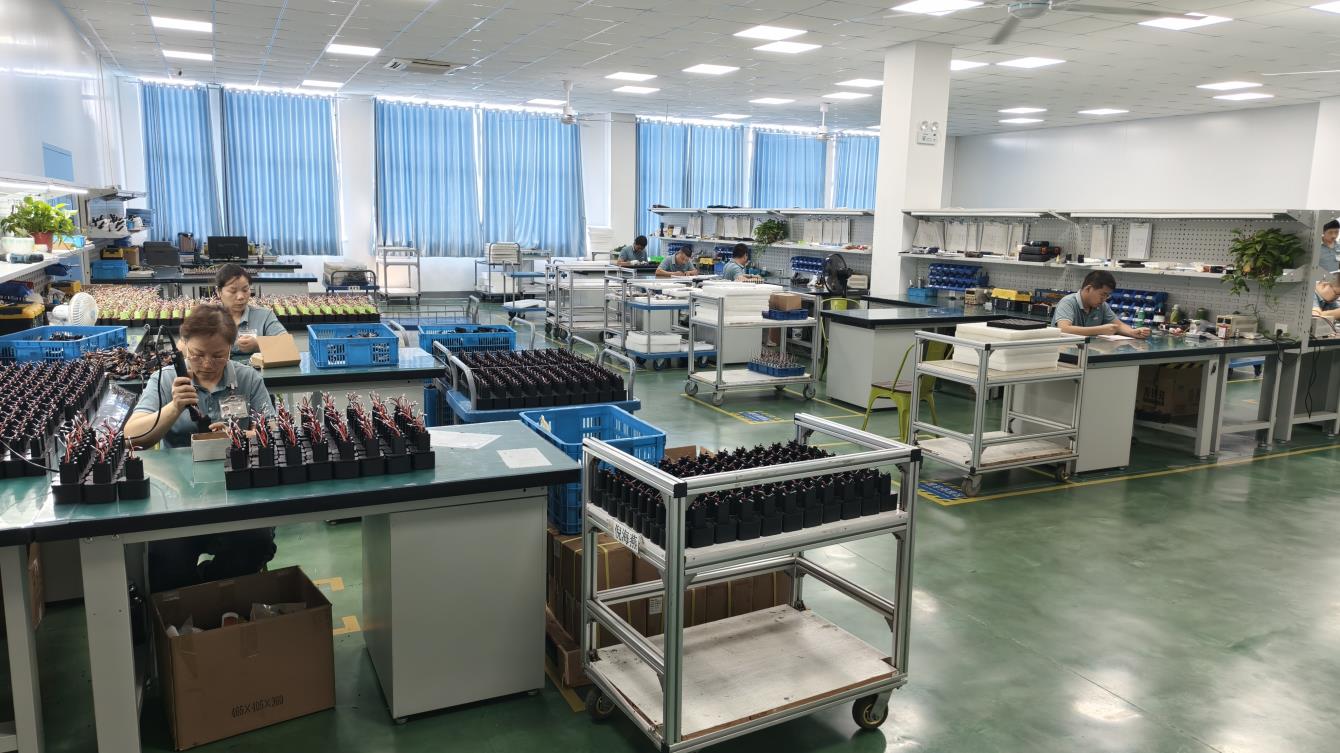
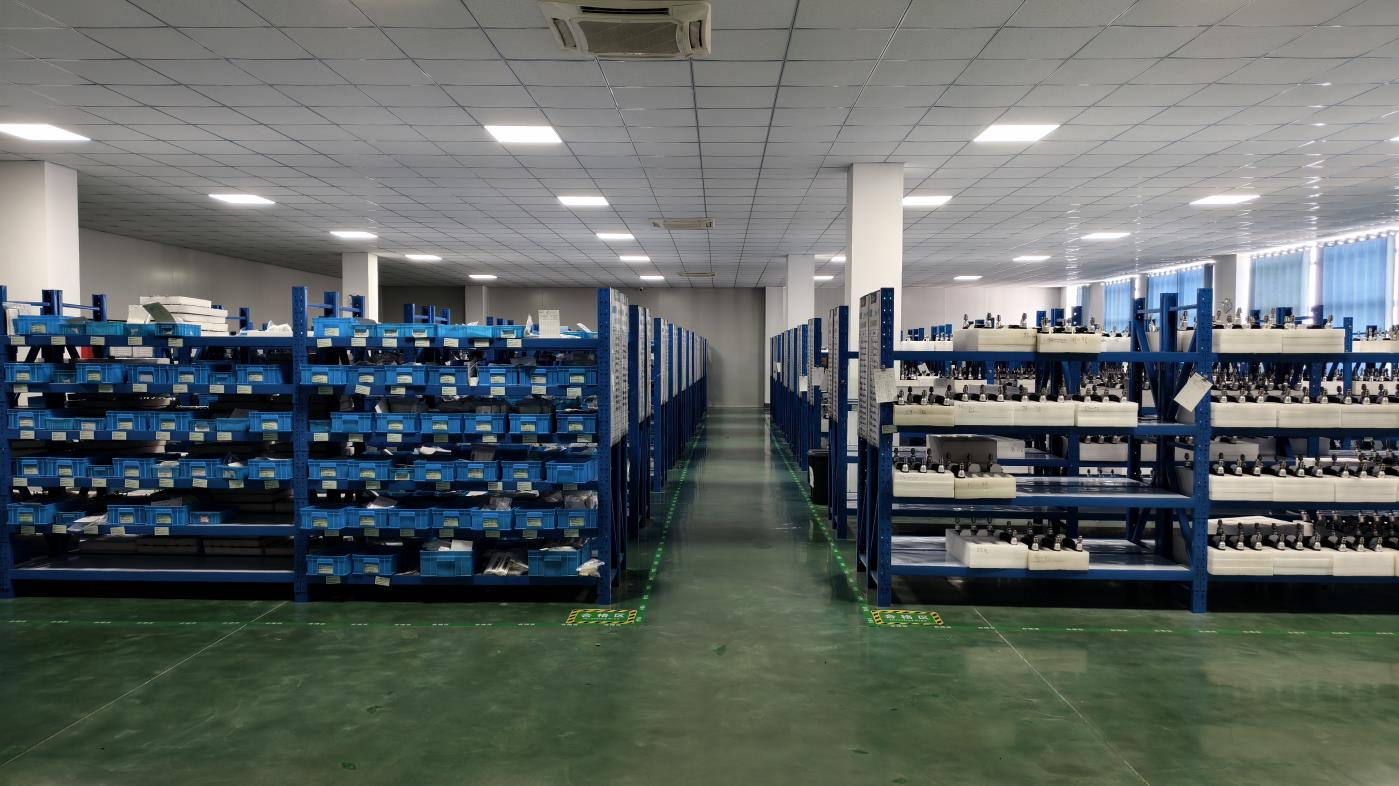
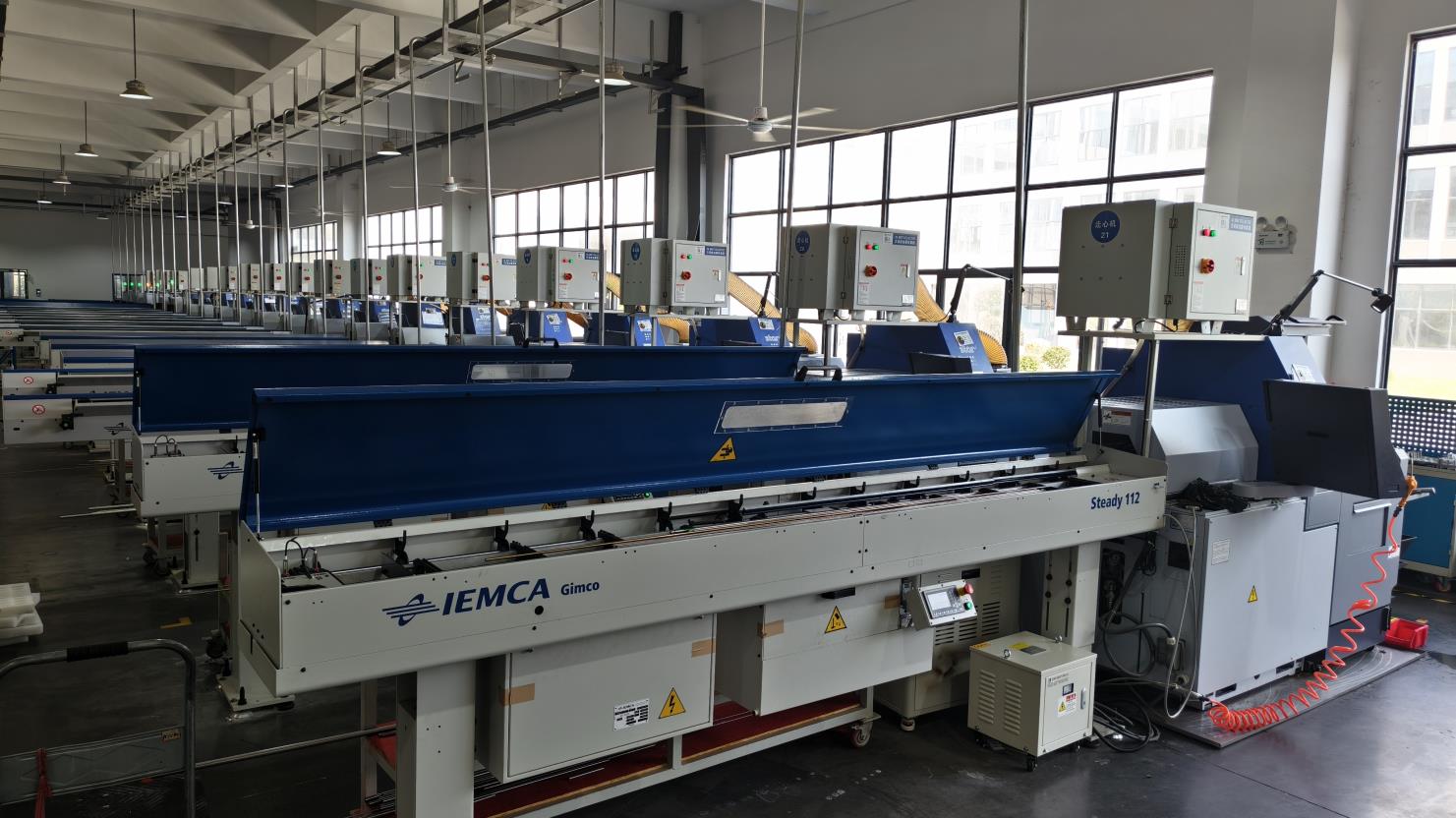
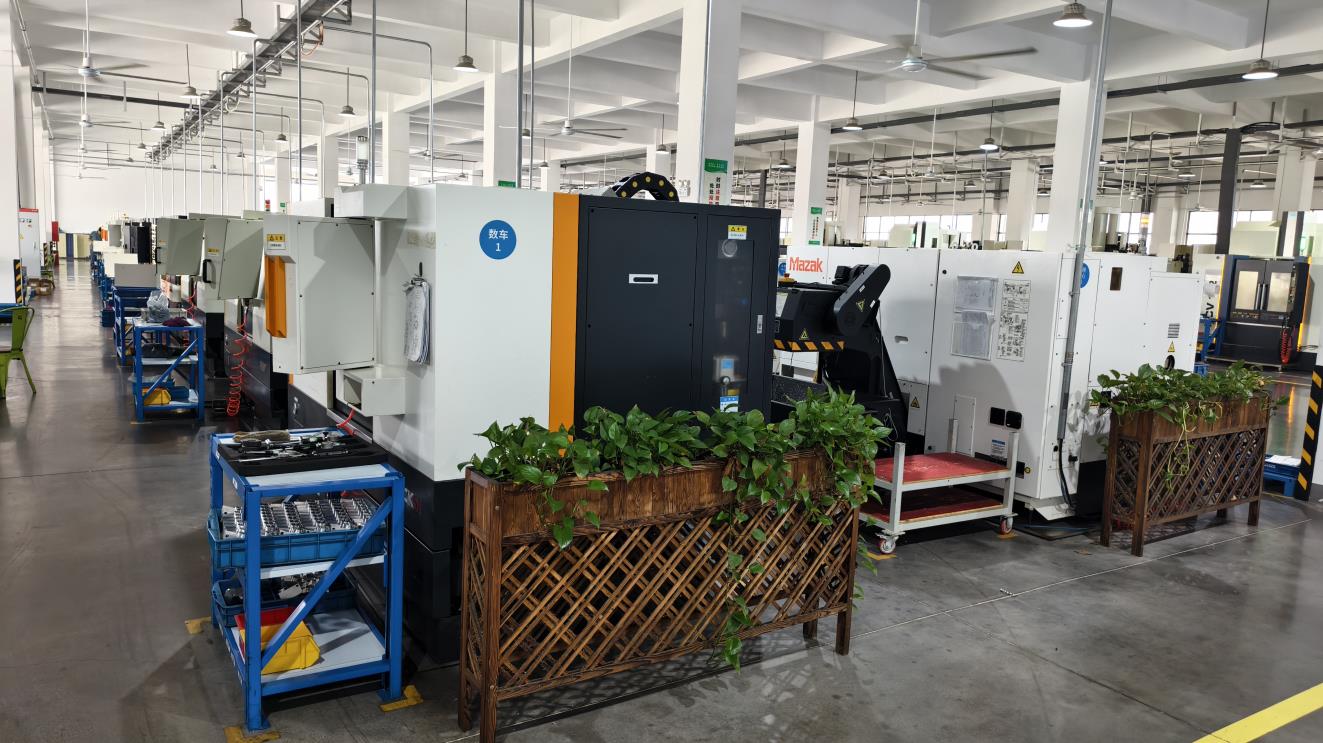
Visual documentation of our precision machining, testing instruments, and packaging standards

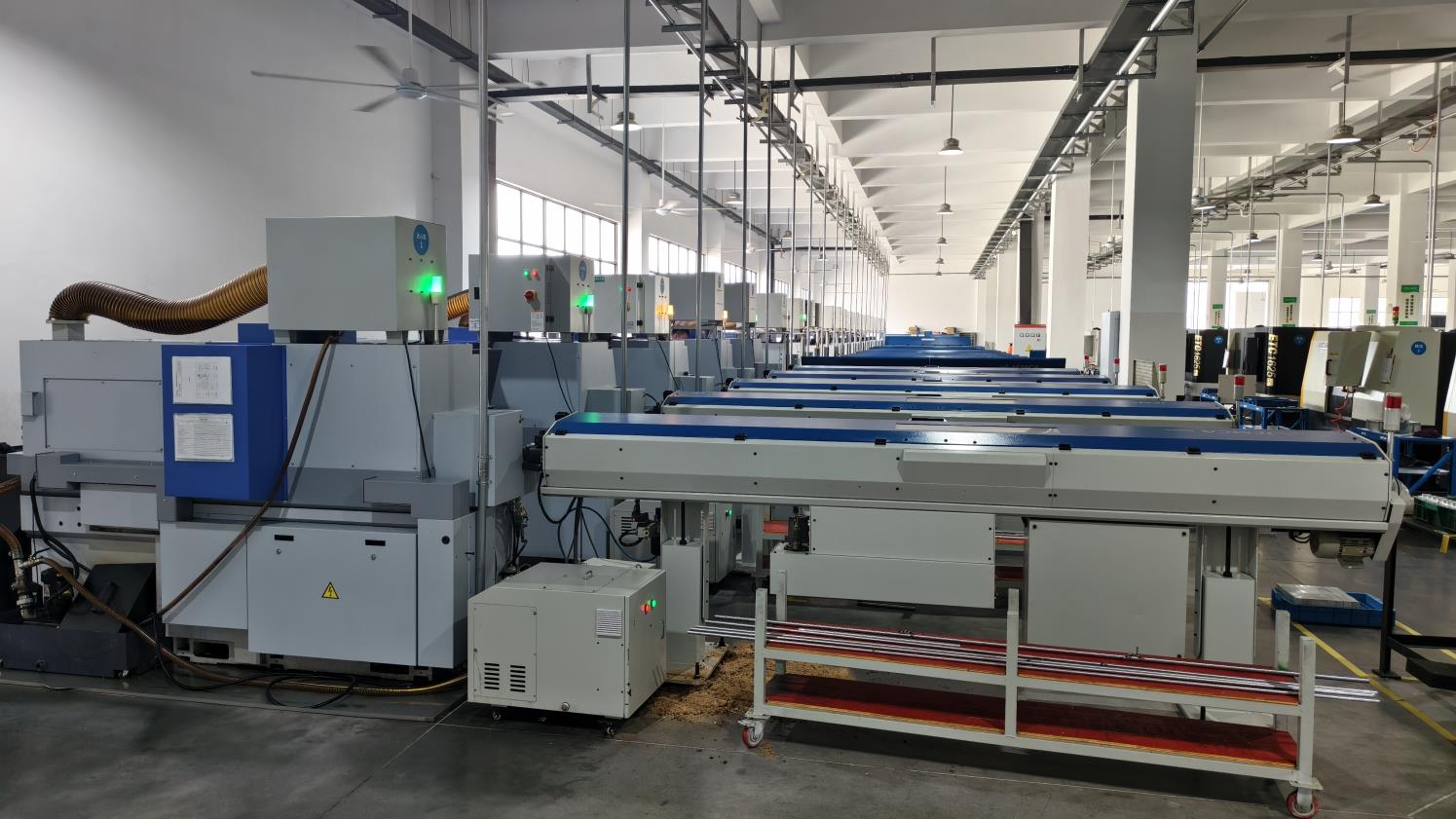
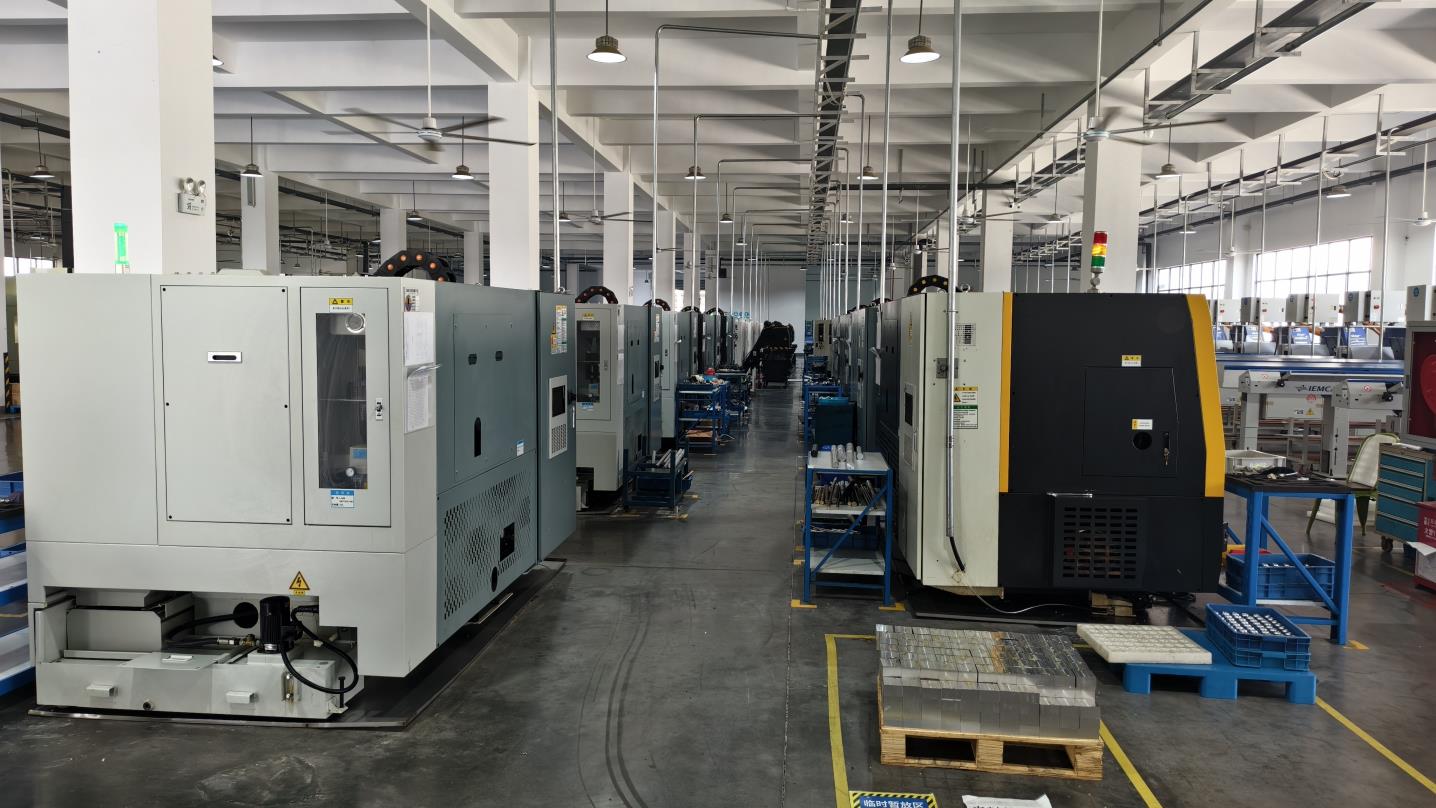
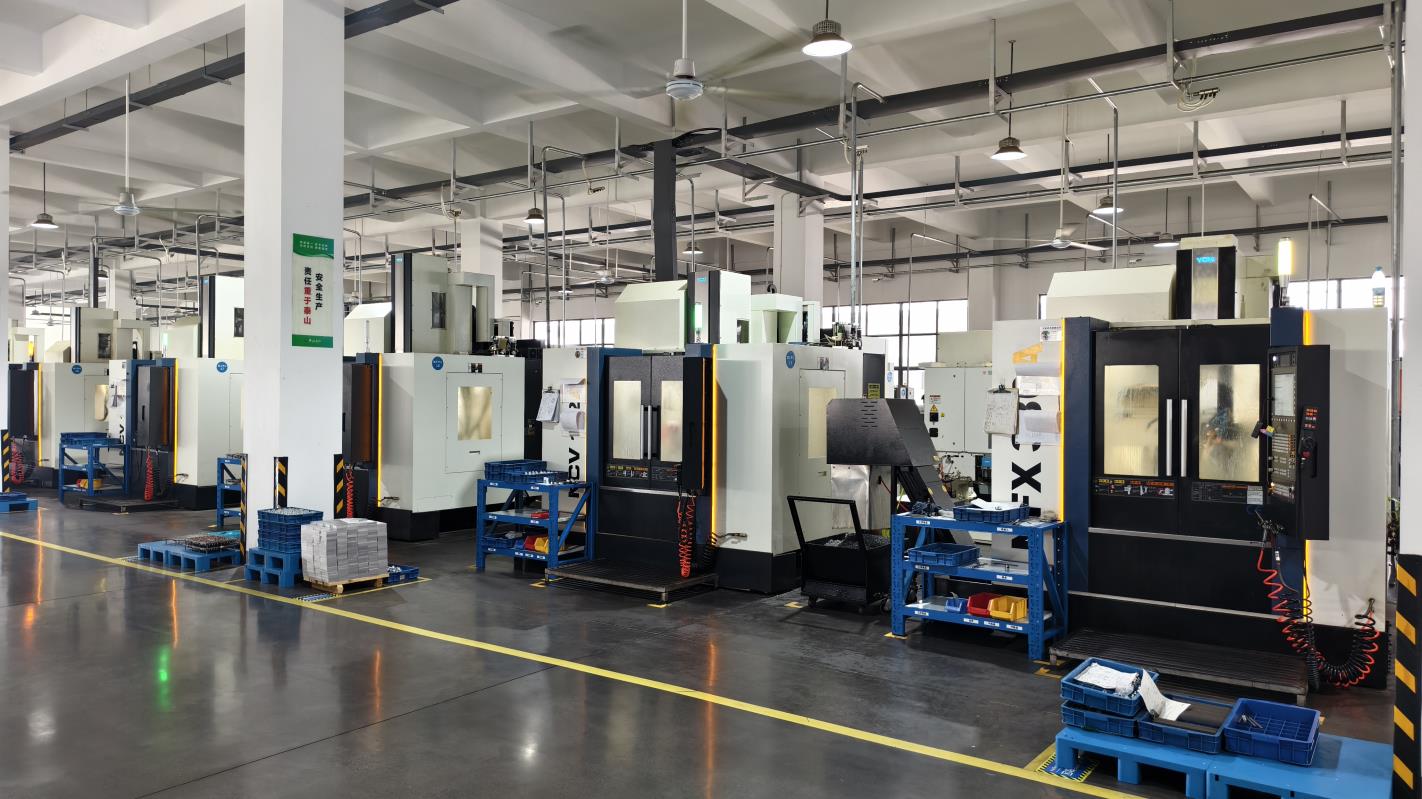
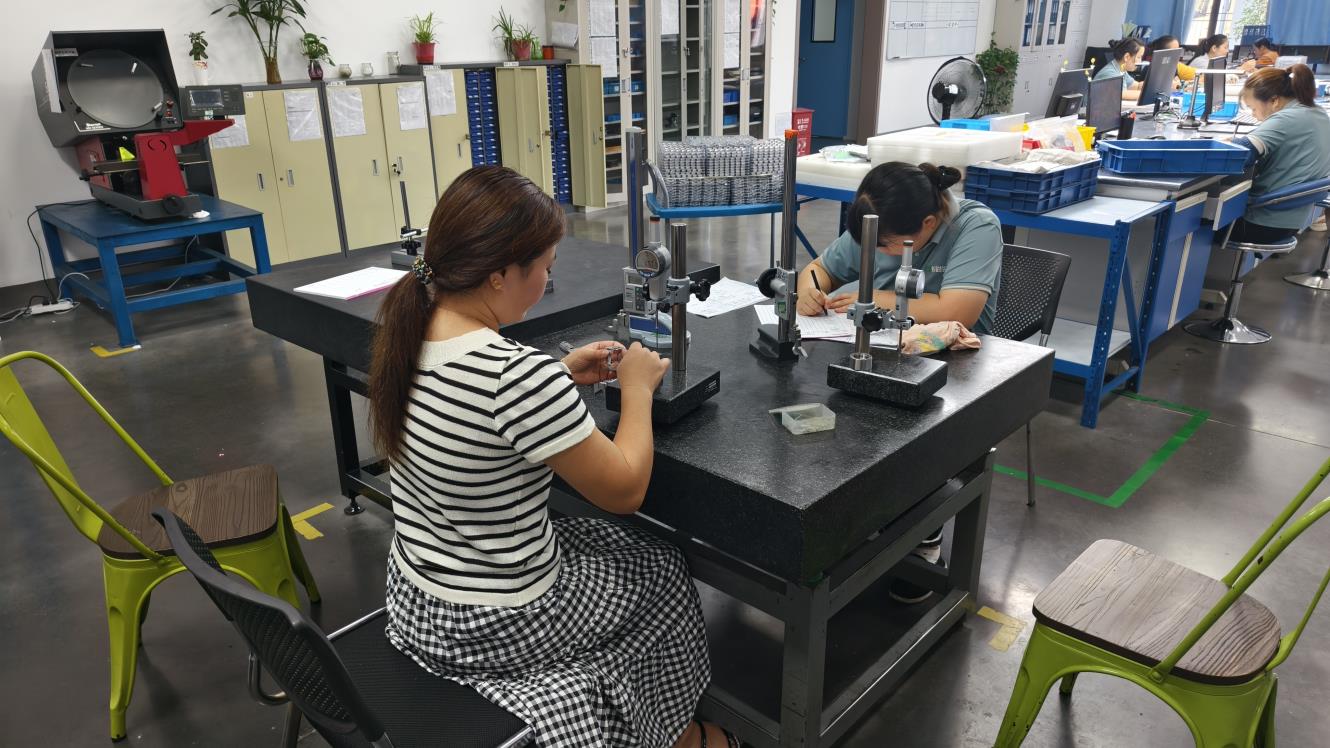
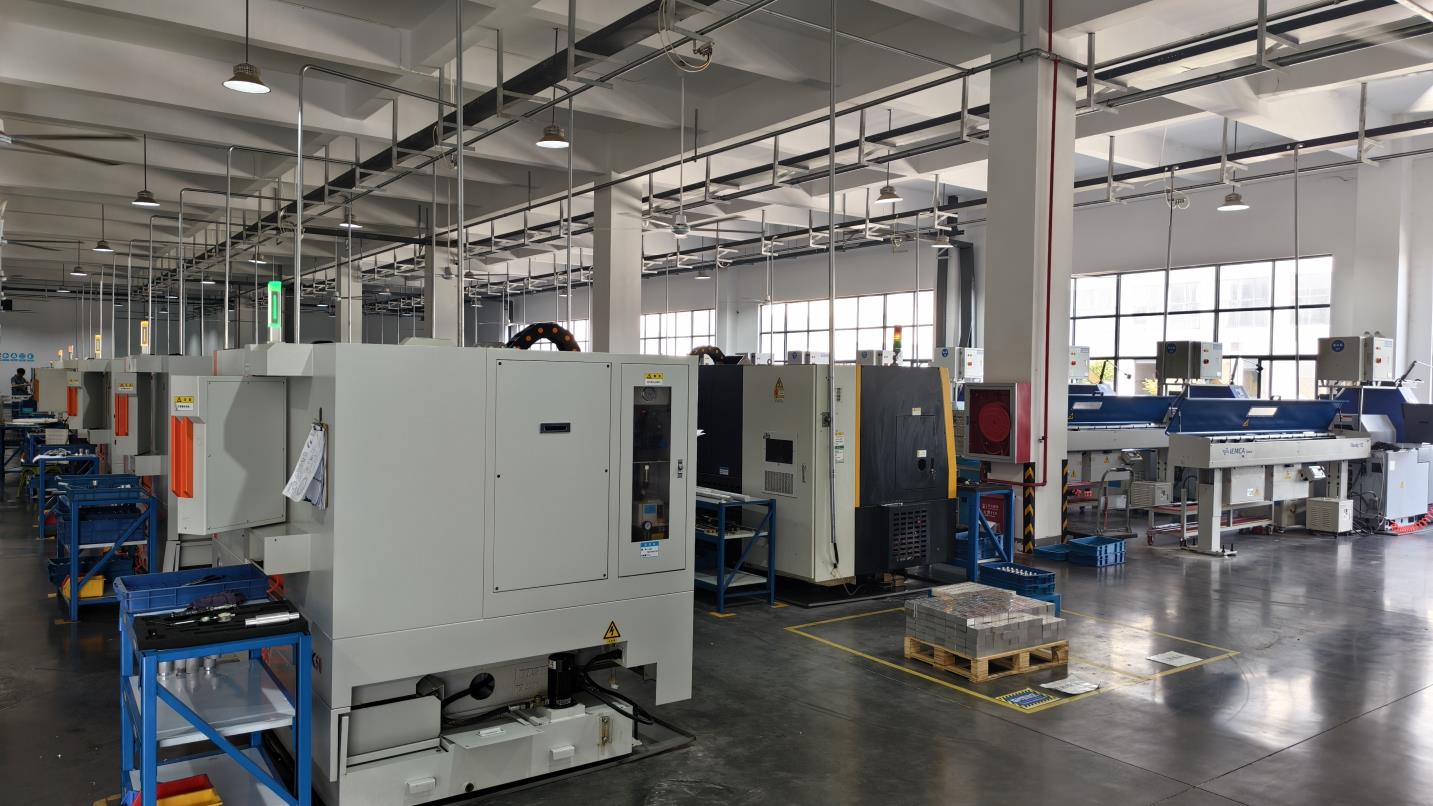
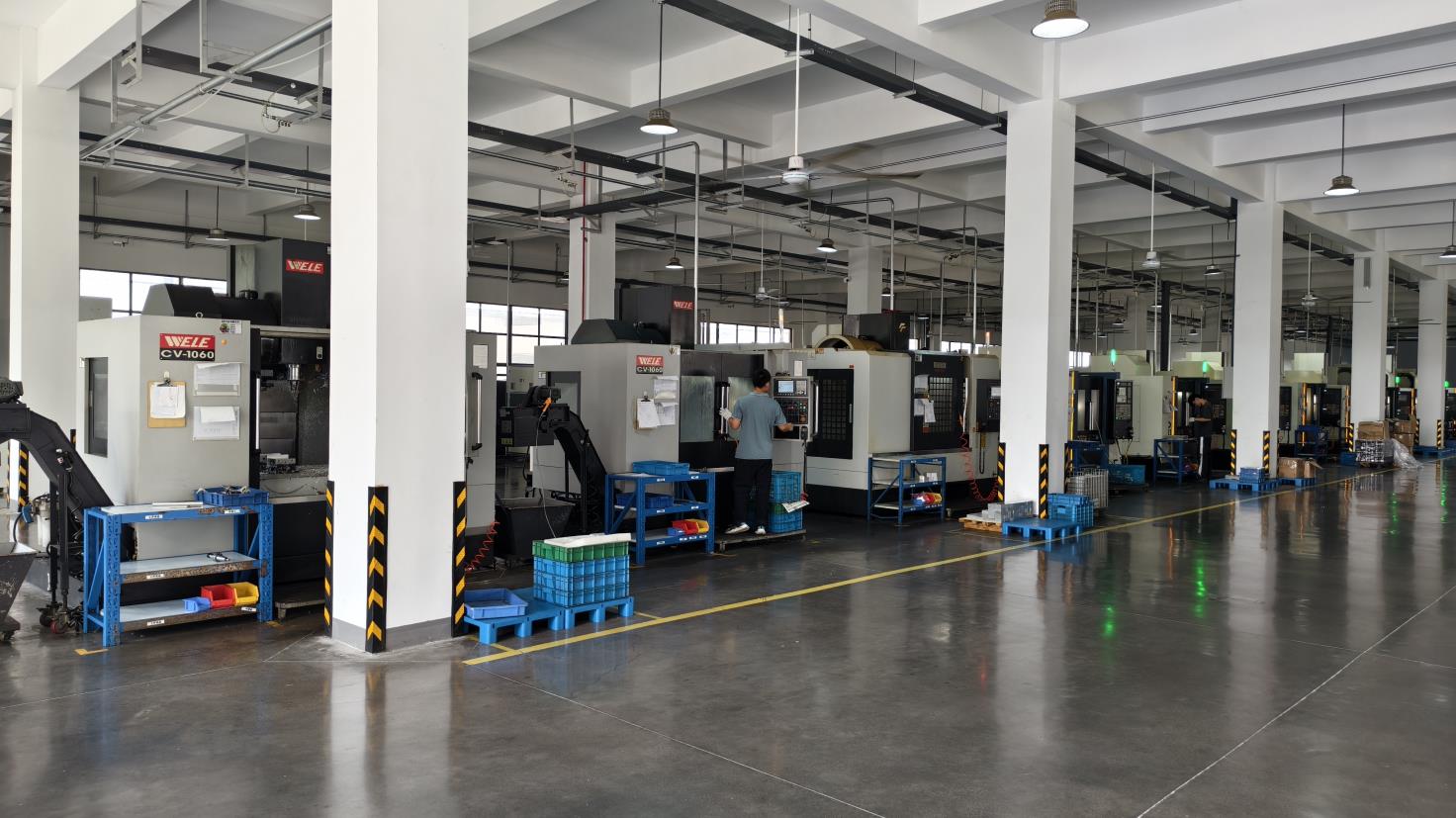
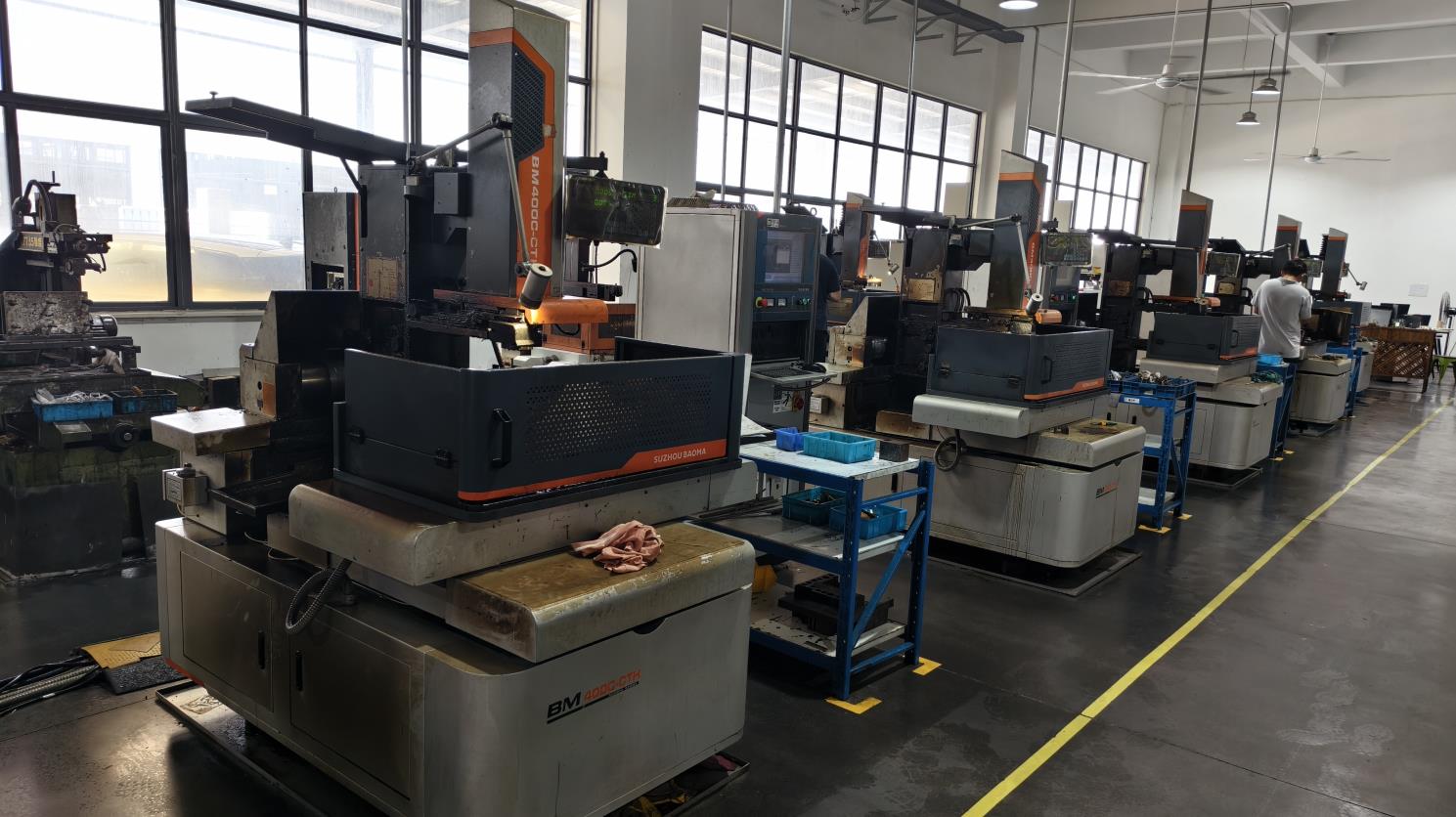
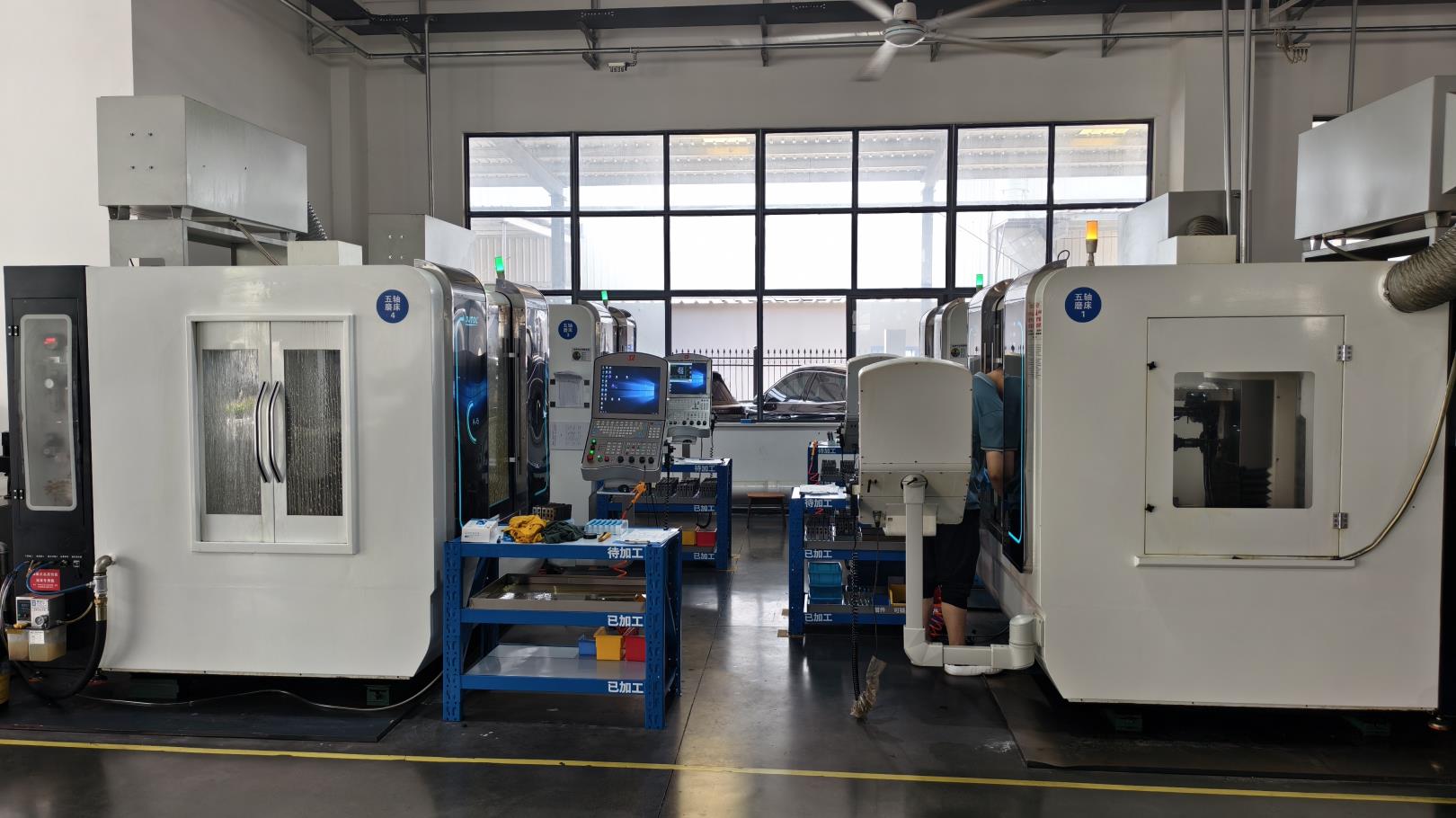


Adapting instrumentation designs for specific anatomical and animal scale demands
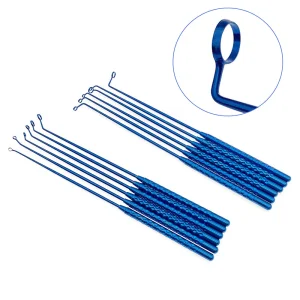
In human spinal fusion and neurosurgery, instruments like the micro ring curette and nucleus pulposus forceps must be optimized for endoscopic entry. Operating fields are often confined to millimeters, necessitating non-glare black oxide coatings or matte micro-blasted finishes to reduce surgeon eye fatigue under intense surgical microscope lighting.
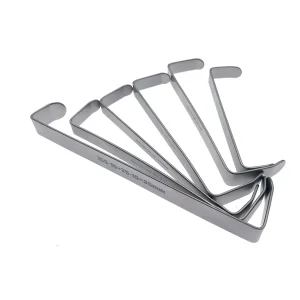
Veterinary patients span from birds under 100 grams to large canine breeds exceeding 80 kilograms. The orthopedic challenges require customized instrument designs: finger bone plate benders and specialized retractors must accommodate delicate bone structures. Small animal dentistry also requires specialized winged elevators designed to minimize alveolar bone damage.
ACL and PCL reconstructions in both human sports medicine and canine orthopedic surgery (such as cranial cruciate ligament rupture treatments) require high-accuracy drill guides. Drill guide sleeves must maintain anatomical alignment without slippage, preventing incorrect tibial tunnel drilling and ensuring optimal graft positioning.
In B2B medical manufacturing, a single design error can jeopardize patient health and lead to costly recall processes. To mitigate risks, we implement a multi-stage validation framework that aligns with major global regulatory standards:
Our quality verification starts with rigorous raw material vetting. Every batch of stainless steel or titanium is checked for chemical purity, hardness distribution, and grain size conformity before moving to production. CNC-machined parts undergo intermediate dimensions checks to verify that thread pitch, hollow diameters, and joint pivots match original tolerances.
Before packing, instruments undergo simulated lifetime stress tests, including exposure to repeated steam sterilization cycles and high-load mechanical bending. By maintaining full traceability from raw material bars to finished, laser-marked instruments, we provide hospital networks, brand distributors, and veterinary clinics with reliable, performance-tested tools.
Resolving engineering, material compliance, and OEM ordering questions
We provide full material mill test certificates (MTC) proving compliance with ASTM F138 (stainless steel) or ASTM F136 (titanium). Additionally, we can supply torque testing reports for bone screwdrivers, deflection reports for plate benders, and certificate of passivation conformity following ASTM A967 parameters.
Yes. We accept standard CAD files, including STEP, IGES, and SolidWorks formats. Before file transfer, we execute standard Non-Disclosure Agreements (NDAs). All design schemas, production tools, and molds created for your custom tools remain your exclusive property.
We use martensitic and austenitic stainless steel alloys, paired with precise vacuum heat treatment, to optimize hardness (typically 45-52 HRC depending on the tool). Followed by electrochemical passivation, this process creates an oxide layer that prevents staining, pitting, and rusting during high-temperature steam sterilization (134°C).
Custom prototypes generally take 15 to 30 days depending on the structural complexity (such as multi-axis articulation). Once the prototype is approved, production runs typically ship within 45 to 60 days, depending on batch sizes and finishing requirements.
Yes. We utilize high-resolution fiber laser markers to engrave logos, part numbers, trace codes, and GS1-compliant UDI (Unique Device Identification) codes directly onto the metal surface. This marking resists peeling and corrosion through repeated cleaning cycles.
Specialized veterinary tools and joint reconstruction instruments