SENJIE Healthy & Technology
SENJIE Healthy & Technology
SENJIE Healthy & Technology
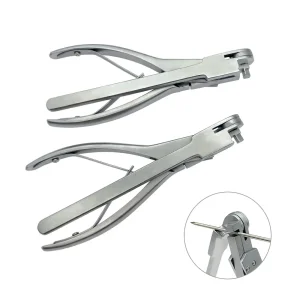
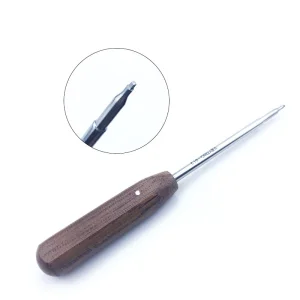
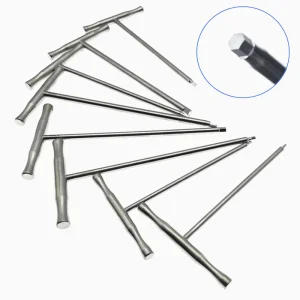
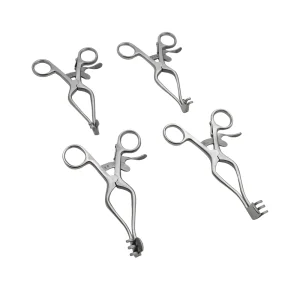
Modern orthopedic surgery, reconstructive interventions, and specialized veterinary osteotomies require unprecedented surgical control. The preservation of cellular bone structures during osteotomy, harvesting, and fixation processes is no longer a matter of basic technique; it has become an exact engineering and anatomical science. Globally, medical device distributors and hospital procurement boards prioritize clinical instruments designed to mitigate **thermal necrosis** and **micro-fracture dissemination** within surrounding osseous tissues.
Clinical Insight (Thermal Necrosis Threshold): Human and mammalian osteoblasts begin to undergo irreversible denaturation and cell death when exposed to temperatures exceeding 47°C (116.6°F) for more than one minute. Surgical tools must be designed to maximize heat dissipation and cutting efficiency to ensure postoperative bone regeneration and rapid osseointegration.
To preserve local bone density and biological viability, tools such as high-torque reciprocating saw blades, specialized orthopedic drill guides, and micro-curettes are engineered with custom geometries. These parameters minimize contact friction and enhance clear chip removal during cutting operations. By optimizing these factors, surgeons can expect predictable healing times, lower infection rates, and highly reliable outcomes for both human patients and veterinary procedures.
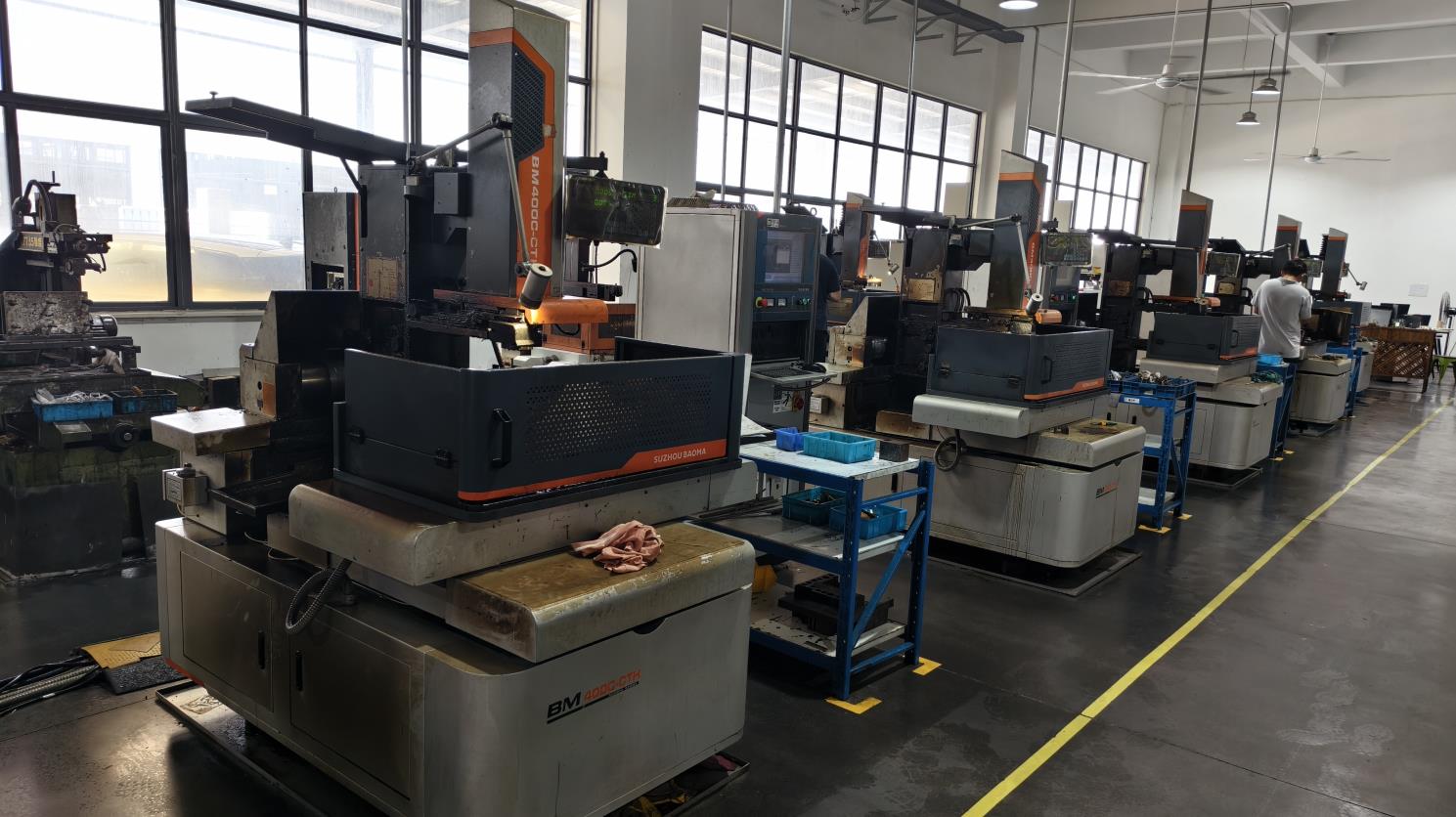
Bone tissue preservation tools operate at the critical interface of biomechanics and metallurgy. Traditional stainless steel tools can display micro-roughness that harbors bacterial bio-films and creates excess drag, generating local heat and leading to delayed bone healing. Advanced OEM manufacturers utilize specialized surface passivation methods alongside CNC wire electrical discharge machining (EDM) to produce cutting edges with sub-micron tolerances, ensuring clean shear profiles and preventing structural micro-cracks during bone excision.
Utilizing high-grade surgical titanium (Ti6Al4V ELI) and medical stainless steel (ASTM F899 / 316LVM) to guarantee absolute corrosion resistance, maximum cyclic fatigue life, and complete non-toxicity during contact with patient cortical bone.
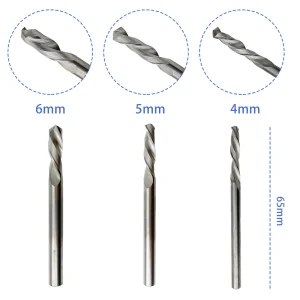
Incorporating custom-grooved flutes and self-clearing geometries in our drill bits and cutting saws, reducing heat build-up under high torque and ensuring localized bone tissue remains viable post-osteotomy.
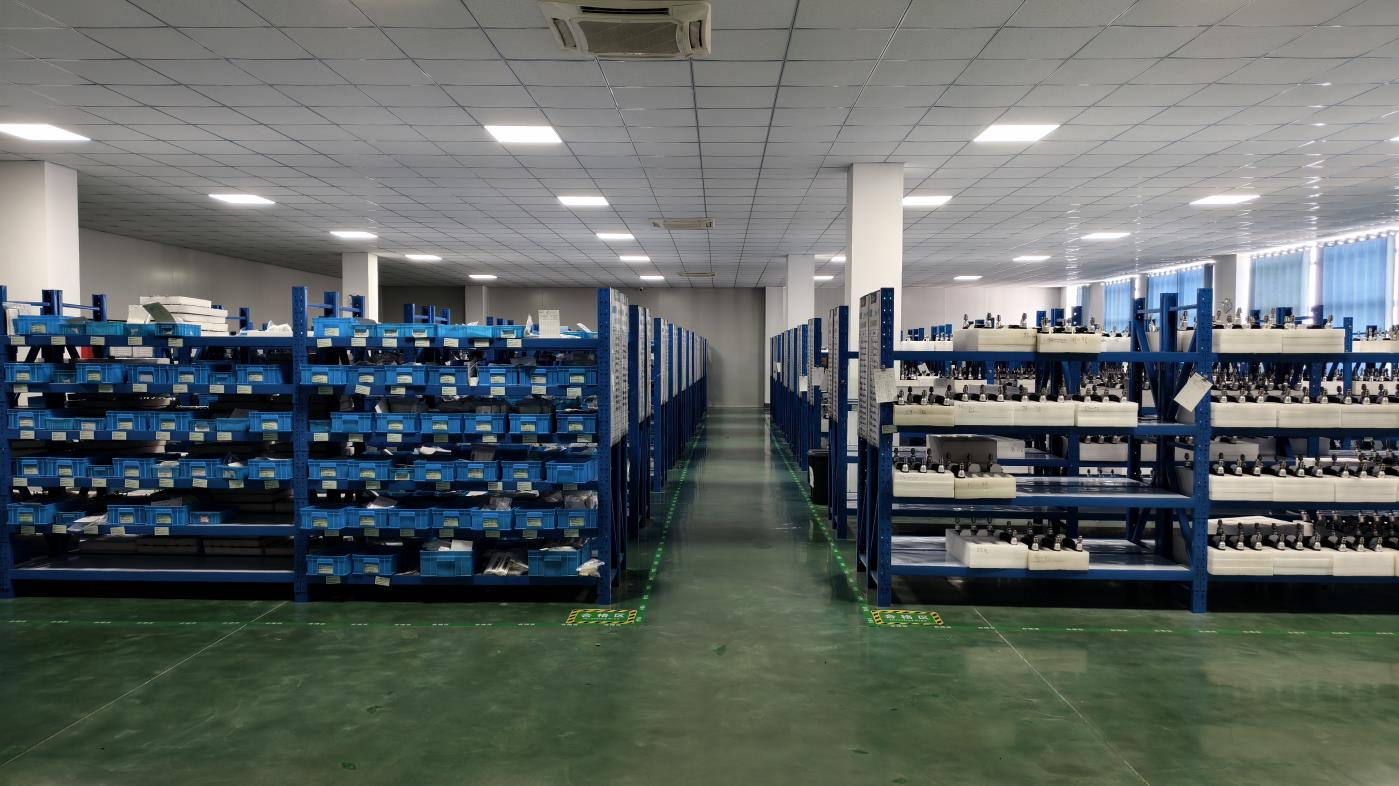
All materials are backed by certified source mill reports and subjected to rigorous physical verification testing. Our systematic traceability processes verify every manufacturing step for peace of mind.
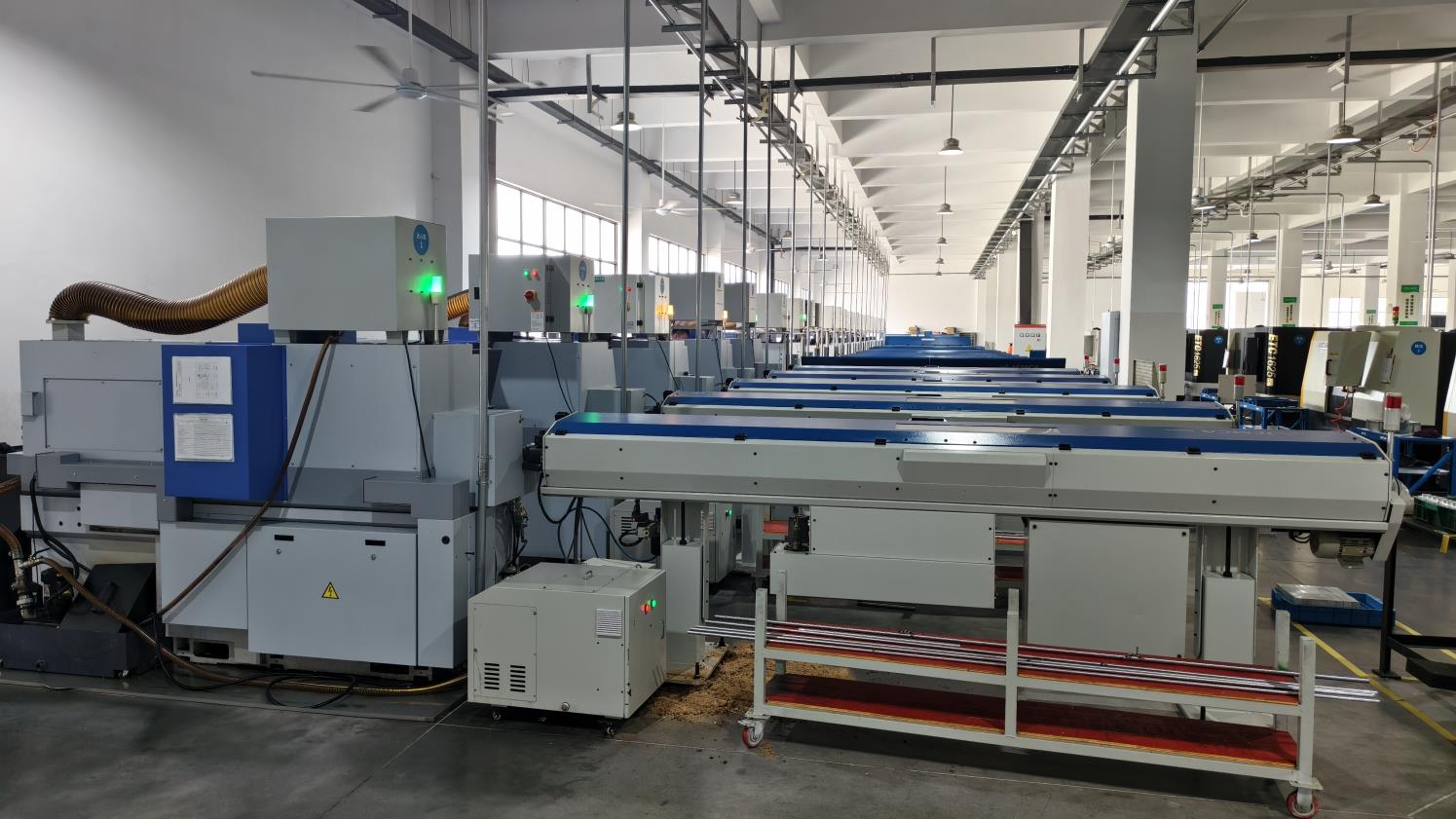
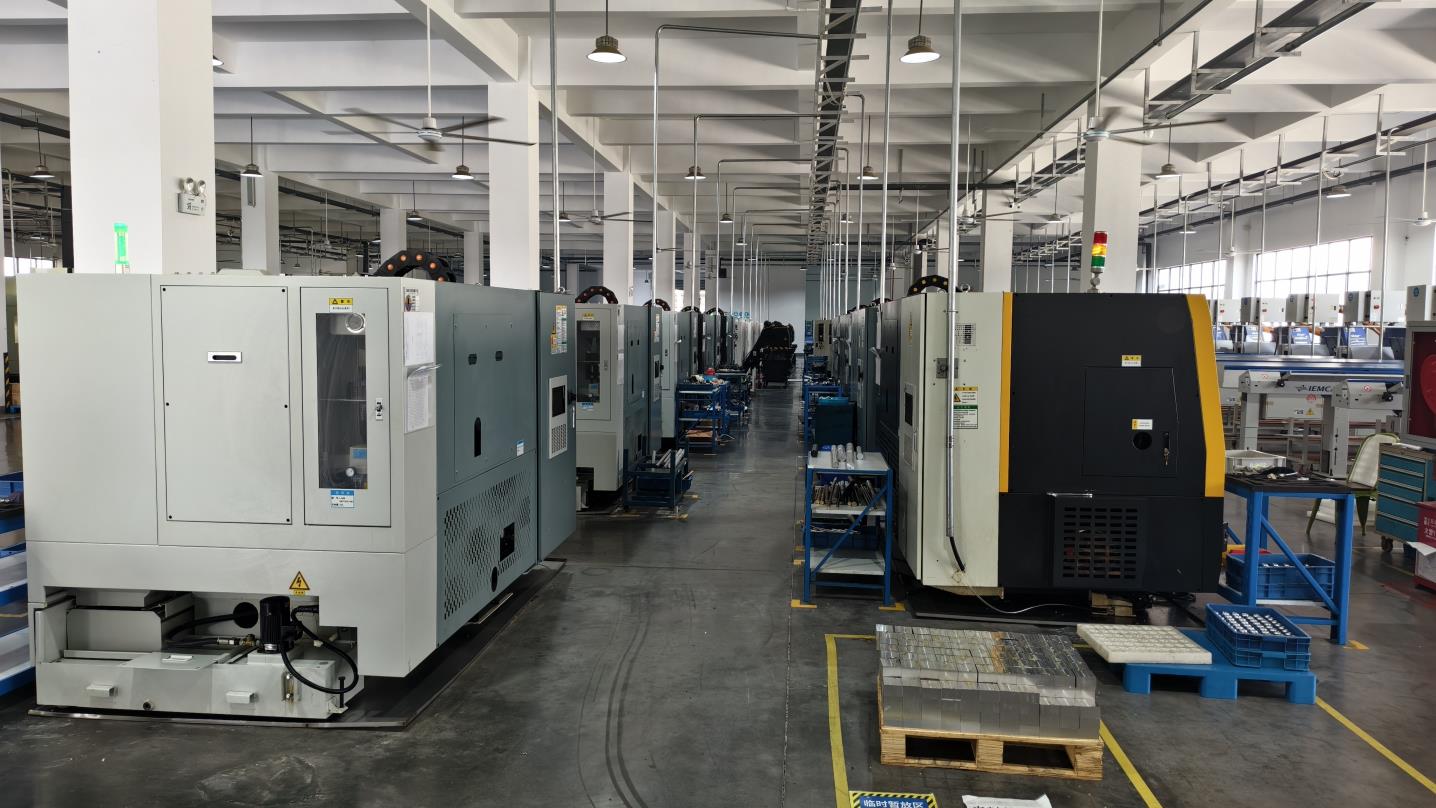
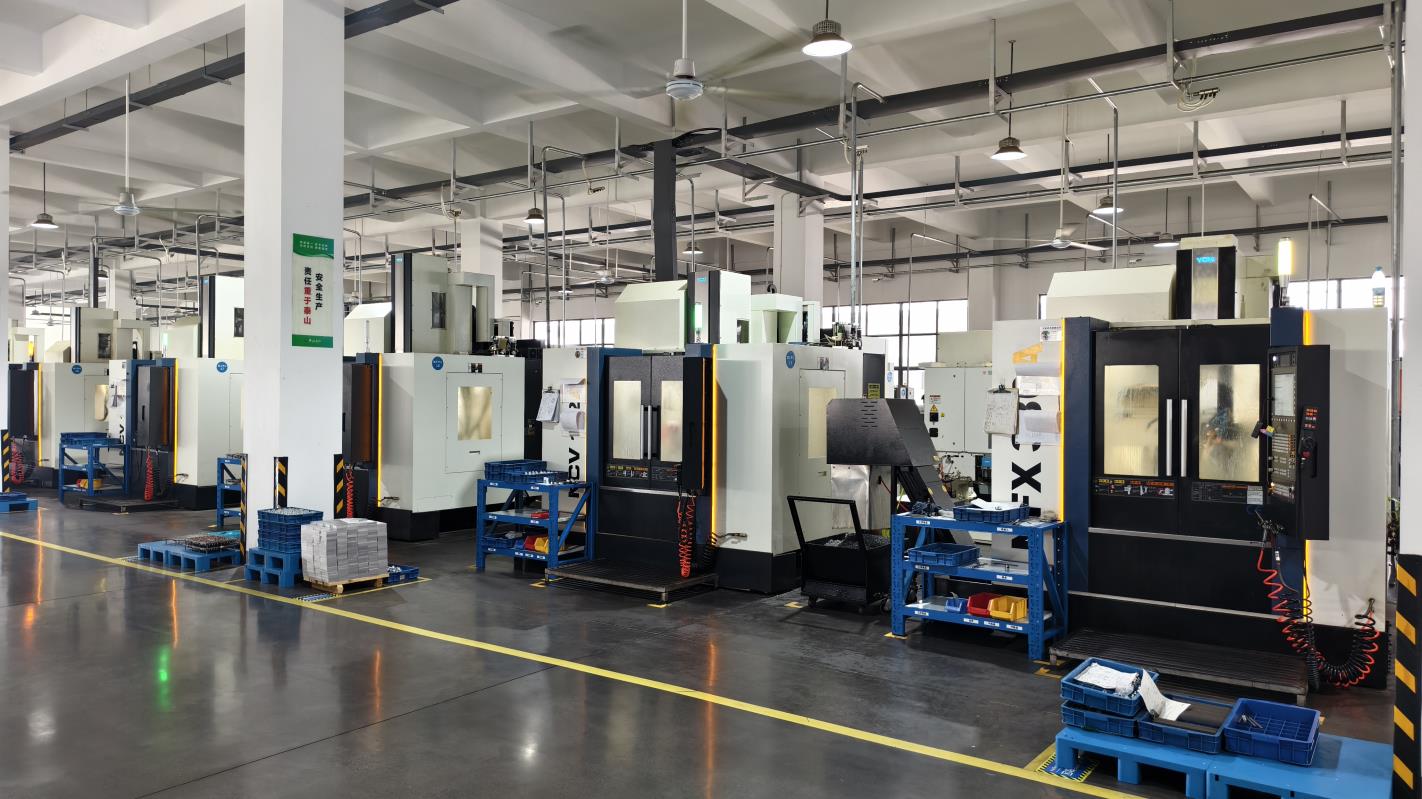
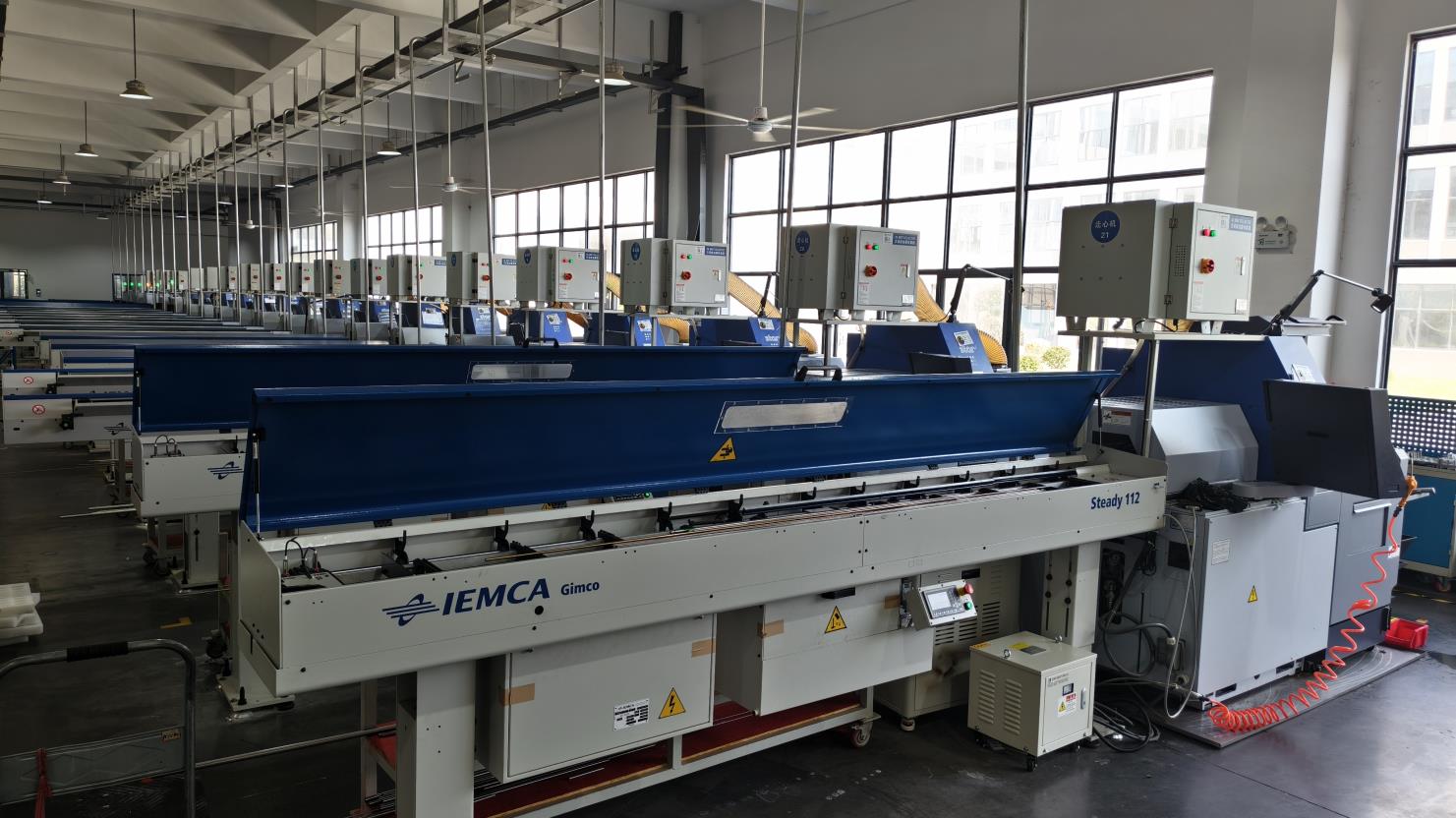
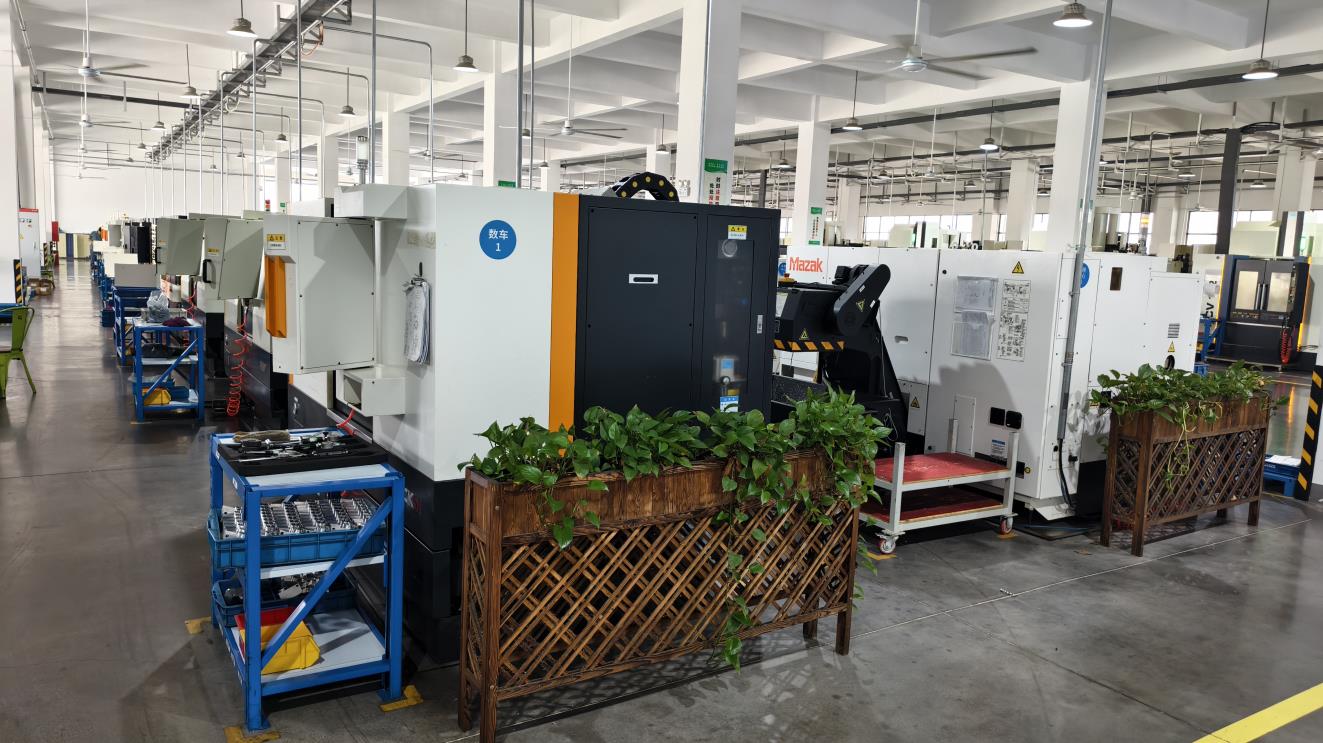
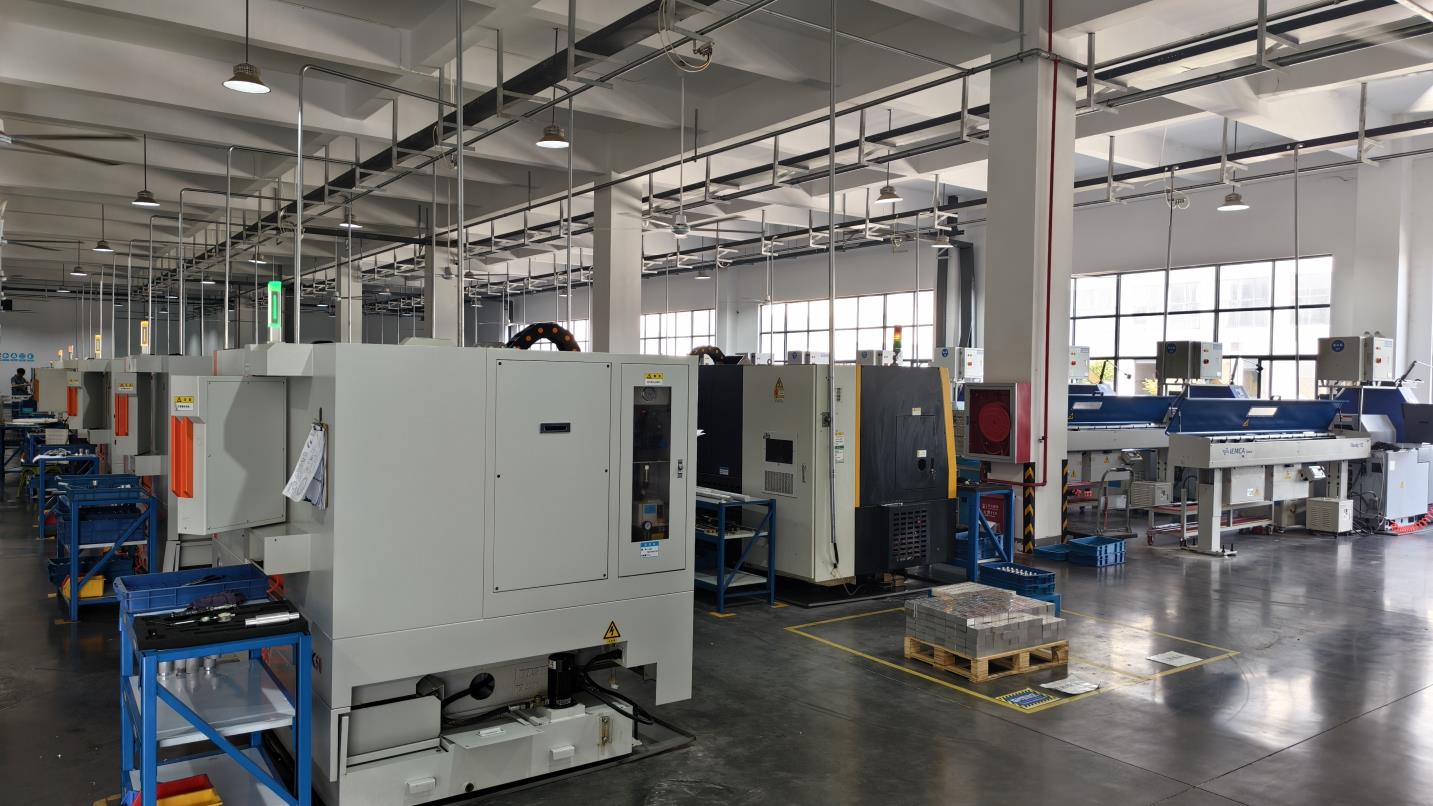
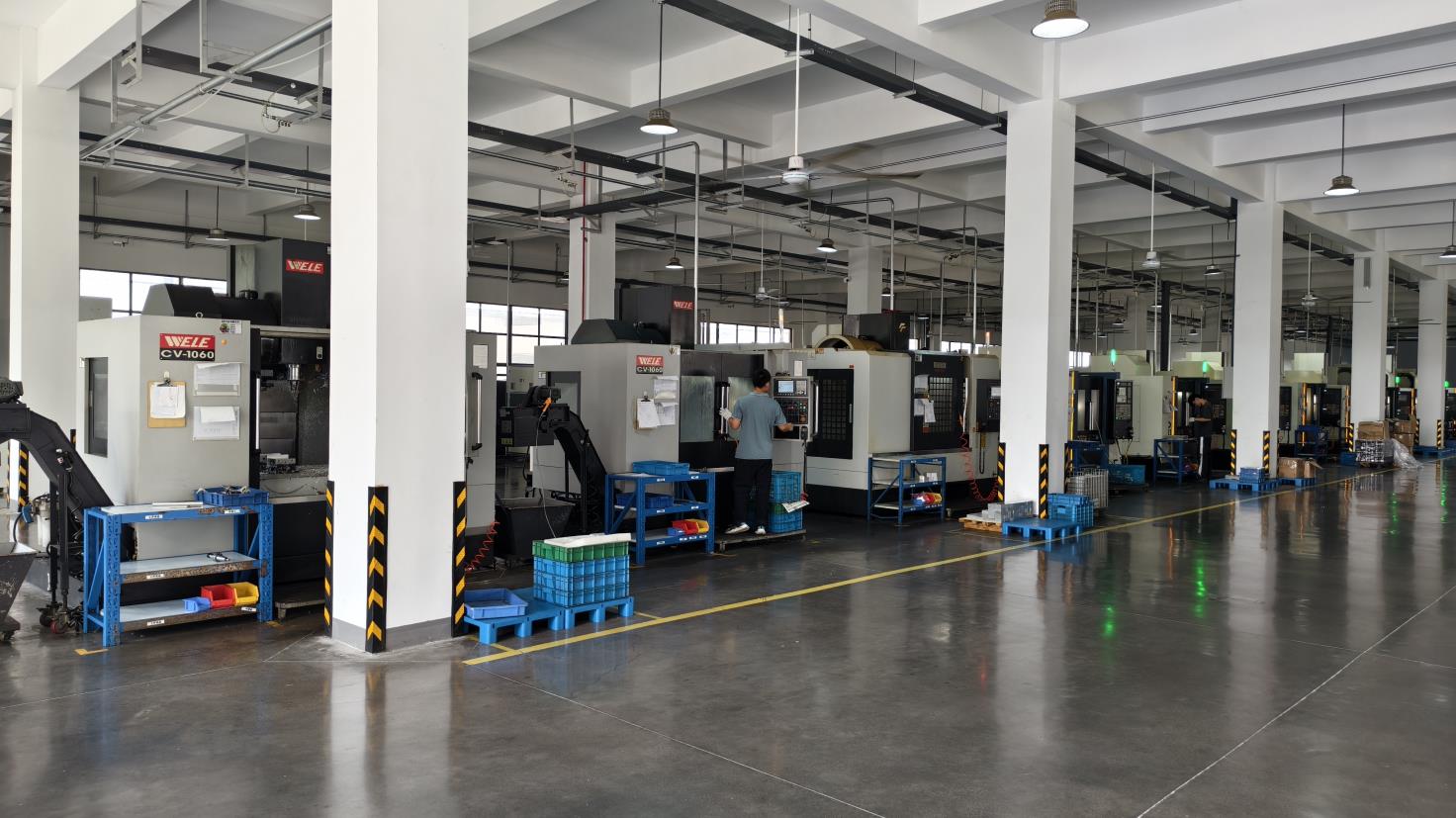
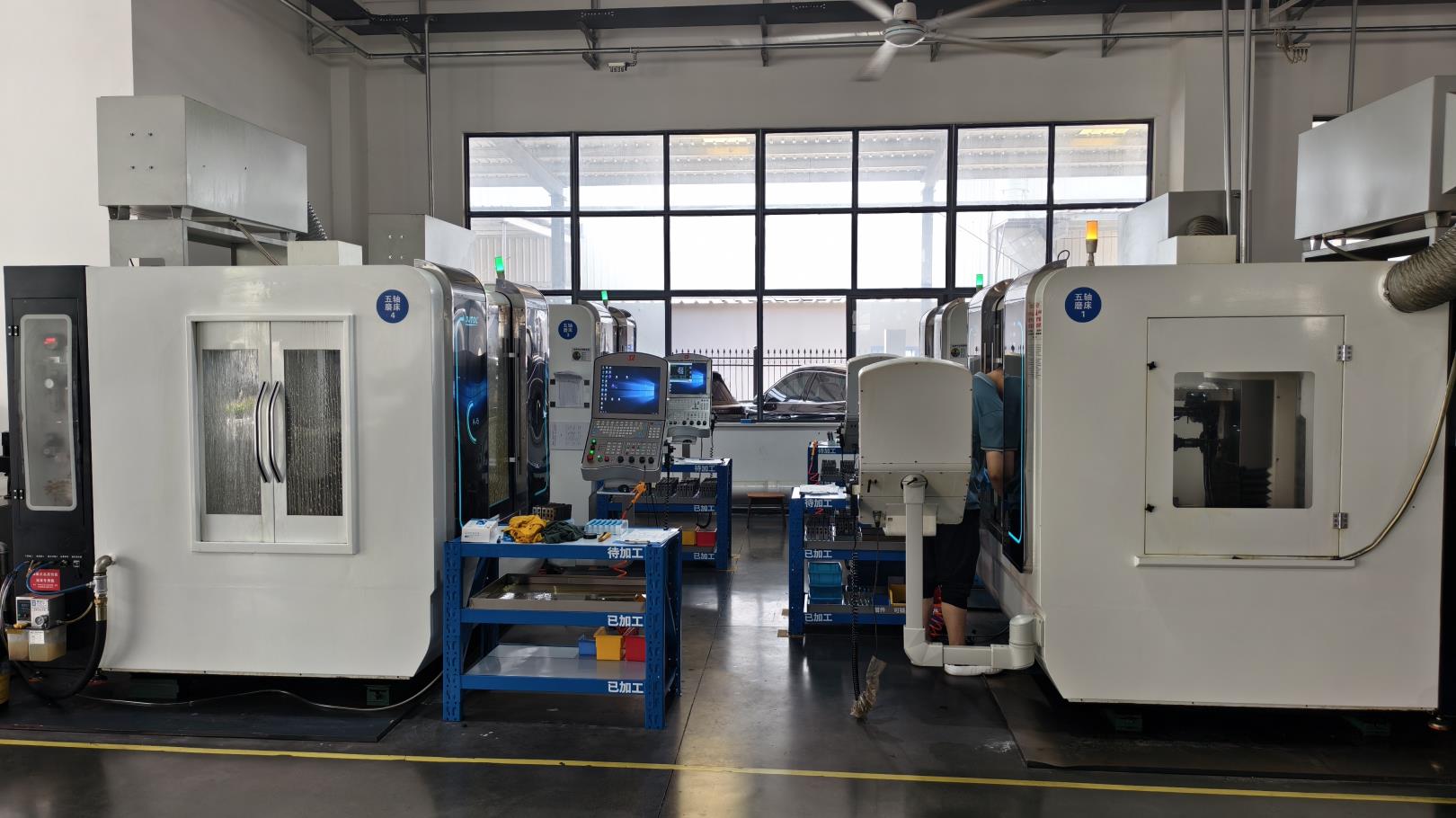
Our state-of-the-art production base leverages China's advanced industrial ecosystem to deliver world-class medical instruments. Utilizing Swiss-type CNC lathing, multi-axis milling, and cleanroom packaging facilities, we bridge the gap between complex engineering concepts and physical realization. The result is surgical instrumentation that meets the highest benchmarks for dimensional precision, structural safety, and long-term durability.
By using automated manufacturing pathways alongside rigorous manual detailing, we maintain uniform tolerances within +/- 0.01mm across high-volume runs. These tight margins are essential for high-performance instruments like micro-tubular retractors and cruciate ligament drill aimers, where even minor variations can affect procedural accuracy.
Our localized supply chain integration allows us to respond rapidly to evolving client needs, reducing lead times for custom tooling from months to weeks. Additionally, optimized raw material sourcing ensures that premium medical-grade alloys remain cost-effective, providing clear economic advantages to global distributors and OEMs.
A statistical summary of our manufacturing capabilities, target global markets, and quality control systems:

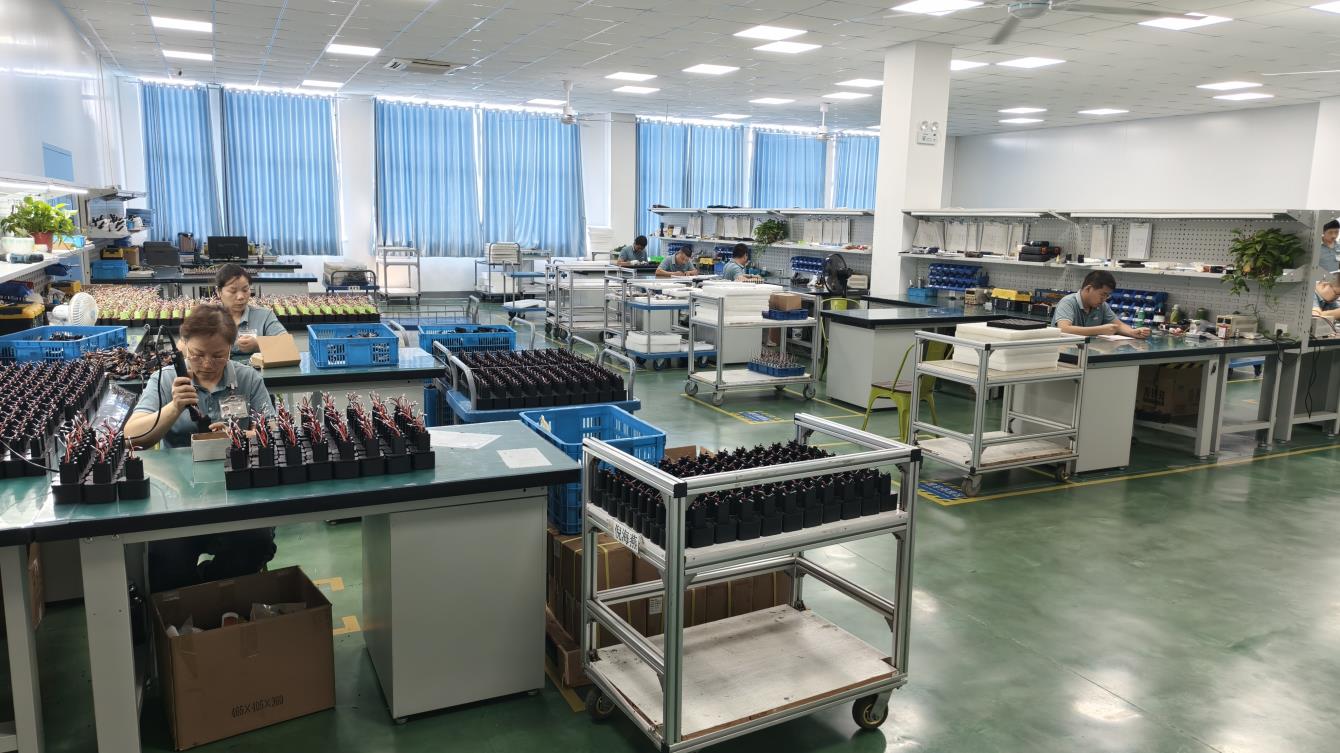
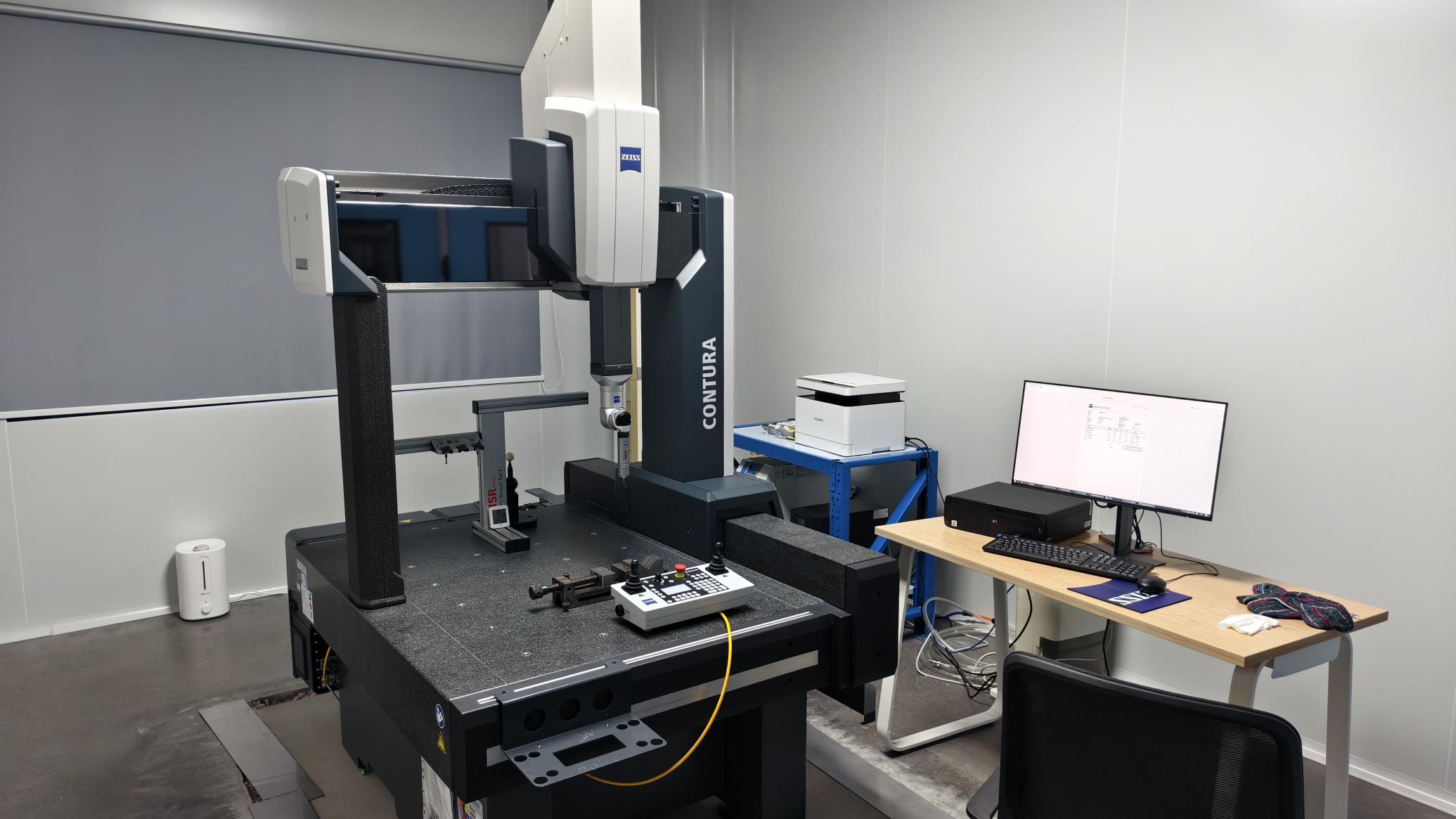
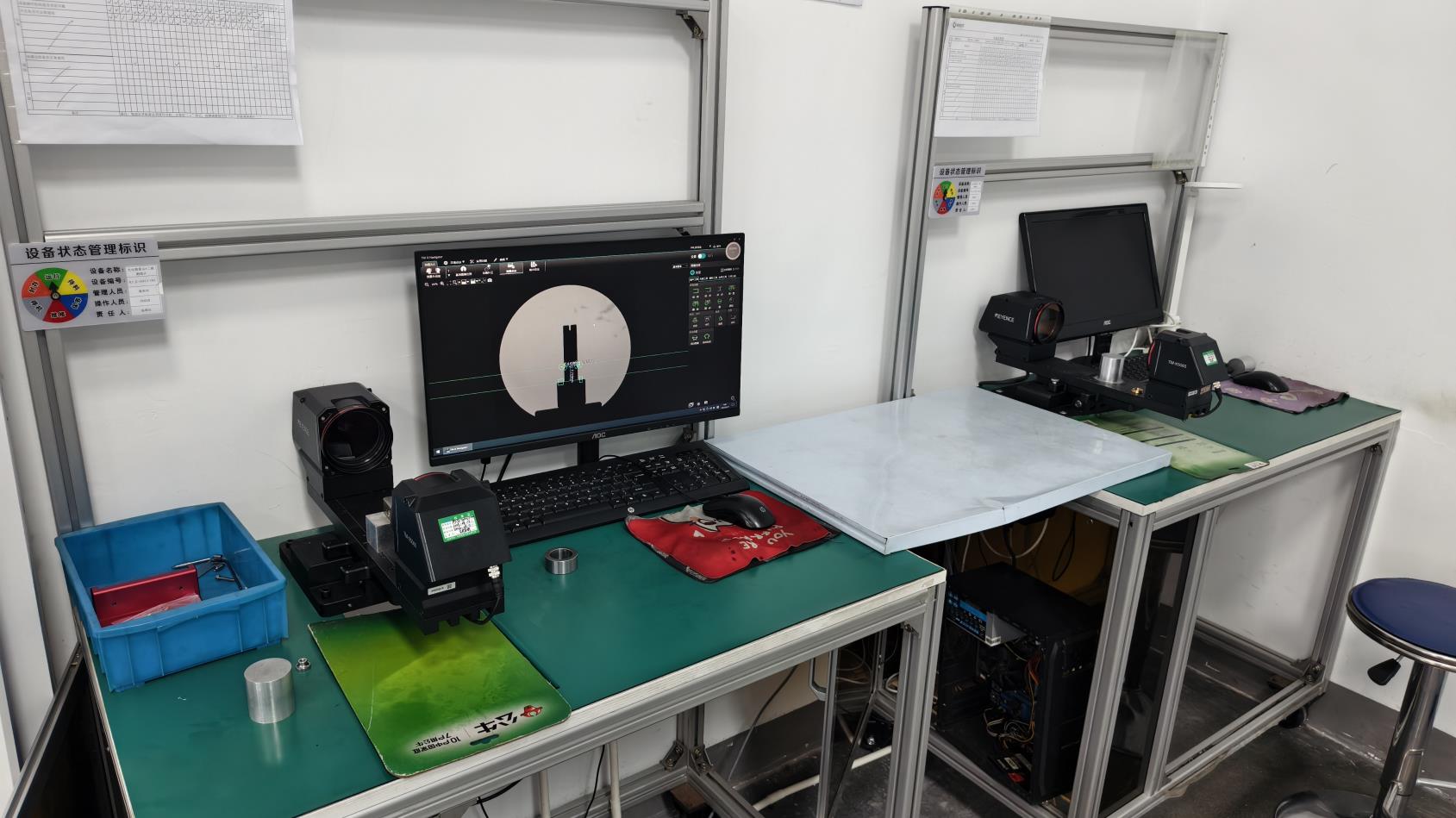
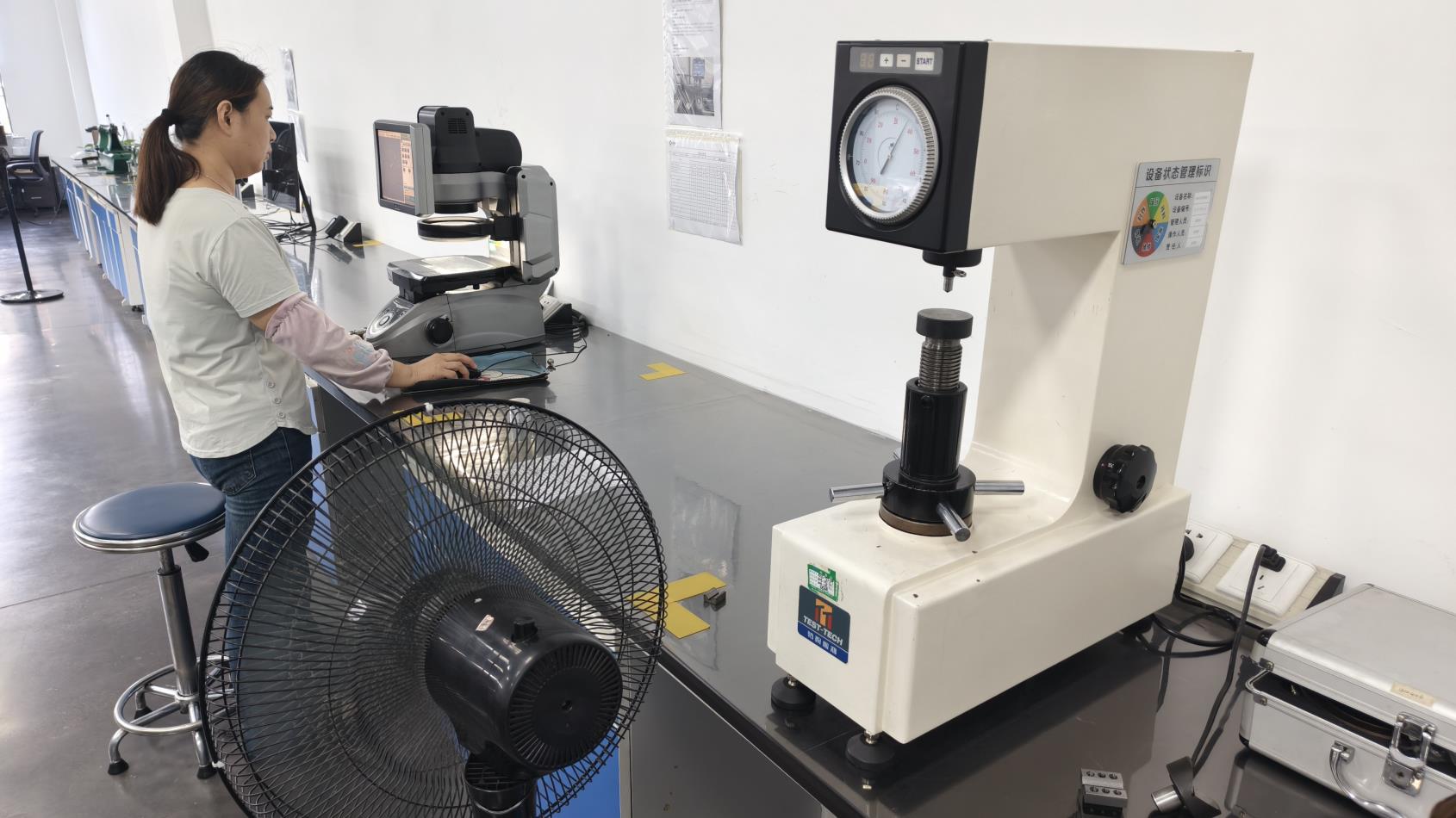
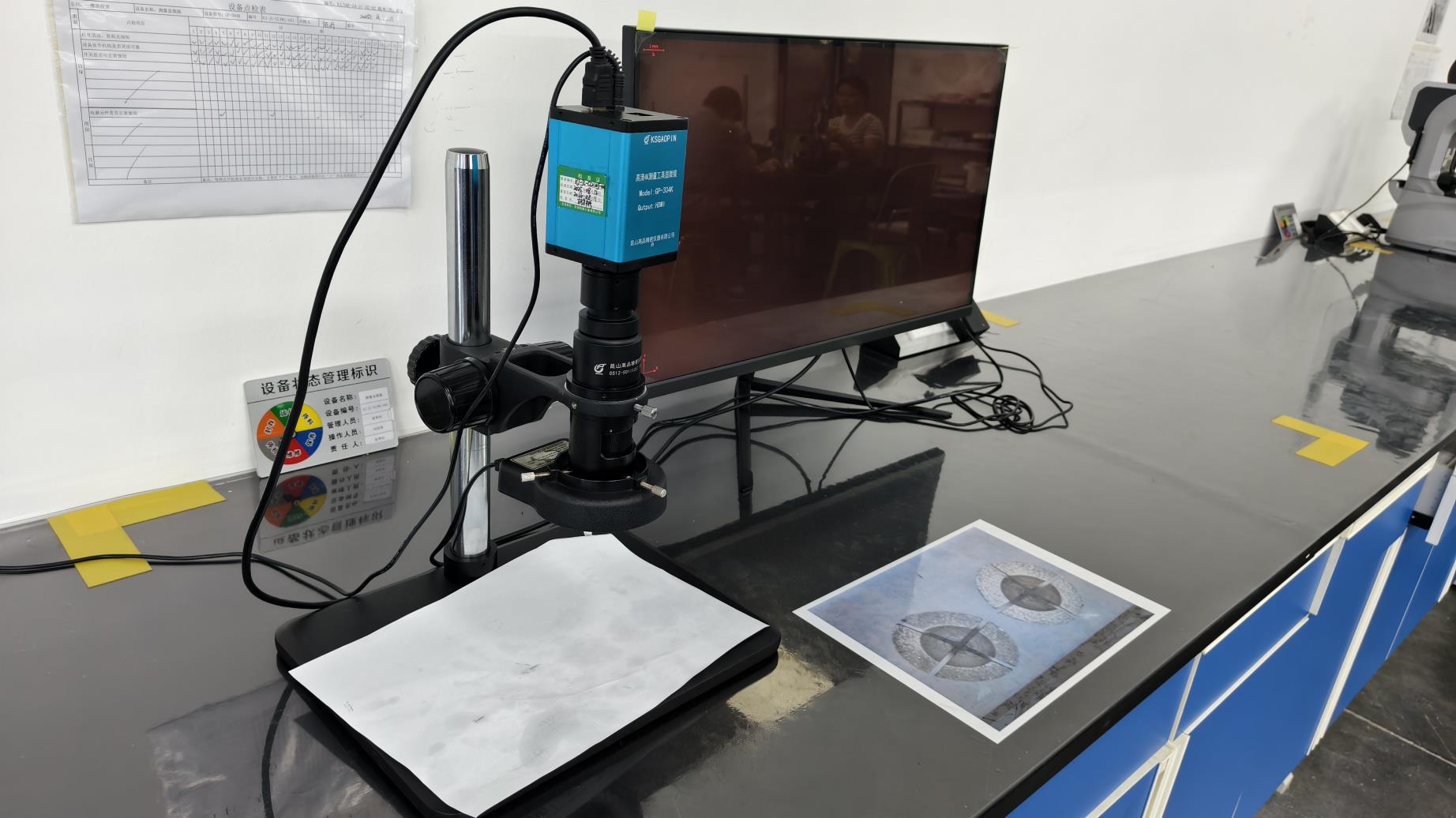
Bone tissue preservation is critical across several highly specialized clinical settings. By matching custom-designed tools with targeted applications, medical teams can minimize structural trauma and improve patient outcomes.
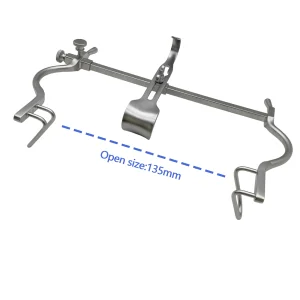
In anterior cervical discectomy and fusion (ACDF) or micro-tubular lumbar decompression, retractors must maintain exposure without causing tissue damage. Self-retaining cervical retractors and micro-tubular systems with matte-passivated casing surfaces reduce glare under surgical microscopes while keeping pressure evenly distributed across delicate soft tissue boundaries.
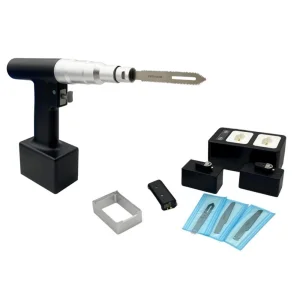
During total knee arthroplasty (TKA), precise bone resection is essential for proper implant alignment. High-torque reciprocating saw blades, patellar drilling guides, and AO quick-coupling bone drills ensure clean cuts with minimal thermal transfer. These design details help protect the surrounding bone tissue, supporting early biological fixation and long-term implant stability.
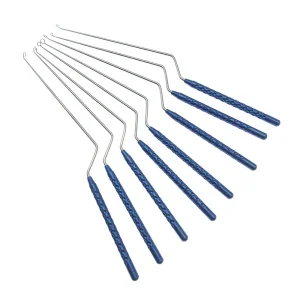
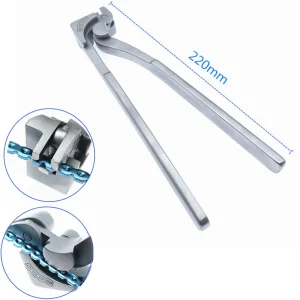
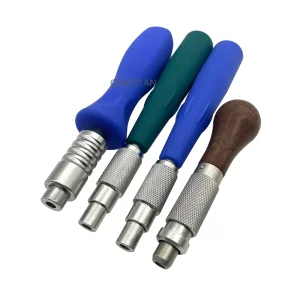
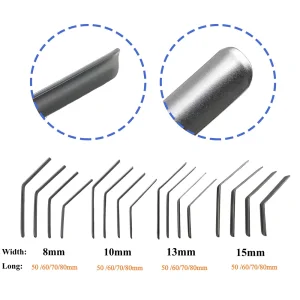
Veterinary orthopedics involves unique anatomical challenges, from small domestic pets to larger animals. Our specialized tools—including 2.4mm/2.7mm micro-trauma sets, dedicated K-wire benders, and miniature bone screwdrivers—are designed to give veterinary surgeons the control required for delicate fracture fixation and joint reconstructions.
The field of bone preservation is shifting toward more integrated, high-precision designs. Looking ahead, three major developments are shaping the next generation of surgical instruments:
For procurement officers at hospital chains, OEM brand managers, and wholesale distributors, choosing the right manufacturer is key to maintaining consistent standards. The table below outlines critical criteria for evaluating medical-grade partners, ensuring high performance, material compliance, and supply chain reliability.
Our instruments are manufactured from verified medical-grade alloys, primarily titanium alloy (Ti6Al4V ELI) and surgical stainless steels (ASTM F899, 316LVM, and 440C). These materials are selected for their excellent biocompatibility, corrosion resistance, and high mechanical strength under cyclical stress.
We maintain full traceability for every production batch. Raw materials are sourced from certified supplier mills and undergo internal quality checks upon arrival. Every lot is documented with material certificate records, allowing us to trace back any finished instrument to its original material batch.
Yes, we specialize in OEM/ODM manufacturing. We work directly from CAD drawings, blue-prints, or physical samples. Our engineering team helps optimize custom designs for production, ensuring they meet required tolerances and functional parameters.
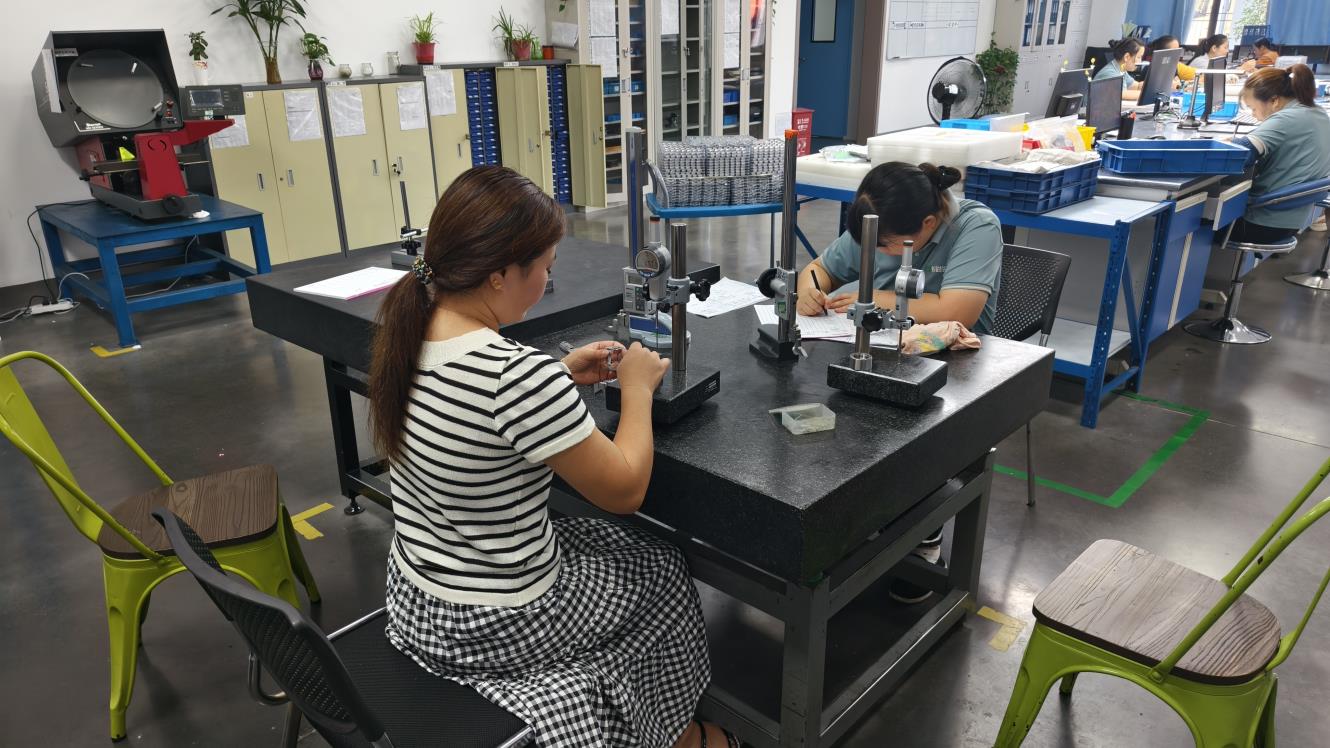
We employ a team of three dedicated QA/QC inspectors who carry out random inspections throughout production, as well as final checks according to specific client requirements (e.g., AQL standards). We also perform regular functional testing, micro-surface analysis, and dimensional checks.
Yes, all of our surgical instruments are designed for repeated steam autoclaving (steam sterilization at 134°C/273.2°F). Our high-grade alloys and surface passivation treatments prevent oxidation and maintain material integrity over multiple sterilization cycles.