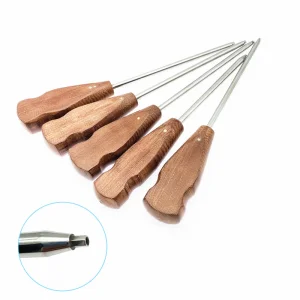
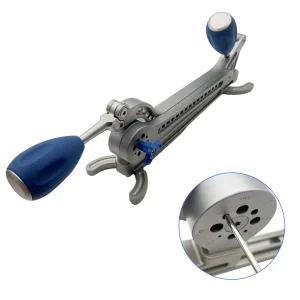
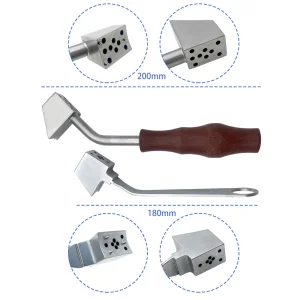
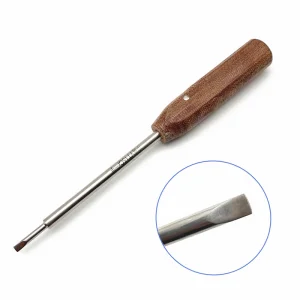
SENJIE Healthy & Technology
SENJIE Healthy & Technology
SENJIE Healthy & Technology
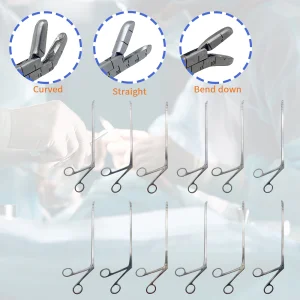
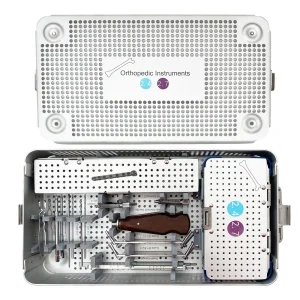
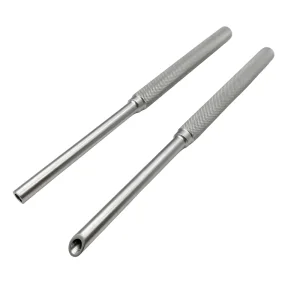
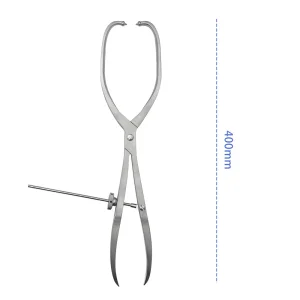
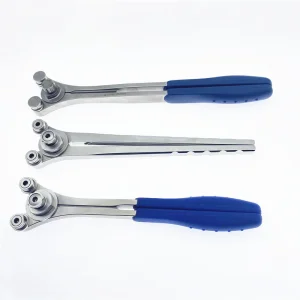
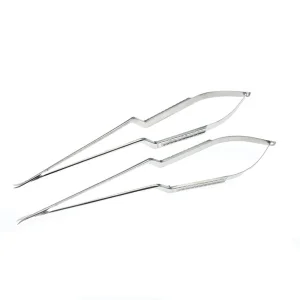
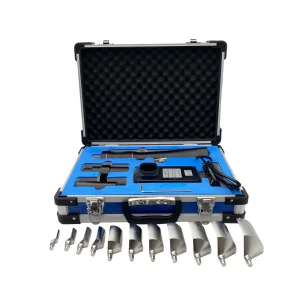
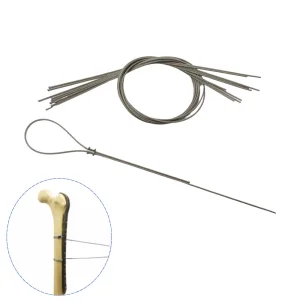
In modern reconstructive surgery, joint arthroplasty, and trauma management, the precision of bone cutting tools directly dictates the clinical outcomes of patients. Advanced osteotomy systems are designed to provide sharp, thermal-stable cuts while minimizing micro-cracking, structural mechanical stresses, and adjacent tissue damage. Traditional techniques utilizing mechanical reciprocating or sagittal saws are increasingly supplemented or replaced by high-performance surgical power rigs and ultra-precise micro-cutting tools.
Surgical execution relies heavily on the physical properties of the blade and cutting parameters. When mechanical friction induces localized temperatures exceeding 47°C for more than one minute, local bone necrosis (osteonecrosis) occurs, severely compromising implant anchorage and the natural bone remodeling phase. As a premier Custom OEM Bone Cutting Systems manufacturer, we optimize geometry, material chemistry, and thermal properties to eliminate these risks. Our designs prioritize cooling pathways, high-frequency cutting stability, and micro-bite profiles.
Translating a concept to clinical-grade metal is a process requiring deep material and metallurgical expertise. Our custom OEM pipeline utilizes a structured six-step progression to take products from design validation to global distribution:
We generate and simulate advanced 3D models under stress using Finite Element Analysis (FEA) to confirm ultimate tensile strength, yield limits, and fatigue life under varying loading frequencies.
Choosing from Surgical Steel (316L, 420, 630) or Grade 5 Titanium alloys based on specific surgical application demands, such as wear resistance, biocompatibility, and rigidity.
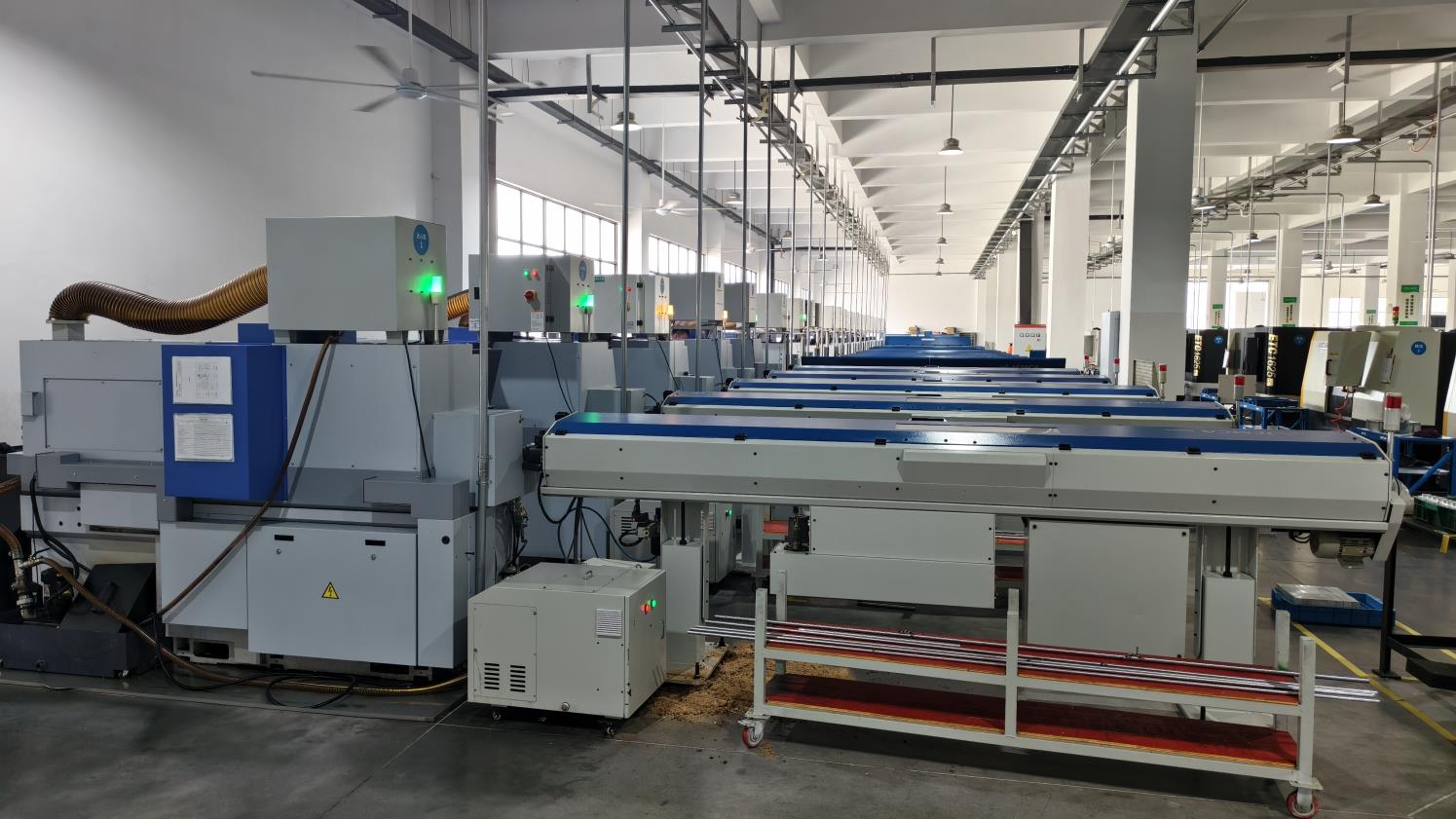
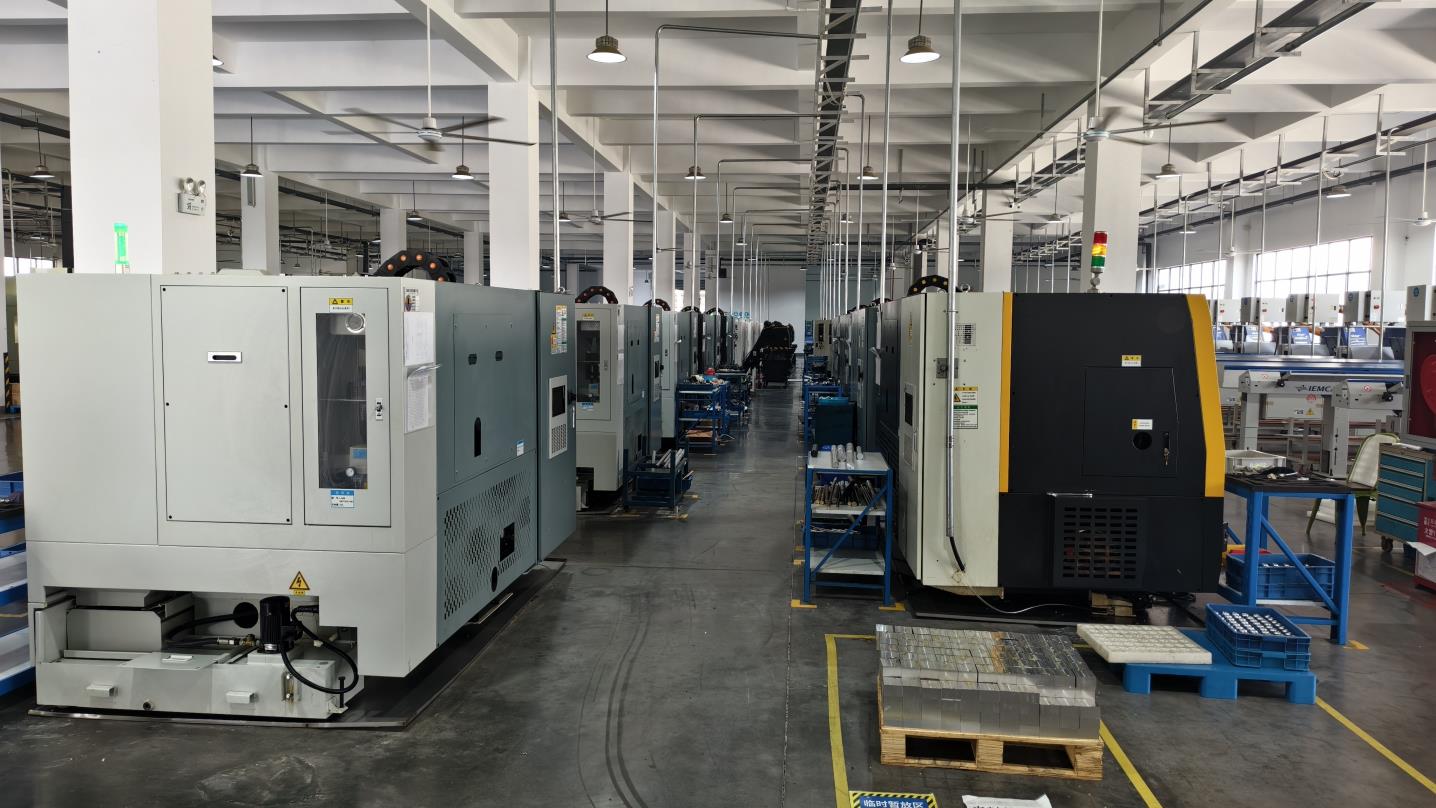
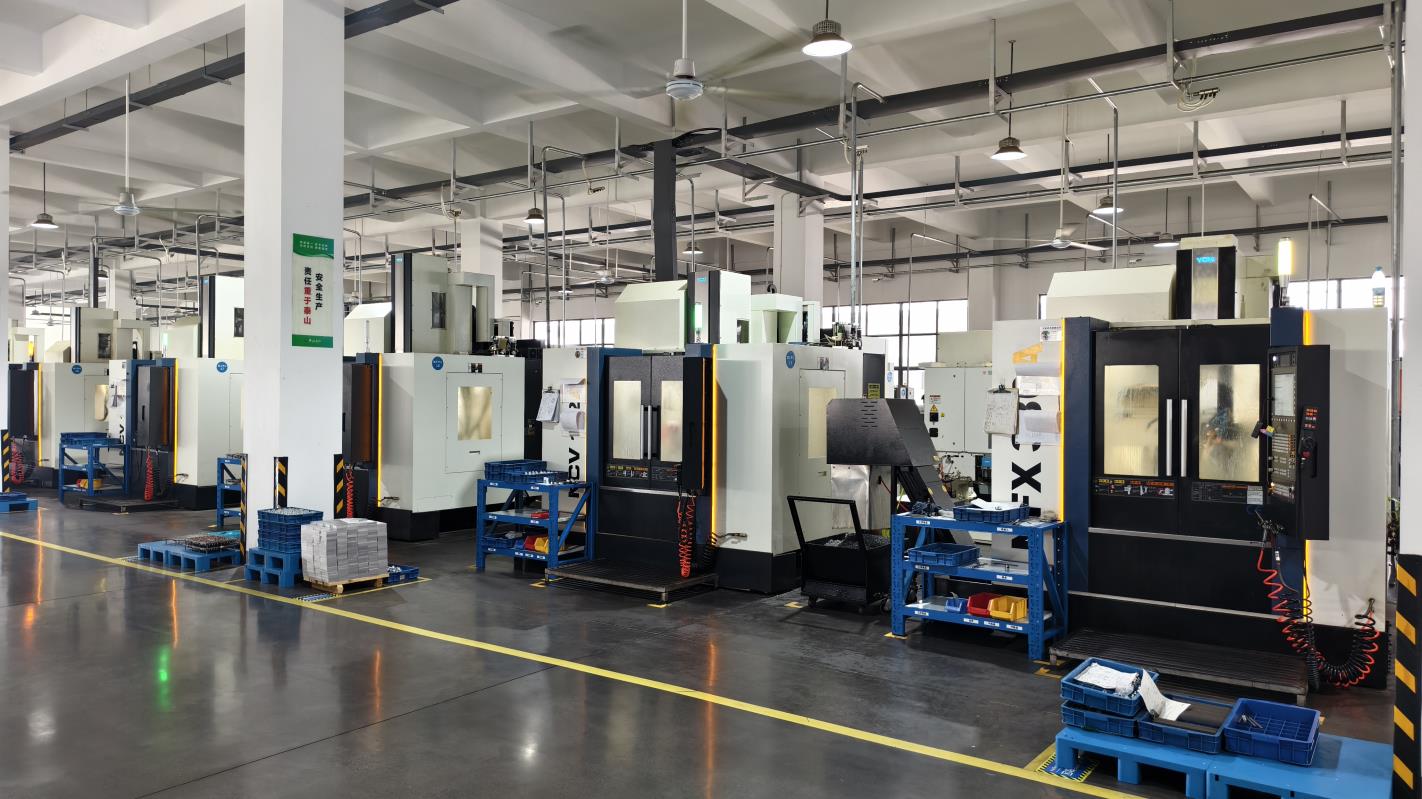
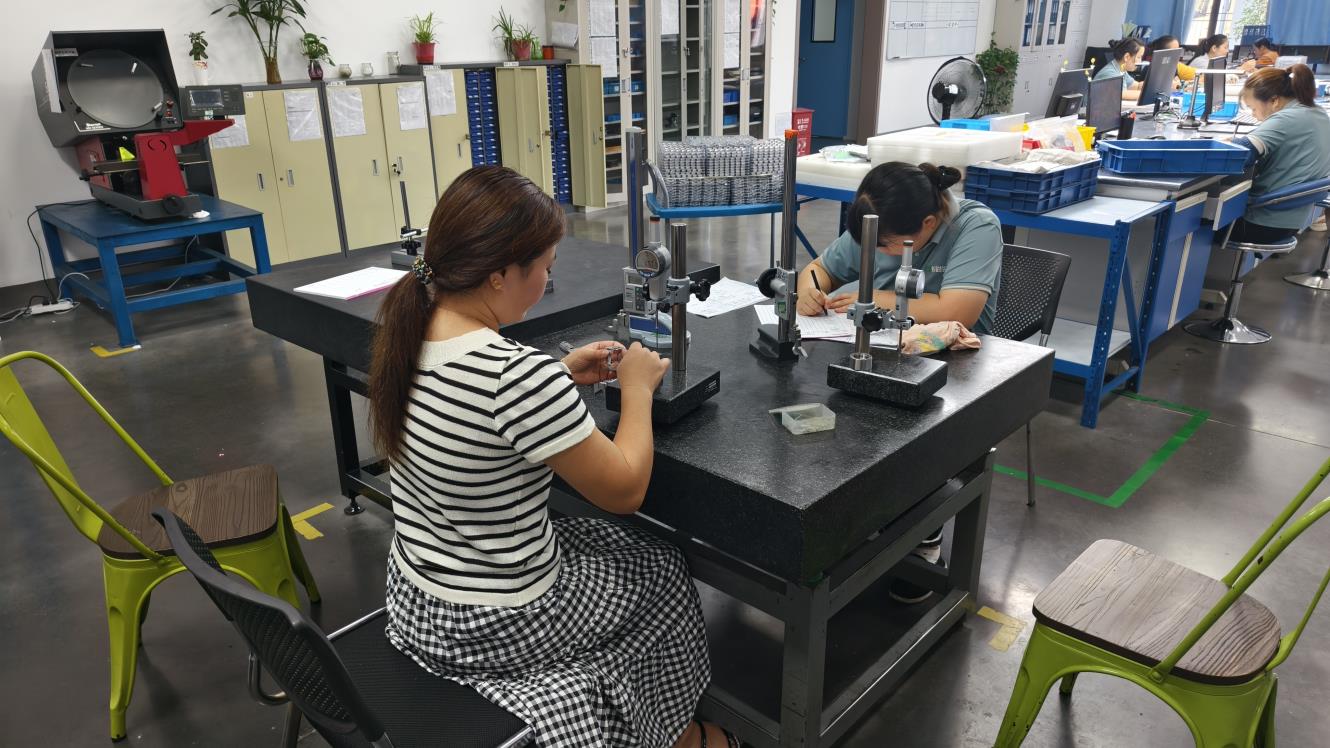
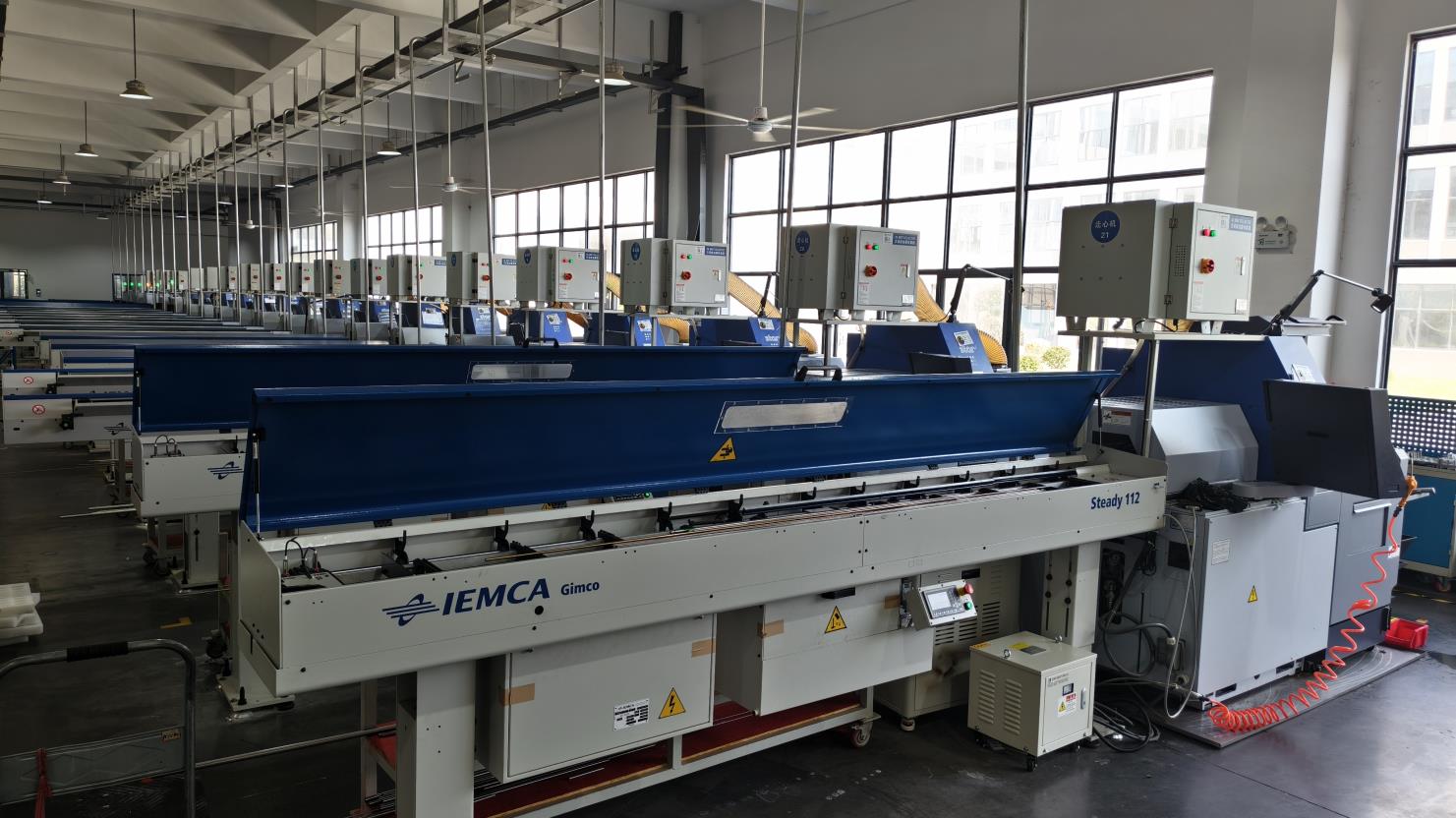
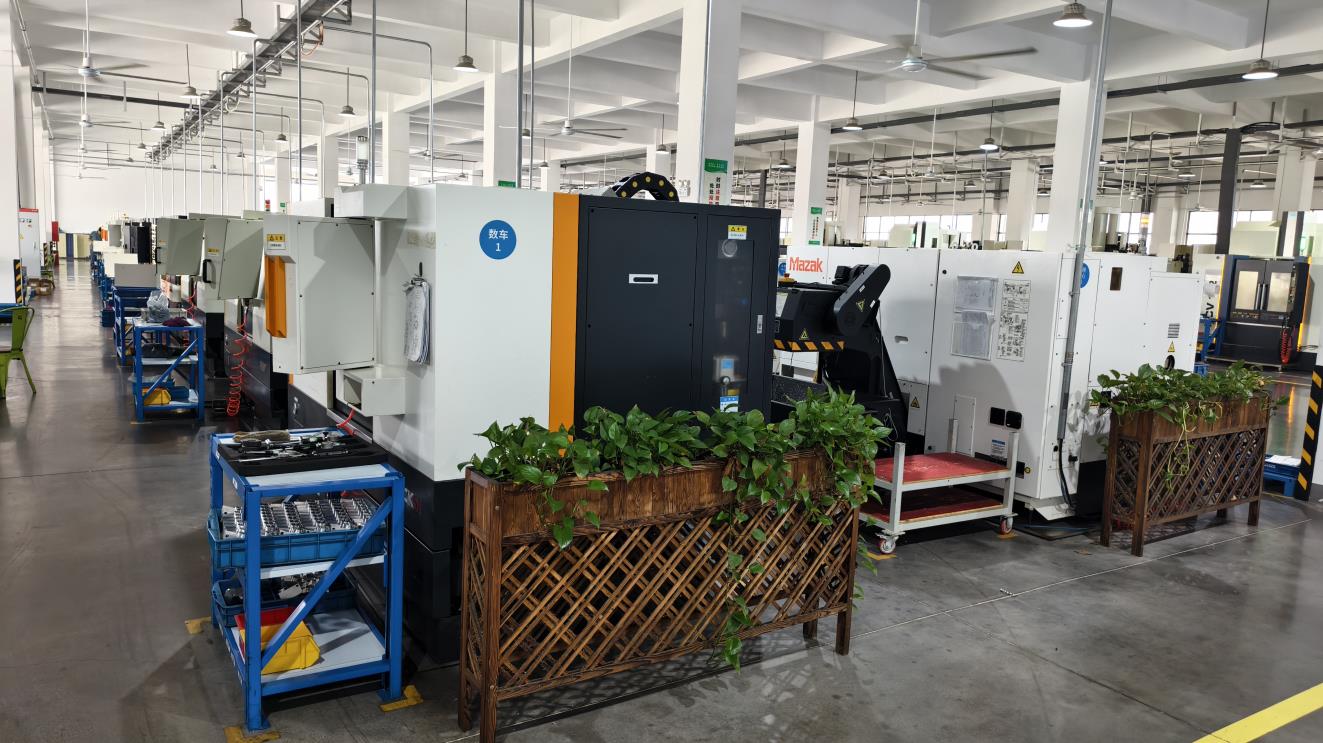
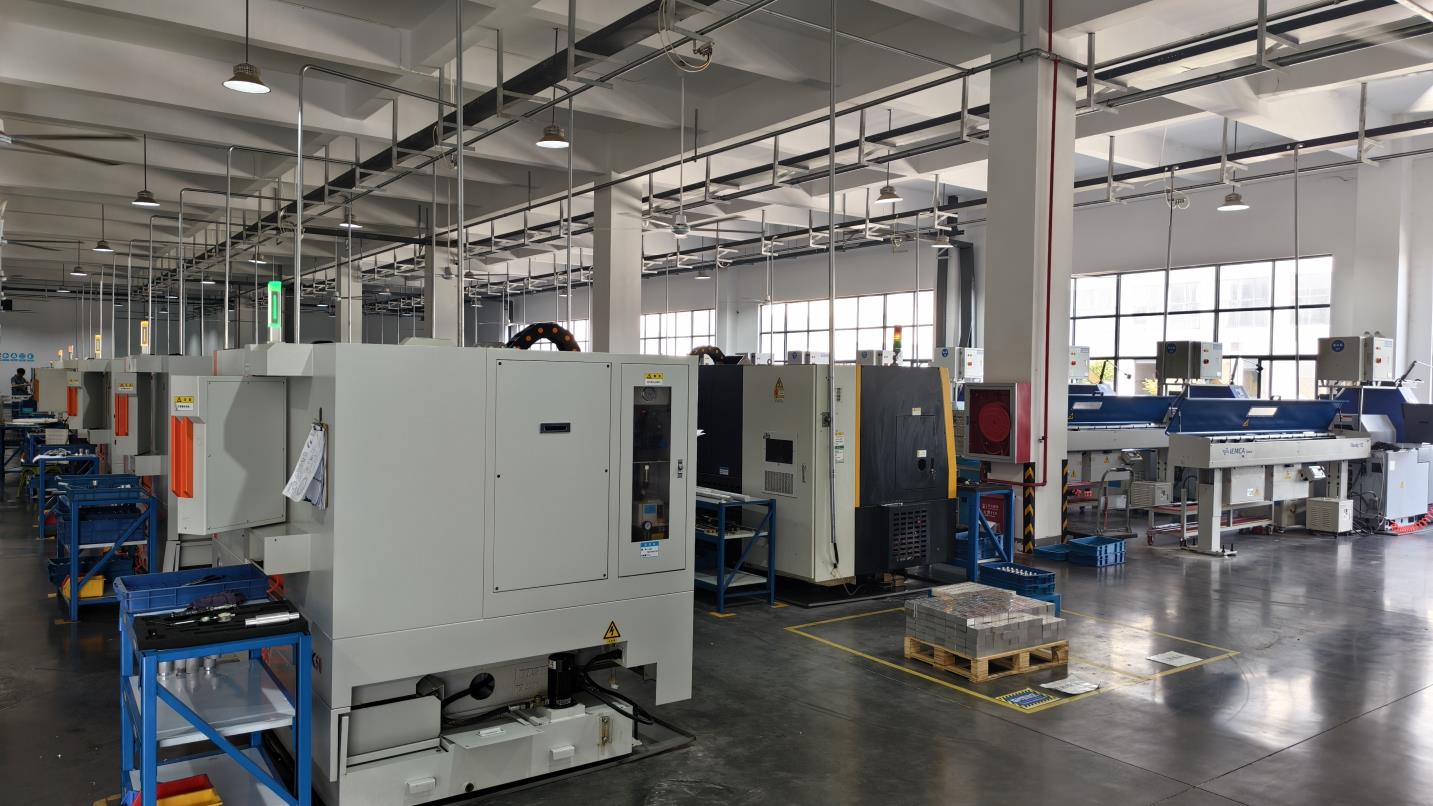
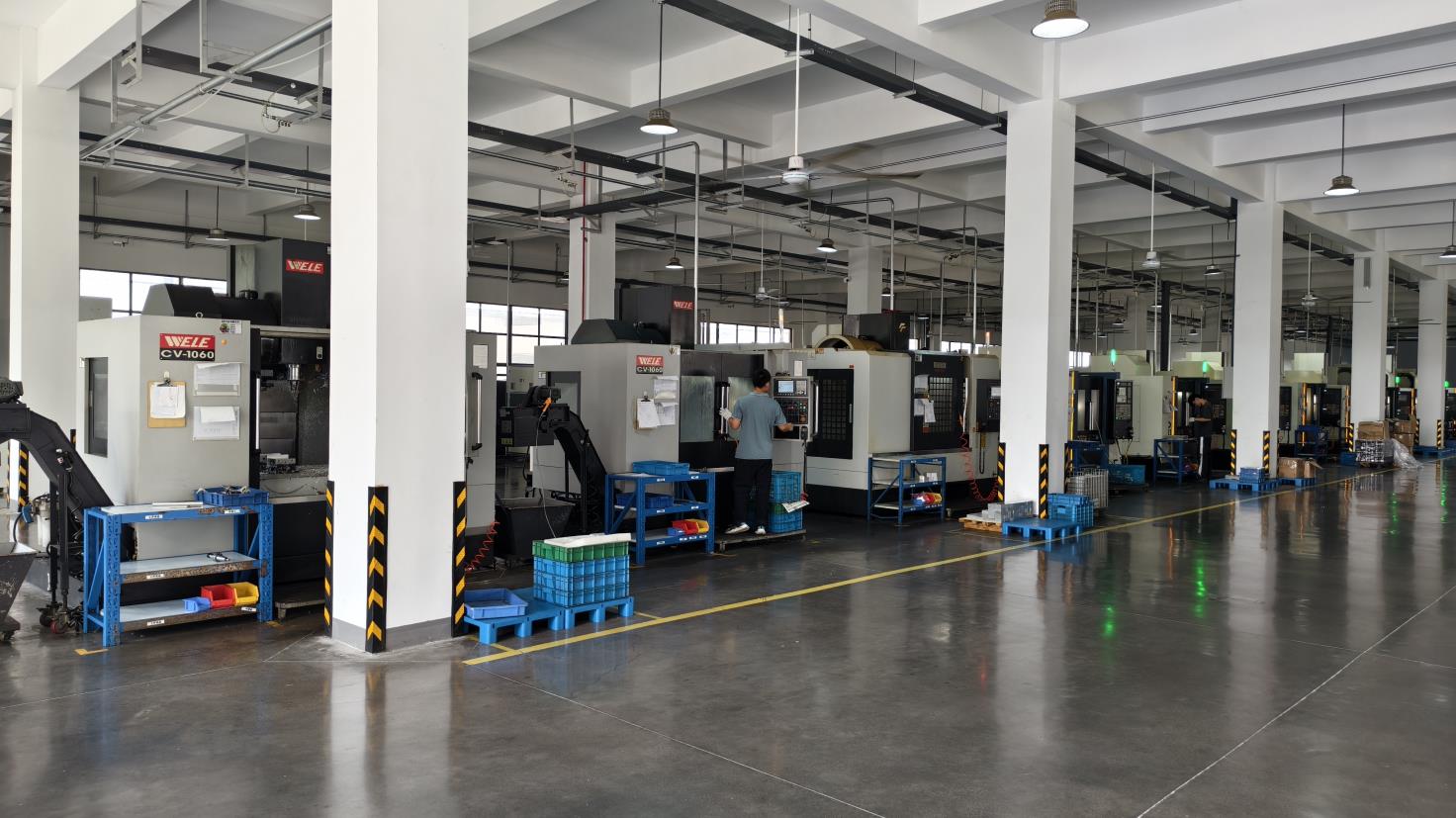
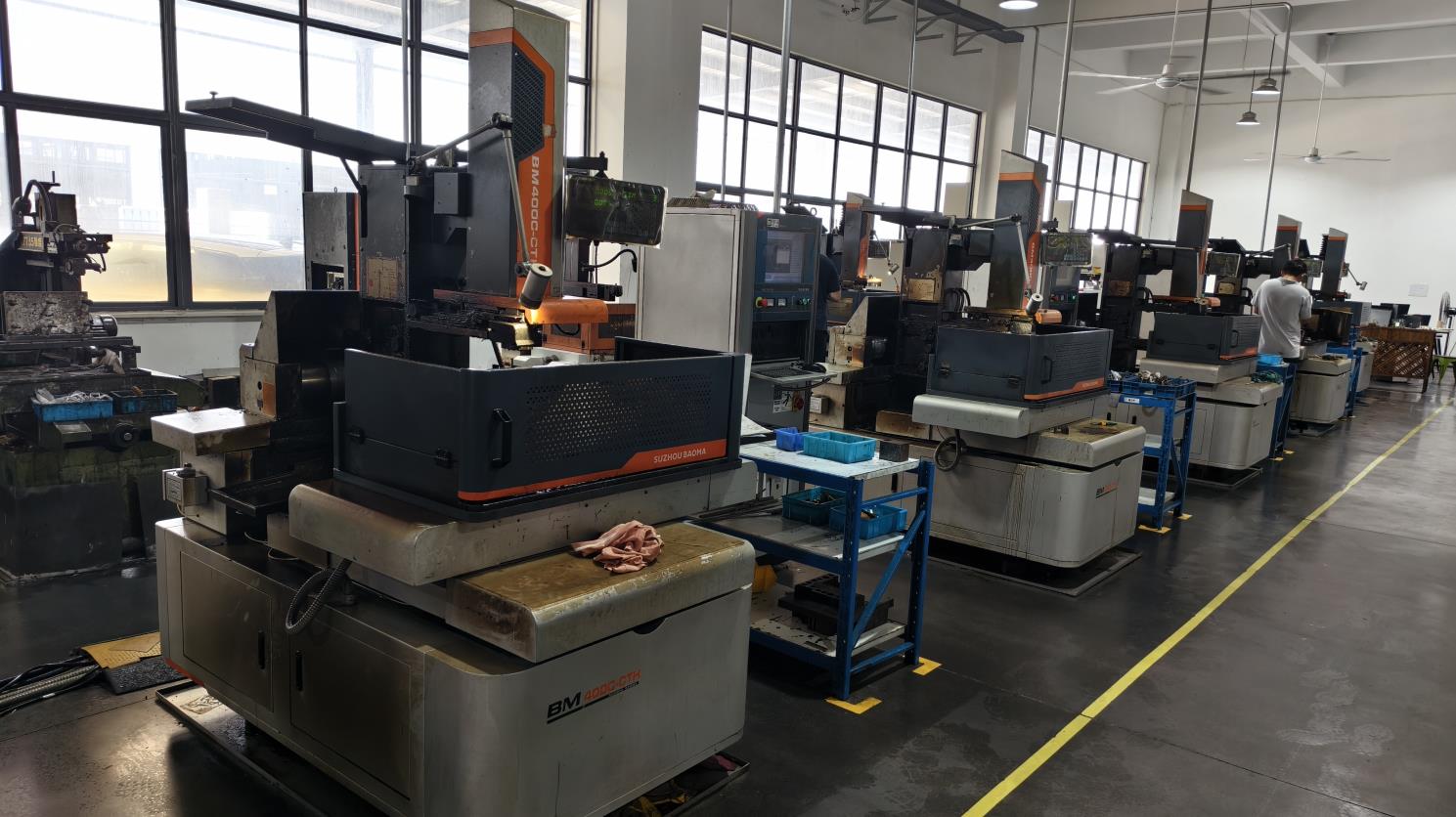
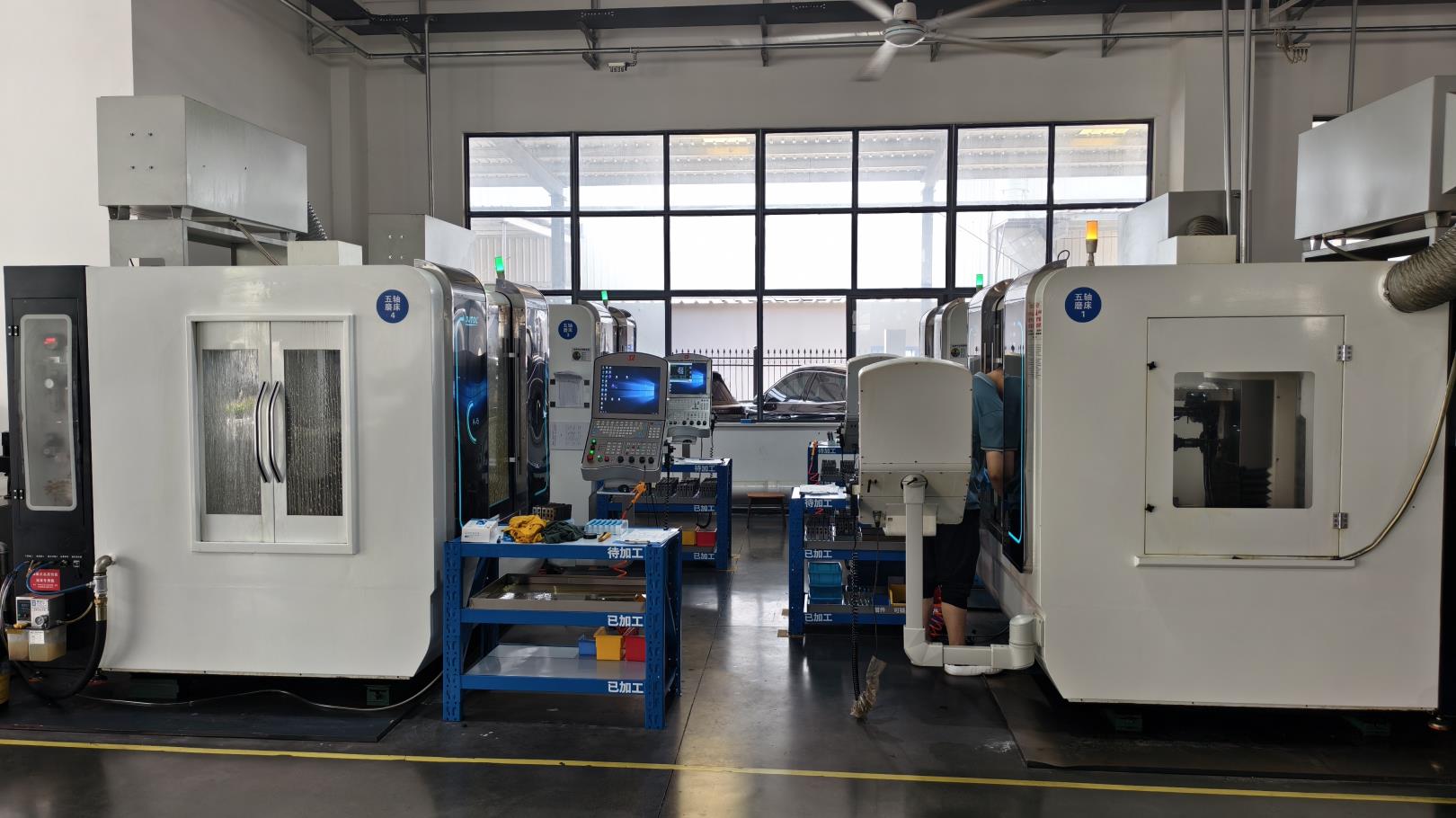
Implementing multi-axis Swiss-style CNC turning and precision grinding to produce components with dimensional tolerances within ±5 micrometers.
We offer electropolishing, passivating, and PVD titanium nitride (TiN) or Diamond-Like Carbon (DLC) coating to enhance hardness, reduce wear, and lower friction during high-frequency bone contact.
Exhaustive mechanical verification trials are conducted using synthetic bone models (sawbones) to confirm performance metrics such as bite force, clean exit profiles, and heat generation.
Cleanroom packaging and strict design adaptations to withstand autoclave steam heat, ethylene oxide (EtO), or gamma sterilization protocols.
| Material Designation | Ultimate Tensile (MPa) | Hardness Range | Biocompatibility Standard | Primary Clinical Application |
|---|---|---|---|---|
| Medical Grade 316L SS | ≥ 485 | 150 - 200 HB | ASTM F138 | Reduction forceps, Kirschner wires, benders |
| Martensitic 420 SS | ≥ 700 | 48 - 52 HRC | ASTM F899 | Micro-scissors, bone drills, cutting blades |
| Grade 5 Titanium (Ti6Al4V) | ≥ 895 | 300 - 340 HB | ASTM F136 | Bone fixation plates, orthopedic pins |
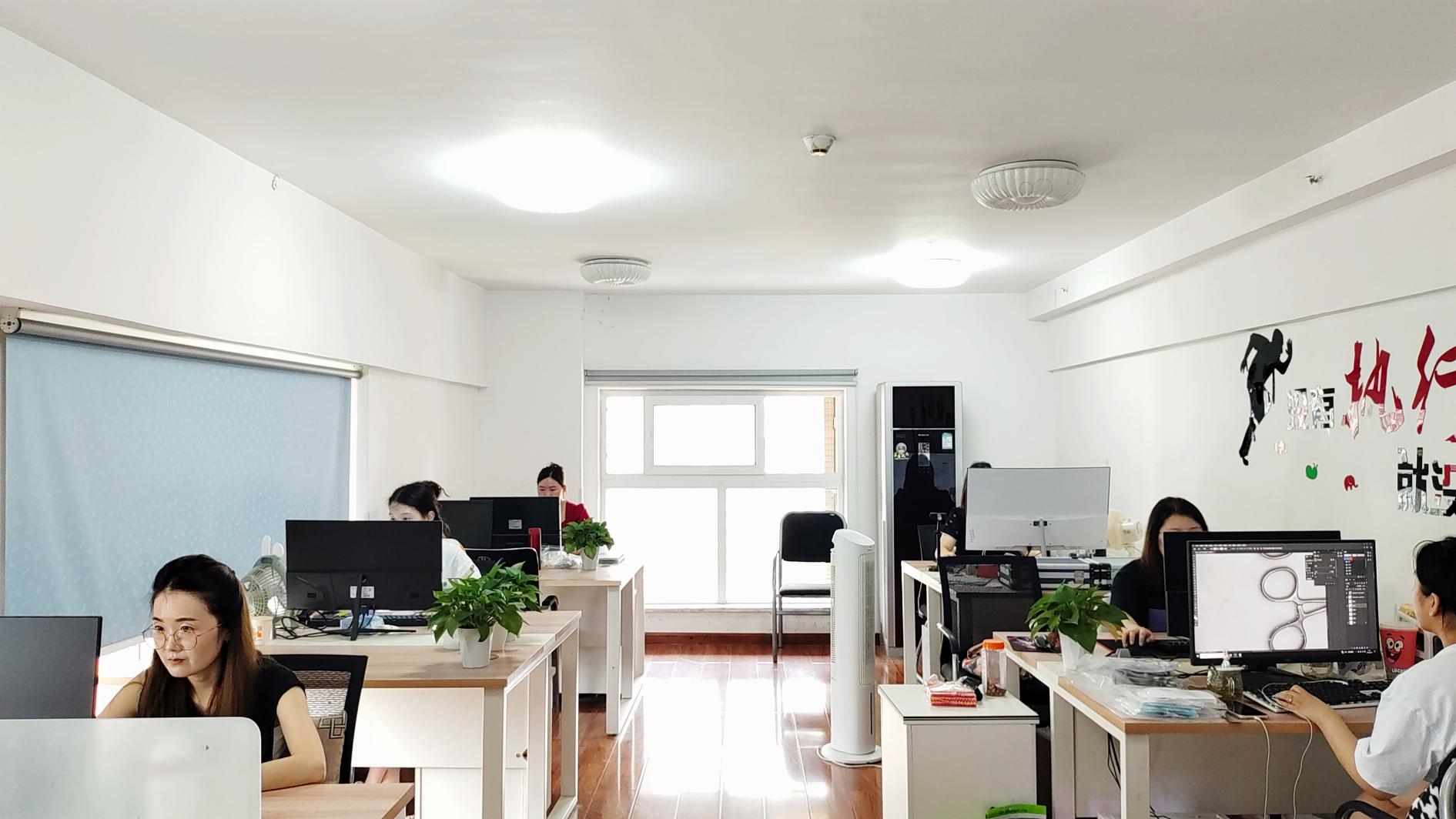
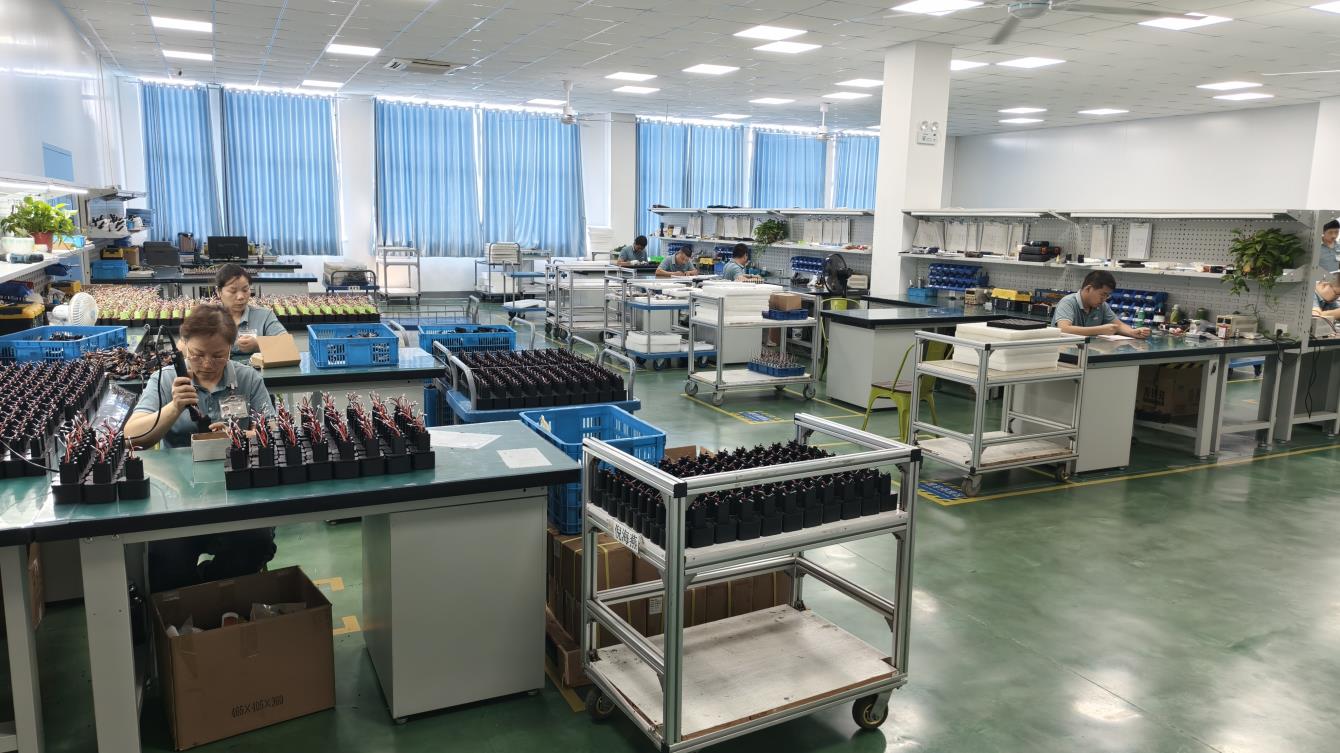
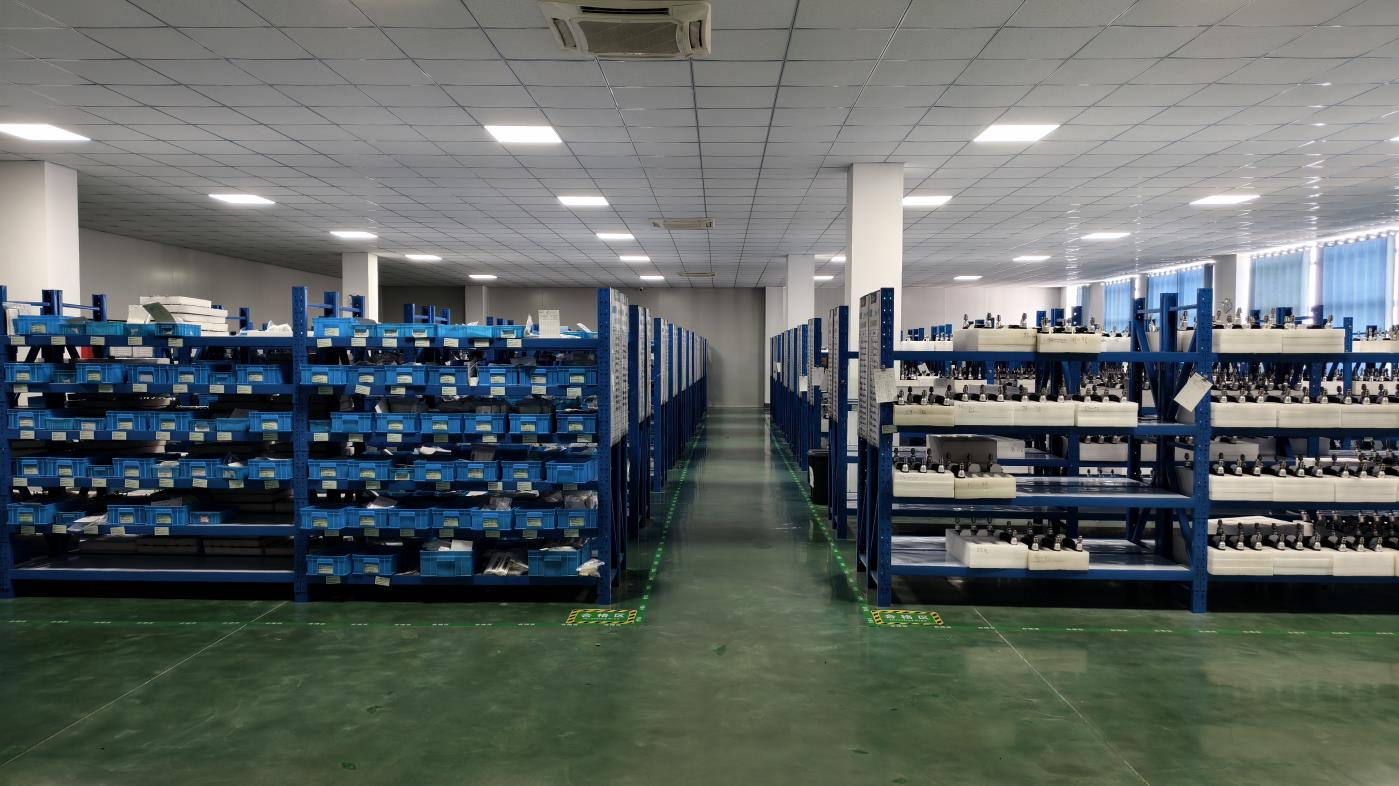
Operating within global medical supply lines requires high flexibility and fast turnarounds. Located in a premier medical device manufacturing zone in China, our facilities provide strong vertical integration. We manage the entire product life cycle on-site, including raw material metallurgical testing, forging, multi-axis machining, automated cleanroom washing, surface functional coating, and regulatory inspection.
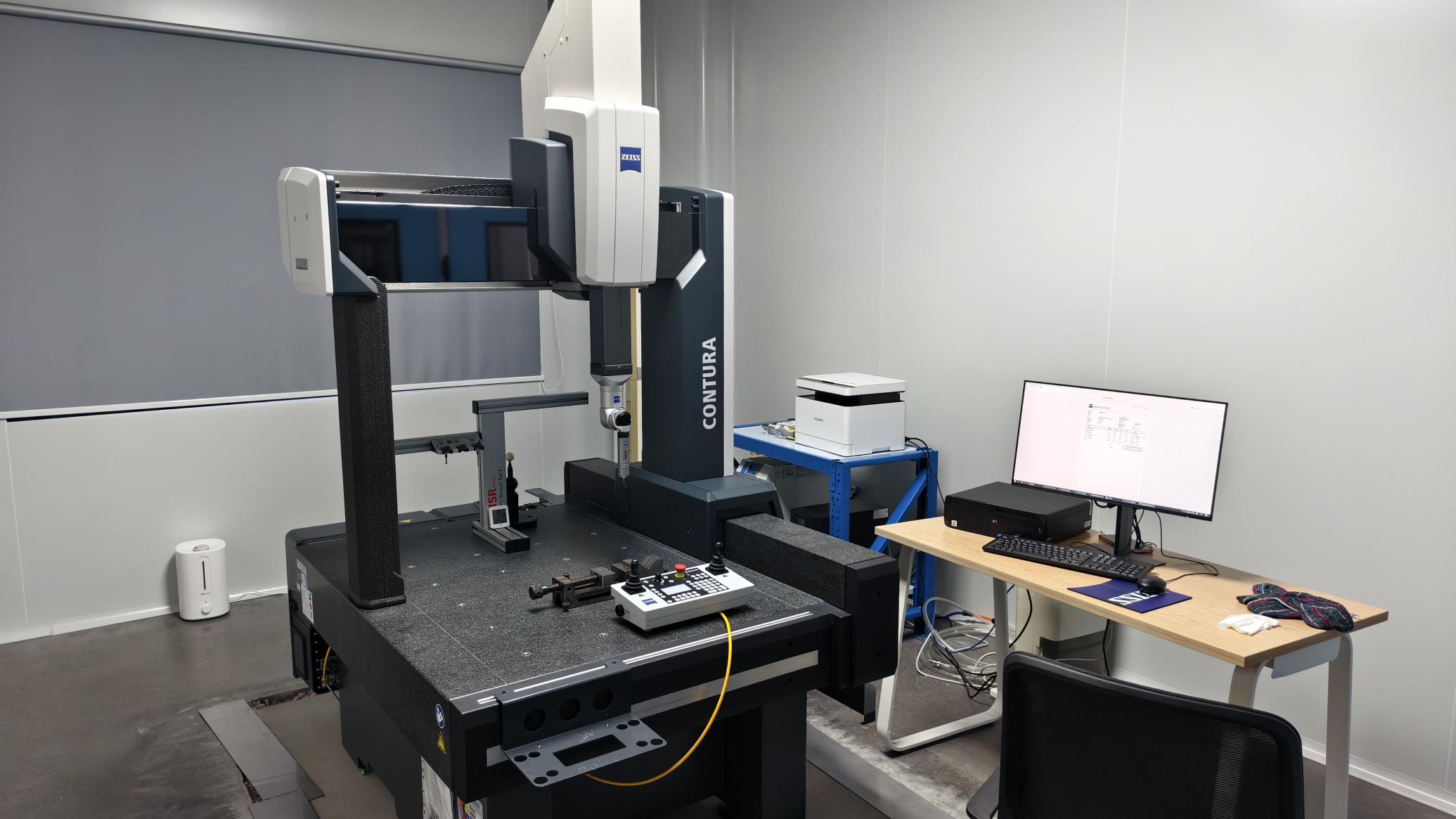
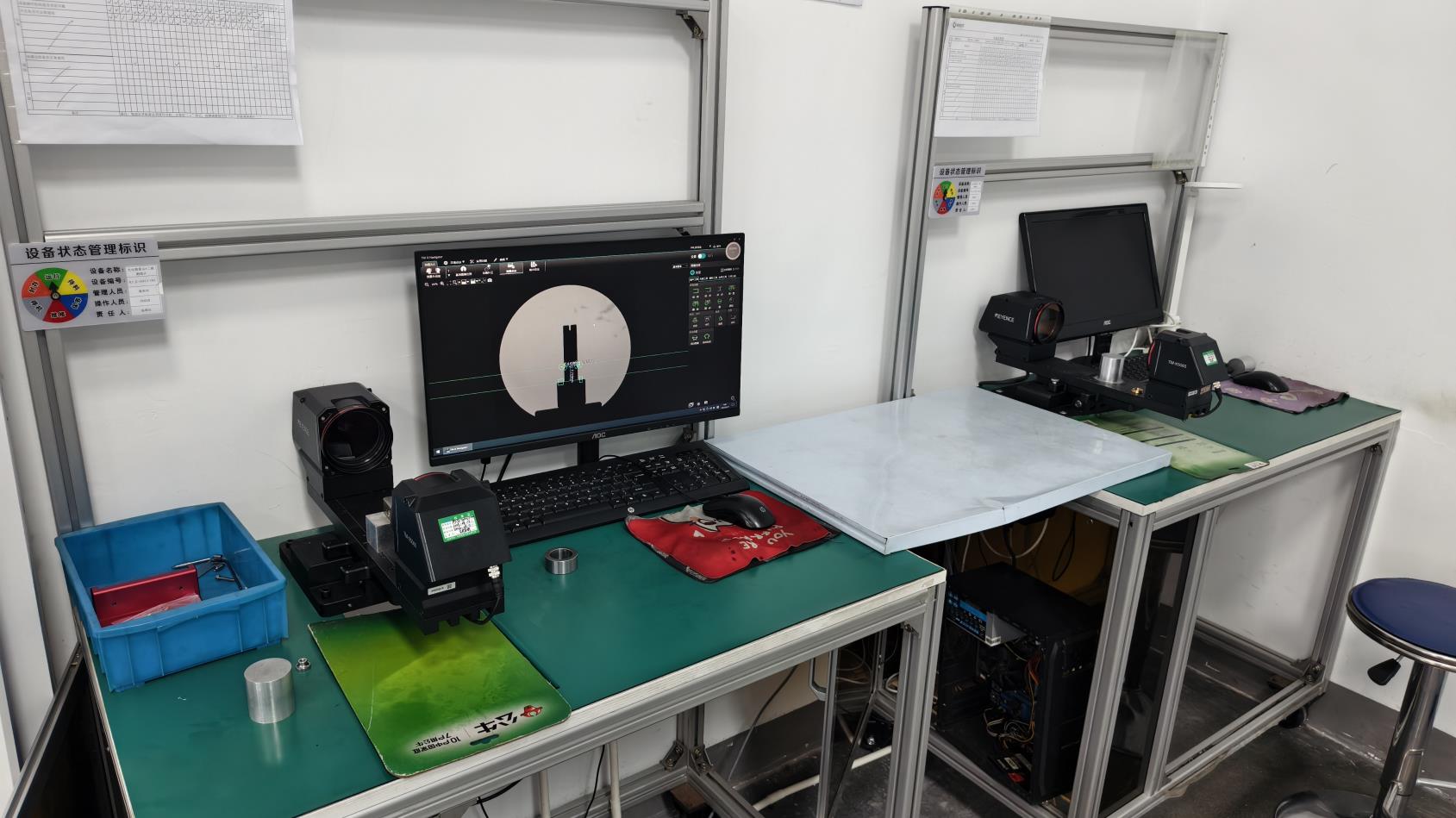
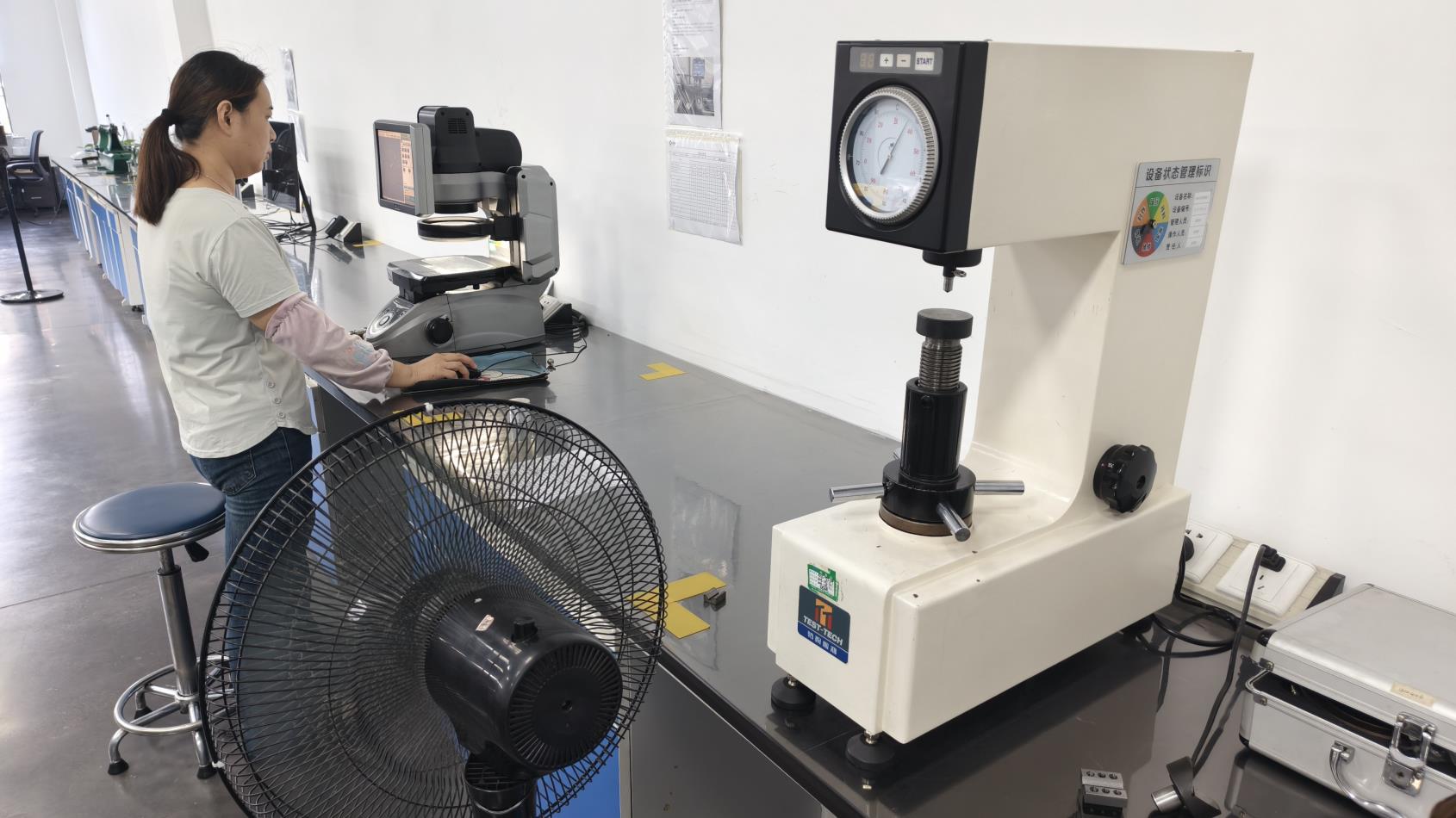
Through our strict QA/QC program, featuring 3 dedicated full-time quality inspectors, all production steps include comprehensive testing. Every single manufacturing lot of medical grade raw steel or titanium is tracked through chemical spectroscopy, verifying that no material defects or micro-structural issues escape to packaging.
Different surgical procedures demand specific properties from cutting tools. Our customized OEM cutting systems are engineered to perform across four main areas:
For joint replacement, spinal fusion, and fracture fixation, our tools support precise osteotomy and bone reduction. This helps minimize bone loss and ensures strong, stable contact between implants and bone.
Specialized veterinary procedures, such as Tibial Plateau Leveling Osteotomy (TPLO), require highly specific curved cuts. Our TPLO arc saws are designed to provide clean, precise geometries, supporting rapid post-operative healing in small and large animals.
In cranial osteotomy, cutting systems must feature clean feedback, preventing damage to soft meningeal tissues while cutting through dense bone structures with stability.
The field of bone cutting is shifting toward smarter, safer systems. As surgical methods advance, we are actively developing and incorporating three next-generation technologies:
Surgical instruments must meet strict international standards to ensure patient safety. Our manufacturing processes conform to global medical quality guidelines, maintaining clear documentation throughout production.
Each product batch undergoes strict post-production validation:
Standard rapid prototyping stages generally take 15 to 25 days depending on the structural complexity of the tool. This timeline includes CAD modeling, multi-axis CNC programming, sample production, and basic mechanical testing.
We require material test reports (MTR) for all incoming metals, including steel and titanium. Our quality control team verifies chemistry, tensile strength, and material purity to ensure compliance with ASTM standards before production begins.
We offer titanium nitride (TiN) and Diamond-Like Carbon (DLC) coatings. These physical vapor deposition (PVD) coatings increase surface hardness, lower friction coefficients, and reduce heat generation during rapid cutting.
Yes, we provide full OEM custom branding services. This includes high-resolution laser marking for company logos, part numbers, lot codes, and alignment indicators directly onto the instrument surface.