SENJIE Healthy & Technology
SENJIE Healthy & Technology
SENJIE Healthy & Technology
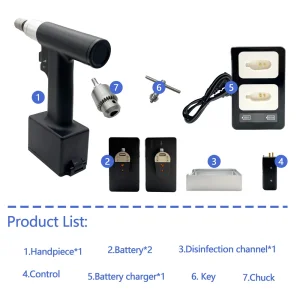
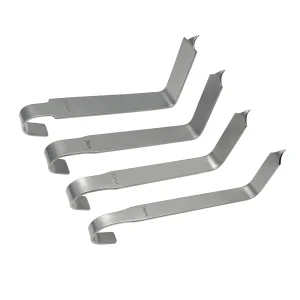
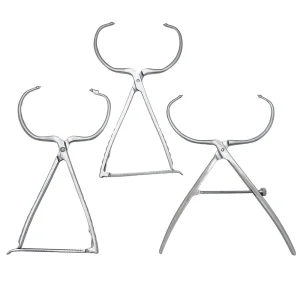
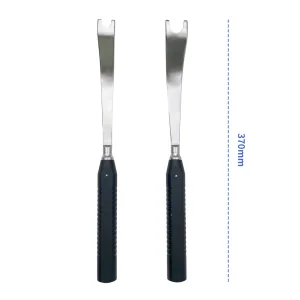
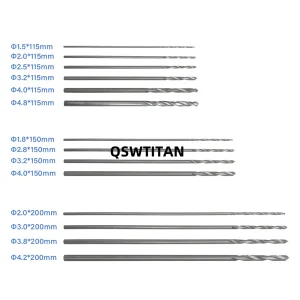
Explore our flagship collection of precision-engineered orthopedic surgical drills, spine retractors, and micro-instruments manufactured in our state-of-the-art facility.
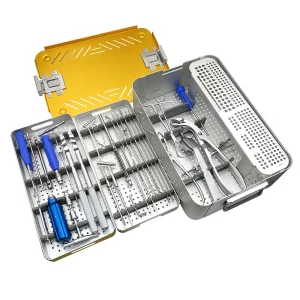
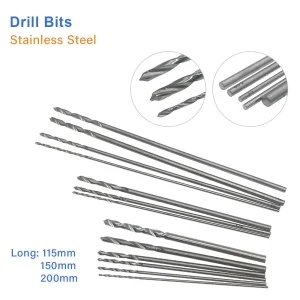
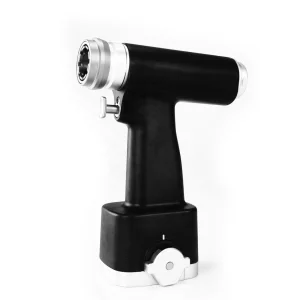
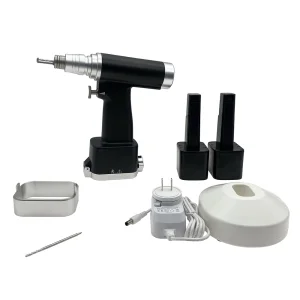
In modern operating theaters, visual exposure and tissue protection are paramount to surgical success. Surgical Retractor Systems are not mere passive metal instruments; they are critical ergonomic extensions of the surgeon's hands. Designed to separate the edges of a surgical incision or back-hold specific tissues and organs, these systems directly dictate the accessibility of the surgical site, the efficiency of the clinical procedure, and the minimization of tissue trauma.
EEAT Core Competency Indicator: Medical retractors must maintain tensile integrity under extreme mechanical load while minimizing tissue necrosis. This is achieved by combining advanced biomechanics with high-performance alloys.
As a leading exporter of surgical instrumentation, our company integrates cutting-edge metallurgy with precision machining to manufacture self-retaining, table-mounted, and handheld retractors. Our systems cater to diverse clinical specialties including orthopedics, neurosurgery, spinal interventions, cardiothoracic operations, and specialized veterinary surgeries. Through 6 years of industry presence and raw material traceability, we ensure that our surgical retractor configurations withstand autoclave sterilization (up to 134°C) without losing spatial retention capabilities or suffering galvanic corrosion.
Sourcing medical devices internationally involves navigating complex regulatory terrains, fluctuating material costs, and stringent quality control barriers. Hospitals, medical brand owners, and wholesale distributors require a reliable supply partner capable of bridging the gap between cost efficiency and technical compliance.
We exclusively utilize surgical-grade raw materials (SS304, SS316L, 17-4 PH, Grade 5 Titanium) accompanied by material test reports (MTR) to guarantee chemical compliance.
Our mechanical structures, specifically the ratchets in self-retaining systems, are engineered to prevent locking failures after hundreds of autoclave cycles.
We support sample-based processing, graphic CAD/CAM development, and tailor-made dimensional modifications to match localized surgical preferences.
The design engineering of retractor systems requires a profound understanding of physics, particularly the distribution of mechanical forces. Retracting blades must exert a constant force without causing ischemic injury to soft tissue structures. Below is our engineering roadmap for material utilization and ergonomic designs:
| Feature / Component | Material Applied | Surface Treatment Method | Clinical Intent |
|---|---|---|---|
| Retractor Blades | Stainless Steel (316L) / Titanium | Electropolishing & Sandblasting | Eliminate glare under LED surgical lights; reduce cellular adhesion. |
| Ratchet & Locking Arms | Hardened SS420 / 17-4 PH | Vacuum Heat Treatment | High yield strength to prevent slippage during self-retaining load. |
| Ergonomic Handles | Anodized Aluminum (6061-T6) | Micro-abrasive Anodization | Tactile grip enhancement and system weight reduction (up to 40%). |
| Spinal Retractor Hinges | Cobalt-Chromium / Titanium | Passivation & PVD Coating | Provide multi-axial articulation without debris formation from wear. |
Anti-Glare Surface Finish: Mirror-polished retractors reflect intense surgical light, leading to eye fatigue for surgeons. We utilize a specialized satin finish or black titanium aluminum nitride (TiAlN) coating to disperse light and improve deep-cavity visualization.
Interlocking Quick-Connect Mechanisms: To expedite setups in high-stress clinical environments, our modular retractor arms feature press-and-lock interfaces, allowing rapid blade replacement without additional screwdrivers.
As a vertically integrated manufacturer, we maintain control over the entire production cycle—from raw material alloy inspection to packaging. This control ensures our clients receive surgical instruments that comply with international quality expectations.
| Company Registration Date | 2019-11-20 (Operating for over 5 years with consistent growth) |
|---|---|
| Years in Exporting / Industry | 6 Years of Global Export Operations |
| Main Target Markets | North America (25%), South America (25%), Southeast Asia (15%) |
| Customization Capabilities | Sample processing, graphic CAD/CAM file processing, customized on-demand specifications |
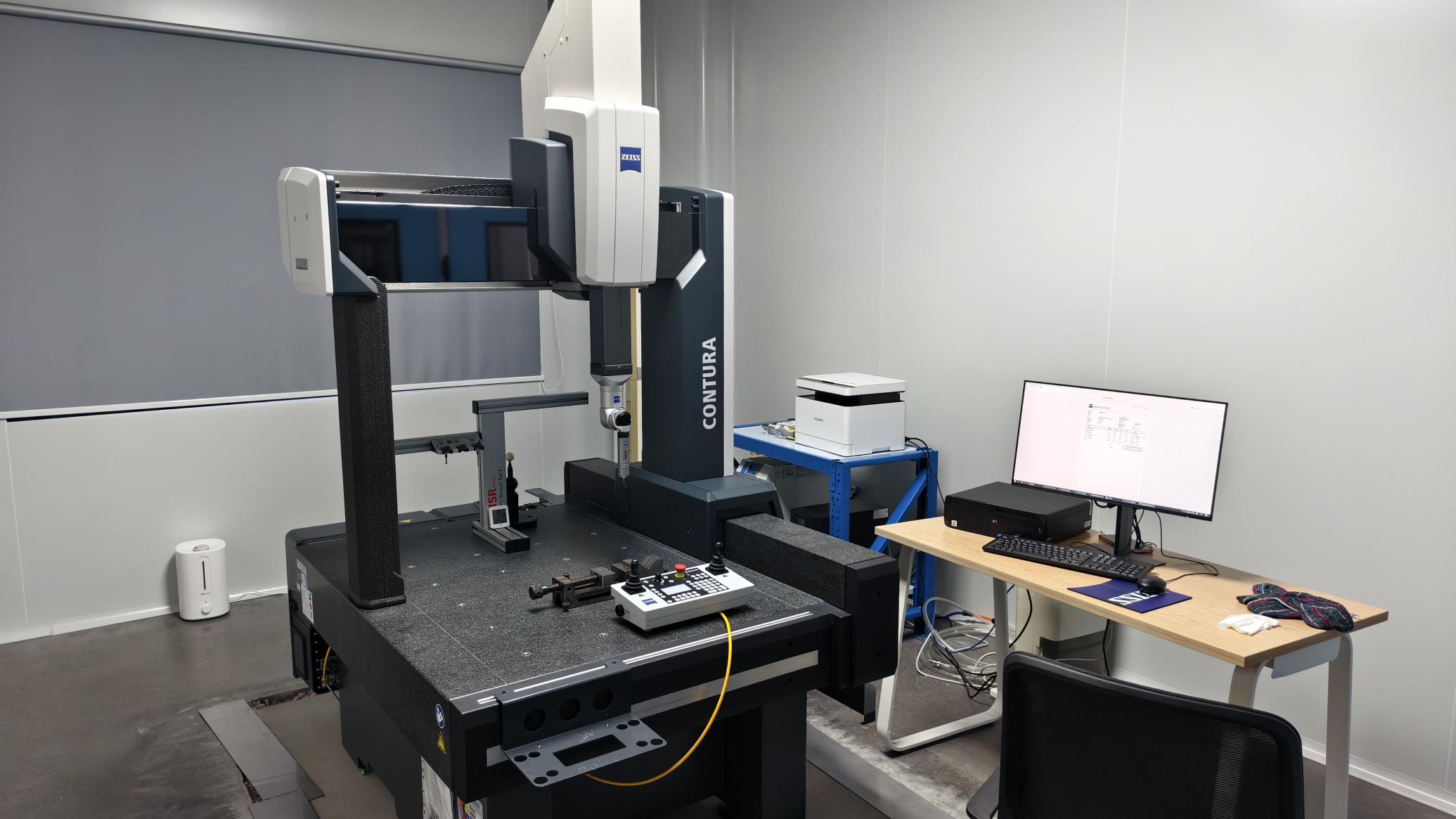
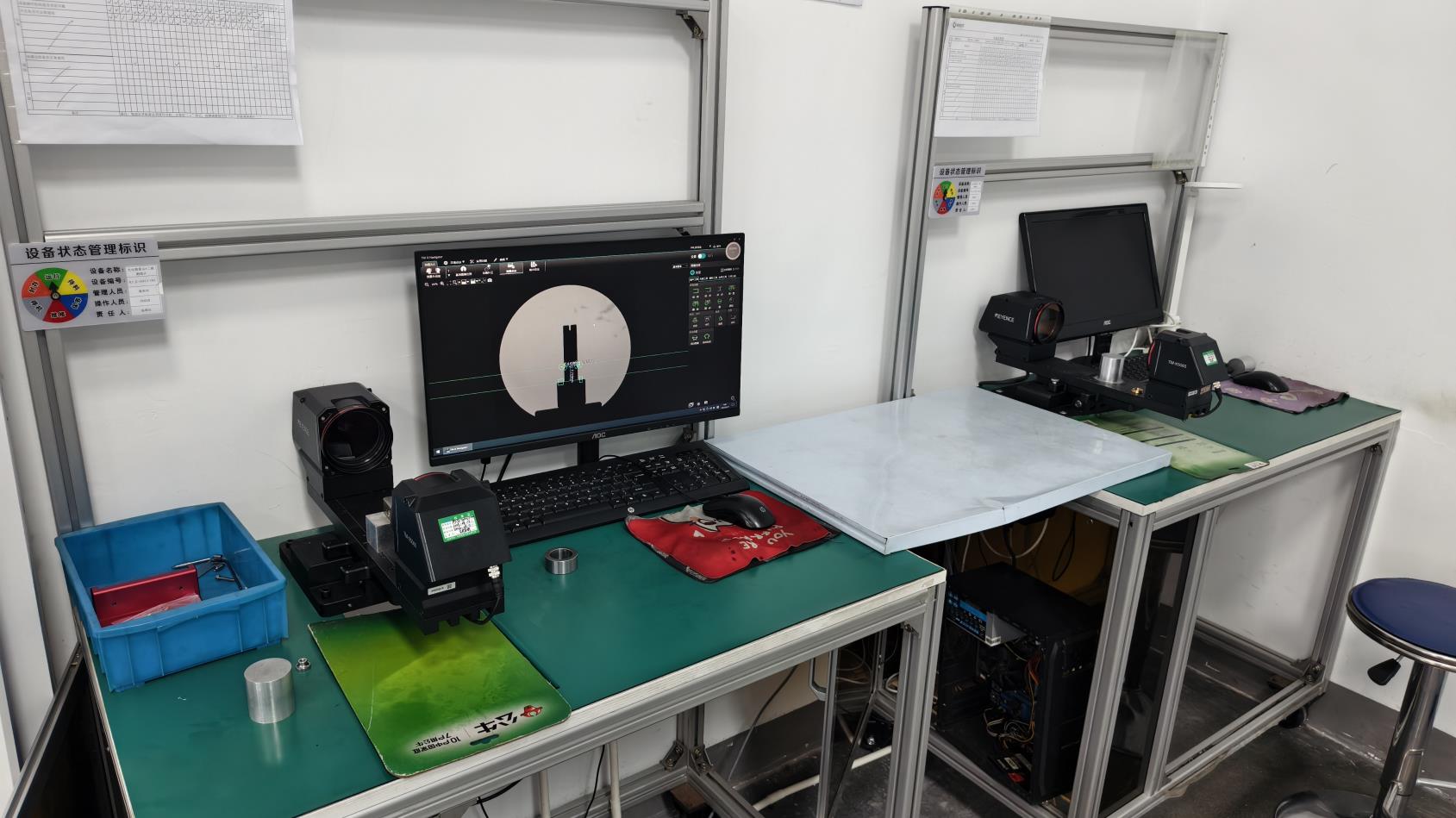
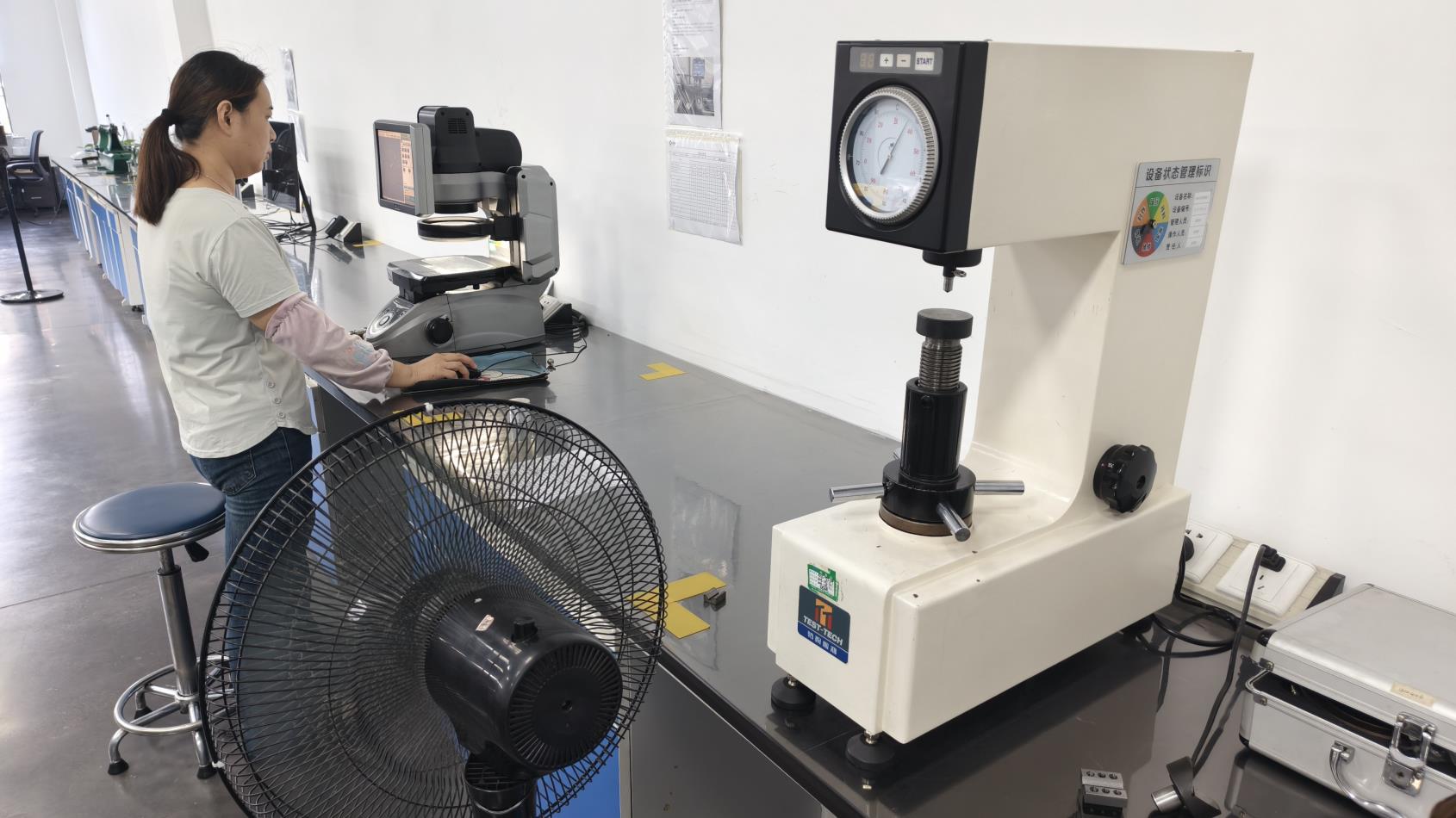
| Quality Assurance Team | 3 Dedicated QA/QC Inspectors managing in-process and final checks |
| Quality Control Protocols | Product support traceability of raw materials; random inspection or 100% inspection according to client requirements |
| Language Support | English (Technical negotiations, documentation, and customer support) |
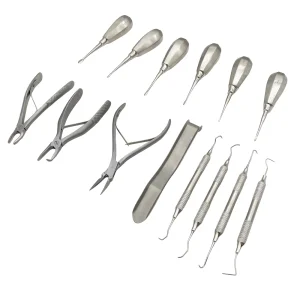
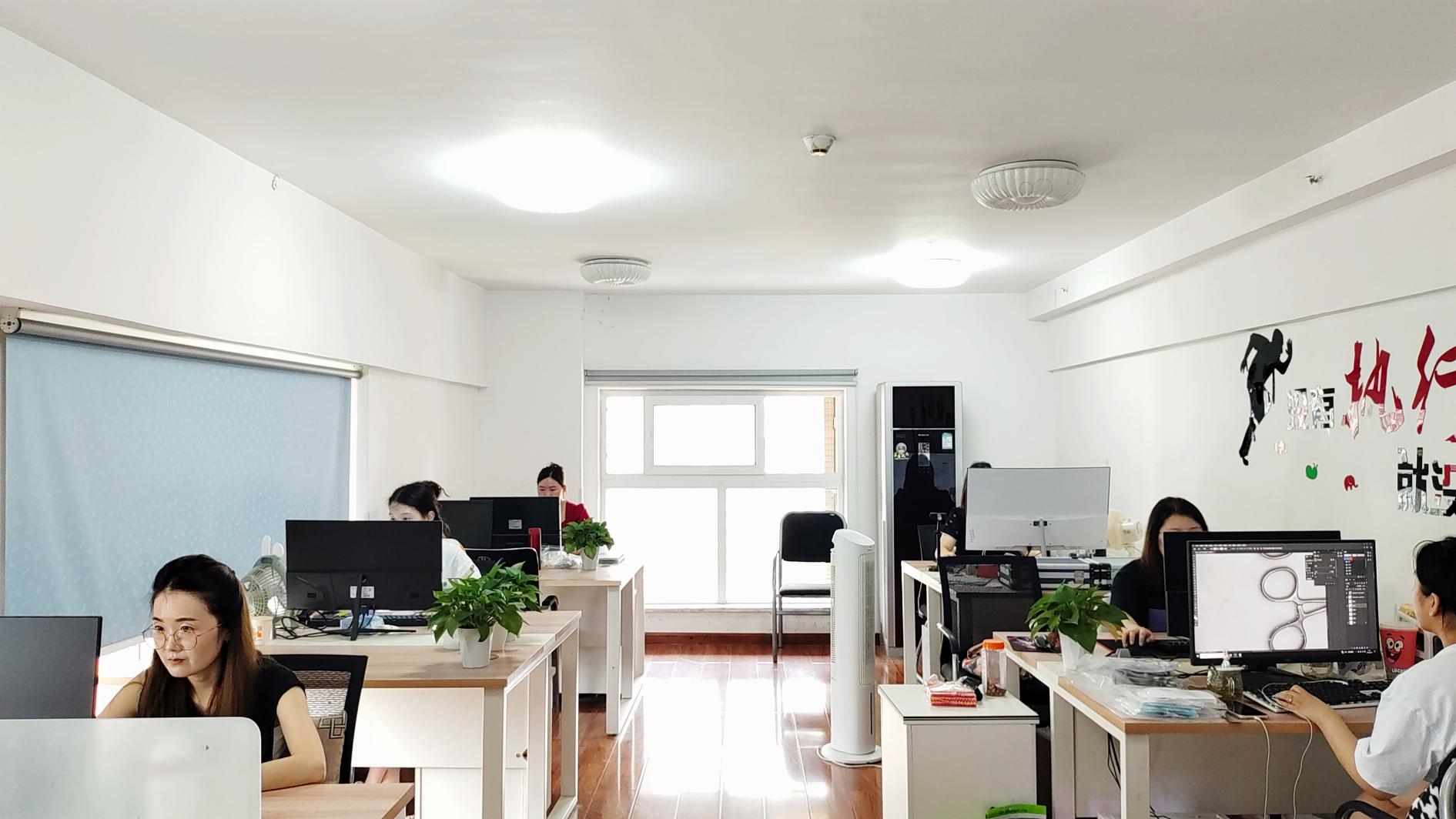
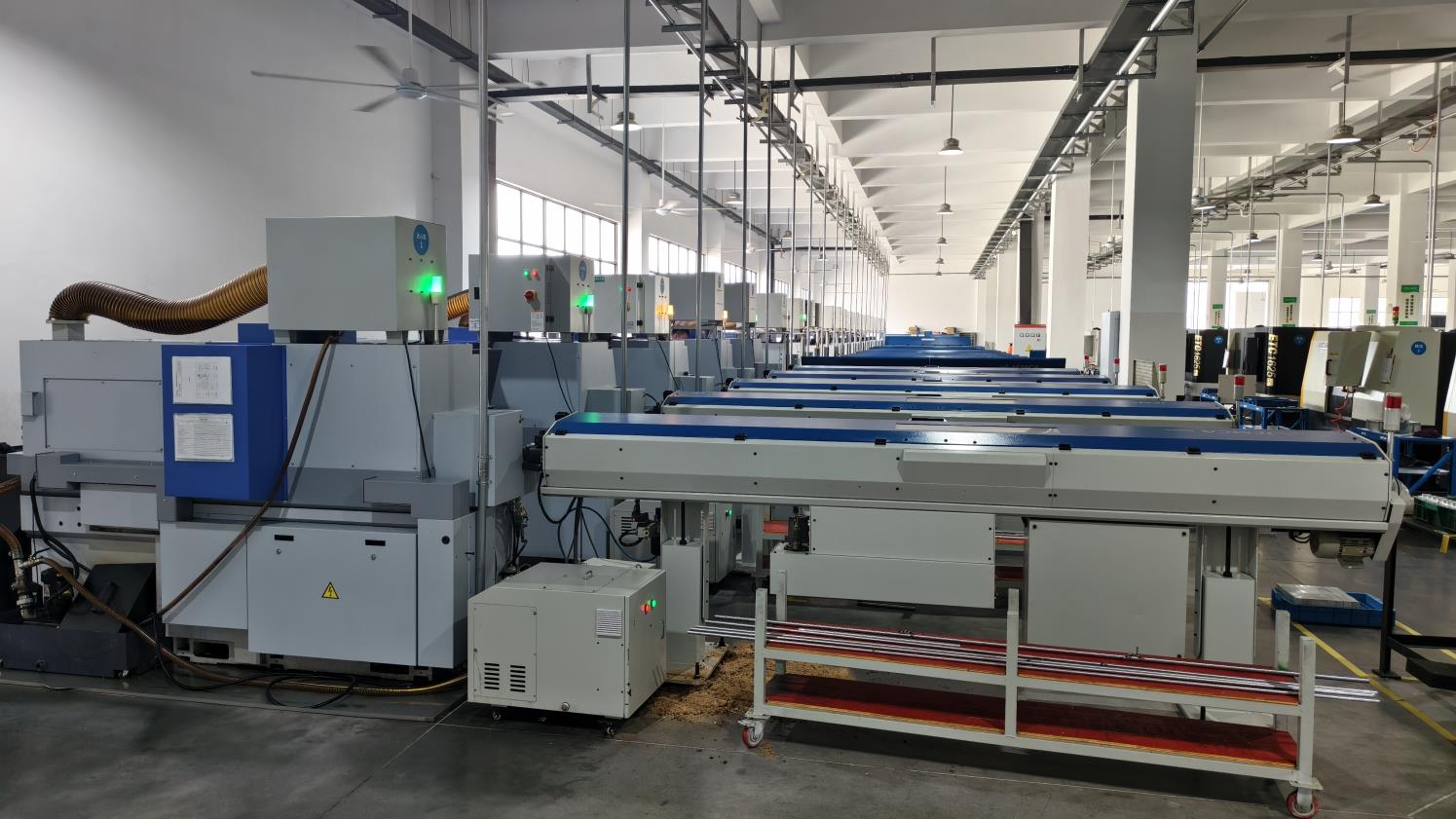
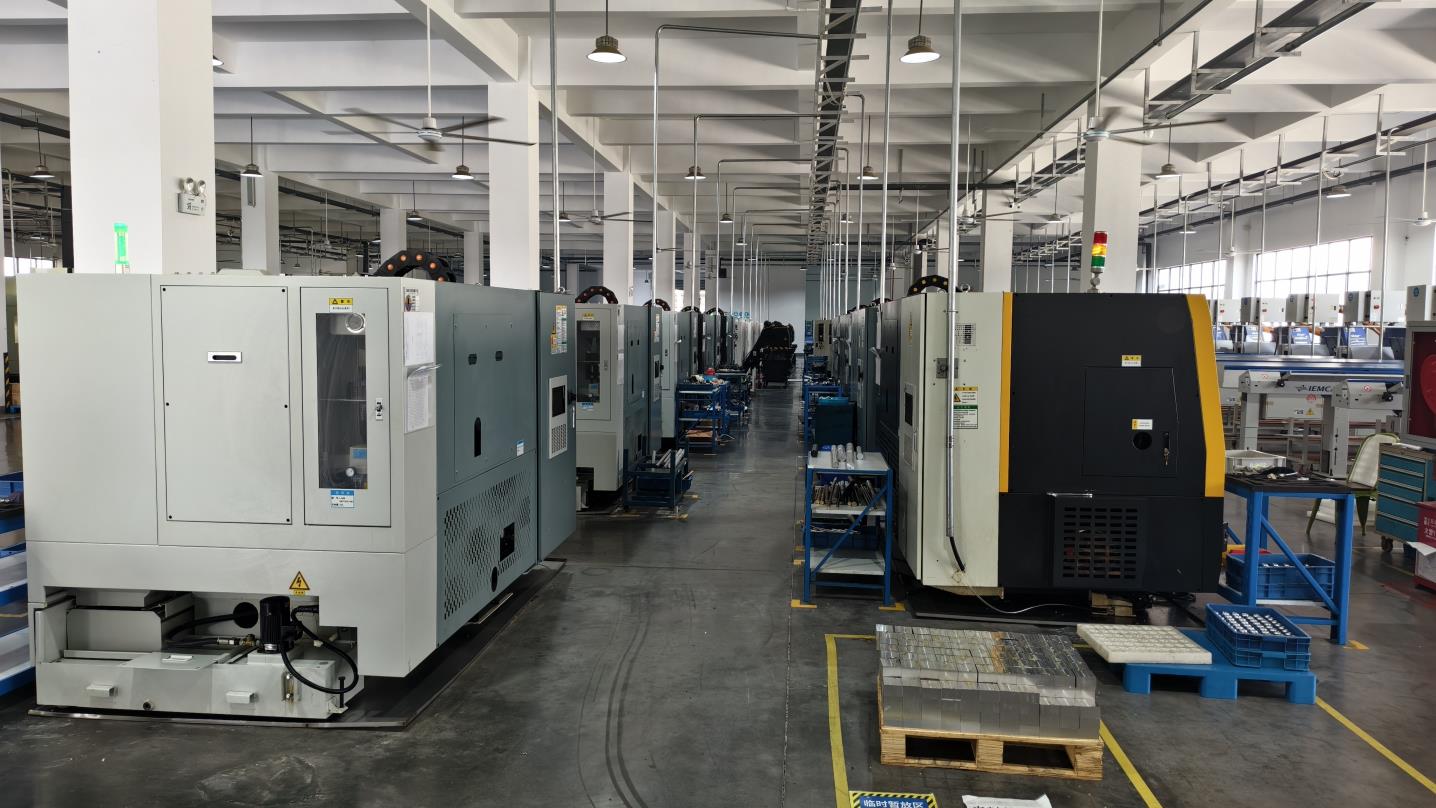
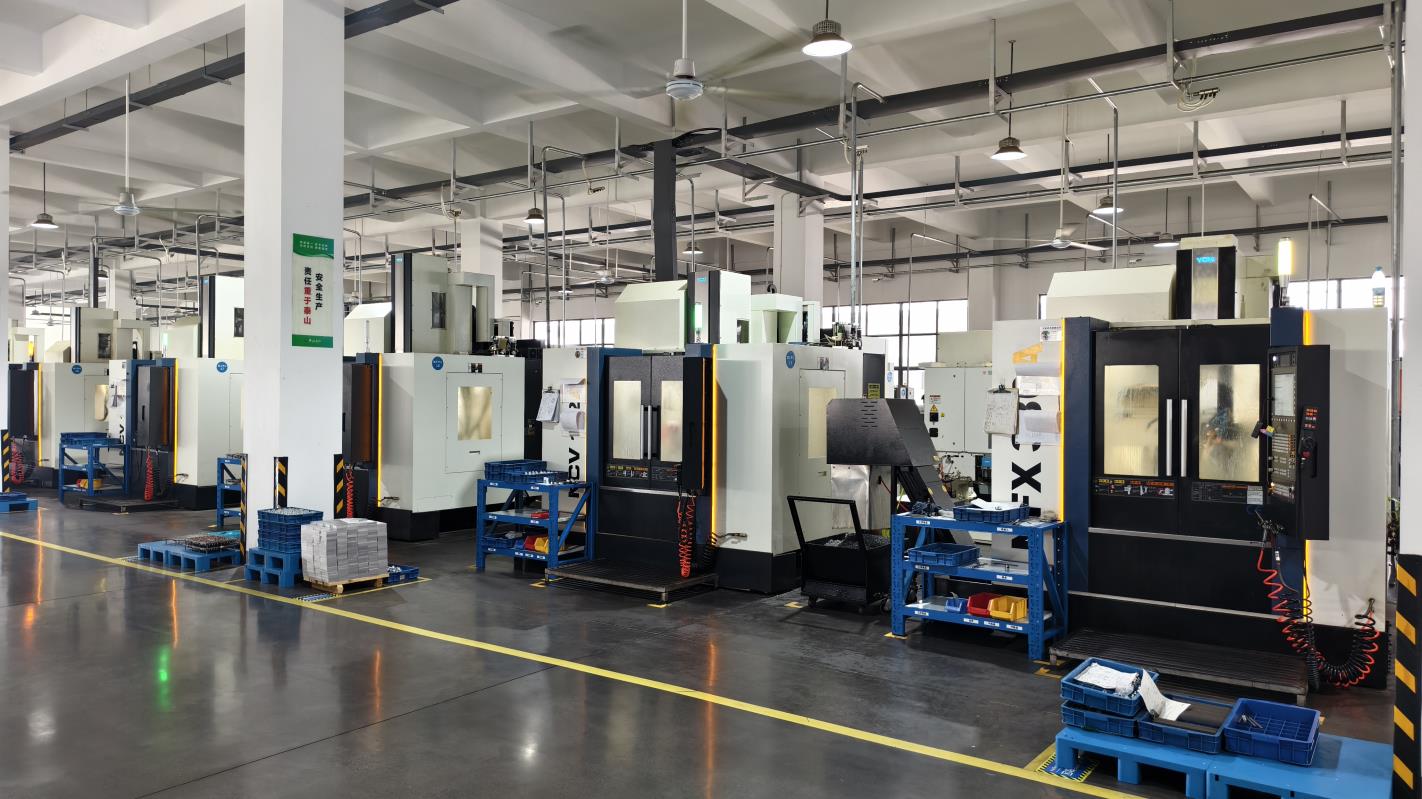
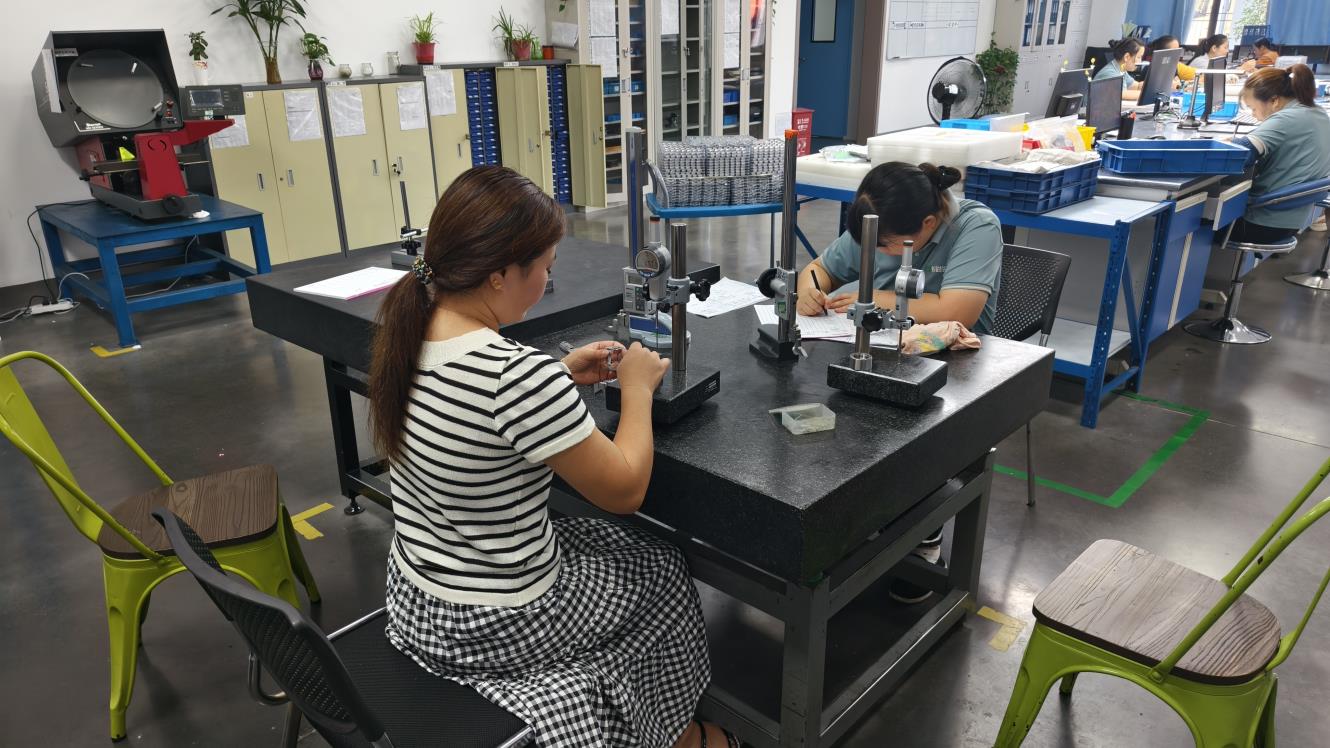
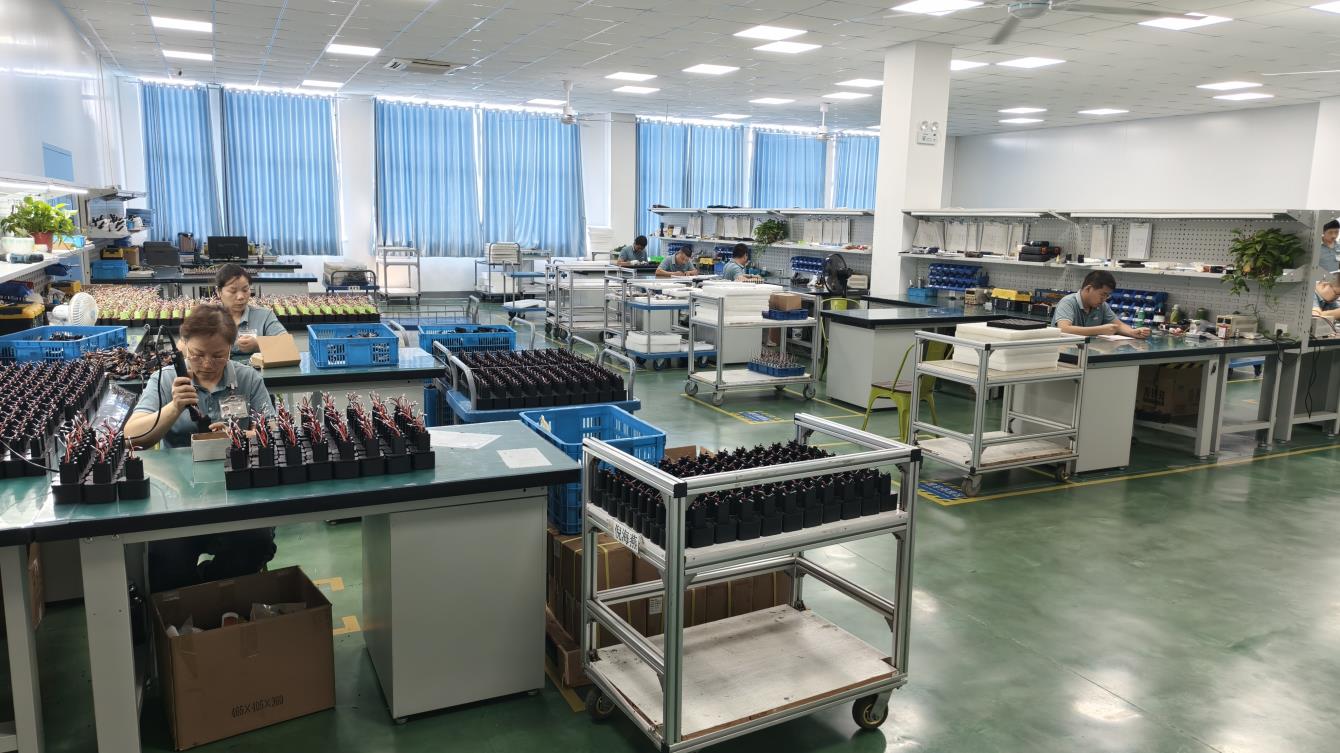
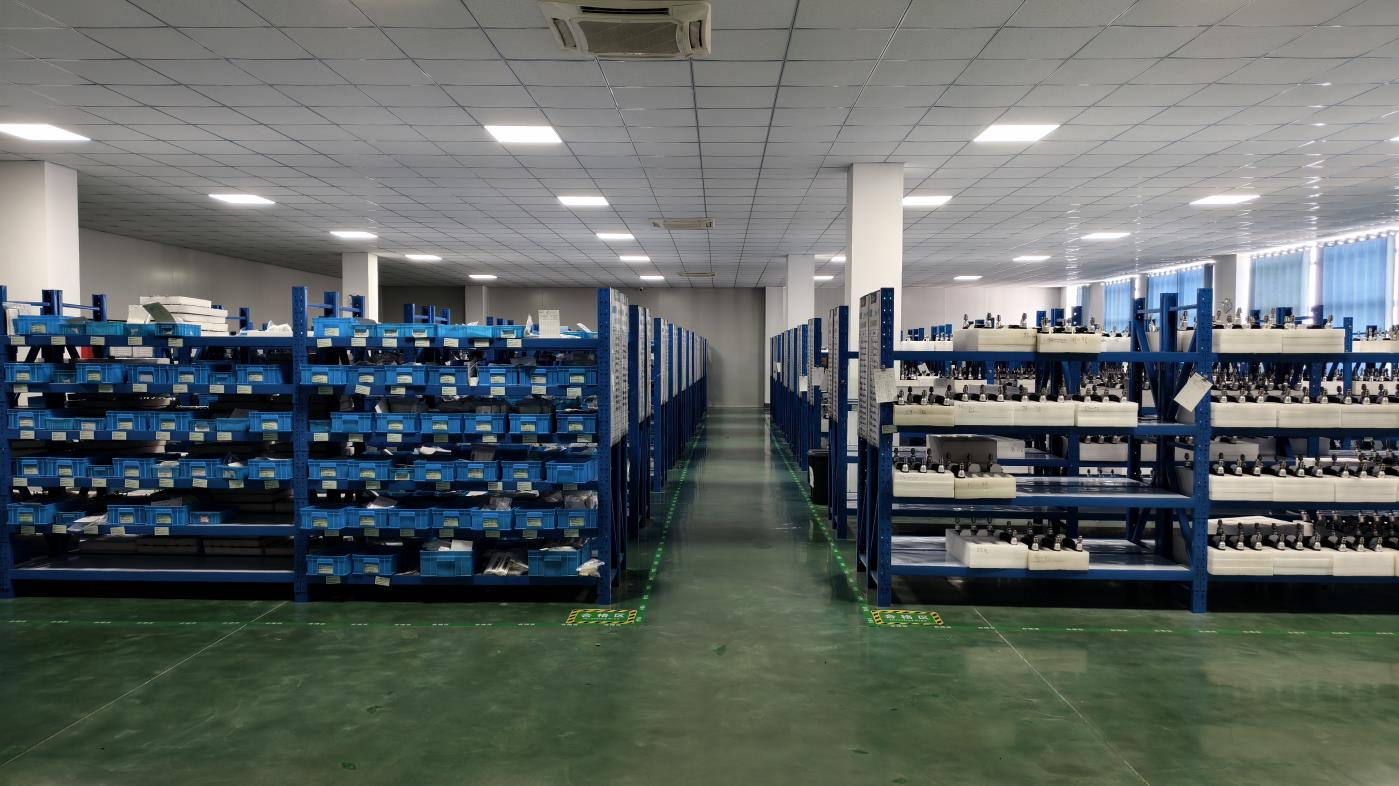
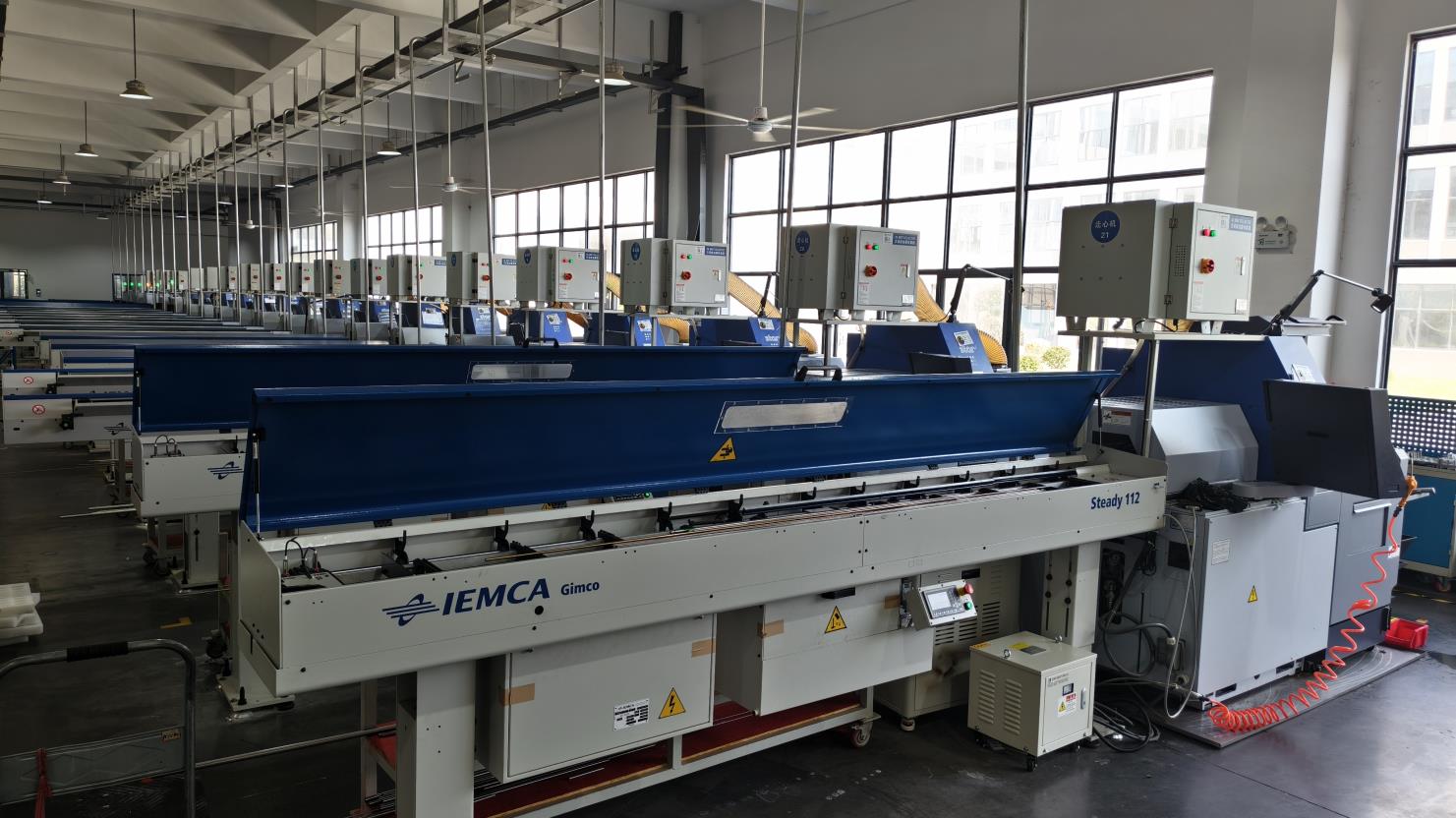
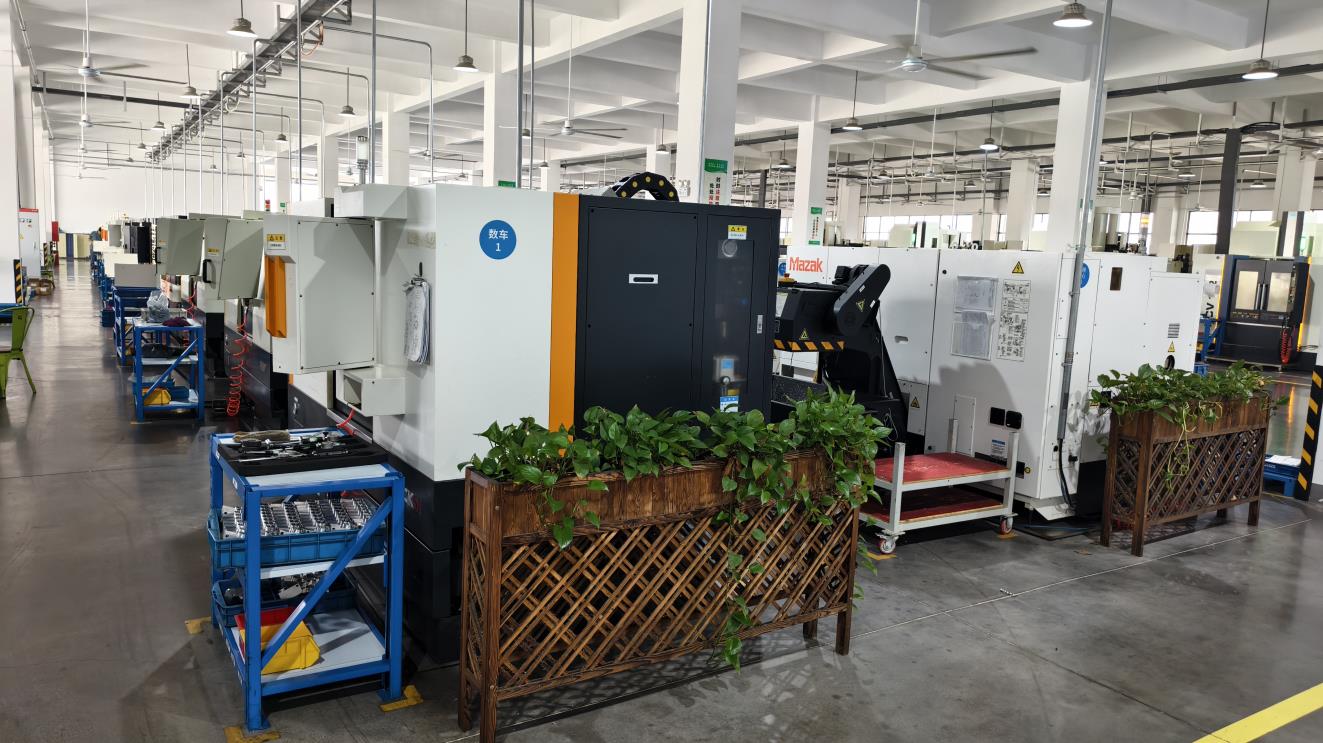
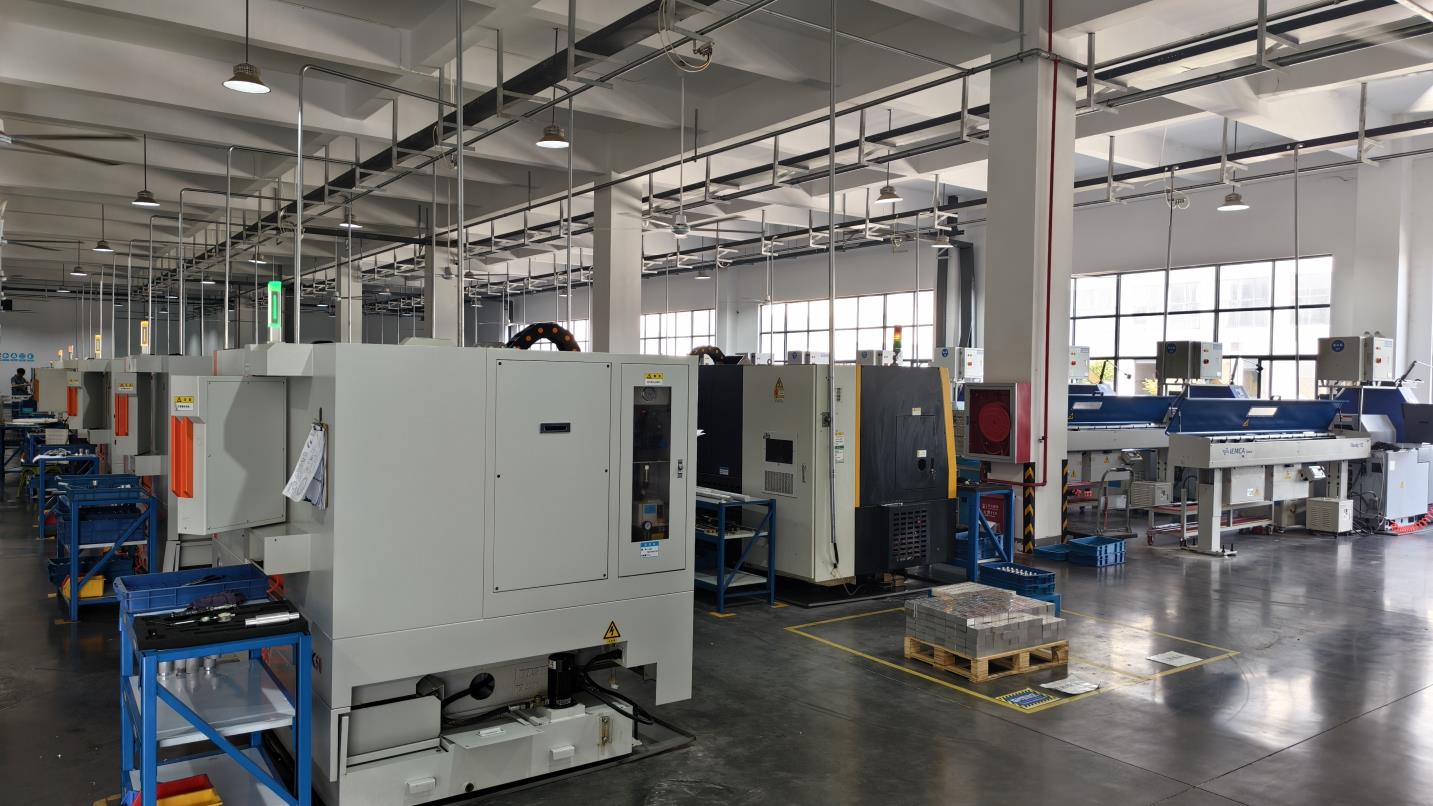
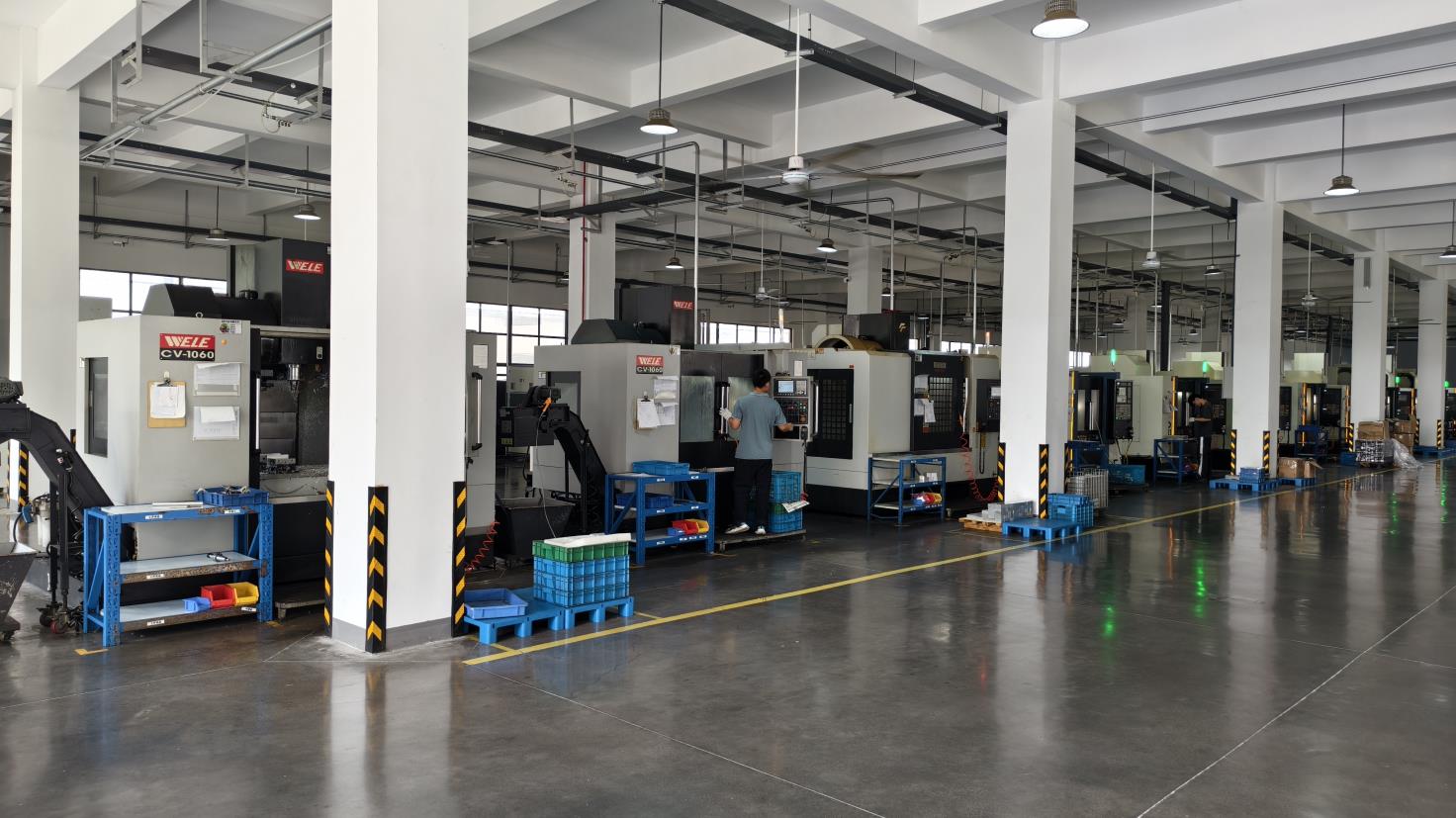
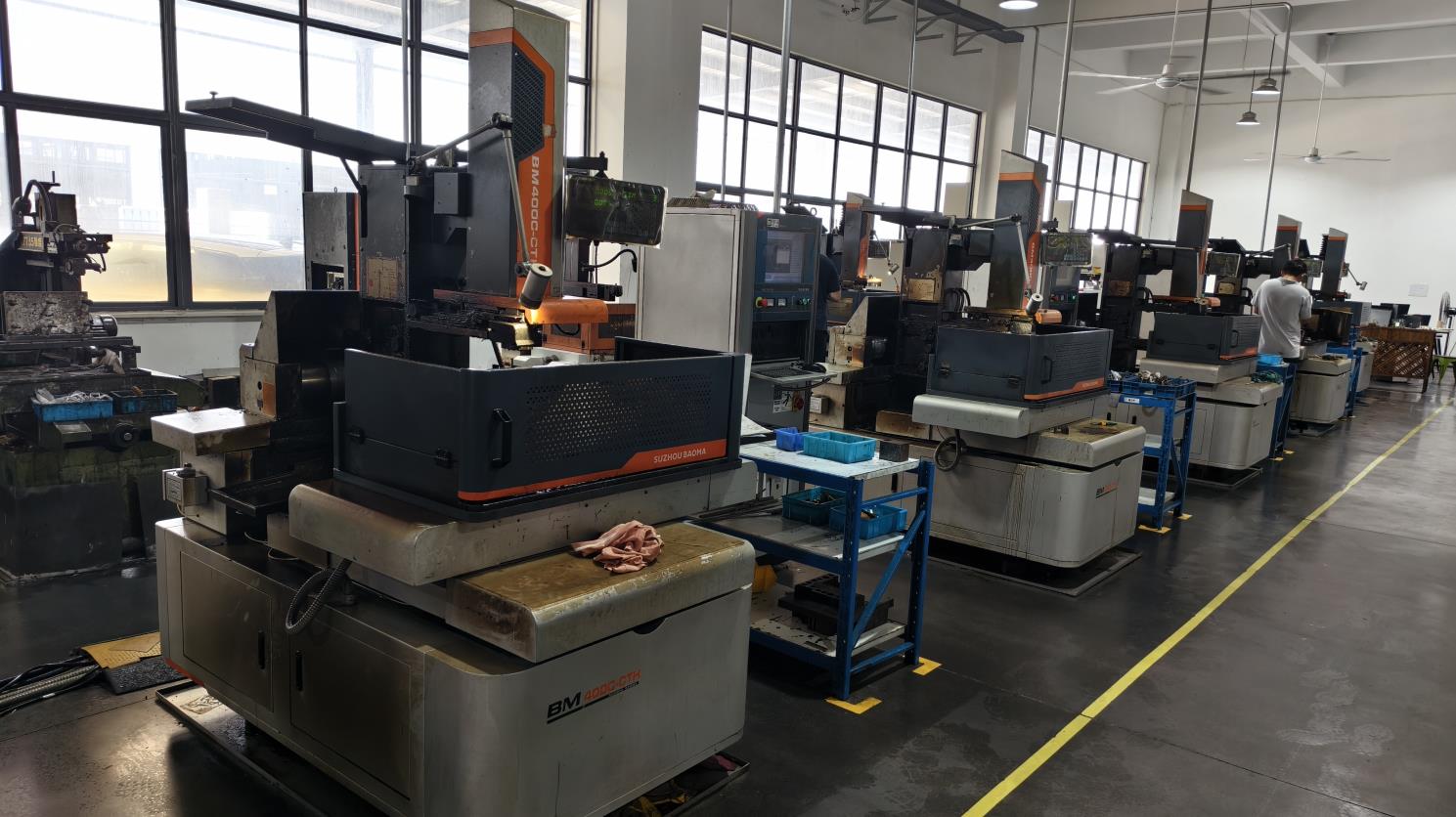
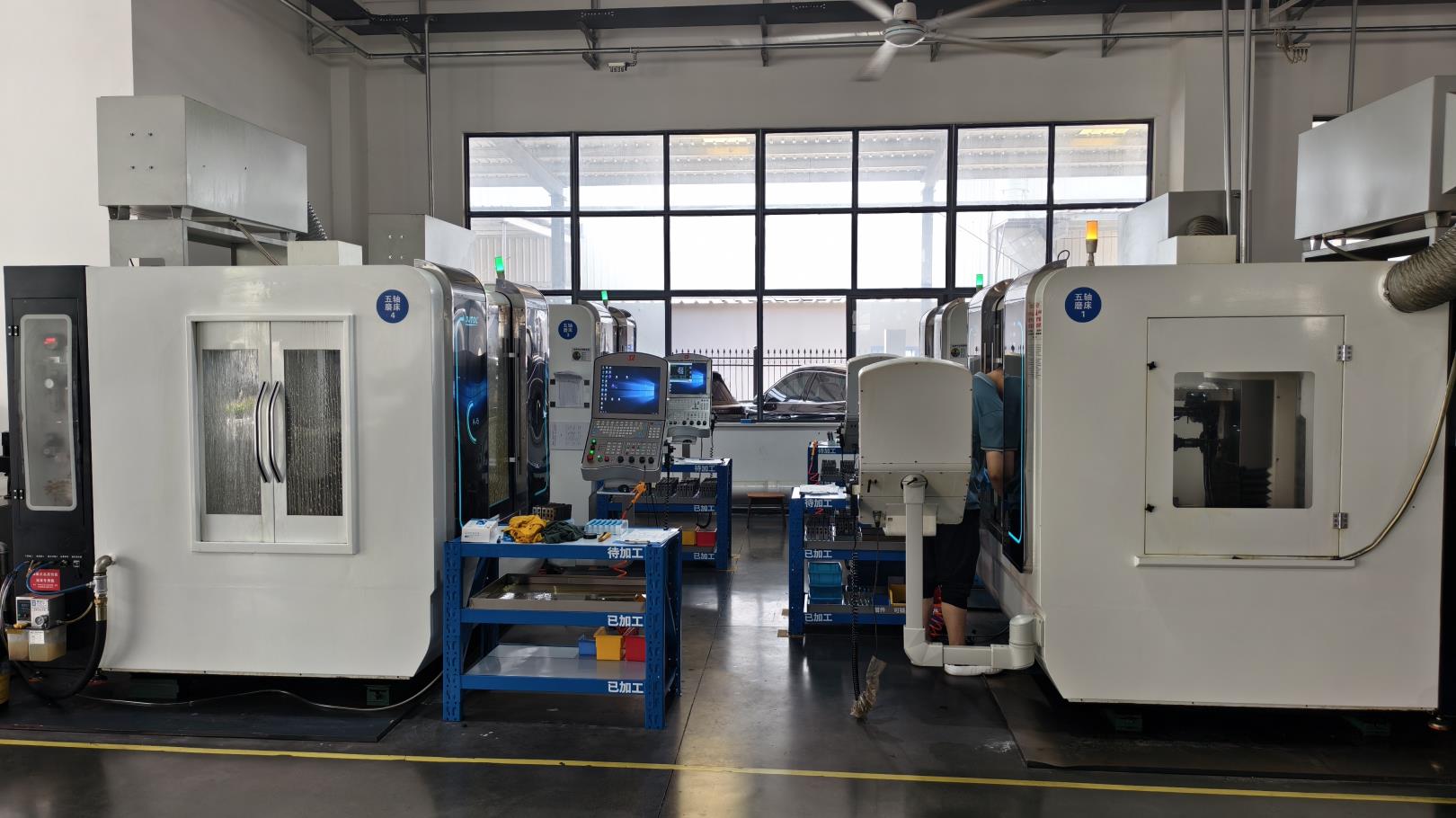
Our manufacturing facility employs modern CNC milling centers, Swiss-type lathe machinery, and automated polishing lines to guarantee physical consistency. Below are images demonstrating our production standards, finished instrumentation, and cleanroom packaging preparation:
Exporting surgical systems requires total alignment with global medical standards. Our quality team ensures all shipments conform to ISO 13485 (Medical Devices Quality Management Systems), CE MDR requirements, and local regulatory protocols in North and South America.
For high-precision kits, we offer cleanroom packaging (Class 100,000 / ISO Class 8) to reduce bioburden prior to shipment. Each product is labeled with a Unique Device Identifier (UDI) to ensure hospital traceability.
The future of surgical retraction points toward minimally invasive interventions and automated surgery. As surgical robots become standard in medical centers, retractor systems must transition from rigid manual tools to intelligent, dynamic interfaces.
Our research and development pipeline focuses on incorporating cold-light fiber optic illumination channels directly into our spinal and deep-abdominal retractor blades. This eliminates shadows in deep cavities, enhancing visual clarity. Furthermore, we are developing radiolucent carbon-fiber hybrid retractors that allow real-time fluoroscopic imaging without necessitating instrument removal during spine stabilization procedures.
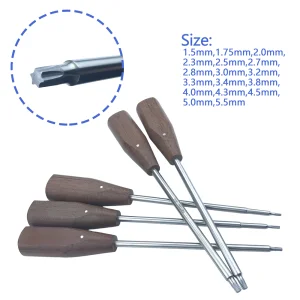
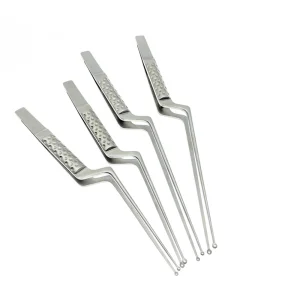
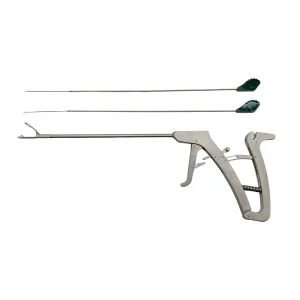
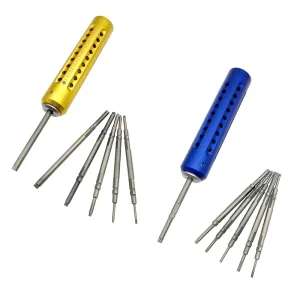
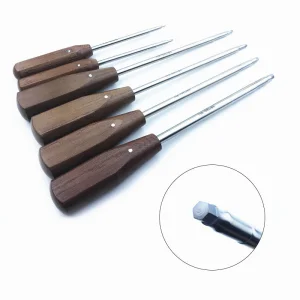
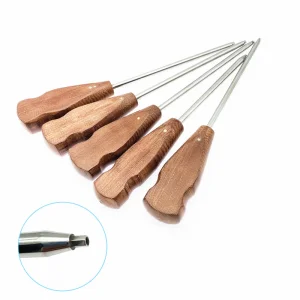
Browse our range of precision-crafted vertebrae hooks, micro tumor forceps, and orthopedic screw drivers designed for intricate surgical tasks.