 SENJIE Healthy & Technology
SENJIE Healthy & Technology
SENJIE Healthy & Technology
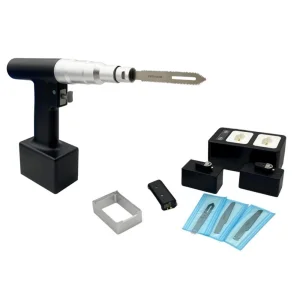
Explore our core surgical systems, including precision drills, spinal instruments, ligament aimers, and specialized orthopedic cutters engineered for high-performance surgical environments.
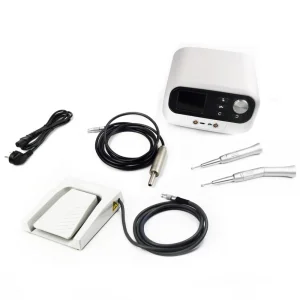
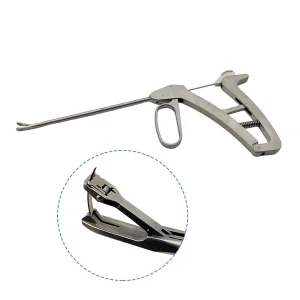
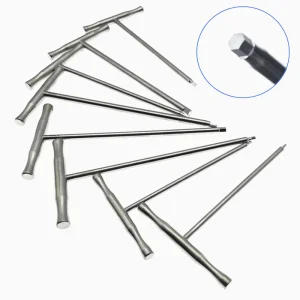
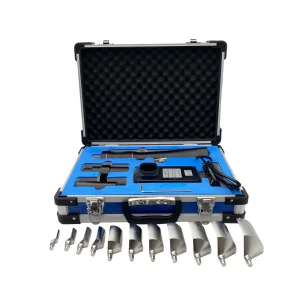
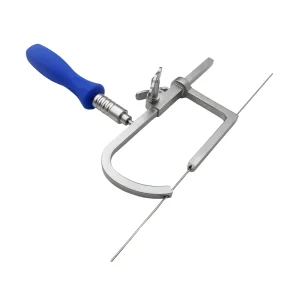
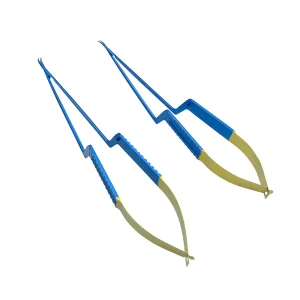
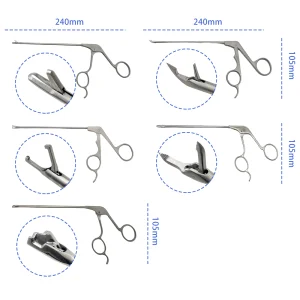
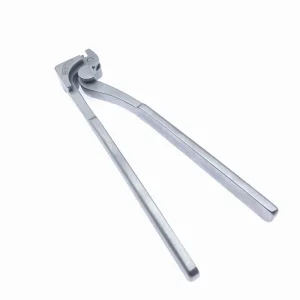
Within the rapidly evolving landscape of interventional medicine, clinical precision is directly correlated with patient outcomes. Minimally Invasive Image-Guided Procedures (MIIPs) rely heavily on ultrasound, computed tomography (CT), and magnetic resonance imaging (MRI) to guide diagnostic biopsies, regional anesthesia blocks, and vascular access. At the heart of these procedures is the surgical needle guide—a critical mechanism designed to prevent needle deflection, ensure linear targeting pathways, and guarantee consistent placement within targeted anatomical margins.
As a leading China wholesale manufacturer and supplier, we specialize in the design, validation, and manufacturing of custom and universal needle guidance brackets. Using advanced biocompatible materials and automated production lines, we support international medical brands, healthcare distributors, and research institutions with reliable components that meet stringent international regulatory frameworks.
Established: 2019-11-20
Export Track Record: 6 Years of Global Compliance
QA Inspectors: 3 Onsite Specialists
Primary Markets: North America (25%), South America (25%), Southeast Asia (15%)
Traceability: Full Raw Material Heat Batch Verification (Yes)
The global demand for high-quality surgical needle guides is driven by two main factors: the rise of outpatient surgeries and the need to reduce clinical risk in interventional oncology. Historically, clinicians relied on freehand needle insertion techniques. However, clinical literature consistently demonstrates that freehand navigation increases procedure duration, elevated rates of target deviation, and a higher risk of accidental vascular and neural damage. Specialized guiding channels minimize these challenges, enabling reliable needle entry angles and accurate, single-pass target acquisition.
Our research and development pipeline is designed around next-generation clinical workflows. By matching medical-grade material processing with new ergonomic designs, we are actively expanding the limits of accuracy in minimally invasive procedures.
We source medical-grade materials including 316LVM implant-grade stainless steel, biocompatible titanium alloys (Ti-6Al-4V ELI), and premium medical polymers (such as PEEK and medical-grade polycarbonate). Our materials resist repeated high-pressure steam sterilization cycles (autoclavability up to 134°C) without physical degradation or dimensional change.
The future of needle guidance lies in electromagnetic (EM) and optical navigation tracking. We design structural interfaces that integrate tracking sensors directly onto the needle guide body. This allows for real-time visualization of the projected needle path on surgical monitors, even before entering the skin.
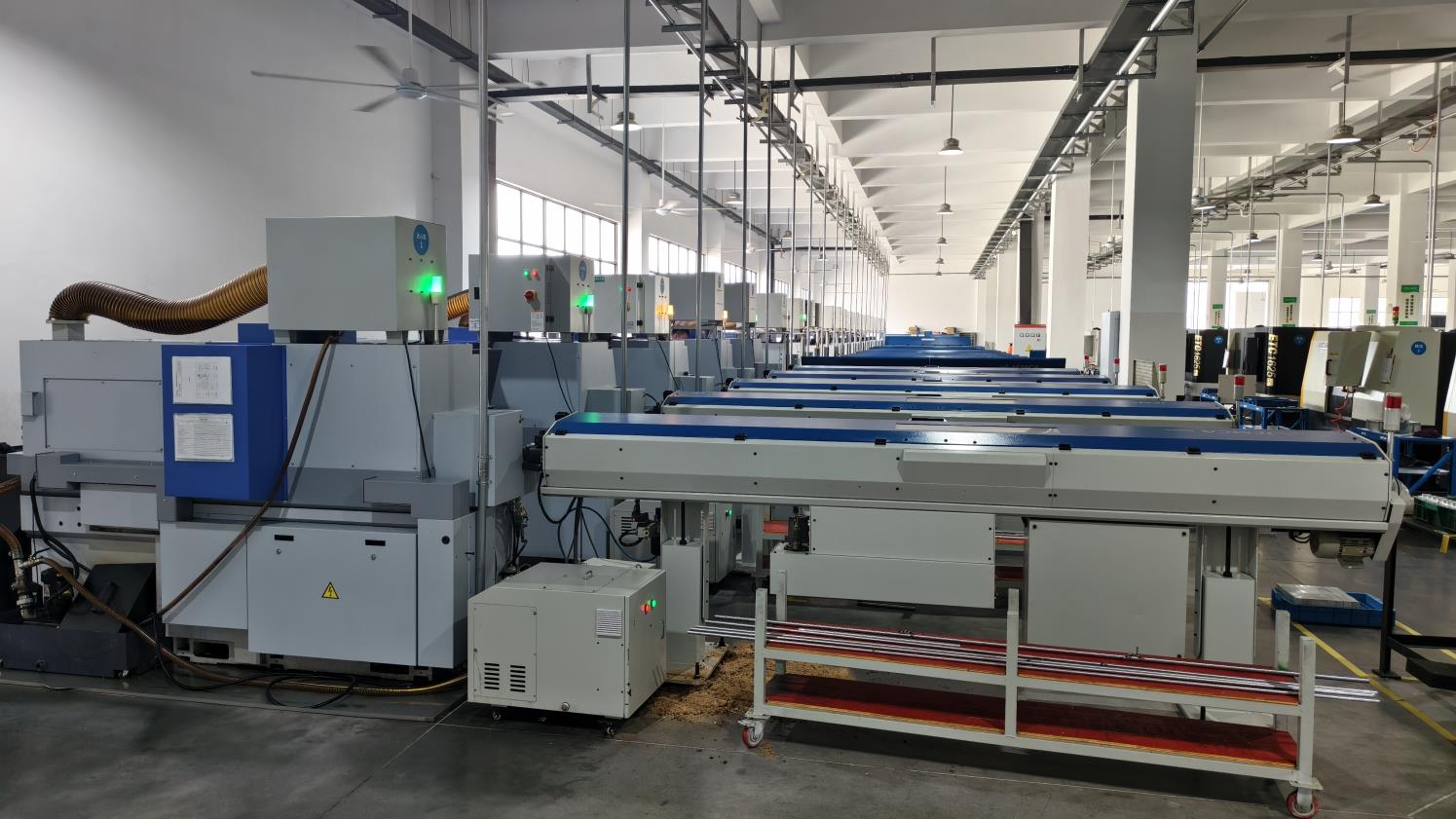
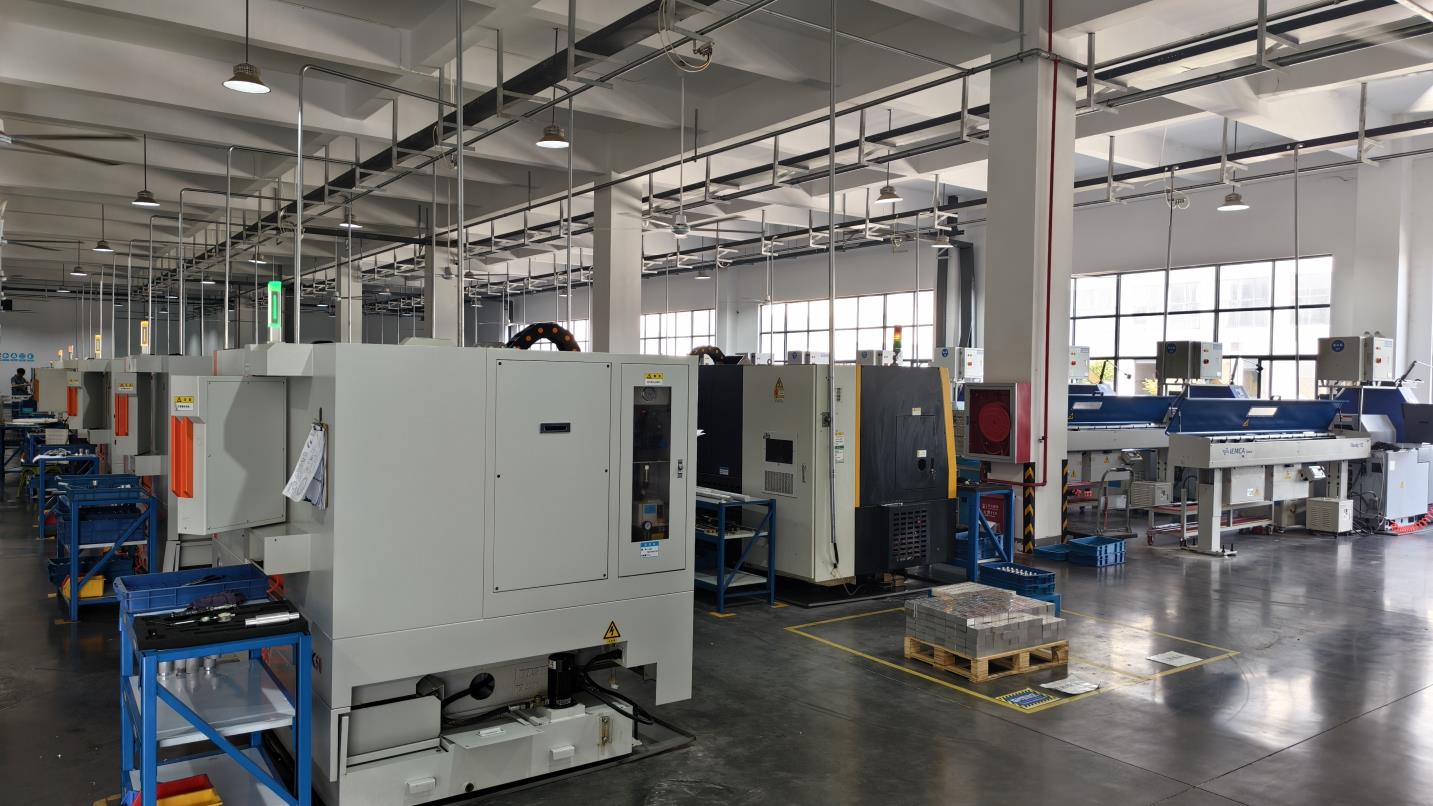
Using high-speed Swiss-type CNC micro-turning systems, we machine guide channels with ultra-smooth inner surfaces to minimize drag. This guarantees that as the needle is inserted, it glides smoothly without lateral deviation or structural warping of the guide channel.
Our current generation of needle guides features multi-angle selection locks, allowing operators to choose between predefined pathways (e.g., 15°, 25°, 30°, 45°) with a click-lock mechanism.
Developing non-ferromagnetic guidance systems built from engineering thermoplastics and ceramics to allow safe, real-time intervention under high-field magnetic resonance systems without image artifacts.
Embedded piezoelectric sensors detect force feedback and needle deflection, alerting the surgeon to deviations caused by varying tissue densities before the needle passes target boundaries.
Precision guidance devices must be tailored to the distinct mechanical demands of the specific clinical discipline in which they are deployed.
For fine-needle aspiration (FNA) and core needle biopsies of deep organs (such as the liver, kidneys, and prostate), surgical needle guides provide the stable alignment needed to safely sample small lesions. This is particularly important for targeting deep masses near critical vascular networks.
Under ultrasound guidance, needle guides assist anesthesiologists in placing nerve blocks (such as femoral, sciatic, or interscalene blocks) with high precision. By fixing the needle trajectory relative to the transducer, clinicians can confidently visualize the needle tip approach the target sheath without risking nerve injury.
Our veterinary instrument range includes tools like TPLO saws, bone screwdrivers, and acetabulum reamers, designed to work alongside precision positioning guides. In veterinary orthopedics, custom guides allow accurate osteotomies and exact placement of locking compression plates.
As a global OEM/ODM manufacturer, we leverage the advanced industrial clustering of our production hub to ensure continuous supply, cost-effectiveness, and rapid development cycles.
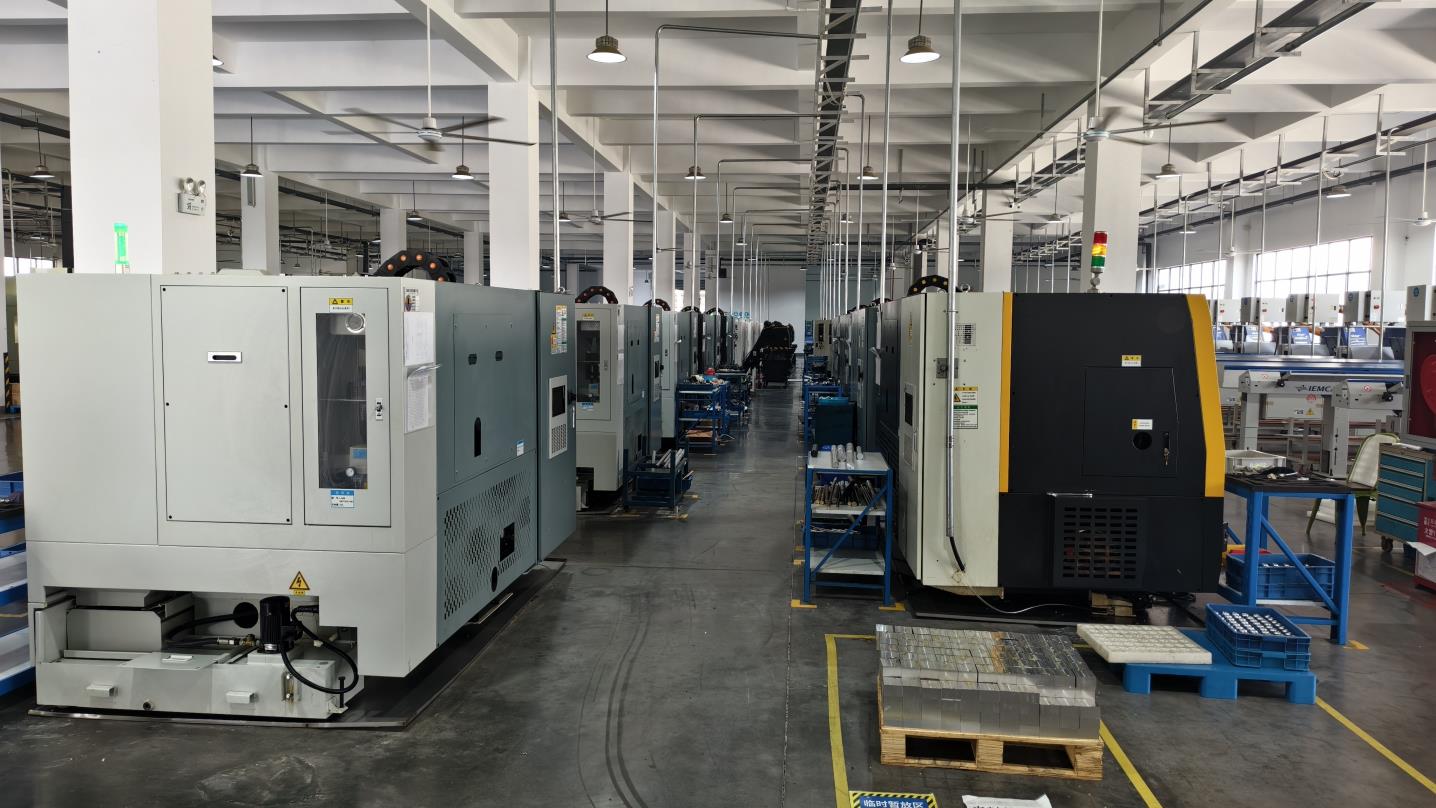
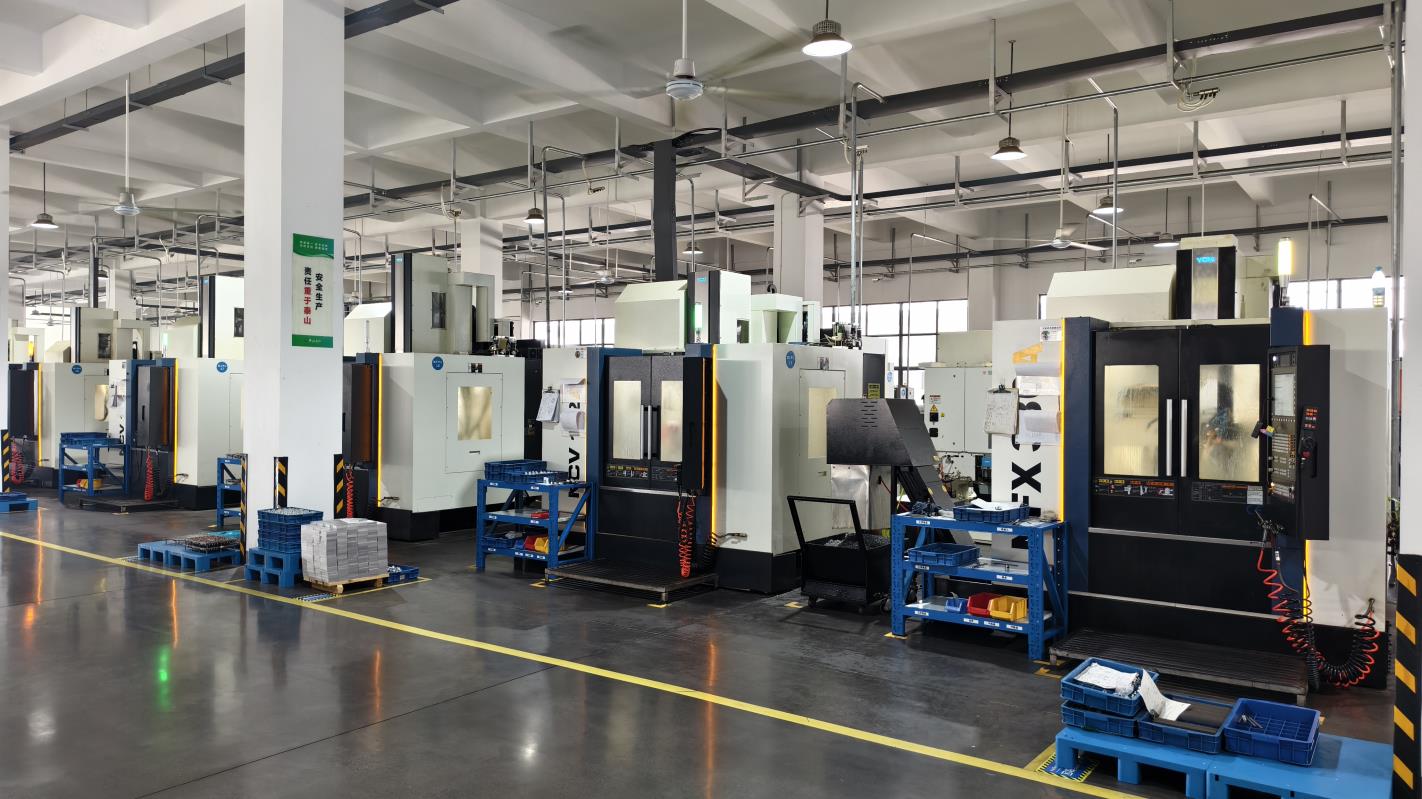
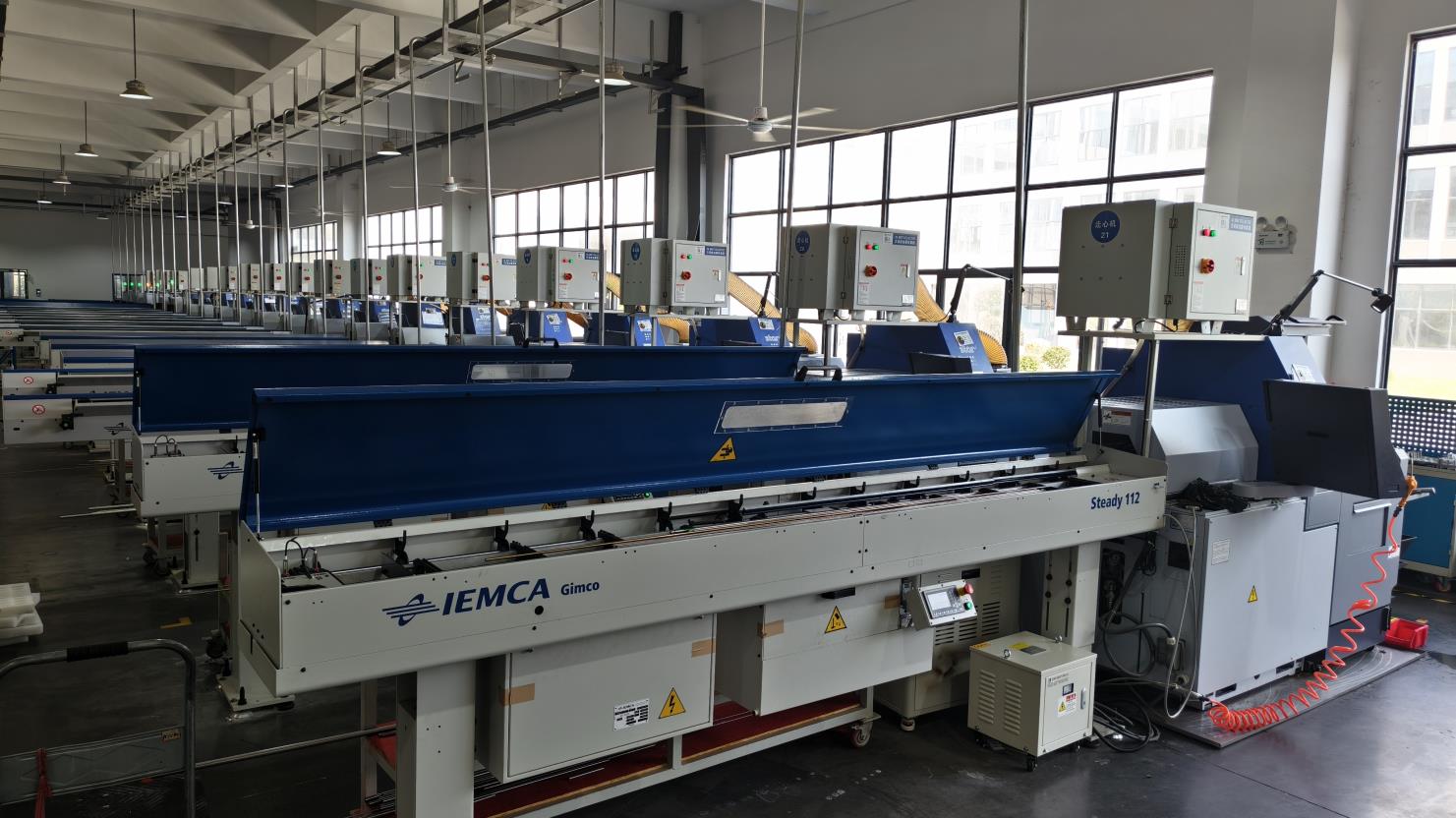
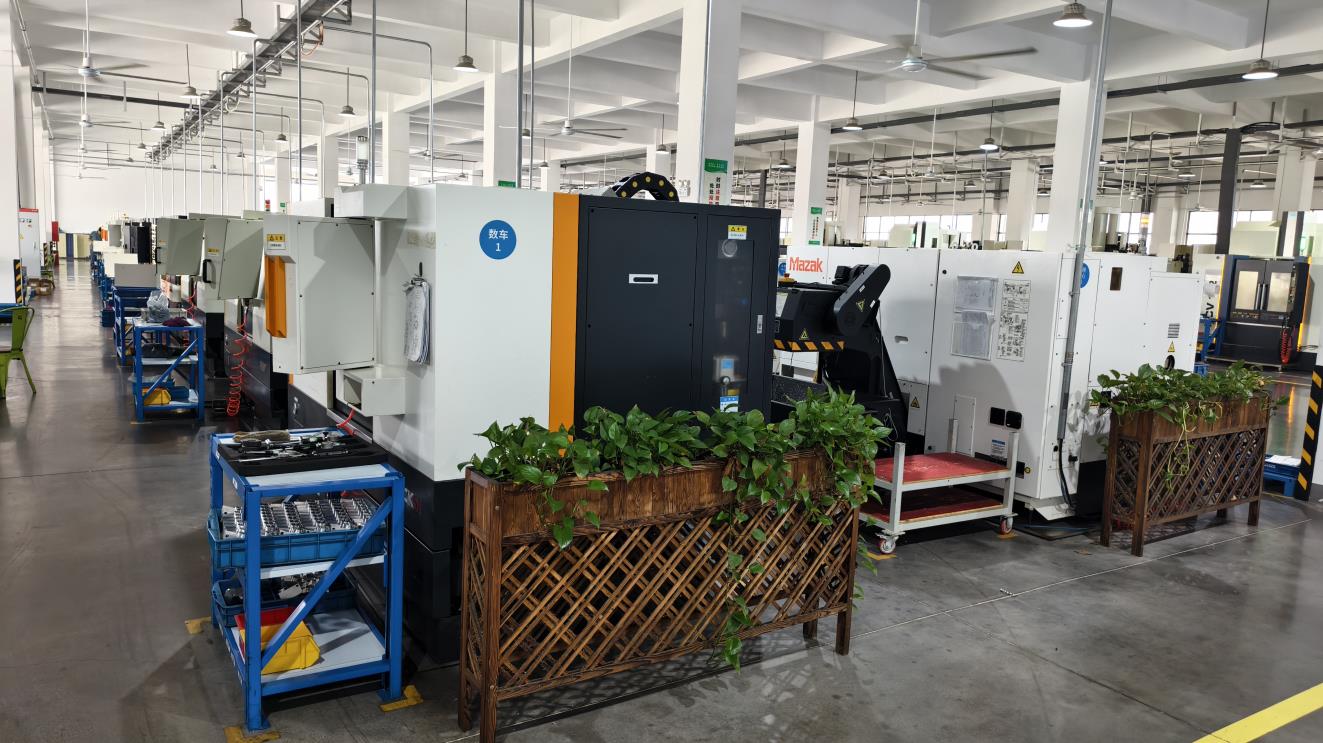
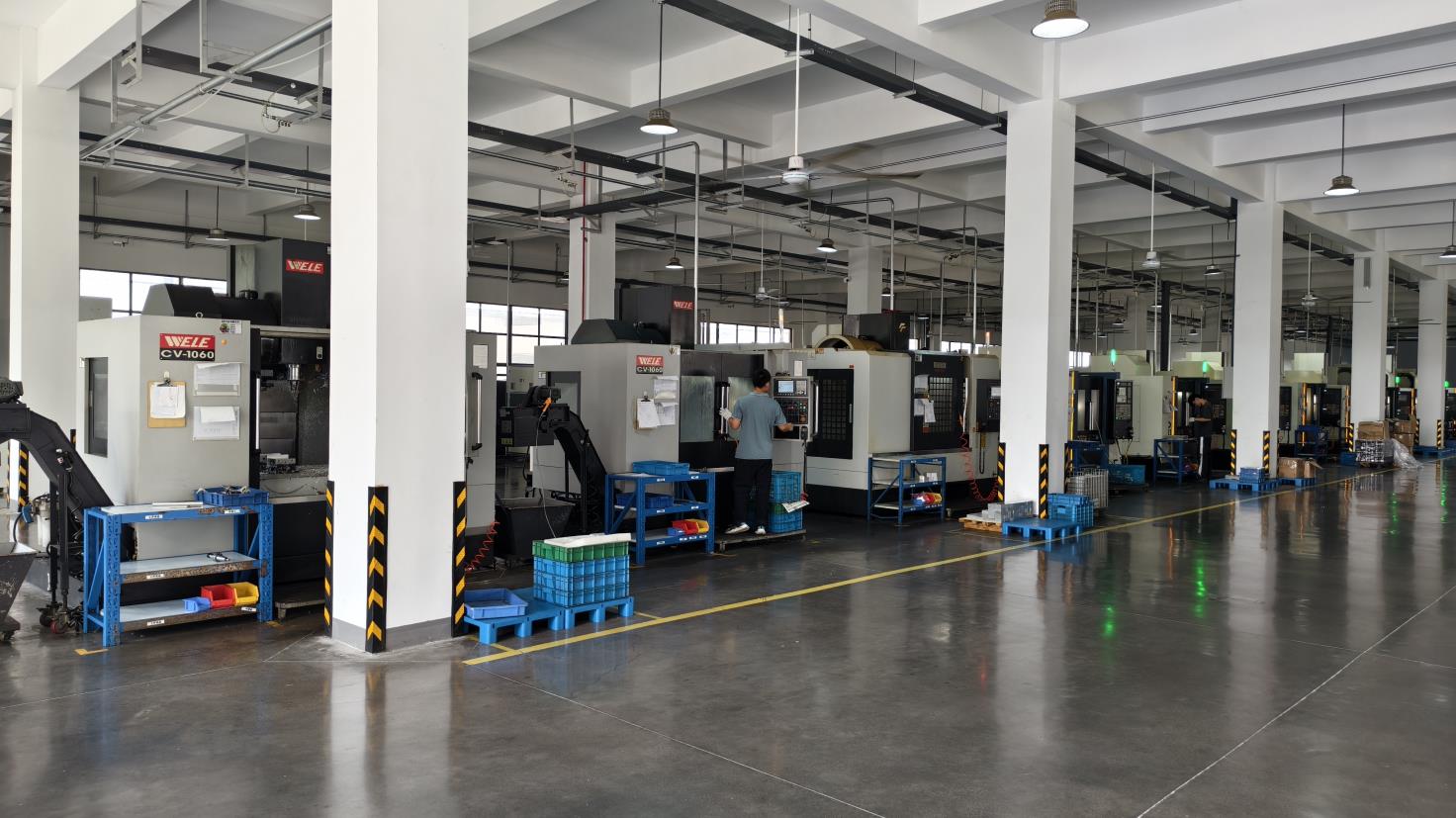
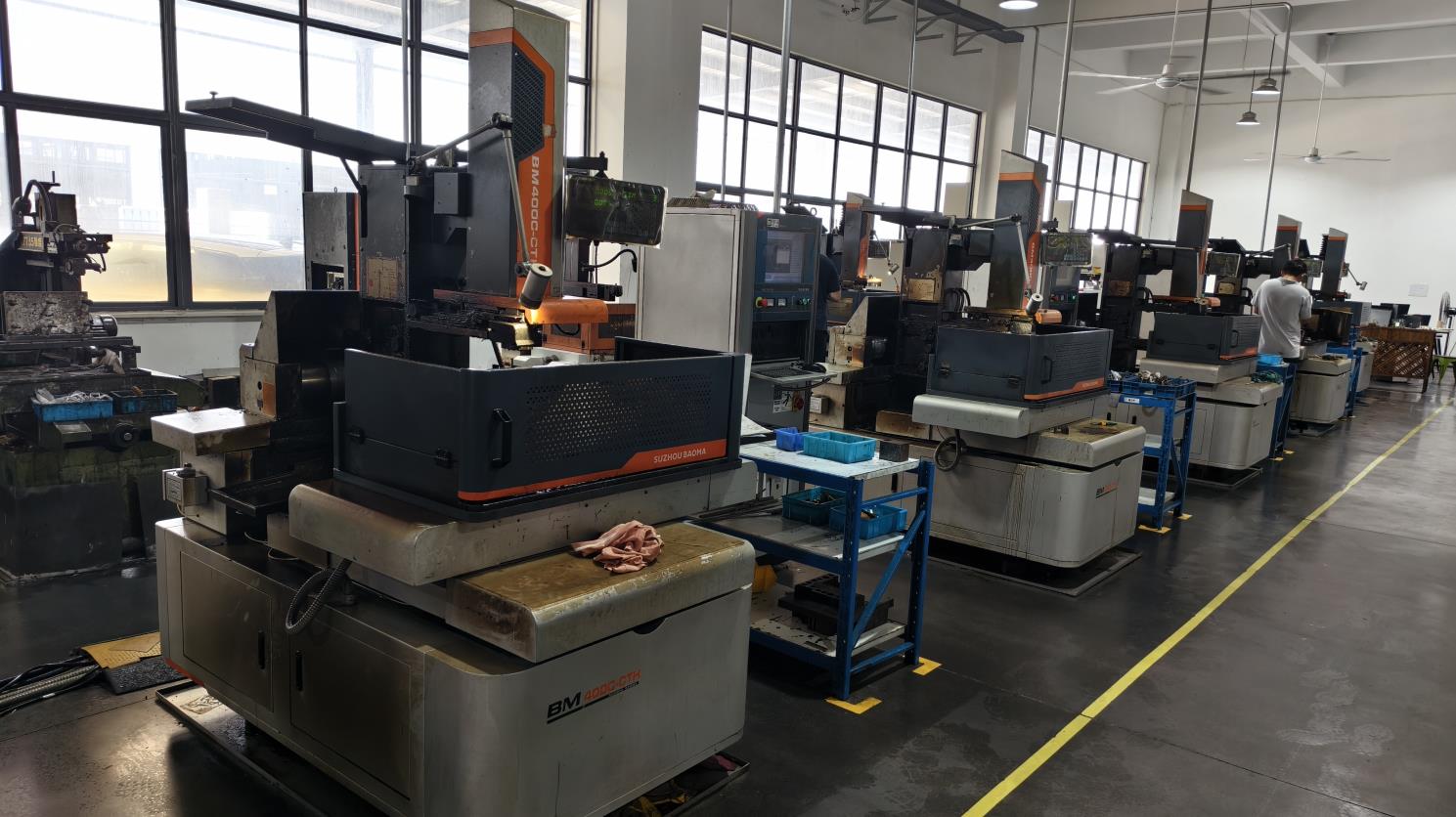
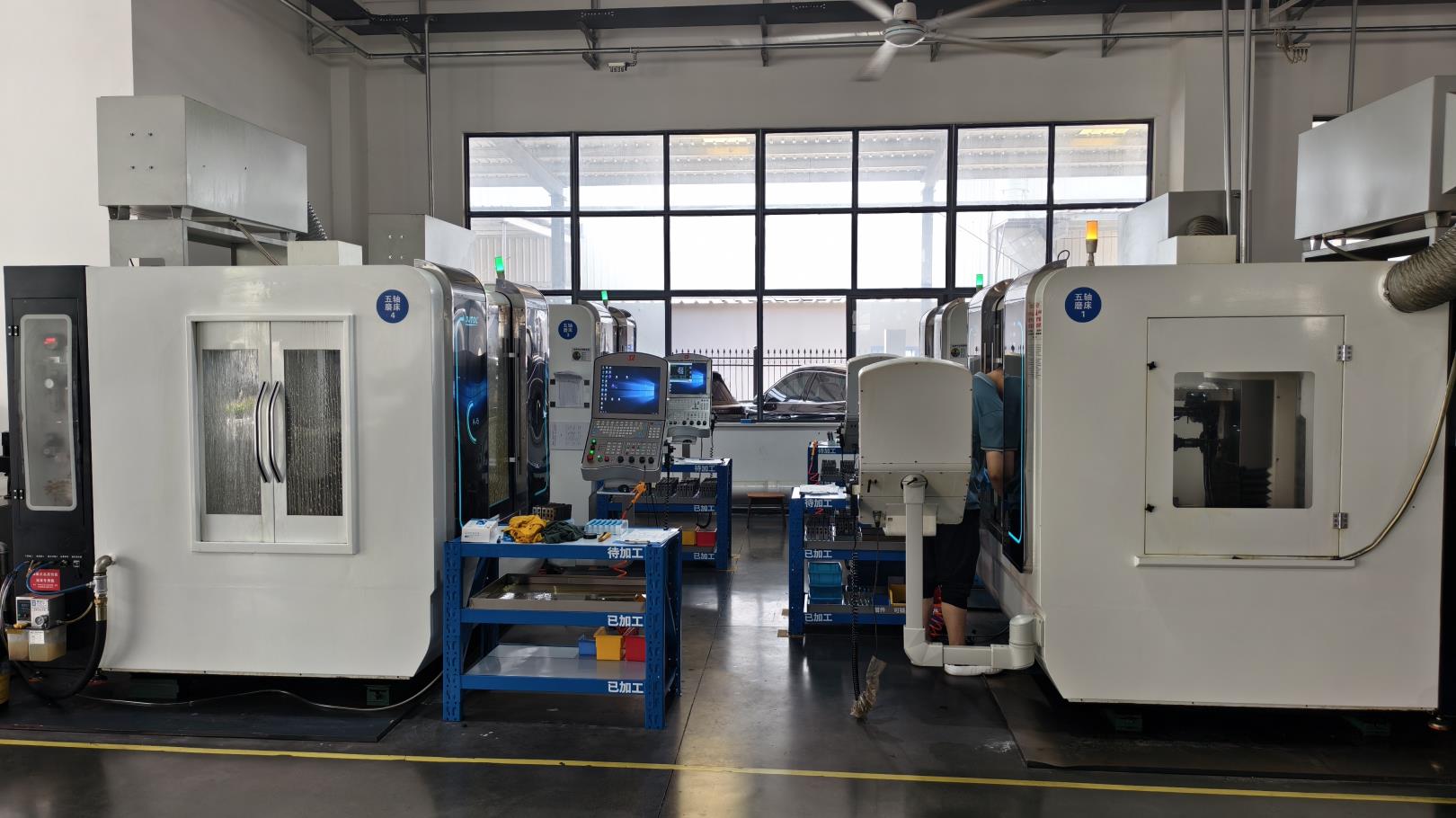
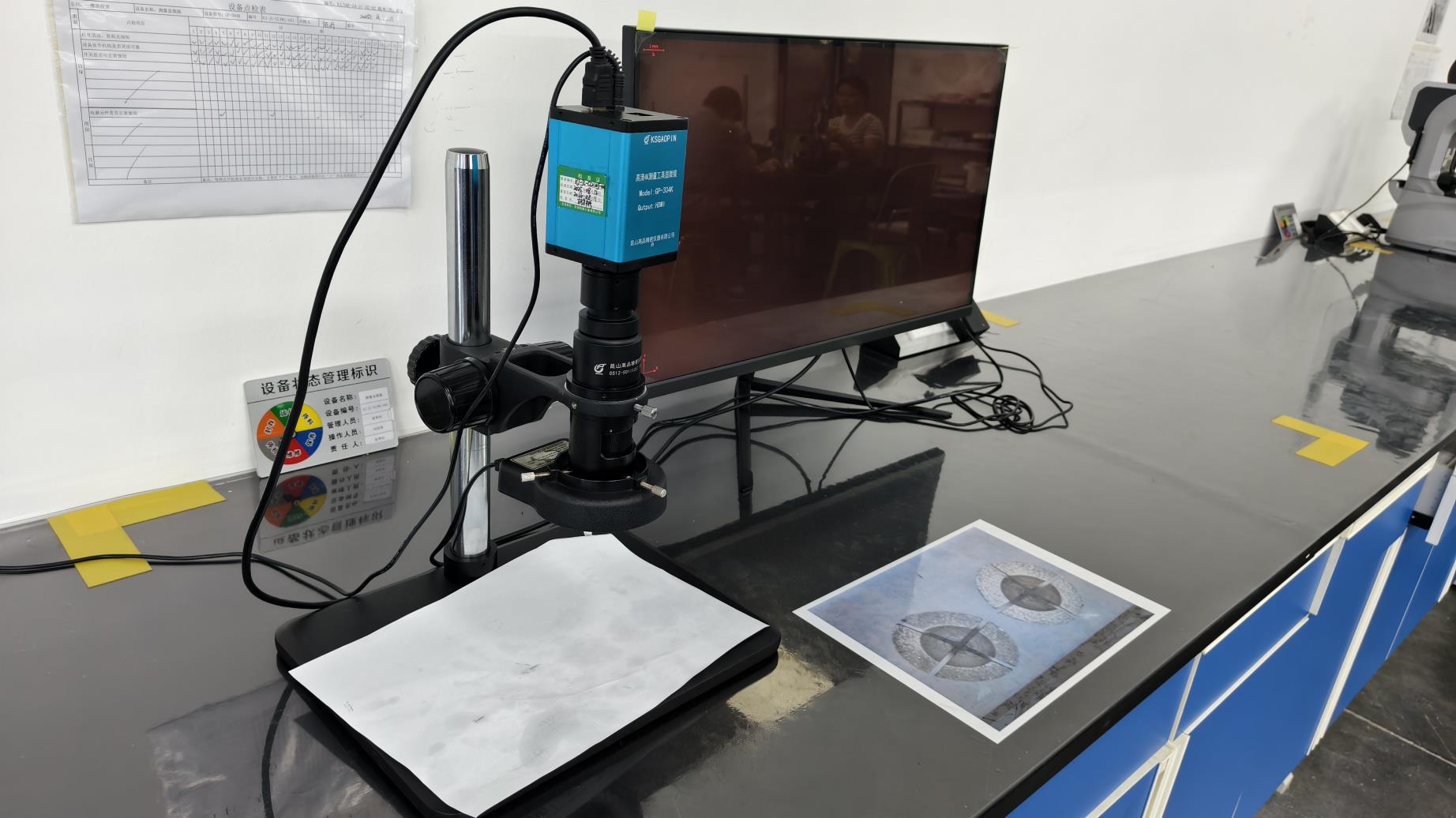
Our workshop features multi-axis Swiss-type lathe centers that machine tolerances down to 0.01mm, ensuring each guide bracket fits the transducer probe perfectly.
We maintain complete material traceability from heat batch to final packaging. Chemical composition analysis and mechanical test data are documented for every production run.
We offer custom options including sample processing, graphic design support, and custom packaging. This allows us to quickly design custom guides for new or proprietary ultrasound transducers.
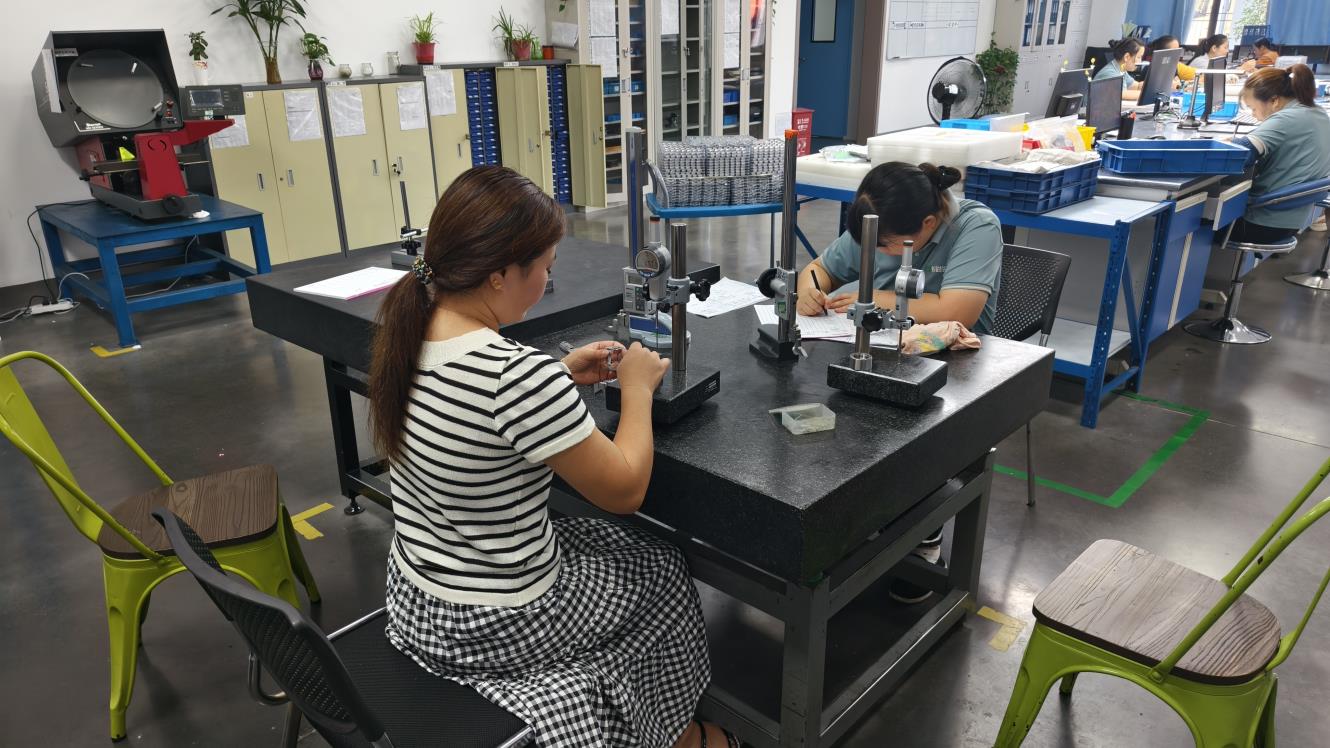
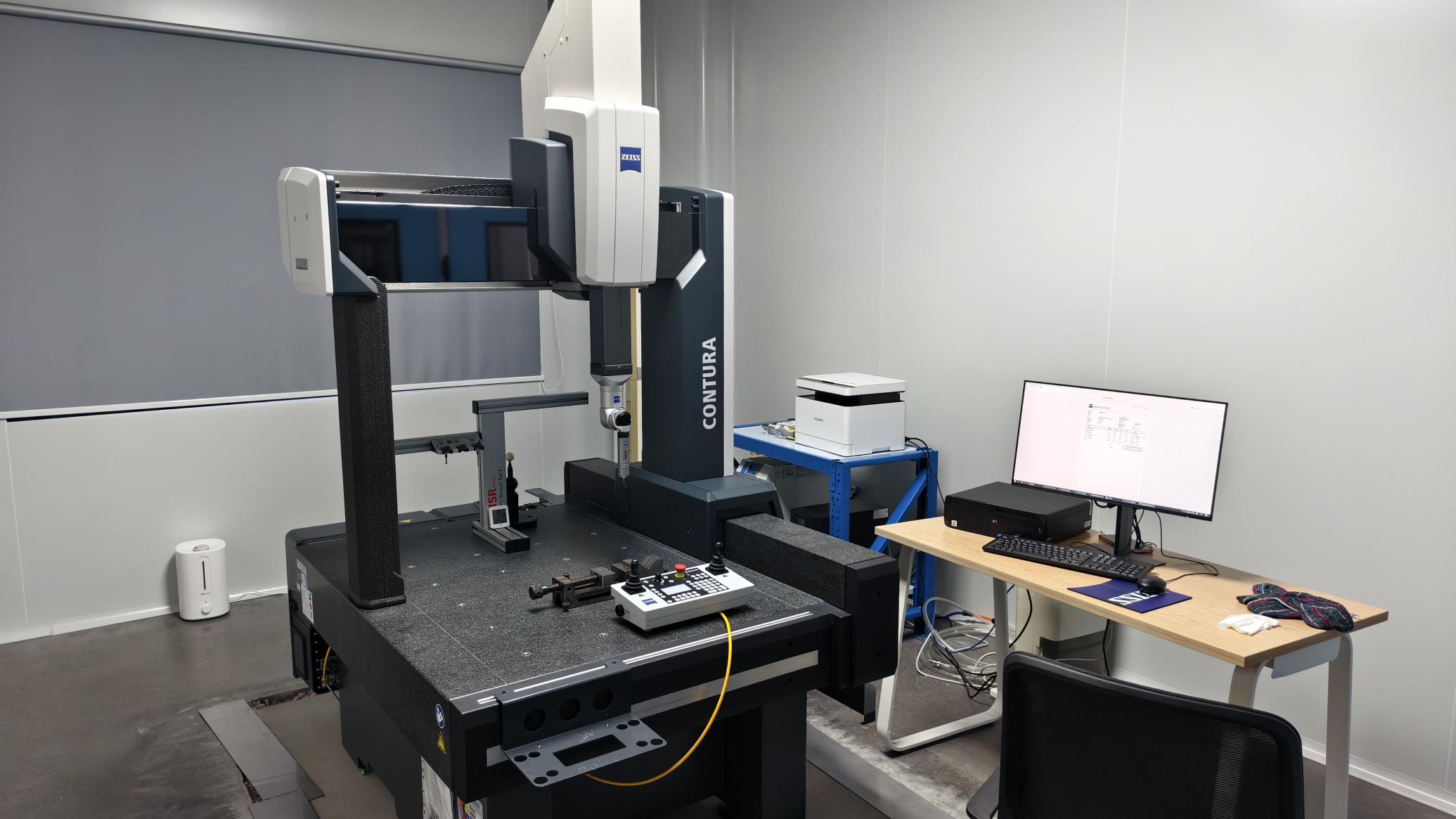
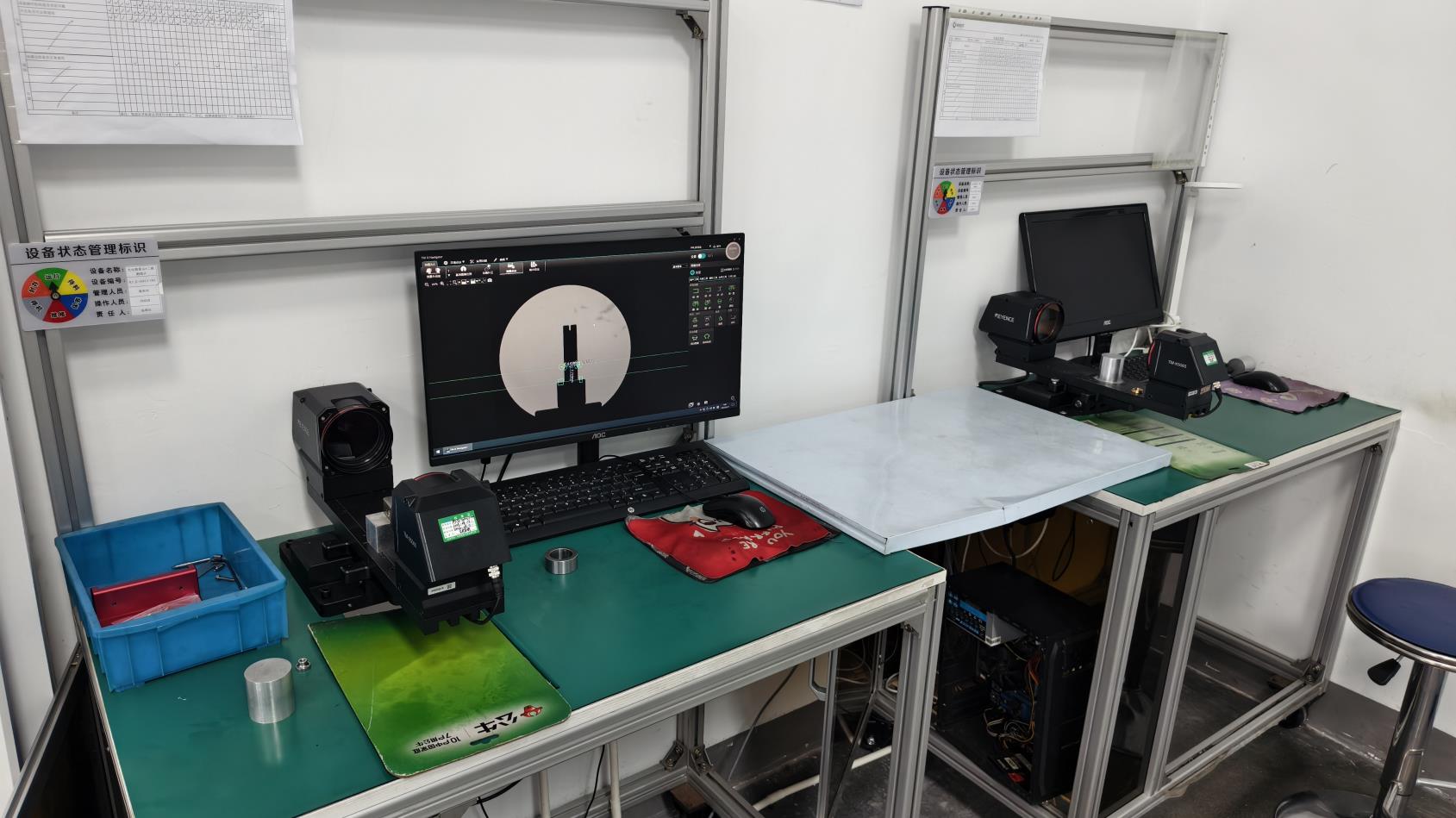
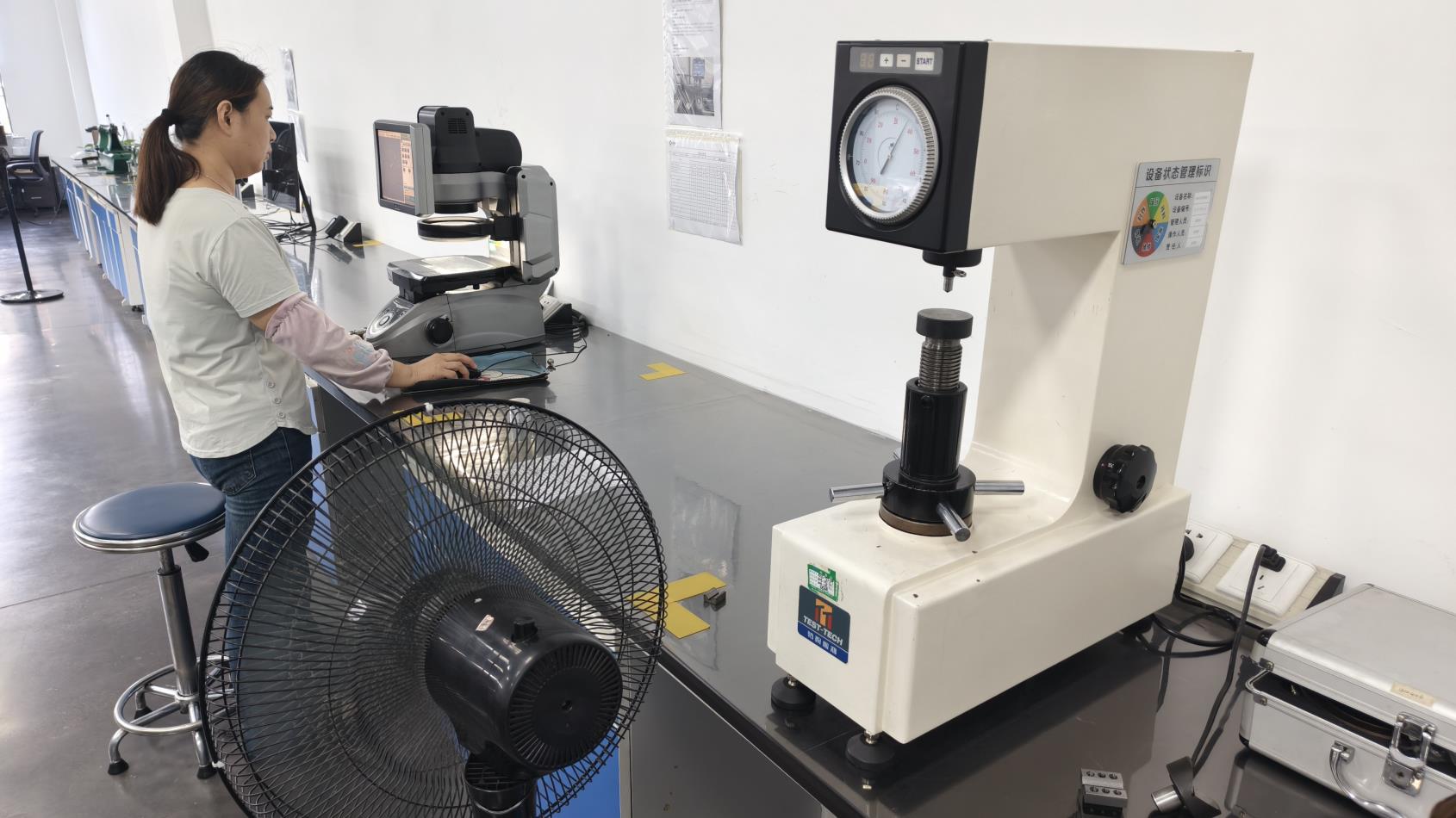
With three onsite QA/QC inspectors, our workflow includes random inspections and customized testing protocols tailored to our international clients' specifications.
Whether you require disposable polymer guides or reusable autoclavable metal brackets, our workflow is optimized to move from initial design to sterile delivery efficiently:
We work to simplify the regulatory processes required to bring new medical devices and instruments to international markets.
Our production lines operate under structured quality management systems. We ensure all materials used in patient-contact areas undergo biocompatibility evaluations, including cytotoxicity and sensitization testing, in compliance with ISO 10993 standards.
We supply comprehensive technical documentation to assist with regulatory submissions worldwide (including FDA 510(k) applications, CE MDR technical files, and regional registration documents). This includes material data sheets, machining validation data, and autoclave testing records.
We provide instructions for reprocessing reusable metal needle guides and related instruments, including recommended temperature profiles and exposure times, ensuring effective sterilization while preserving the service life of the devices.
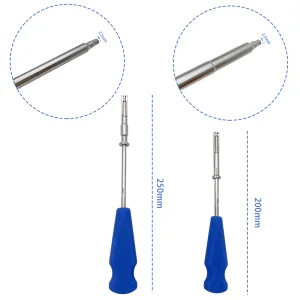
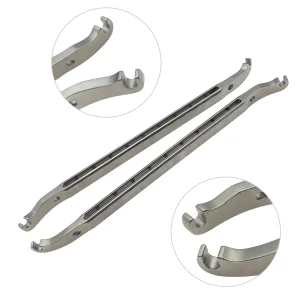
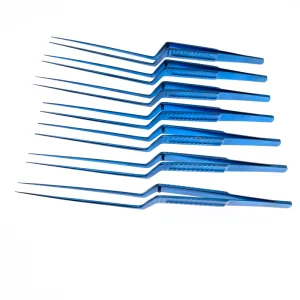
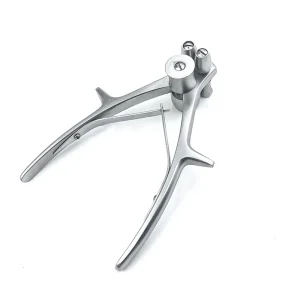
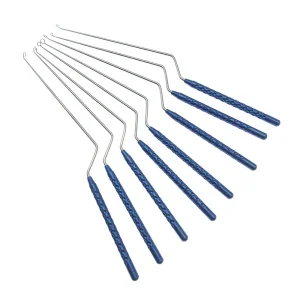
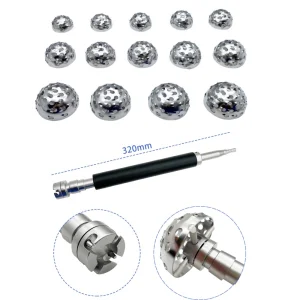
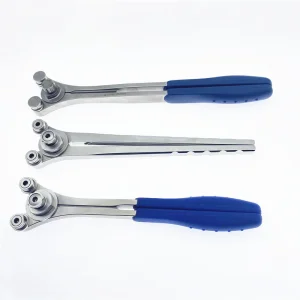
Explore our full range of specialty hand tools, benders, pituitary curettes, and micro-forceps built for spine, orthopedic, and neurosurgical procedures.
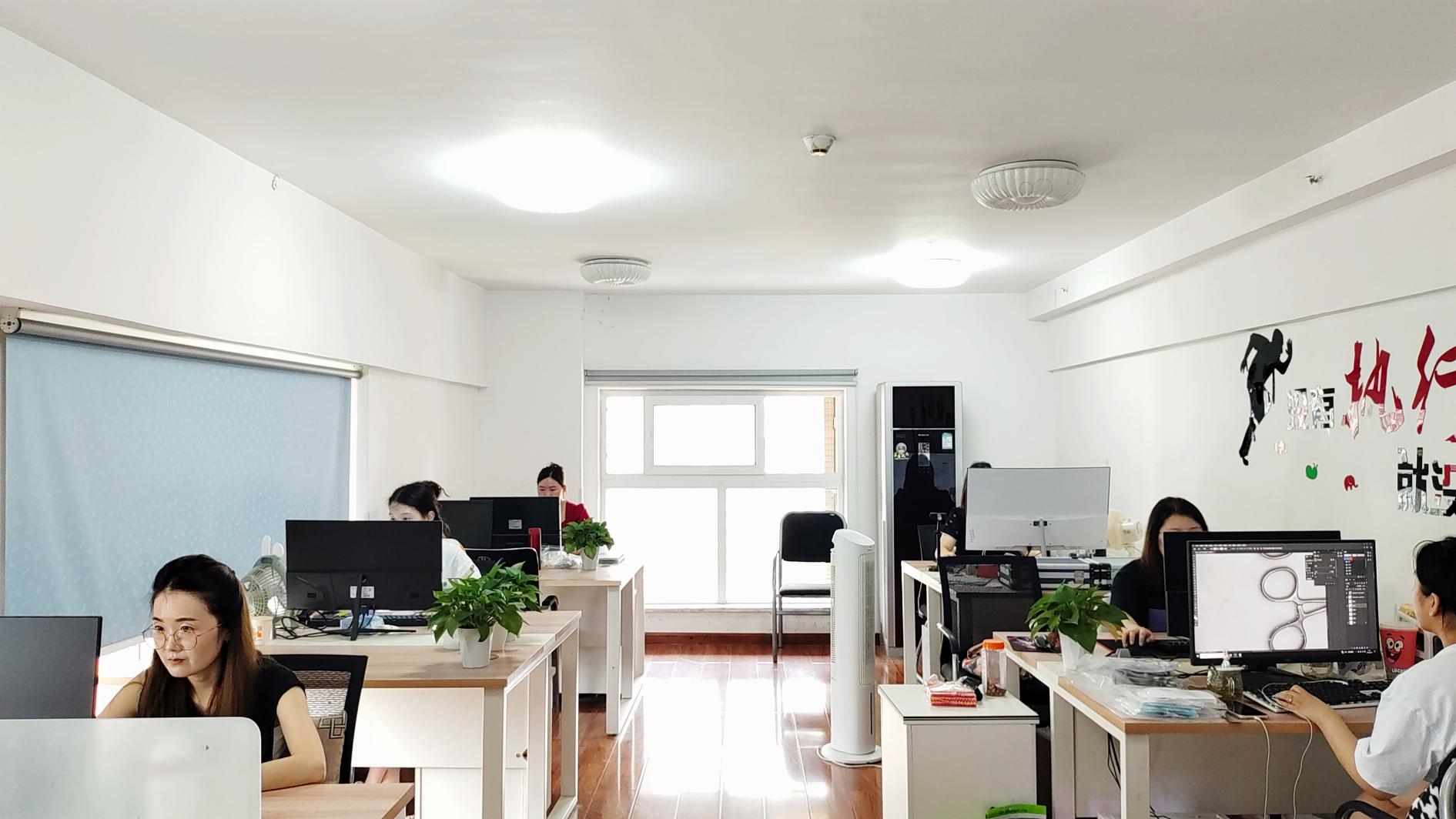
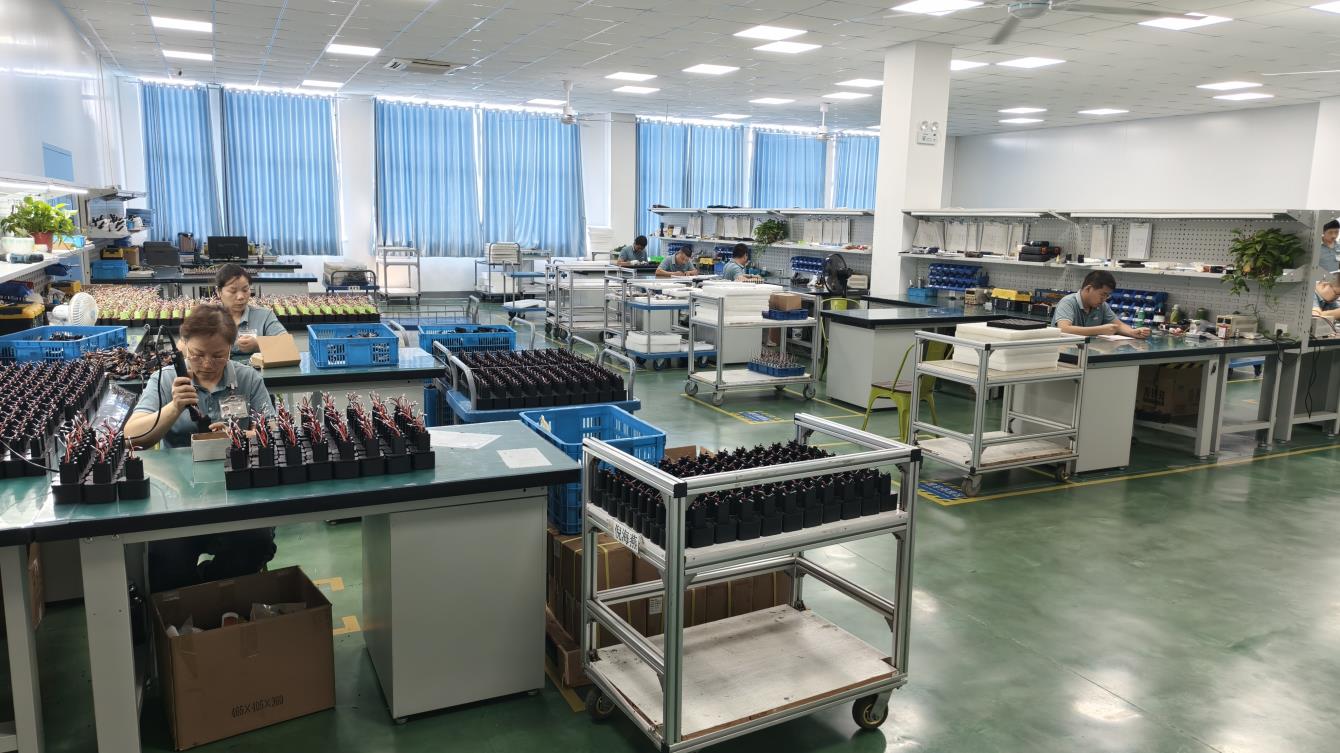
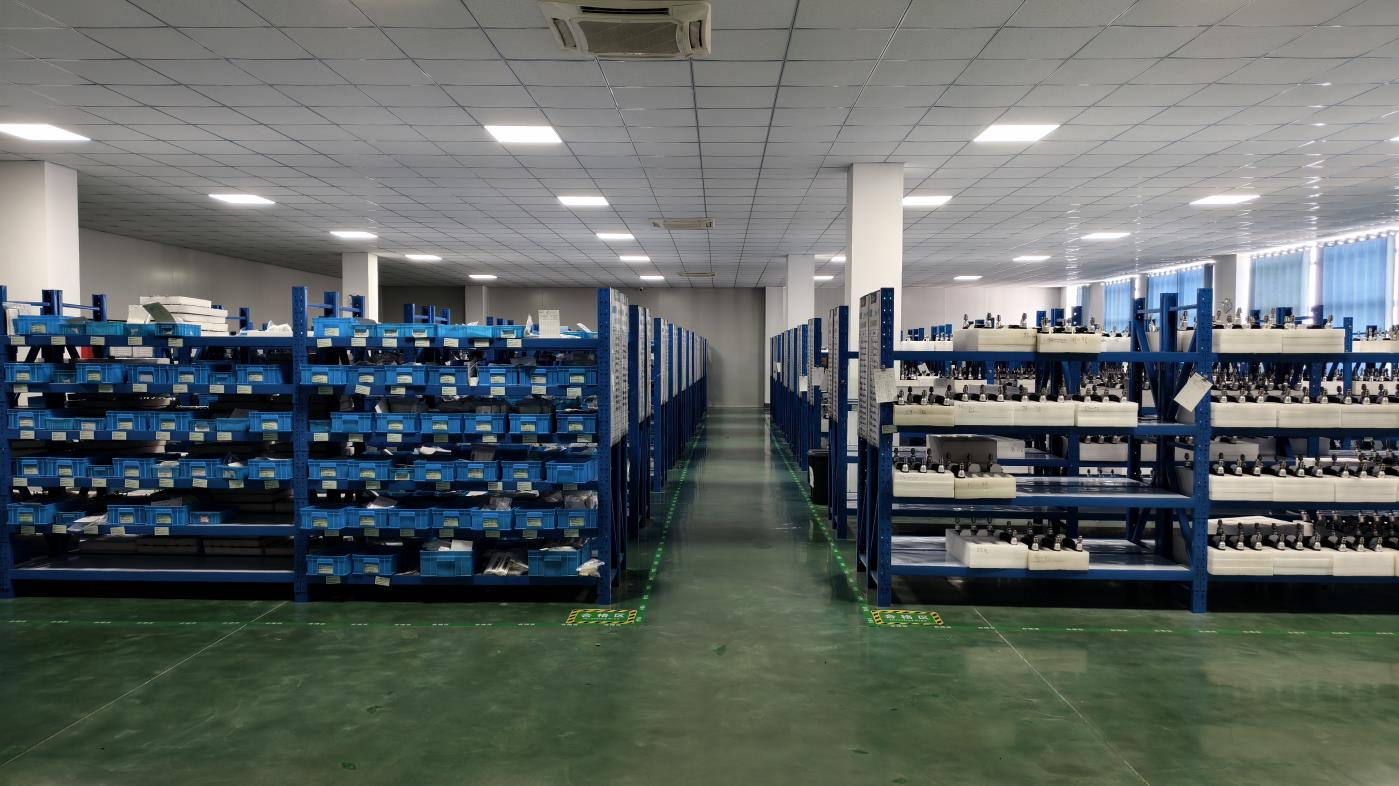
Take an inside look at our specialized manufacturing processes, surface finishing setups, and quality control systems. We maintain strict cleanroom conditions and modern machinery to produce medical-grade devices that meet global standards.
Find answers to common questions about product customization, material selection, regulatory registration, and supply chain logistics for our surgical needle guides and related instruments.