SENJIE Healthy & Technology
SENJIE Healthy & Technology
SENJIE Healthy & Technology
Explore our elite collection of high-precision retractors, bone saws, benders, and power drills engineered for clinical operations.
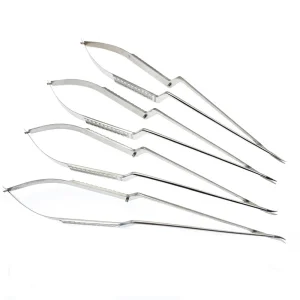
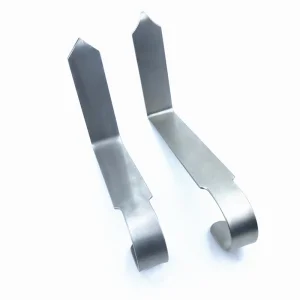
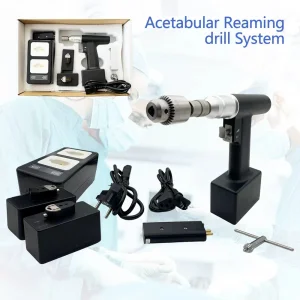
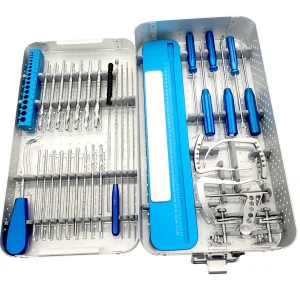
Modern surgical endoscopy forms the cornerstone of Minimally Invasive Surgery (MIS). The optical trajectory relies heavily on the physical stability and light throughput of Hopkins rod-lens optics, which maximize light transmission using long cylindrical glass elements. The core design challenges center around chromatic aberrations, light loss at glass-to-air boundaries, and structural decay from repeated thermal exposure.
To satisfy modern clinical expectations, optical fibers must guide cold light sources (LED or Xenon) without local hot-spot degradation. In addition, the mechanical envelope must be hermetically sealed to withstand hundreds of high-pressure autoclaving cycles. Solder connections must leverage inert materials such as gold to prevent galvanic corrosion at high temperature cycles.
Rigid endoscopy does not act in isolation. It relies on a synchronized ecosystem of retraction, cutting, and fixation tools to achieve clean patient outcomes.
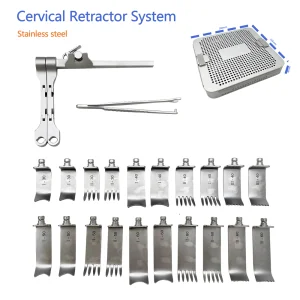
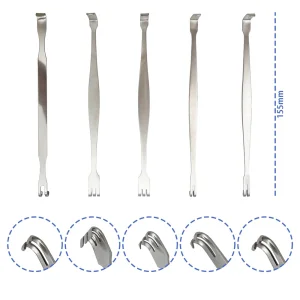
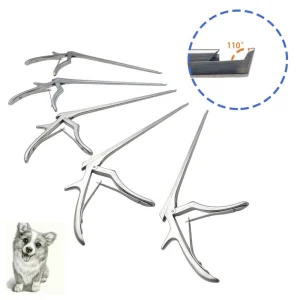
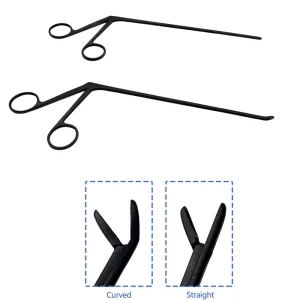
Endoscopic spine surgery requires high-contrast micro-retraction. Devices like cervical retractors and lamina hooks provide targeted surgical access channels. Under microscopic visual control, Kerrison Rongeur bone punches dissect hypertrophic tissue with high tactile control, safeguarding the adjacent nerve roots.
Reconstructing knee ligaments (ACL/PCL) requires specialized arthroscopic visualization systems. During reaming, surgeons employ high-torque acetabular reamers and bone drill setups to create bone tunnels, using precise wire guides and bone wire passers to route graft implants without tearing.
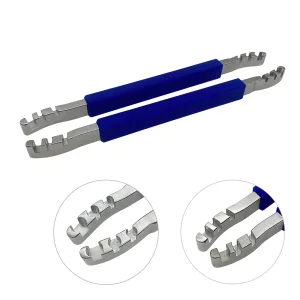
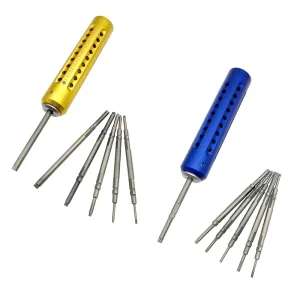
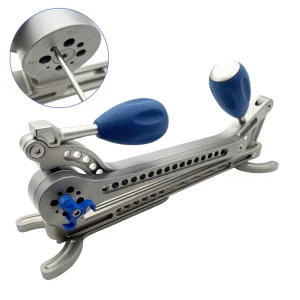
Veterinary orthopedics involves unique anatomical dimensions, requiring flexible instrument sets. Specialized solutions like the Bone Plates Bender set and quick-coupling screwdrivers enable prompt implant adjustment during surgery, reducing anesthesia times and optimizing bone alignment.
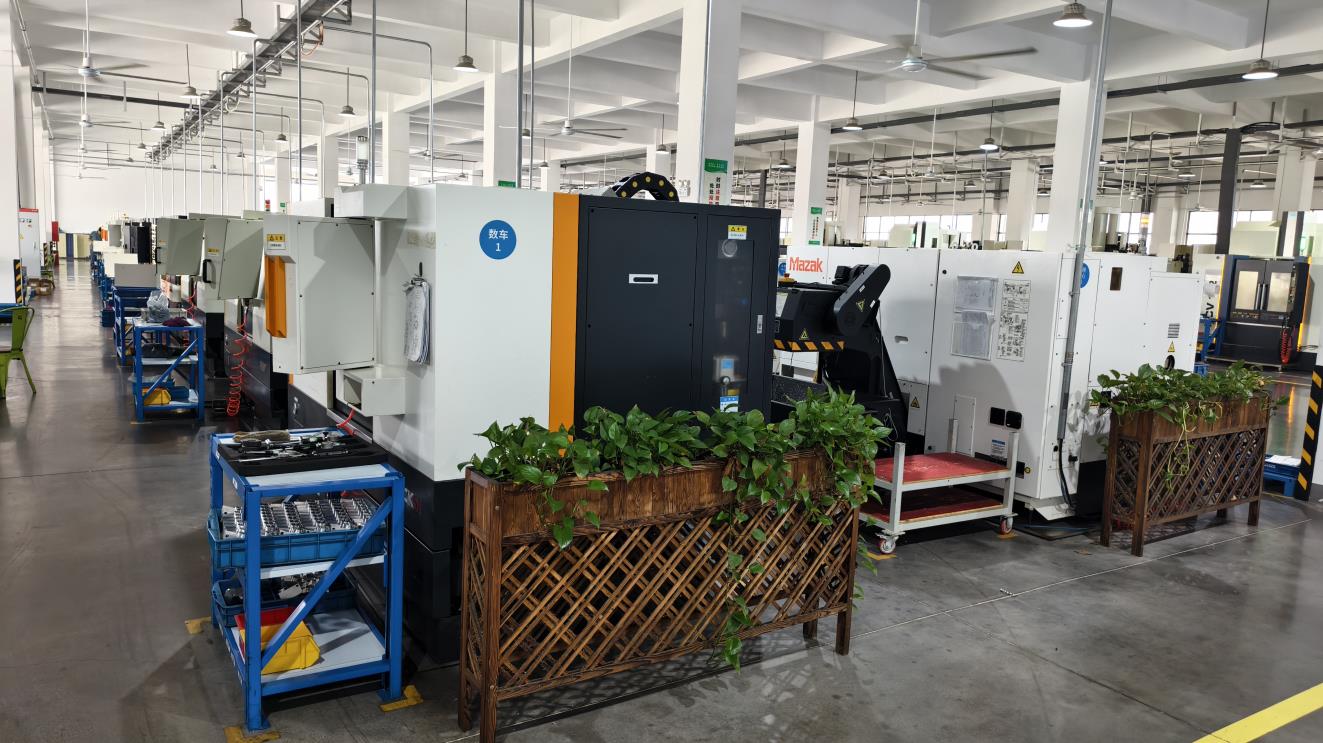
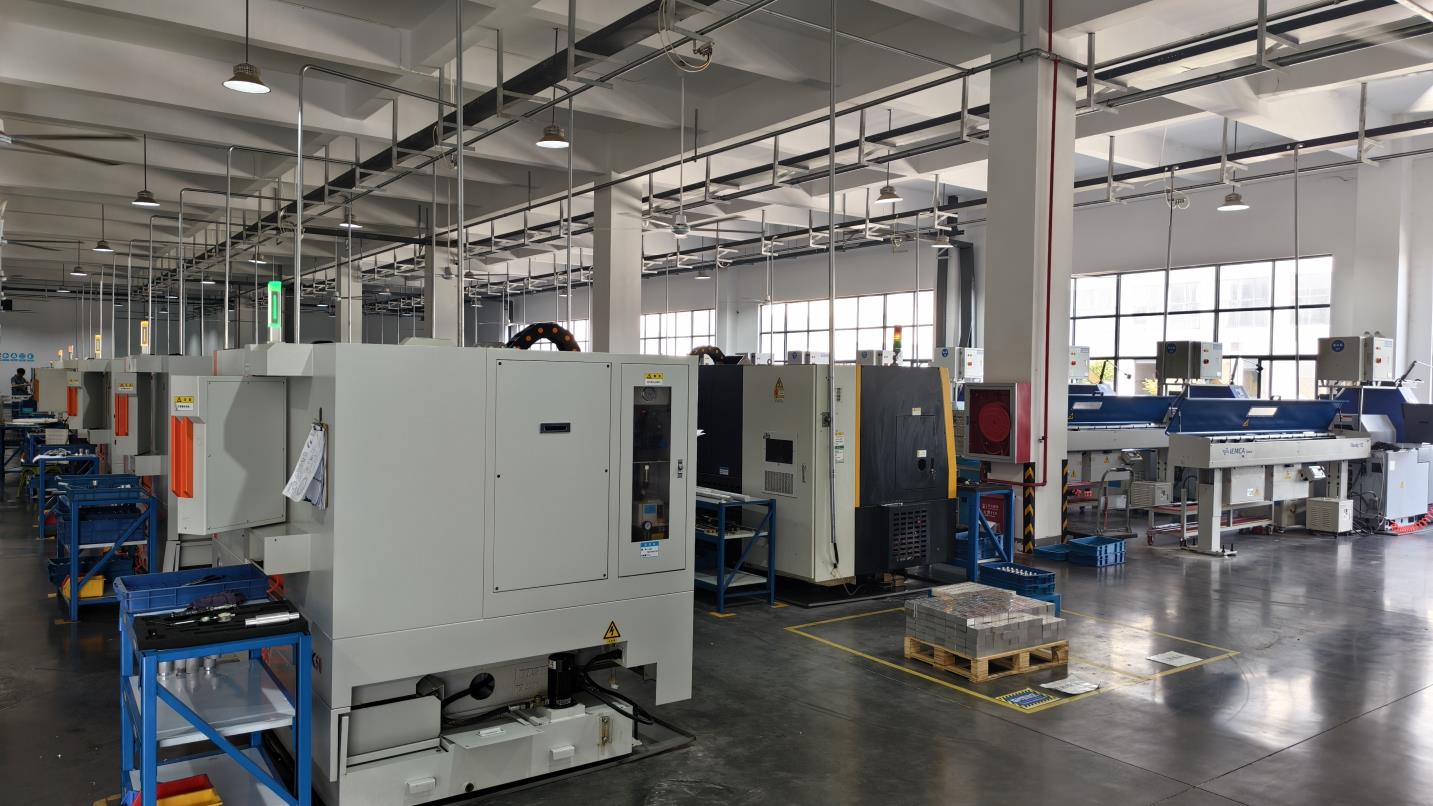
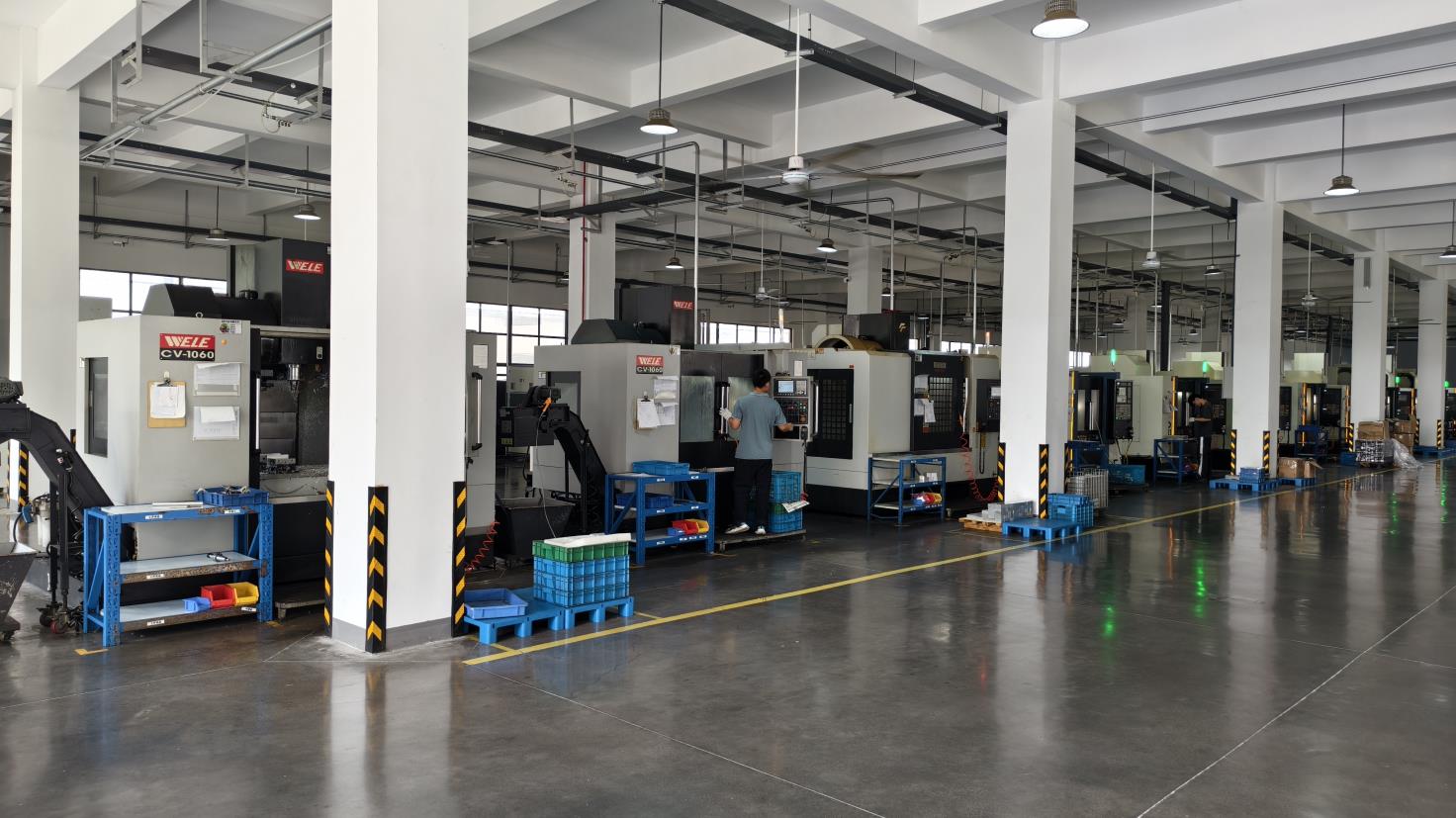
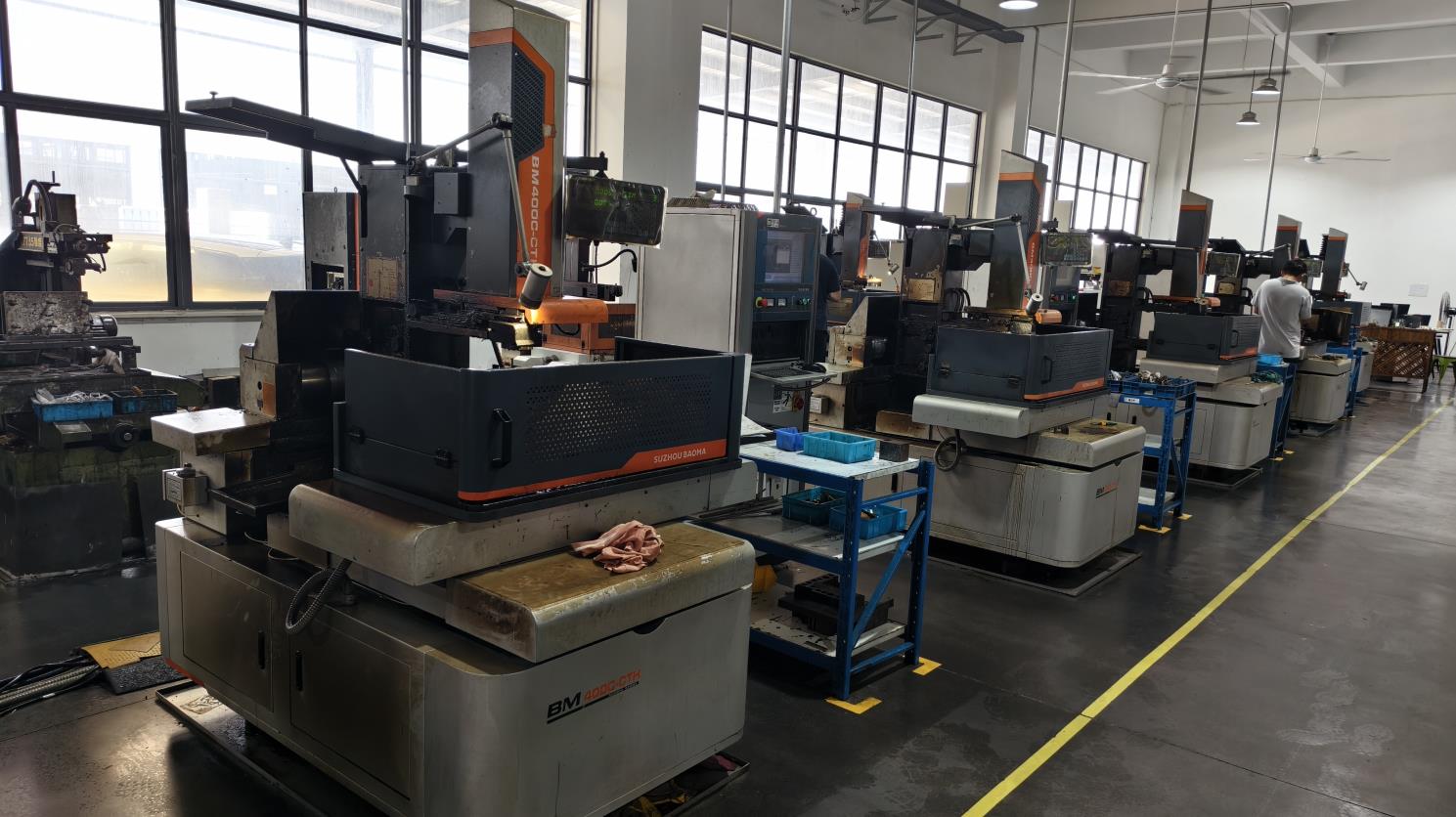
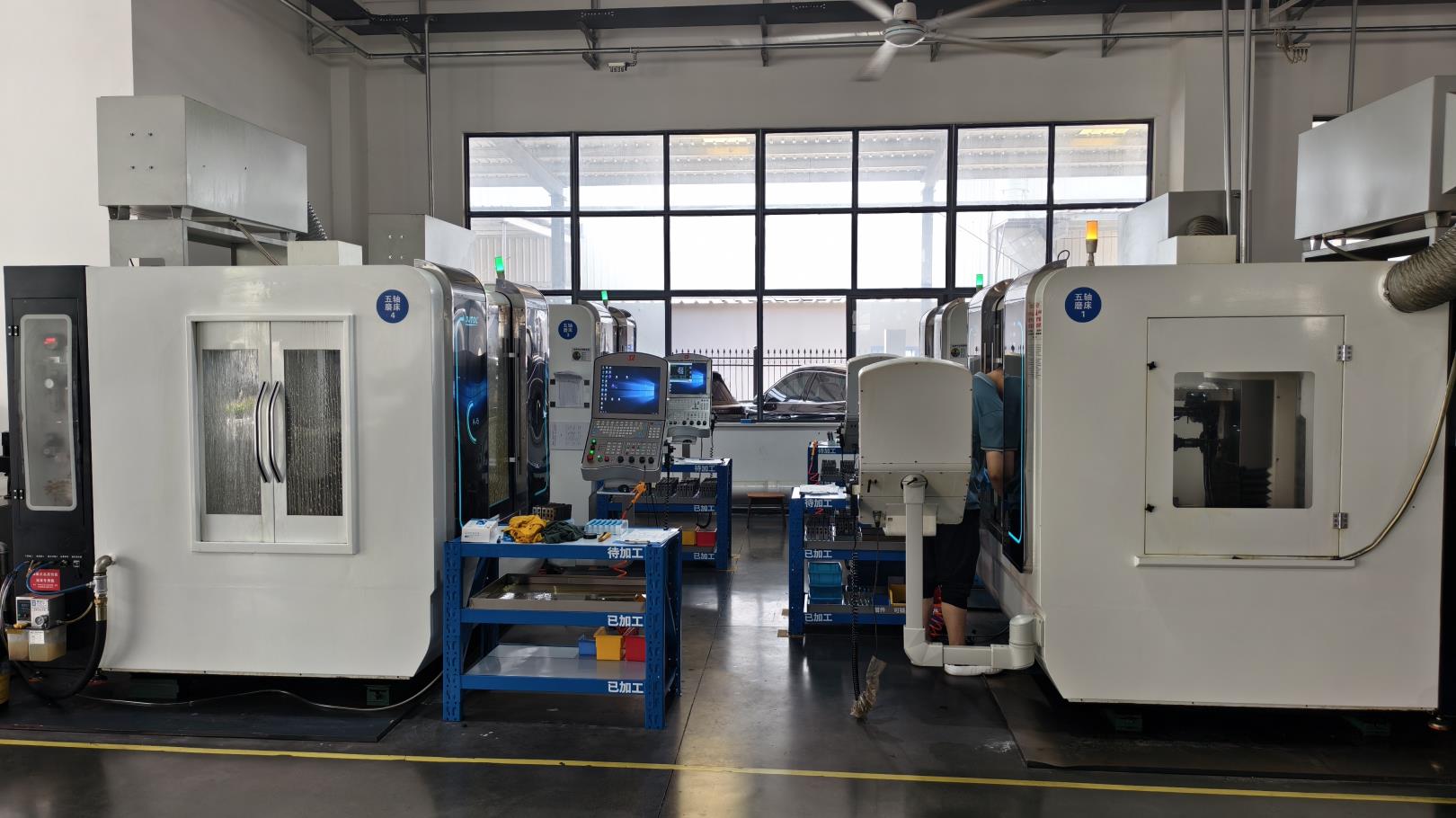
Based in the center of medical manufacturing, our facility established in November 2019 combines raw material sourcing with advanced production machinery. Sourcing medical-grade raw steel (mostly SUS316L and high-tensile 17-4 PH stainless steel) requires trace records. Each batch of steel undergoes mechanical analysis and alloy verification before manufacturing begins.
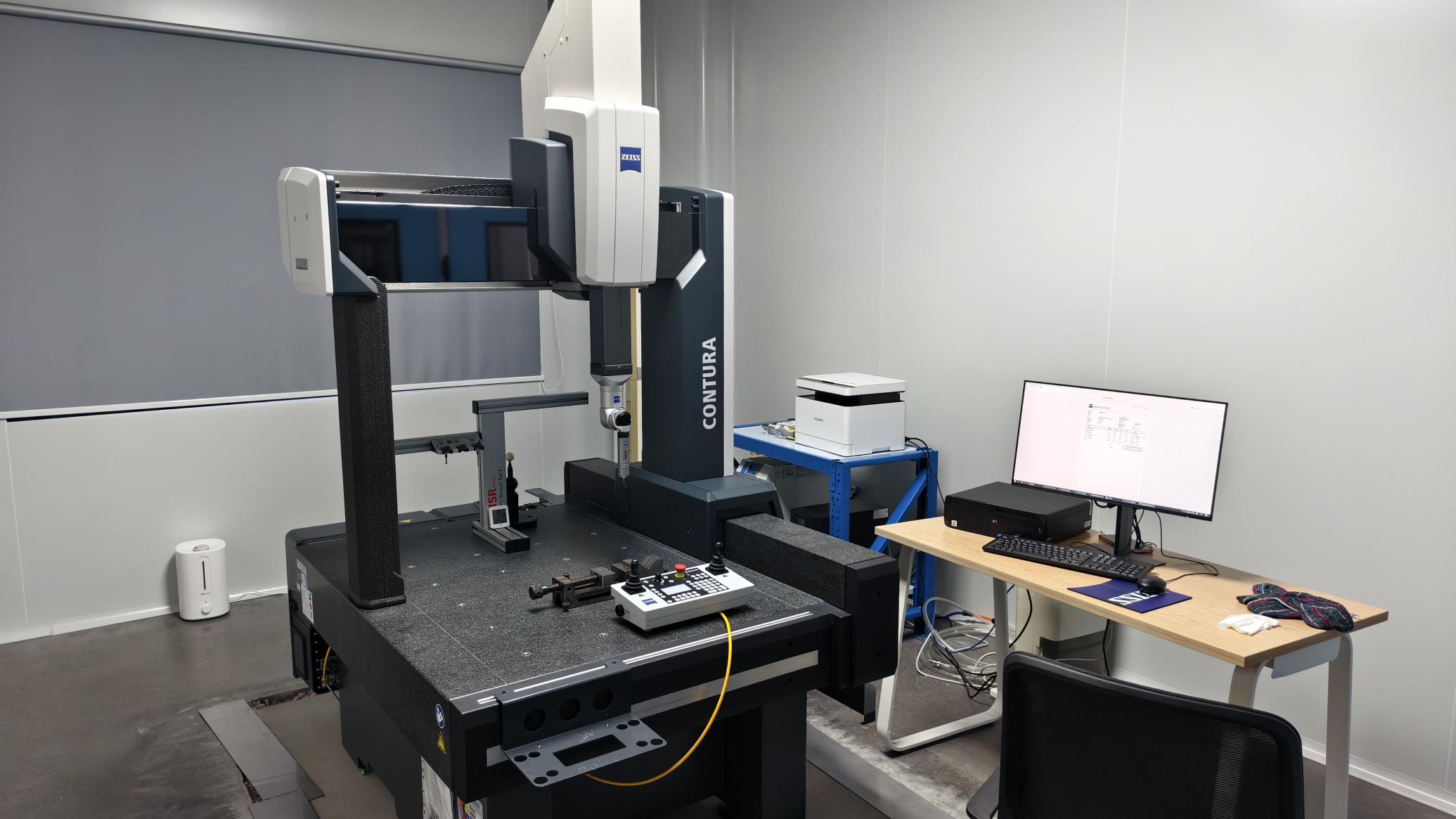
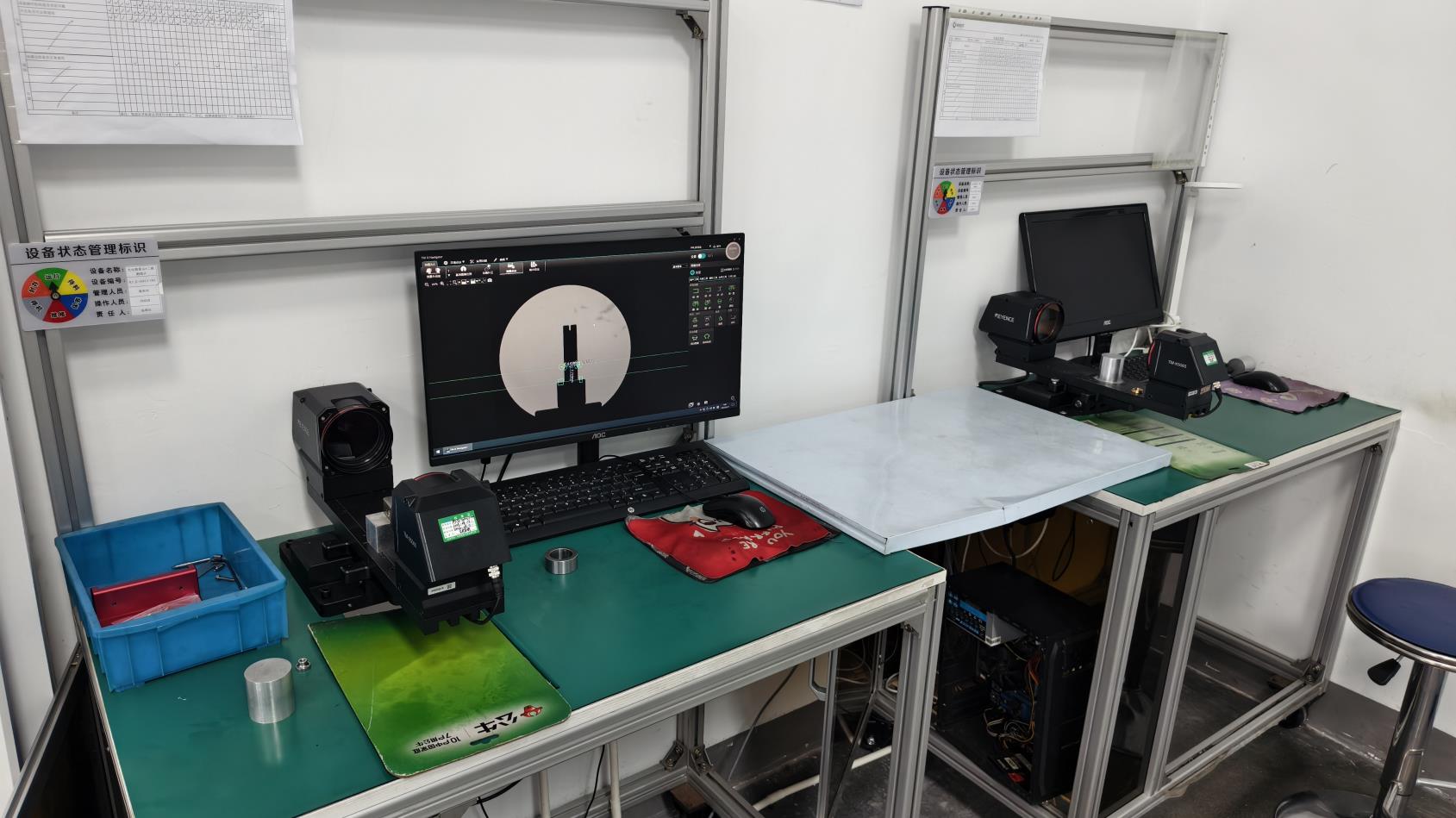
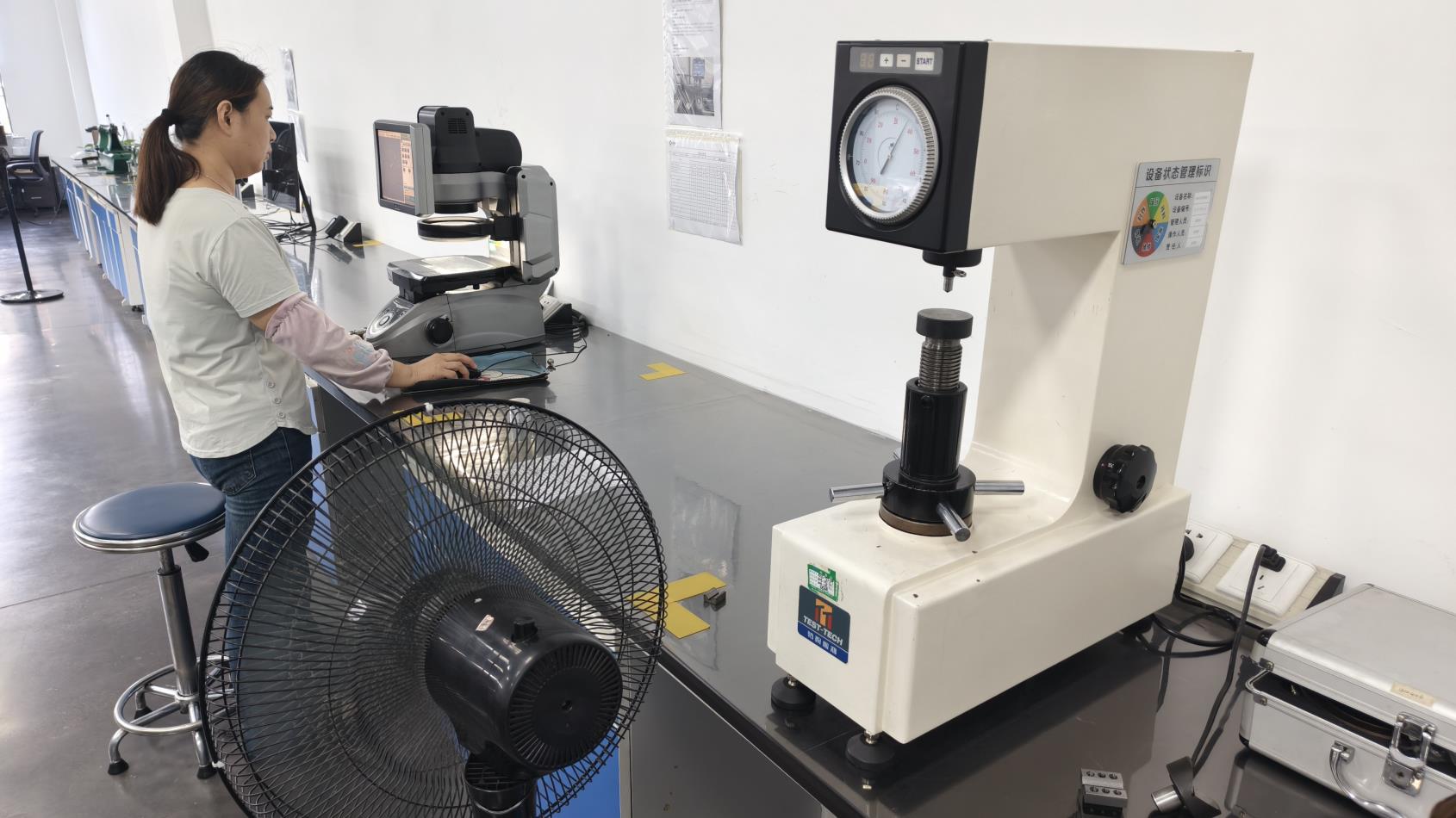
To satisfy different global client specifications, our production line implements dynamic quality control checks. The facility operates on random inspection protocols backed by client-specific test criteria. With 3 resident QA/QC inspectors, each manufactured endoscope undergoes mechanical fatigue testing, light leakage evaluations, and autoclave stress chambers to simulate multi-year clinical usage.
The landscape of minimally invasive surgery is evolving rapidly. We align our manufacturing processes to meet these changes.
Future endoscope designs will integrate 4K resolution (3840x2160 pixels) alongside multi-spectral NIR illumination. This configuration enables the identification of vascular pathways and tumor boundaries via Indocyanine Green (ICG) fluorescence imaging, improving diagnostic accuracy during clinical procedures.
Integrated surgical consoles utilize real-time image analysis. Algorithms process video feeds from endoscopes to identify anatomical land-markers, trace vessels, and output boundary warnings during critical steps of complex orthopedic reconstructions.
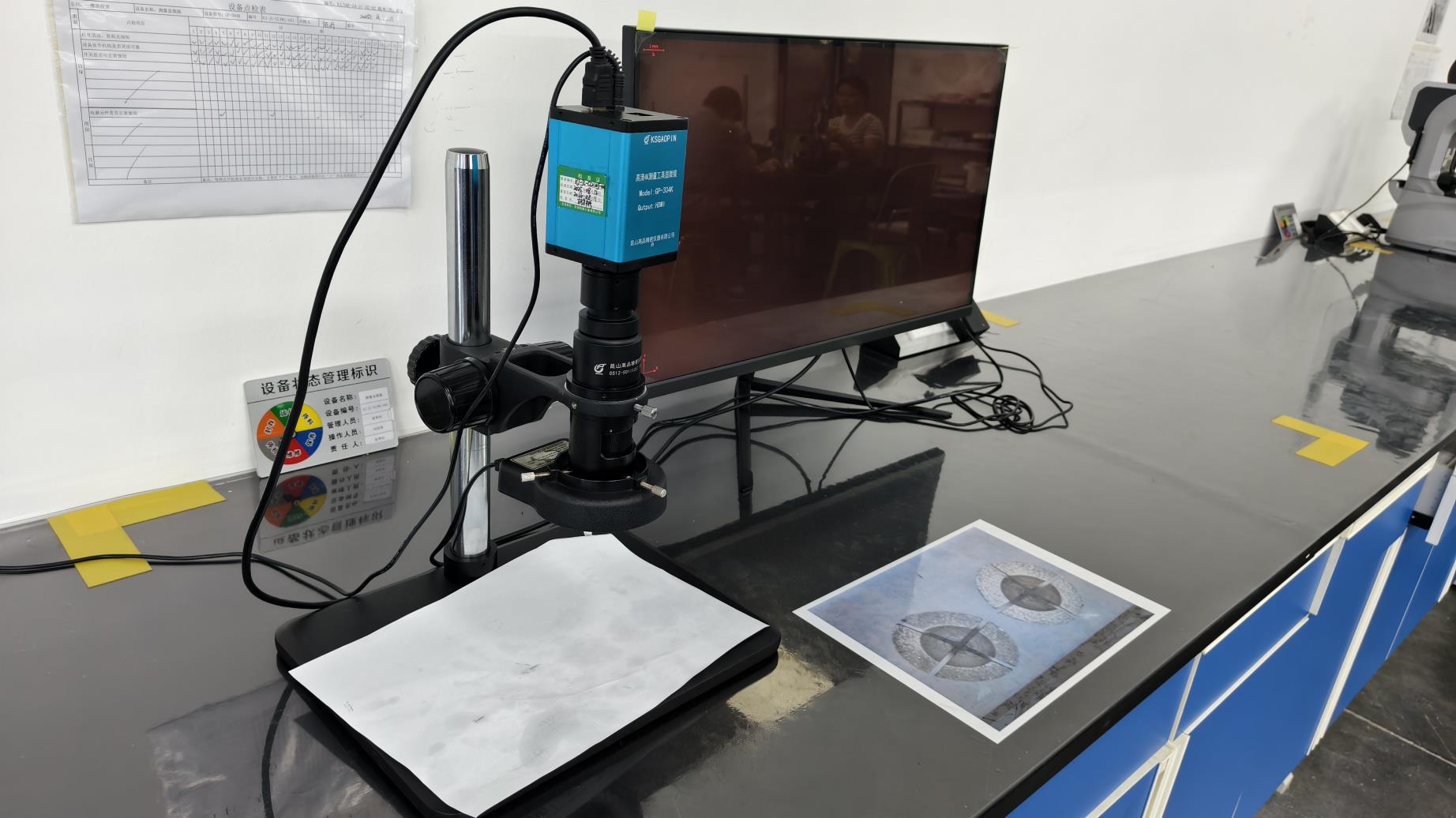
Photo documentation of our high-precision machining, sterile cleanrooms, raw material inventory, and technical testing departments.
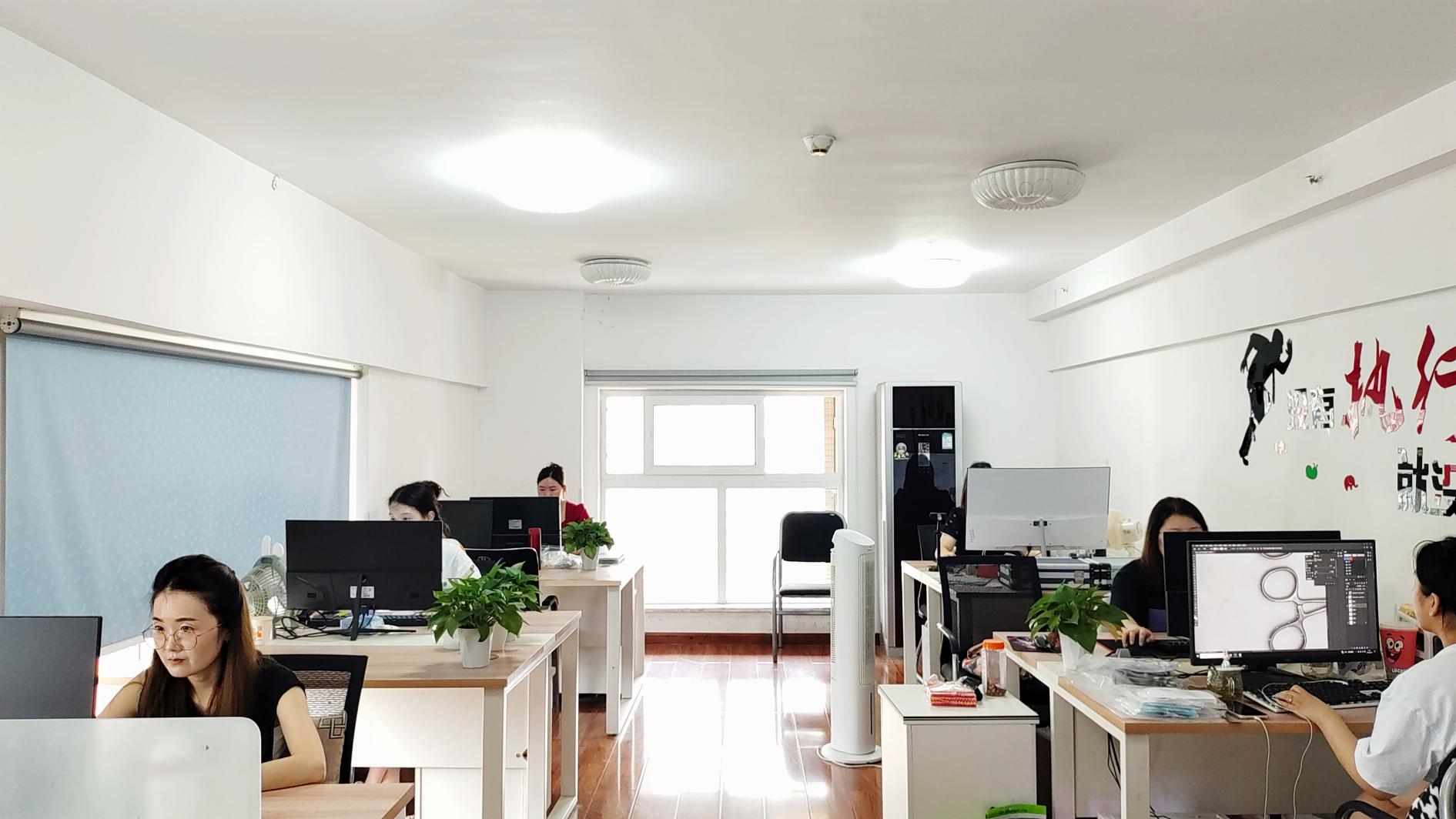
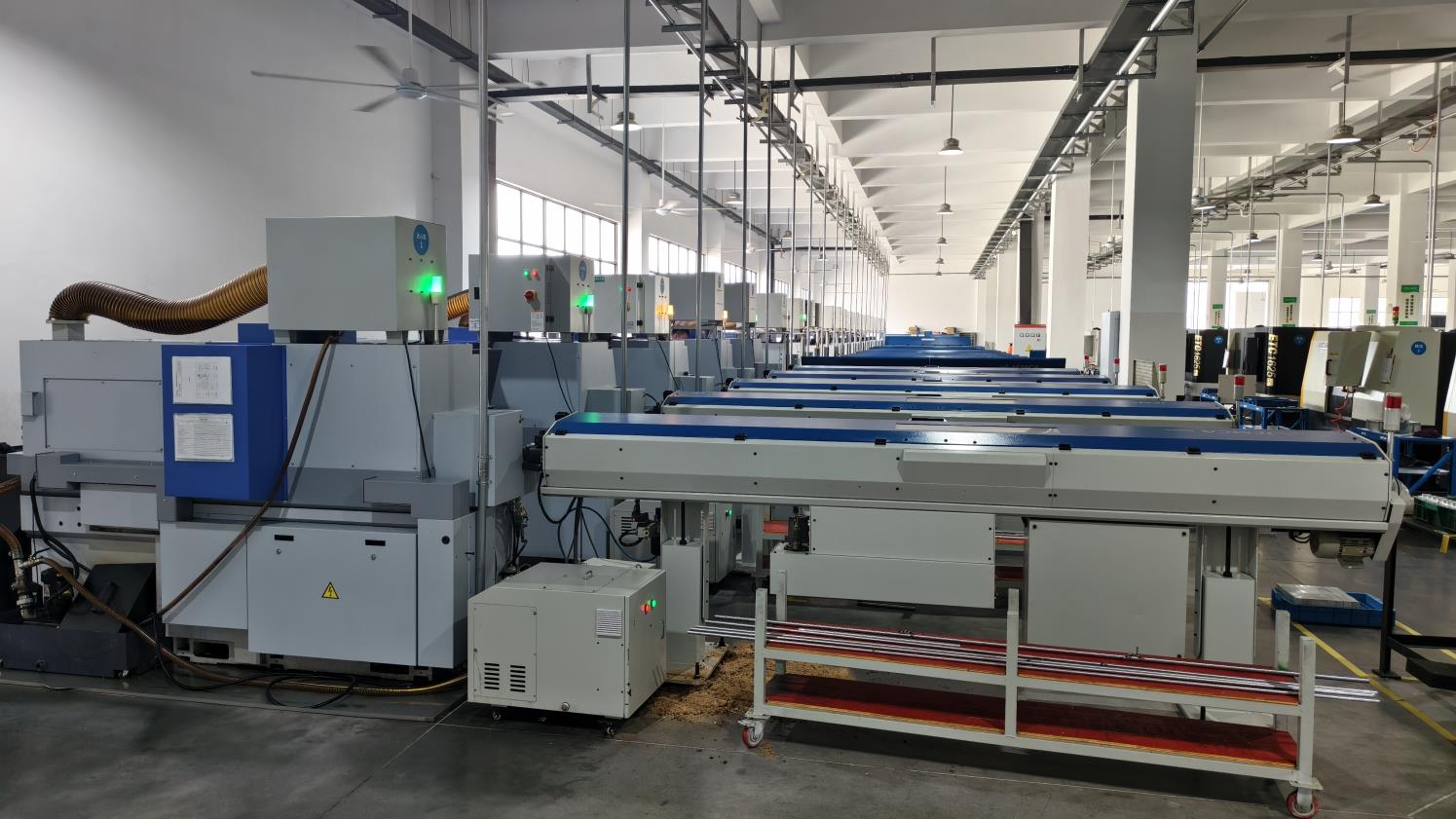
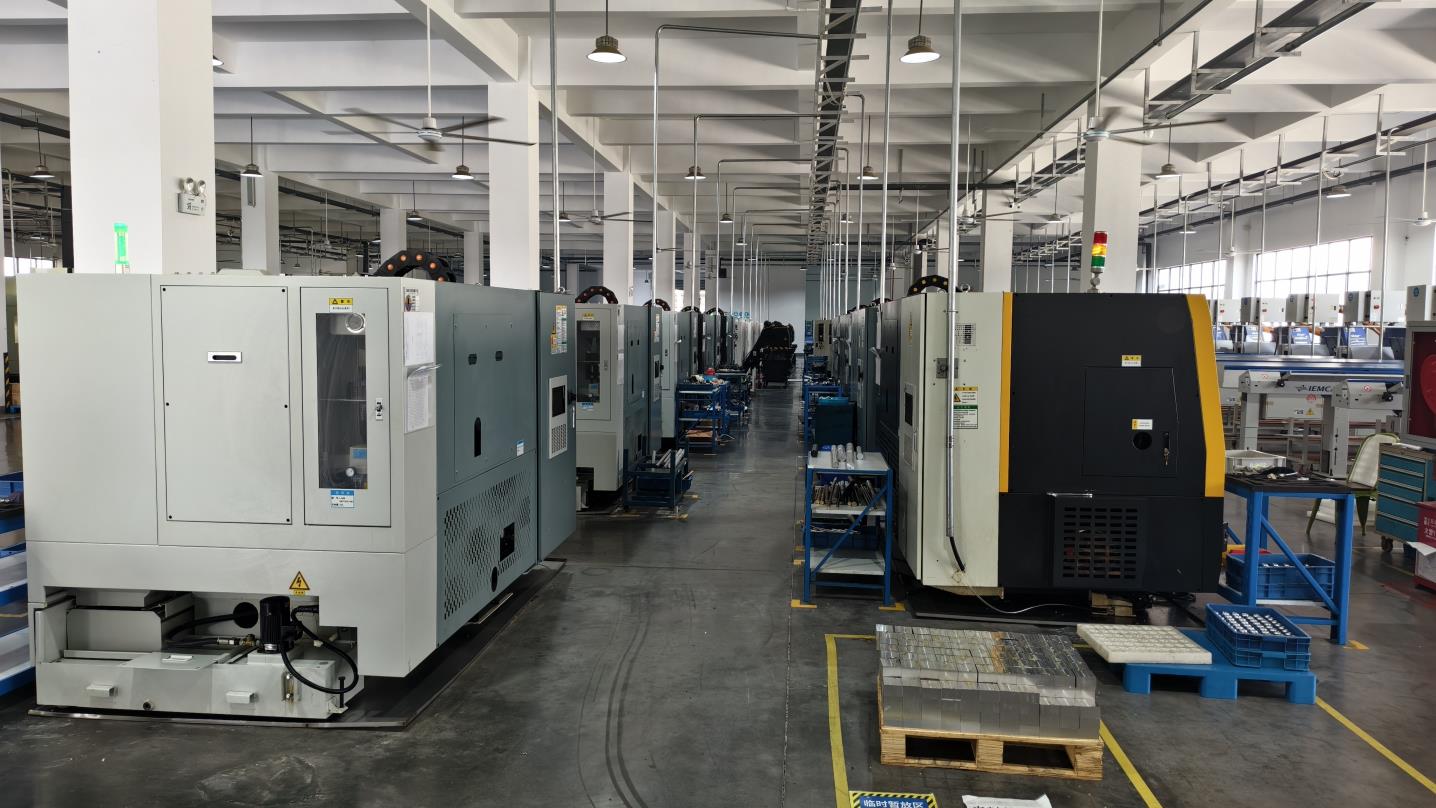
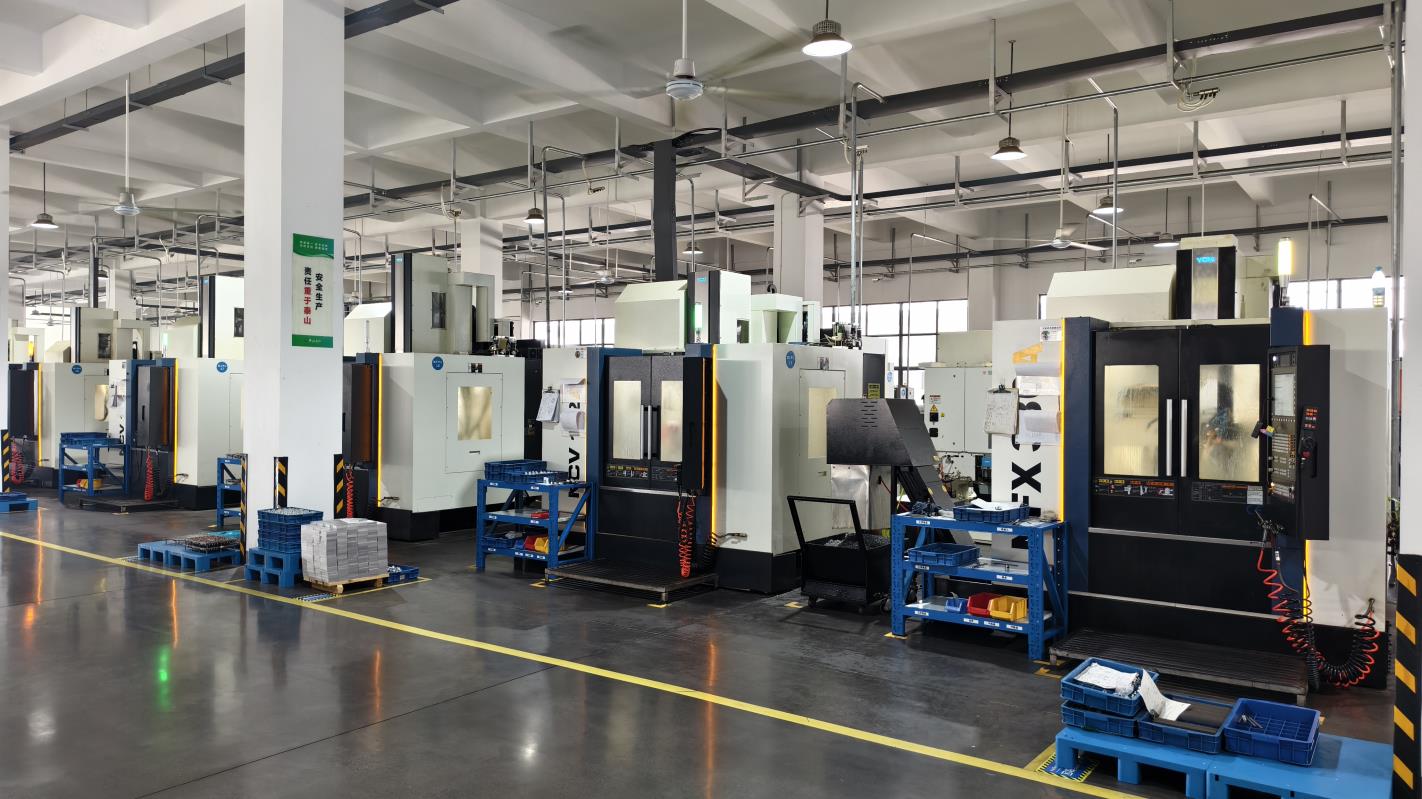
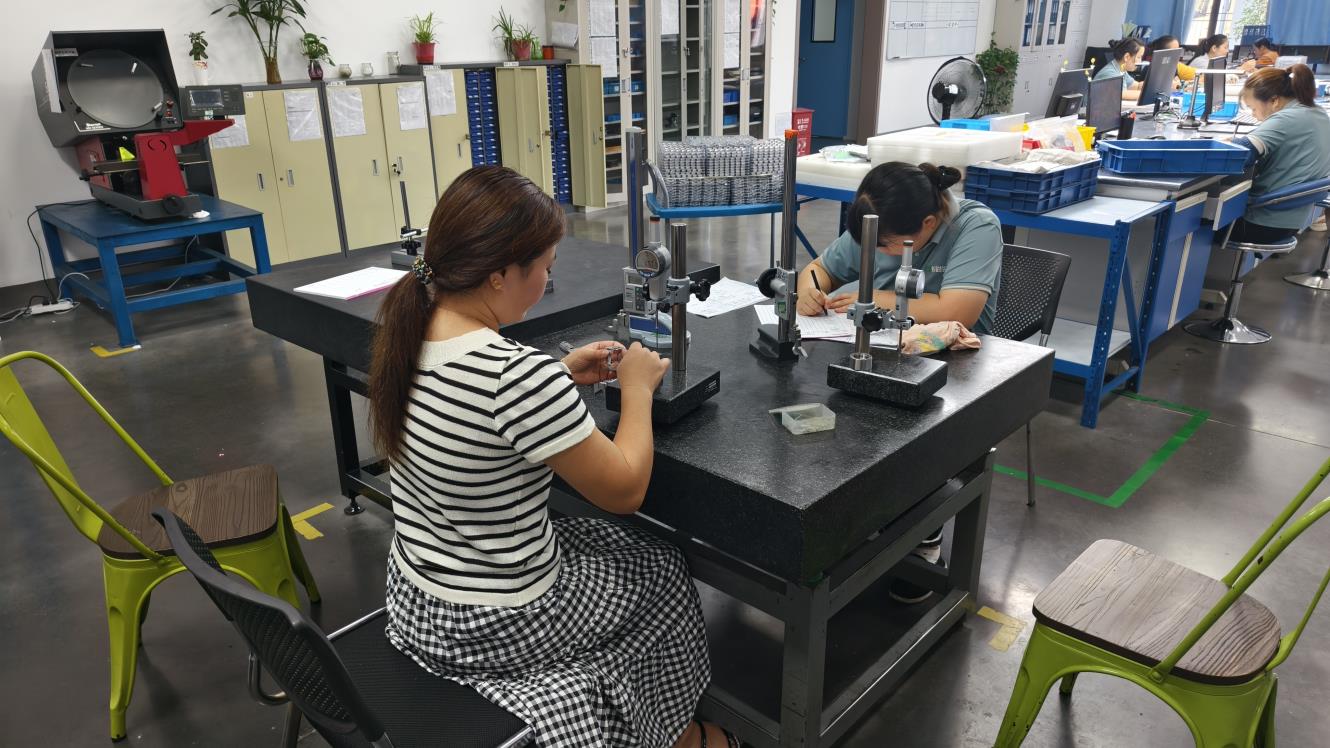
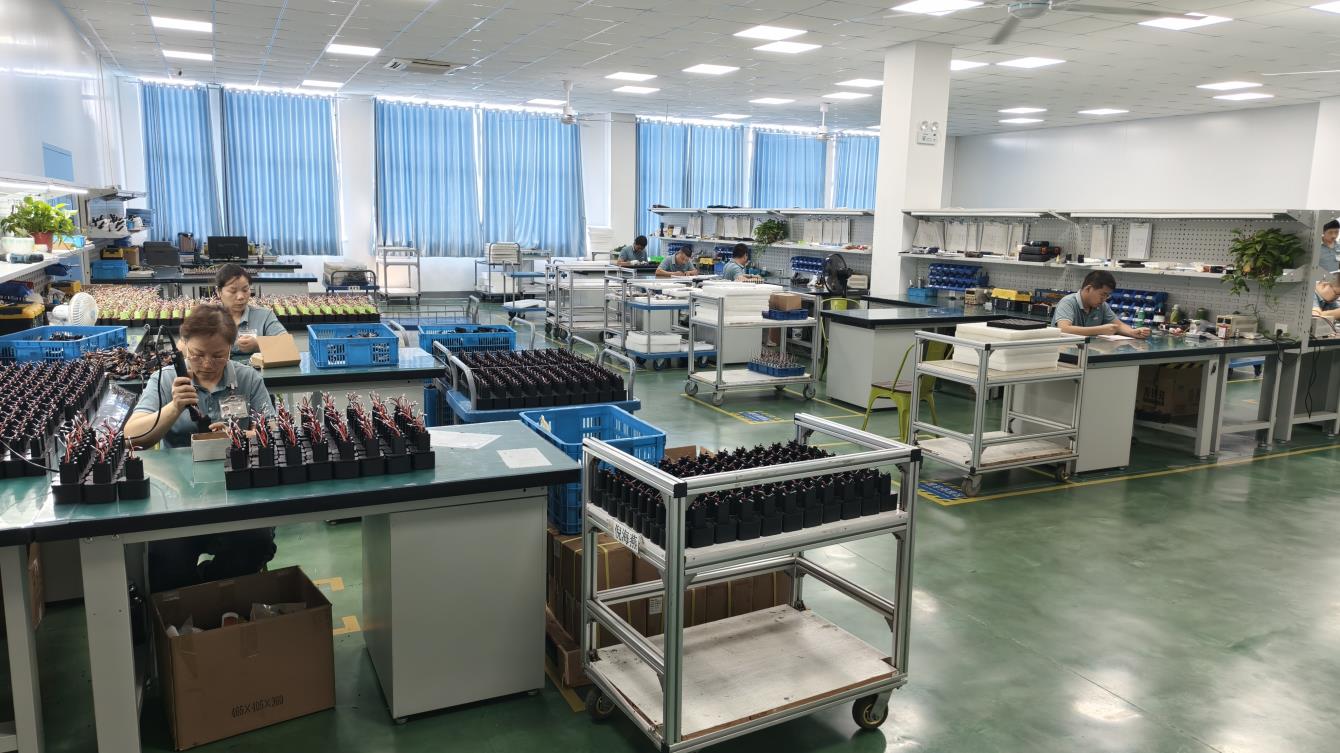
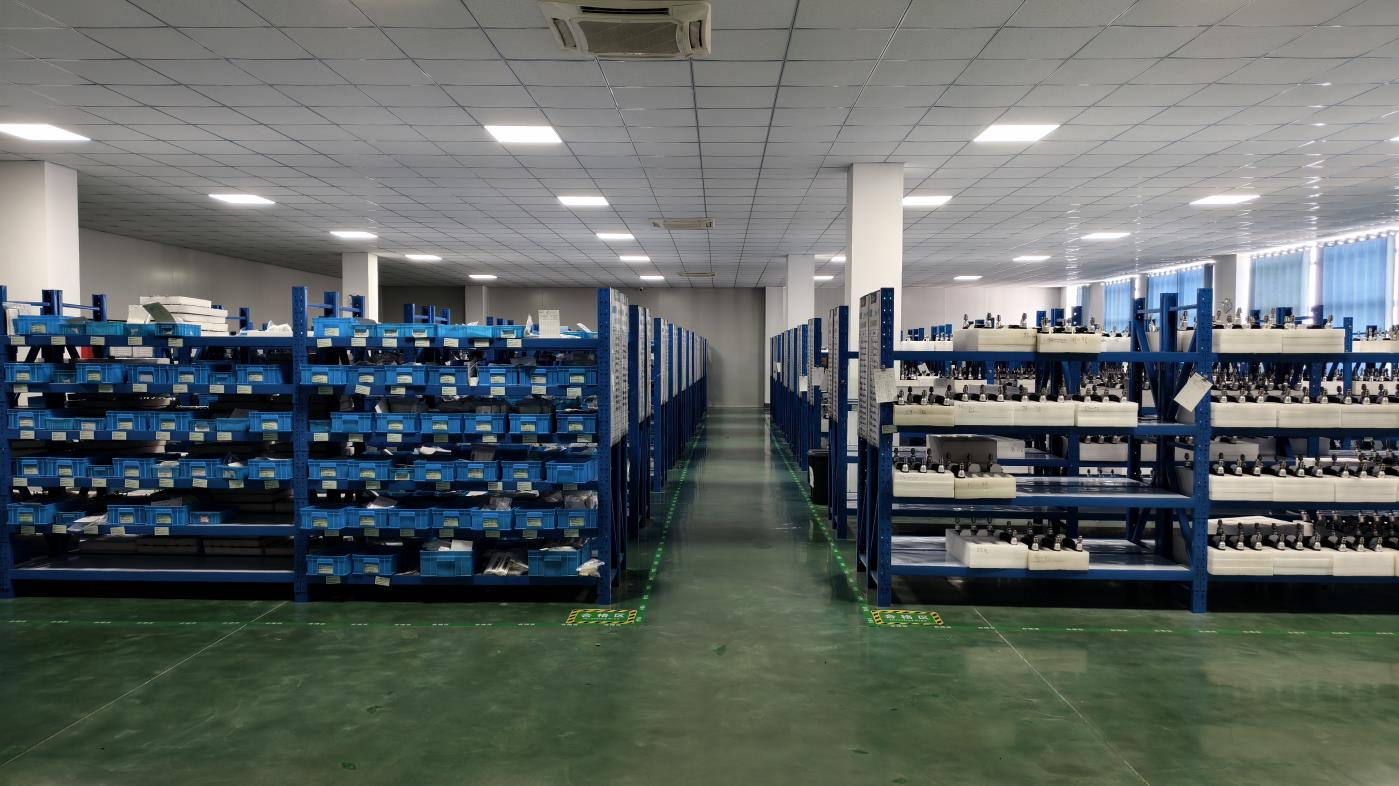
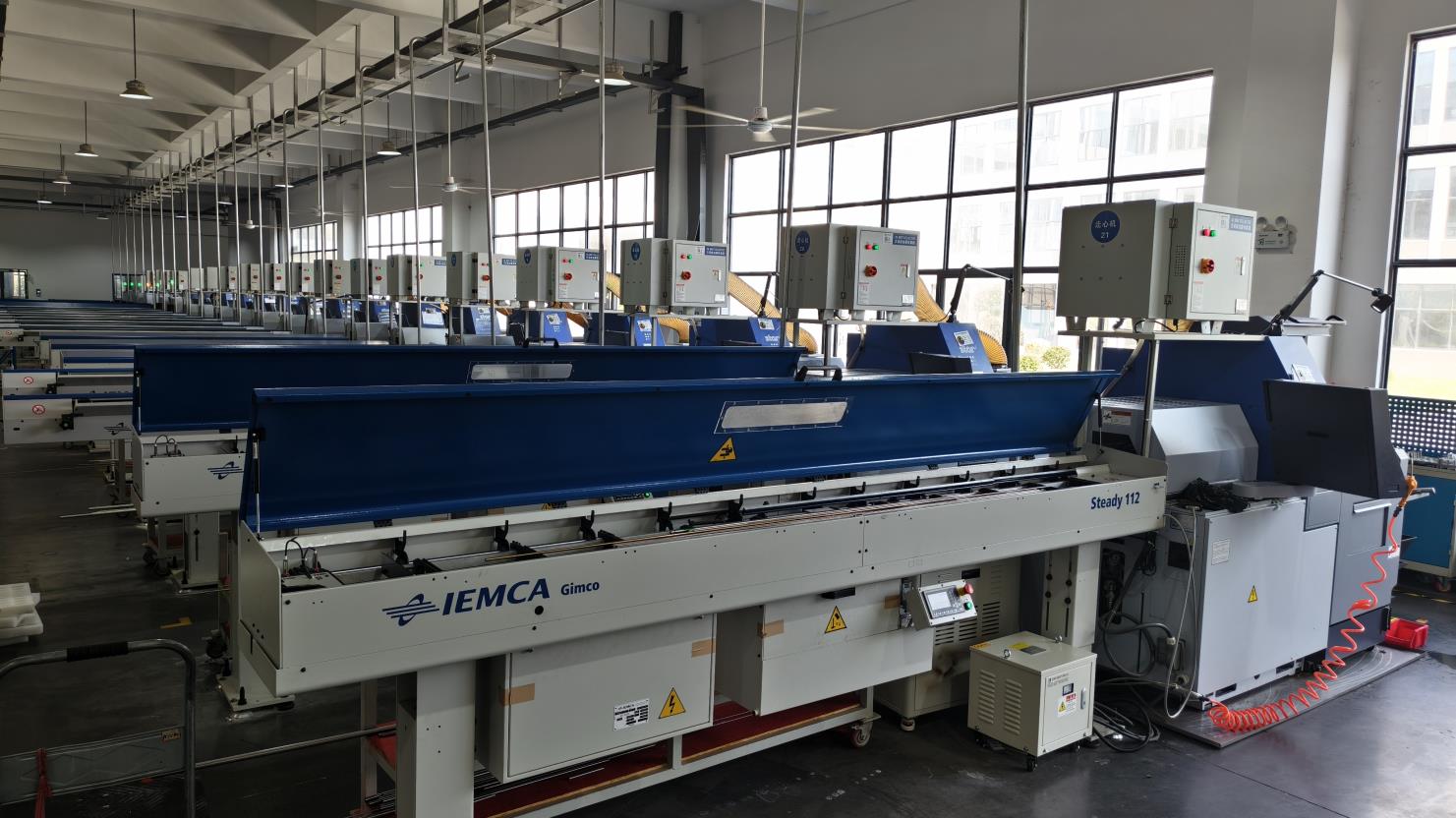
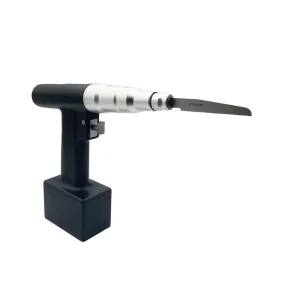
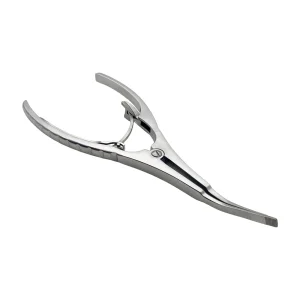
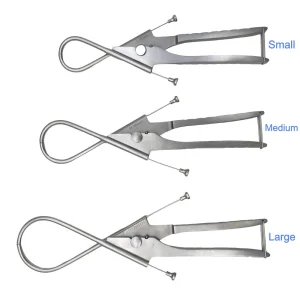
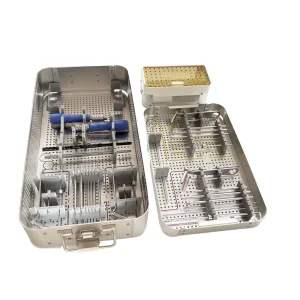
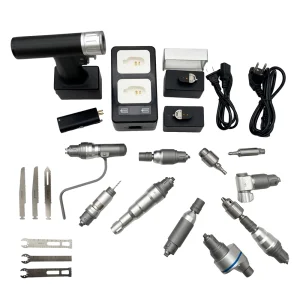
Technical instruments for spinal decompression, veterinary orthopedic kits, bone cut spreaders, and modular drills.
Clear answers to technical, design, quality inspection, and logistical queries from global medical procurement departments.
Our rigid endoscopes utilize medical-grade stainless steel (SUS304, SUS316L, and high-strength SUS630) for maximum corrosion resistance. Optical glass-to-metal connections are sealed using high-purity laser micro-welding and gold solder alloys, which absorb thermal expansion stresses during 134°C steam sterilization (2.3 bar) without causing micro-cracking or optical fogging.
We operate a traceability protocol under ISO-aligned standards. Every batch of incoming medical steel is cross-referenced with a mill test certificate specifying chemical content and physical yield strength. This documentation is linked to the batch production lot, allowing us to trace individual raw material sources for all manufactured products, including bone saws, reamers, and retractor systems.
We provide comprehensive design and customization support, including CAD/CAM drawing adjustments, component sample processing, and custom surface modification (including mechanical electropolishing, chemical passivation, and custom laser marking). We adjust dimensional tolerances, hook angles, blade geometry, and quick-coupling configurations to align with proprietary medical platforms.
Our quality control department employs 3 dedicated QA/QC inspectors. We utilize standard random inspection processes and also carry out custom audits specified by clients. Testing protocols cover dimensional accuracy, mechanical stress, optical chromatic distortion, light fiber density, and waterproof hermetic performance.
With 6 years of export experience, we manage medical device logistics for distributors across North America (25%), South America (25%), and Southeast Asia (15%). Our logistics support includes double-walled protective packaging to prevent damage, export customs clearance, and structured shipping documents to facilitate import entry at international destination ports.