SENJIE Healthy & Technology
SENJIE Healthy & Technology
SENJIE Healthy & Technology
Explore our elite line of surgical components and devices engineered to meet rigorous ISO standards, serving top medical distributors and surgical centers worldwide.
Years of Direct Global Exporting
Traceable Raw Materials (ISO Quality)
North American Market Share
Dedicated Professional QA/QC Inspectors
Comprehensive Analysis on Current Market Dynamics, Demand Shifting, and Structural Growth Drivers.
The global orthopedic surgery marketplace is experiencing a tectonic shift from traditional open procedures to Minimally Invasive Surgeries (MIS). This evolutionary path requires unmatched spatial awareness and optical precision at the surgical site. Orthopedic visualization tools are no longer passive instruments; they serve as critical extensions of the surgeon's hands and eyes. The integration of high-resolution digital outputs, arthroscopy systems, and smart mechanical guiders has significantly minimized tissue damage and accelerated postoperative recovery cycles.
As a leading exporter from China, we stand at the nexus of high-precision engineering and manufacturing scalability. Our production facility leverages state-of-the-art metalworking and assembly processes to supply visualization tools that align with advanced imaging modalities. These medical-grade instruments ensure clear exposure and access to critical anatomical planes, reducing total operative time and mitigating overall clinical risks.
The escalating demand for high-quality orthopedic tools is anchored in key global indicators. An aging global population prone to degenerative joint diseases, coupled with a surging prevalence of athletic and sports-related injuries, has increased the caseload for complex orthopedic and neurosurgical operations. Clinical institutions in North America, Europe, and Asia-Pacific are seeking reliable suppliers capable of delivering high-durability, autoclave-compliant instruments that reduce lifecycle costs without compromising patient outcomes.
Understanding the engineering advancements and materials science that define next-generation surgical instruments.
Modern orthopedic surgery demands tools that withstand mechanical stress and repeated autoclave cycles (thermal sterilization exceeding 134°C). Our manufacturing processes utilize premium medical-grade 304 and 316L Stainless Steel, along with advanced Grade 5 Titanium (Ti-6Al-4V) for neurological and micro-vascular instrumentation. These materials prevent corrosion, provide high strength-to-weight ratios, and eliminate toxic reactions in contact with bodily tissue.
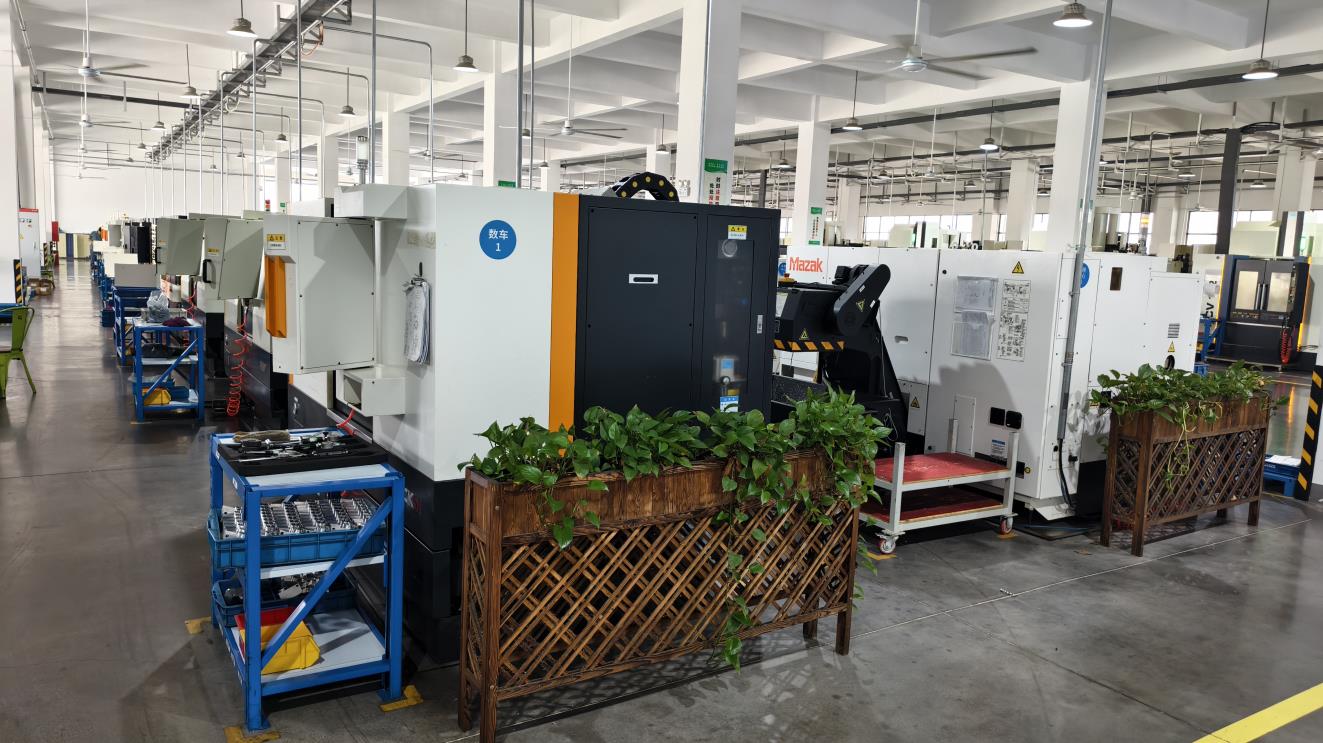
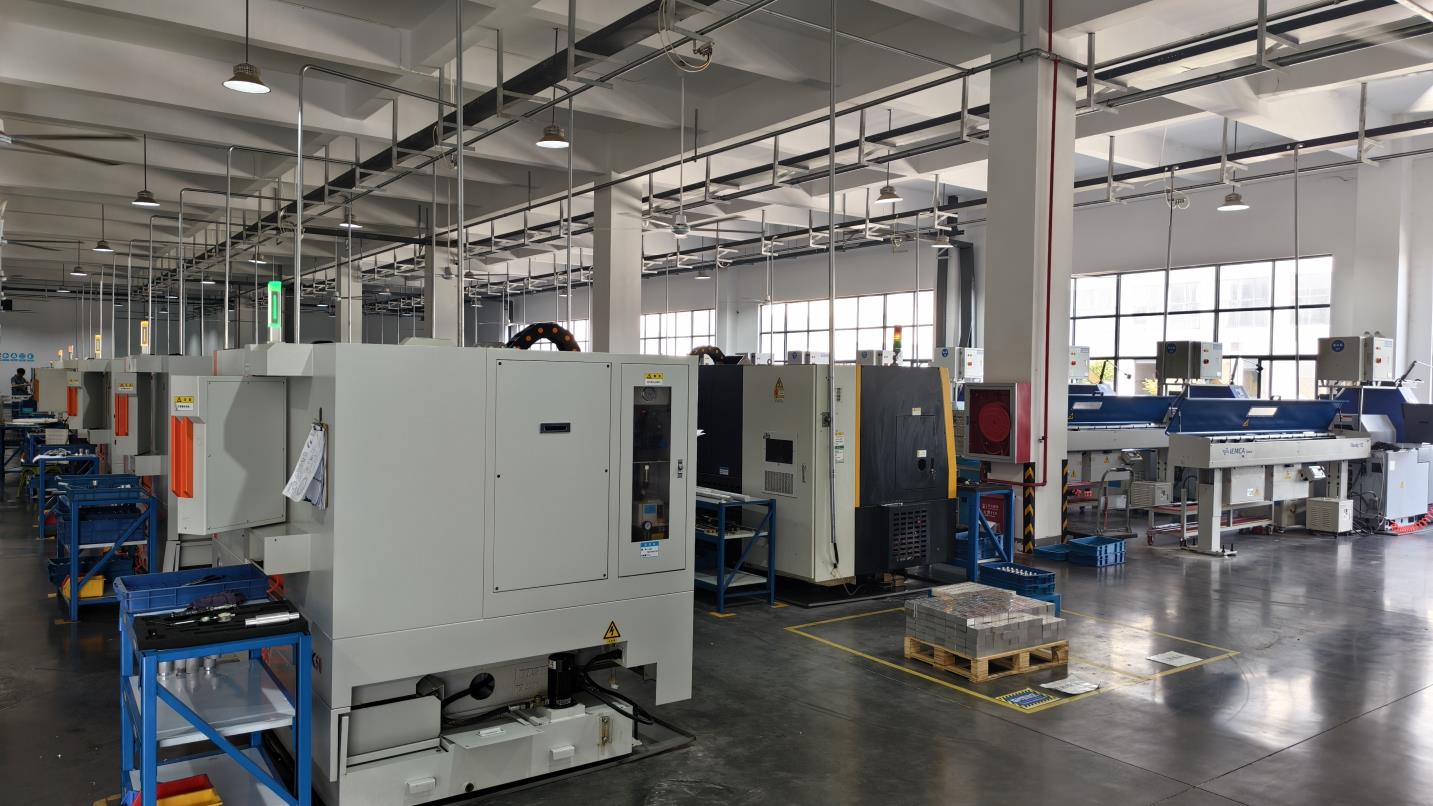
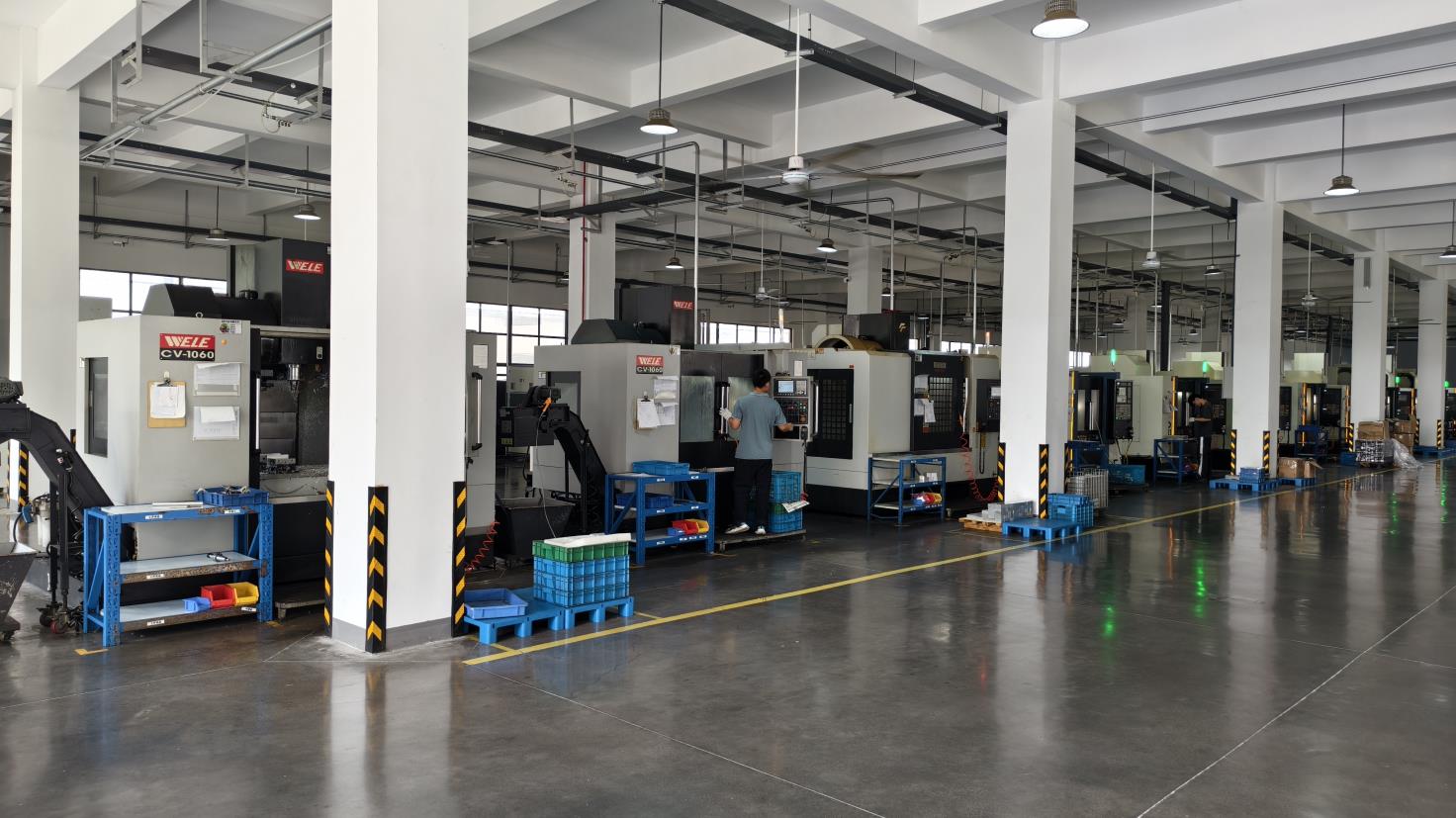
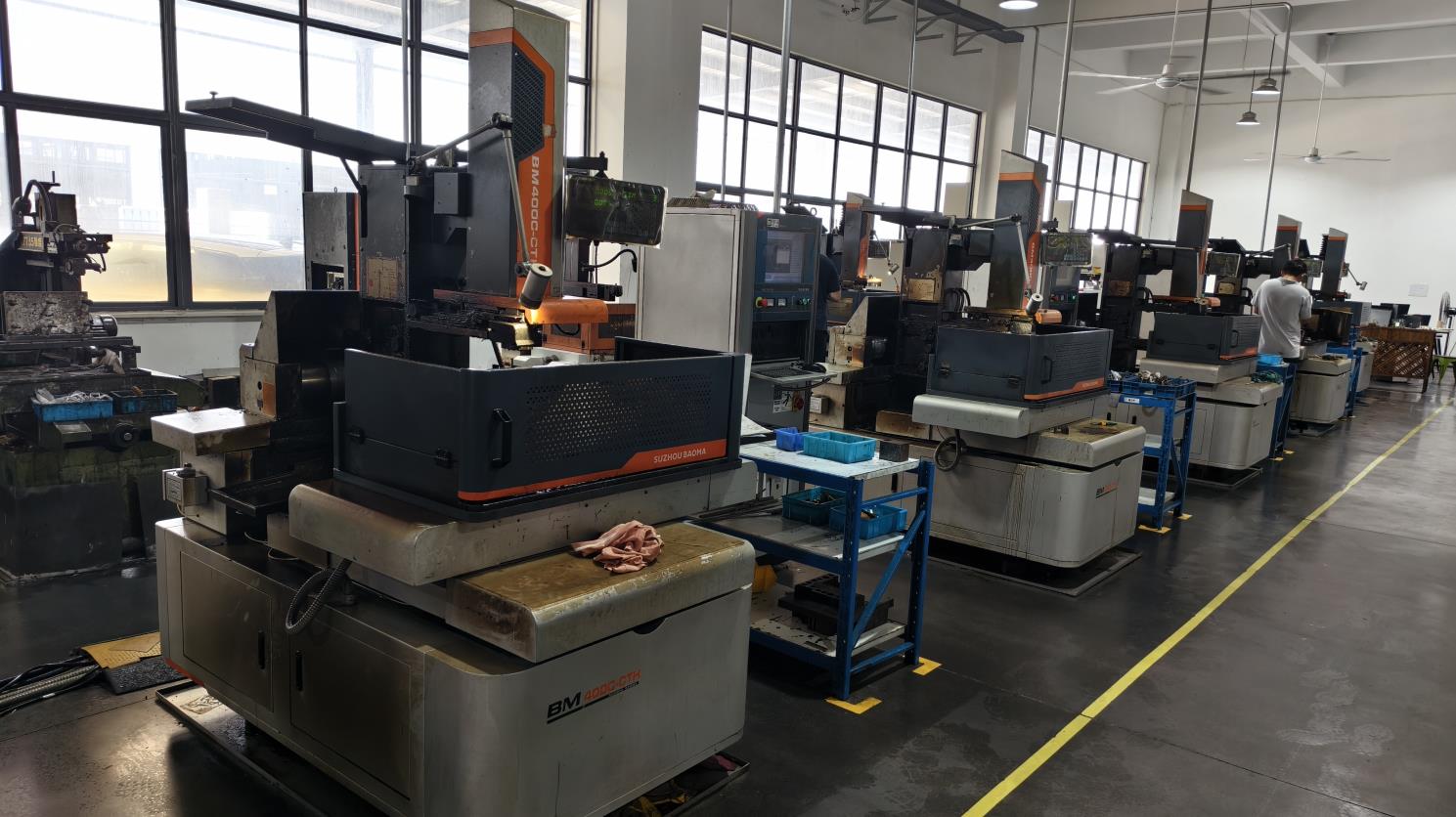
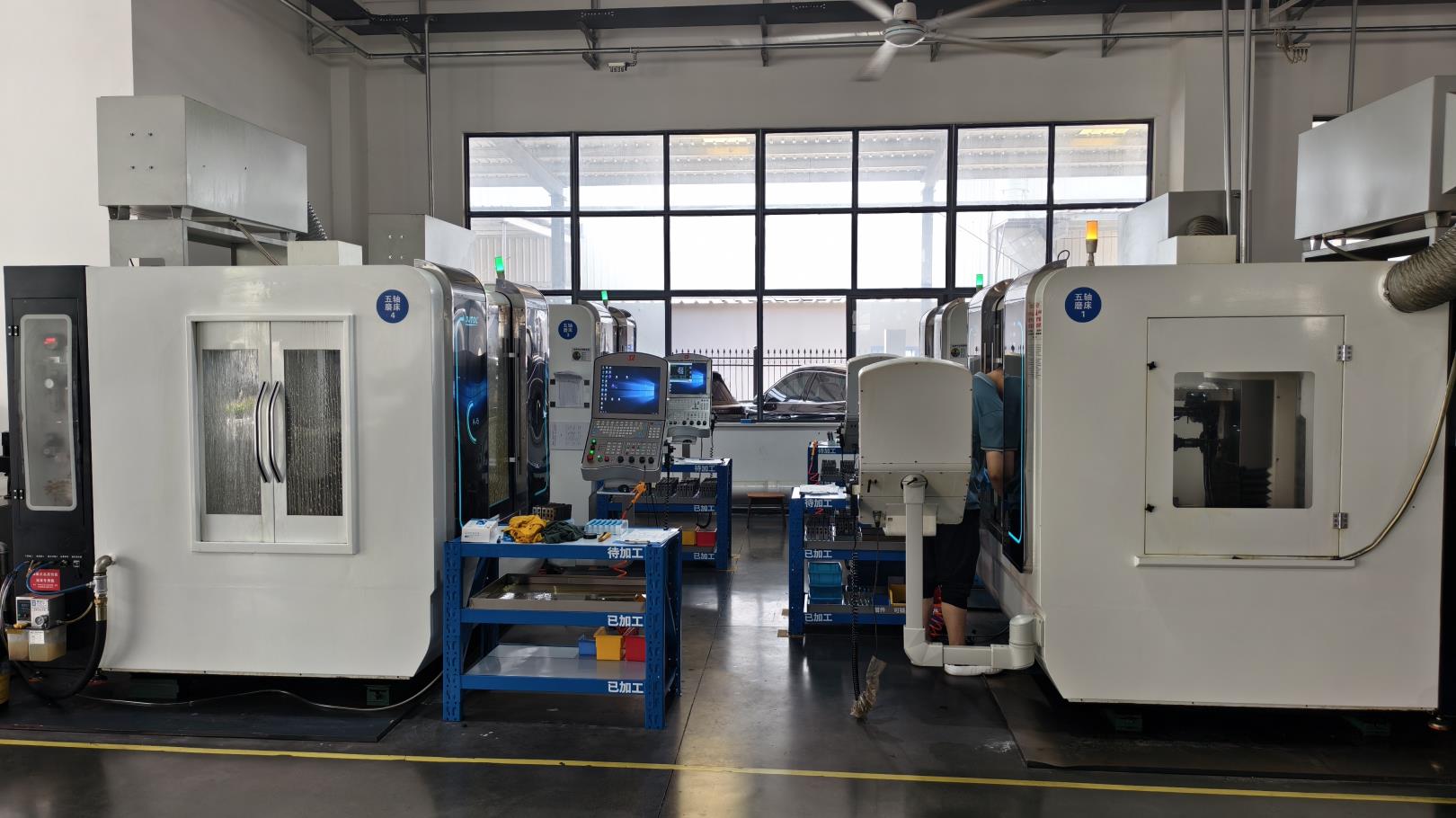
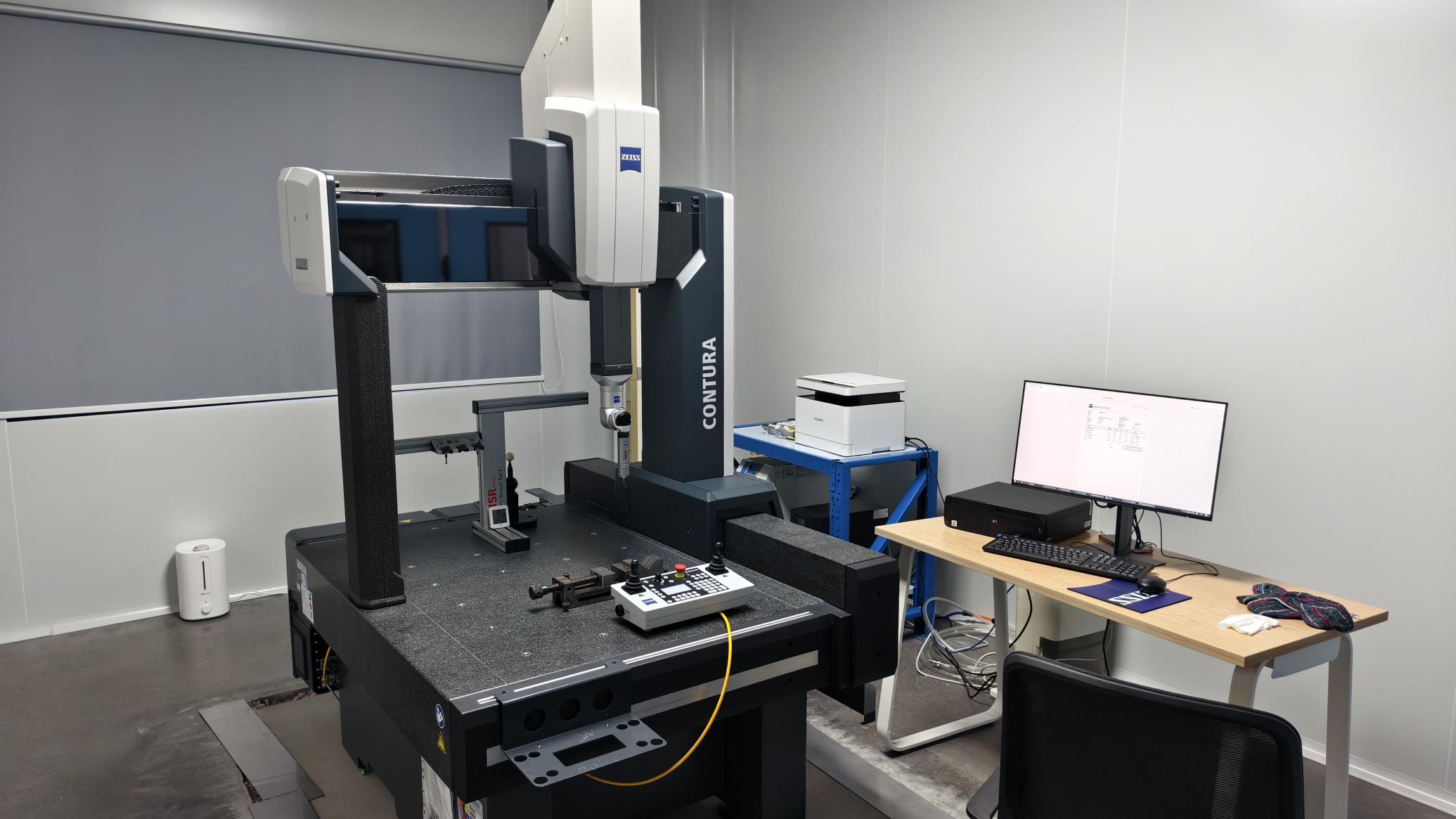
To produce rotating Kerrison Rongeurs or micro-cerebral artery clamps, we implement 5-axis computer numerical control (CNC) grinding and wire electrical discharge machining (EDM). This guarantees dimensional tolerances within ±0.01mm. This extreme precision ensures smooth rotation, accurate joint-space measurements, and secure lock mechanics in complex surgical environments.
| Material Type | Tensile Strength (MPa) | Corrosion Resistance | Biocompatibility Index | Typical Applications |
|---|---|---|---|---|
| Medical-Grade Titanium (Grade 5) | > 860 | Outstanding | Ultra-High | Aneurysm Clips, Micro Vascular Clamps, Joint Implants |
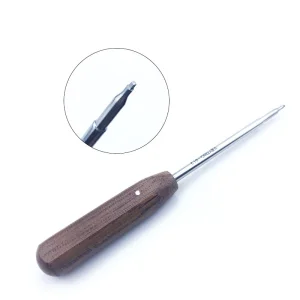
| 316L Stainless Steel | > 485 | High (Passivated) | High | Bone Screwdrivers, Reduction Forceps, Retractor Systems |
| Hardened Martensitic SS (420) | > 700 | Moderate-High | Standard (Instruments) | Kerrison Rongeurs, Bone Cutters, Surgical Scissors |
Verified capabilities detailing production controls, quality management, and international logistics framework.
Our strategic manufacturing base in China enables a strong export infrastructure. Our primary distribution channels cover North America (25%), South America (25%), and Southeast Asia (15%). We address the precise requirements of diverse buyer categories: brand businesses seeking high-end OEM lines, retailers, medical wholesalers, and specialized private surgical practices. Every shipment features full mechanical performance reports and raw material certificate tracking to meet local import regulations.
From Human Operating Theaters to Veterinary Orthopedic Centers - Where Precision Matters.
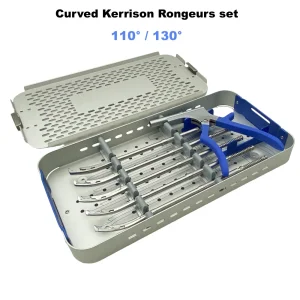
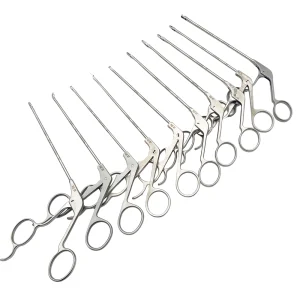
In human spinal decompression (such as laminectomy), our 110-degree and 130-degree rotating Kerrison Rongeurs provide precise cutting at bone margins. The rotating visual head design allows surgeons to maintain optimal direct sightlines while safely resecting osteophytes and hard tissue under surgical microscope systems.
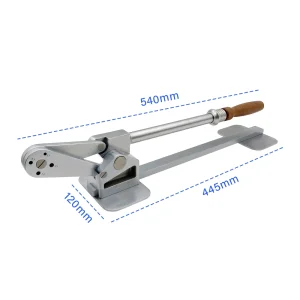
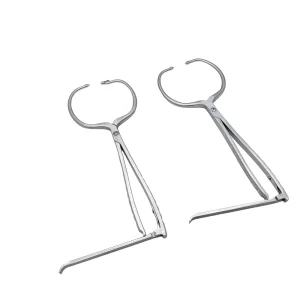
Veterinary clinics routinely handle fracture repairs and ligament reconstructions (such as TPLO/TTA). Instruments like our stainless-steel table rod cutting and bending forceps, alongside tibial plateau reduction forceps with wire guider holes, give veterinary surgeons the mechanical control needed to stabilize bones in diverse anatomical profiles.
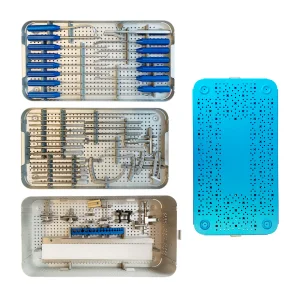
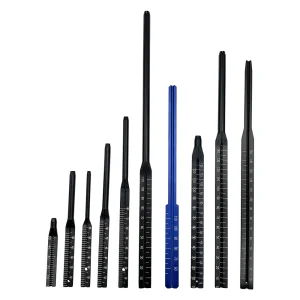
Our ACL/PCL instrument sets and patellar guide instruments facilitate minimally invasive reconstruction of complex ligaments. Highly visible markings, ergonomic handles, and sterile-friendly materials enable rapid placement under arthroscopic visualization, promoting excellent surgical accuracy.
Our ongoing R&D initiatives focus on integrating smart tracking, ergonomic design, and automated manufacturing systems.
The future of orthopedics is interconnected. We are engineering a new line of visual tools featuring embedded passive optical tracking spheres and high-contrast, laser-marked datamatrix codes. These features allow real-time computer vision systems to monitor instrument placement in three-dimensional space during digital surgeries. By matching tools to advanced navigation software, surgeons can execute micro-millimeter adjustments with confidence.
To support high-brightness operating rooms and high-definition video displays, our R&D team is testing Physical Vapor Deposition (PVD) and Diamond-Like Carbon (DLC) matte black coatings. These coatings reduce glare under intense surgical lighting, enhance surface hardness, lower friction coefficients on sliding parts (such as in Kerrison Rongeurs), and extend overall instrument longevity.
Clear answers to your clinical, engineering, manufacturing, and distribution queries.
A: Every instrument batch undergoes severe thermal and chemical stress testing, including simulated autoclave cycling (up to 500 cycles) and corrosion testing via salt spray exposure. We passivate all stainless-steel surfaces to build a robust chromium oxide layer that prevents oxidation and degradation under chemical cleaning environments.
A: Yes, we provide full graphic laser marking customization. Our deep laser engraving yields precise, high-contrast measurement markings (in millimeter intervals) that remain clear and visible after repeated cleanings and sterilization cycles.
A: We catalog all incoming medical steel and titanium alloys by chemical formulation batch, wire drawing lot, and mill test certification. We run regular spectrometer tests to verify metal alloy purity before production begins, maintaining strict material accountability from start to finish.
A: Yes. While we maintain top-tier material grades for both sectors, we optimize veterinary instruments for the specific anatomy and sizes of small and large animals. Our catalog includes customized reduction forceps and dedicated TPLO instrumentation adapted to veterinary practices.
A: Standard product orders ship within 15–30 days depending on volume. Custom OEM/ODM orders requiring tool design adjustments or custom branding generally require 45–60 days to allow for sample verification, test runs, and final QC sign-off.
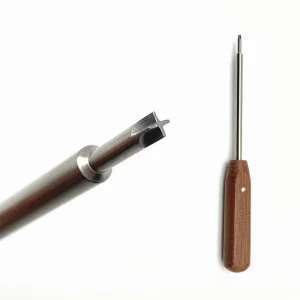
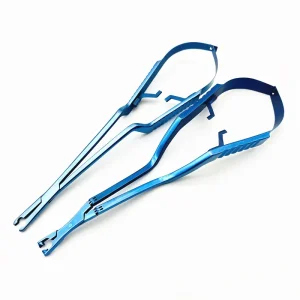
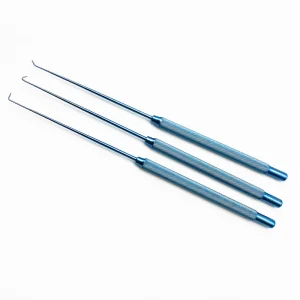
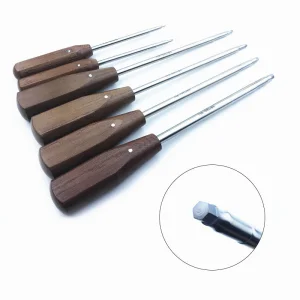
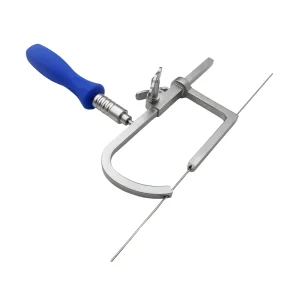
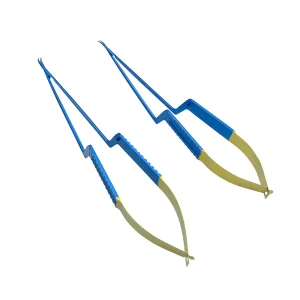
Explore our specialized microsurgery, orthopedic measuring, and bone reconstruction components.
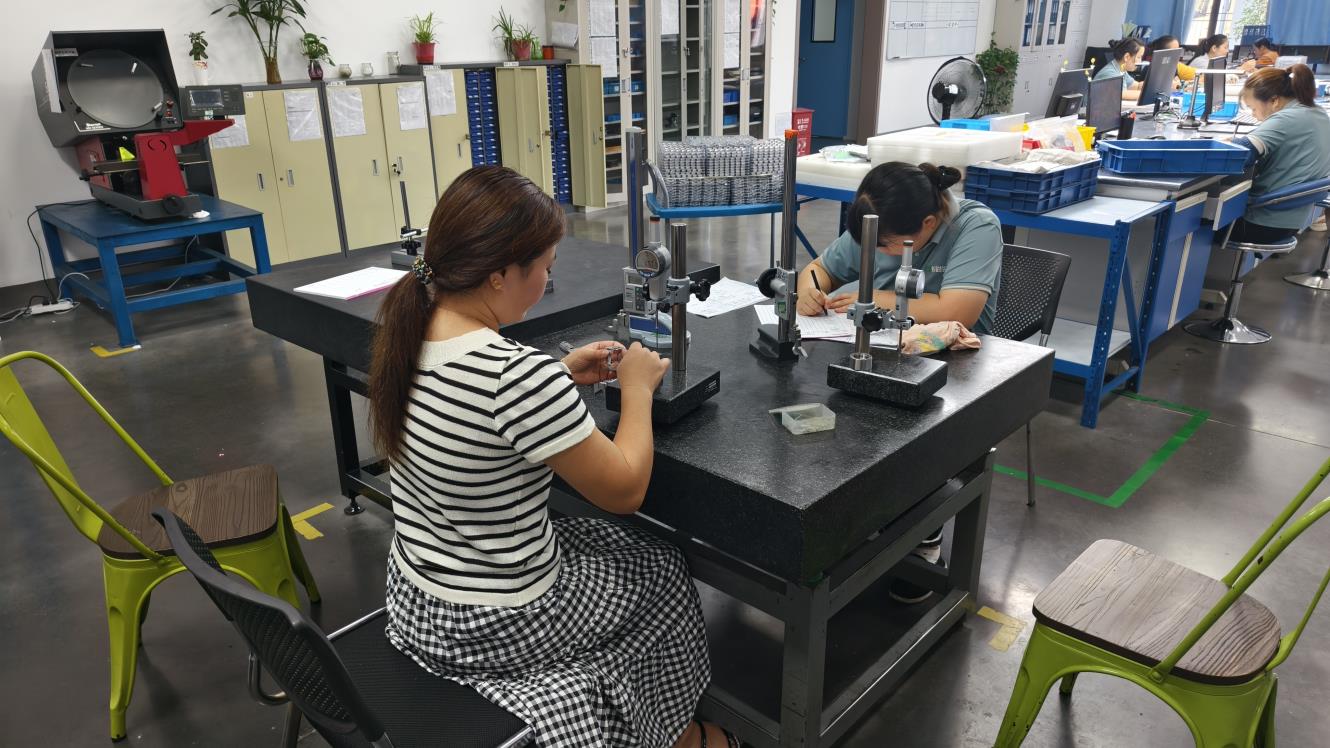
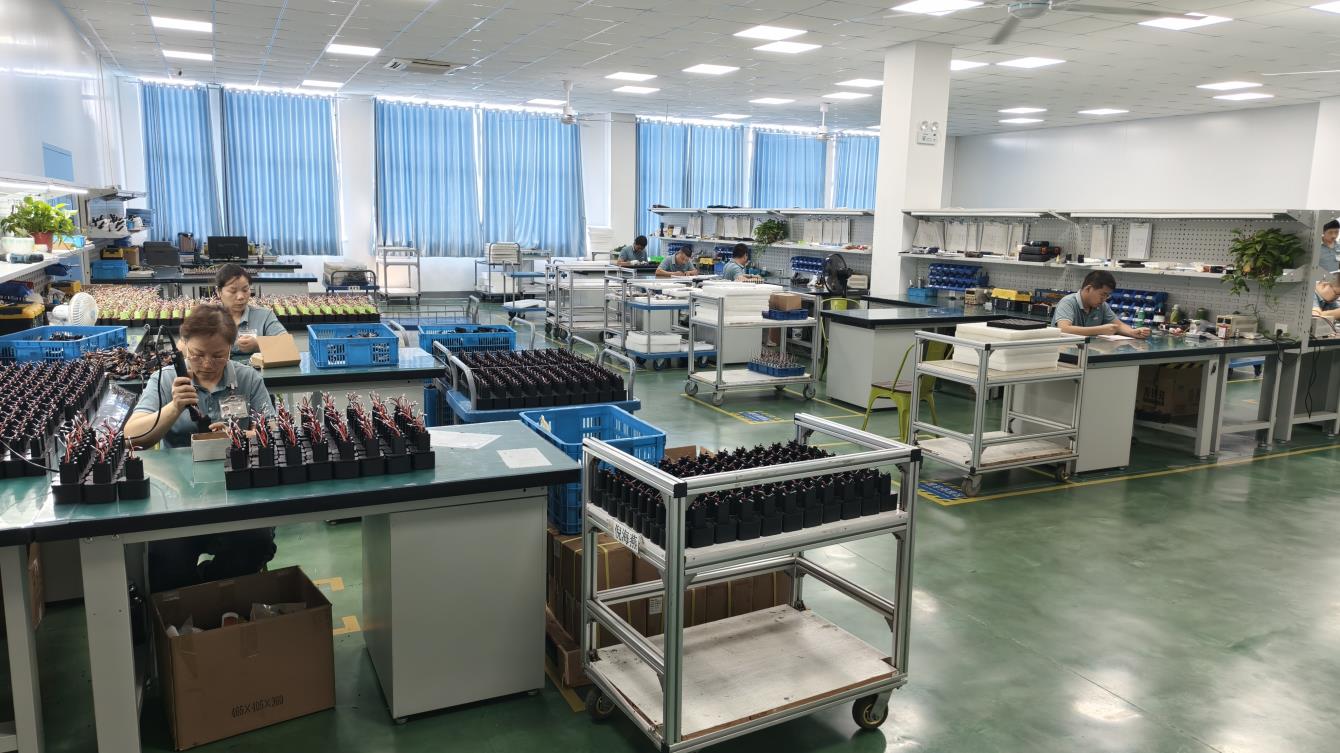
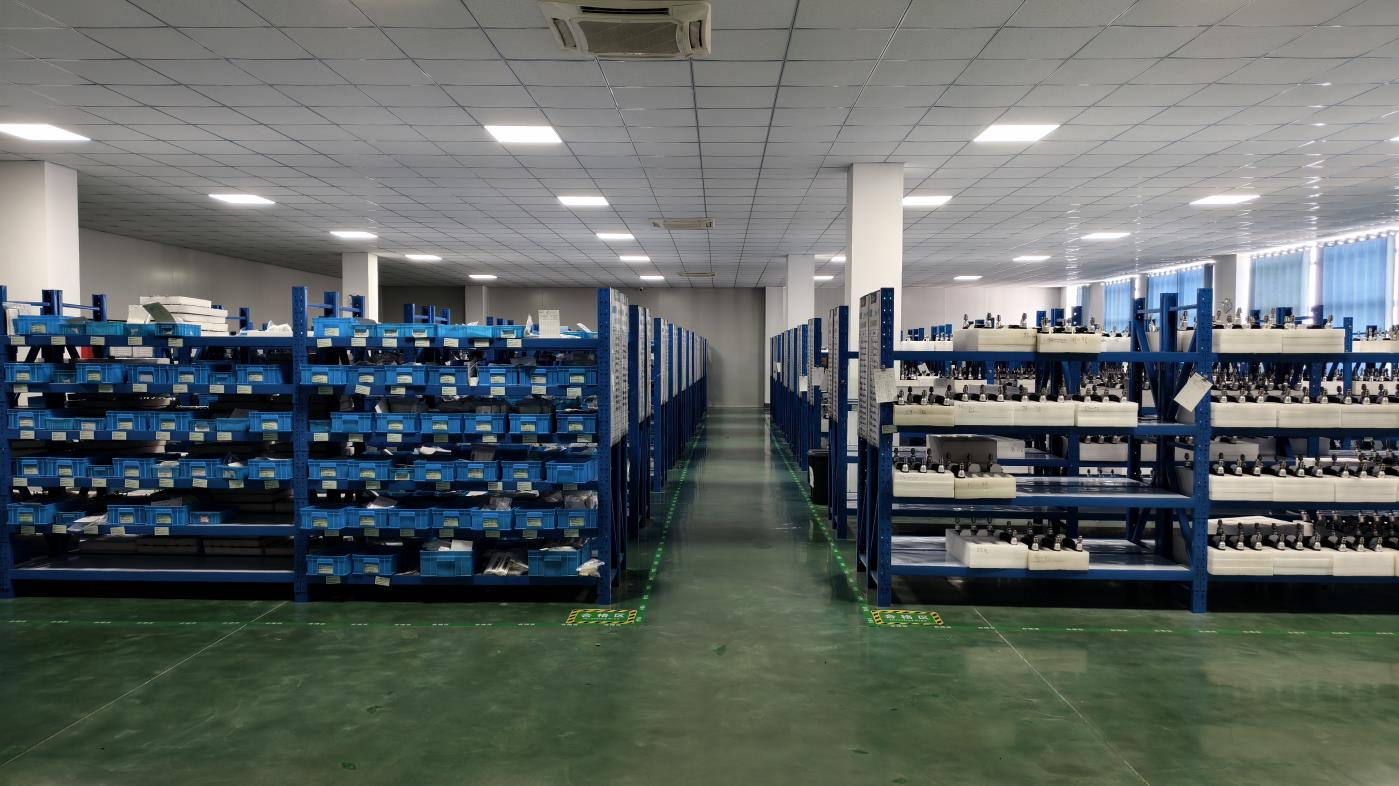
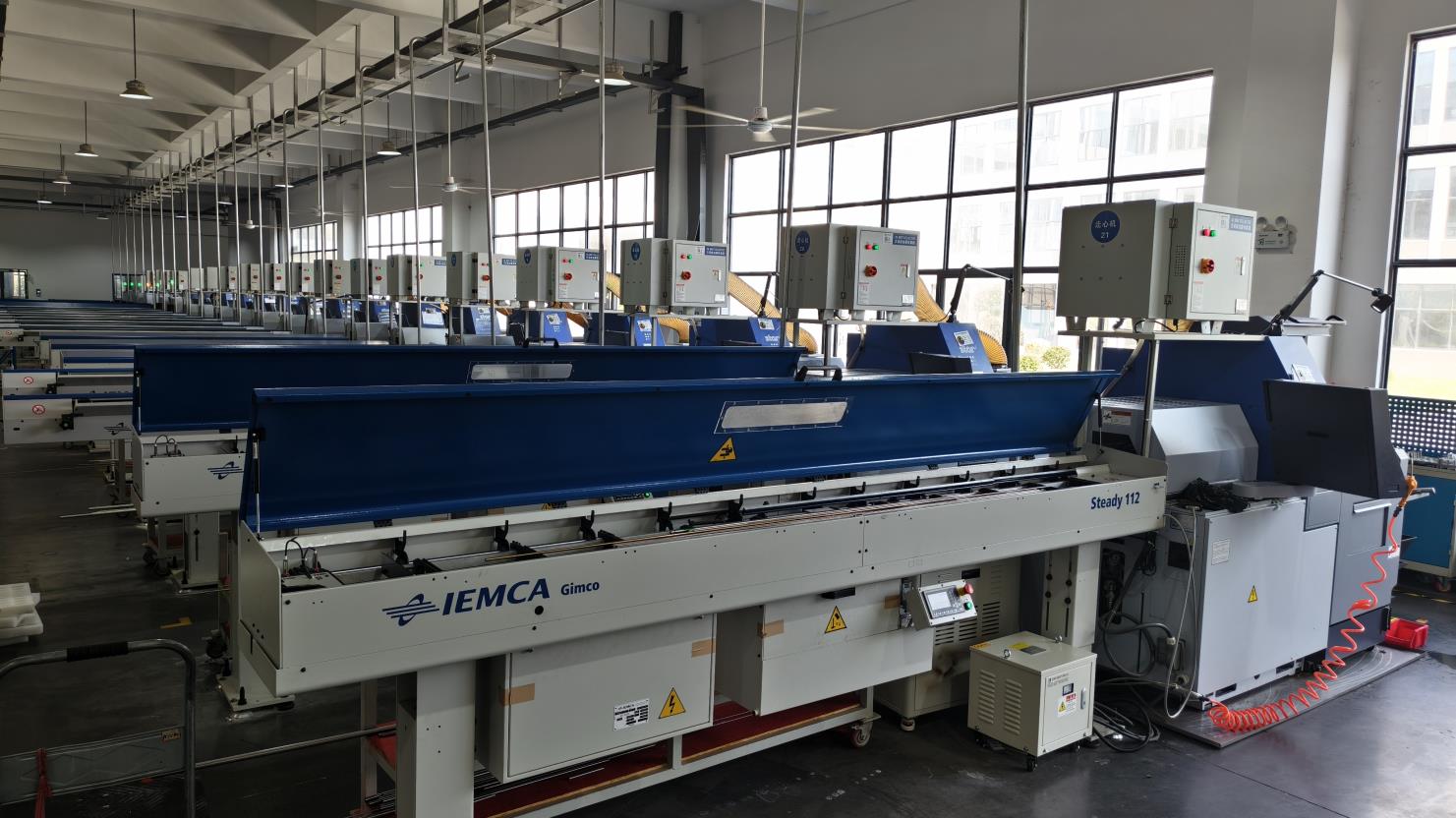
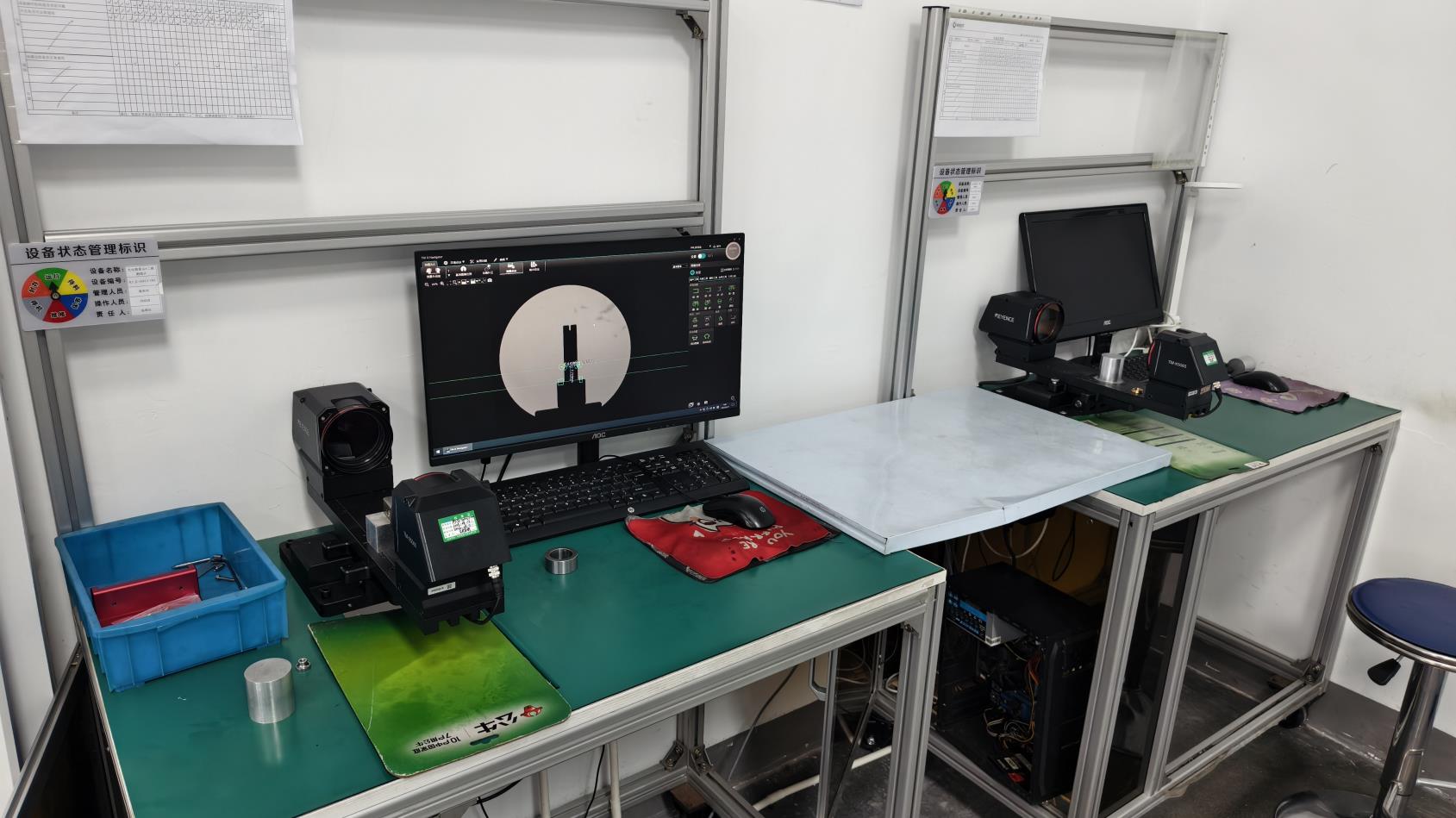
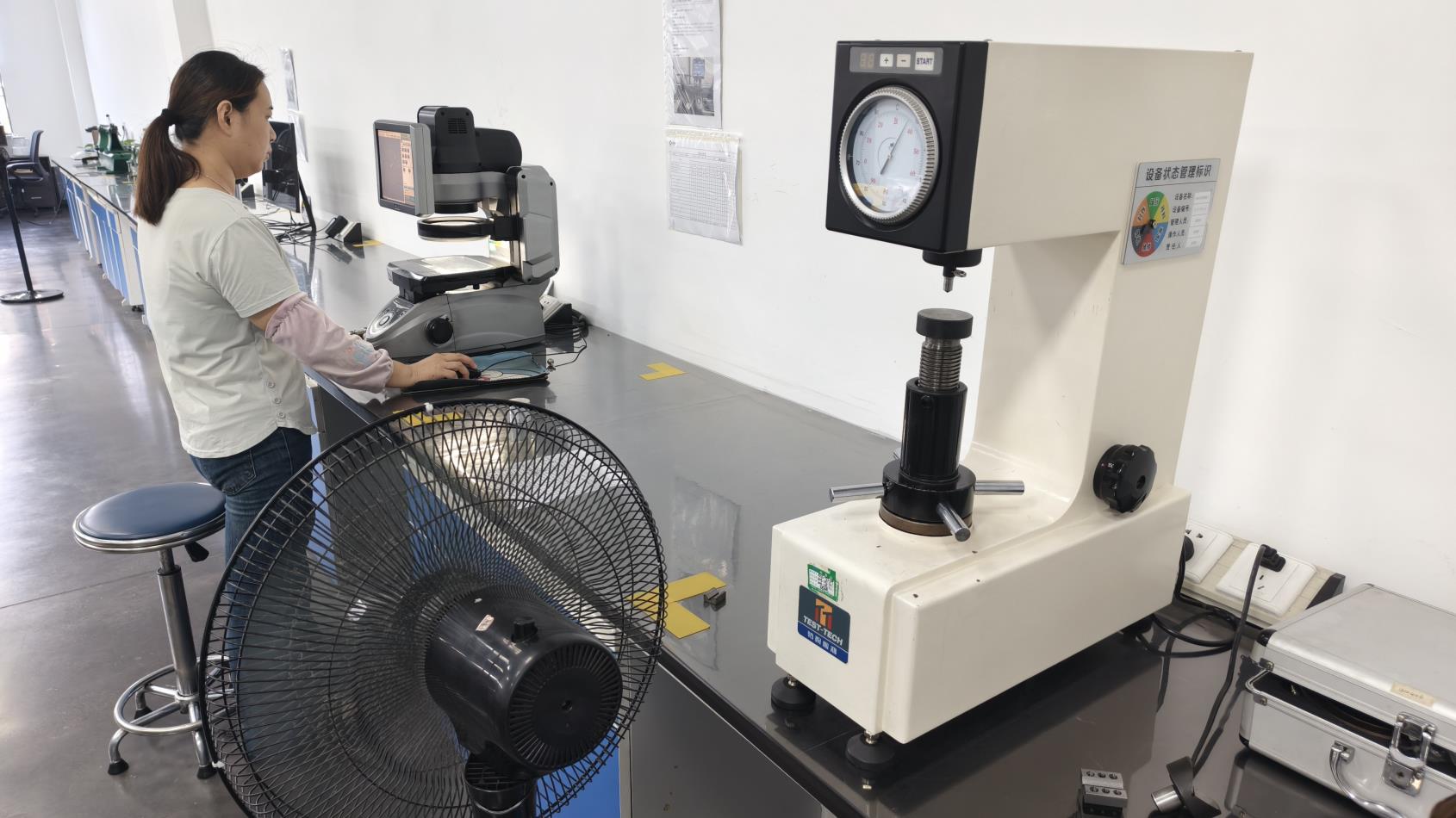
Visualizing our raw materials warehouse, heavy precision machining setups, cleanliness controls, and shipping lines.
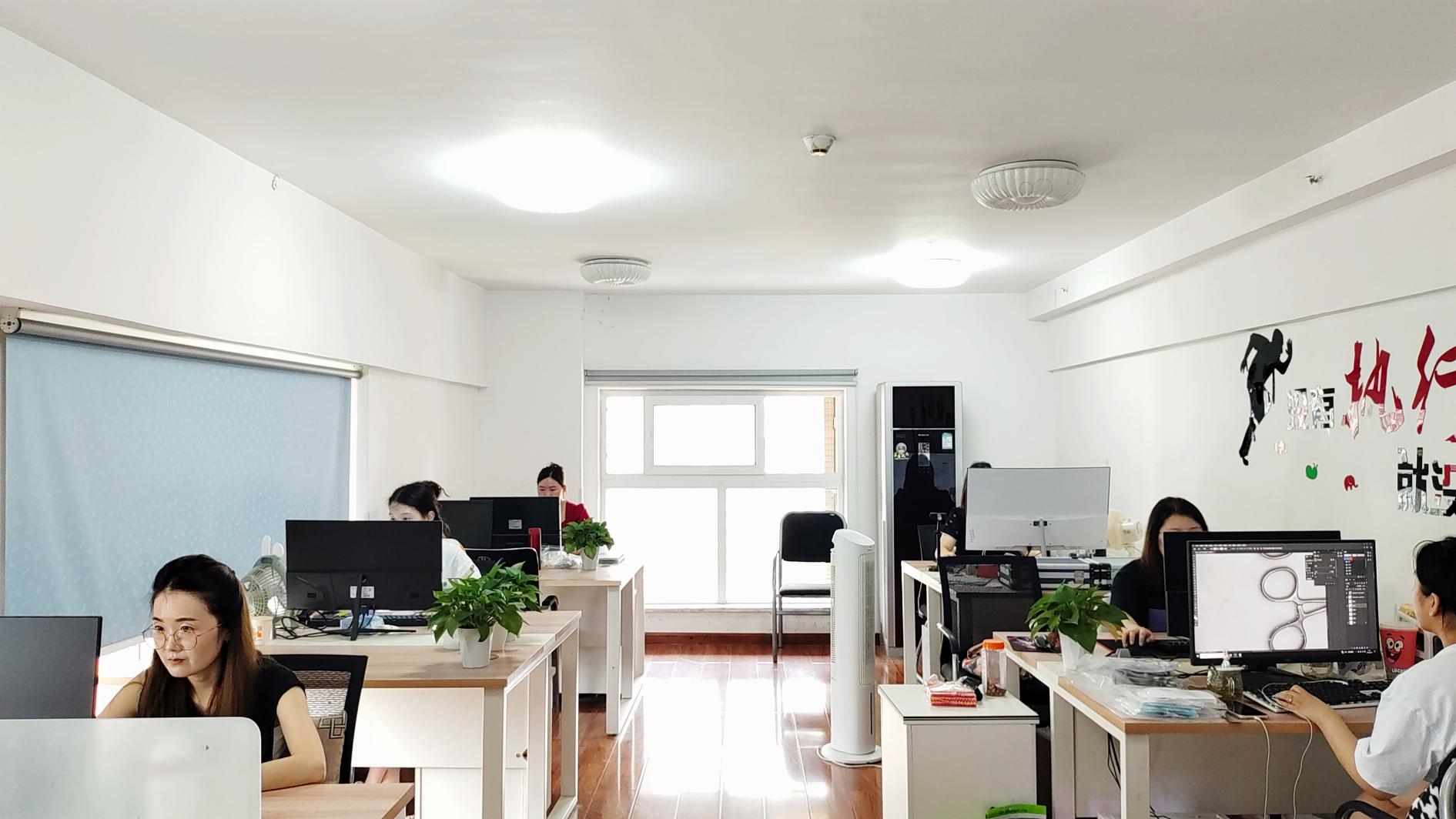
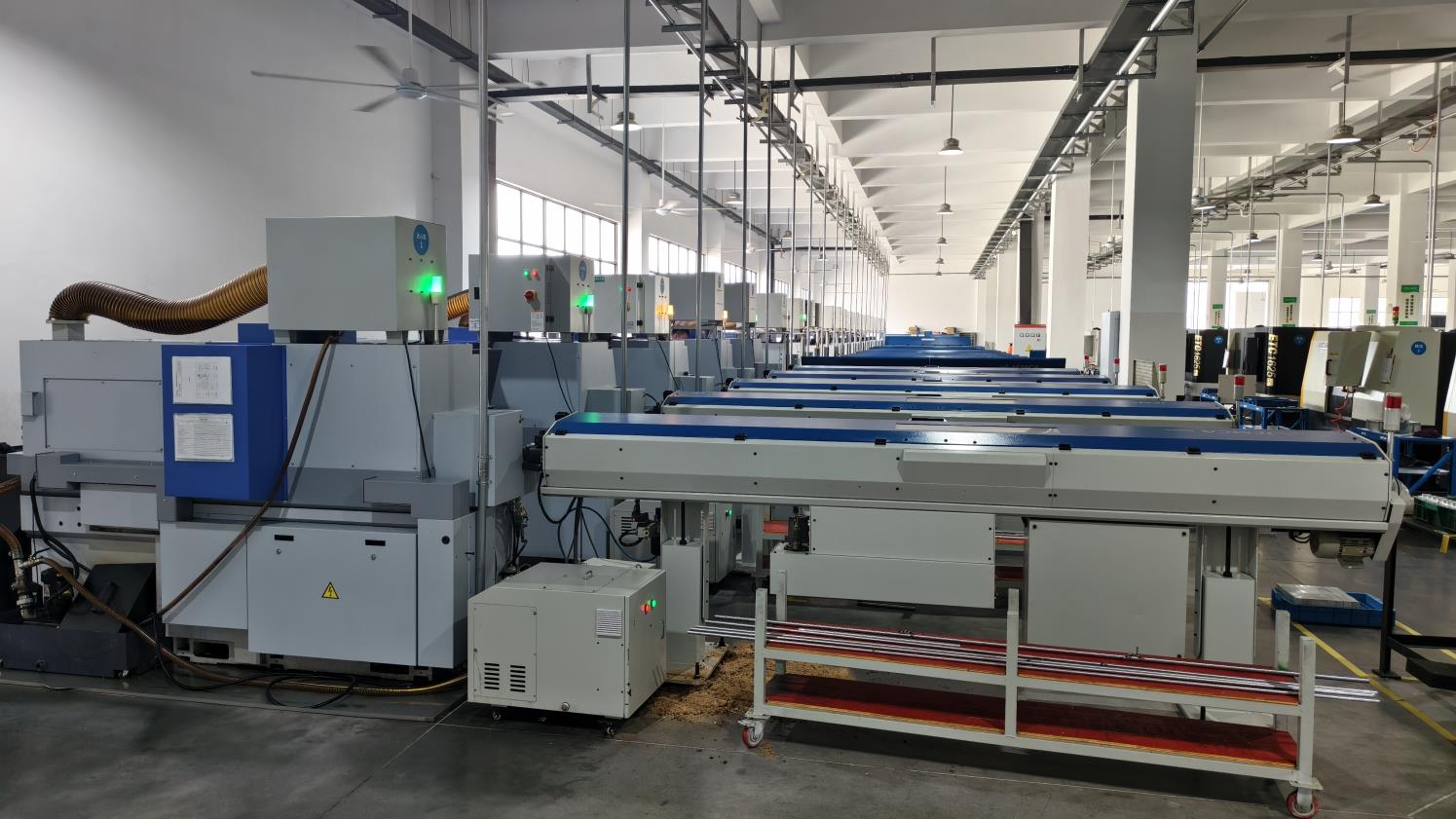
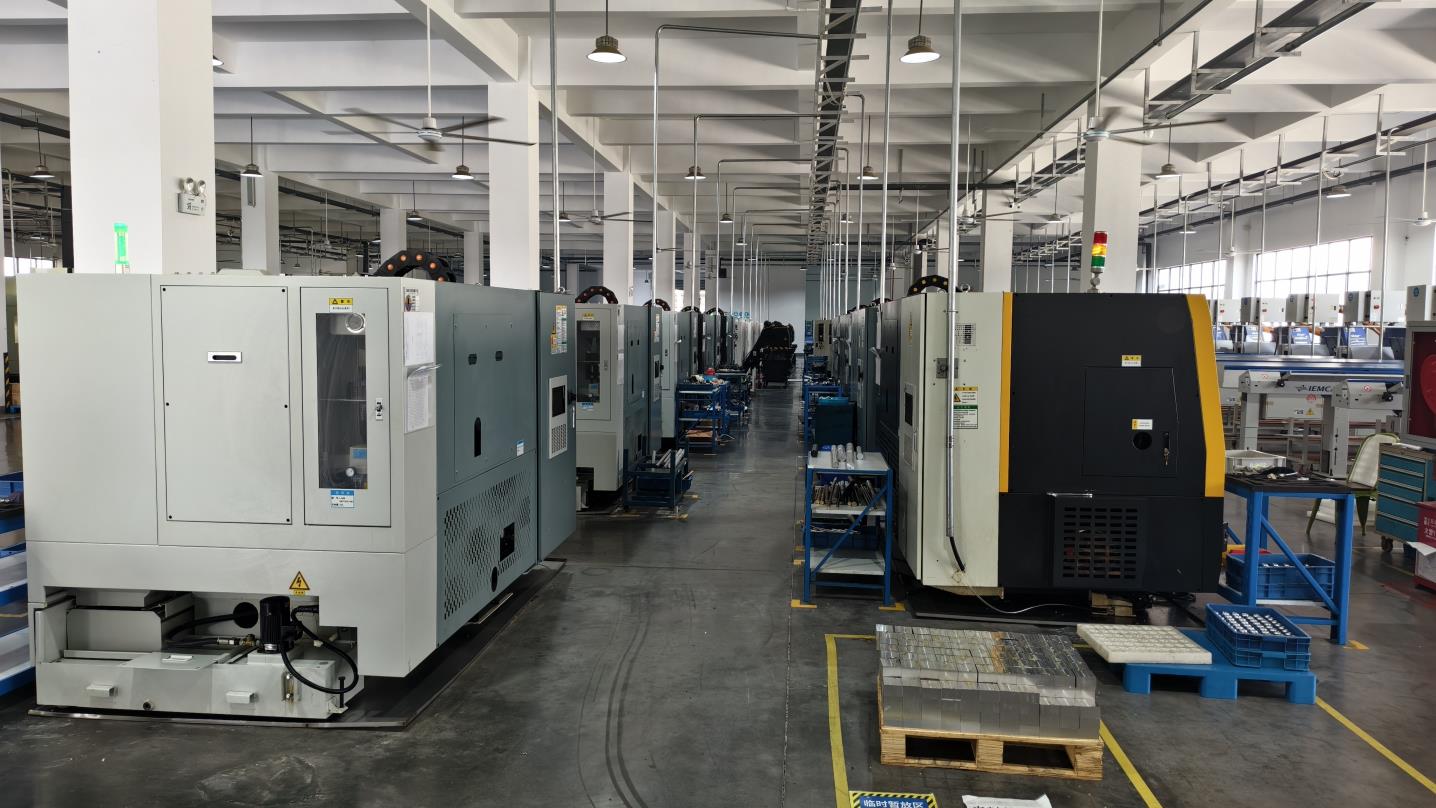
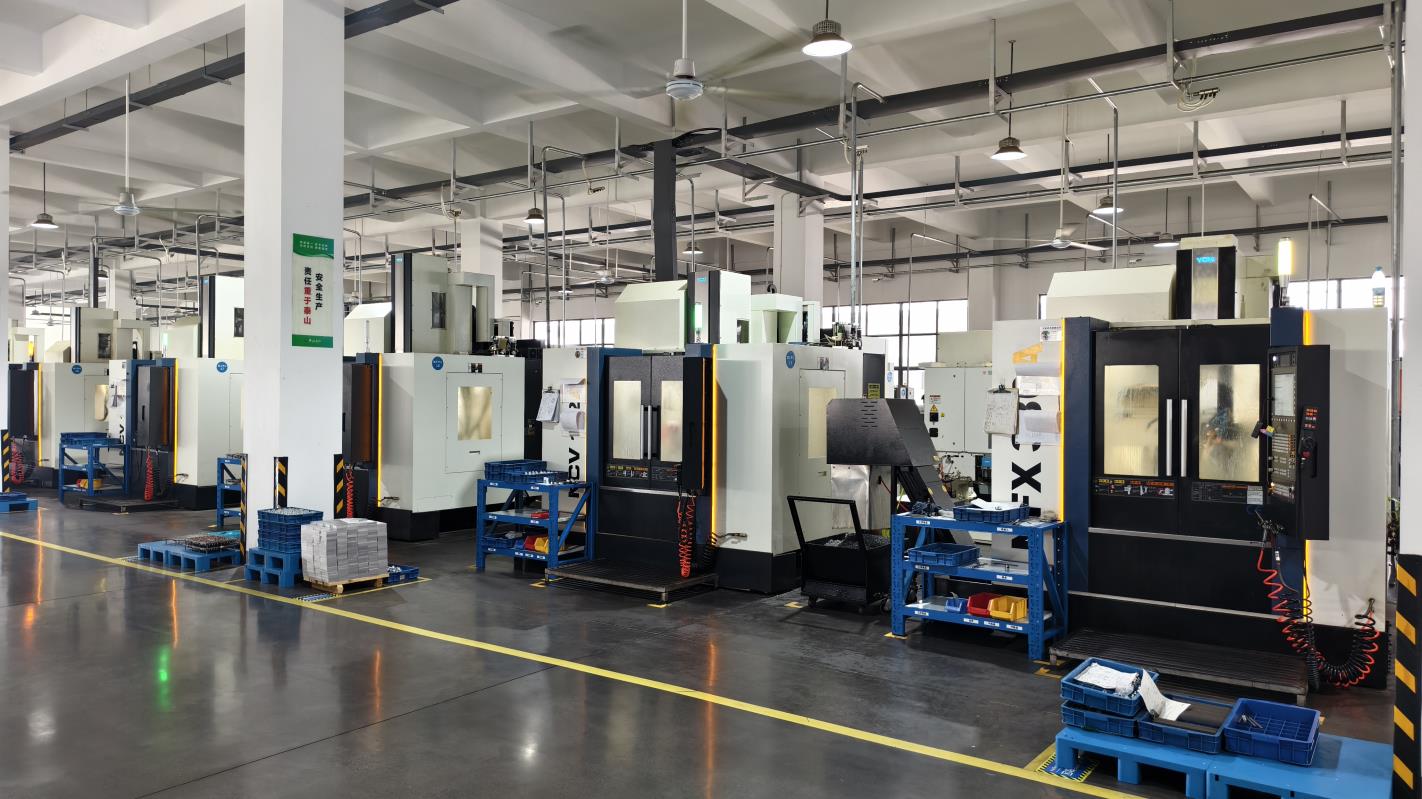
Partner with a specialized medical manufacturer. Get verified material certs, OEM configuration options, and tailored logistical support.
Request A Custom Catalog & Quotation