SENJIE Healthy & Technology
SENJIE Healthy & Technology
SENJIE Healthy & Technology
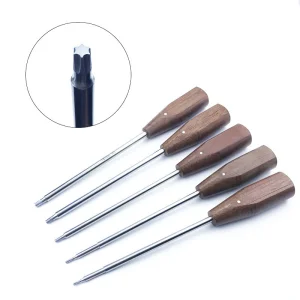
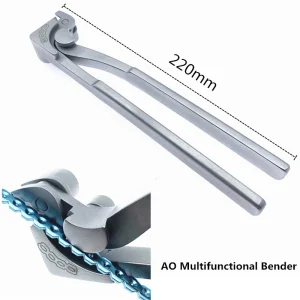
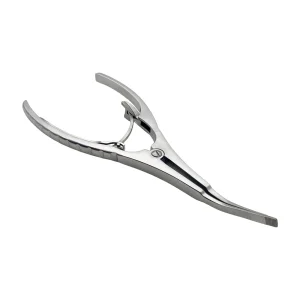
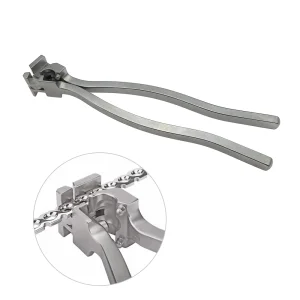
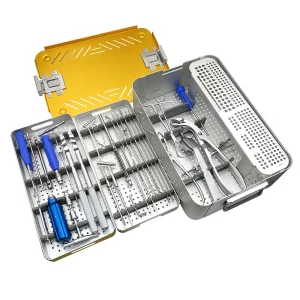
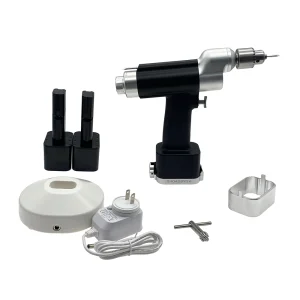
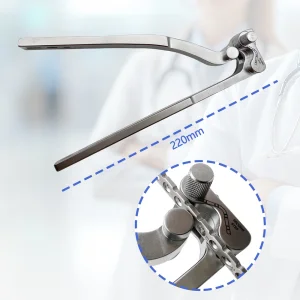
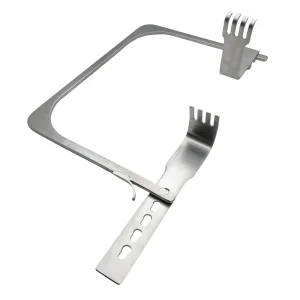
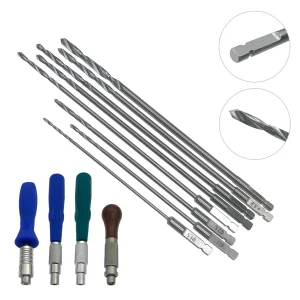
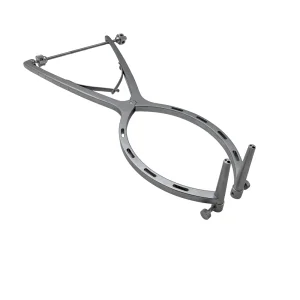
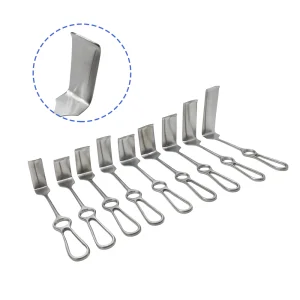
Discover our primary selection of medical surgical instruments, including retractor systems, spine distractors, plate benders, and power drills engineered for high-performance surgical procedures.
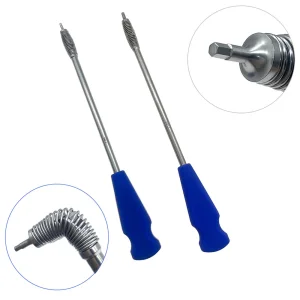
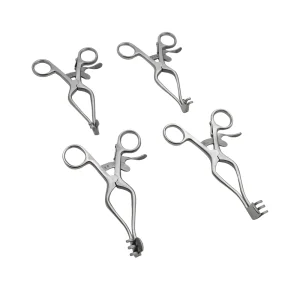
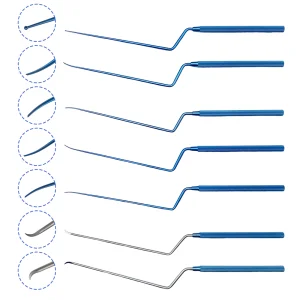
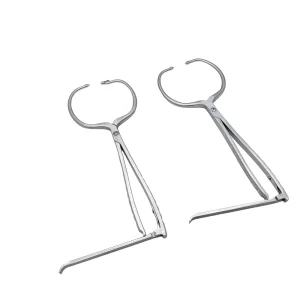
The global orthopedic surgery landscape relies heavily on high-precision mechanical tools. Among these, the orthopedic saw (oscillating, sagittal, and reciprocating variants) represents the core of surgical precision in osteotomy, joint reconstruction, and trauma stabilization. According to global health tech market reports, the demand for reliable, sterilizable power tools is growing at a CAGR of 6.2%, driven by an aging global population, the rise of sports medicine, and expanded access to veterinary orthopedic procedures.
In surgical environments, tool failures are intolerable. Orthopedic surgeons require saws that maintain high torque at frequencies ranging from 10,000 to 15,000 oscillations per minute (OPM), while keeping thermal dispersion to a minimum. Excessive friction or poor blade design can lead to bone necrosis (thermal osteonecrosis), delaying patient recovery. Consequently, B2B procurement managers, surgical brand owners, and hospital networks prioritize suppliers that can deliver precision-machined, biocompatible, and autoclaveable instruments.
"Procurement directors in Europe, North America, and emerging markets are transitioning from single-sourced high-margin brands to vetted OEM/ODM partnerships in China to balance cost efficiency with rigid quality metrics like raw material traceability and ISO 13485 alignment."
How Chinese orthopedic instrument factories leverage complete vertical integration, material access, and advanced CNC tooling to deliver cost-effective and reliable medical devices.
Our production facilities benefit from localized industrial clusters. From raw stainless steel (SUS316L, 420B) and medical titanium alloy wire drawing to specialized heat treatment and electrochemical polishing, all steps are centralized to minimize lead times.
We enforce rigorous material validation. All orthopedic saws, plate benders, and distractors are accompanied by certified Mill Test Reports (MTR). We track every batch from the steel ingot stage to the finished surgical instrument.
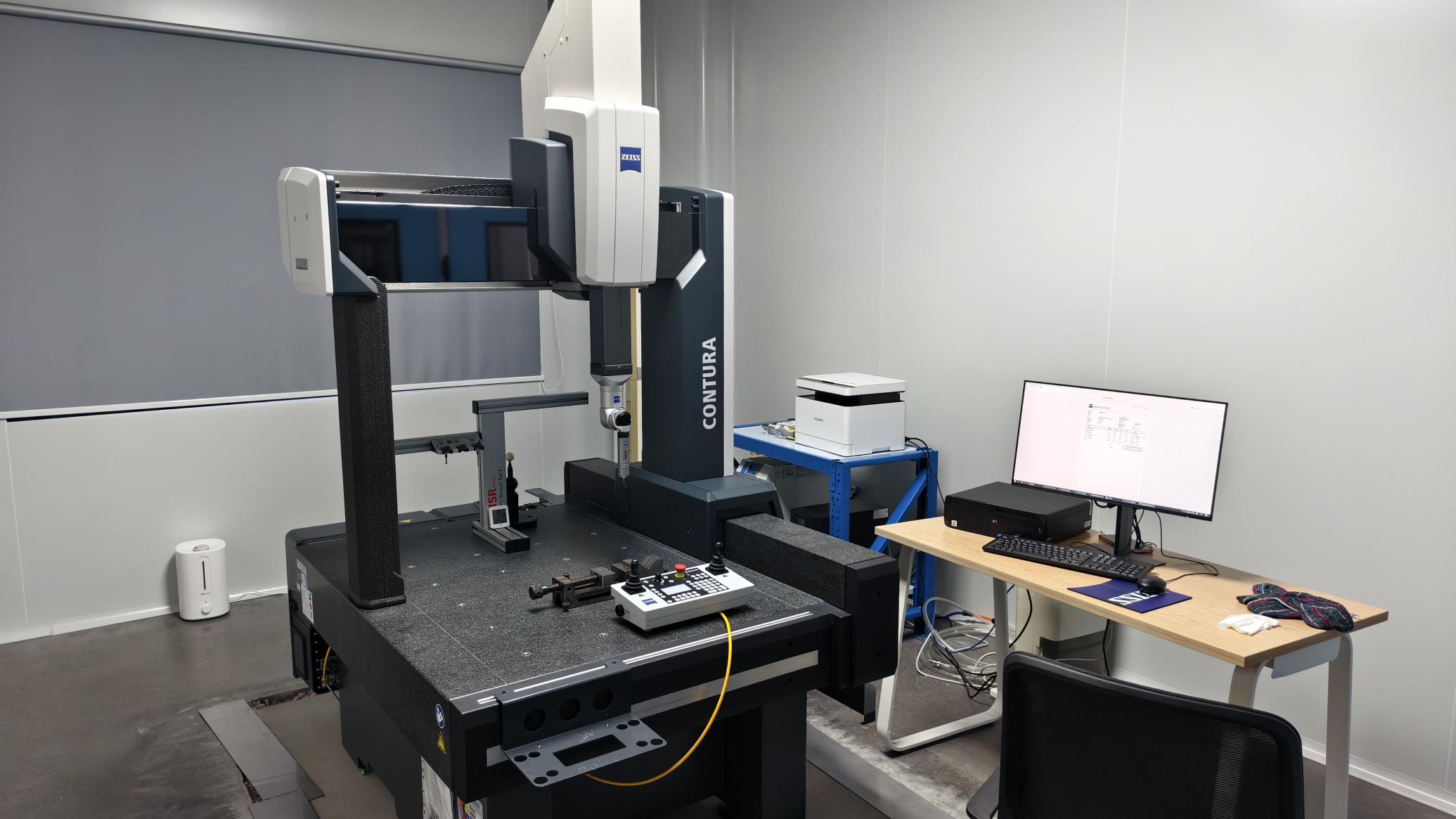
By employing 5-axis DMG MORI CNC milling machines and Sodick wire EDM cutting, we guarantee micro-tolerances down to ±0.01 mm for mating parts. This ensures zero wobble in saw coupling hubs and bone-plate contours.
Transparency is key to building trust. Here is a verified breakdown of our manufacturing framework, QA parameters, and global trade distribution channels.
Orthopedic bone saws and hand tools operate under high mechanical loads and corrosive cleaning cycles. To ensure mechanical integrity during repeated sterilization cycles, we manufacture our tools using medical-grade Martensitic and Austenitic stainless steels. Martensitic steel, such as 420B, provides high hardness and wear resistance, making it ideal for the cutting teeth of saw blades and drill bits. Austenitic steel (e.g., 316L) is used for retractors and housing components because of its superior resistance to crevice corrosion and pitting.
In addition, specialized titanium coatings or black-anodizing treatments are applied to reduce light reflection under intense operating room lighting, protecting the surgeon's vision and ensuring smooth bone penetration without binding.
Orthopedic power saws are designed around specific motion characteristics:
| Specification Parameter | Standard Human Clinical Range | Veterinary / Small Animal Range |
|---|---|---|
| Oscillation Speed (OPM) | 0 - 15,000 OPM (Stepless control) | 0 - 12,000 OPM |
| Oscillation Arc Degree | 4.5° to 5.2° | 3.2° to 4.0° |
| Noise Threshold | < 75 dB (Under load) | < 65 dB (To prevent animal distress) |
| Weight (with Battery) | 0.9 kg - 1.2 kg | 0.5 kg - 0.85 kg |
Thermal osteonecrosis occurs when the bone temperature exceeds 47°C for more than one minute, which can lead to cellular death and compromise implant stability. Our engineering team addresses this issue by optimizing blade tooth geometry. We utilize dual-cut, offset-ground tooth structures that generate clear micro-channels for bone debris (swarf) evacuation. This prevents the friction buildup caused by compacted bone dust, keeping resection site temperatures within safe physiological limits.
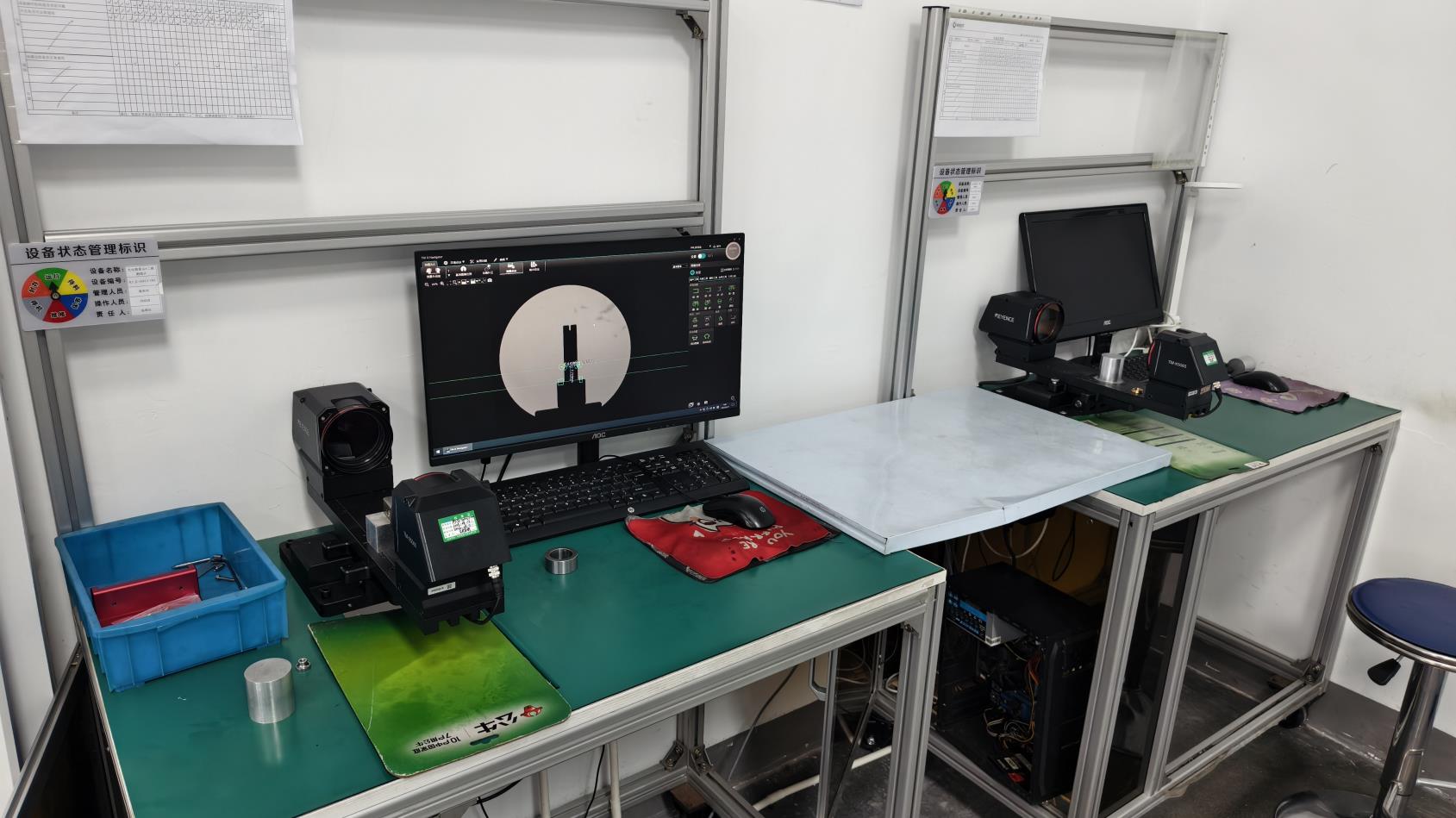
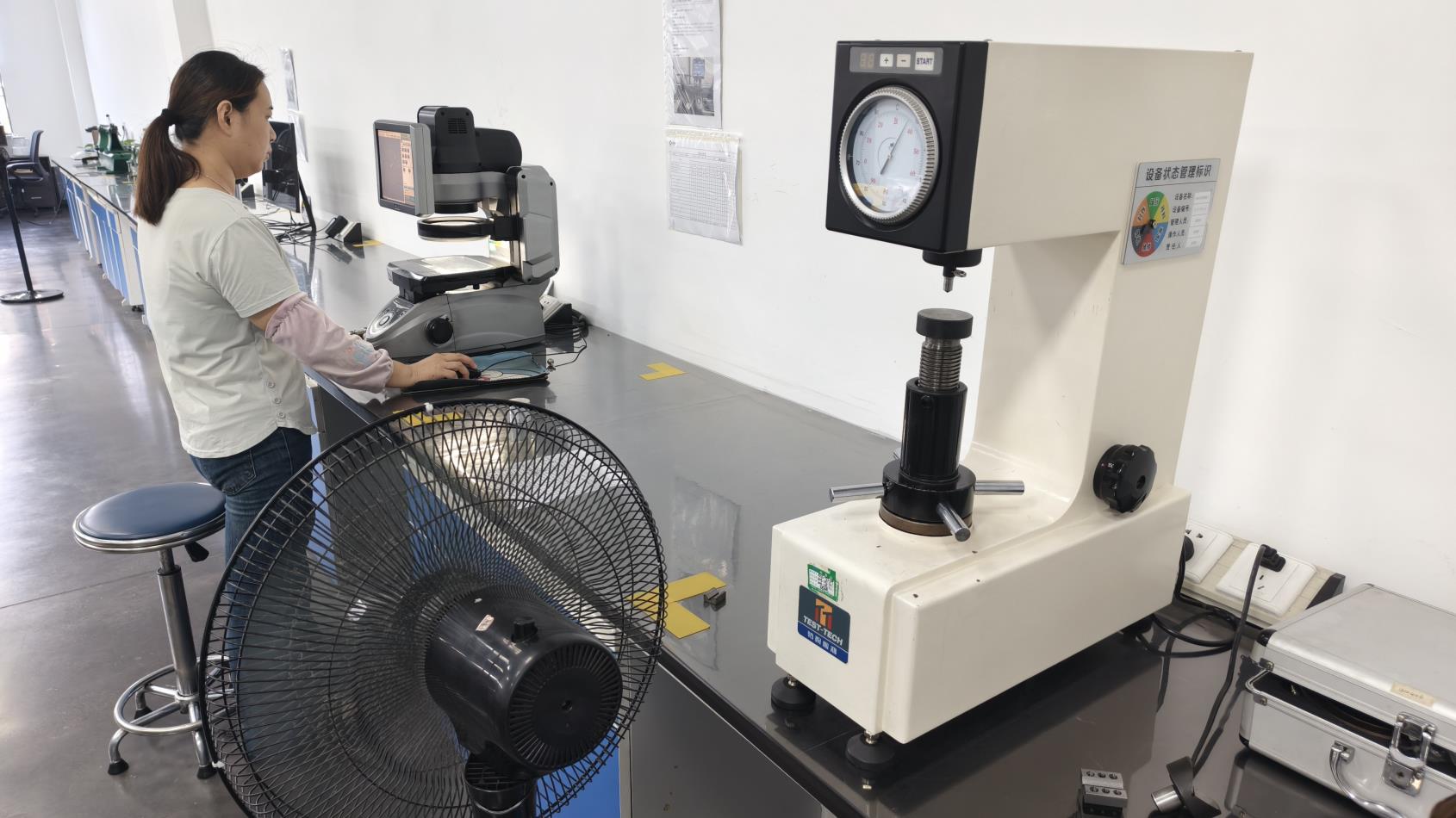
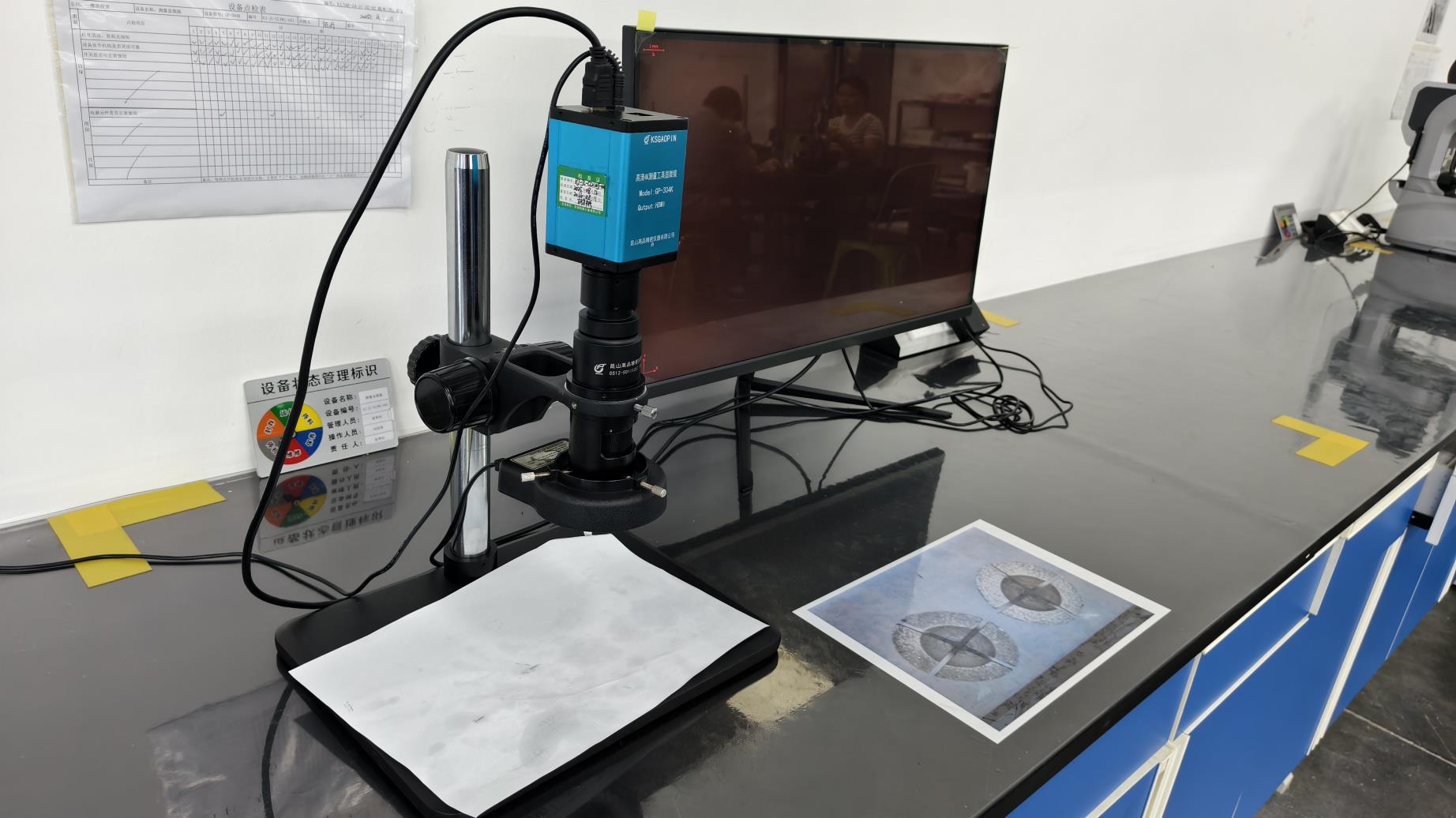
A direct look inside our manufacturing processes. We follow rigorous ISO-aligned production steps to ensure every instrument matches medical-grade criteria.

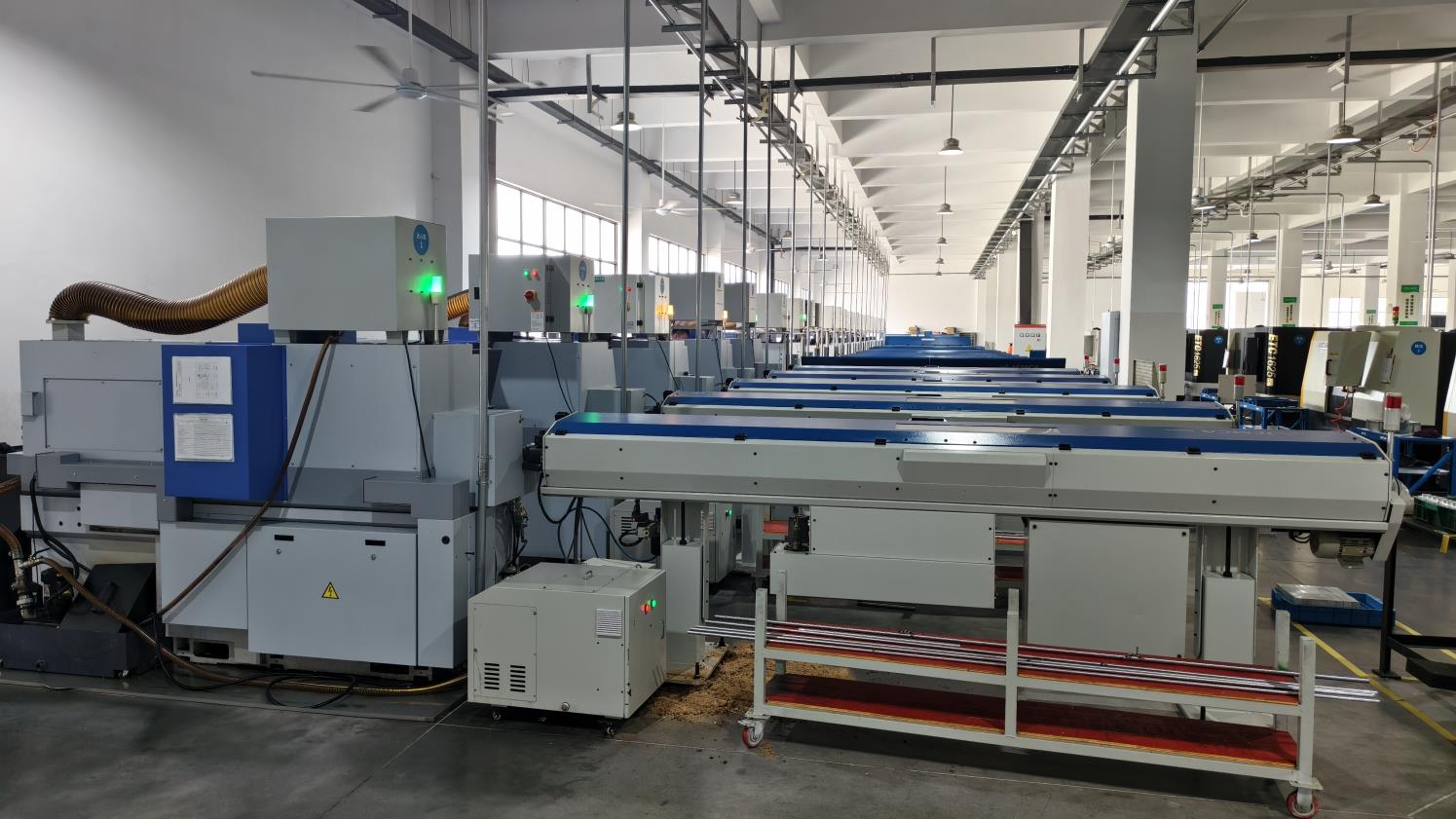
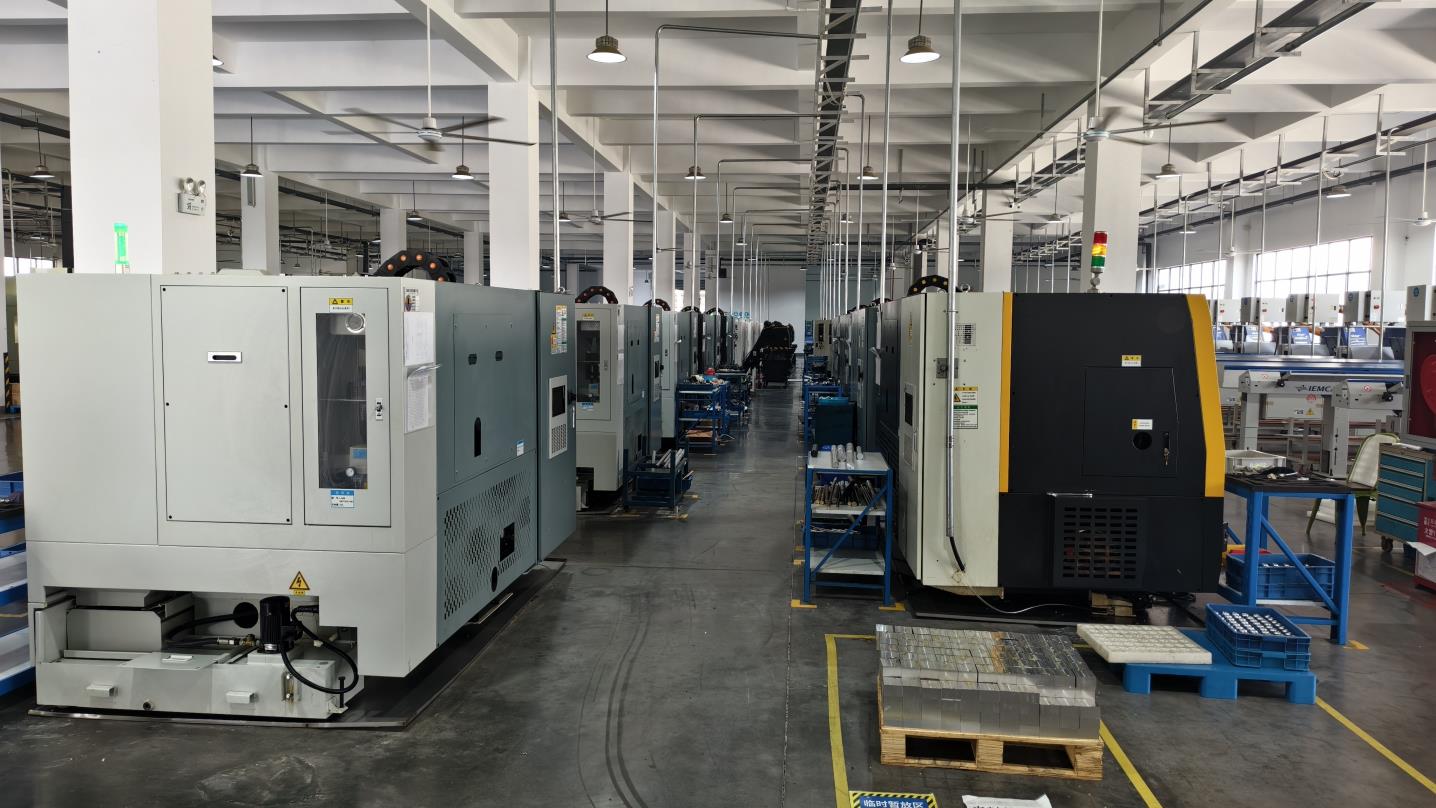
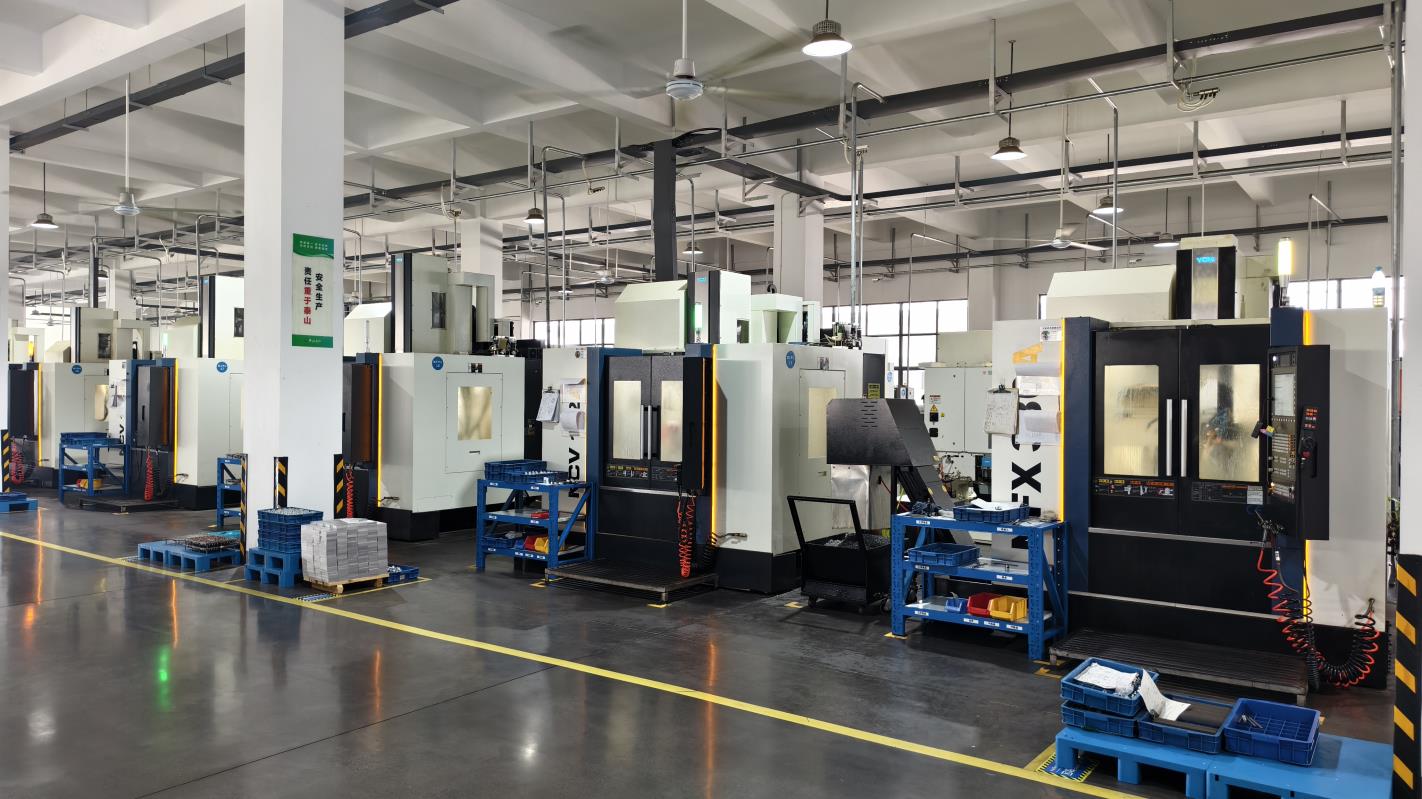
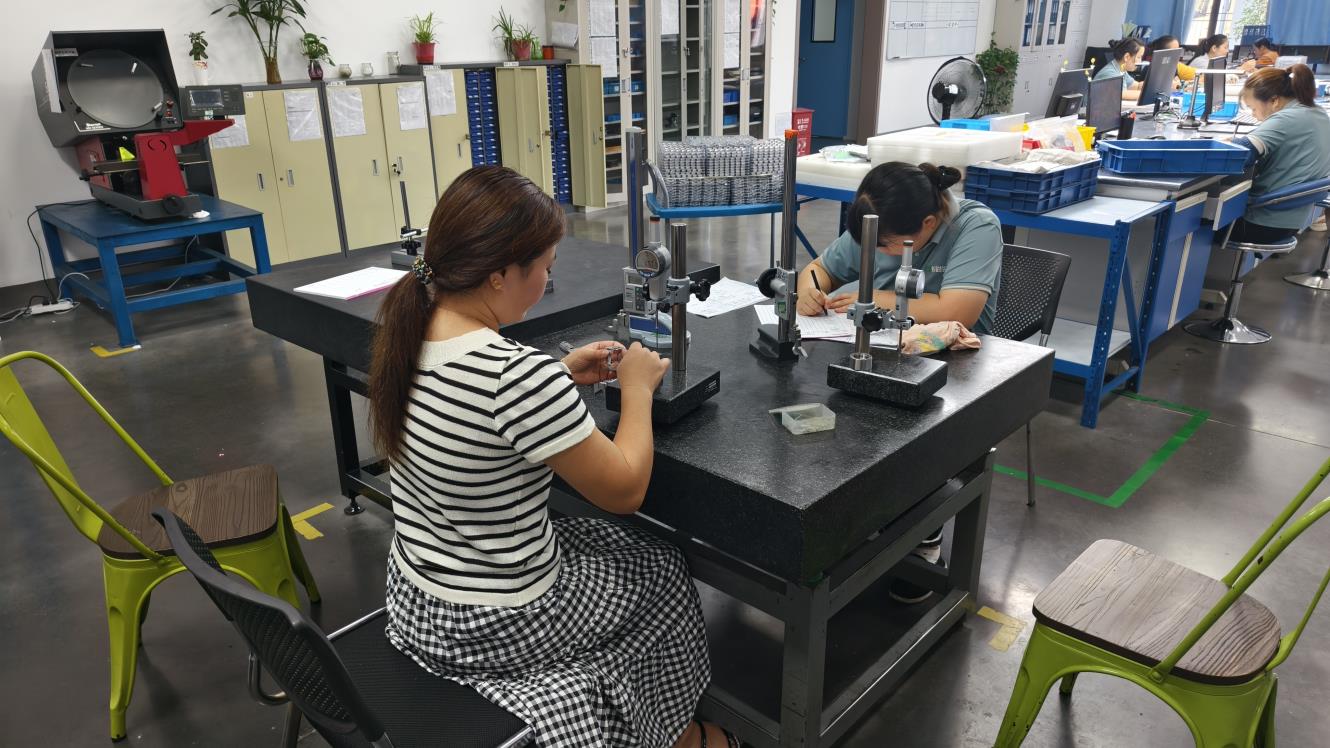
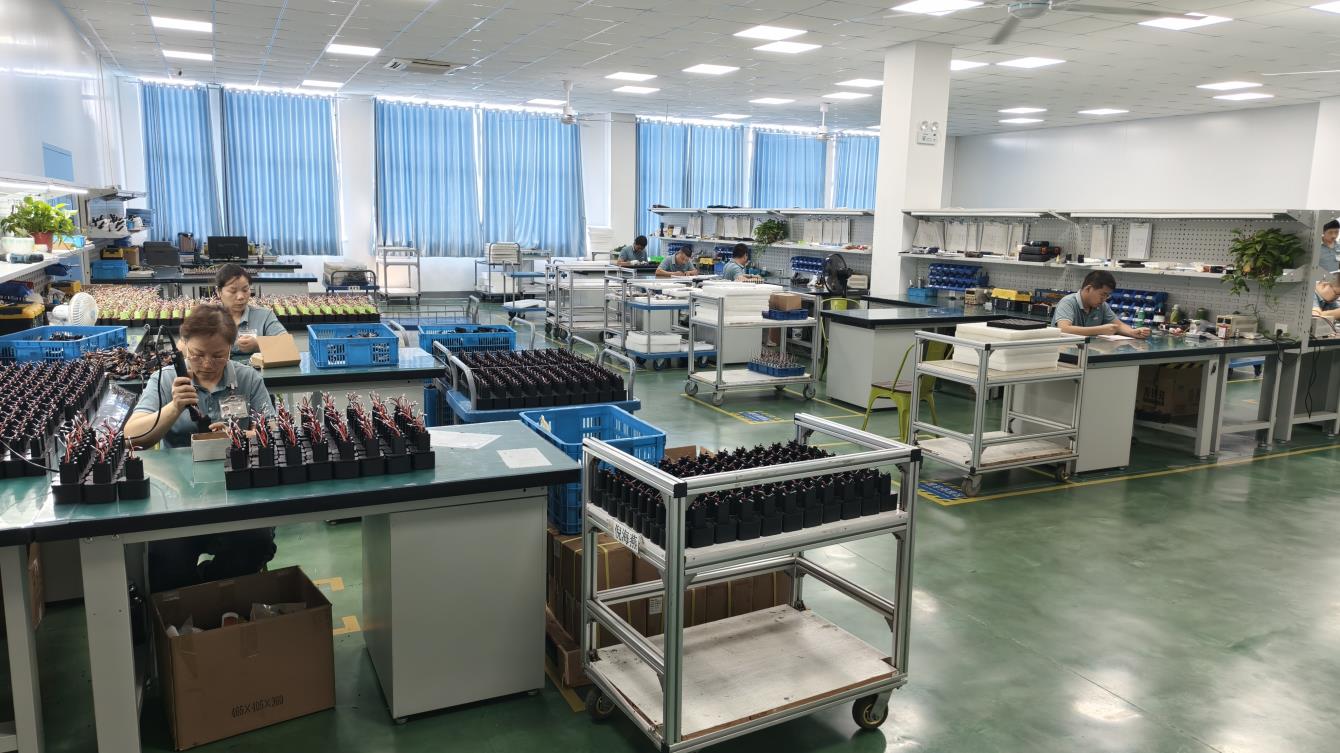
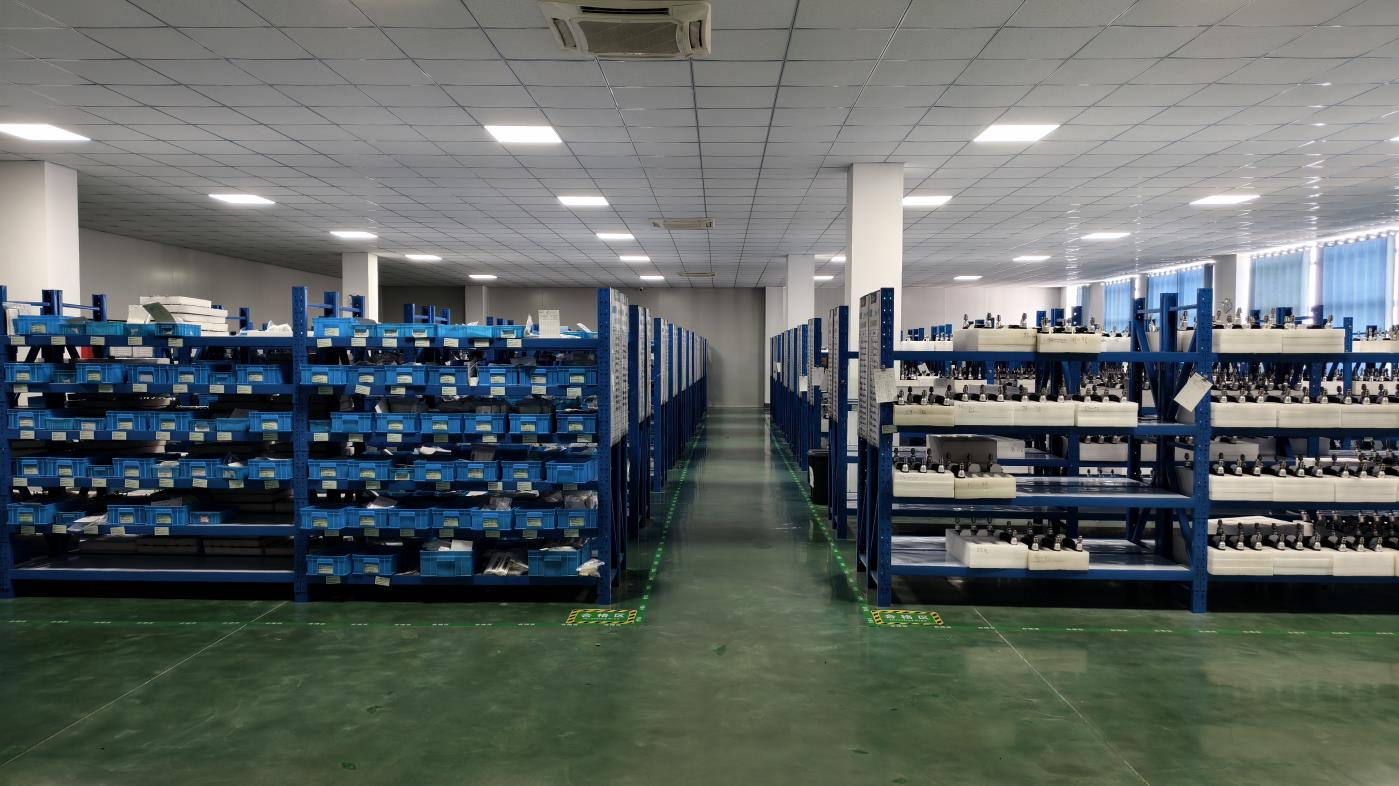
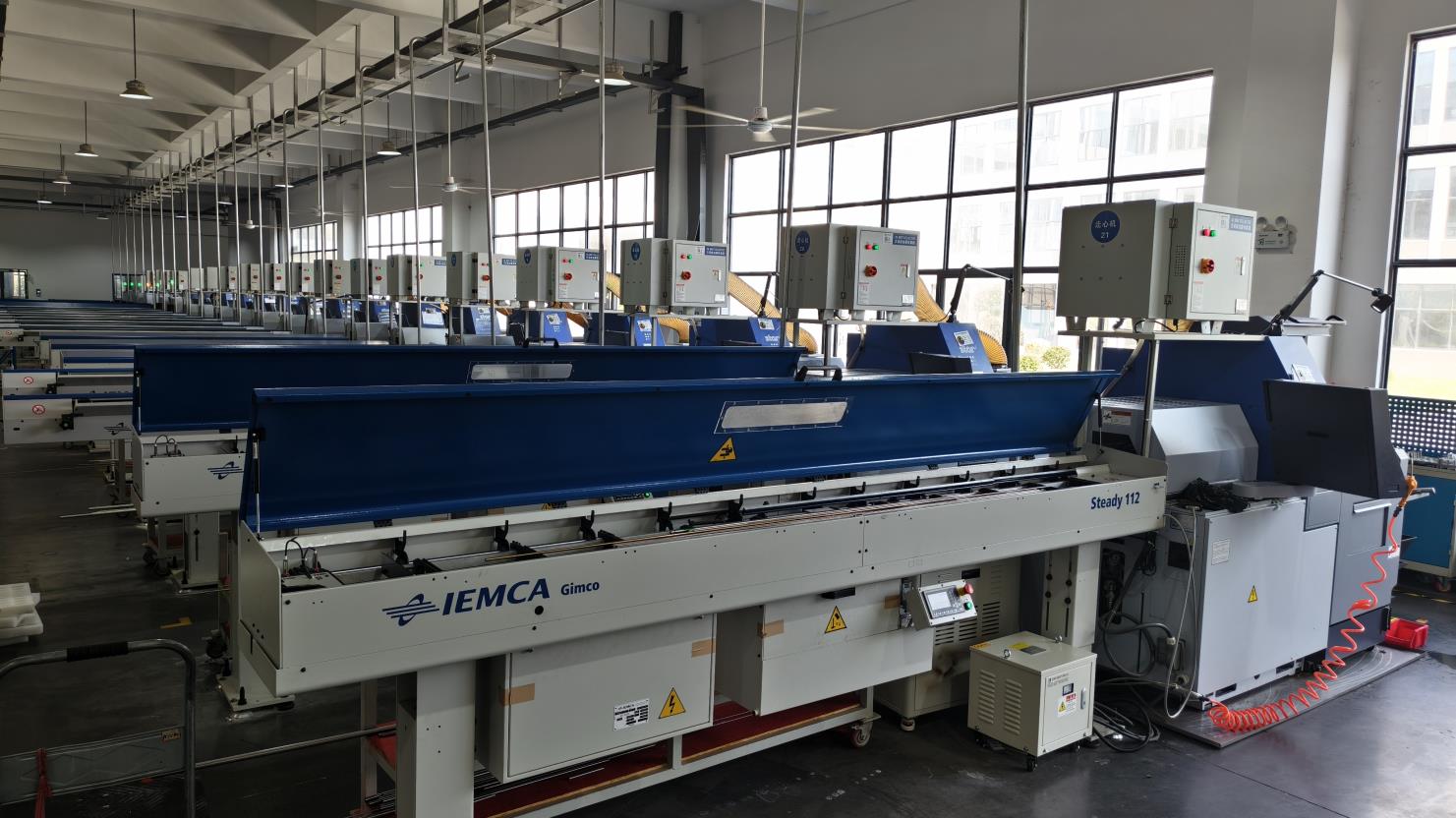
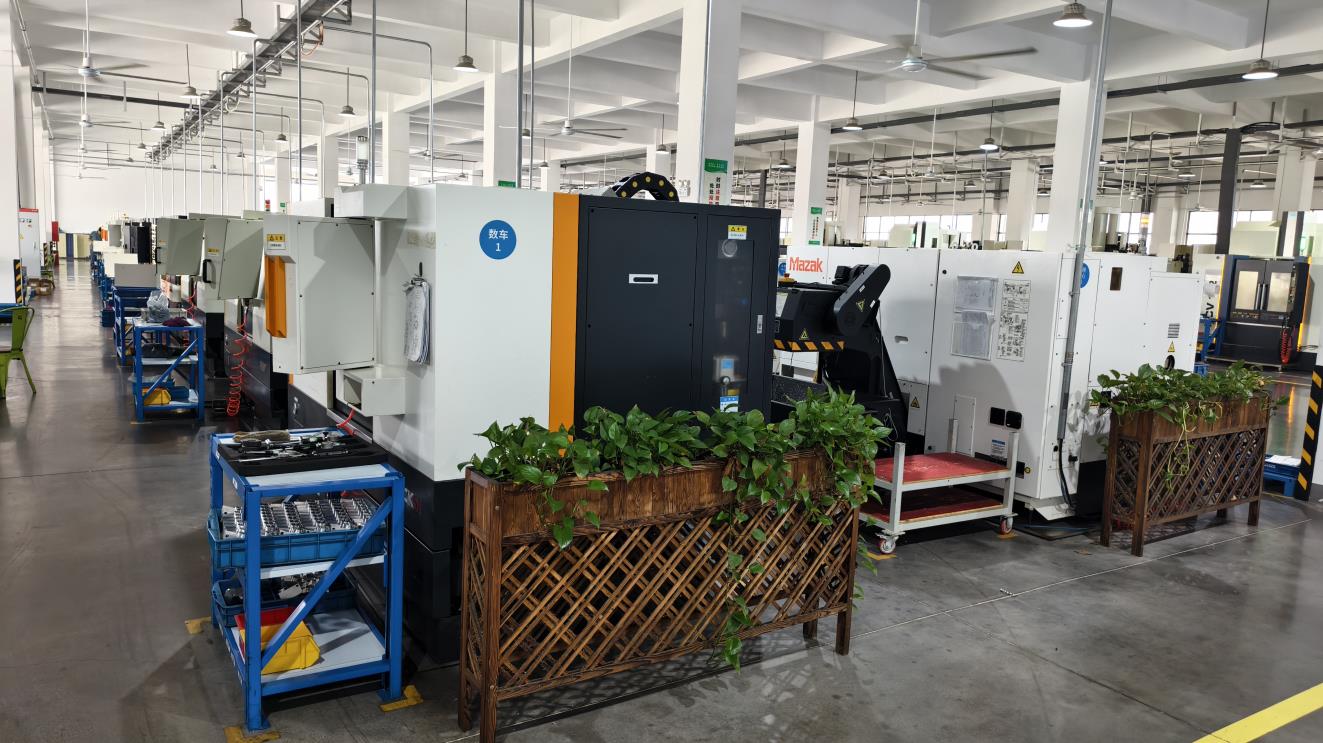
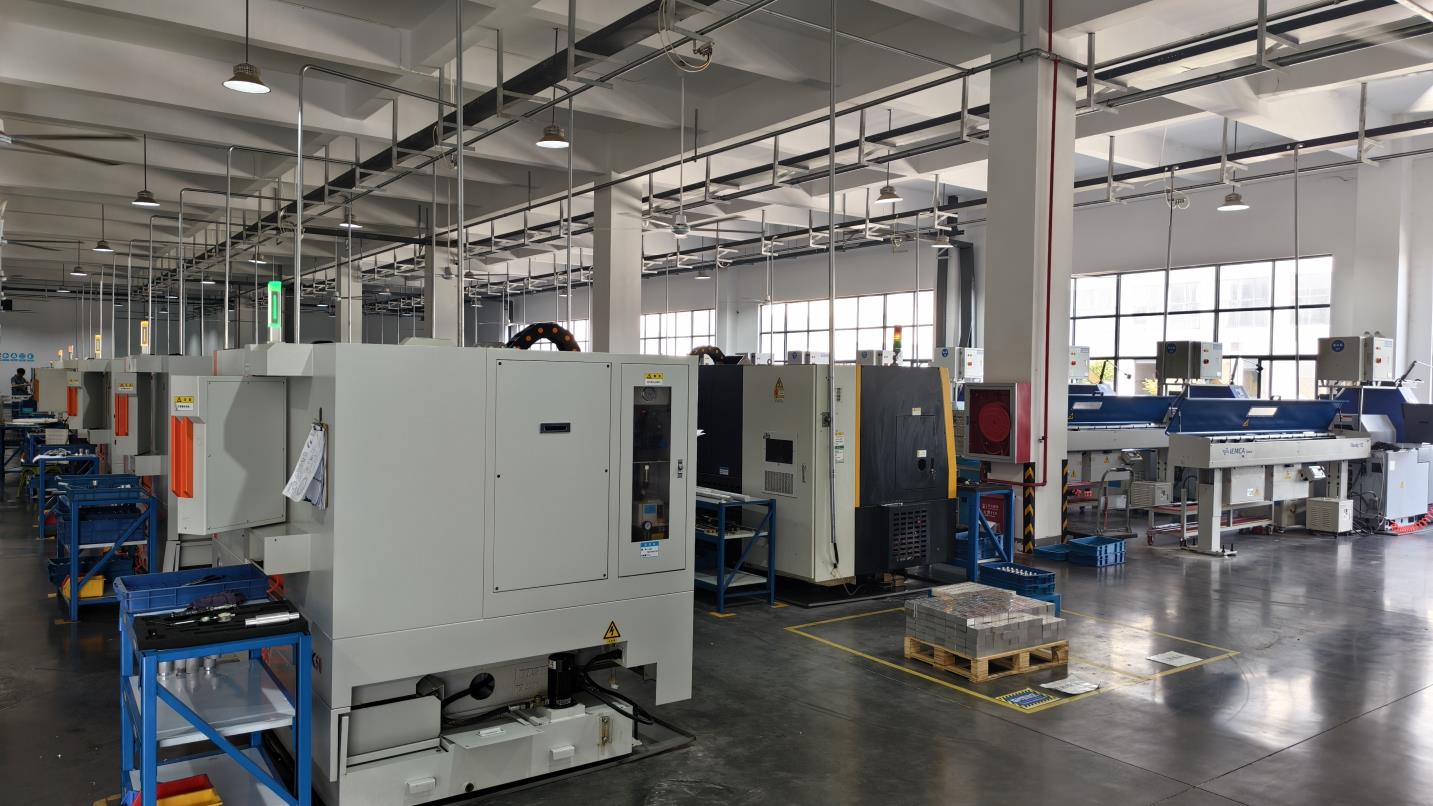
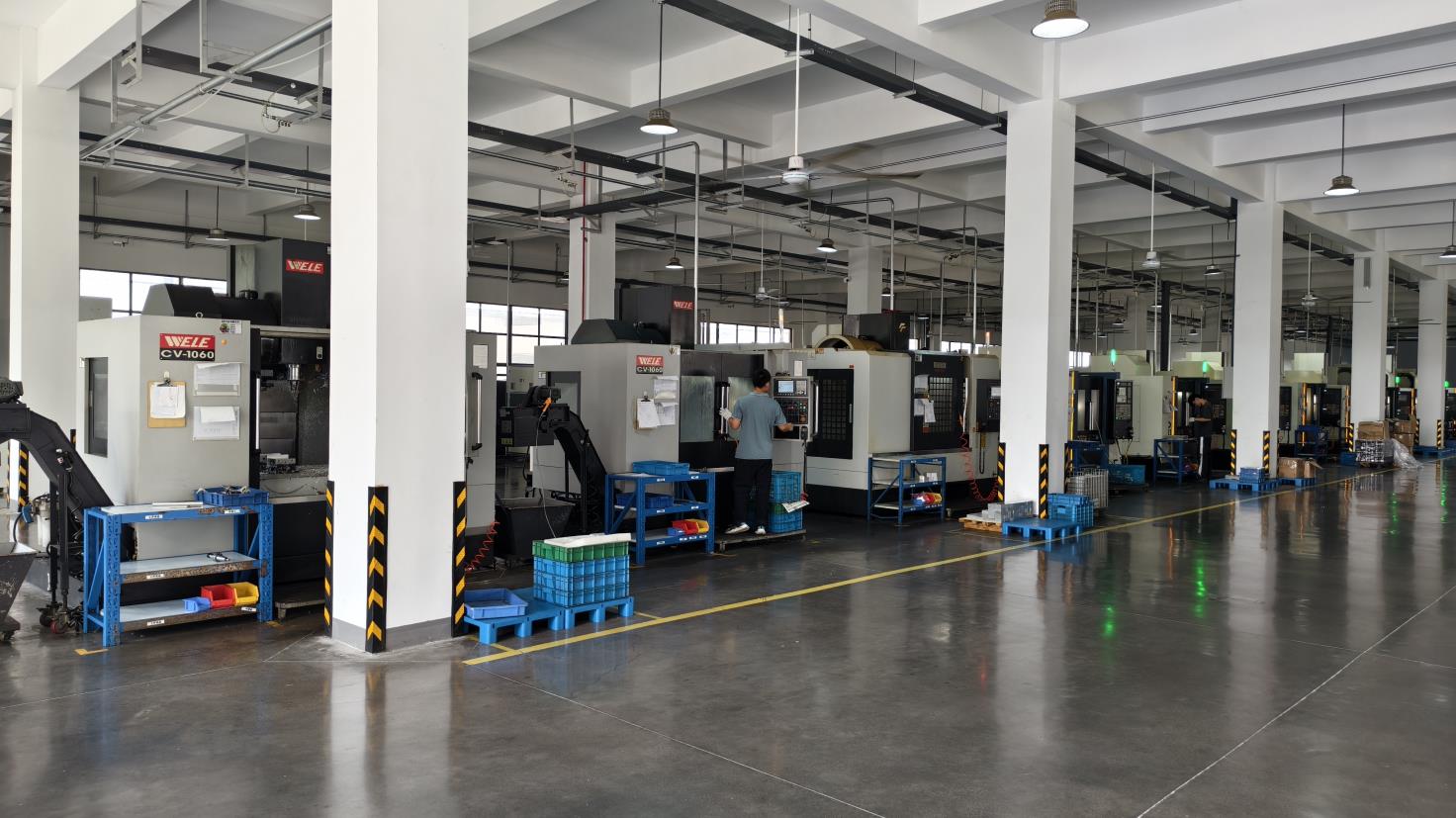
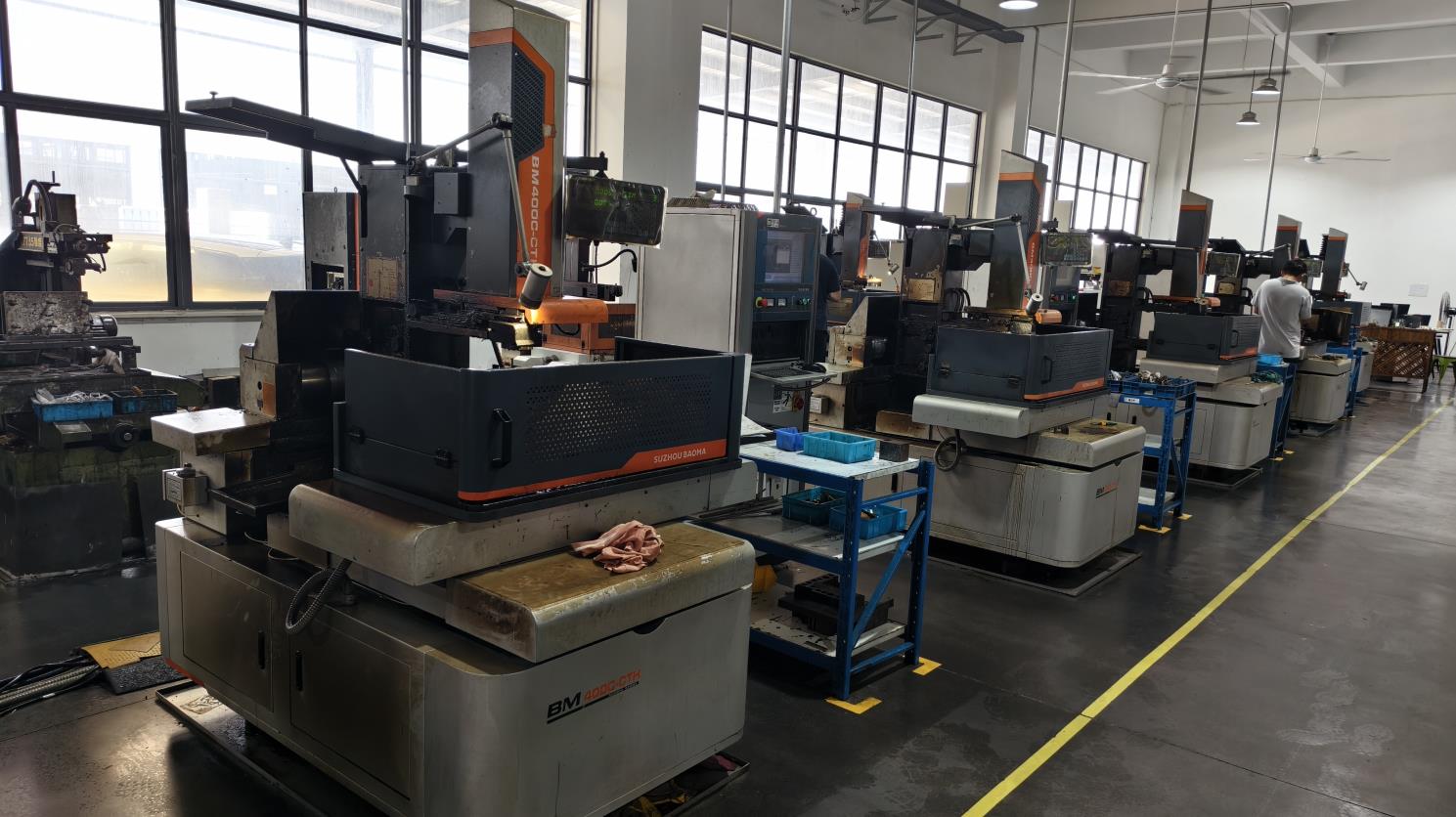
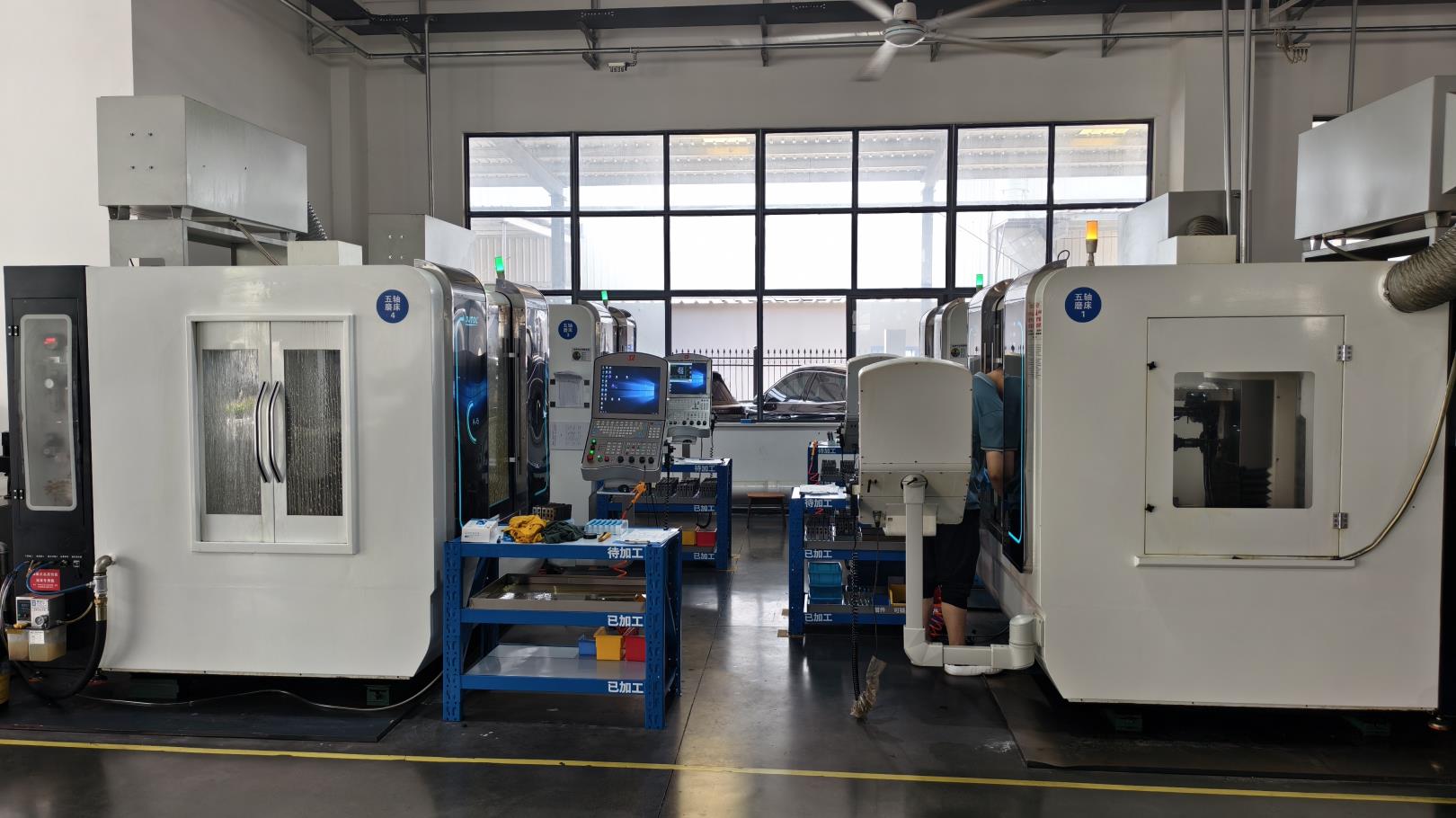
In human surgical departments, high reliability is critical. In joint arthroplasty, the tibial plateau cuts and femoral condyle resections must be flat and precise to ensure optimal contact with the implant. Out-of-spec tolerances can lead to micromotion, joint instability, and early implant loosening. Our tools, including bone-traction needle systems and plate benders, are engineered to assist surgical teams during these critical steps.
Veterinary medicine requires highly adaptable tool sizes to accommodate patients of varying weights, from small domestic cats to large canine breeds. Standard human saws are often too heavy and powerful, risking splintering in small bones. We provide specialized micro-saws, TPLO (Tibial Plateau Leveling Osteotomy) saw options, and micro plate-bending systems designed specifically for veterinary procedures. These instruments feature lightweight housings, smaller quick-connect couplers, and precise speed controls to protect thin cortical bone walls during fixation.
"The veterinary segment is a primary growth market for our B2B partners. Modern veterinary hospitals require surgical tools that match the sterilization standards of human operating rooms but are designed to meet animal-specific anatomical constraints."
When selecting an overseas manufacturing partner, B2B procurement teams must verify that the supplier meets standard requirements:
As orthopedic surgery advances toward minimally invasive procedures and computer-guided robotic navigation, the demand for smart instruments is growing.
We are migrating our product line from traditional brushed motors to brushless DC (BLDC) motors. BLDC motors offer higher torque-to-weight ratios, virtually zero electromagnetic interference, and longer service life by eliminating carbon brush friction.
Next-generation prototypes incorporate integrated sensory feedback. These sensors detect changes in bone density, automatically adjusting speed and torque to prevent breakthrough injury to surrounding soft tissue structures.
We design lightweight, impact-resistant housings using carbon-fiber reinforced polyetheretherketone (PEEK). This reduces hand fatigue during long surgeries and provides excellent resistance to harsh chemical cleaning agents.
Find quick answers to common questions about customization, compliance, minimum order quantities (MOQ), and shipping logistics.
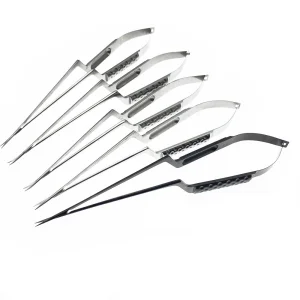
Explore our selection of specialized surgical instruments, including precision drills, plate bending pliers, and micro-scissors for delicate tissue reconstruction.