 SENJIE Healthy & Technology
SENJIE Healthy & Technology
SENJIE Healthy & Technology
Neurosurgery and advanced orthopedic procedures demand the absolute zenith of manufacturing accuracy, metallurgical integrity, and ergonomic reliability. As a leading manufacturer based in China, we specialize in high-precision surgical instruments, spanning micro-neurosurgery, spine, and complex trauma reconstruction. Through continuous R&D and strict compliance with global healthcare standards, we support medical brands, distributors, and healthcare facilities worldwide with surgical equipment that meets the most demanding standards of modern operating theaters.
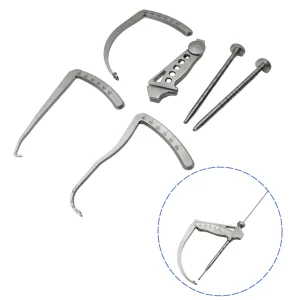
Precision-engineered veterinary and clinical instruments designed for optimal bone plating, joint reconstruction, and micro-tissue handling.
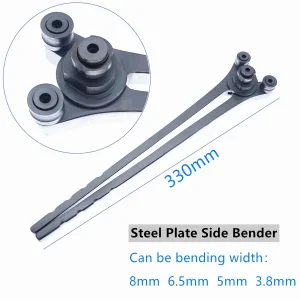
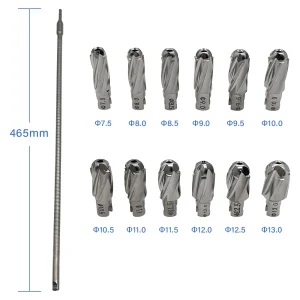
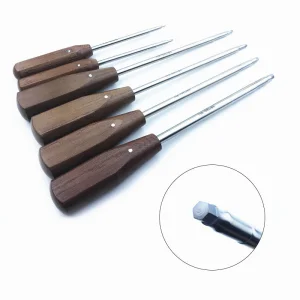
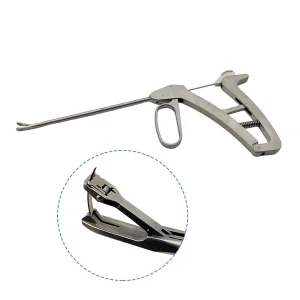
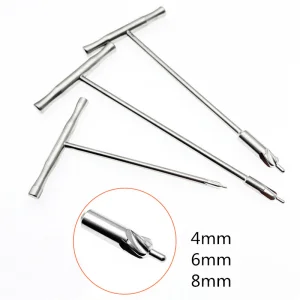
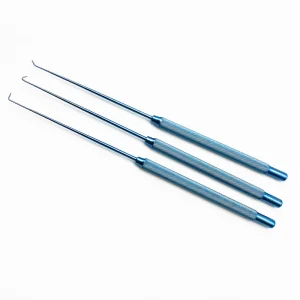
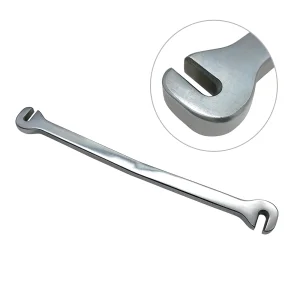
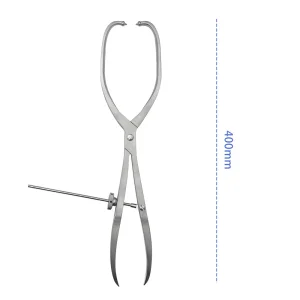
The modern field of neurosurgery has undergone a massive transformation, shifting from large-scale craniotomies to highly targeted, minimally invasive neurosurgeries (MIS). This shift has dramatically redefined the mechanical, metallurgical, and ergonomic requirements of contemporary neurosurgery tools. Precision instruments are no longer mere manual tools; they must function as seamless, microscopic extensions of the surgeon's hands.
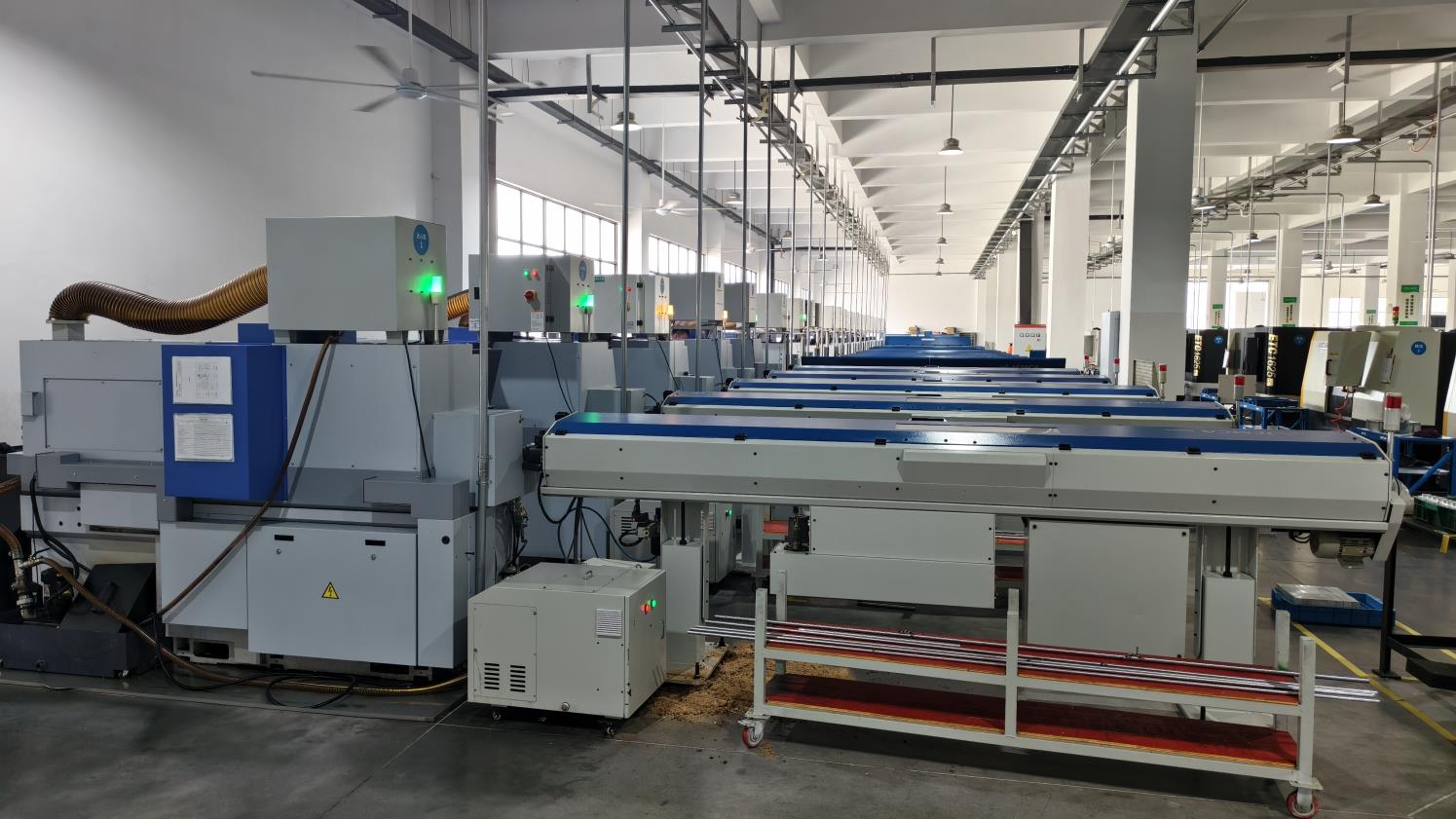
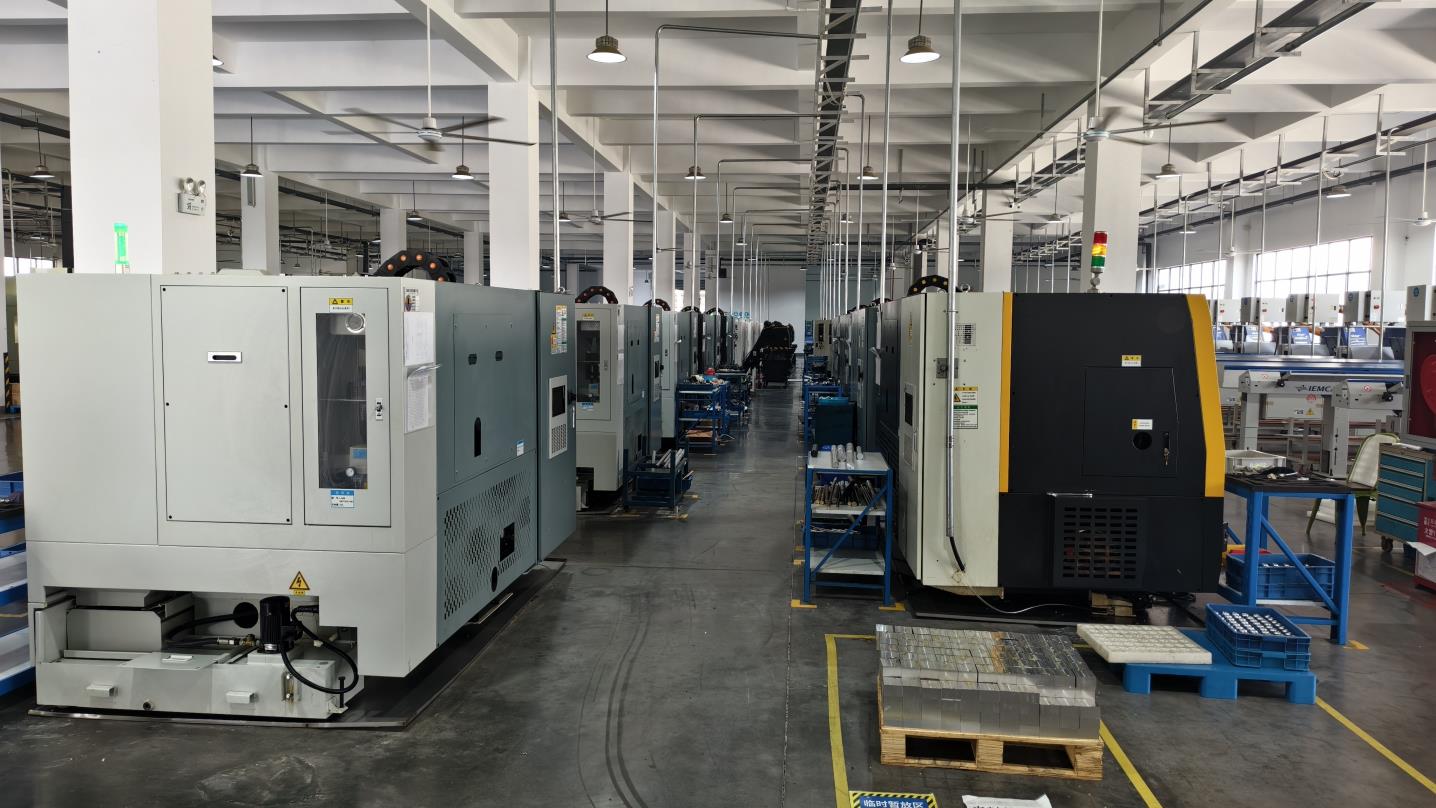
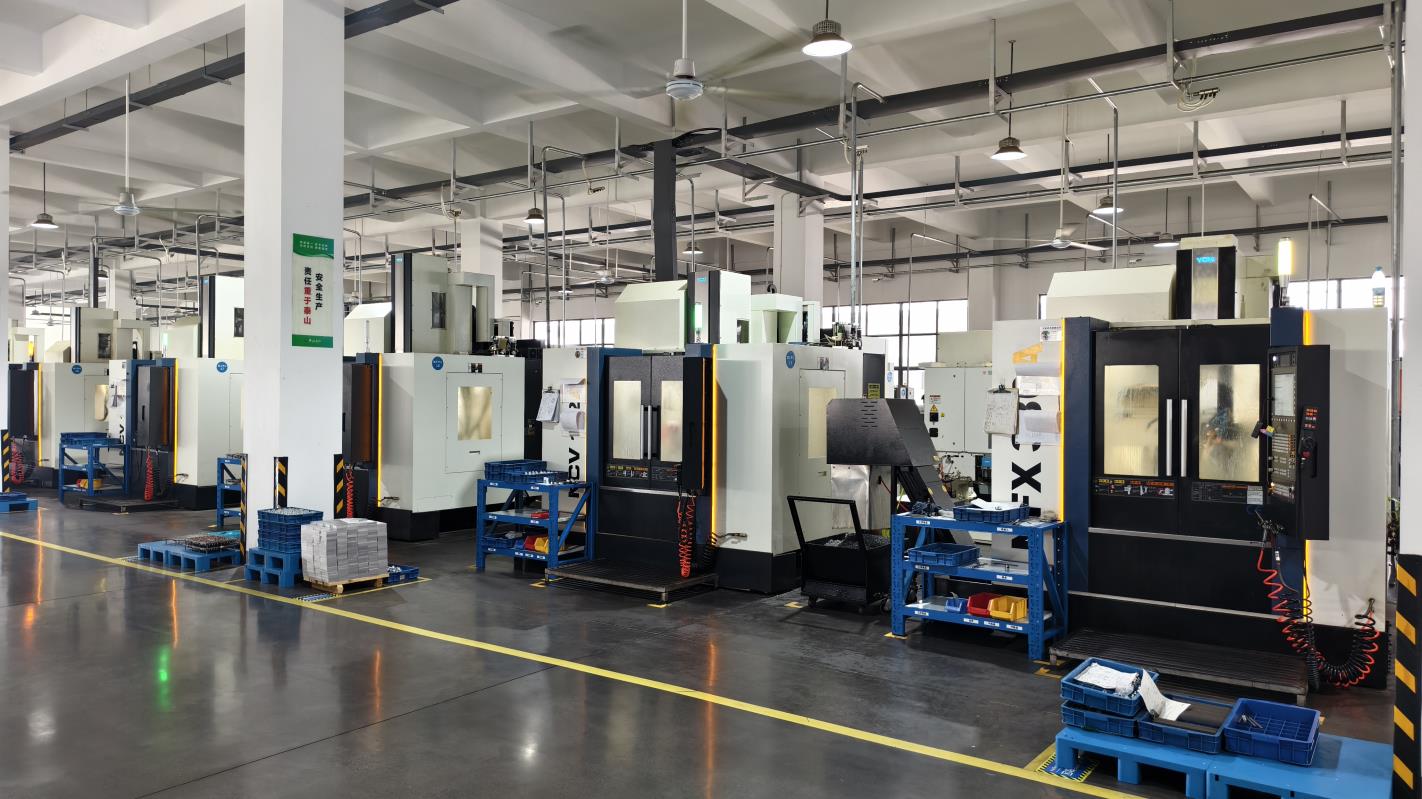
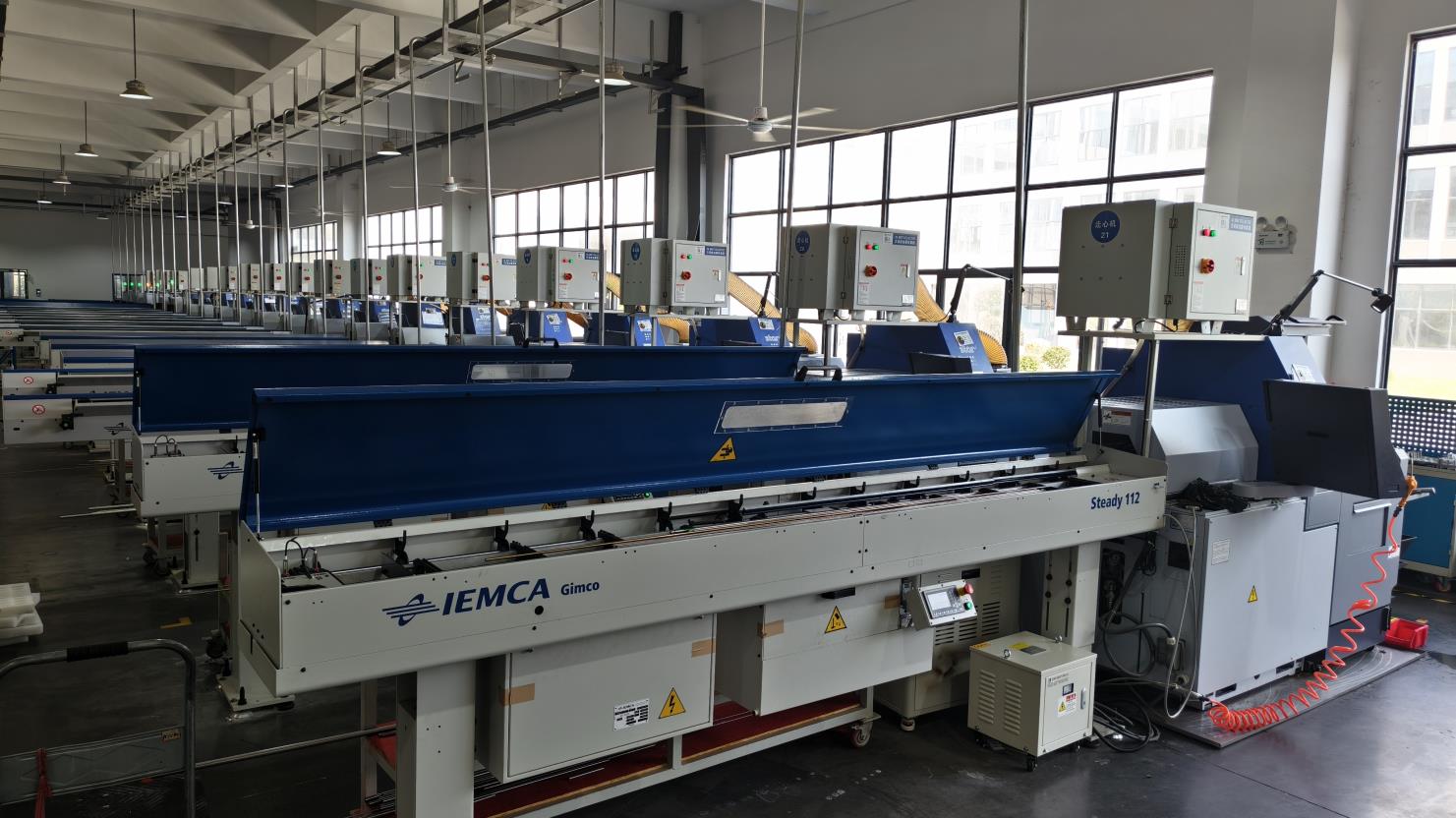
China's medical device manufacturing sector has experienced a parallel evolution. Leveraging advanced metal-injection molding (MIM), multi-axis CNC micro-machining, and robotic laser welding, Chinese factories now match or exceed traditional Western benchmarks for dimensional tolerances and metallurgical quality. In micro-neurosurgery, where instruments interface with micro-vessels and key neural tracts, tolerances are strictly maintained within micrometer ranges to ensure complete functional accuracy and safety.
To withstand chemical corrosion and physical wear, medical instruments utilize specific medical-grade alloys:
For global procurement managers, identifying suppliers that provide full material chemical certification (mill test certificates) is key to ensuring clinical safety and meeting regulatory standards.
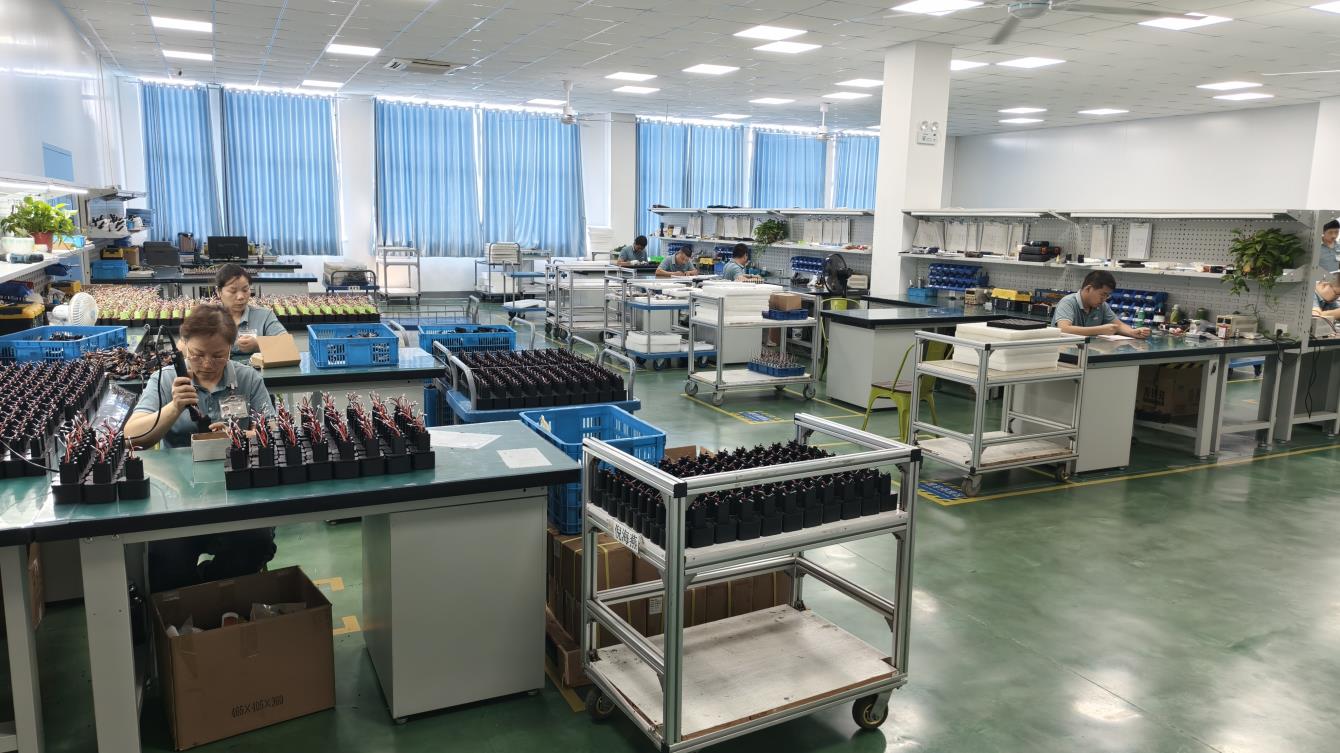
From raw material extrusion to CNC finishing and chemical passivation, every manufacturing stage is optimized for durability.
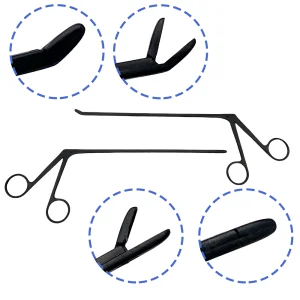
Engineered for microscopic field-of-view surgeries. Curved instrument shafts, anti-glare micro-textured surfaces, and bayonet designs prevent line-of-sight blockage under operating microscopes.
Every tool undergoes mechanical electropolishing and nitric/citric acid passivation. This creates an ultra-durable chromium oxide passive layer, preventing pitting, staining, and rust during steam sterilization.
We support diverse customization protocols, including sample processing, custom CAD blueprint generation, laser etching, and tailored packaging for private label brands.
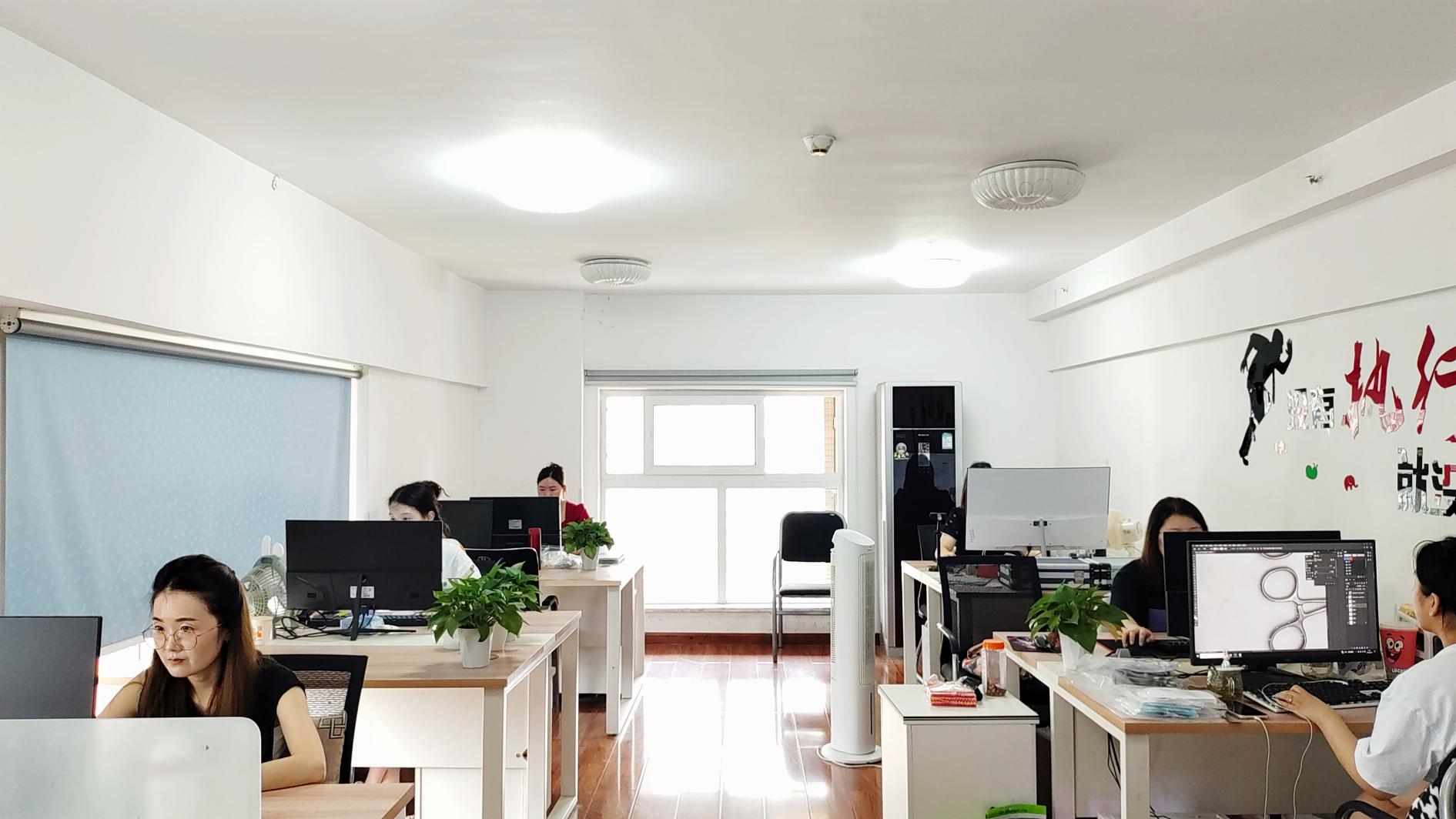
Established on 2019-11-20, our factory has built a robust supply network exporting to over 30 countries.
| Audit Dimension | Verified Factory Capabilities & Target Metrics |
|---|---|
| Company Registration | Established on November 20, 2019, with integrated manufacturing and direct export permits. |
| Export History & Target Demographics | 6 Years of international trade history. Major global markets include North America (25%), South America (25%), Southeast Asia (15%), and Europe. |
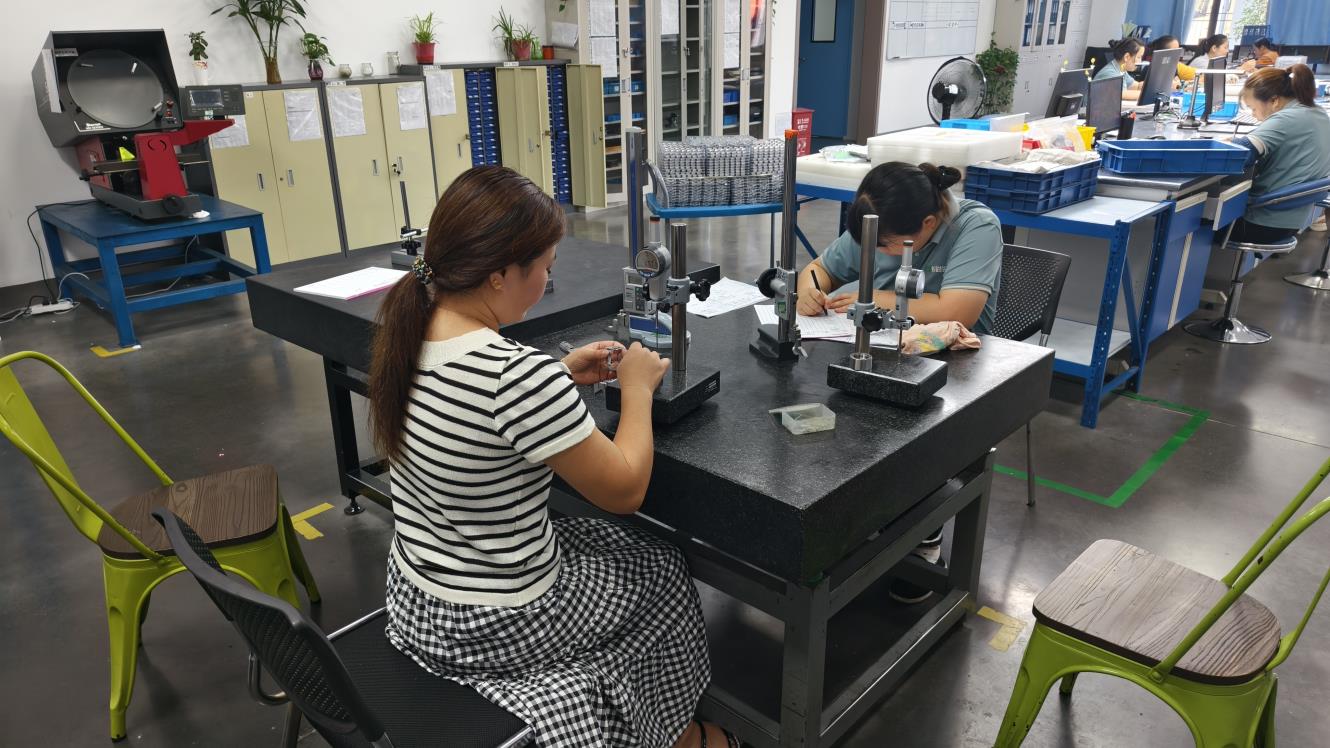
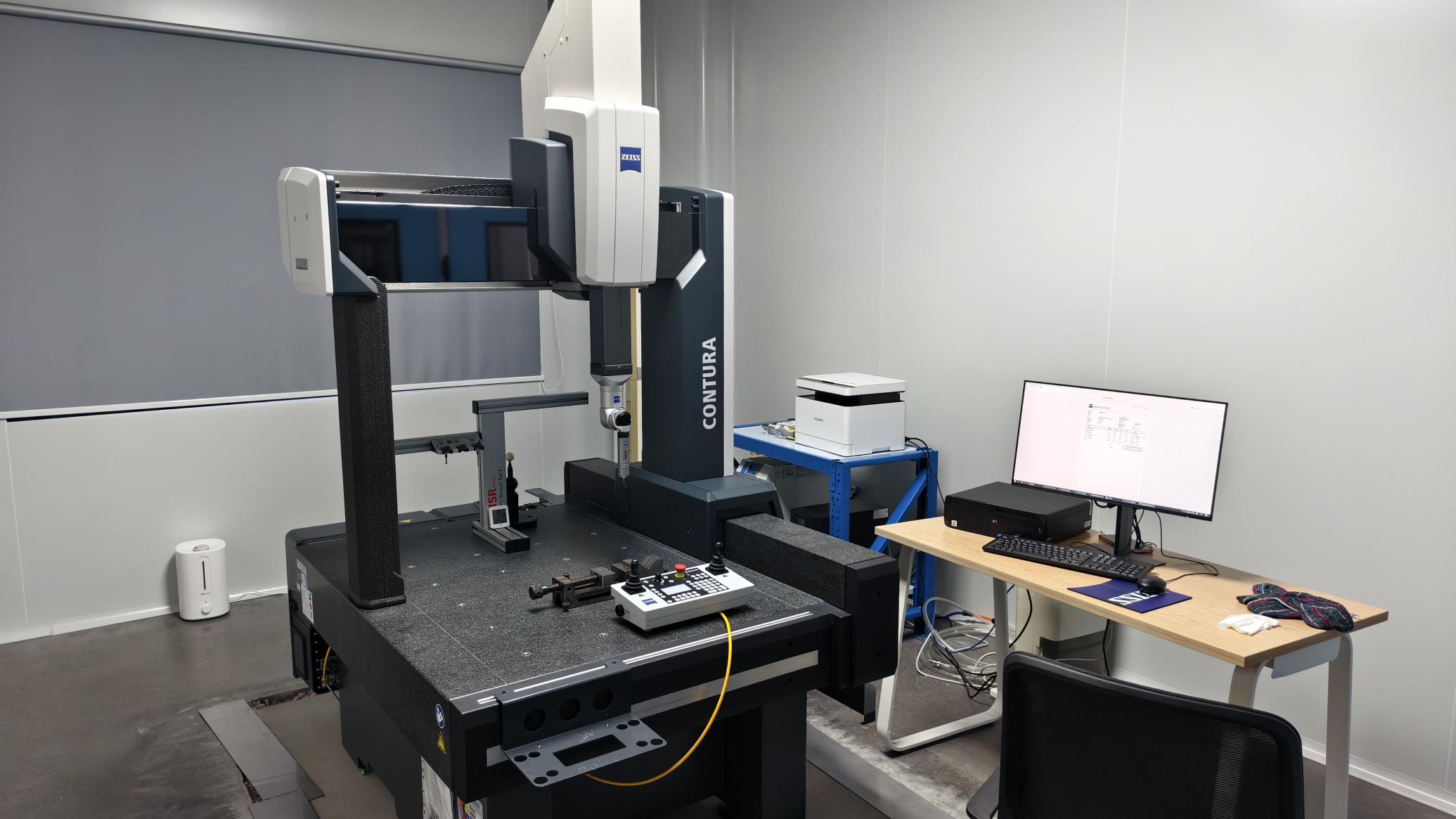
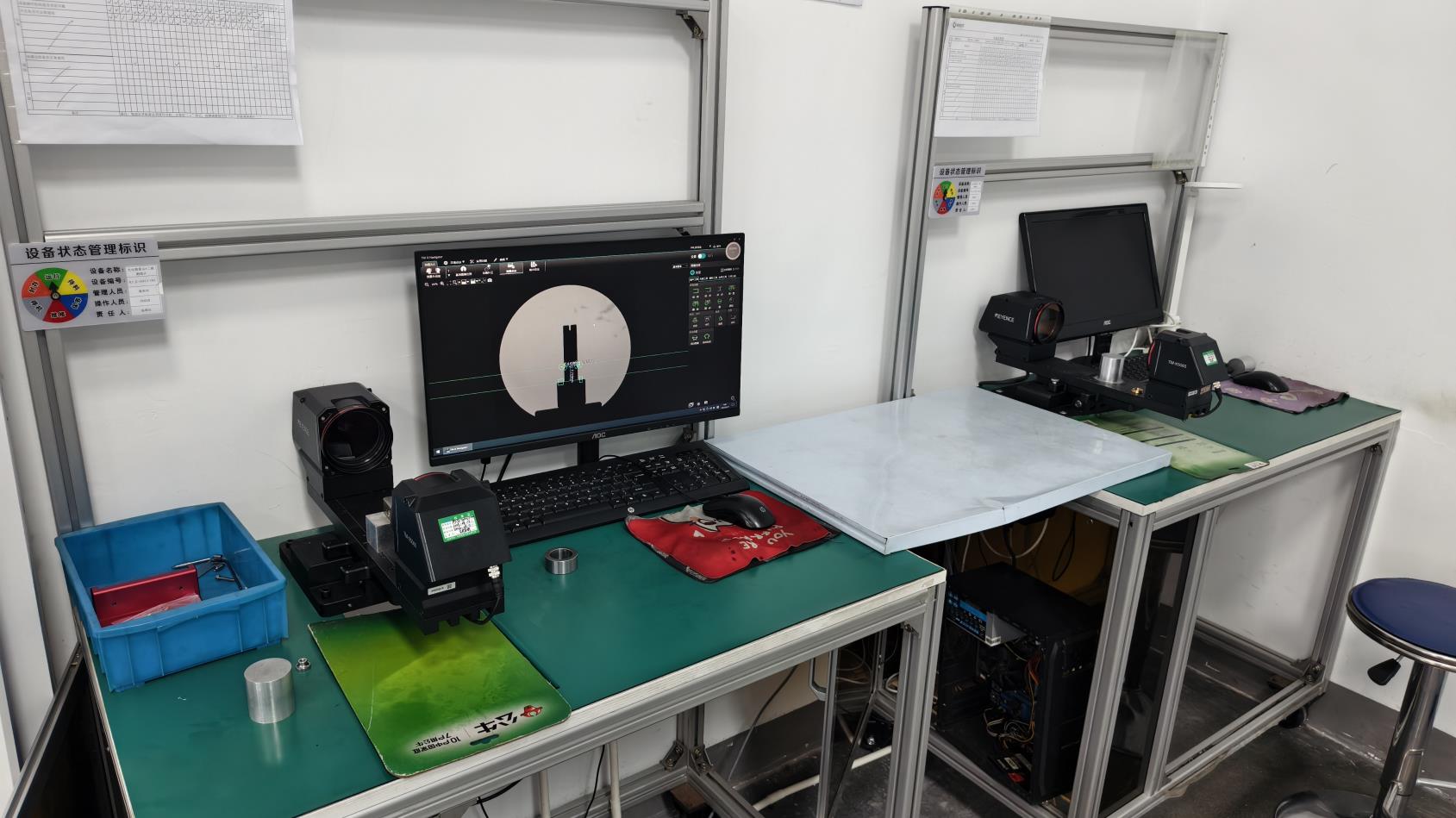
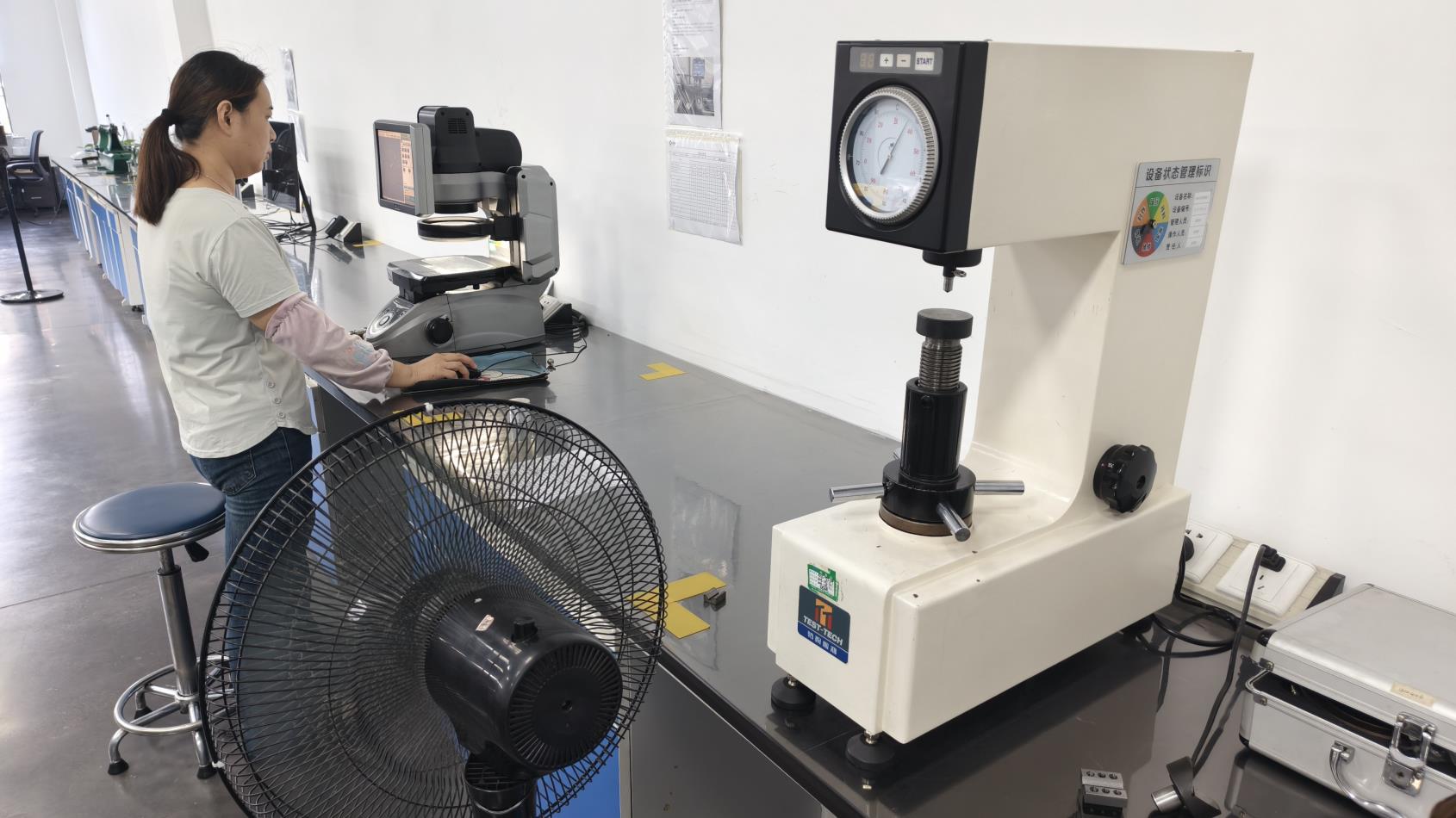
| Quality Control (QC) Staff | 3 Dedicated QA/QC inspectors managing dimensional inspection, hardness checks, and sterile cleanroom processing. |
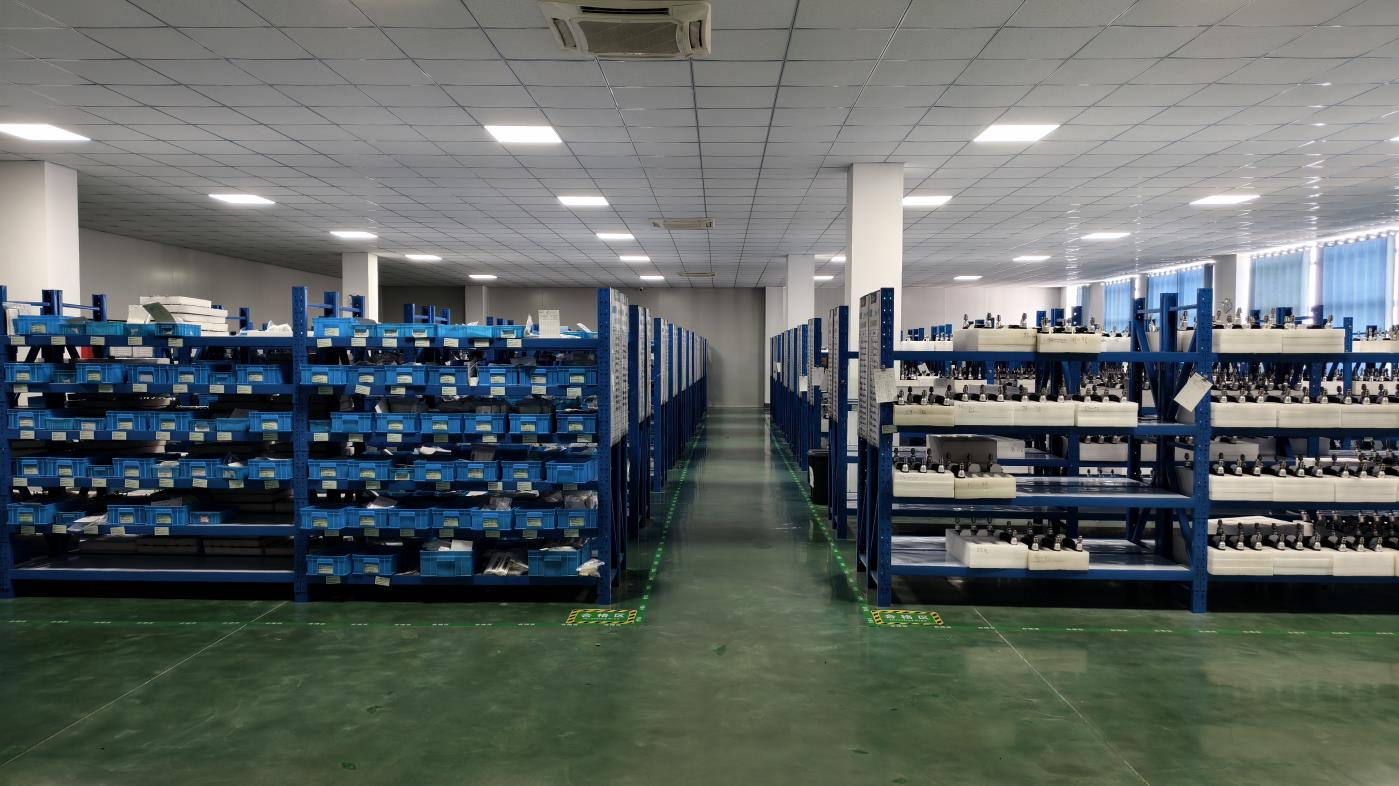
| Raw Material Traceability | 100% full-process traceability. Complete raw material mill sheets, chemical composition analysis, and biocompatibility certificates are archived. |
| Customization Capabilities | Flexible OEM/ODM options: graphic design processing, sample processing, customized on-demand branding (laser branding, custom tool kits, unique container designs). |
| Product Inspection Methods | Visual, functional, and metallurgical random inspections, customized to meet strict clinical regulatory requirements of the destination country. |
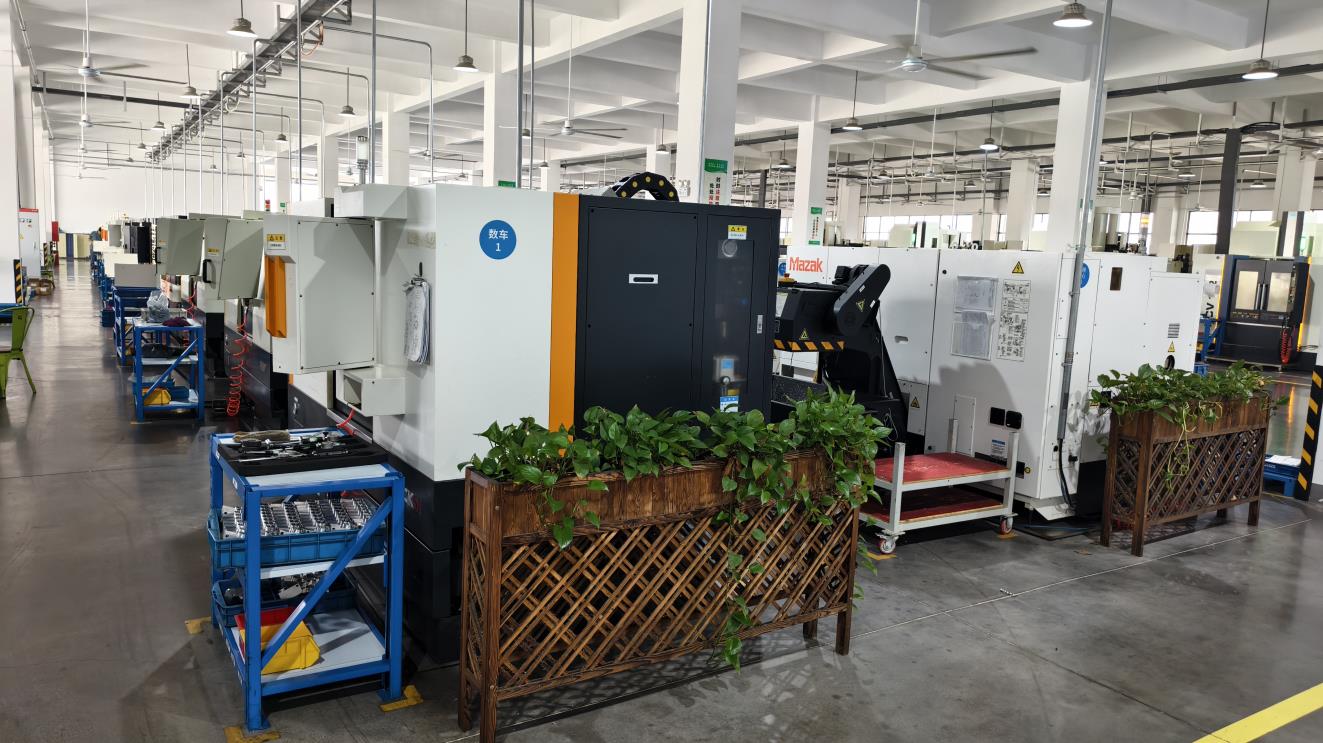
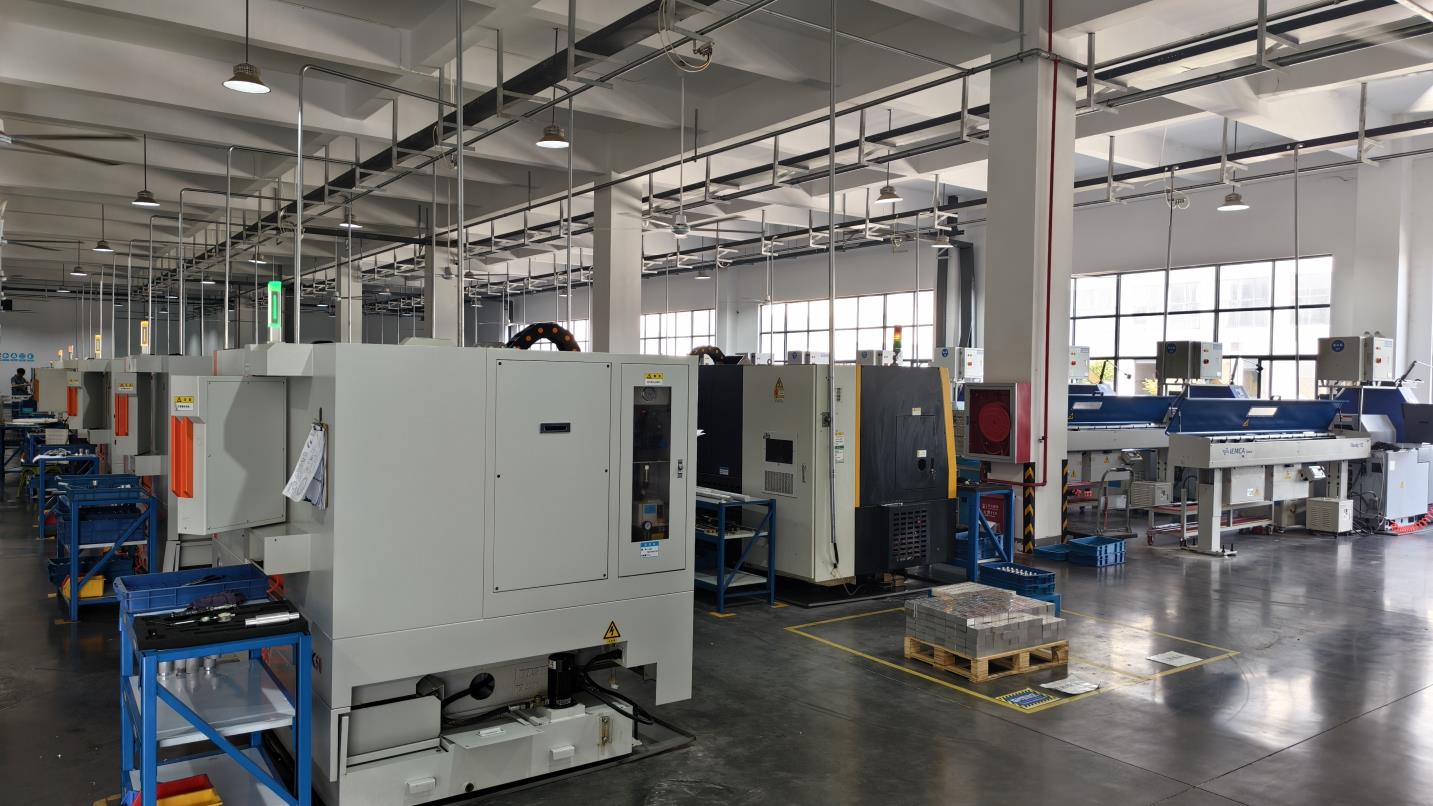
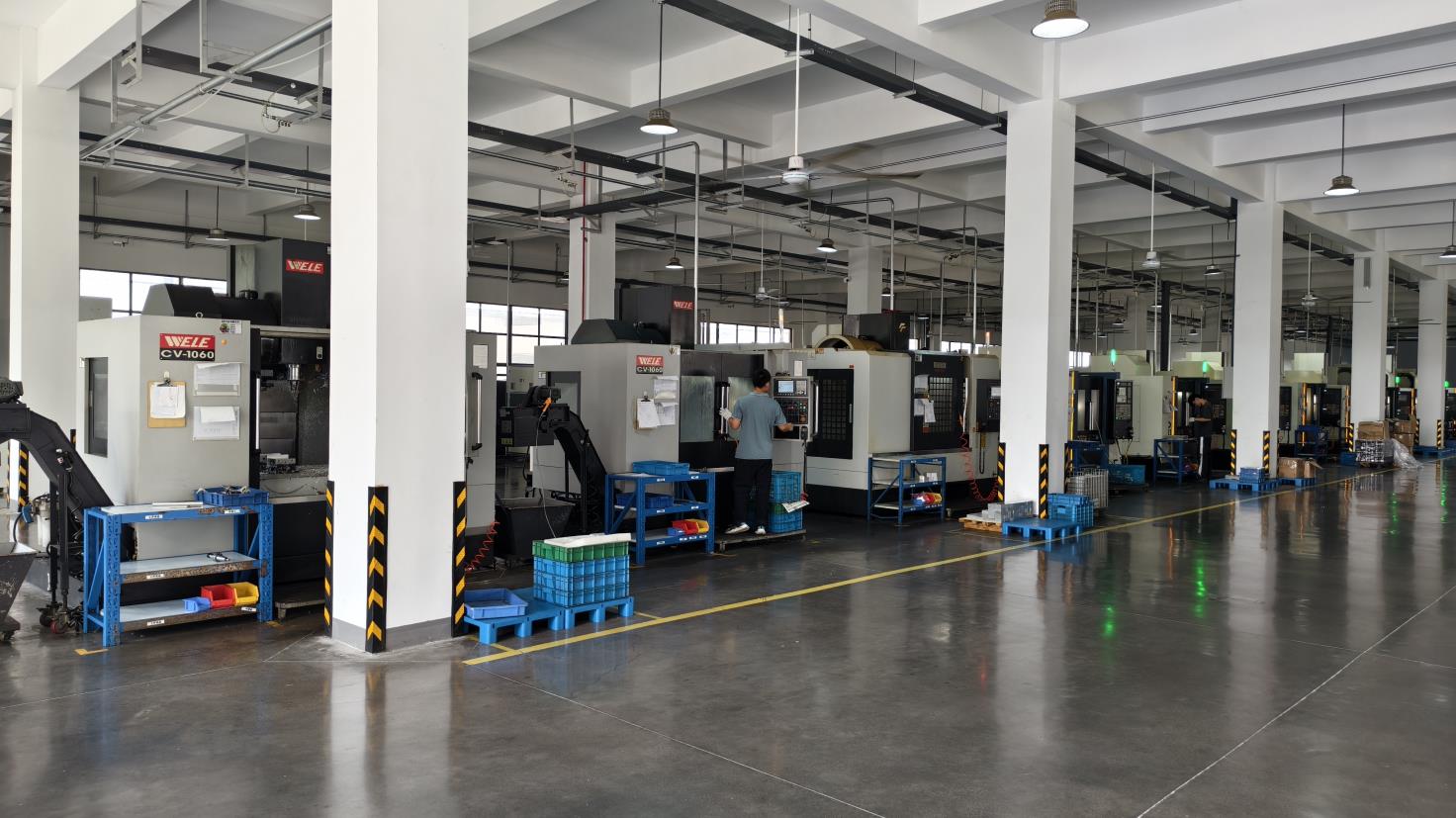
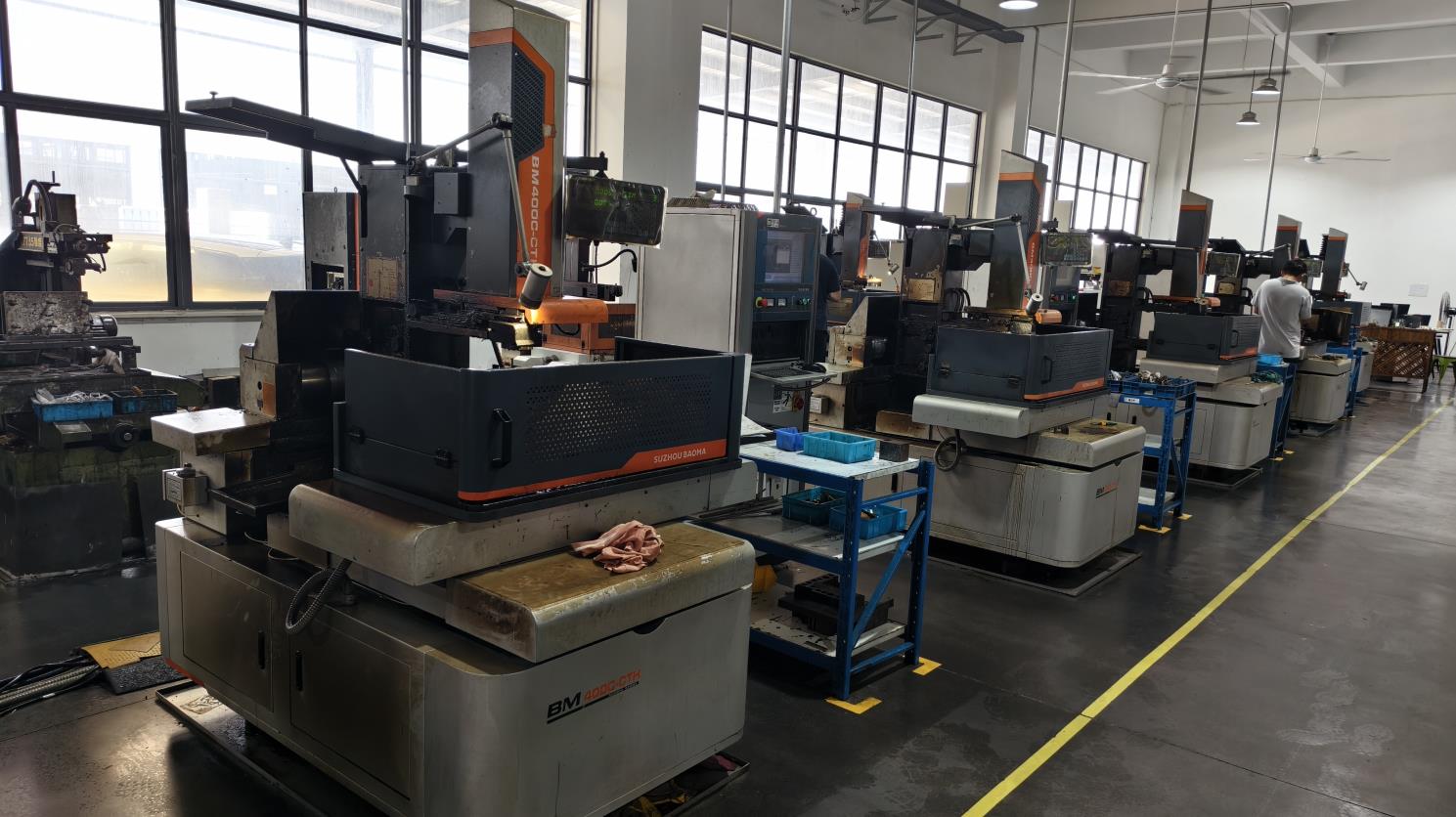
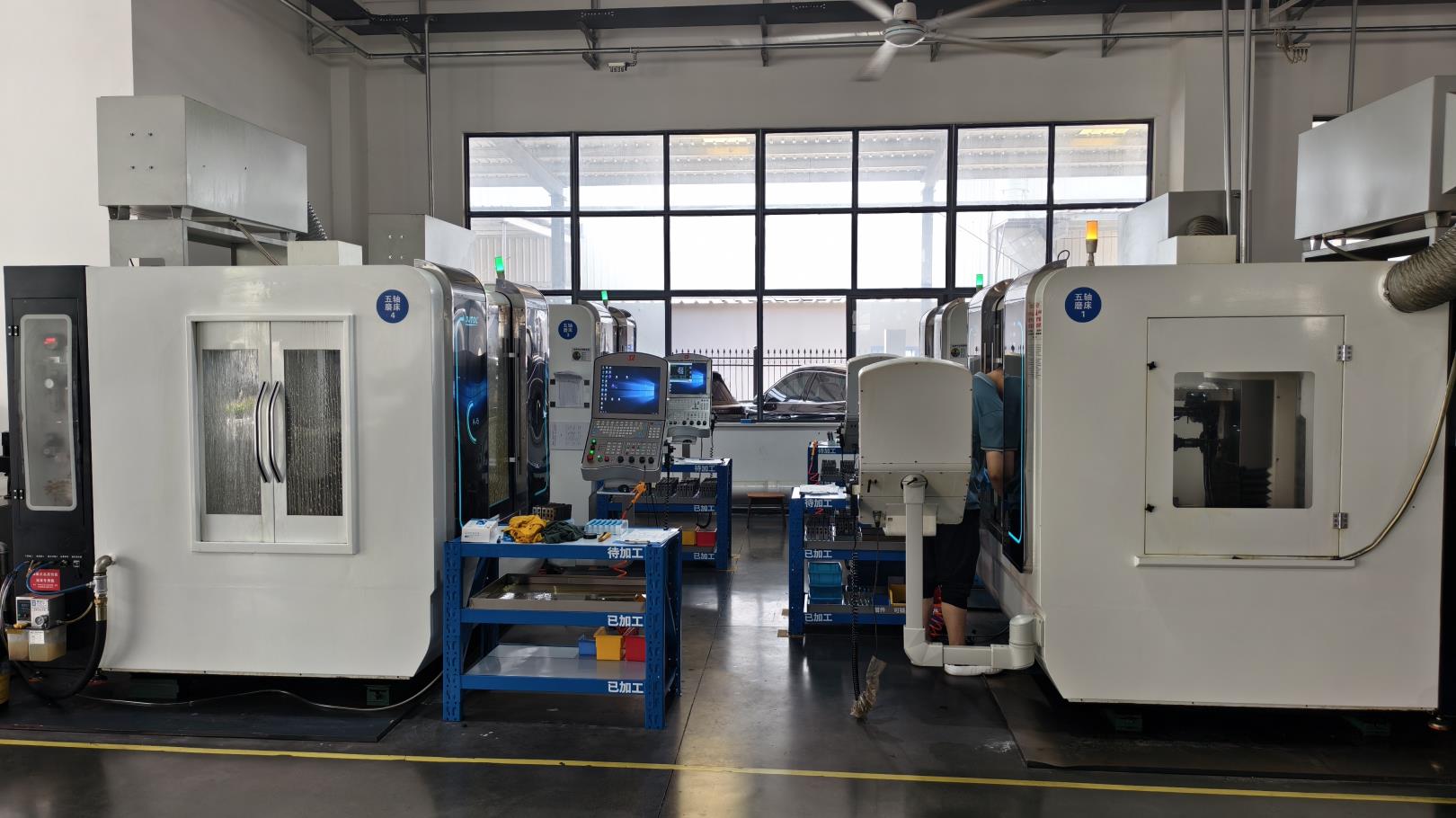
Entering international healthcare markets requires absolute compliance with local regulations. Whether exporting to the FDA-regulated space in North America, navigating the EU Medical Device Regulation (MDR), or registering products in South American markets, compliant documentation is essential.
We provide full verification files for raw materials, biocompatibility studies, and factory production audits to simplify registration processes. Additionally, our packaging solutions are designed to meet standard sterile barrier guidelines, ensuring our instruments arrive in pristine, sterile condition ready for medical use.
Our logistical network ensures reliable transit times. We partner with leading international freight forwarders to provide seamless customs clearance, minimizing shipping delays for hospital tenders and distributor inventory replenishments.
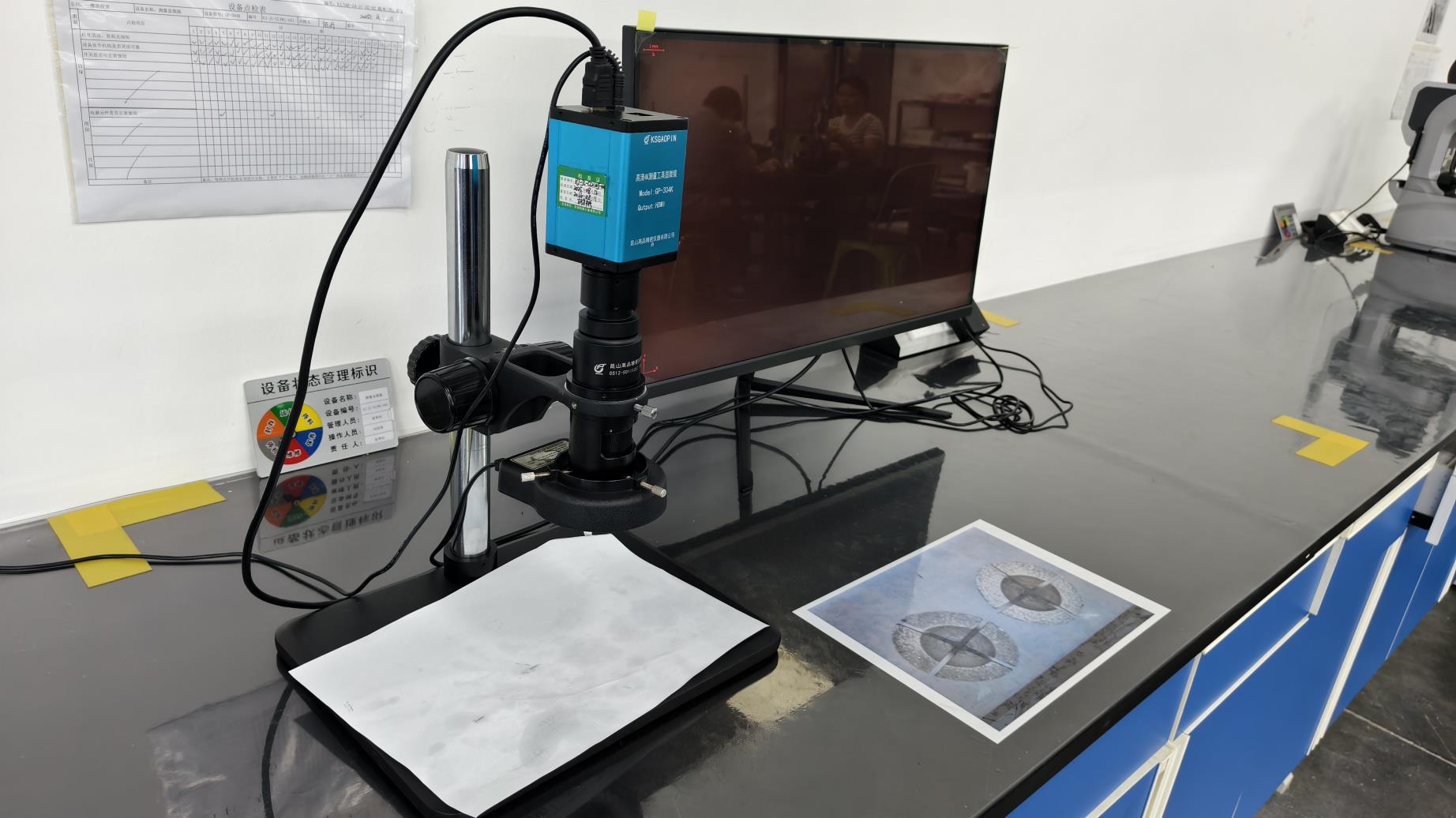
Our 3 in-house QC inspectors follow strict validation protocols before any batch is cleared for shipment:
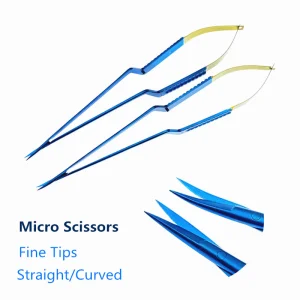
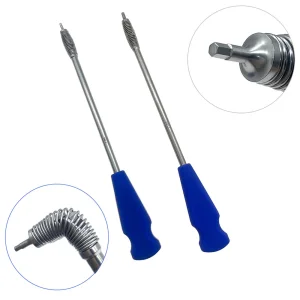
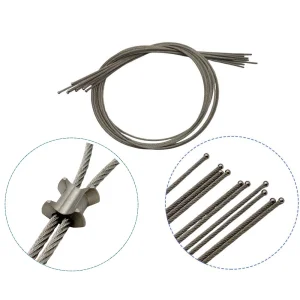
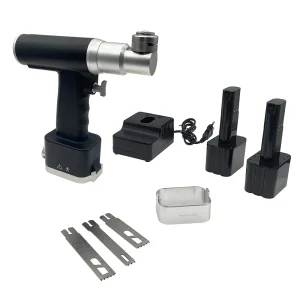
Premium medical power equipment, arthroscopy sets, and specialized bone fixing clamps built to support major trauma surgeries.
Get professional technical answers concerning procurement standards, customization timelines, and regulatory compliance.
We use medical-grade materials such as Ti-6Al-4V ELI (Grade 5 Titanium) and vacuum-melted 316LVM Stainless Steel. These materials conform to ASTM F136 and ASTM F138 standards, respectively, ensuring biocompatibility, high corrosion resistance, and structural stability during repeated autoclave cycles.
Every batch of raw material is registered and logged upon arrival at our facility. We obtain and archive mill test certificates and chemical composition reports from our metallurgical partners, maintaining traceability from raw bar stock to the finished, laser-etched medical instrument.
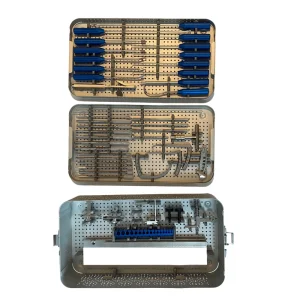
Yes. We support extensive customization, including CAD/CAM blueprint engineering, sample-based processing, laser marking, and customized sterilization container layouts. We work closely with private brands and global medical distributors to deliver tailored solutions.
Standard catalog orders are usually dispatched within 15–30 days. For custom OEM/ODM designs requiring mockups or unique injection molds, the process typically takes 45–60 days, including production validation and rigorous quality control testing.
All export shipments undergo a series of QC steps, including boil and copper sulfate tests to verify the passivation layer, HRC rockwell hardness testing, and dimensional verification using micro-projection systems. We also perform functional checks to ensure clean cutting and gripping action.