SENJIE Healthy & Technology
SENJIE Healthy & Technology
SENJIE Healthy & Technology
Premium medical devices engineered for high pull-out resistance, biocompatibility, and precision orthopedic fixation.
In modern sports medicine and orthopedic reconstructive surgery, surgical suture anchors have revolutionized soft-tissue-to-bone fixation. These implants are essential for repairing ligamentous disruptions, labral tears, and rotator cuff pathology. Over the past decade, the global market has experienced a significant technological migration. Clinicians are moving away from traditional metal implants to focus on highly bio-compatible polymers, composite biomaterials, and knotless configurations. These advances reduce joint space invasion and improve rehabilitation outcomes.
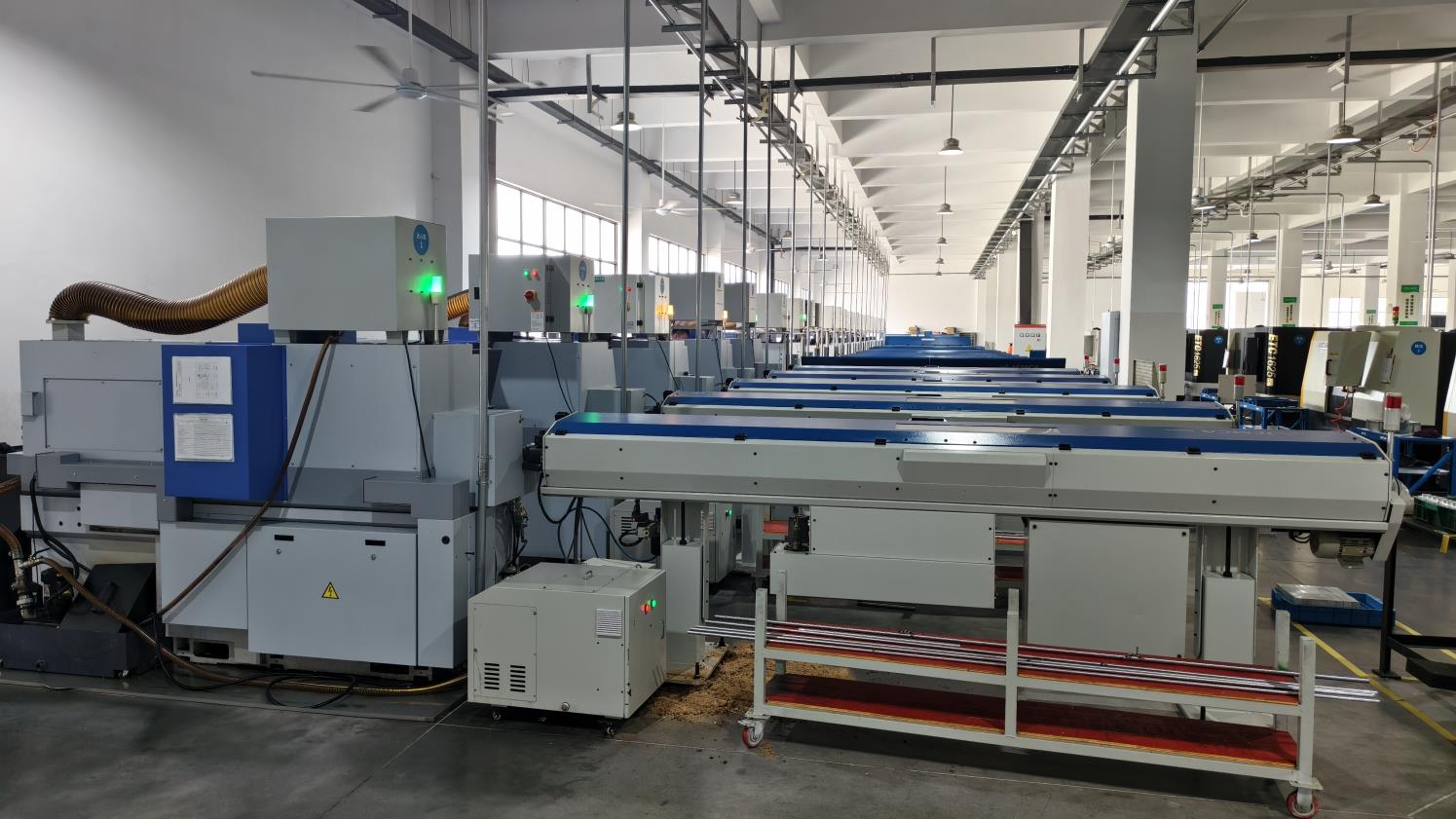
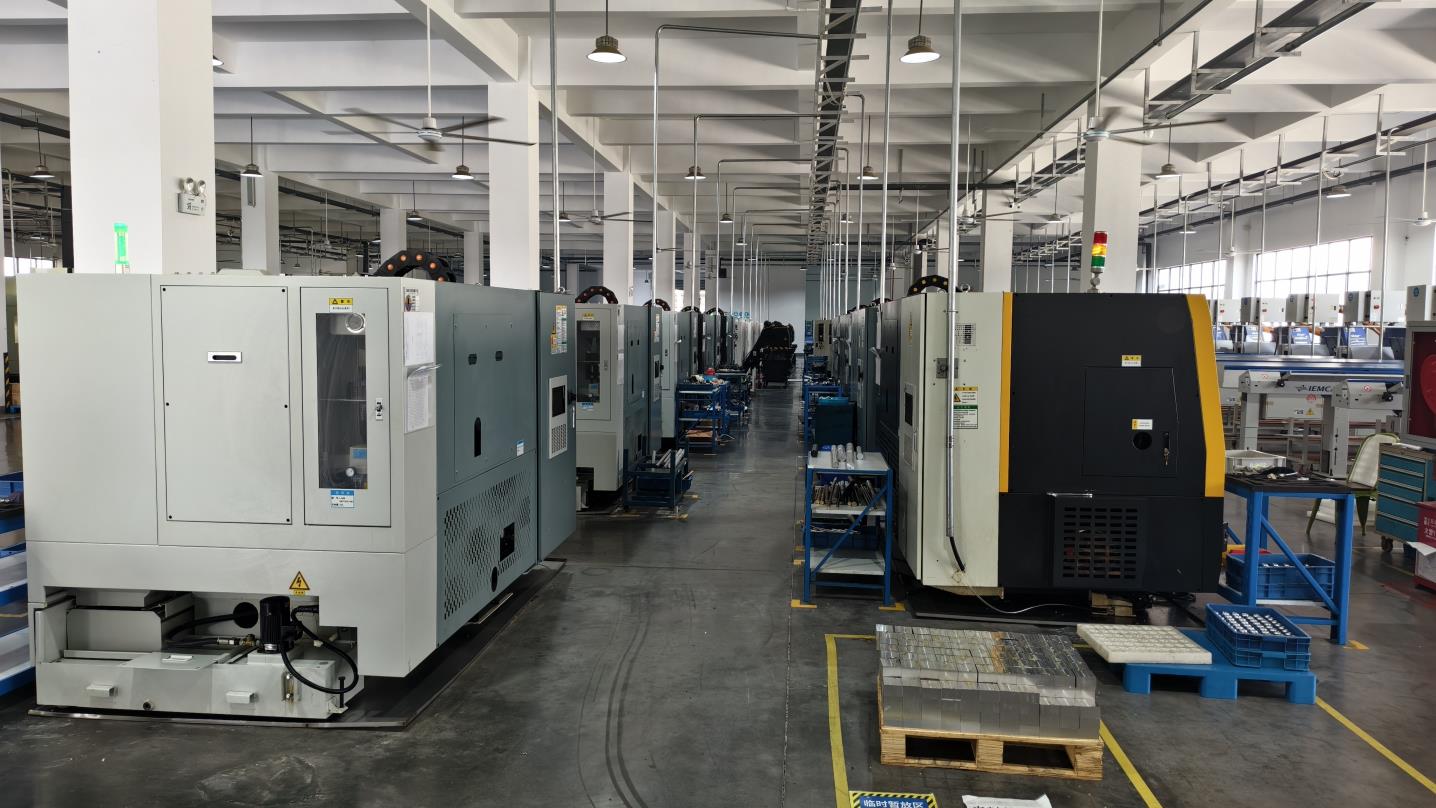
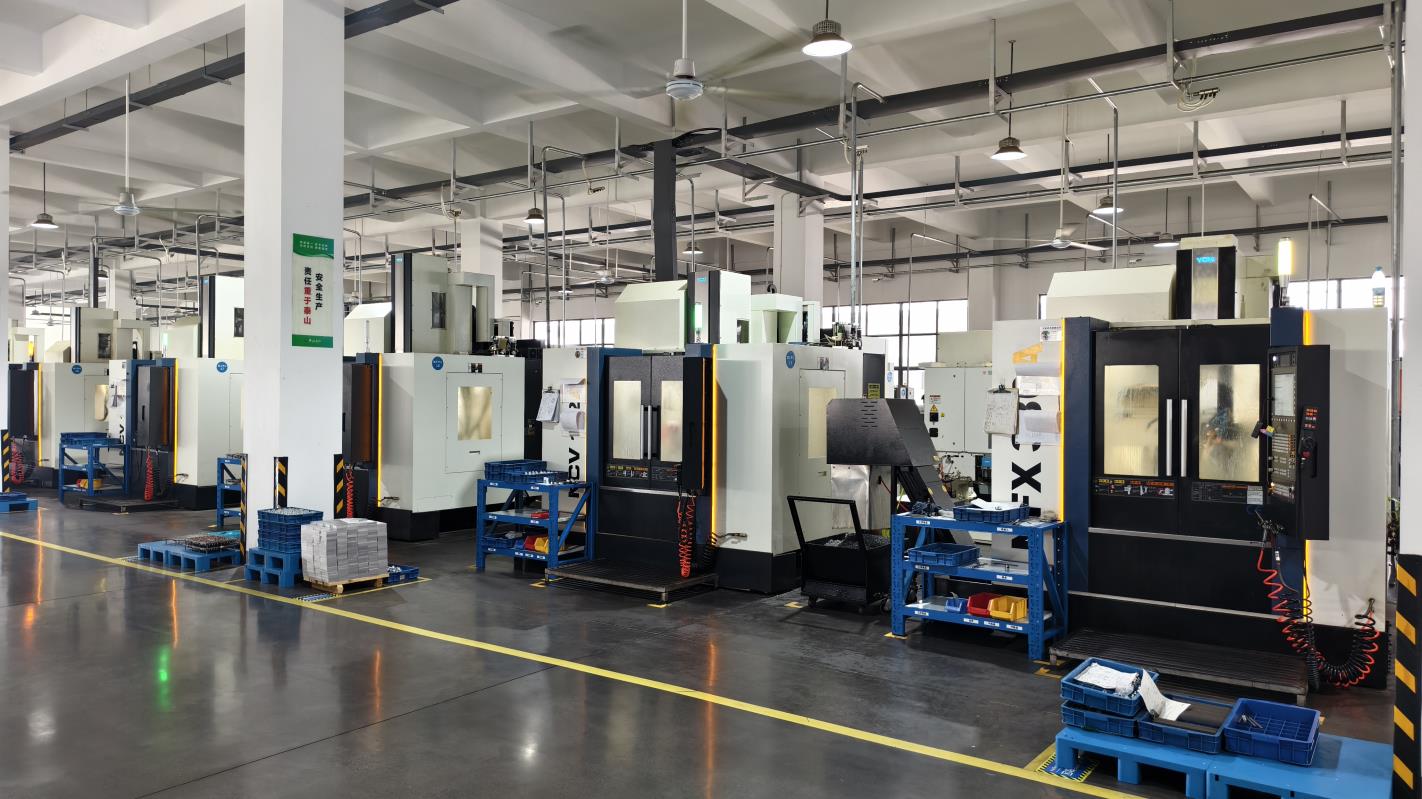
As a major hub for global medical manufacturing, China's orthopedic medical sector has undergone significant structural transformation. Factories have upgraded from simple contract manufacturers of basic surgical instruments to advanced OEM and ODM suppliers of class III implantable devices. This includes bioabsorbable and PEEK suture anchors. This shift is driven by deep capital investments in multi-axis CNC machining, precision injection molding, and Cleanroom technology operating under ISO 13485:2016 quality systems.
Information Gain Insight: The mechanical integrity of a suture anchor is determined by the pull-out force resistance, the raw material modulus matching cortical bone, and the design of the suture eyelet. In modern arthroscopic procedures, eyelet shear failure is the primary failure mode. To address this, Chinese manufacturers now use high-strength UHMWPE (Ultra-High-Molecular-Weight Polyethylene) braid combined with molded PEEK eyelets to minimize friction and prevent suture breakage during knot tying.
When choosing surgical anchors, material selection is critical to clinical outcomes. The table below compares the primary materials used in global orthopedic clinics:
| Material Type | Elastic Modulus (GPa) | Bio-integration Profile | Radiological Imaging Characteristics | Primary Clinical Indications |
|---|---|---|---|---|
| Ti-6Al-4V ELI (Titanium) | 110 - 115 | Bio-inert, highly osseointegrating | Creates heavy MRI/CT artifacts | High-stress zones, open bone trauma, revision arthroplasty |
| PEEK-OPTIMA® | 3.6 - 4.0 | Non-absorbable, bio-inert | Radiolucent (highly clean imaging) | Rotator cuff, glenoid labrum, TPLO veterinary procedures |
| PLDLA / HA Biocomposites | 6.0 - 9.0 | Gradual bio-absorption with osteoconduction | Gradually disappears on radiographs | Sports medicine ligament reattachment, pediatric orthopedics |
To ensure long-term stability and patient safety, surgical anchors must resist cyclic pull-out forces caused by early range-of-motion therapy. This stability depends on the screw thread geometry:
For global exporters and medical distributors, complying with international regulatory standards is critical. Top Chinese manufacturers have upgraded their operations to meet strict international standards:
ISO 13485 & Class 10,000 Cleanrooms: Implants are manufactured in Class 10,000 (ISO Class 7) or Class 100,000 cleanrooms to limit microbial contamination and particulates. This control is vital for preventing post-operative surgical site infections.
Biocompatibility Testing (ISO 10993): Every product family undergoes testing for cytotoxicity, sensitization, intracutaneous reactivity, and systemic toxicity. This ensures implant safety before global shipping.
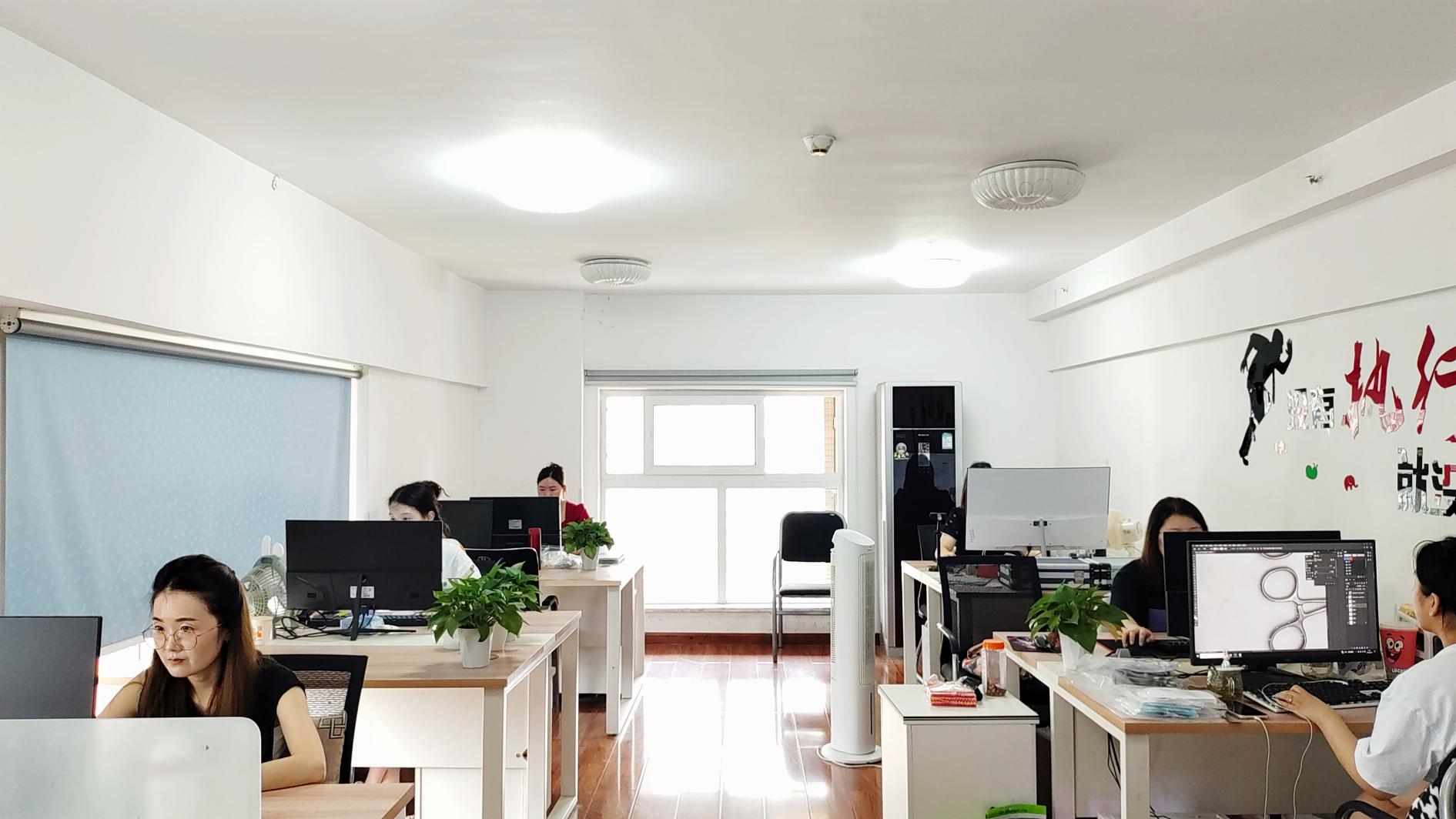
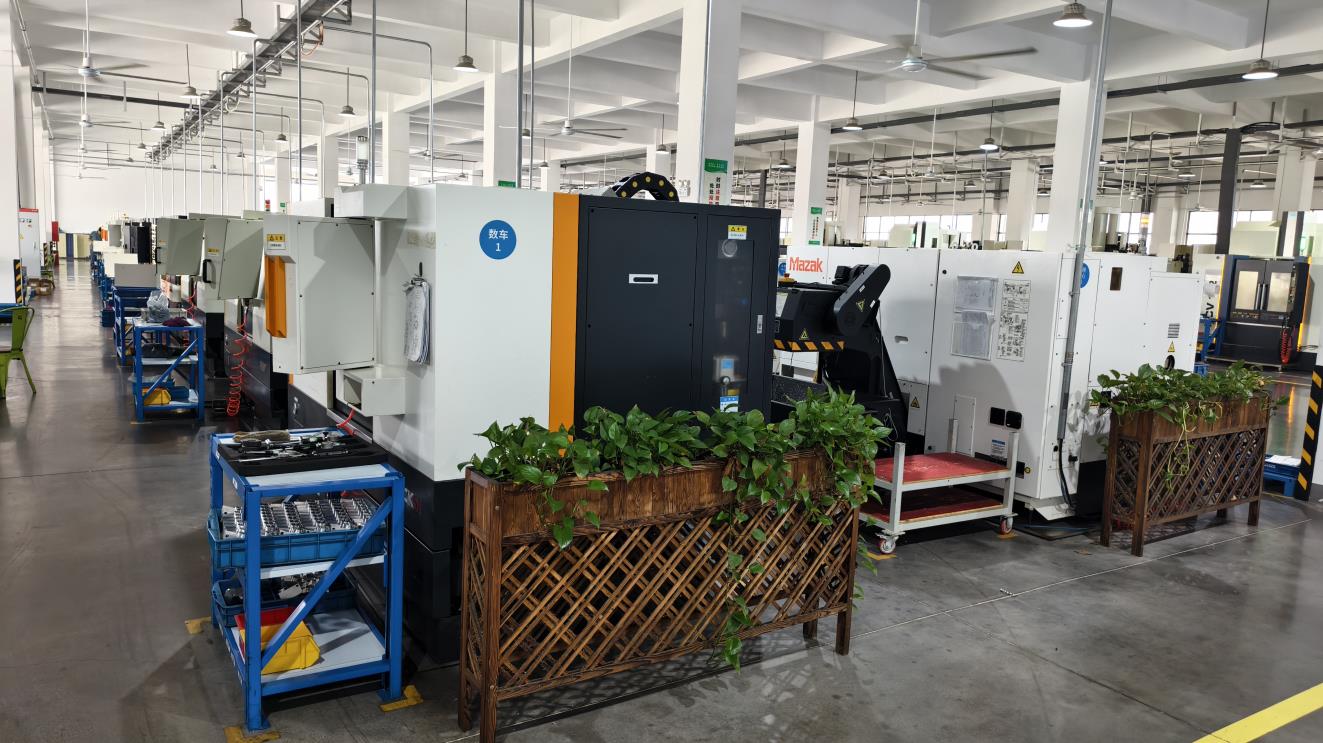
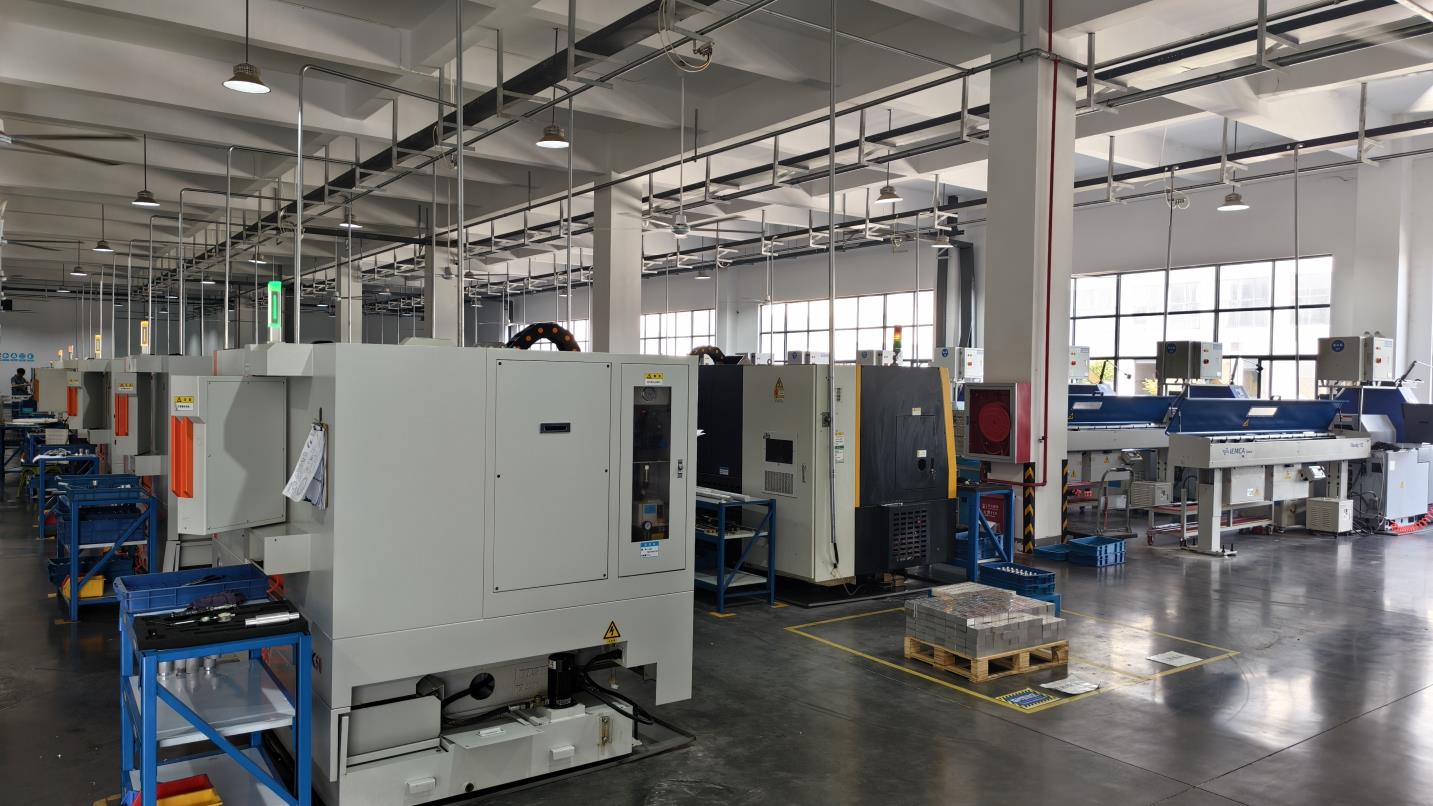
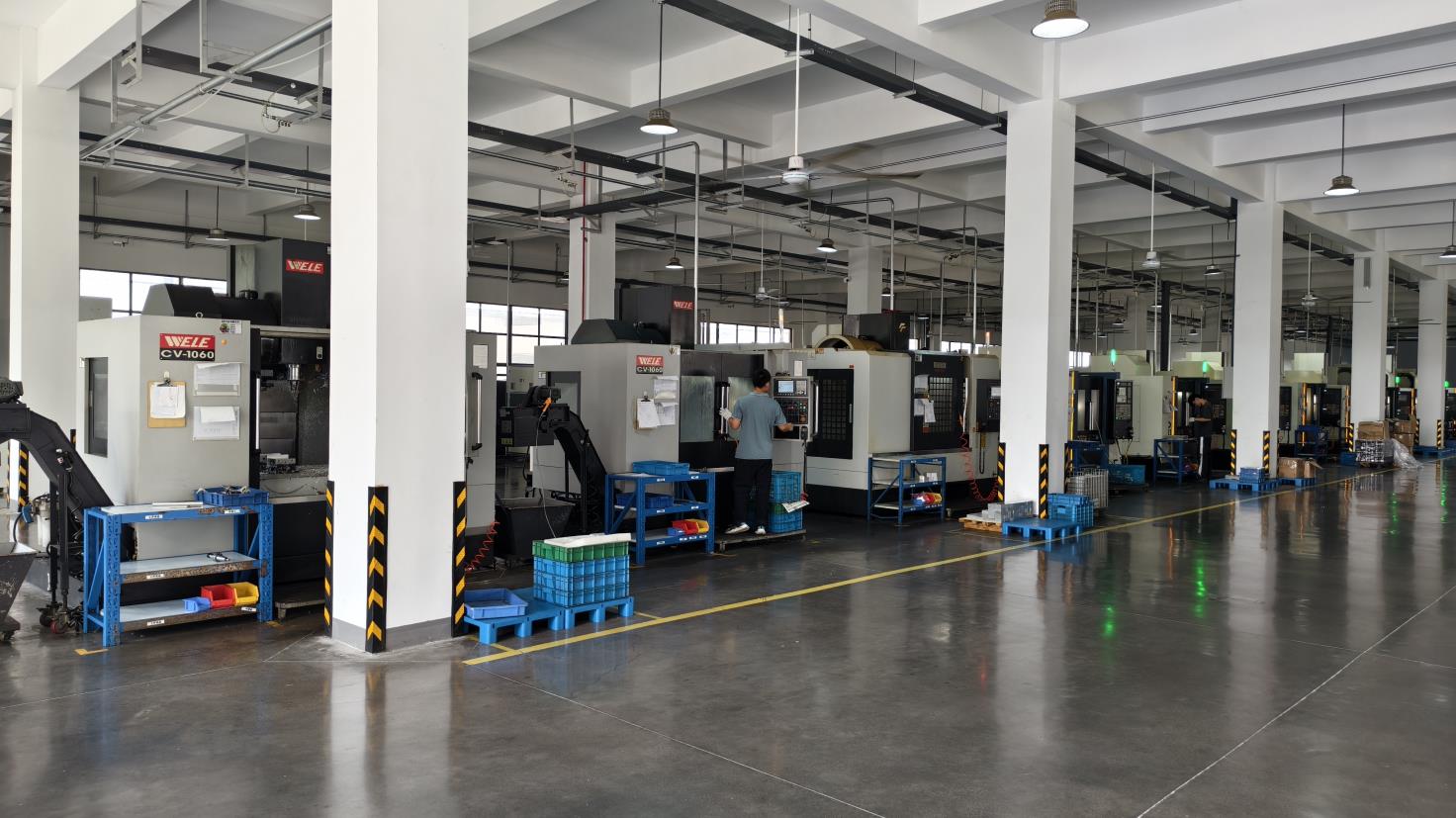
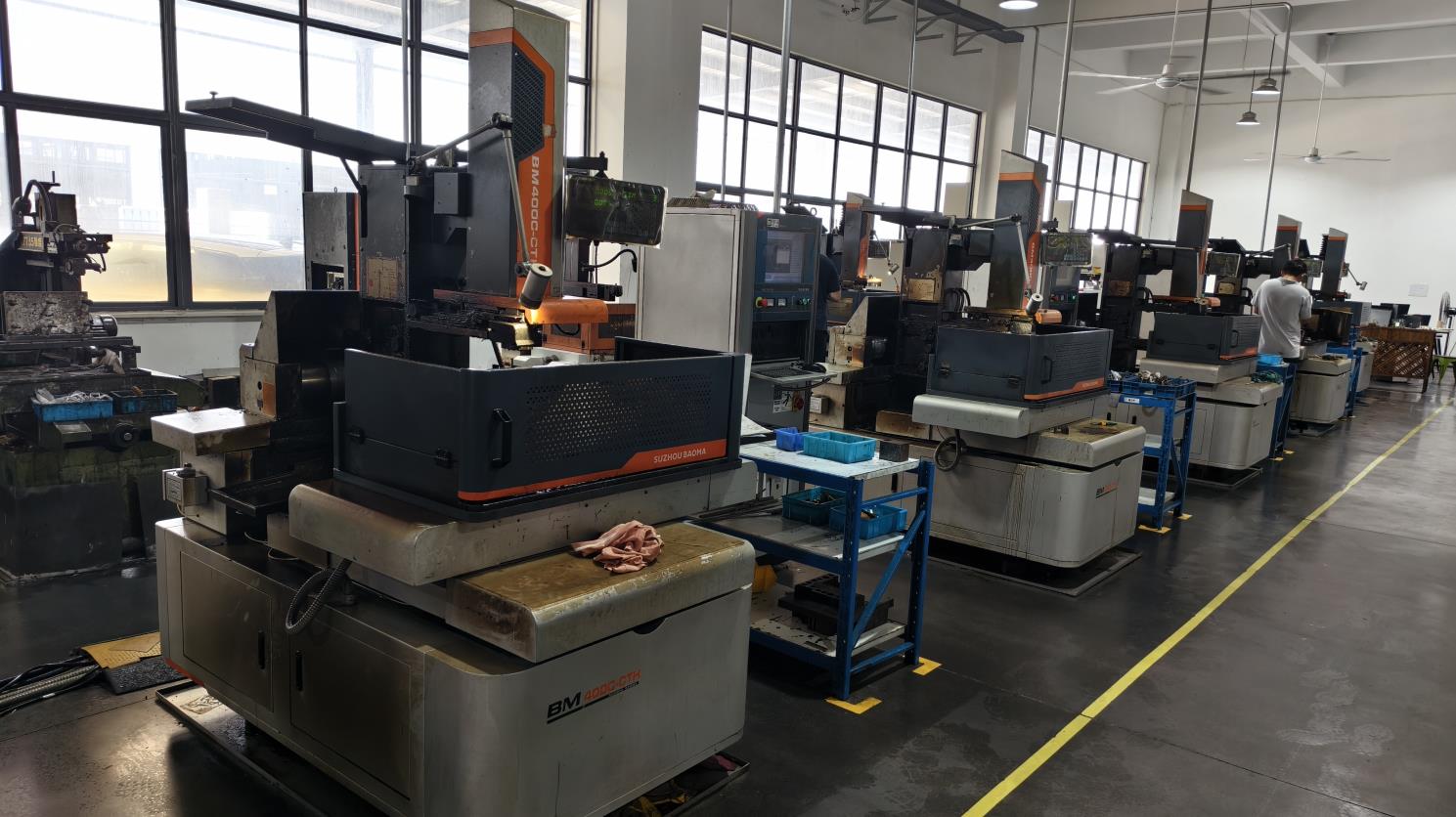
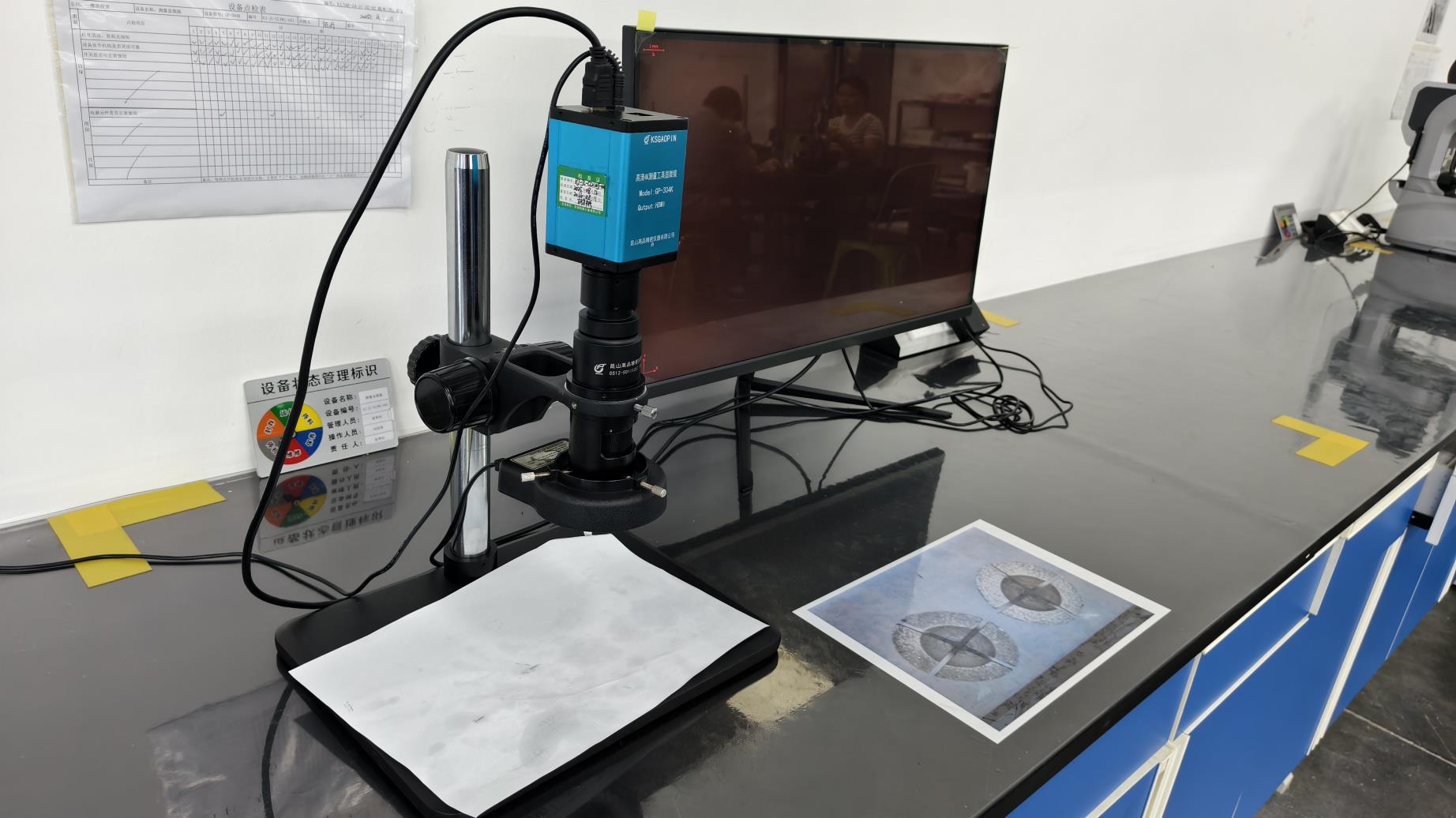
Explore our state-of-the-art production environments, precision CNC tooling, and cleanroom packaging facilities designed for zero-defect medical manufacturing:
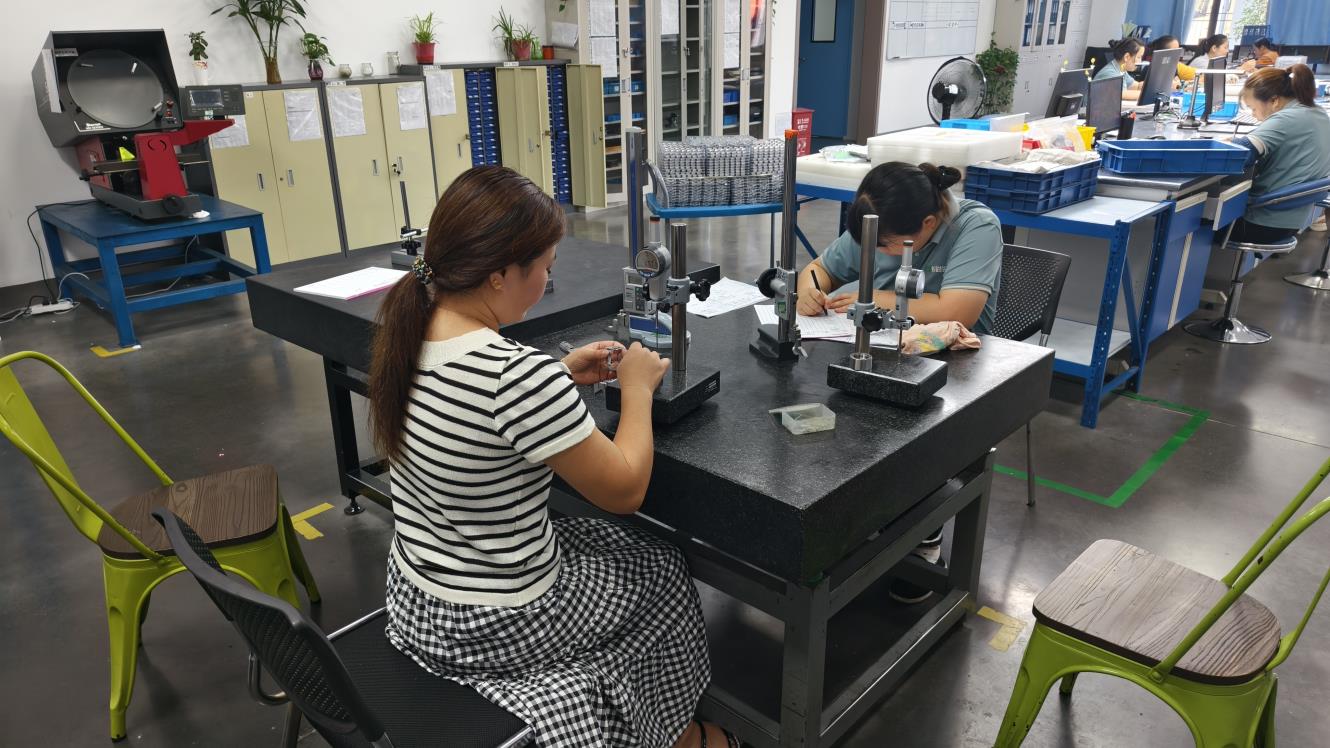
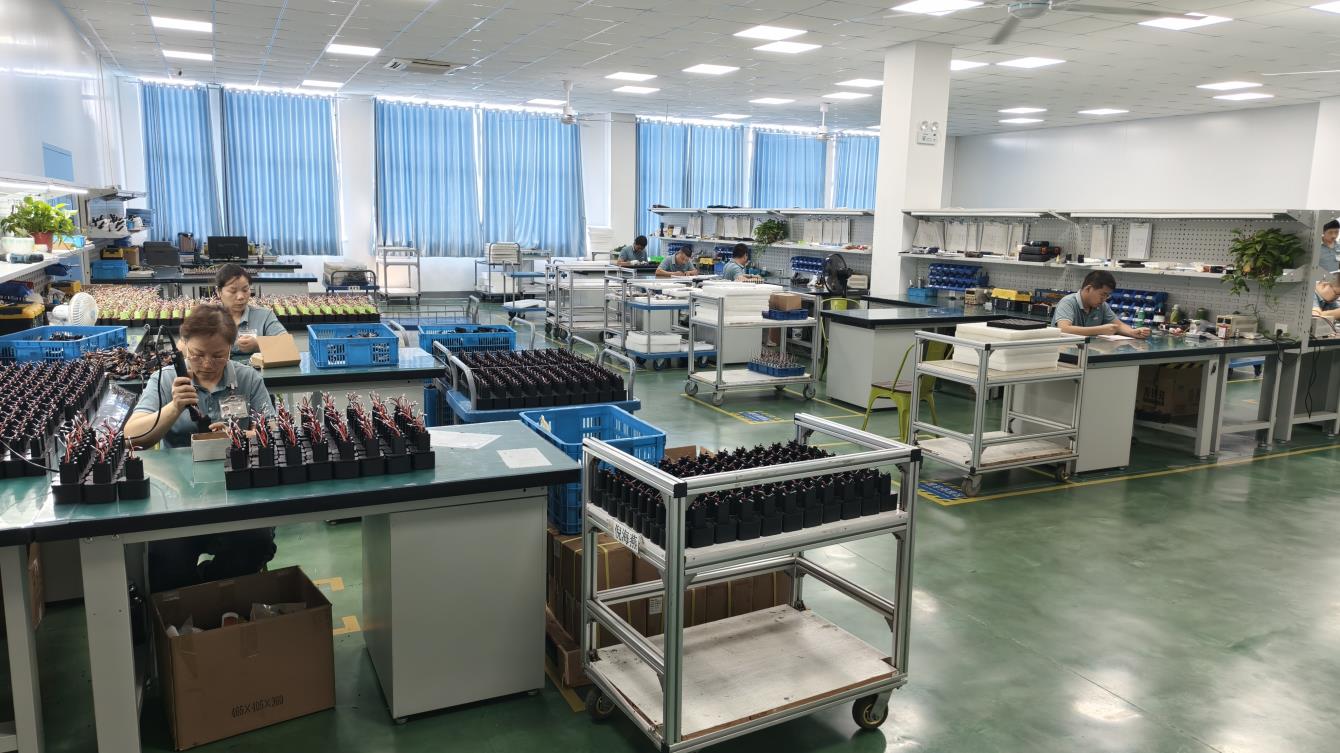
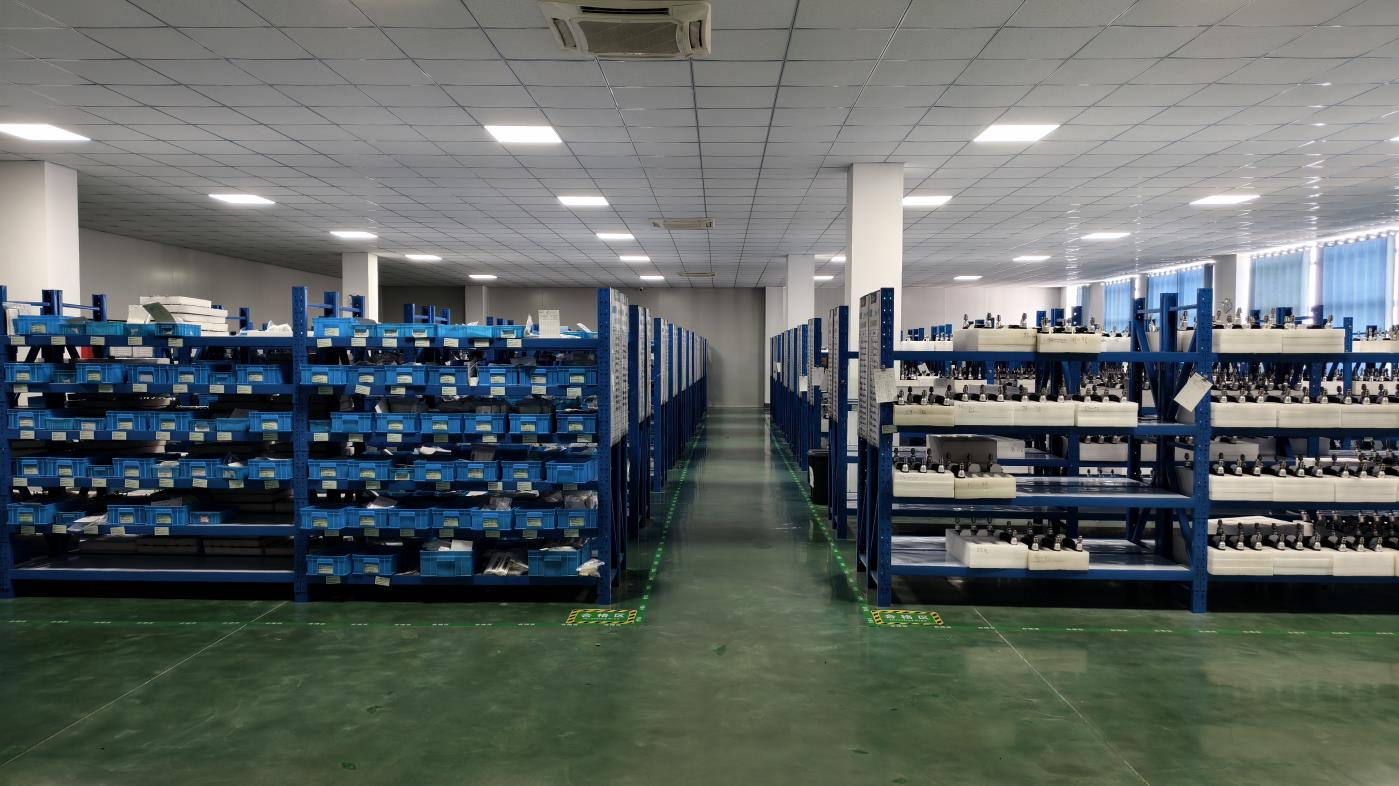
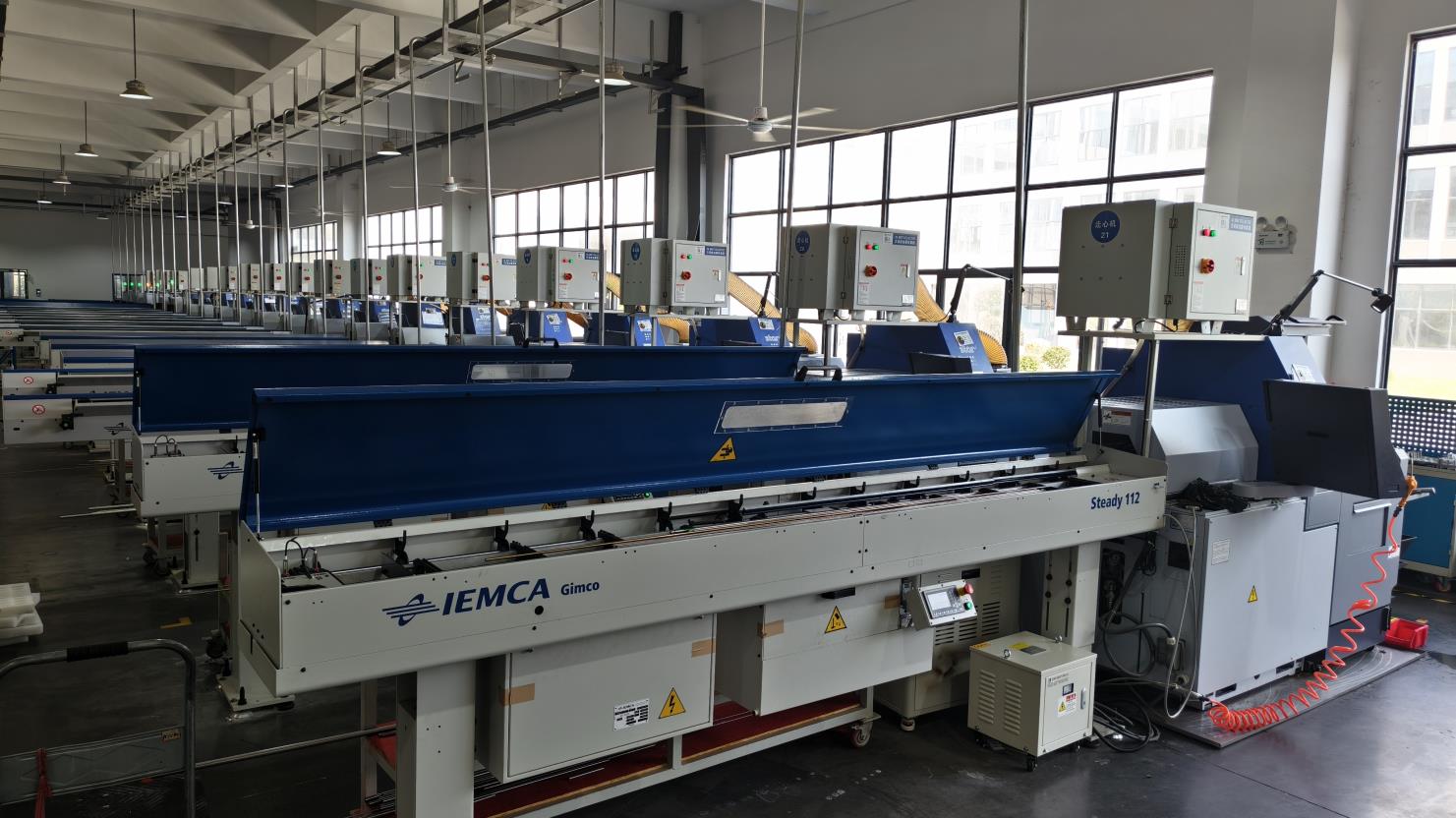
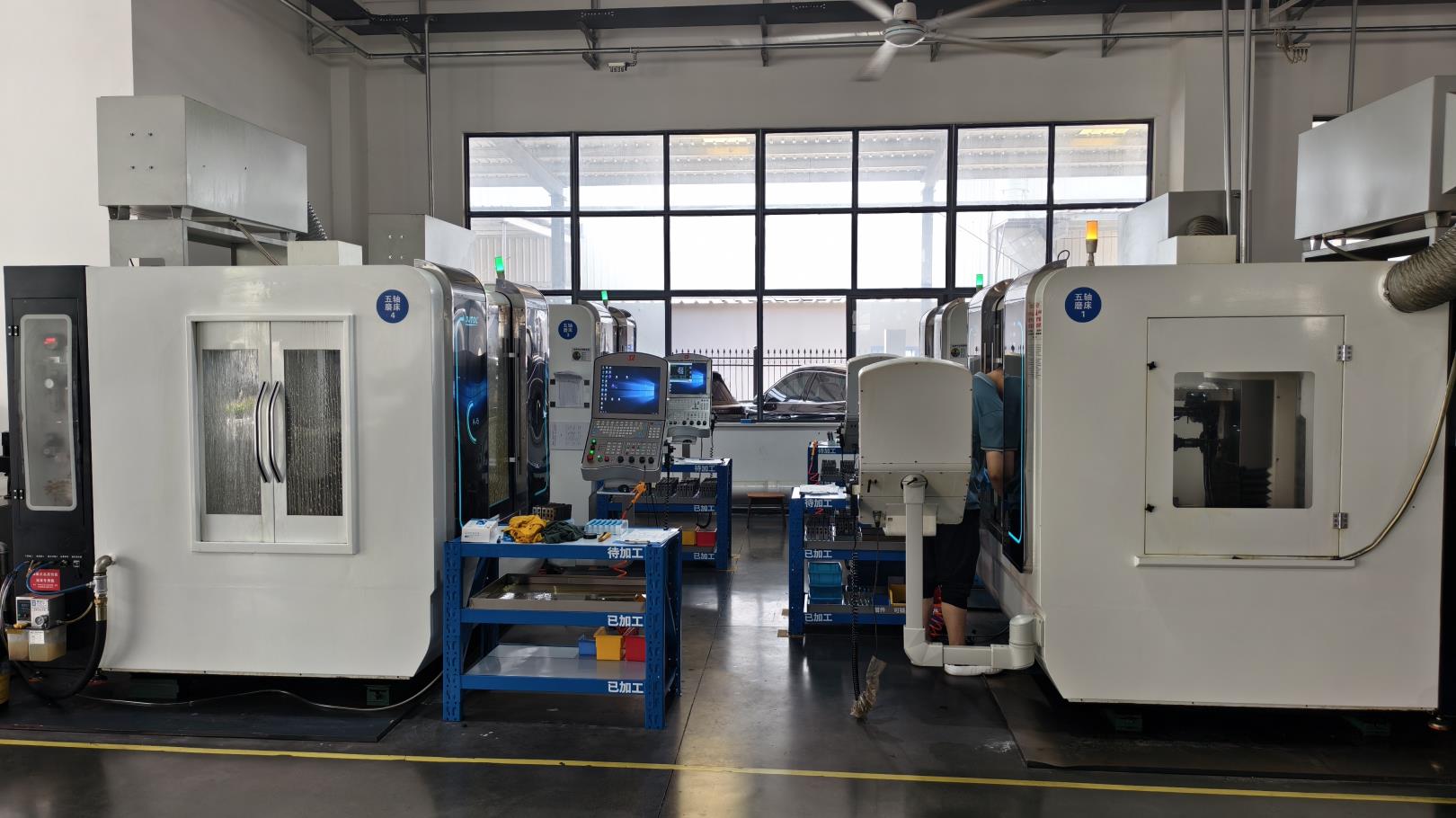
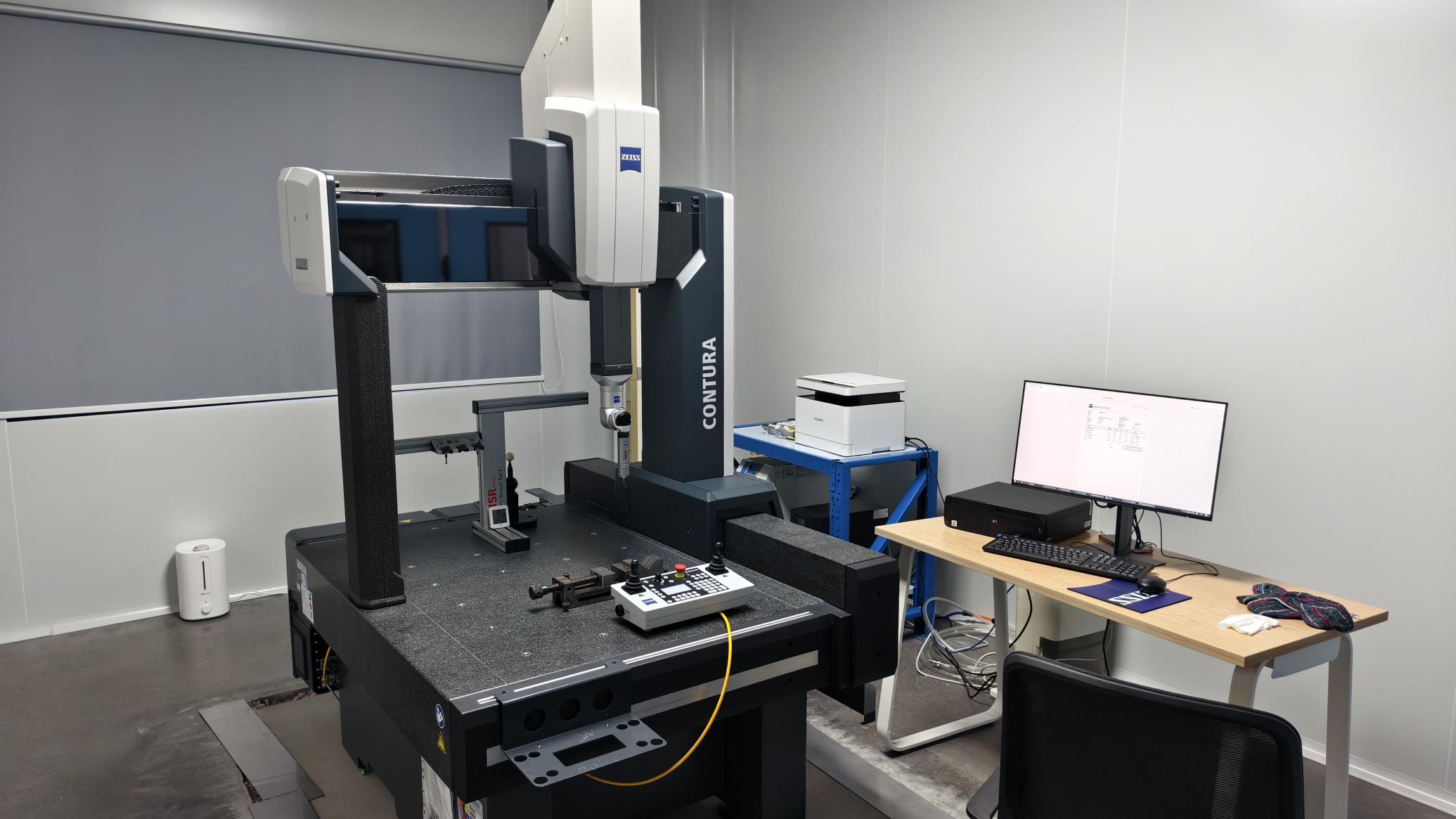
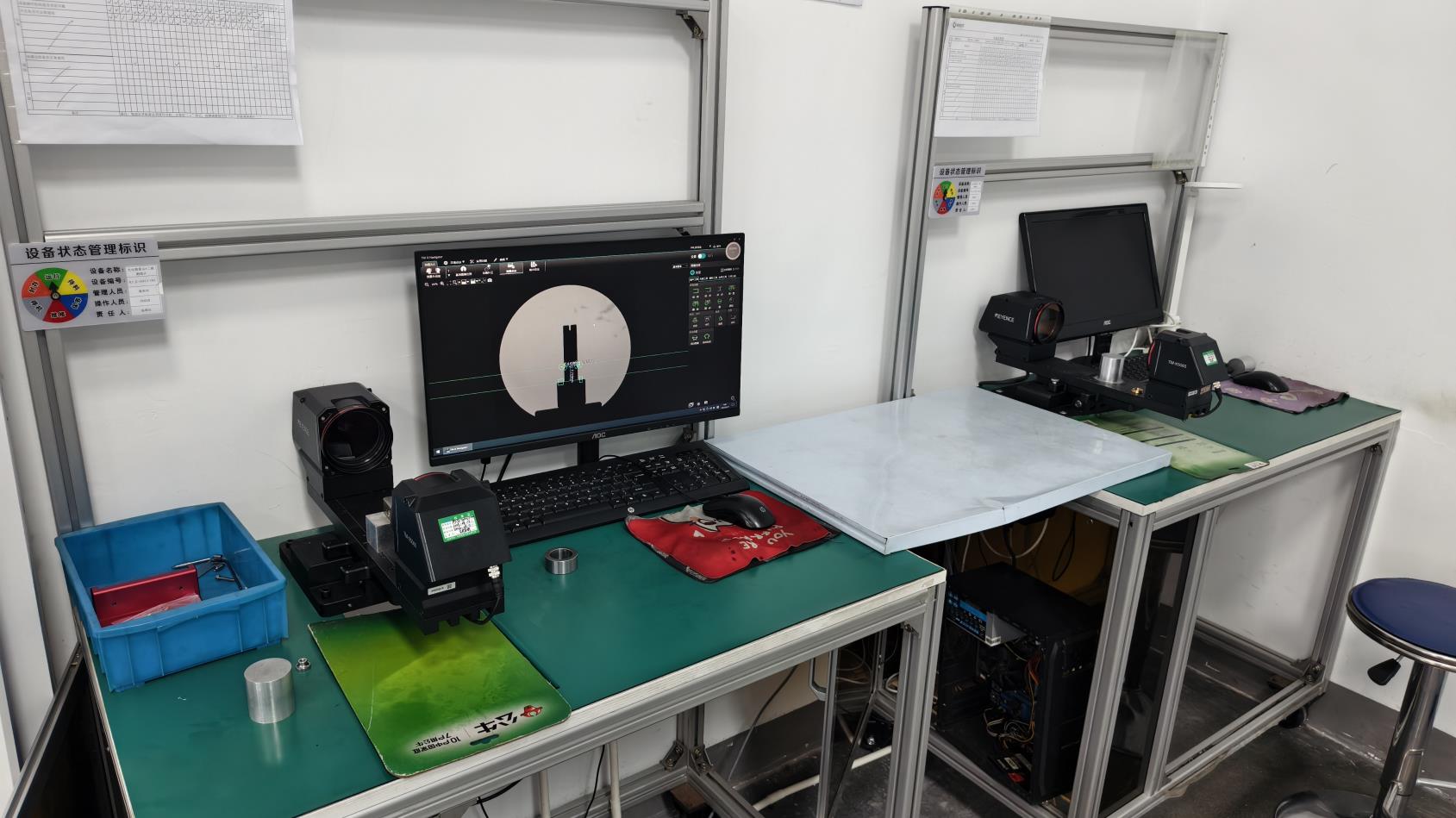
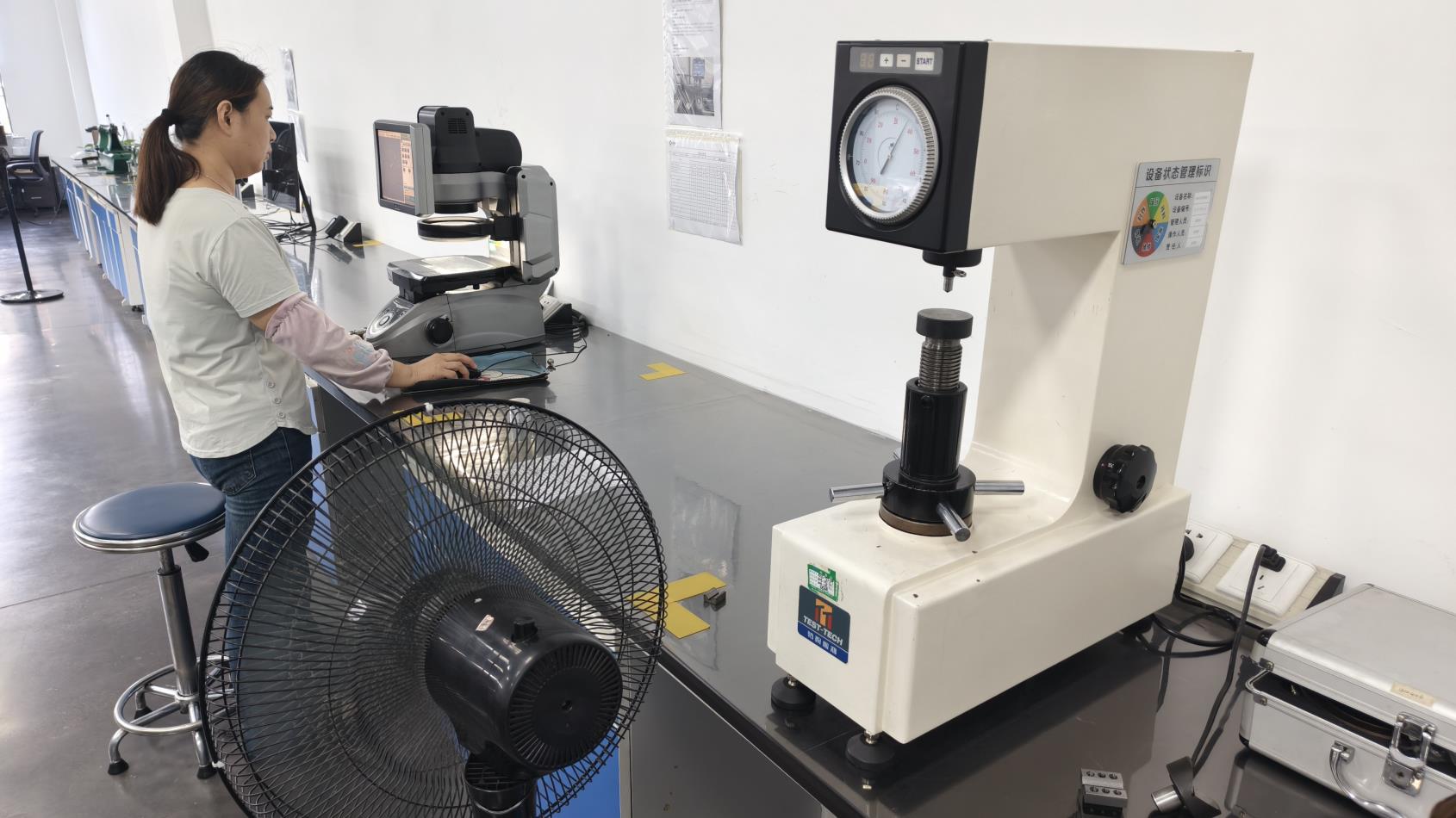
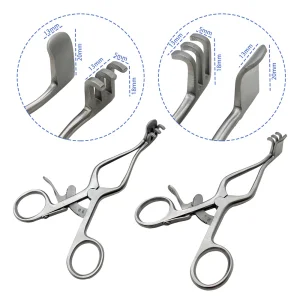
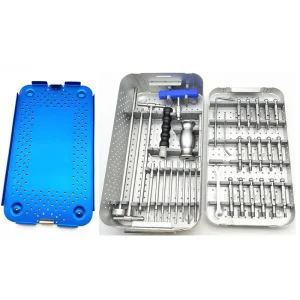
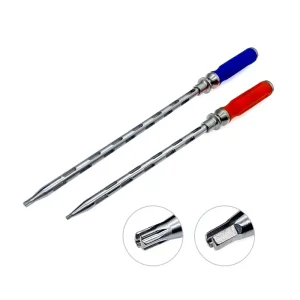
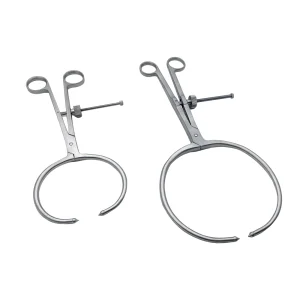
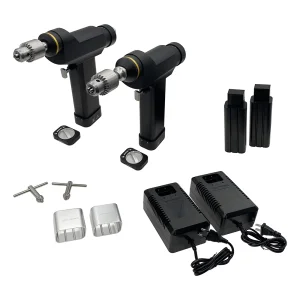
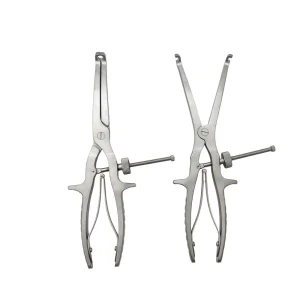
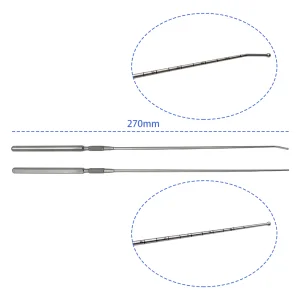
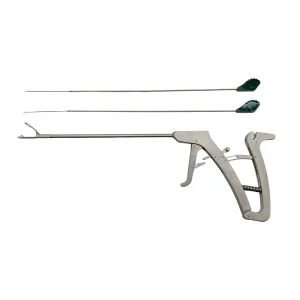
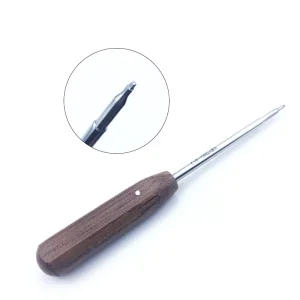
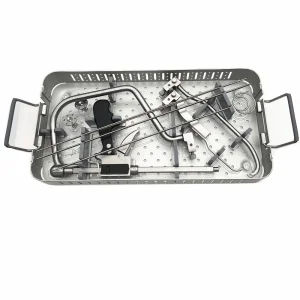
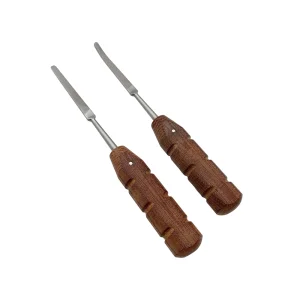
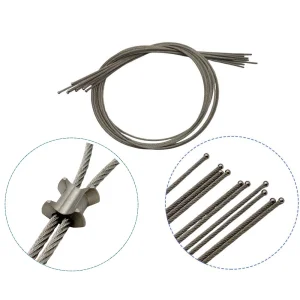
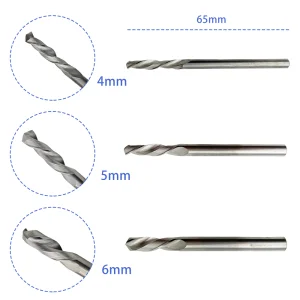
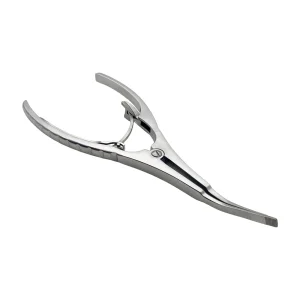
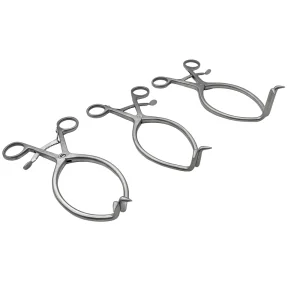
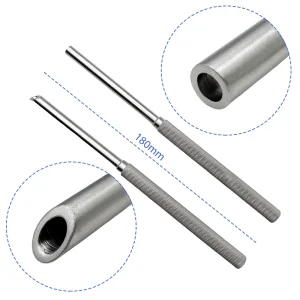
High-precision instrumentation designed to support bone tunnel preparation, tissue exposure, and implant placement.