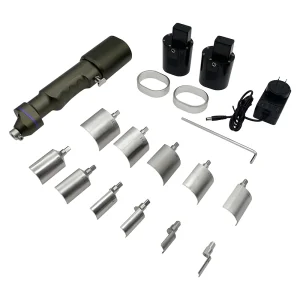
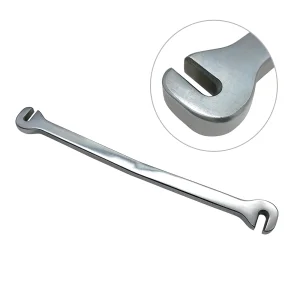
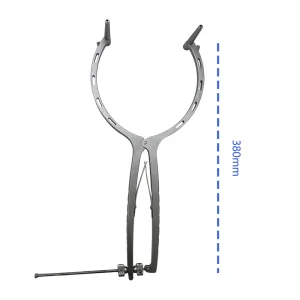
SENJIE Healthy & Technology
SENJIE Healthy & Technology
SENJIE Healthy & Technology
Explore our flagship instrumentation collection engineered for veterinary and neurosurgical precision applications.
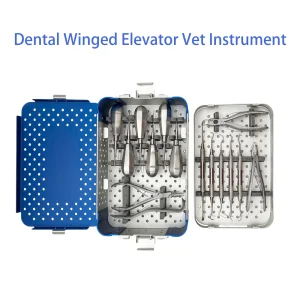
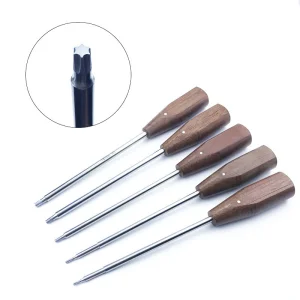
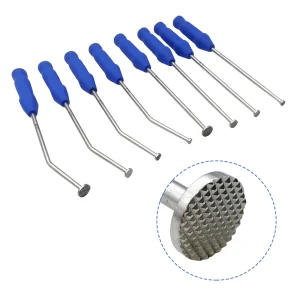
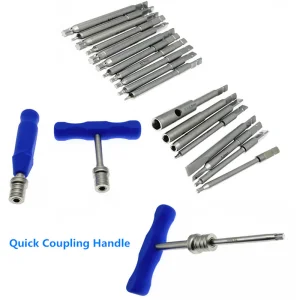
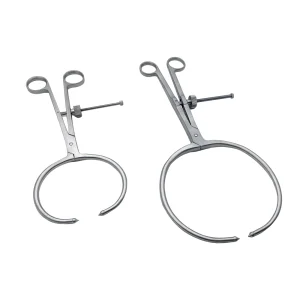
An in-depth whitepaper on the structural design, raw material compliance, and metallurgical innovations of orthopedic tension systems.
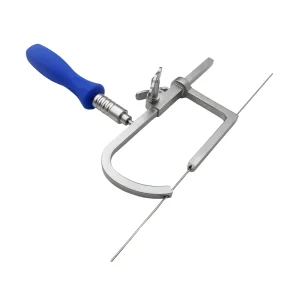
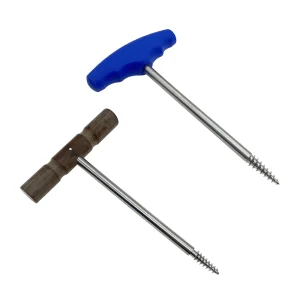
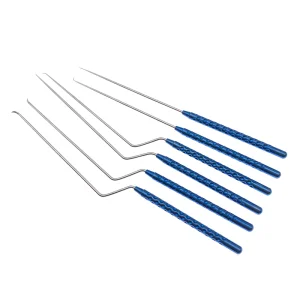
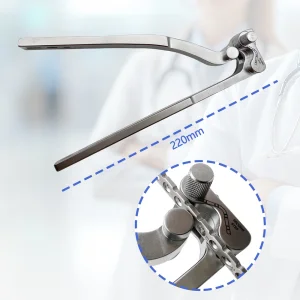
In modern trauma, osteosyntheses, and reconstructive bone surgeries, mechanical stability is the defining factor of dynamic recovery. Orthopedic tension devices, distractors, and reduction clamps serve as key structural guides to align bone fragments and counteract physiological muscle pulls. By maintaining precise axial tension, these devices control the biological gap between fractured bones, stimulating natural callus formation while avoiding rotational displacement. The integration of high-grade surgical instruments—ranging from K-wire distractors to AO plate benders—provides orthopedic surgeons with the tactical tools to execute precise alignments with minimal tissue damage.
Expert Insight: Bone healing relies on micromotion control. Mechanical tension devices must maintain consistent distraction force over prolonged periods without experiencing material fatigue or torque decay. This demands certified biocompatible raw materials and strict machining tolerances.
From human tibial plateau reconstructions to specialized veterinary practices (such as Tibial Plateau Leveling Osteotomy, or TPLO), maintaining accurate distraction forces is critical. A distraction tool that is too flexible risks mechanical collapse, while an overly stiff, poorly calibrated instrument may compromise the delicate bone interface. Our manufacturing facility in China addresses these physical requirements through finite element analysis (FEA) and specialized surface passivation methods, producing surgical instruments built for long-term clinical safety.
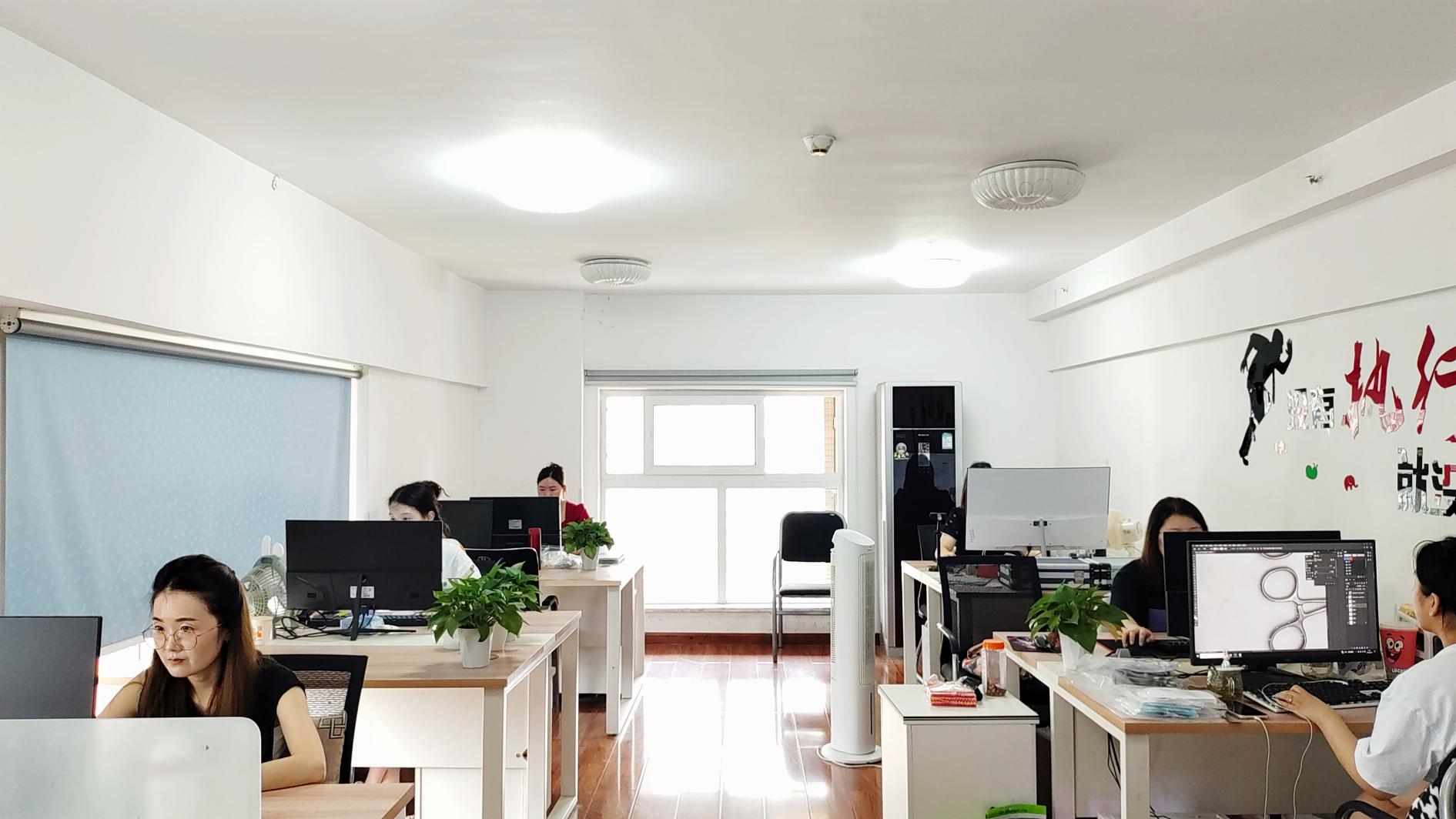
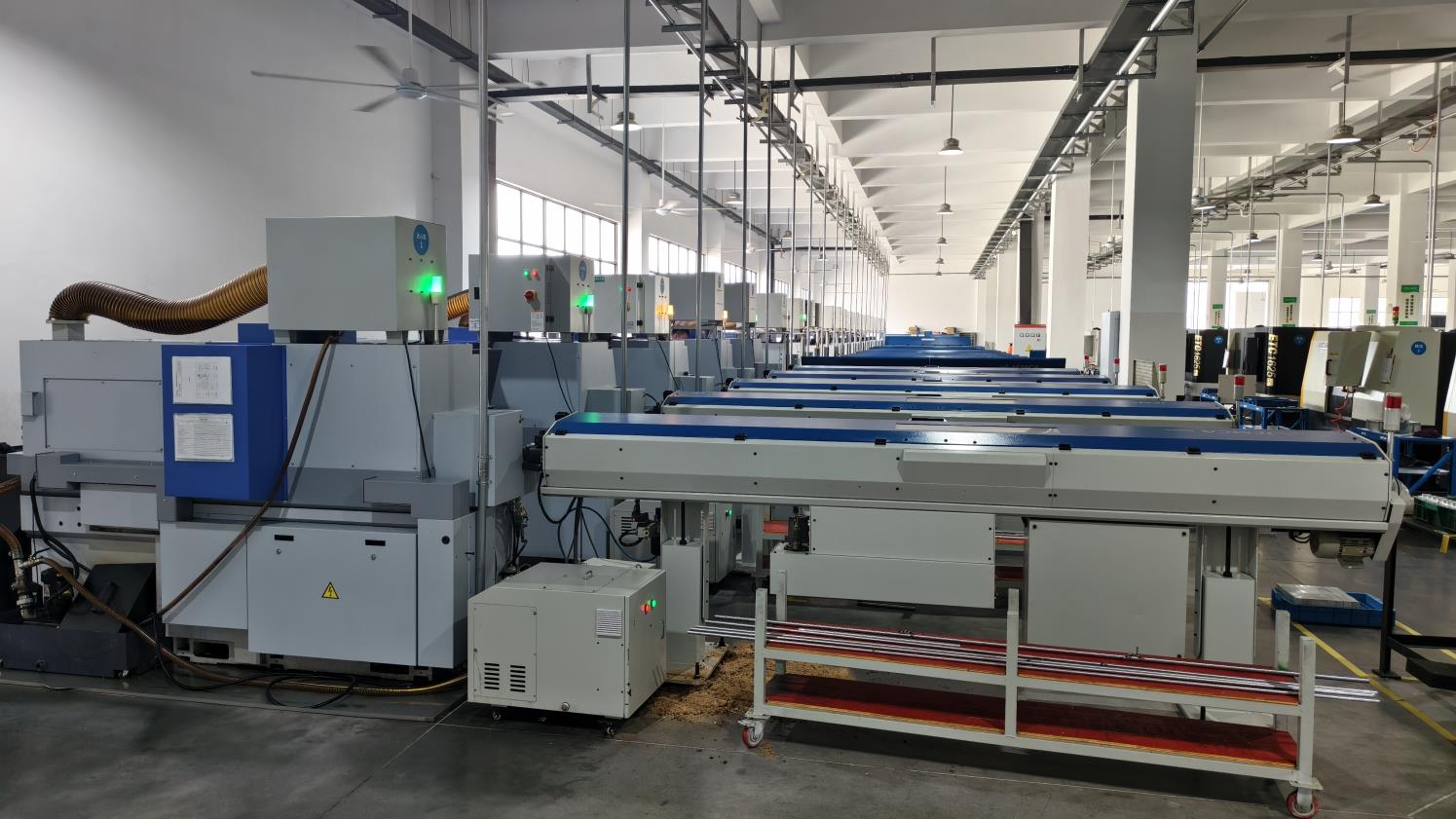
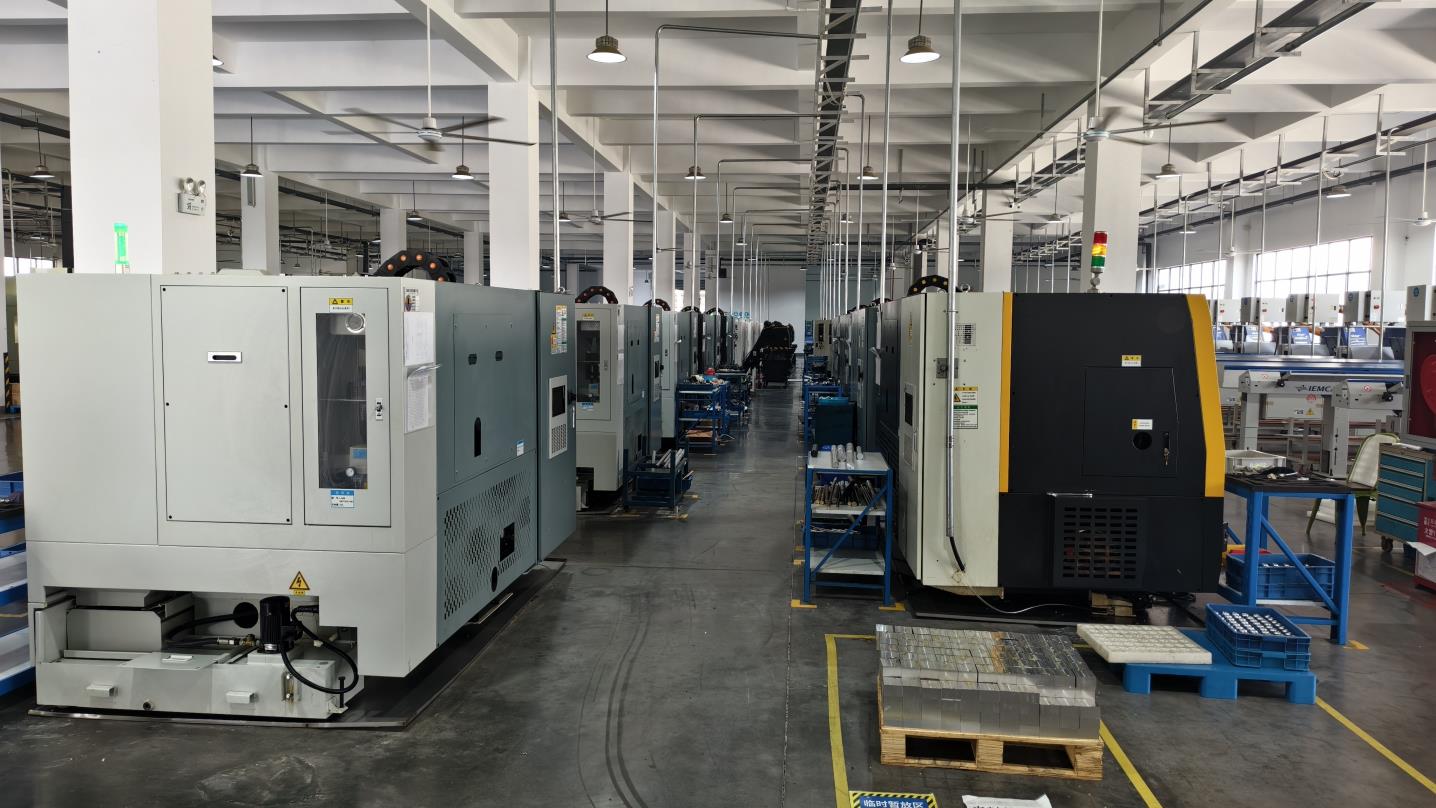
The operating room is a challenging environment for mechanical metals. Surgical instruments must undergo cycles of physiological fluid contact and harsh autoclave sterilization. Because of these challenges, we enforce strict controls on our chemical composition and mechanical properties:
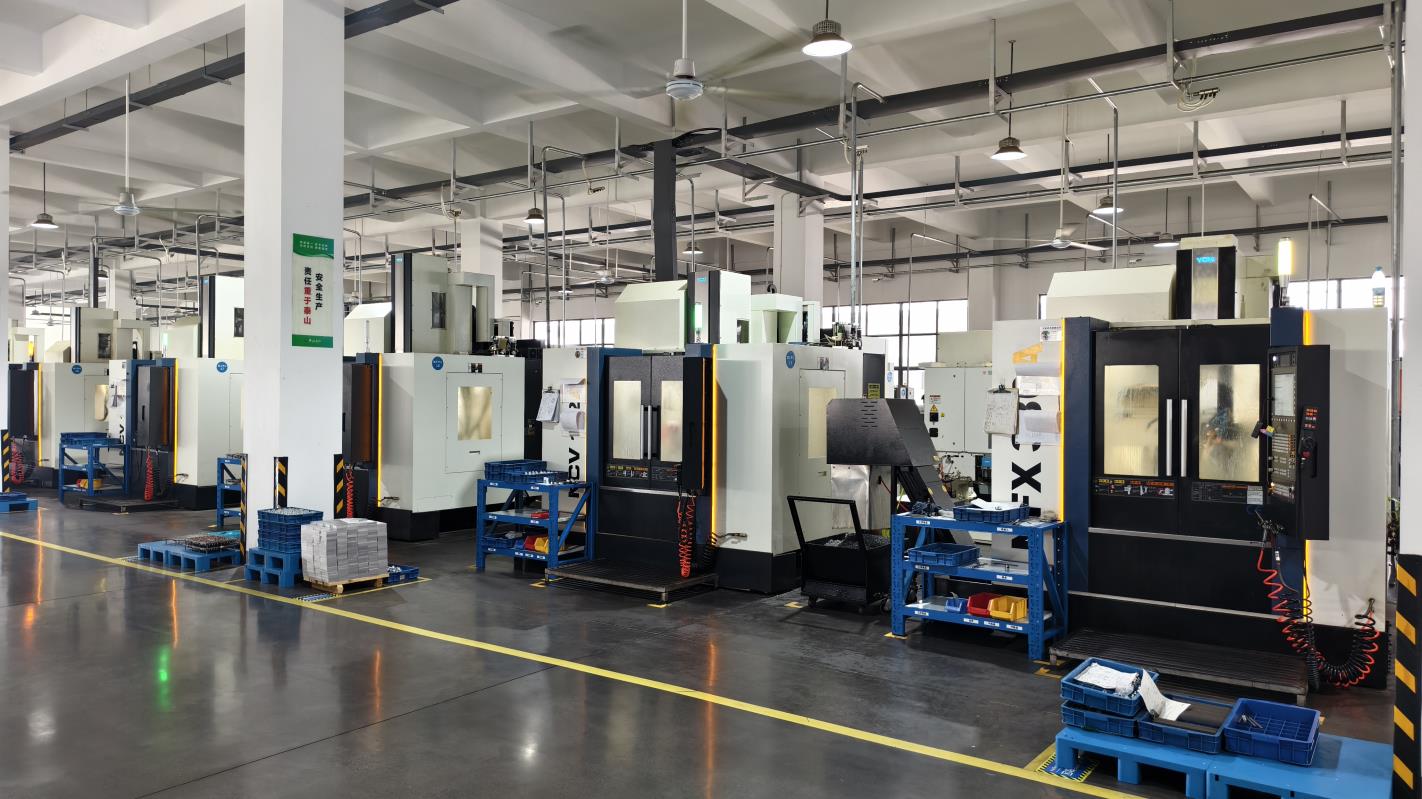
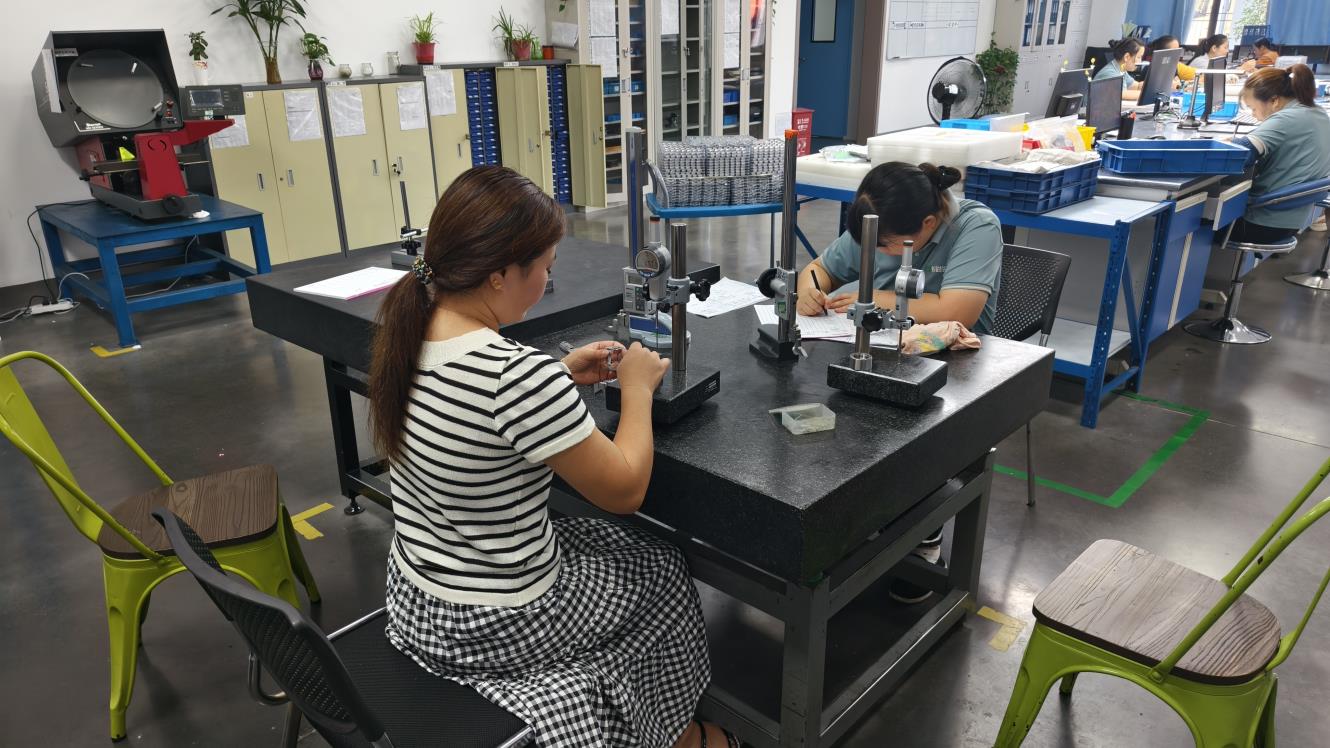
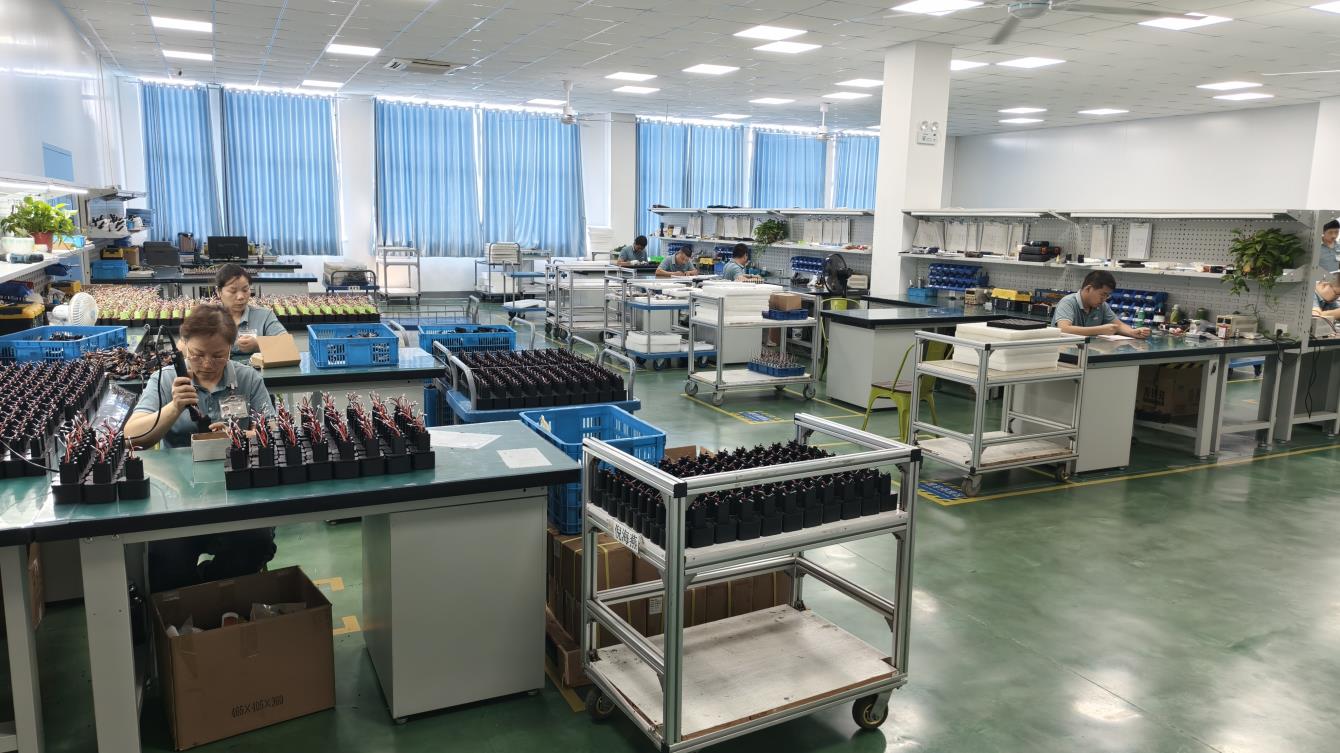
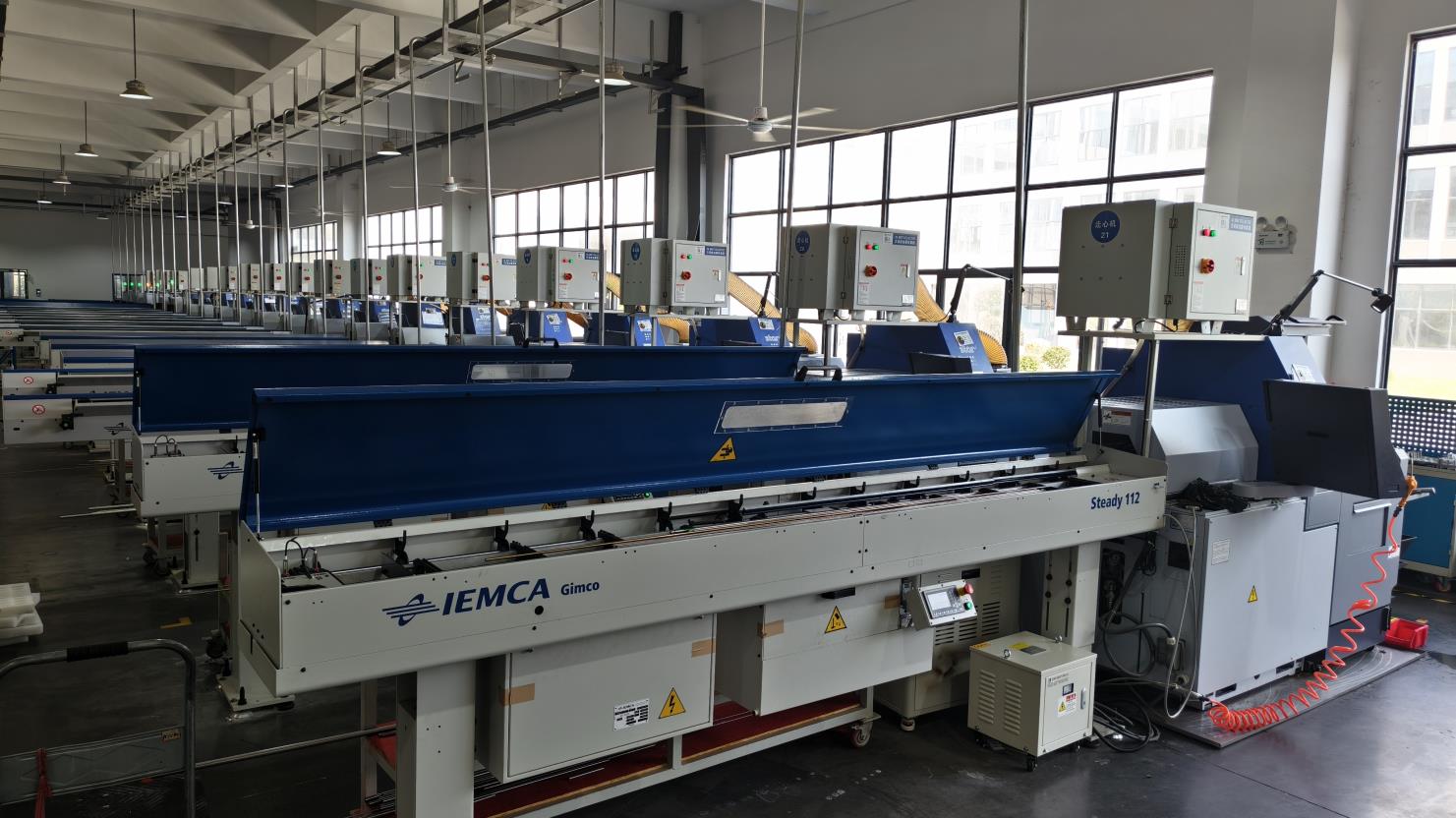
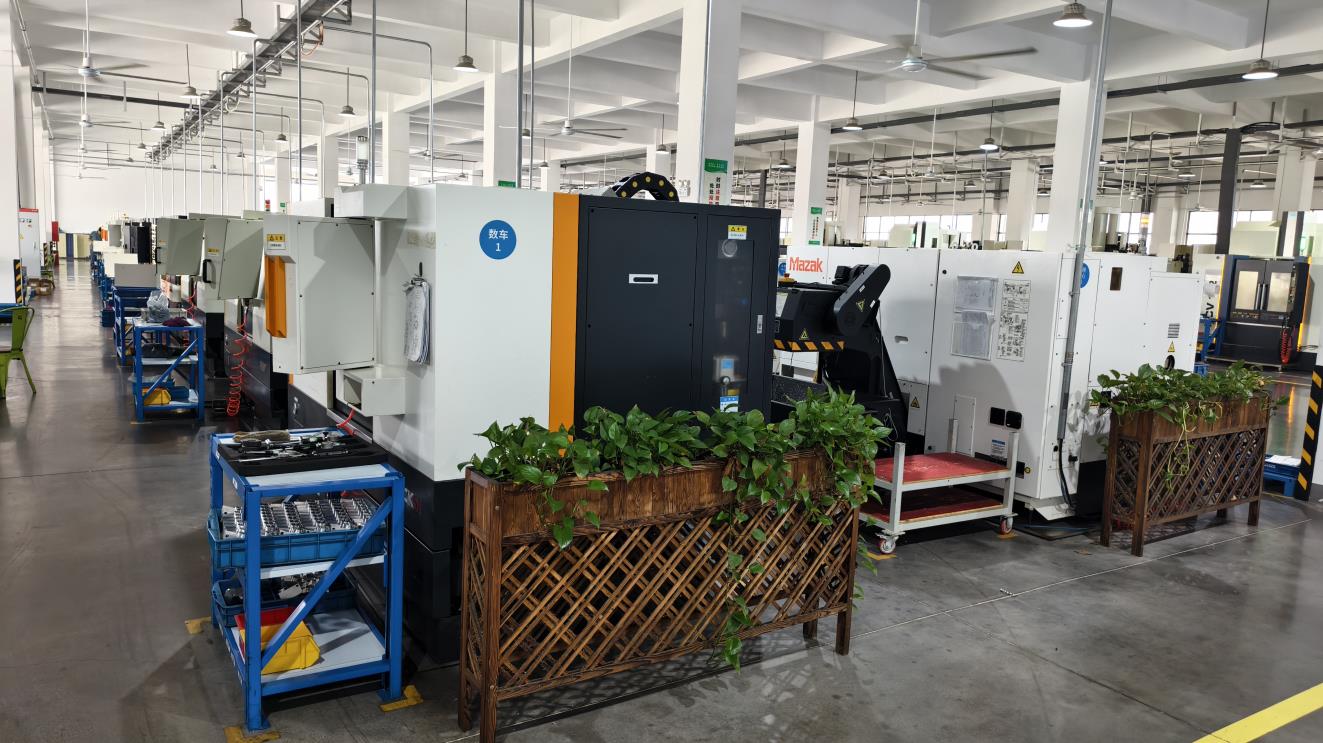
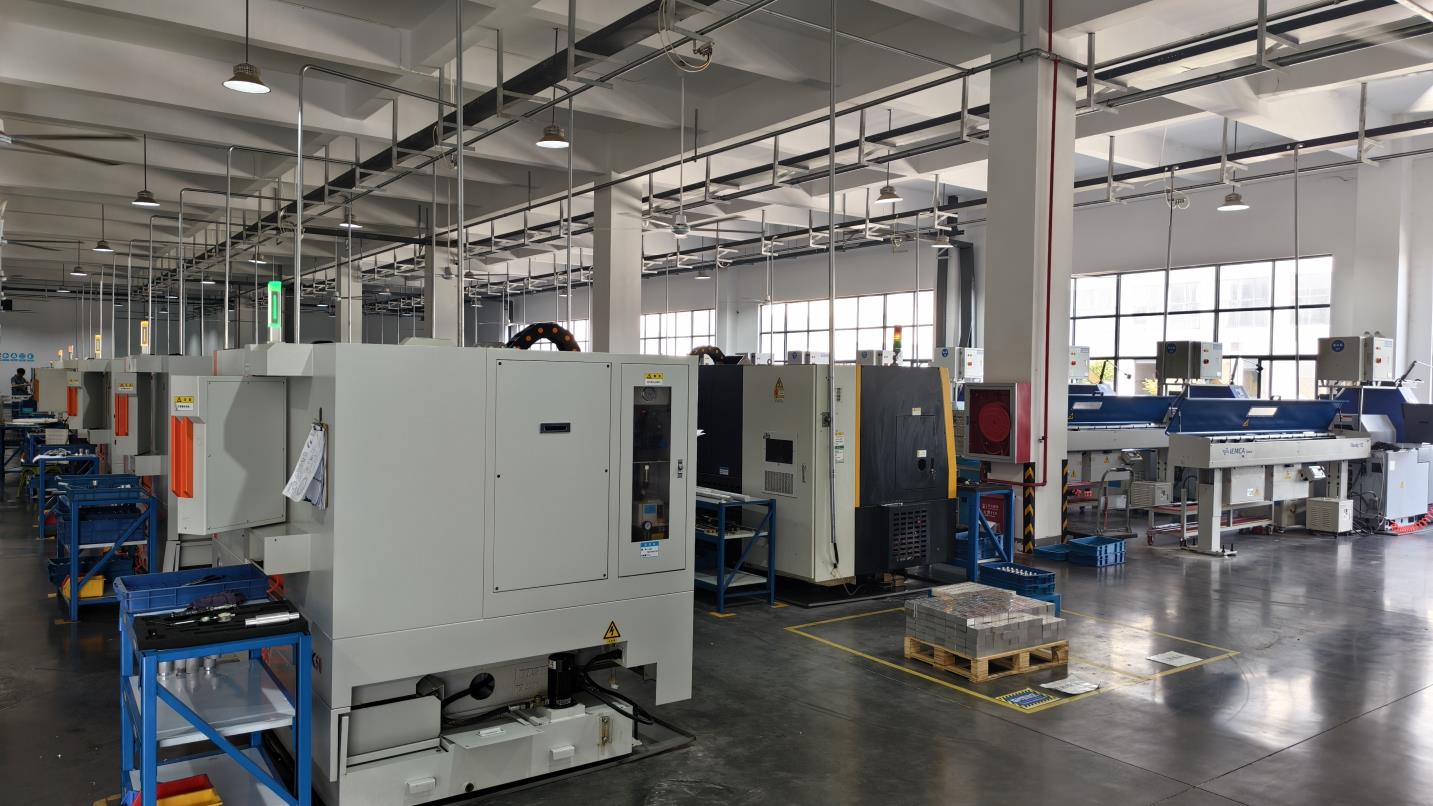
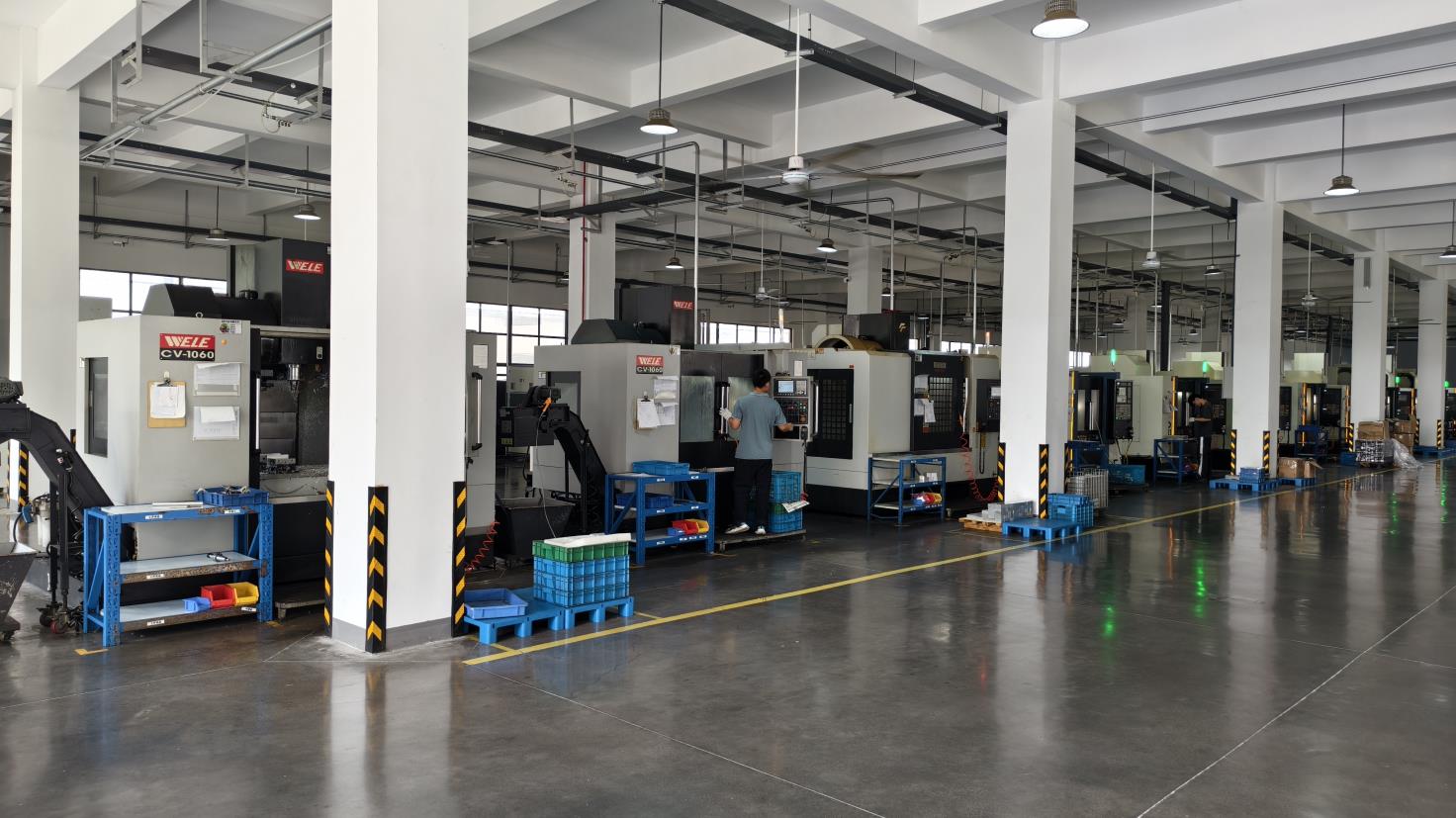
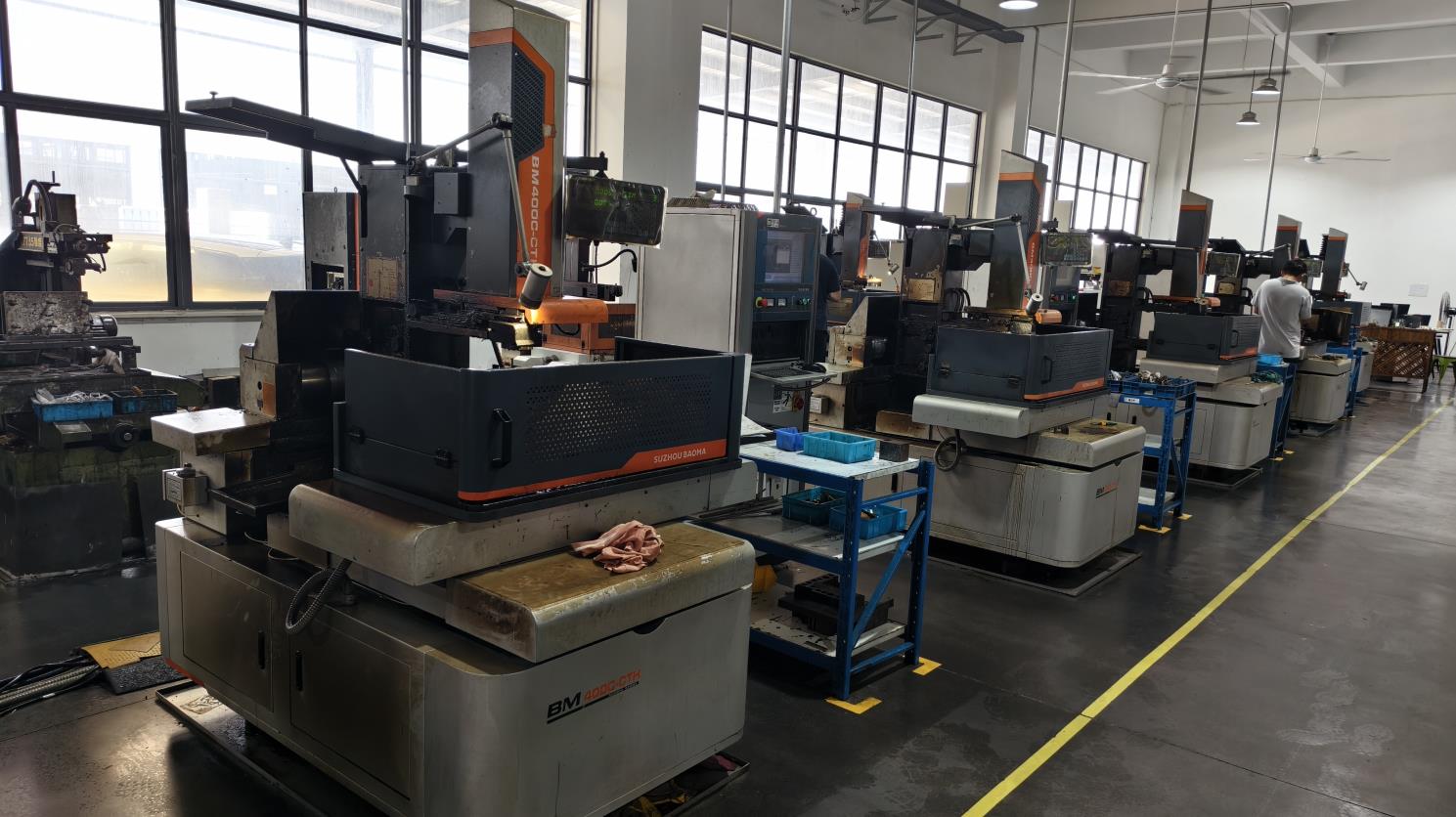
Beyond base materials, our fabrication processes utilize Swiss-type CNC lathes and multi-axis milling centers to achieve precise tolerances (+/- 0.01mm). After machining, each tension device undergoes passivating acid treatments to create a passive chromium oxide layer. This prevents rust, discoloration, and pitting from saline exposure or repeat cleaning cycles.
A look at our factory profile, export footprint, and quality controls, built on 6 years of international medical device expertise.
How surgical tool technology is evolving, focusing on veterinary care and human orthopedic requirements.
Surgeons encounter different practical challenges depending on their medical specialty and geographic location. We actively gather feedback from various regional markets to refine our device designs:
Comprehensive manufacturing services tailored to medical device brand owners, distributors, and global wholesalers.
We offer specialized manufacturing services for global orthopedic brands. Using your mechanical drawings, we produce components in certified medical stainless steel or titanium. We handle every step—including CNC machining, passivating, laser marking, and sterile packaging—to ensure your products are ready for immediate market distribution.
We design and supply complete, procedure-specific kits to simplify inventory management for distributors. These range from veterinary dental extraction forceps kits with sterilization boxes to trauma surgery bone reduction trays and neurosurgical microneurosurgery knife sets.
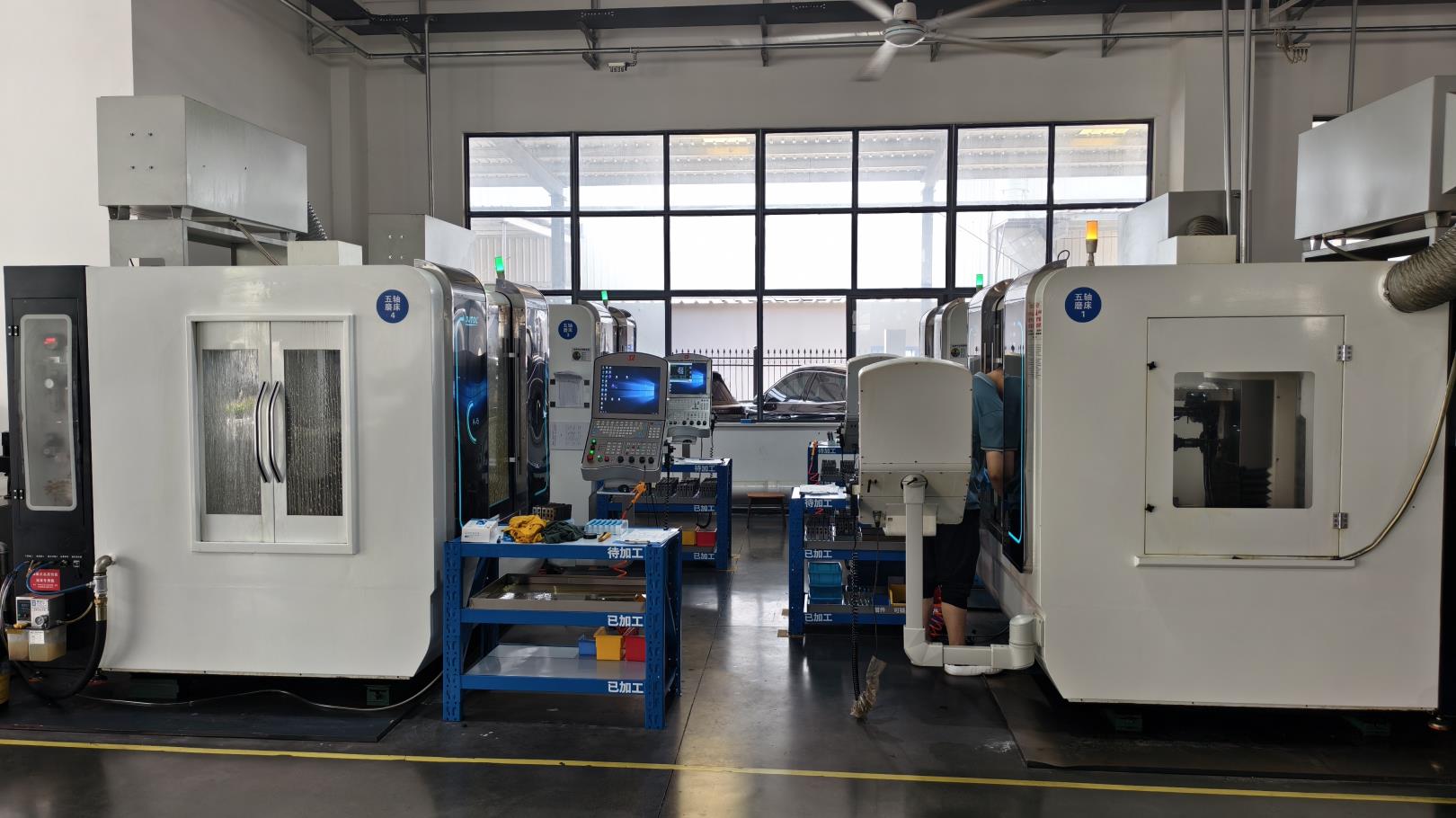
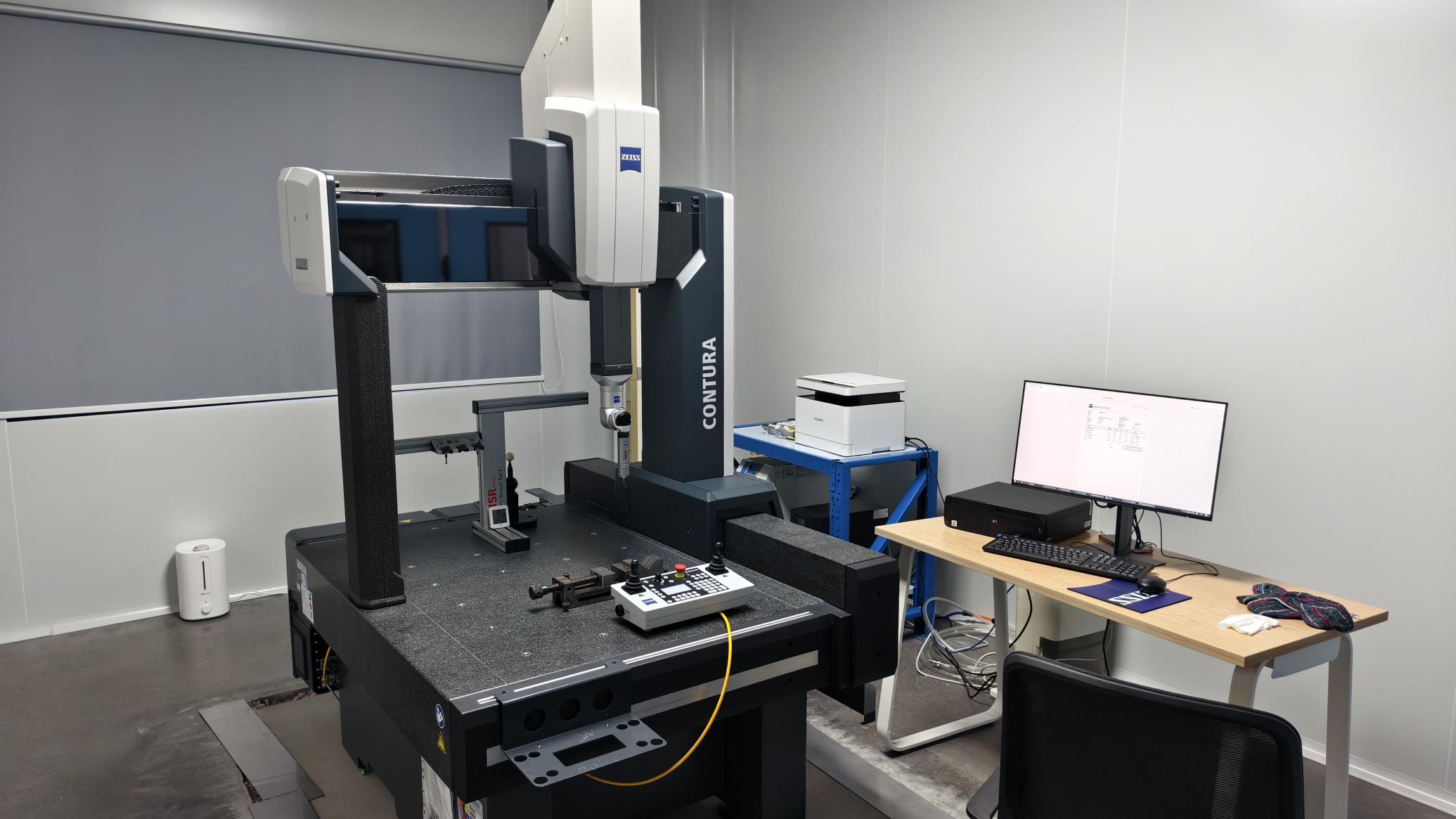
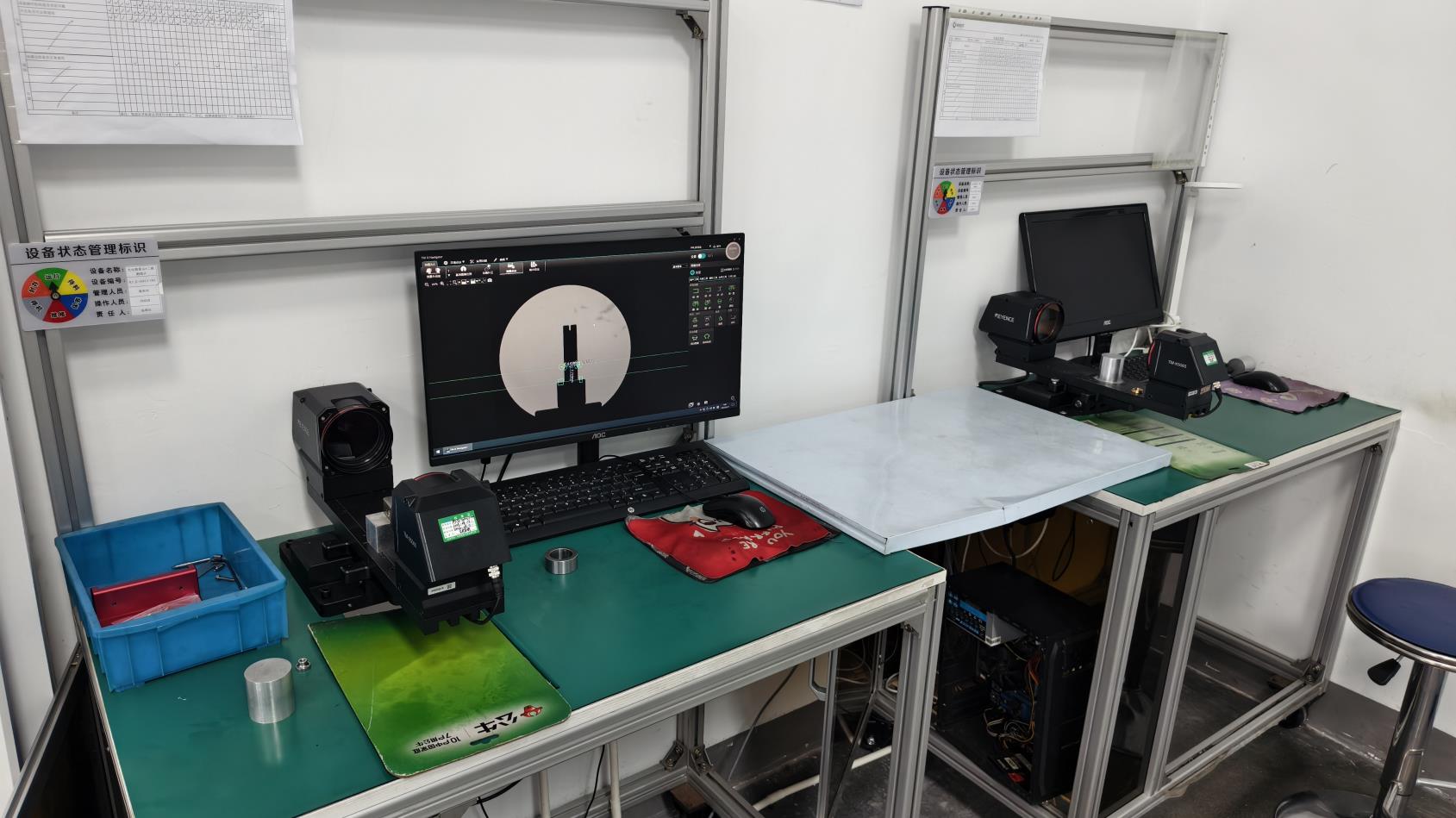
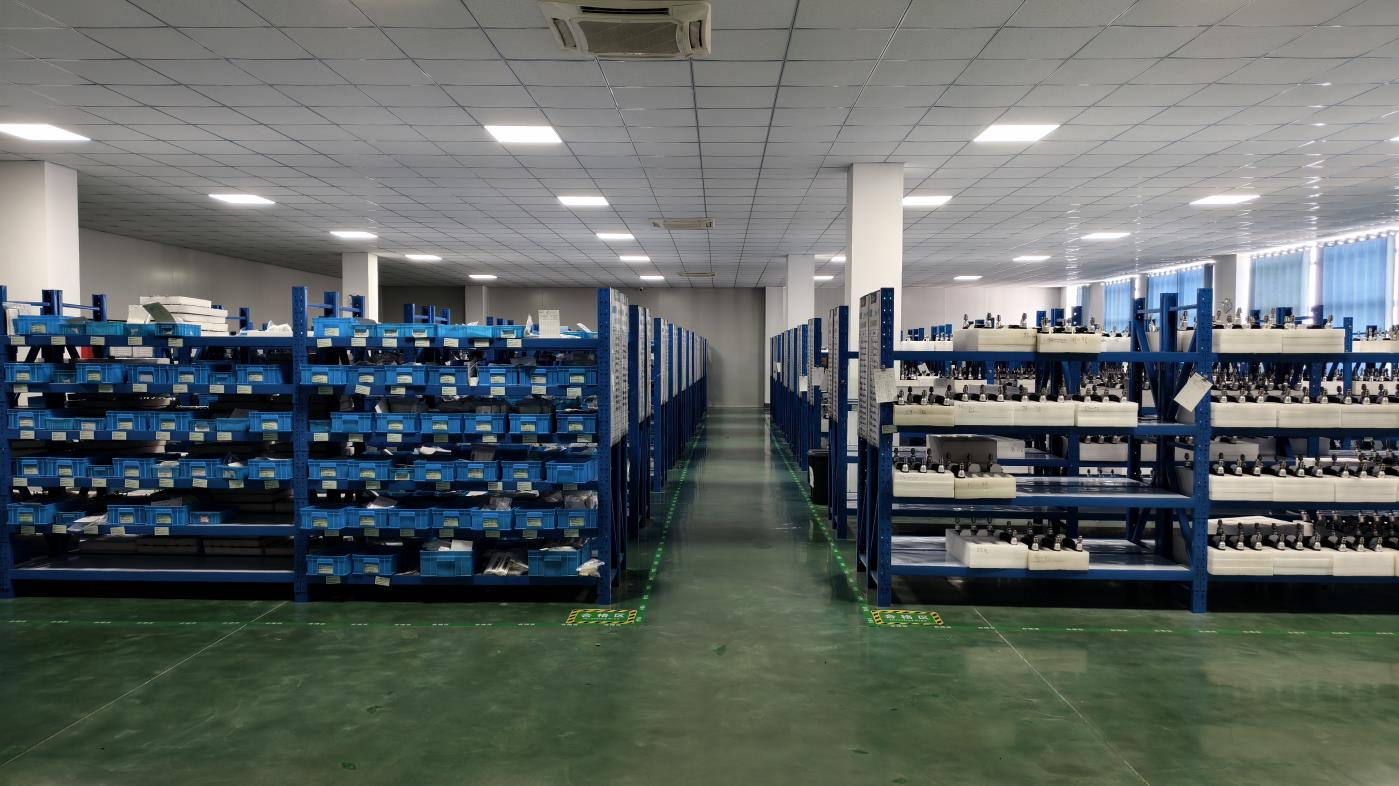
Every batch of steel or titanium is chemically tested upon receipt. We store all material records, so if an issue arises years down the line, we can trace it back to the exact metal heat batch. This helps protect your brand and supports regulatory compliance.
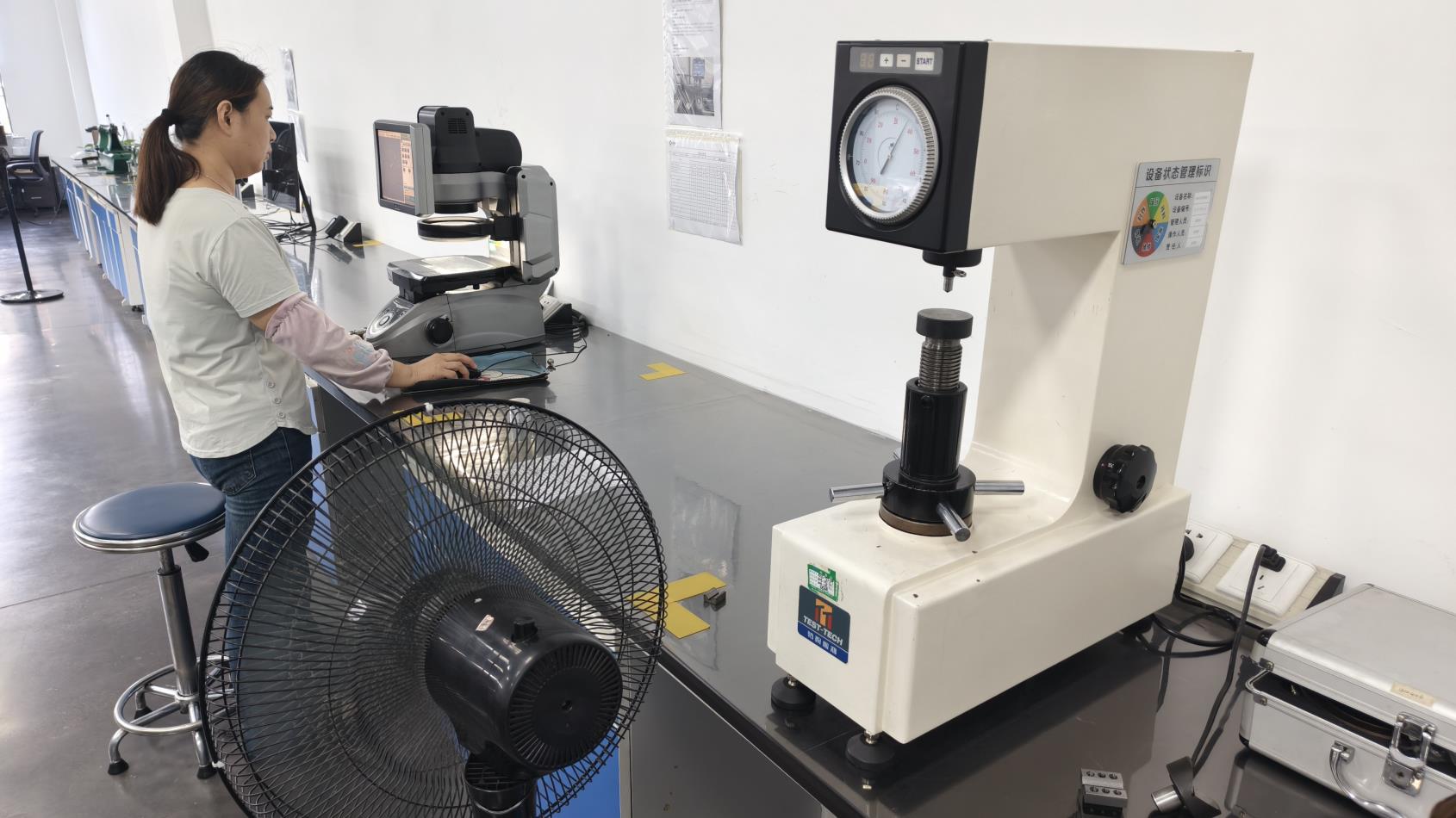
Our QA/QC team monitors production at every stage. We perform post-machining dimensional tests, manual surface inspections after polishing, and functional checks on moving parts. If you have specific inspection standards, we can tailor our protocols to meet your requirements.
Quick answers to common questions about materials, custom designs, order sizes, and regulatory compliance.
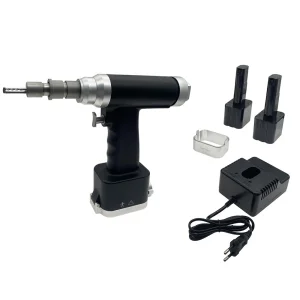
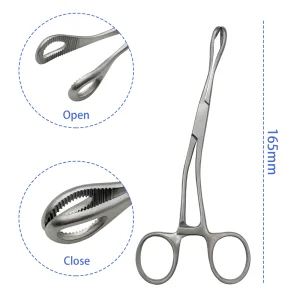
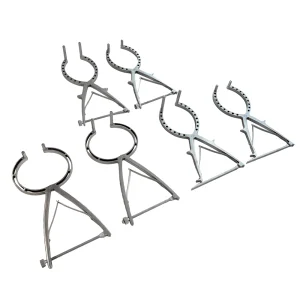
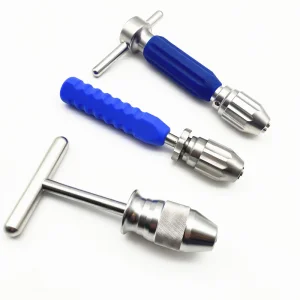
High-precision power drills, joint distractors, and specialized benders engineered for complex orthopedic procedures.