SENJIE Healthy & Technology
SENJIE Healthy & Technology
SENJIE Healthy & Technology
Precision-engineered clinical instruments crafted under strict ISO 13485 standards. Discover our top-tier catalog for global hospital supply chains.
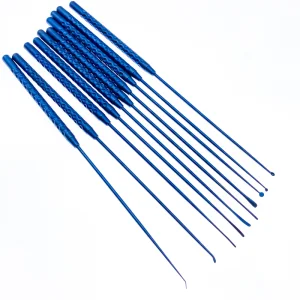
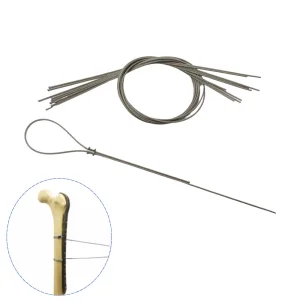

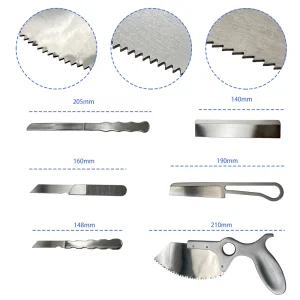
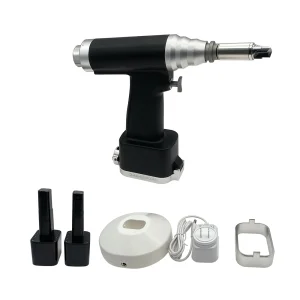
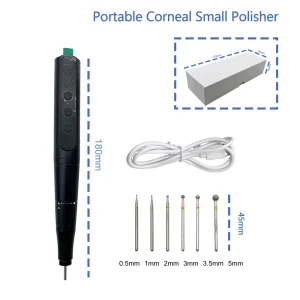
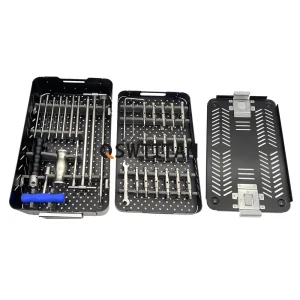
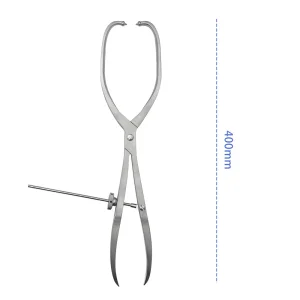
An Industry Whitepaper on Precision Medical Engineering, Material Innovation, and Dynamic Fluid Solutions.
The modern healthcare sector is experiencing an unprecedented structural pivot towards minimally invasive surgeries (MIS), micro-incision technologies, and robotic-assisted surgical systems. At the core of these clinical advancements are surgical valves and micro-fluidic management assemblies. From heart-lung machine bypass circuits to micro-valves regulating suction-irrigation in endoscopic neurosurgery and arthroscopy, fluid dynamics dictate the safety, efficiency, and predictability of complex clinical interventions. As surgical procedures demand higher precision, the global demand for surgical valves and associated medical instrumentation has scaled exponentially.
Manufacturers based in China have transitionally evolved from offering rudimentary processing capabilities to leading global biomedical technology initiatives. By utilizing advanced multi-axis CNC Swiss-machining, cleanroom extrusion, and metal injection molding (MIM), Chinese exporters now provide components that conform directly to the stringent frameworks of the European Union Medical Device Regulation (MDR) and the United States Food and Drug Administration (FDA).
Sub-millimeter valve configurations designed to manage dynamic physiological flows without shearing platelets or introducing turbulence inside surgical irrigation systems.
Adherence to ISO 10993 parameters using Medical Grade Titanium Alloys (Ti-6Al-4V ELI) and implantable 316LVM Stainless Steel, optimized to endure repeated autoclave sterilizations.
Compliance validation for key target markets including North America, South America, and Southeast Asia, supported by comprehensive material traceability audits.
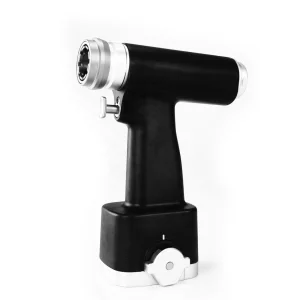
While the designation "Surgical Valves" traditionally calls to mind cardiovascular prosthetic replacements, in the wider domain of medical devices, it denotes fluid control valves, backflow preventers, and pressure relief interfaces operating in motorized surgical drills, irrigation handles, and suction accessories. For example, during high-velocity neurosurgical bone removal using an Orthopedic Cranial Drill Mill System, active saline irrigation is continually routed through a micro-valve mechanism to mitigate bone necrosis caused by thermal friction. If the fluidic valve fails to regulate volume and pressure, surgical visibility is compromised and cellular damage can occur.
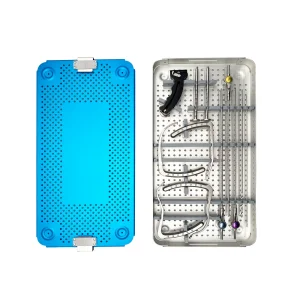
Similarly, arthroscopic joint reconstruction systems—such as those utilizing our ACL/PCL Reconstruction Instrument Sets—rely on closed-loop fluid networks. In these surgical loops, pressure valves regulate fluid pressure to maintain clear visibility and joint distension. Consequently, an optimized surgical instrument design is intrinsically linked to fluidic regulation. Our research and development focuses on integrating robust valve seats, anti-clogging chambers, and rapid-response couplings into handpieces, handles, and surgical cannulas.
Transparent operational metrics outlining our manufacturing infrastructure, global market reach, and quality assurance framework.
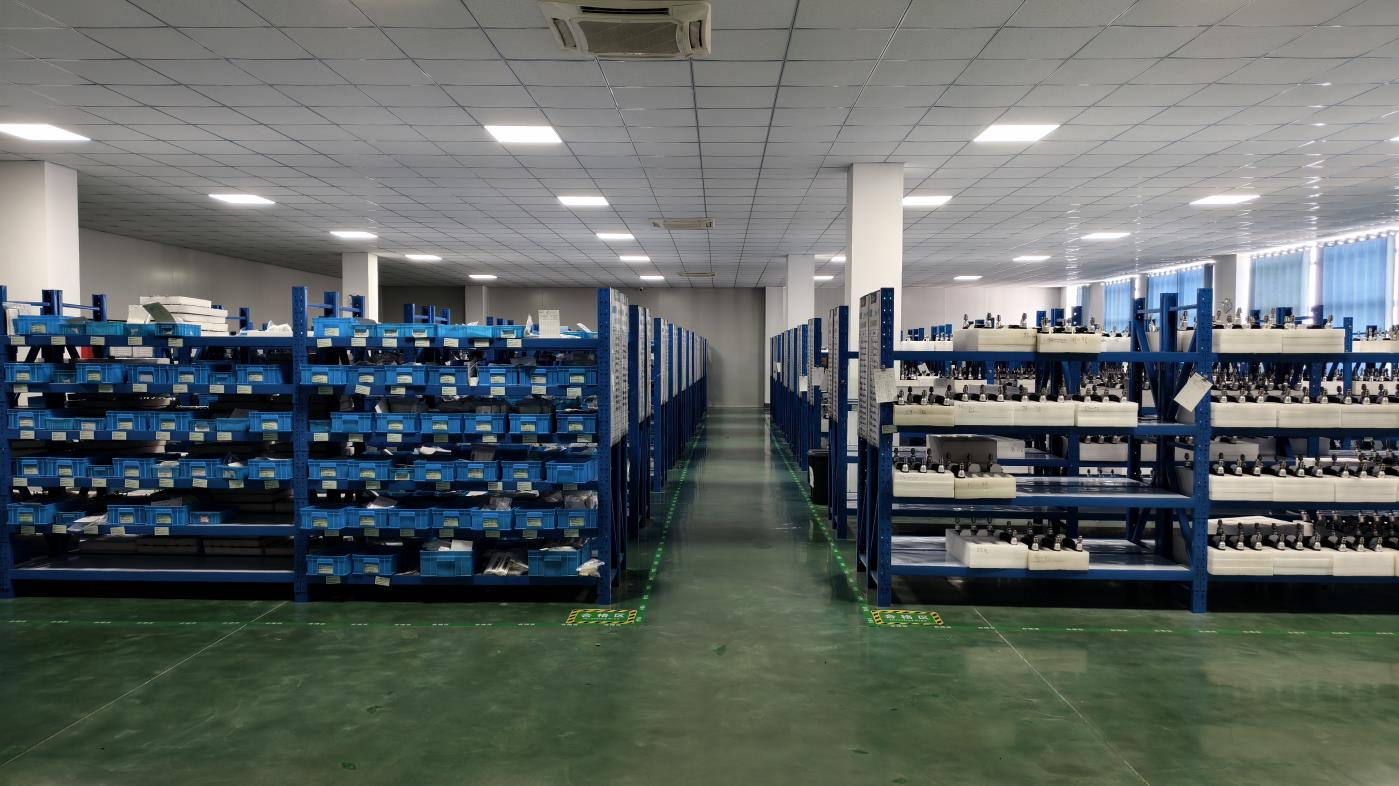
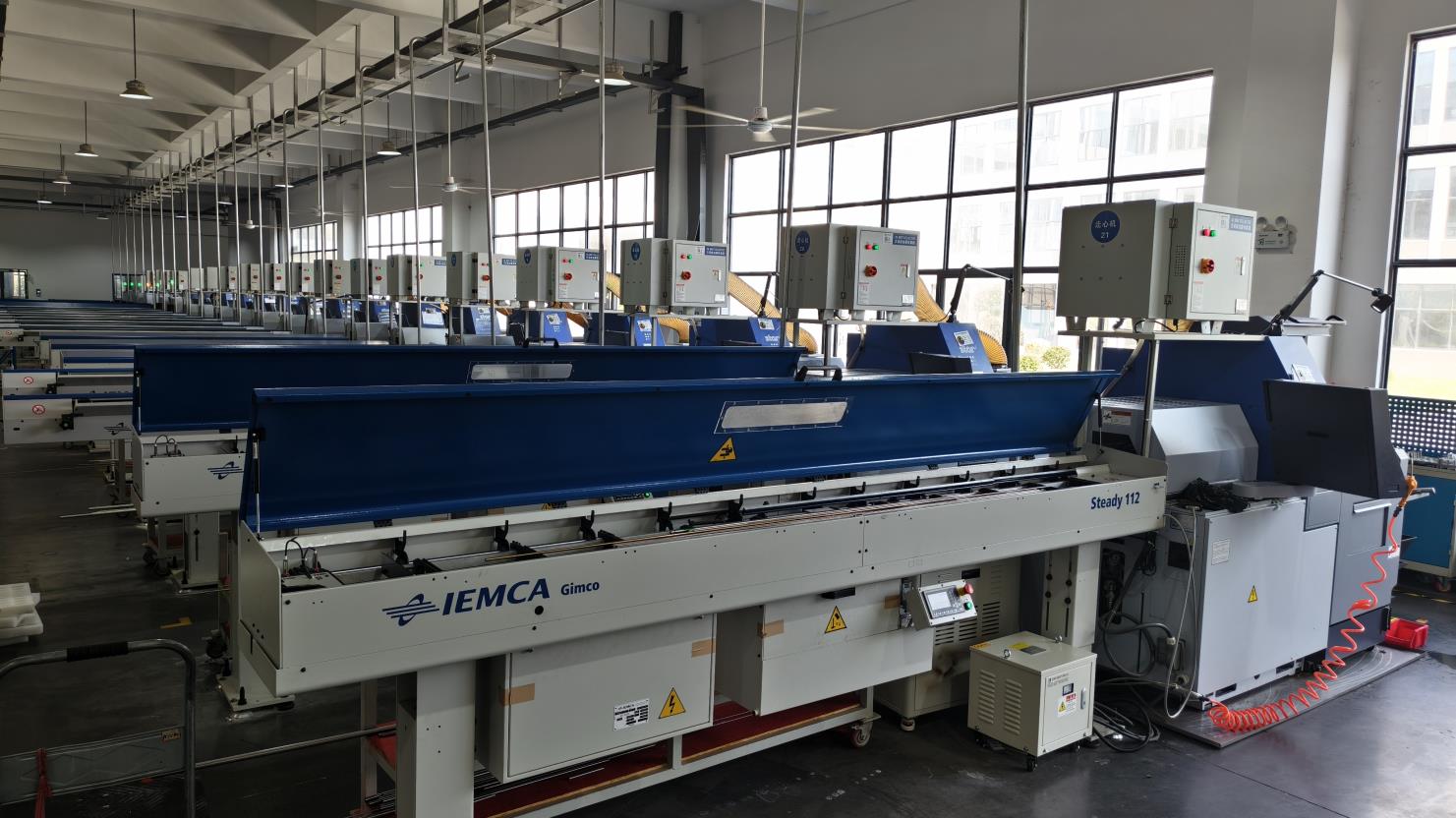
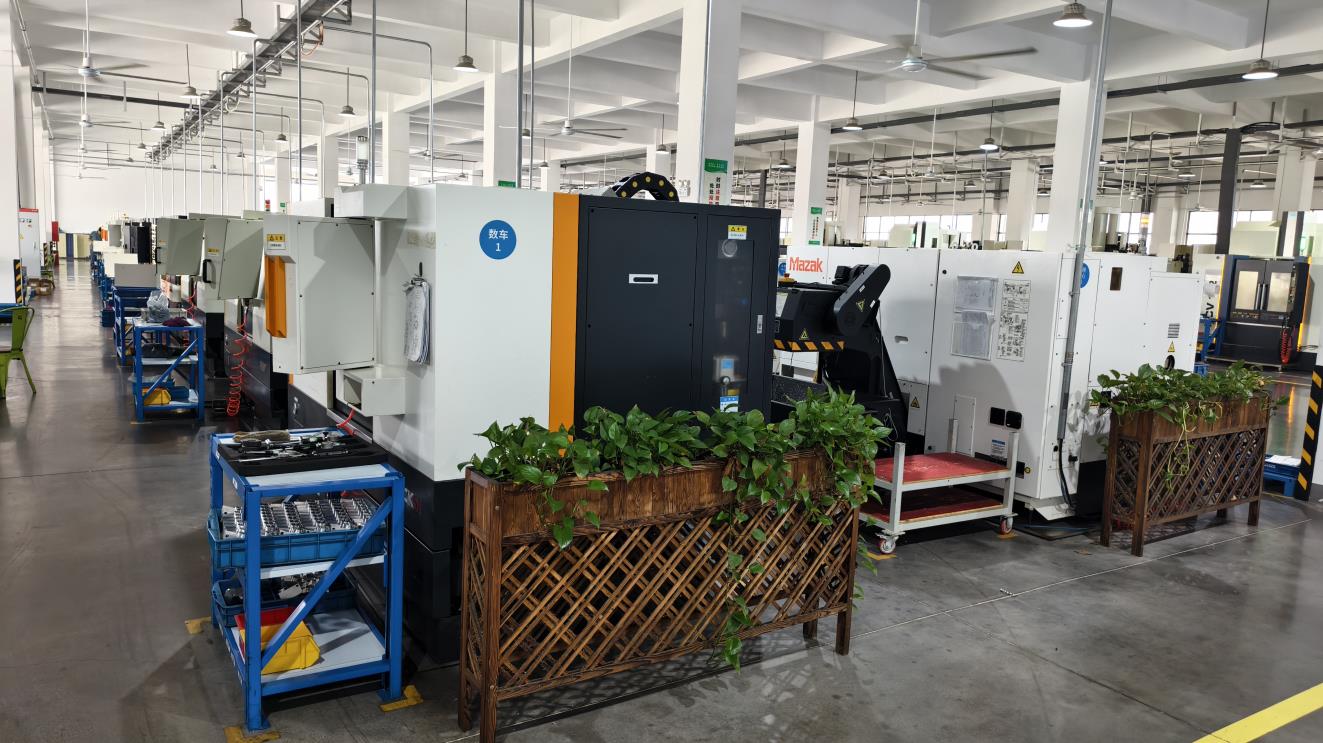
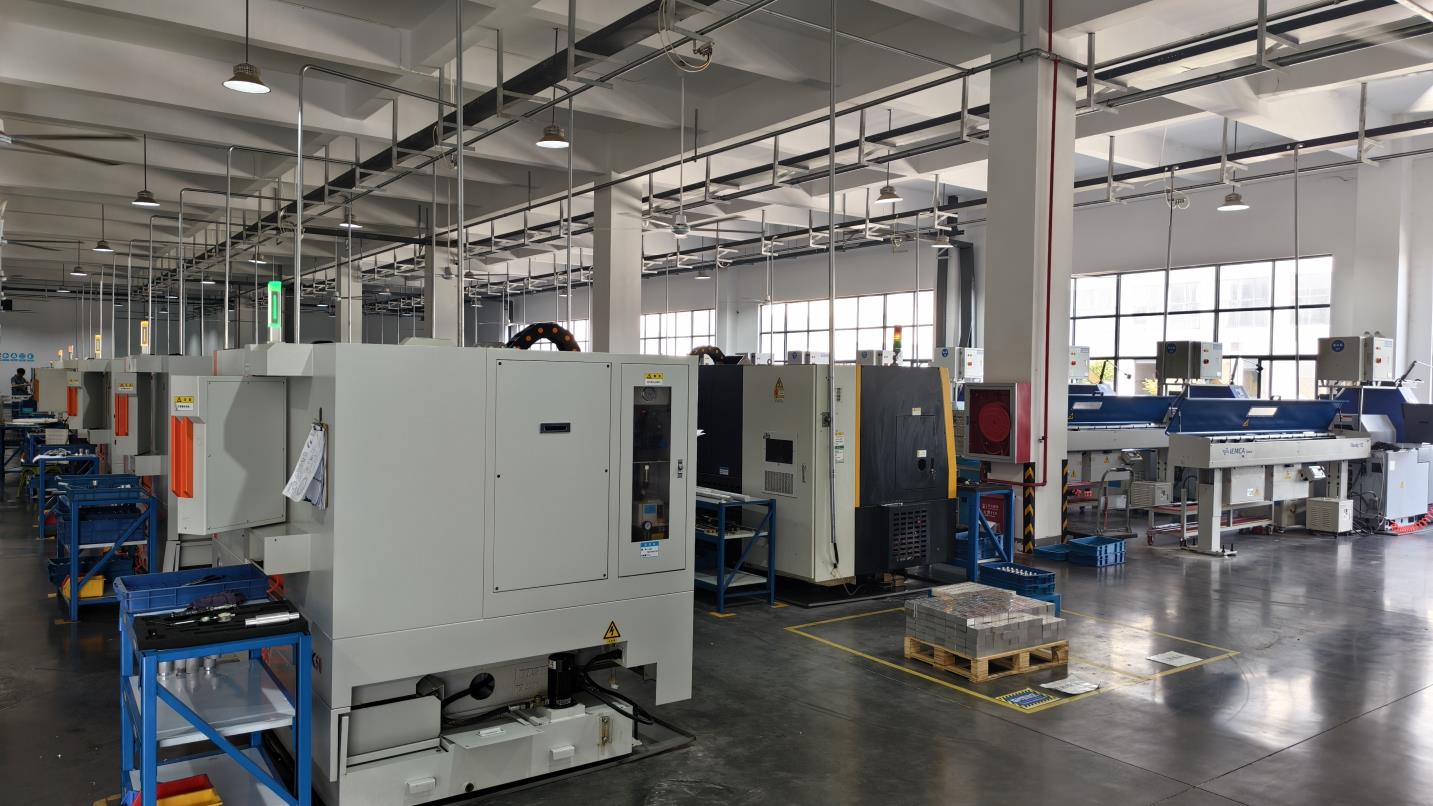
Visualizing our cleanroom operations, high-grade CNC machining pipelines, and metallurgical inspection processes.
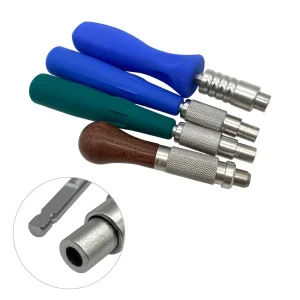
High-reliability medical engineering leaves no margin for error. A single micro-defect in the thread of a Titanium Bone Cable Wire Fixation Plate or an alignment tolerance variance in an AO Quick Coupling Handle can compromise clinical outcomes. Our manufacturing facility combines five-axis mechanical centers, precision grinding arrays, and cleanroom assembly zones. This setup ensures that surgical tools and structural flow elements exhibit perfect uniformity, minimizing micro-cracking and surface contamination.

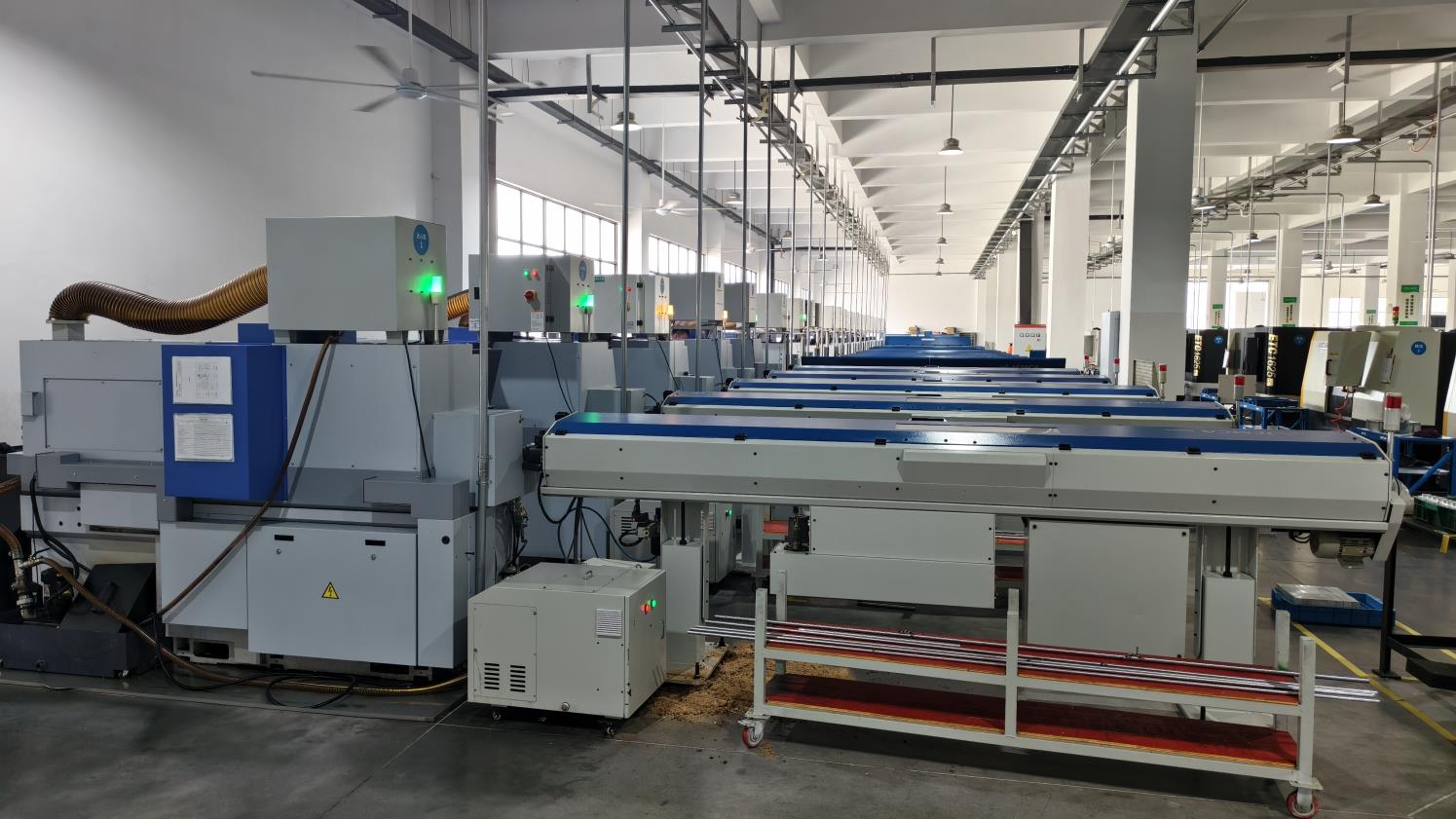
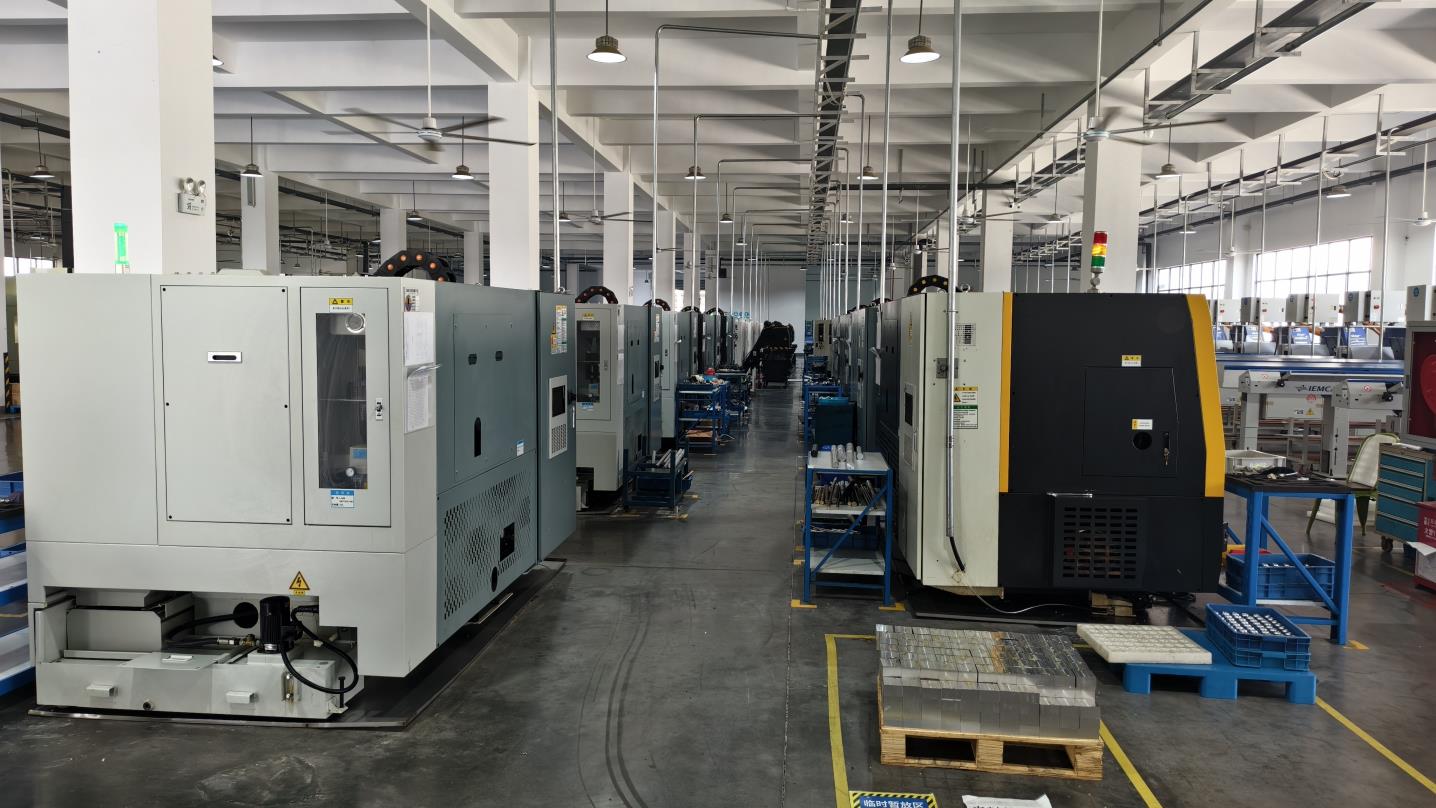
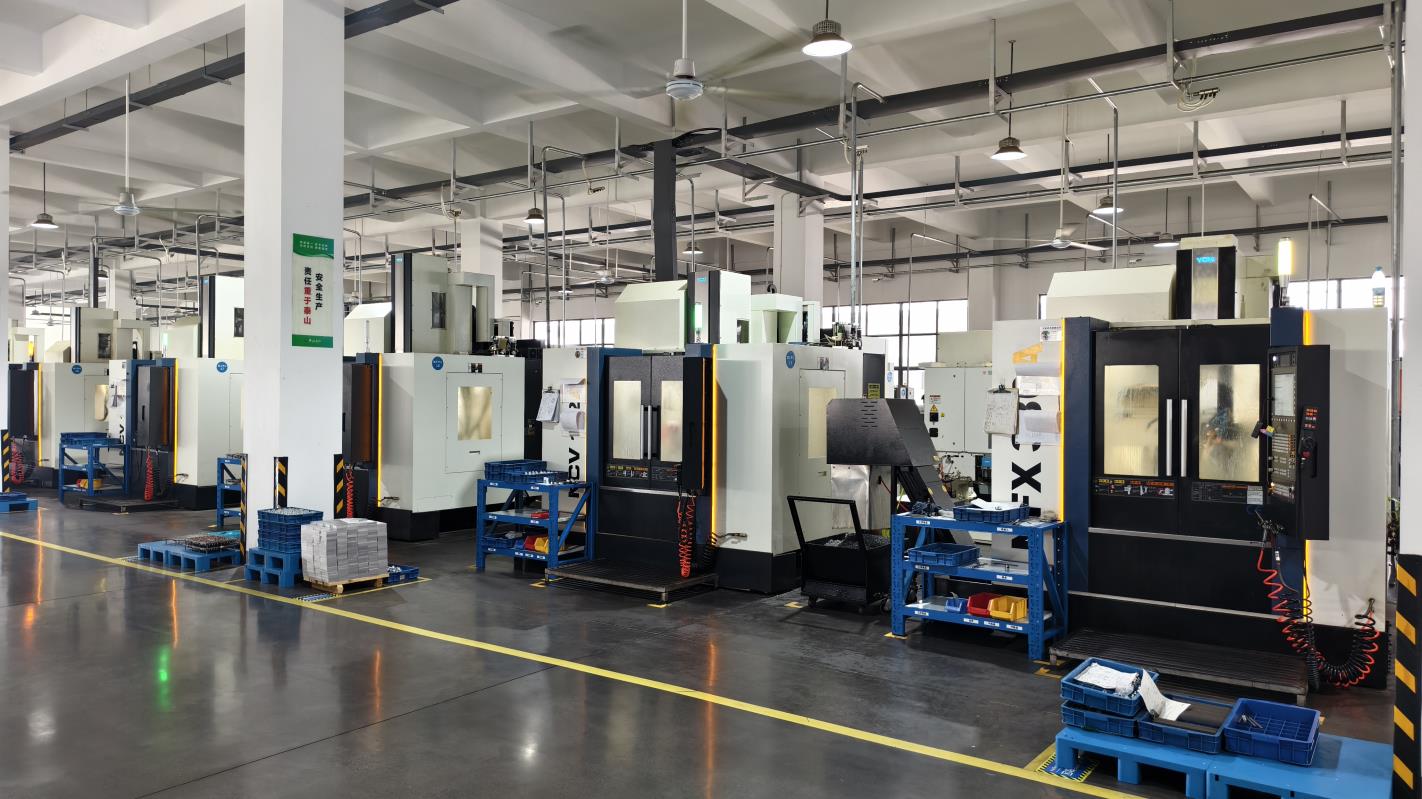
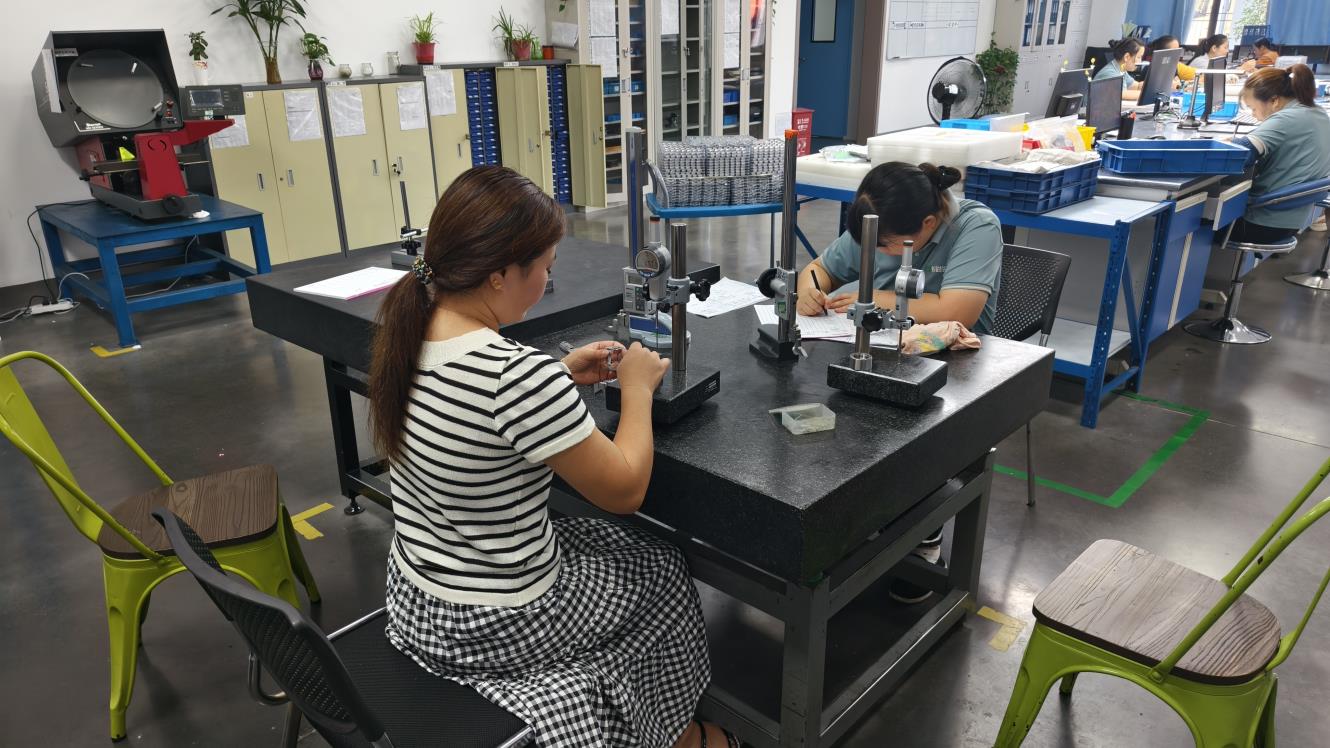
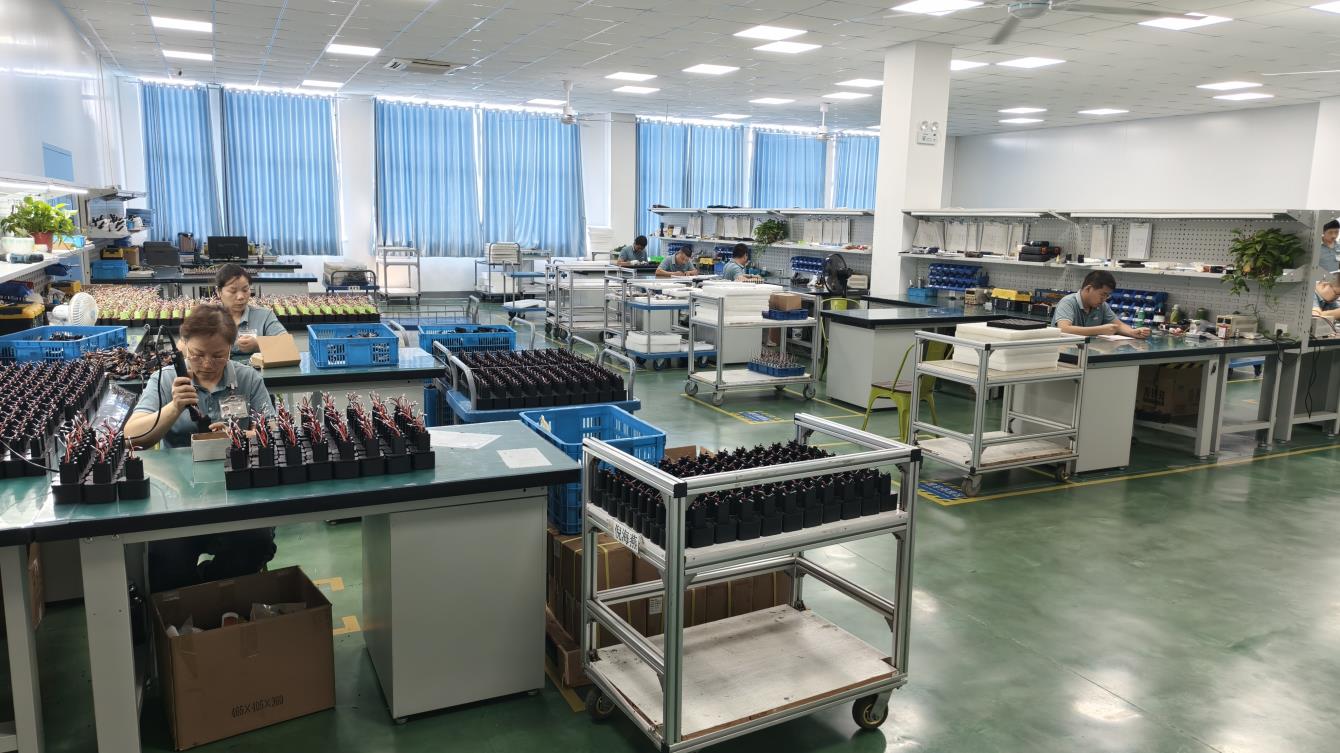
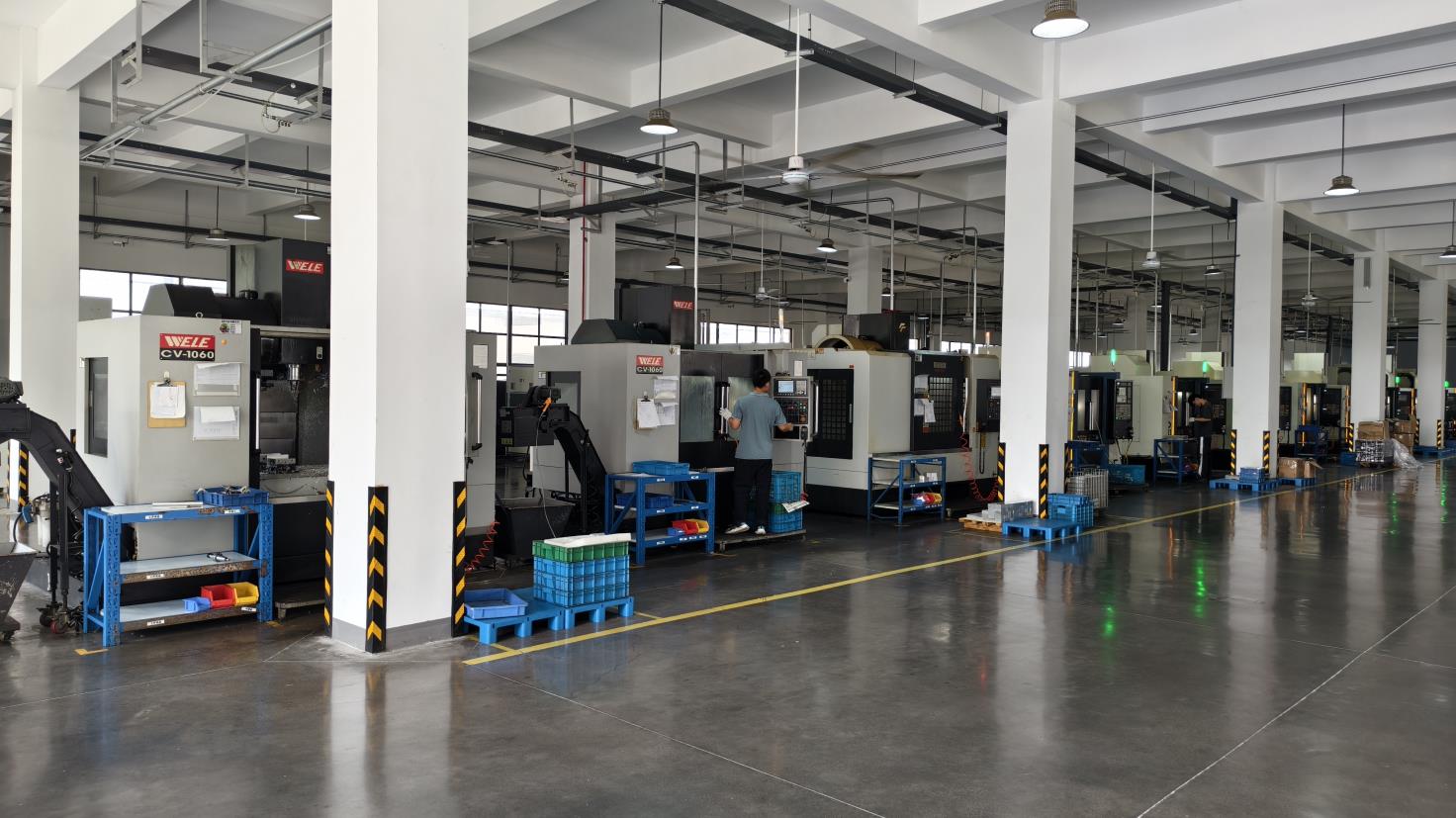
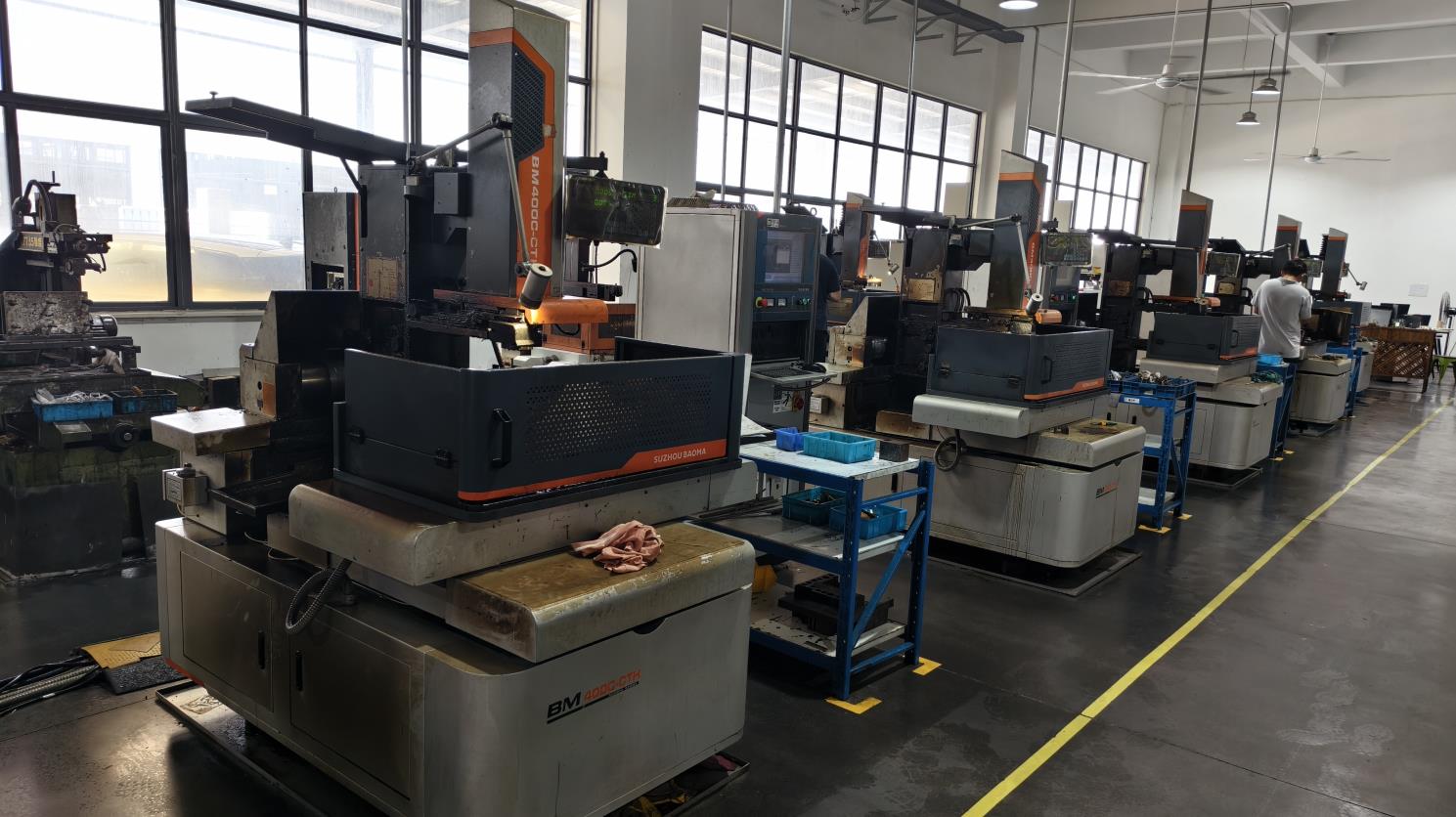
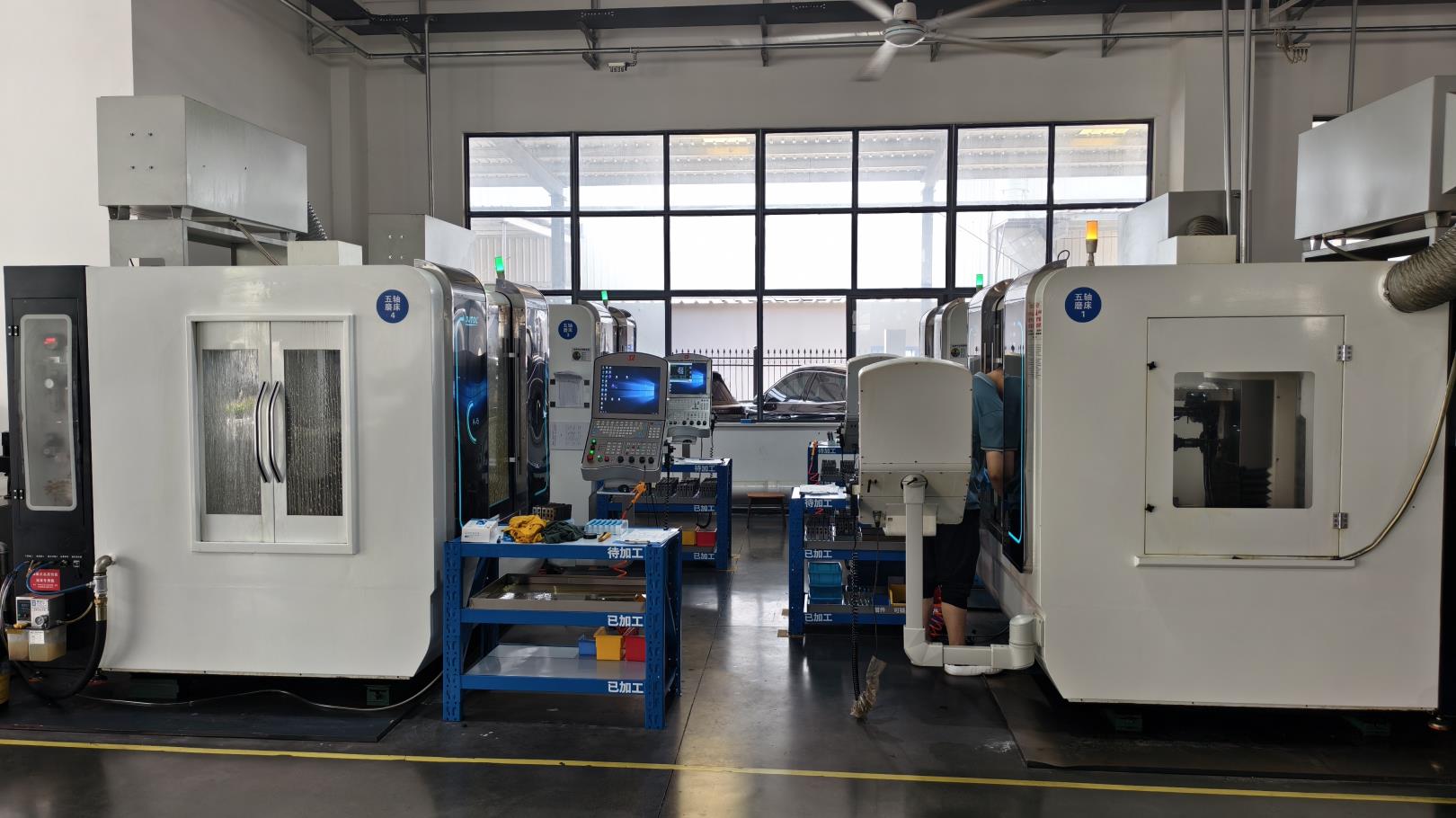
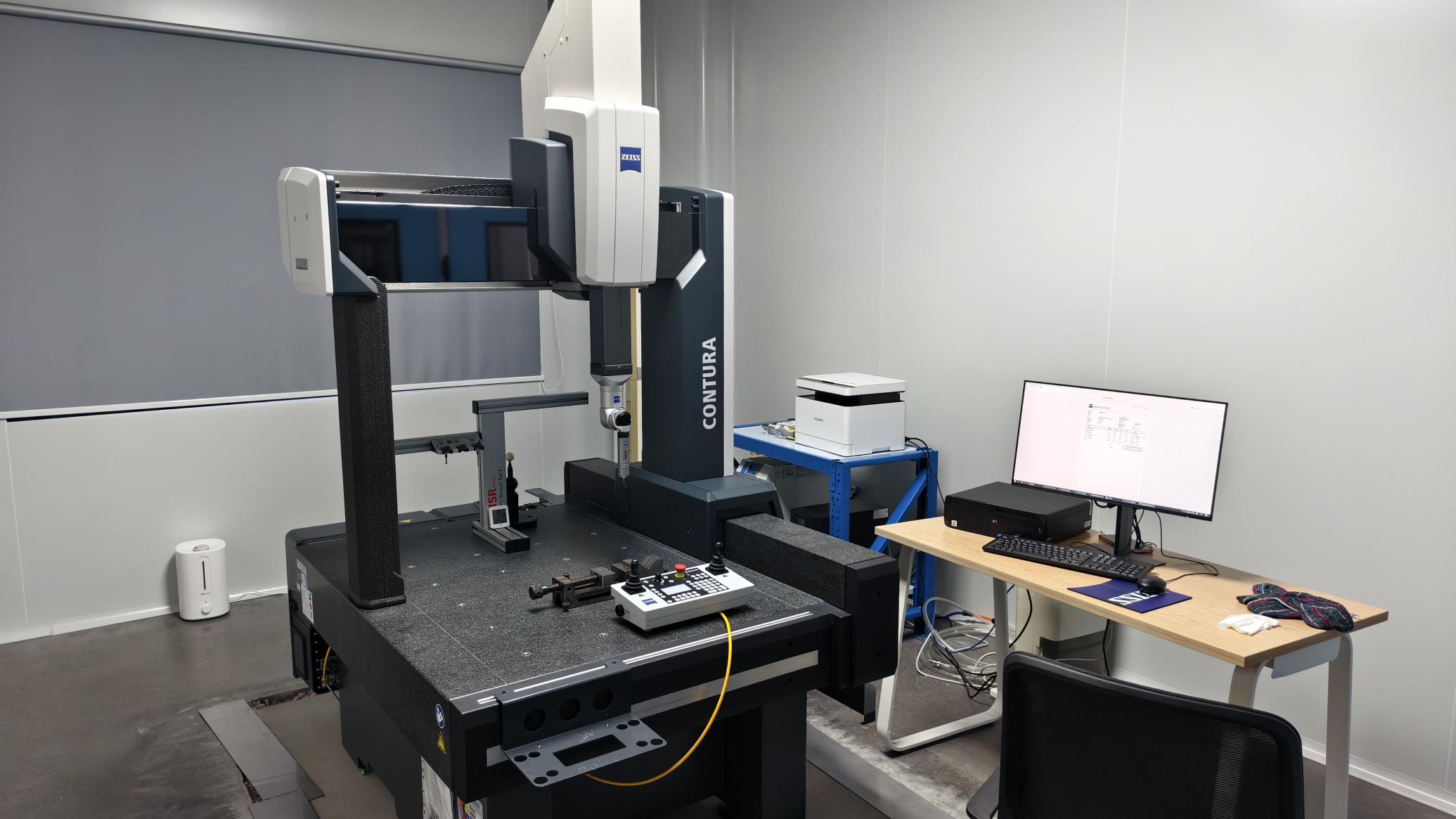
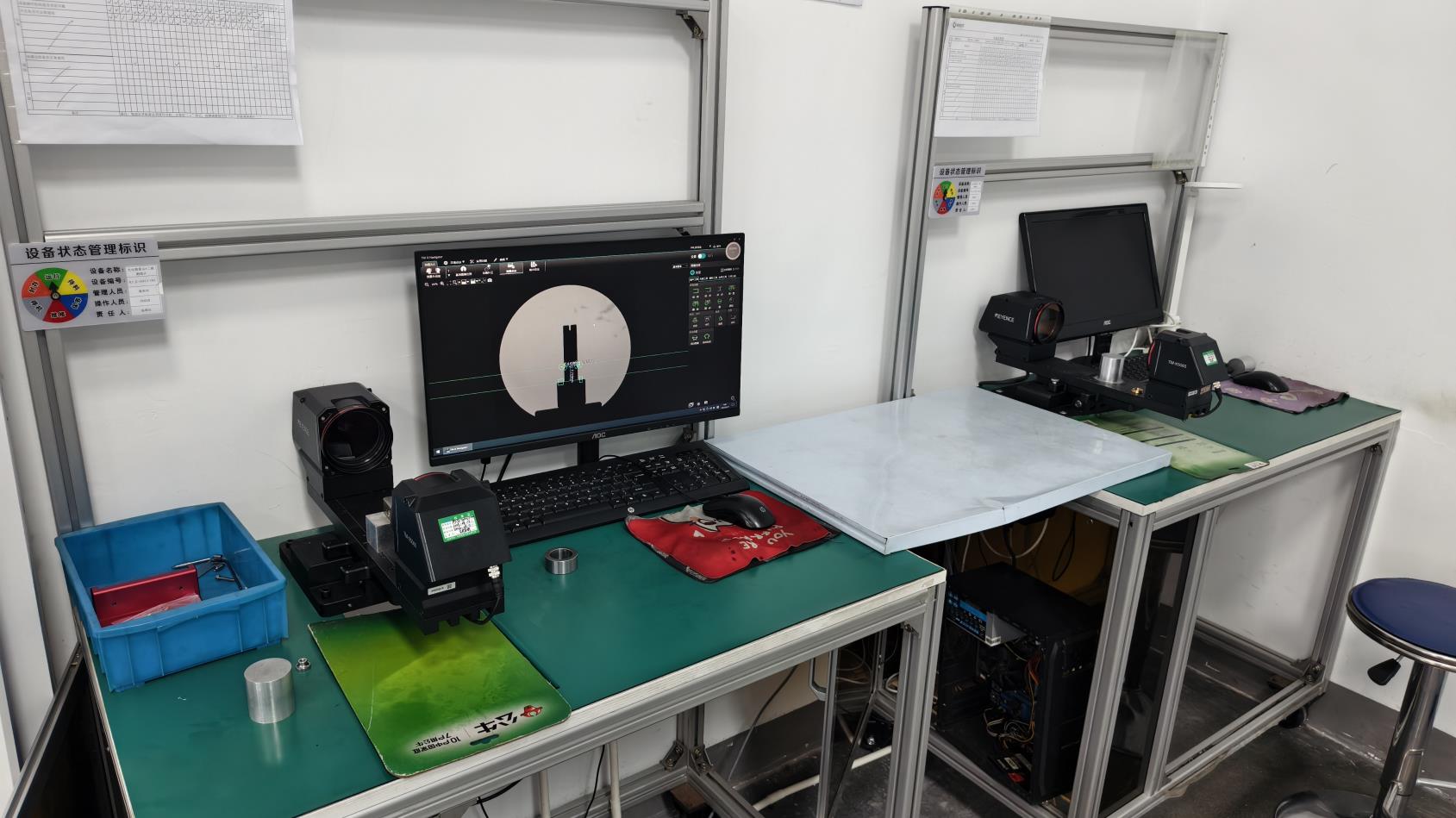
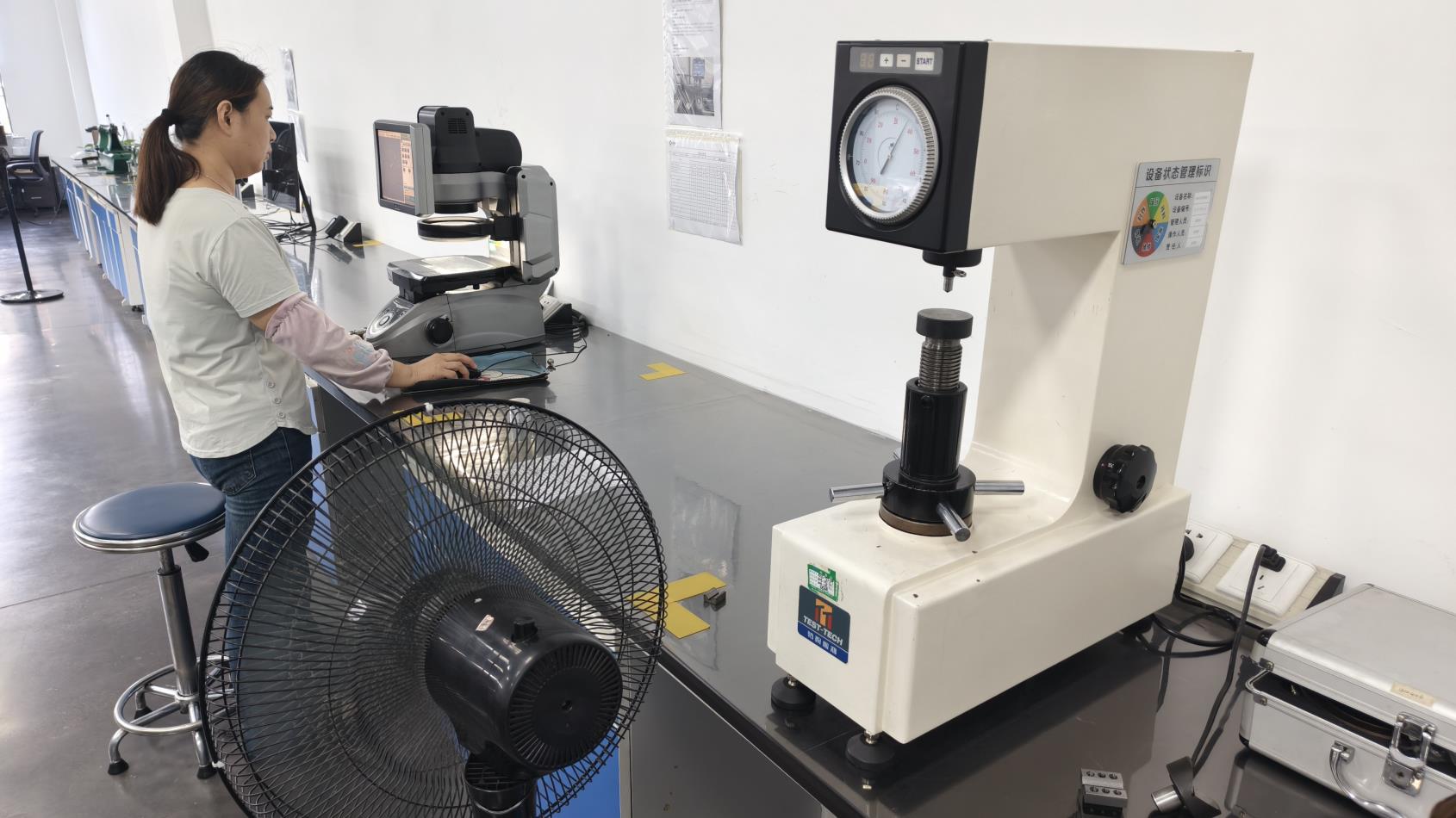
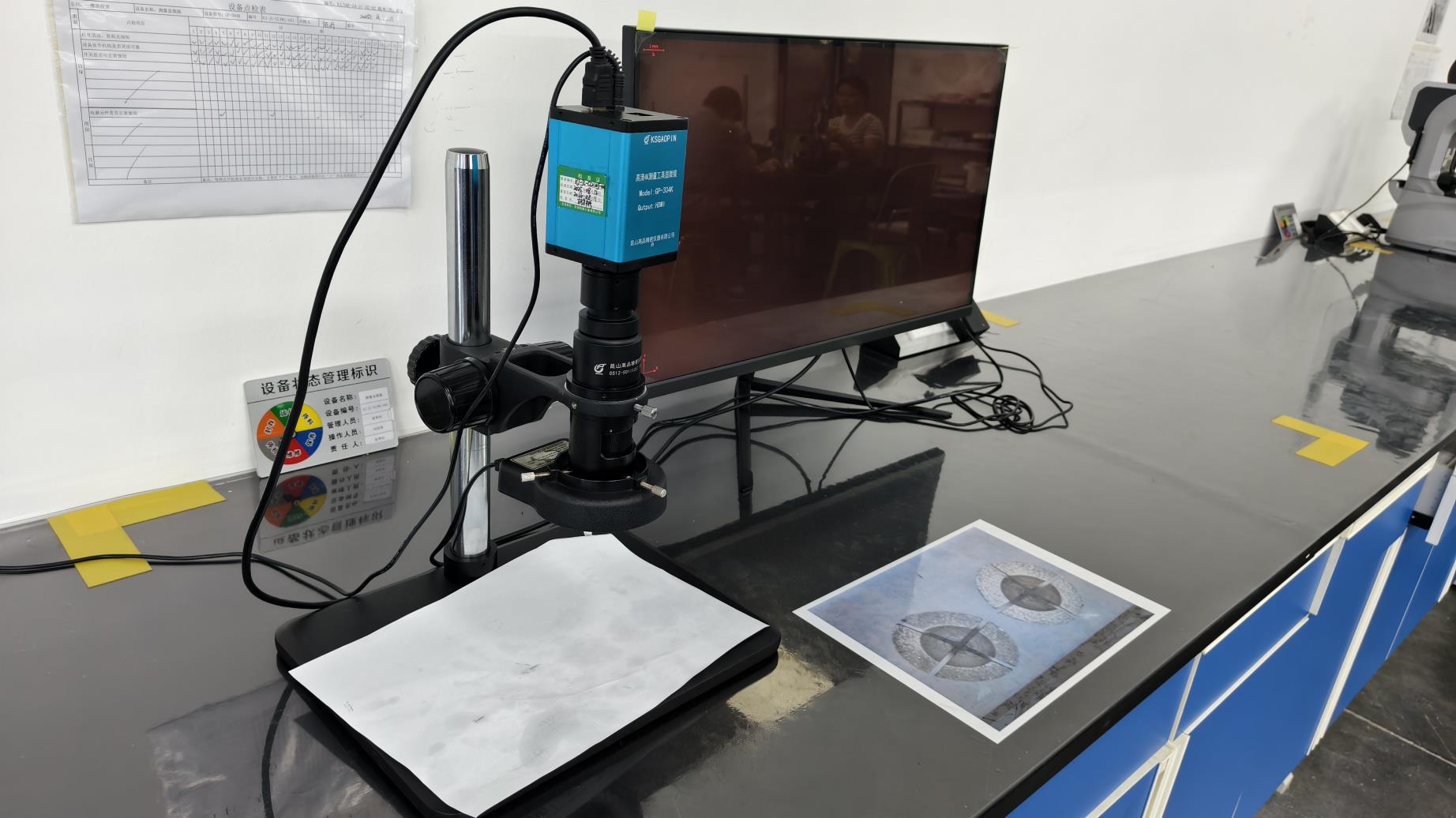
Our raw material strategy relies on sourcing premium biomedical-grade alloys. By focusing on Grade 5 Titanium (Ti-6Al-4V) and specialty stainless steels, we ensure our surgical systems maintain high tensile strength while remaining lightweight. These material benefits are critical for long, fatigue-prone procedures like veterinary and human orthopedics.
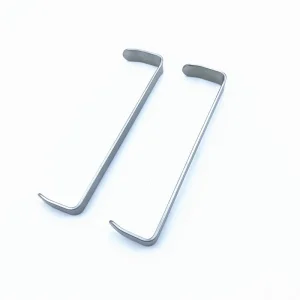
To maximize bio-compatibility and eliminate toxic ion leaching, our instruments undergo advanced electrochemical passivation. This process builds a stable, non-reactive chromium or titanium oxide boundary layer. This surface treatment is essential for devices like the Titanium Bone Cable fixation plates and Farabeuf Thyroid Retractors, which come into prolonged contact with body tissues and fluids.
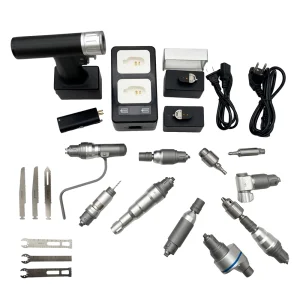
For tools featuring rotating or reciprocating movements, such as the Multifunctional Bone Drill and Oscillating Saw System, our internal valve interfaces operate without liquid lubricants. Instead, we use solid-film carbon coatings and custom-shaped PTFE (polytetrafluoroethylene) seals. This eliminates the risk of patient contamination from lubricating oils and ensures consistent flow performance even when exposed to high-temperature steam sterilization cycles (134°C/273°F).
Technical guidance for biomedical engineers, procurement directors, and surgical distributors.
Complete your surgical suite with high-reliability power systems, specialized retractors, and micro-spine assemblies.