SENJIE Healthy & Technology
SENJIE Healthy & Technology
SENJIE Healthy & Technology
Explore our elite range of orthopedic tools engineered for maximum control, impact transfer, and lifetime durability.
Understanding the clinical demand, market trajectories, and material compliance criteria governing orthopedic mallet procurement.
Surgical hammers (or orthopedic mallets) represent a vital subsystem in joint arthroplasty, osteotomy, and fracture fixation protocols. Unlike traditional industrial striking tools, surgical mallets require highly controlled impulse transfer mechanics to seat prostheses or cut bone without causing micro-fractures. Geographically, North America and Europe hold the largest market share due to high joint replacement volumes. However, APAC is emerging as a high-growth production and consumption hub, driven by major medical reforms, orthopedic hospital expansions, and technological upgrades in manufacturing centers like China.
Modern surgical hammers are strictly governed by biocompatibility and sterilization standards (ASTM F899 / ISO 7153-1). Leading manufacturers have transitioned from basic stainless steel to premium alloys like SUS 630 (17-4PH) and titanium, combined with medical-grade polymers (such as PEEK, Delrin, or silicone). These materials must withstand severe chemical exposure and autoclave cycles at temperatures exceeding 134°C. Device tracking and raw material traceability are no longer optional—they are absolute prerequisites for entering international medical supply chains.
The rise of outpatient orthopedics and Ambulatory Surgical Centers (ASCs) globally has driven the demand for lighter, more ergonomic, and highly specialized surgical mallet designs. Procurement offices are moving away from multi-tiered distributor models to secure direct relationships with certified OEM/ODM factories. Direct-from-factory sourcing guarantees component compatibility, lowers procurement costs by 30-40%, and enables deep customization of weight distribution, handle grips, and custom laser etchings for brand businesses and wholesalers.
Transparent production values and capabilities supporting our international distribution network.
Technical specifications, shock absorption physics, and mechanical designs that differentiate medical-grade instruments from generic tools.
Continuous striking during surgeries can lead to orthopedic surgeon fatigue and joint stress. Top-tier surgical hammers utilize a "dead-blow" design, packing the interior head with steel shot or lead pellets. This disperses kinetic recoil energy, preventing the hammer from bouncing back, maximizing forward force transmission, and minimizing hand fatigue.
To handle diverse intraoperative requirements, professional hammers feature dual-material facings. One side might feature a hard, highly polished stainless steel face for striking metallic chisels, while the opposite side integrates a replaceable medical-grade Nylon, Delrin, or PEEK head to gently seat joint implants without damaging surfaces.
Precision handles must support multiple grip postures. Our designs incorporate medical-grade silicone covers with micro-textures, or grooved stainless steel structures. These handle architectures prevent slippage when exposed to surgical fluids, facilitating precise control and reducing the muscular effort required to swing.
Surgical hammers endure severe cleaning cycles (pH cleaning agents, ultrasonic baths, and autoclaves). Utilizing cheap materials leads to crevice corrosion, stress cracking, and eventual device failure. We select premium surgical alloys like SUS 630, which undergo special heat treatment processes to reach HRC 40-45 hardness levels. This guarantees that striking faces will not deform, chip, or flake over years of heavy surgical utilization, preventing metallic contamination in the sterile surgical field.
Inside our ISO-compliant production facility: state-of-the-art CNC machinery, finishing processes, and strict quality verification protocols.

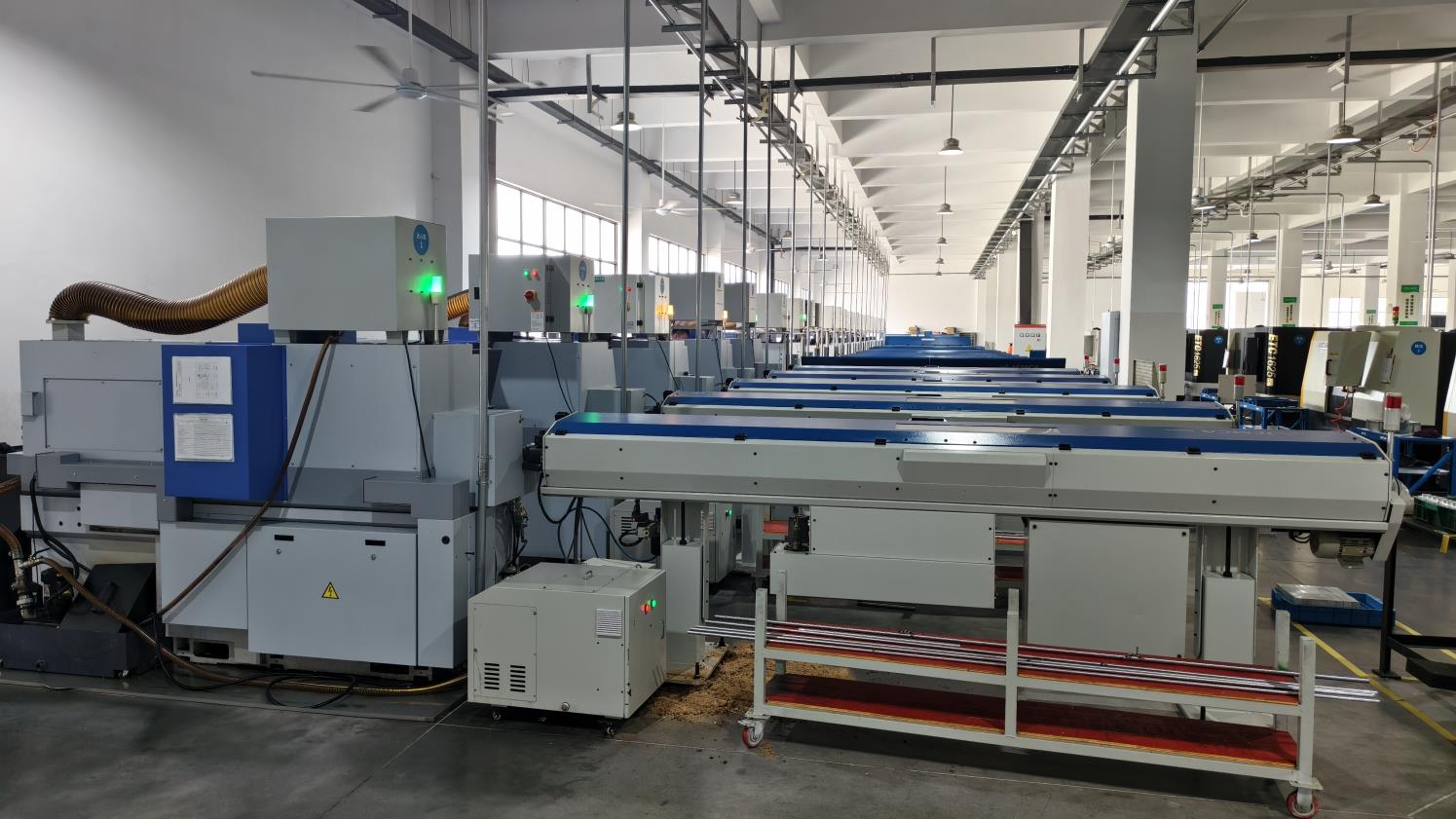
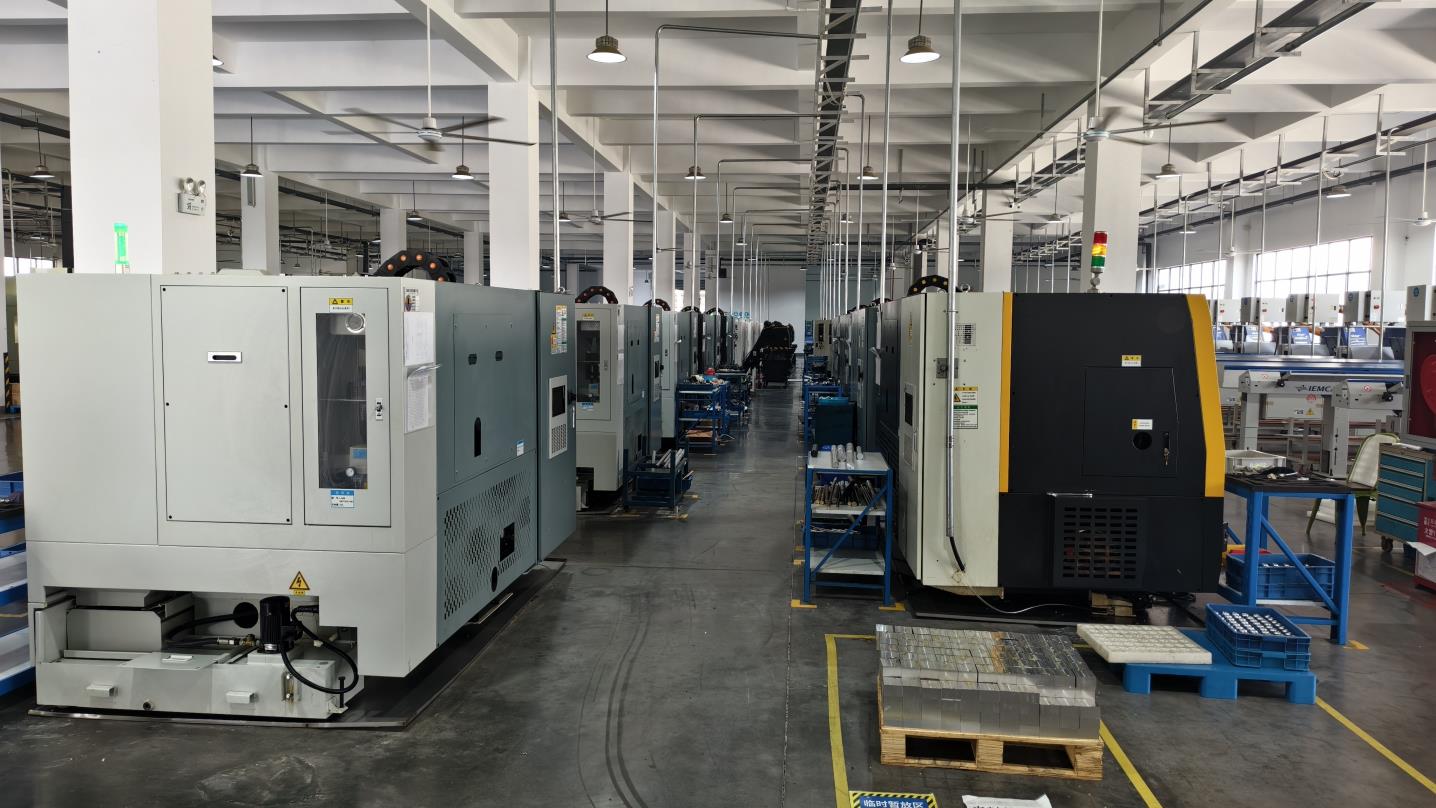
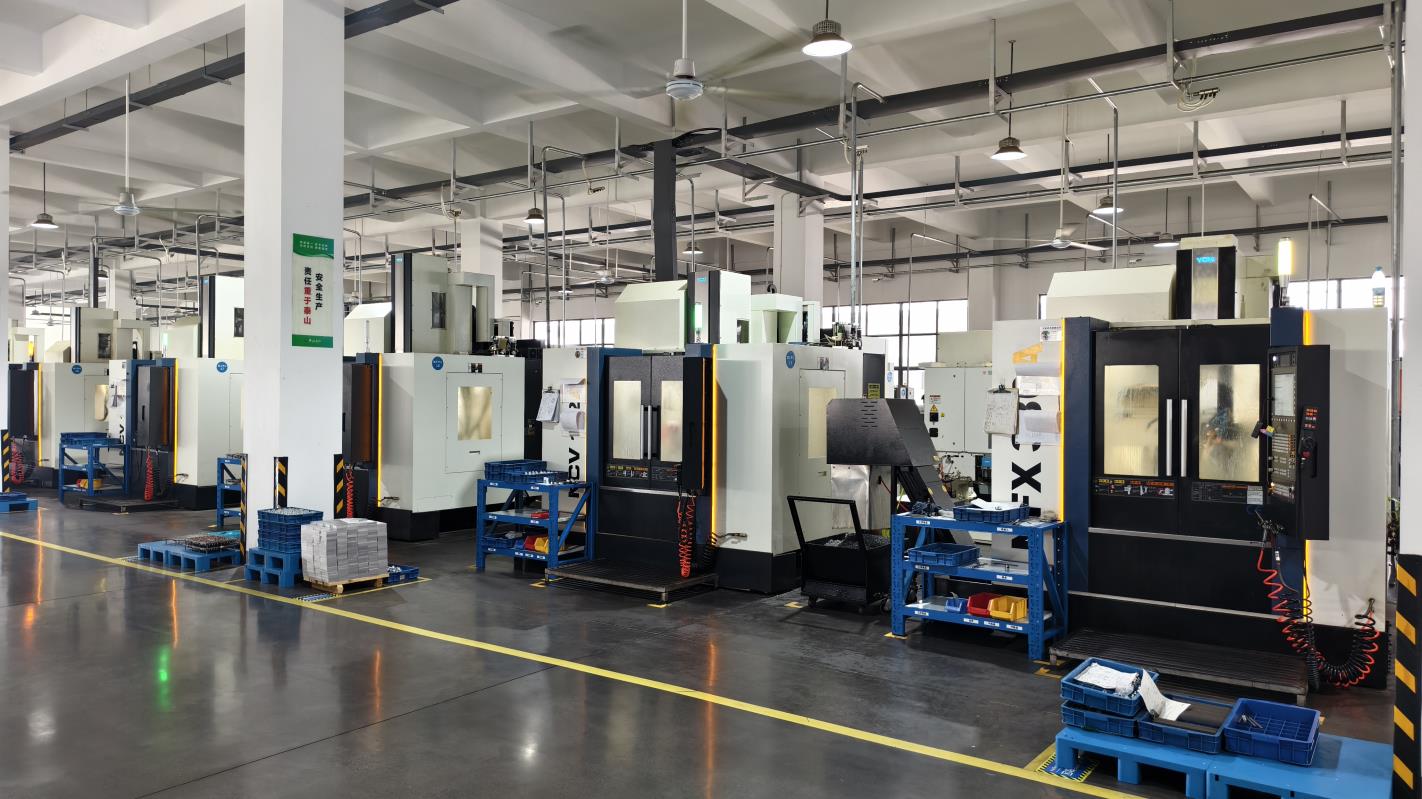
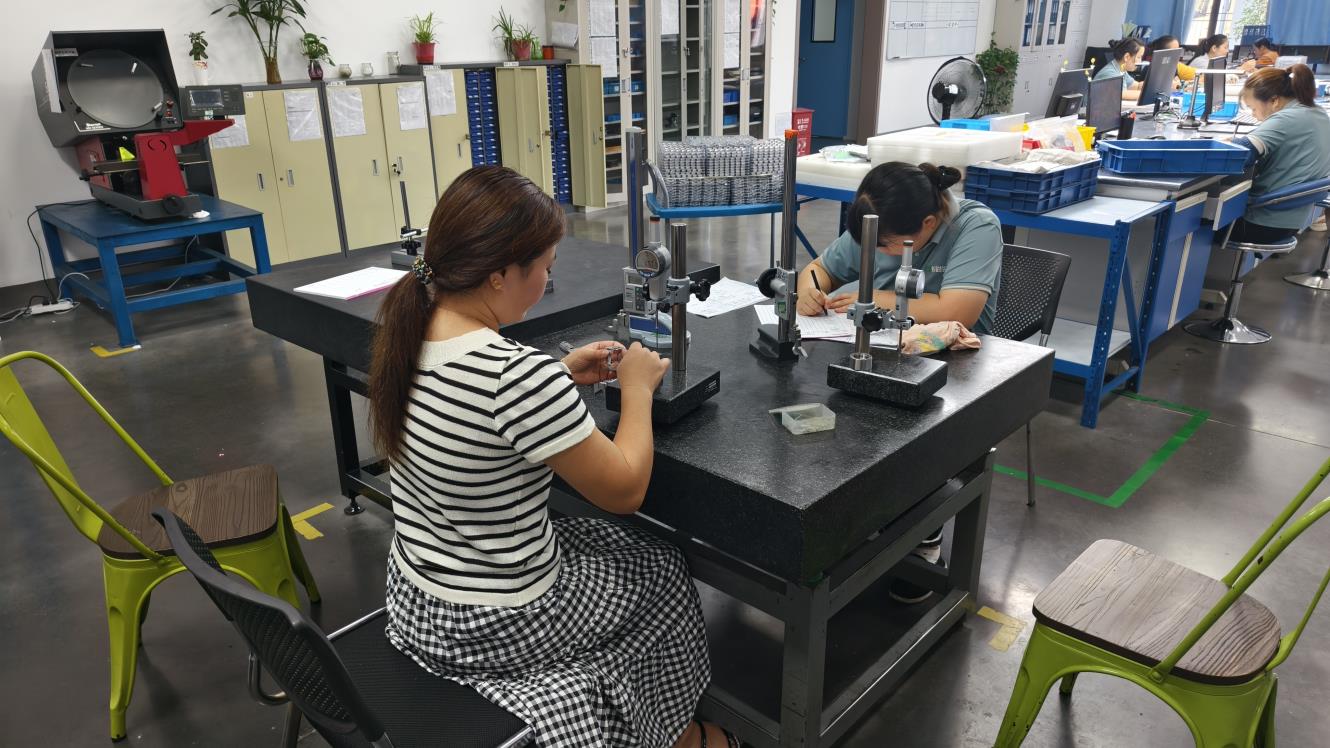
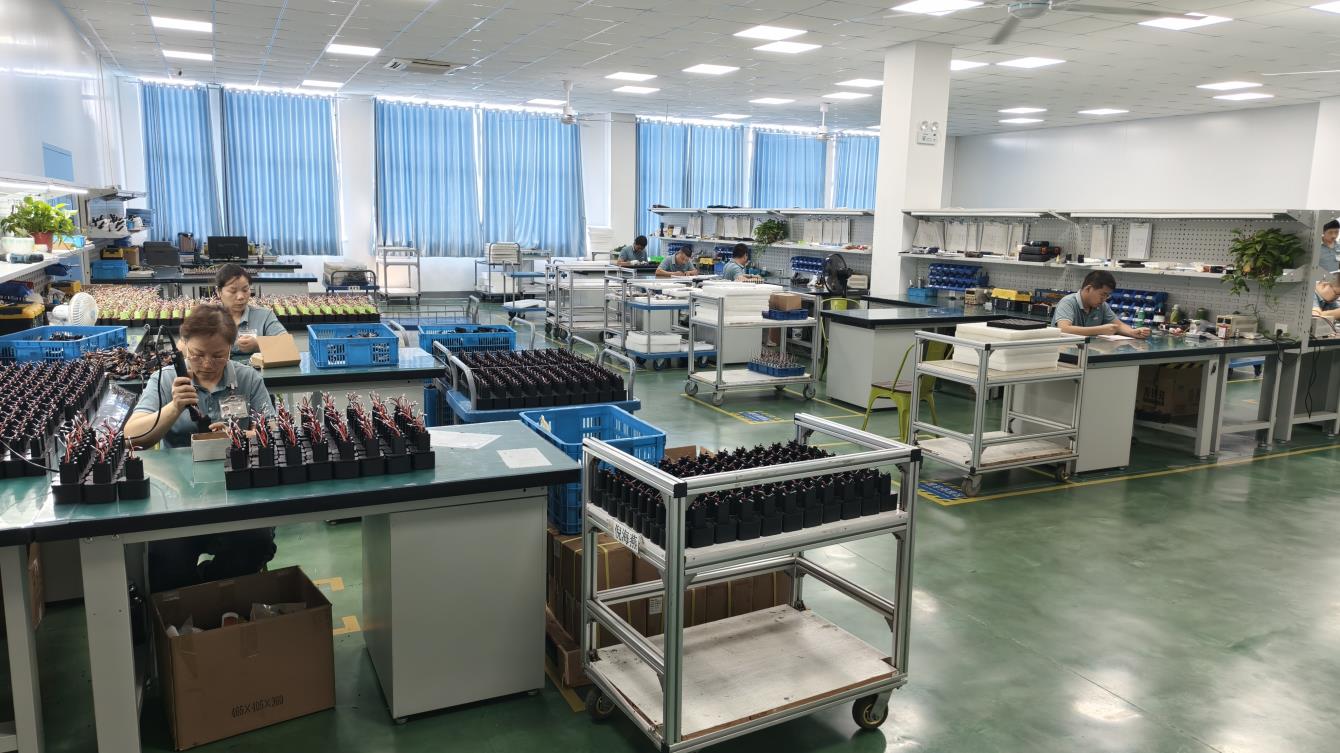

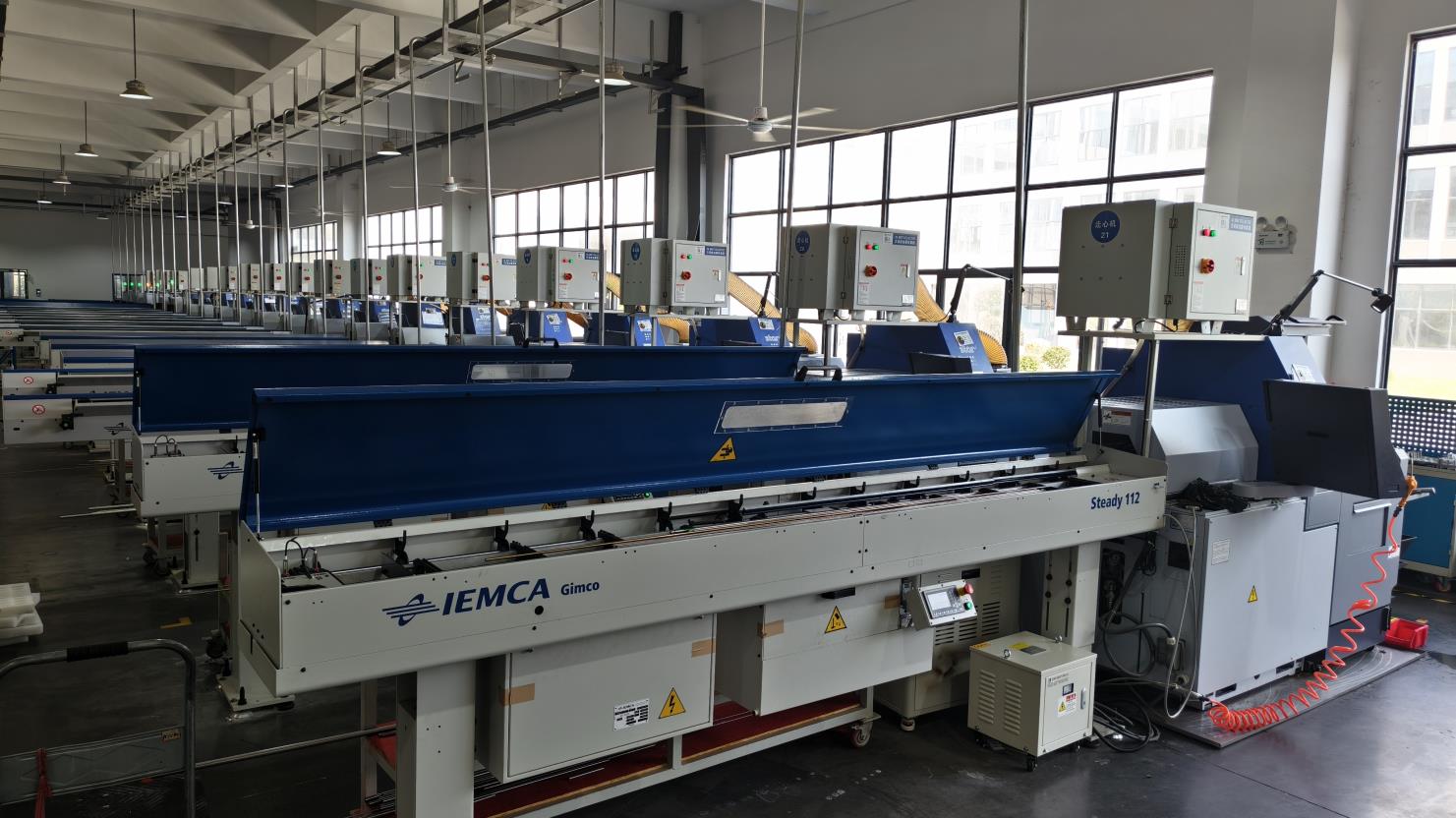
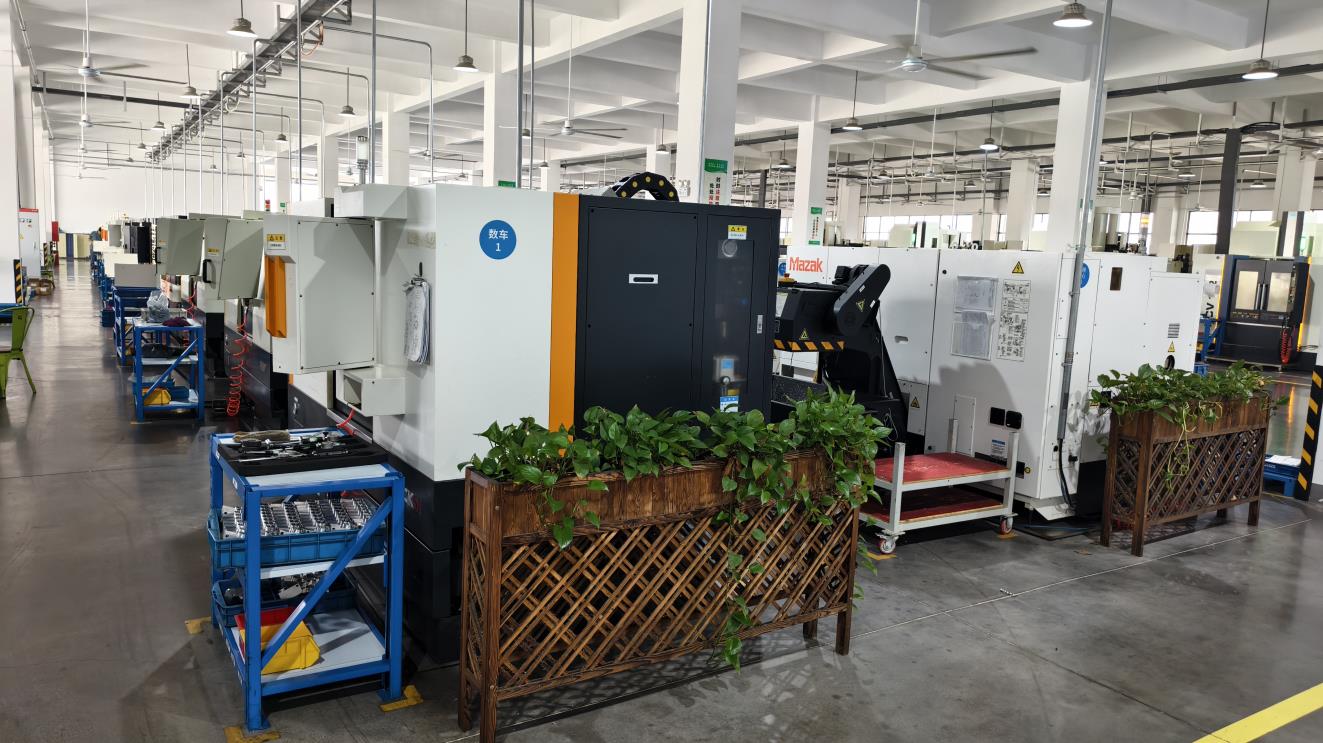
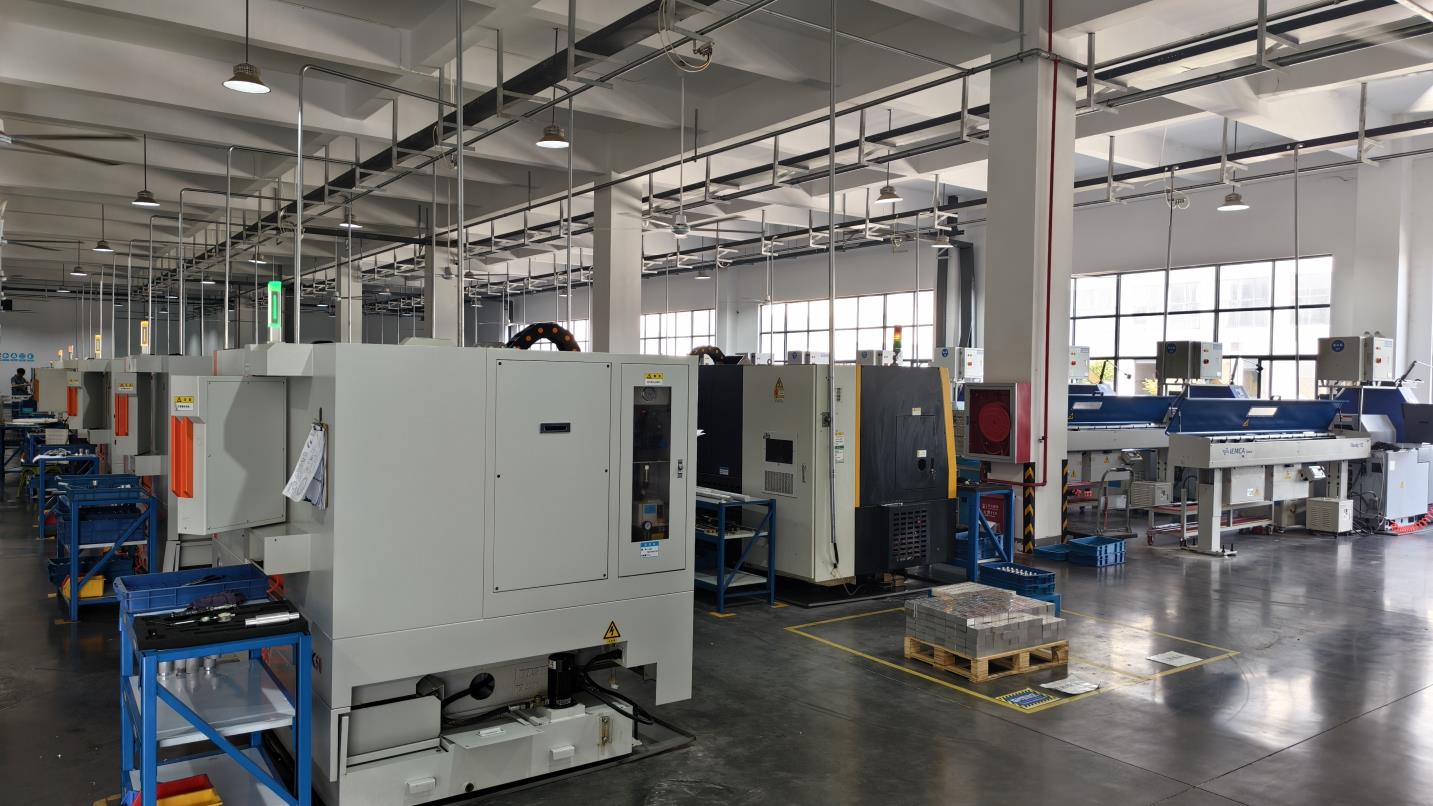
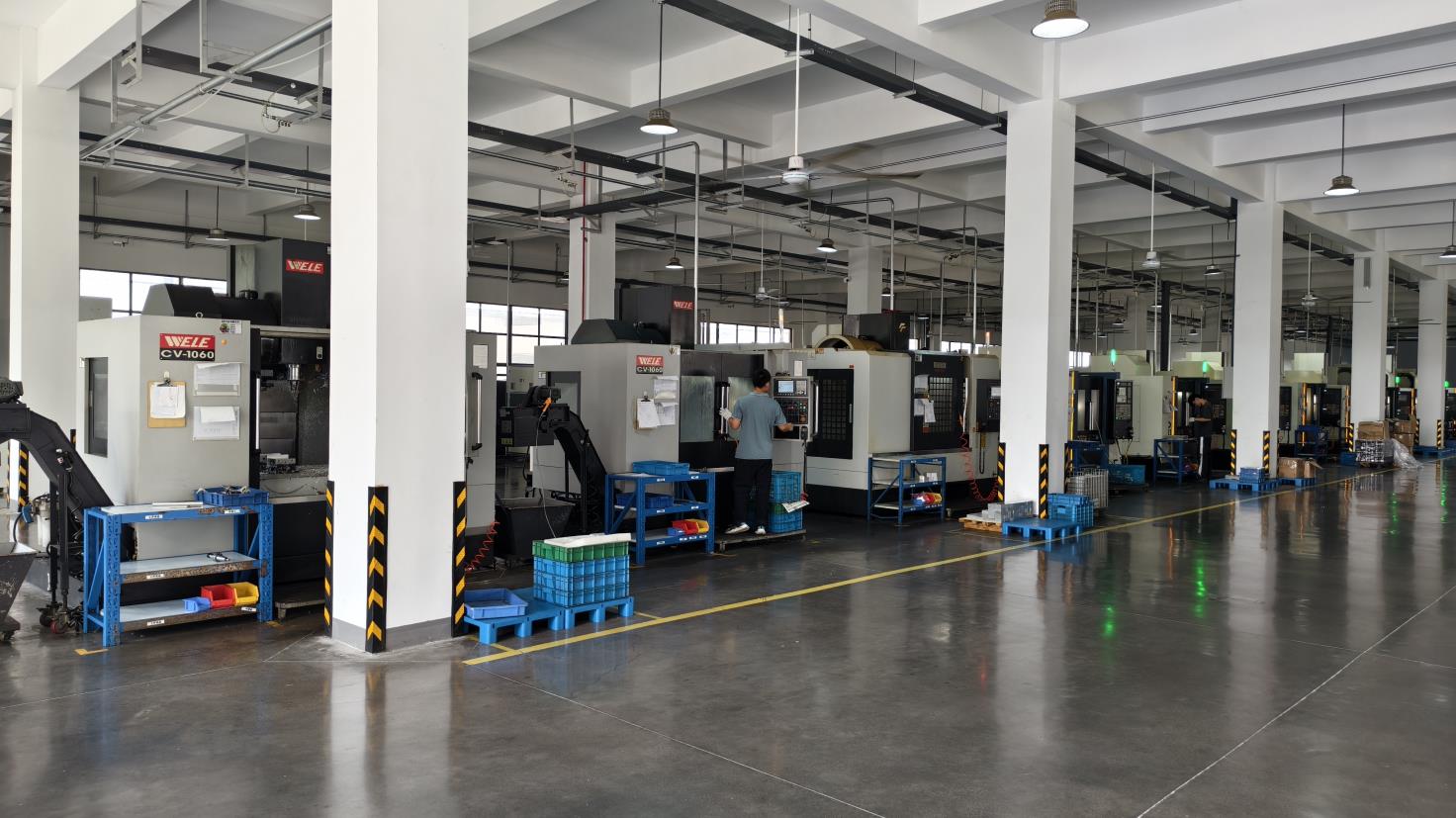
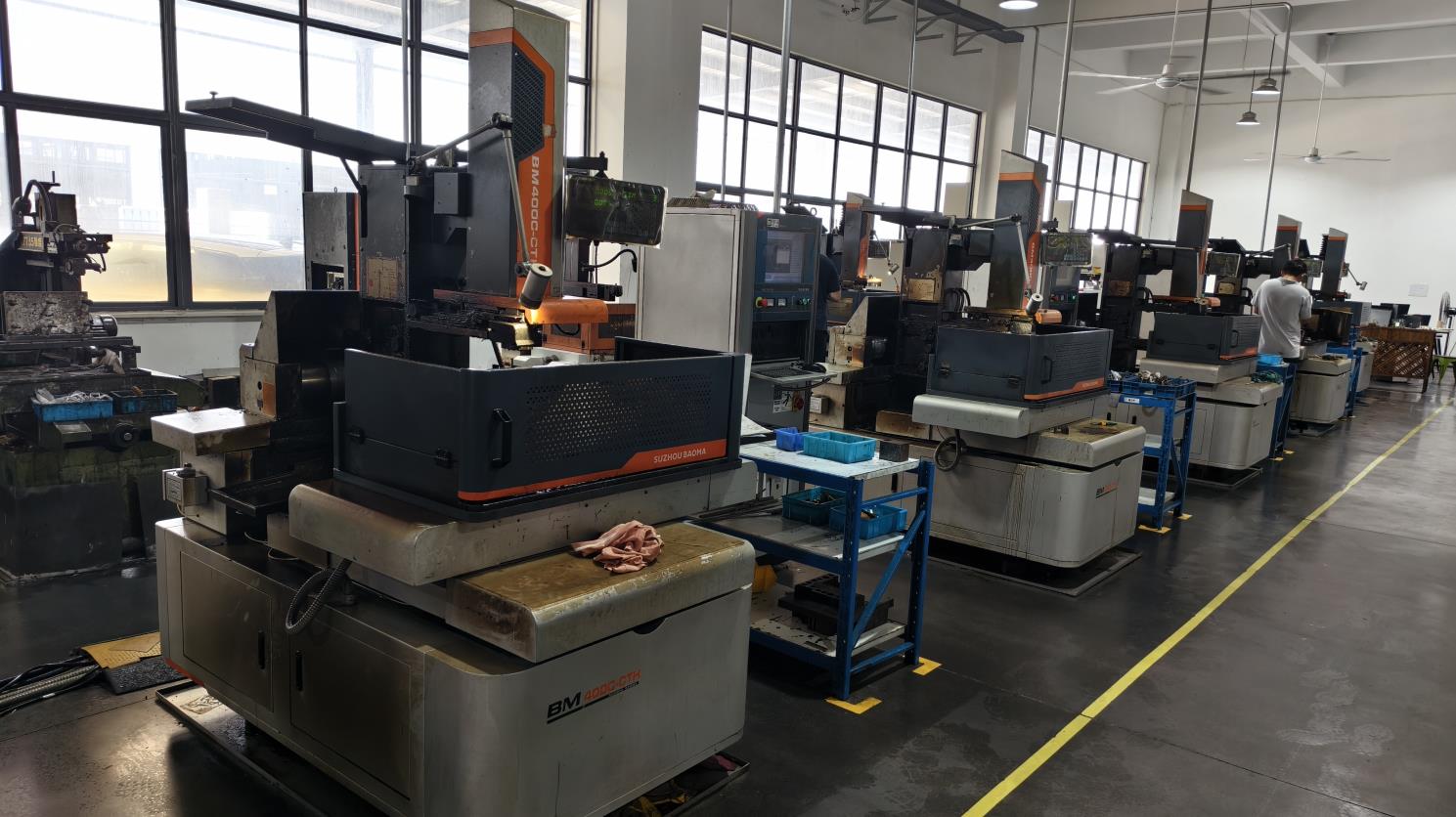
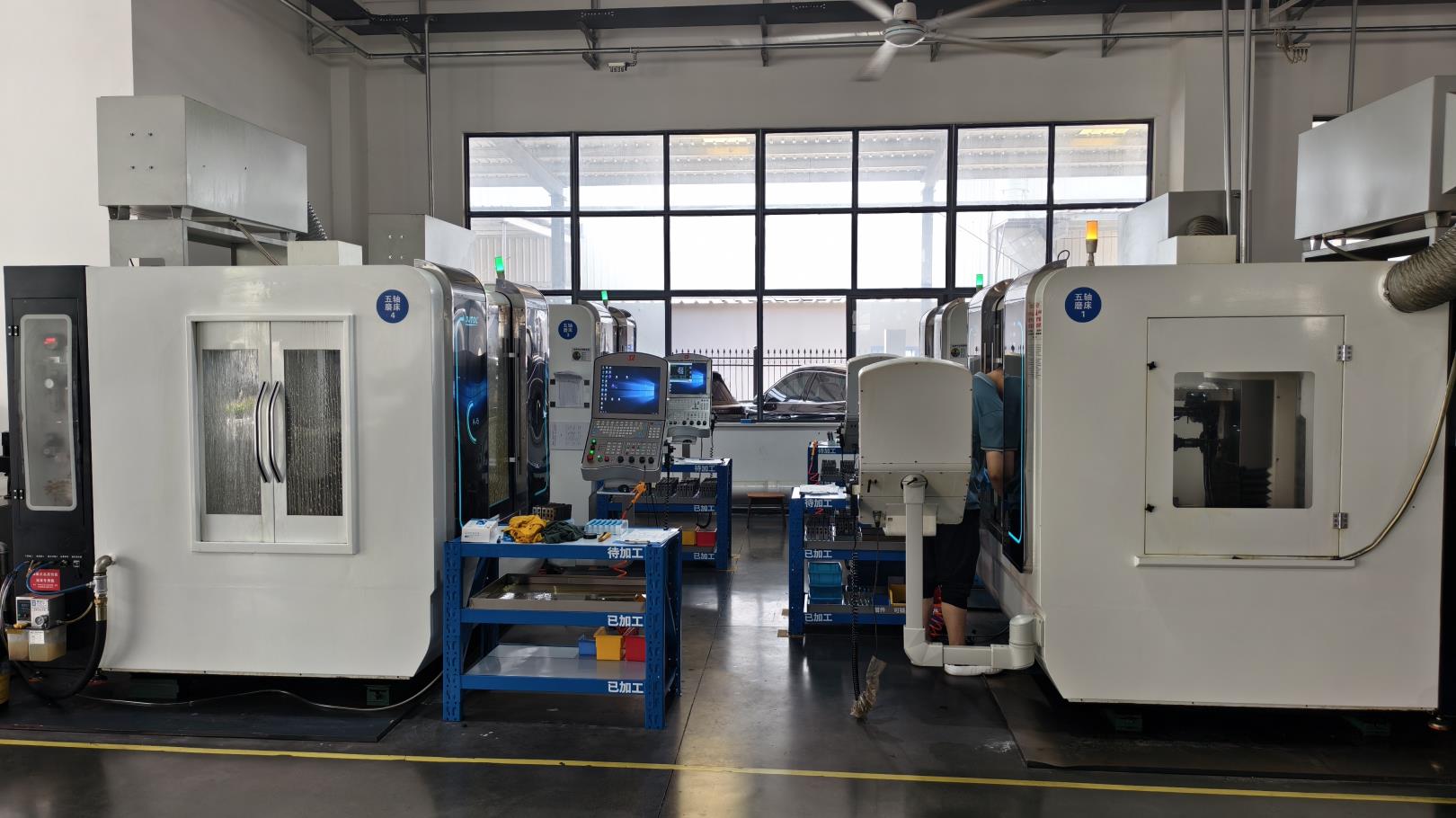
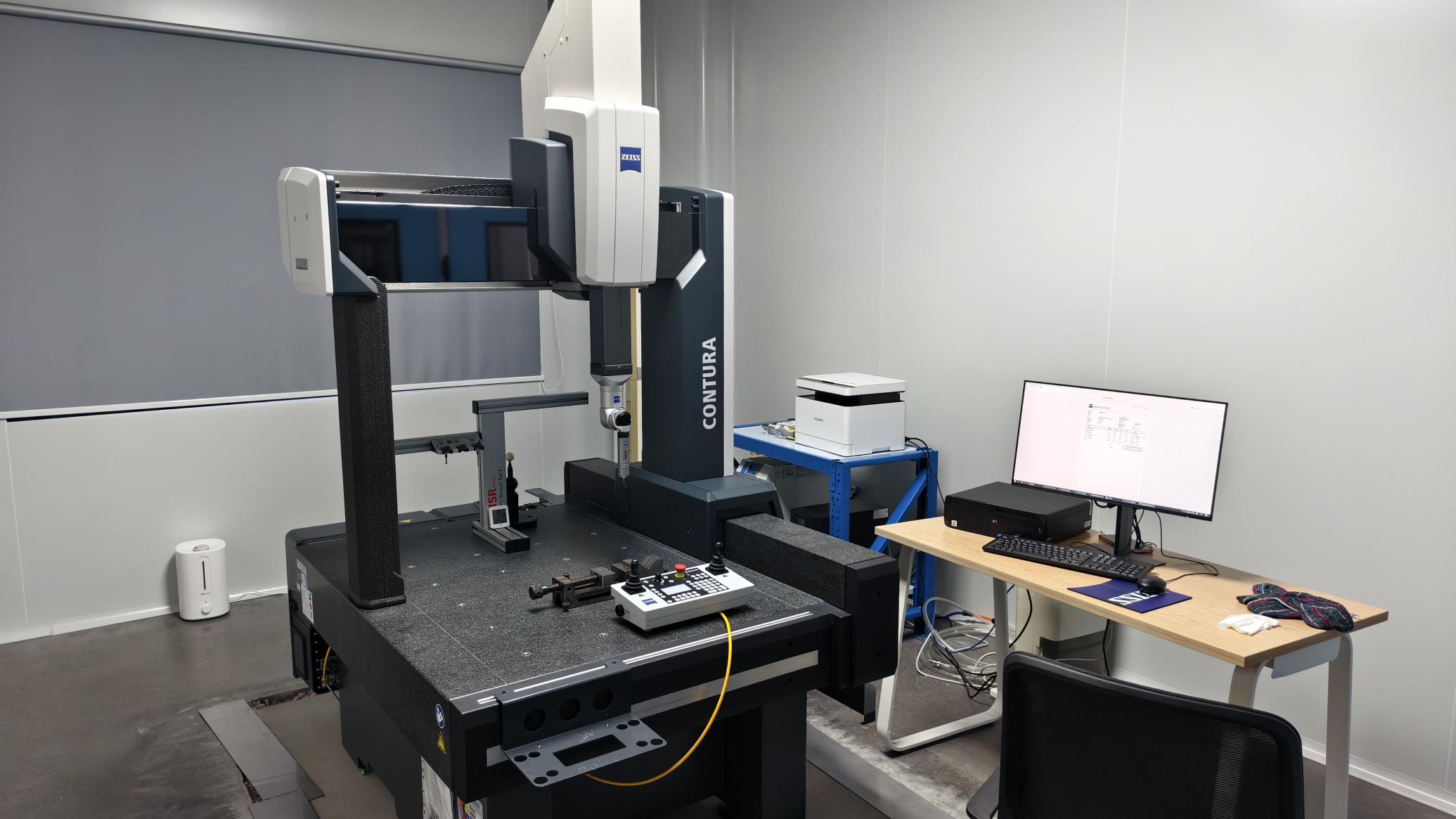
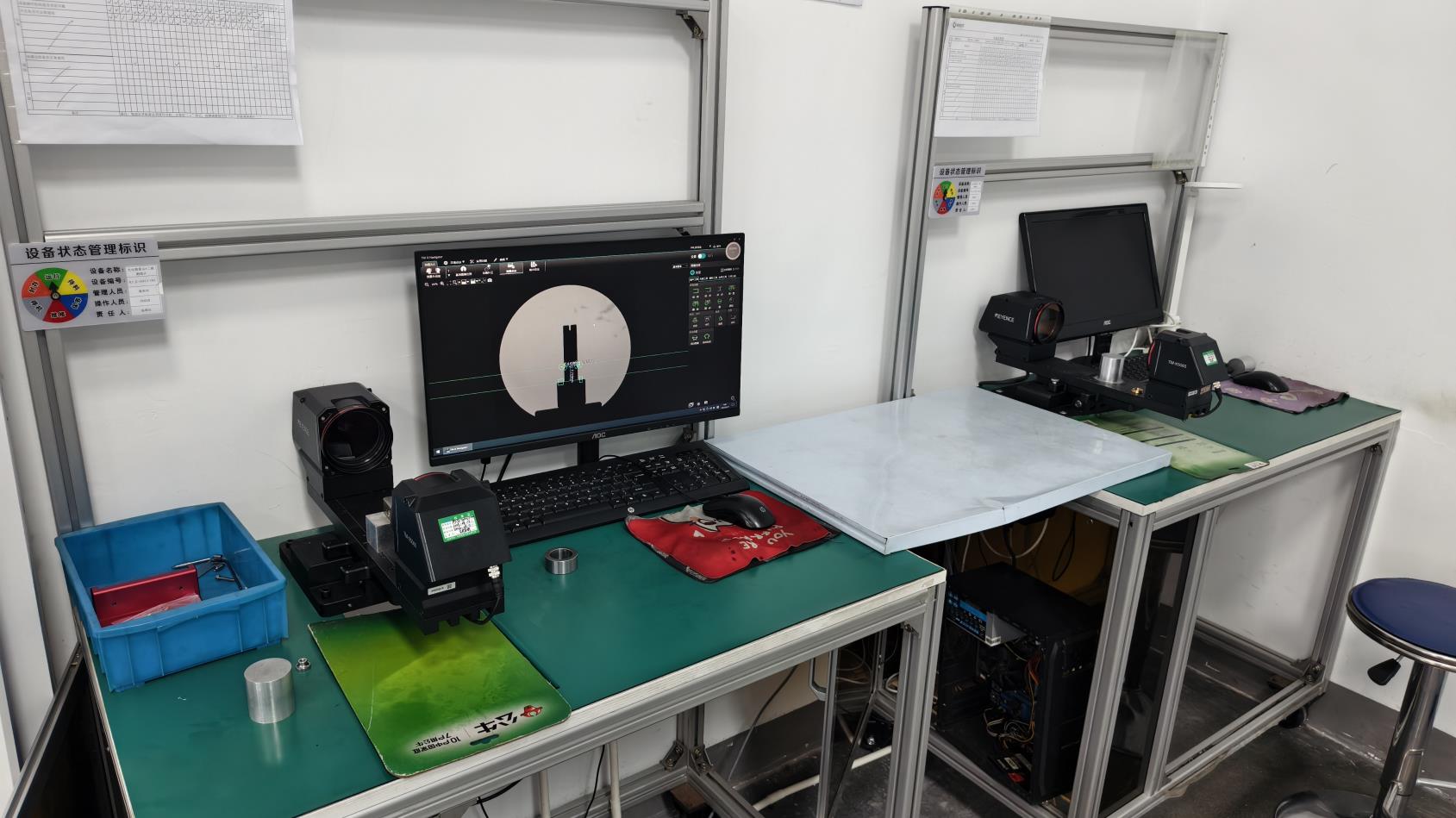
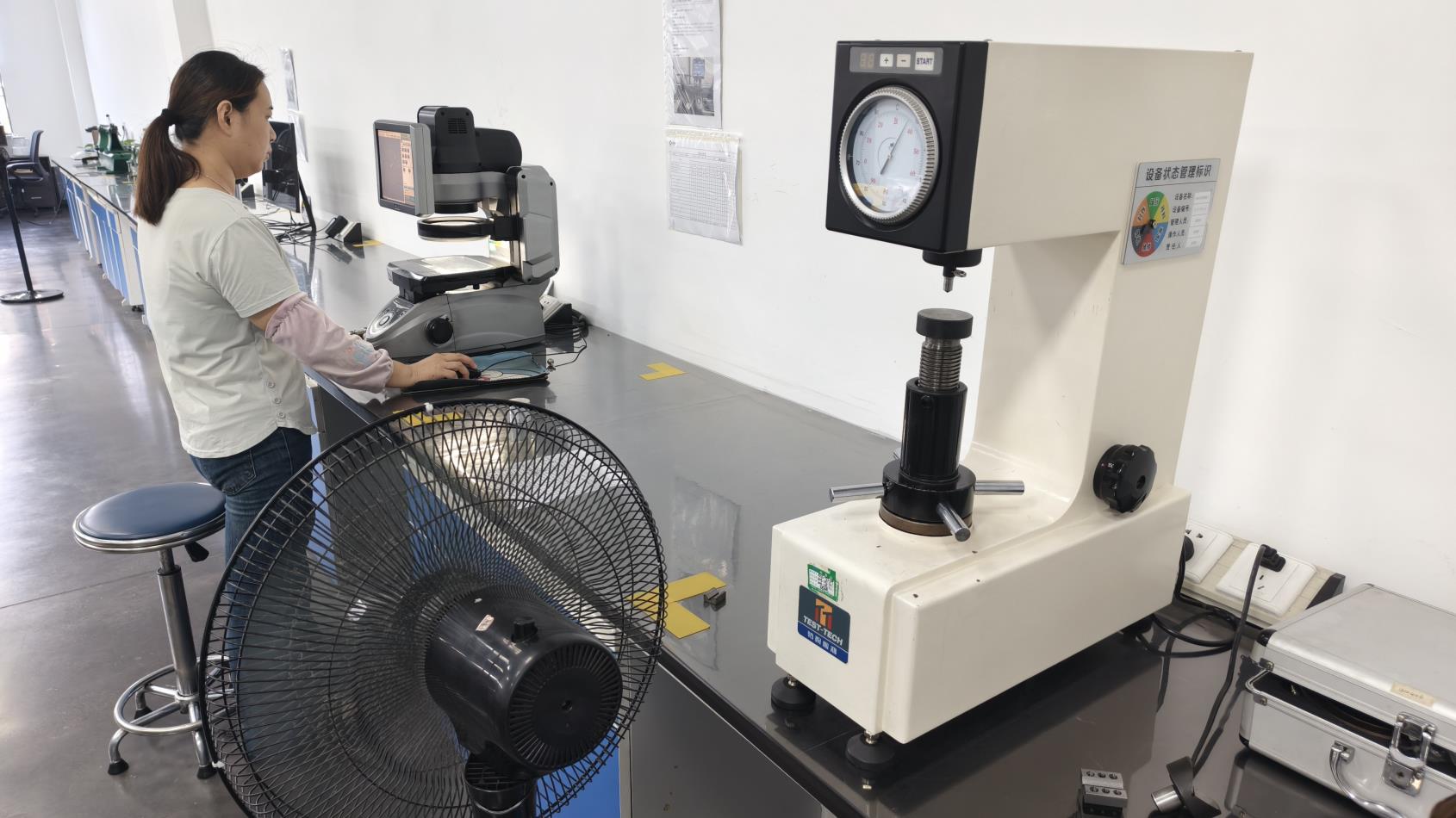
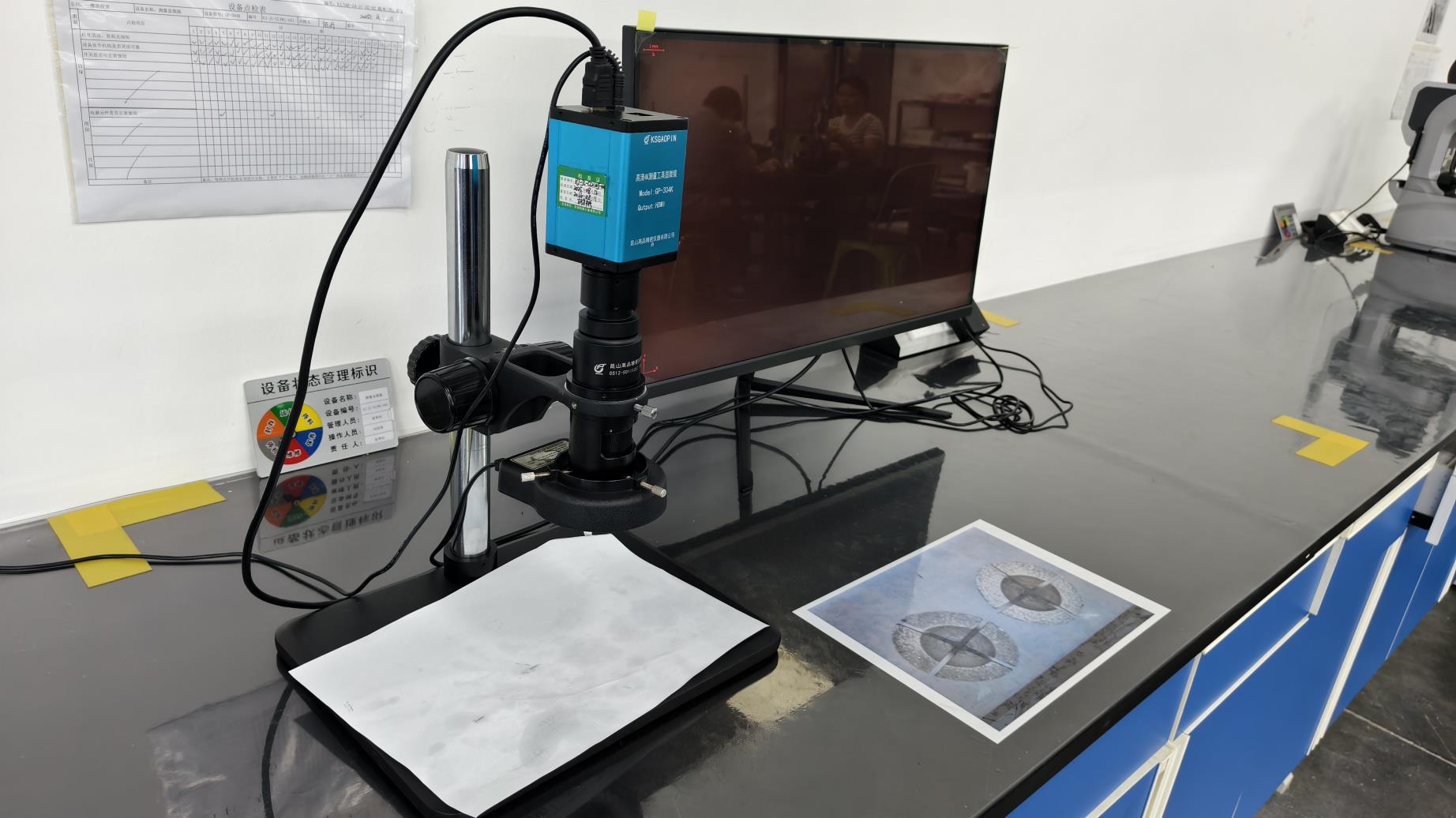
Our commitment to the ISO 13485 framework guarantees that every step of production is documented. We execute a comprehensive quality control cycle: incoming raw materials undergo spectral analysis to verify medical-grade composition; CNC machining delivers dimensional tolerances within ±0.01mm; post-machining passivation processes remove free iron from surfaces to optimize rust resistance; and final visual and weight verification is completed by our 3 full-time internal inspectors. This standard guarantees that every orthopedic mallet shipped meets the requirements of demanding surgical environments.
How our surgical instruments are deployed in specific medical environments around the world.
In human orthopedics, precision bone mallets are vital for driving osteotomes during bone resection, reshaping bone structures, and impacting implants in joint arthroplasty (hip, knee, shoulder). Weight stability and minimal vibration protect surrounding delicate soft tissue, speeding up surgical procedures and improving patient outcomes.
Veterinary bone surgeries—especially in pet clinics and equine veterinary facilities—demand specialized tool sizes. We supply micro-mallets (weighing 100g-200g) for small animal fracture fixations, as well as heavy-duty orthopedic hammers for large animal surgery. This ensures veterinarians can perform trauma treatment safely and reliably.
For multinational medical device brands, we provide full ODM development workflows. From CAD blueprints, material validation, prototype testing, to final laser-marked product packaging, we can custom-manufacture tools according to your targeted surgical protocol demands, ensuring compliance with local import regulations.
The next generation of surgical striking instrumentation, integrating smart diagnostics and modern metallurgy.
As digital health technologies redefine modern surgery, even standard mechanical instruments like orthopedic hammers are evolving. Over the next five years, the industry expects changes in three key development trends:
Providing clear answers to technical, manufacturing, and international trade inquiries.
A comprehensive selection of instruments designed for professional clinics, surgical centers, and veterinary facilities.