SENJIE Healthy & Technology
SENJIE Healthy & Technology
SENJIE Healthy & Technology
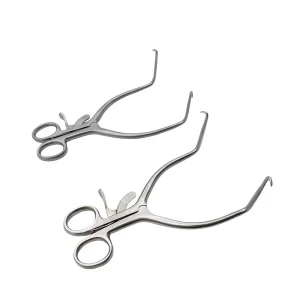
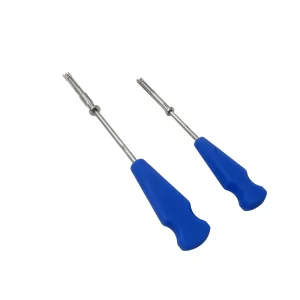
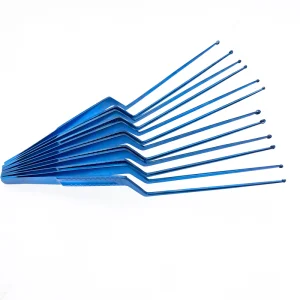
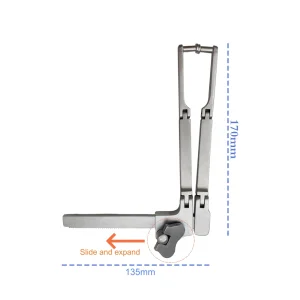
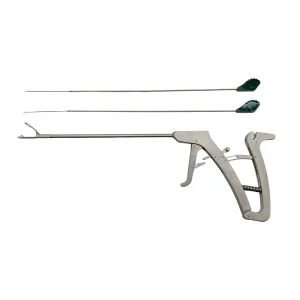
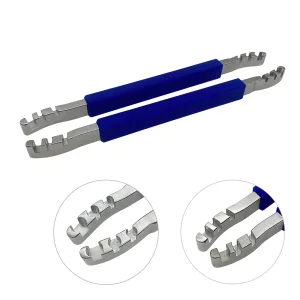
In modern operating rooms and veterinary clinical centers worldwide, surgical gripping tools represent the physical interface between the surgeon's skill and patient outcomes. From micro-tumor extracting forceps designed for delicate neurosurgical procedures to high-load orthopedics bone fragment benders, these instruments undergo intense mechanical stress and strict sterilization cycles. Structurally, the global demand for precision tools has expanded, fueled by the rapid growth of veterinary orthopedics, a rising volume of joint reconstructions, and a clinical preference for minimally invasive surgery (MIS).
Currently, international healthcare procurement departments face a dual pressure: maintaining strict alignment with regulatory compliance standards (such as ISO 13485 and material biocompatibility specifications) while optimizing procurement cost structures. Historically, premium surgical instruments were dominated by European brands. However, advancements in metallurgy, CNC machining, and quality assurance workflows have positioned elite Chinese manufacturers as pivotal suppliers to global distributors, medical brands, and animal healthcare facilities.
Modern clinical practices rely on instruments designed for minimal exposure pathways, requiring high tensile strength in micro-scale dimensions.
Utilizing high-grade surgical titanium and passivated stainless steel alloys to guarantee absolute tissue compatibility and anti-corrosive properties.
Rising surgical volumes in pet orthopedics have intensified the requirement for high-durability, sterilizable surgical tool kits worldwide.
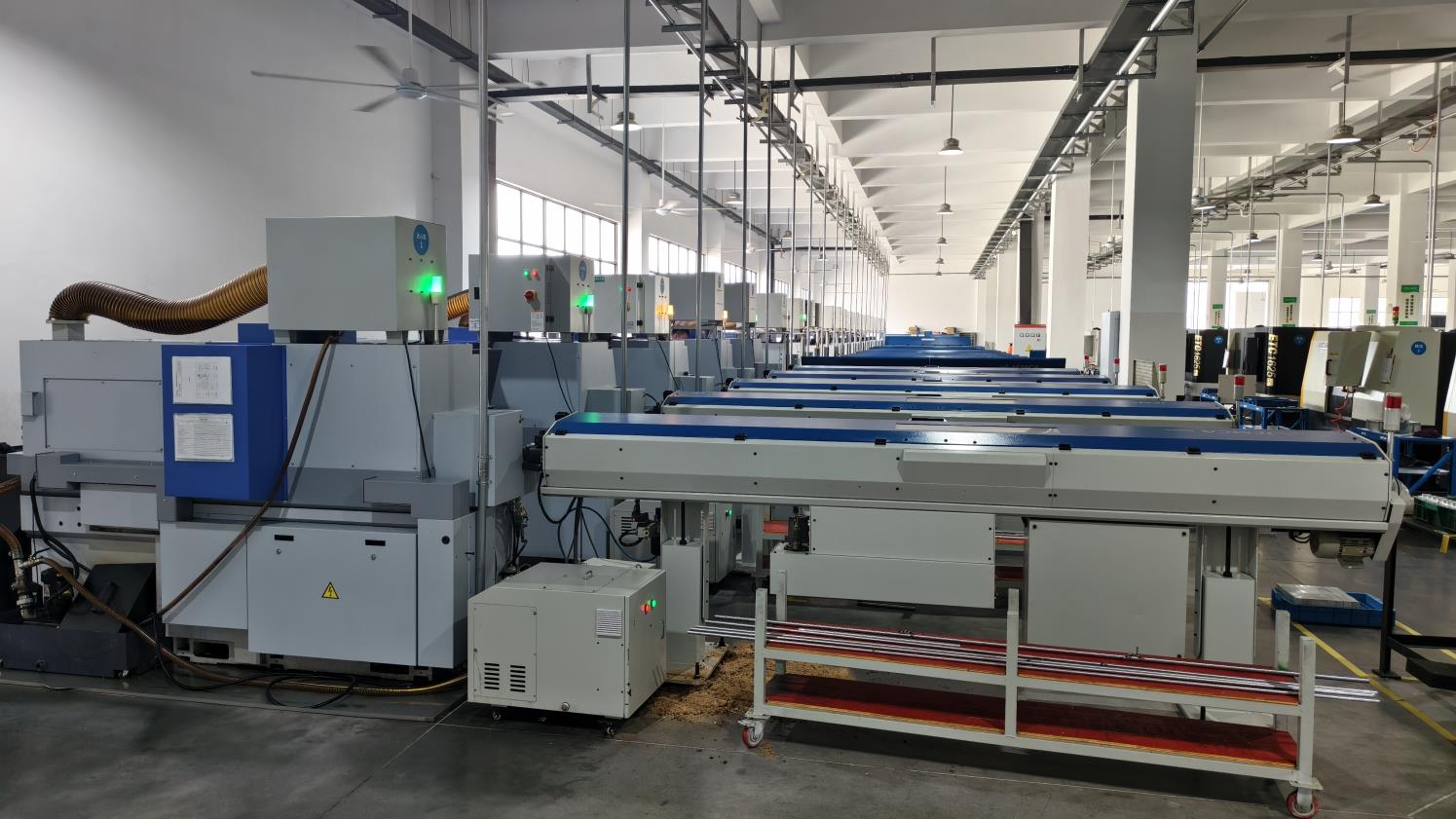
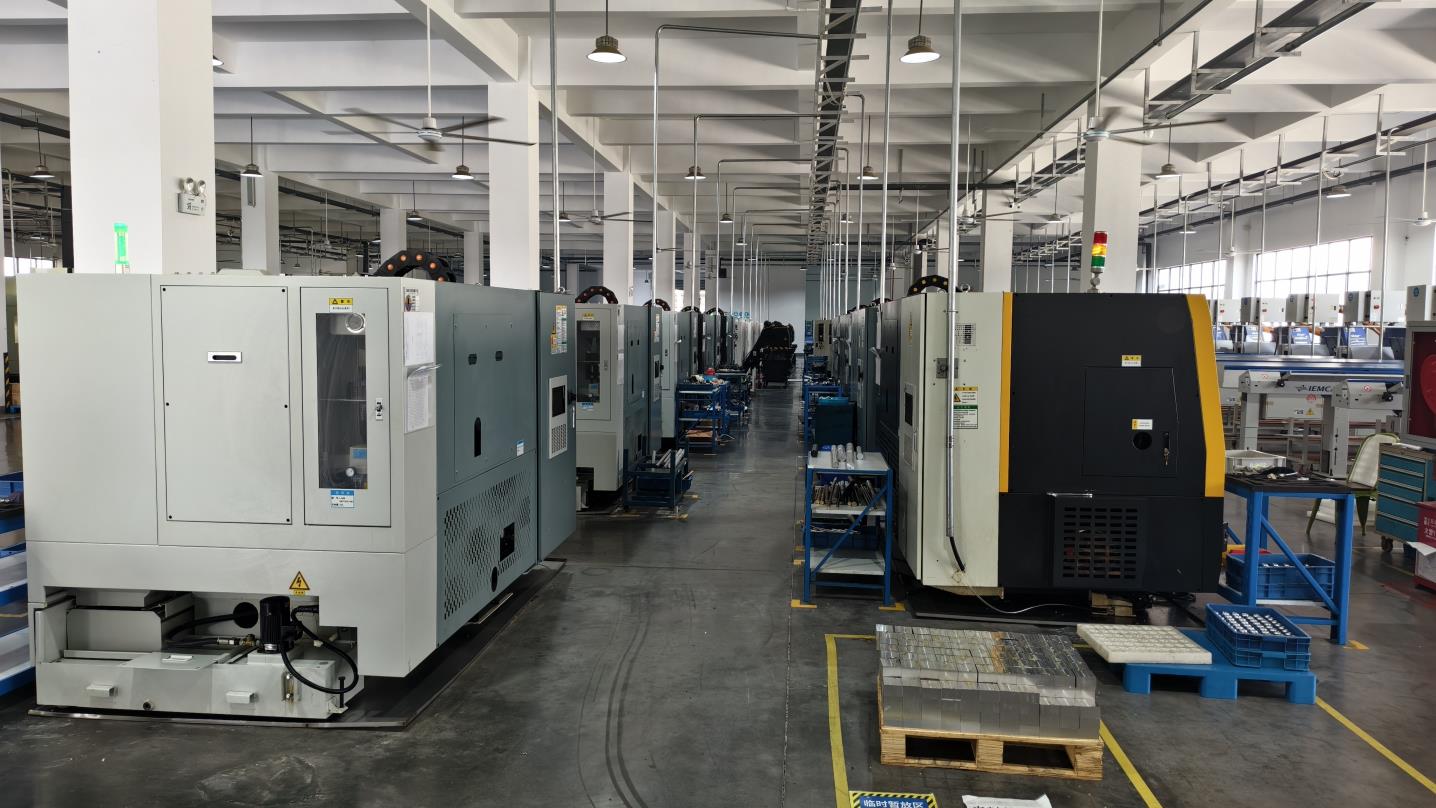
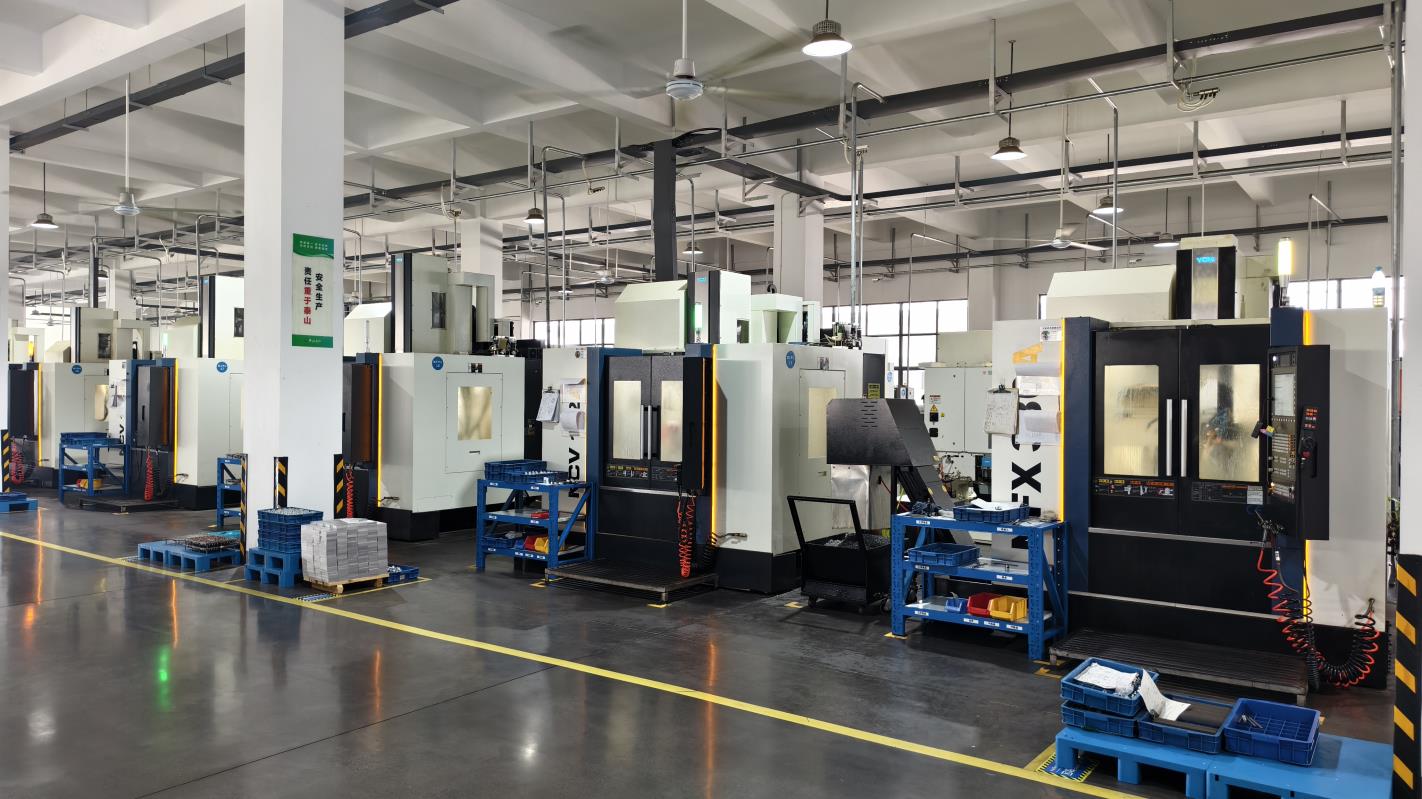
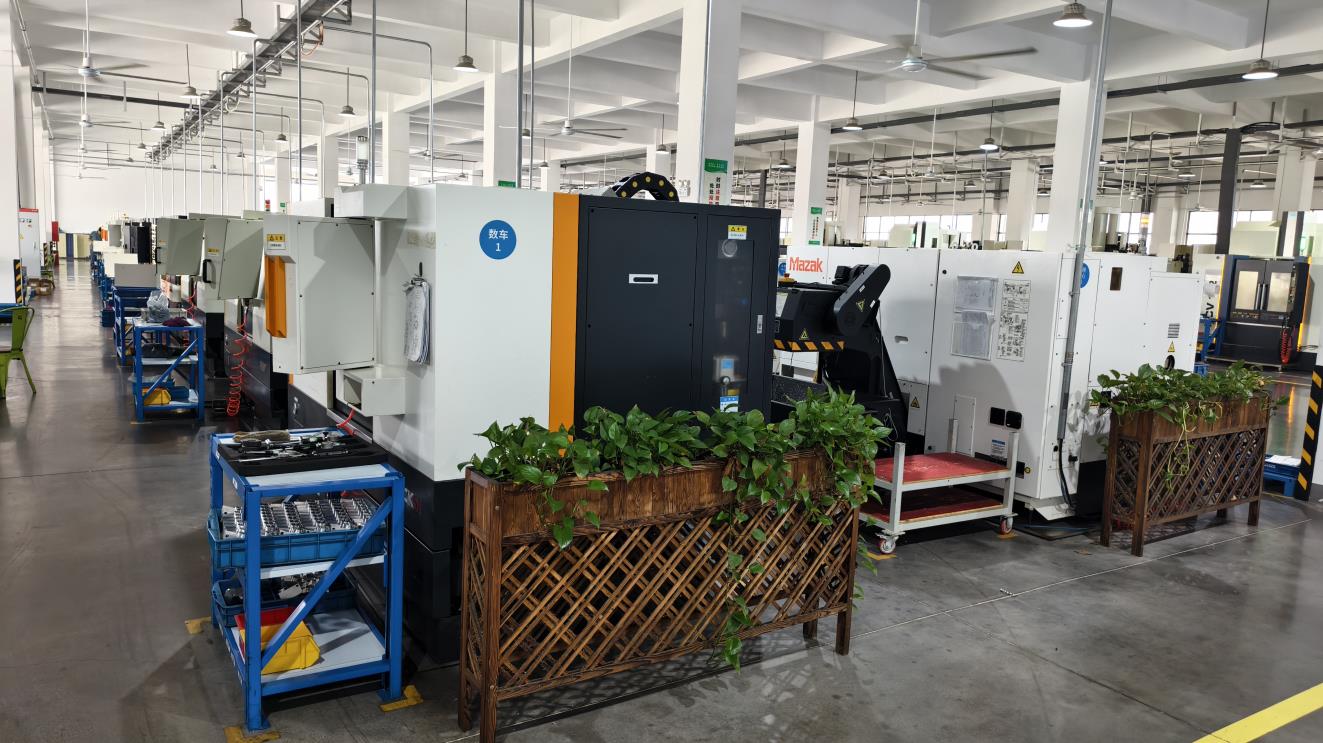
The reputation of China's medical device manufacturing sector has evolved from basic assembly to precision engineering. Chinese factories leverage specialized industrial clusters, enabling seamless integration of raw material verification, specialized heat treatments, multi-axis CNC milling, and surface finishing within localized hubs. This level of supply chain density drastically lowers transit times and production overheads.
For international OEM clients, this efficiency translates into rapid custom prototyping capabilities and consistent quality. By combining advanced manufacturing machinery with rigorous testing processes, Chinese suppliers offer competitive price-to-performance ratios. They deliver surgical-grade titanium micro-forceps, self-retaining retractors, and orthopedic distraction tools that match European and American performance metrics at a lower overall cost of ownership.
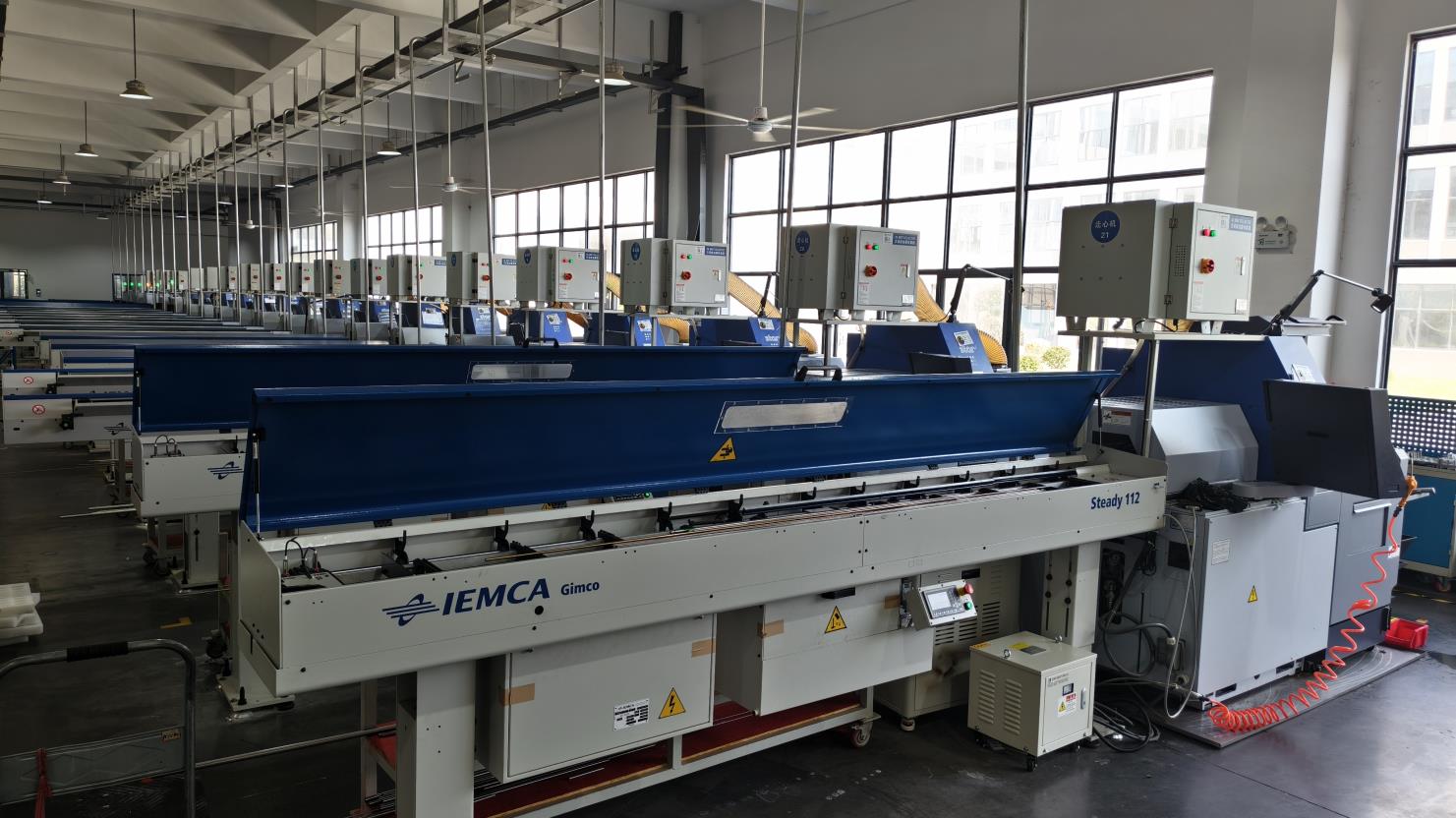
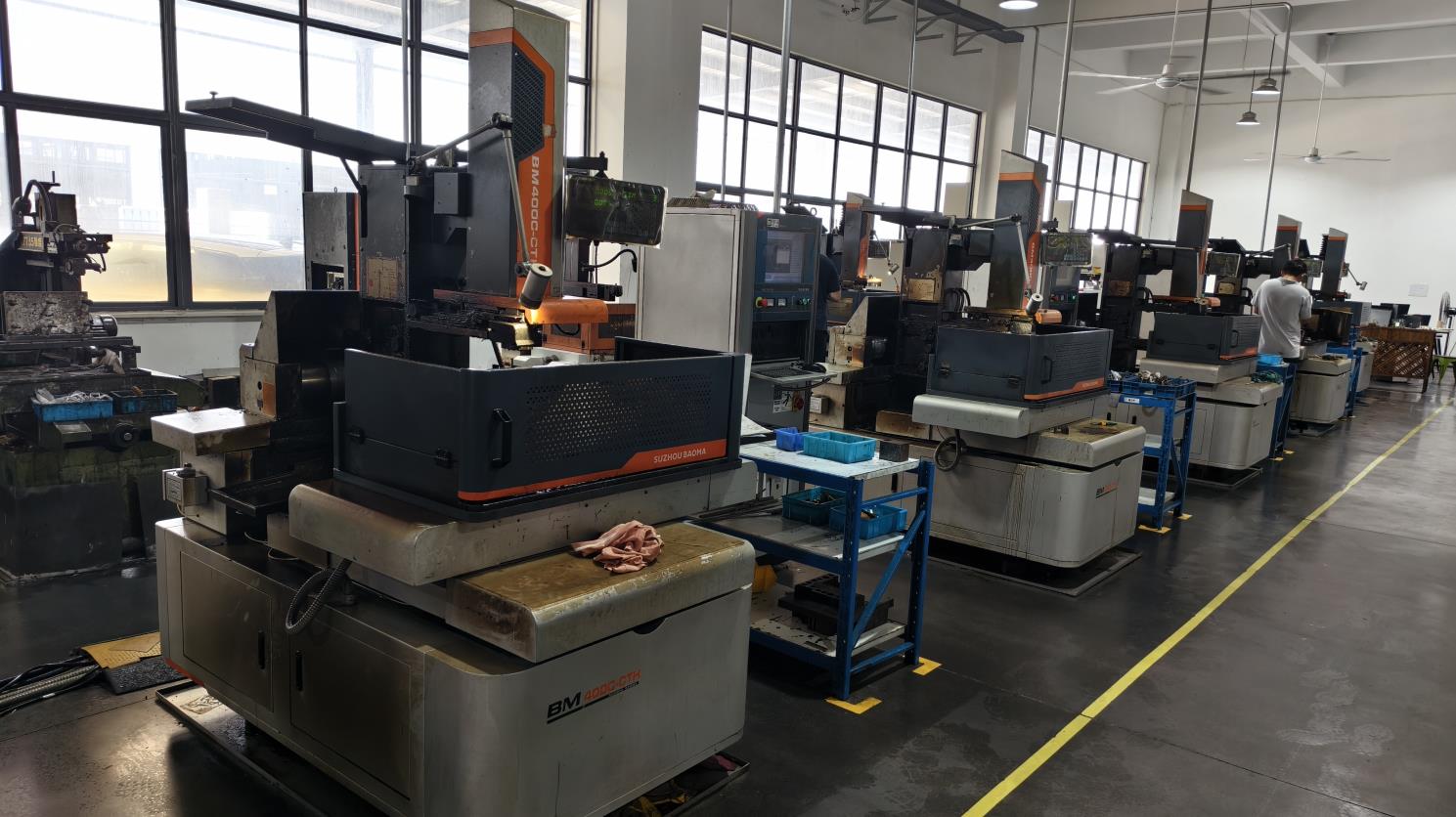
Advanced digital modeling and EDM (Electrical Discharge Machining) allow our factories to transition from customer blueprints to functional, sterile metal samples within shortened turnaround cycles.
Every tool undergoes ultrasonic chemical cleaning and nitric/citric acid passivation. This creates a highly stable, corrosion-resistant oxide layer capable of withstanding hundreds of autoclave sterilization cycles.
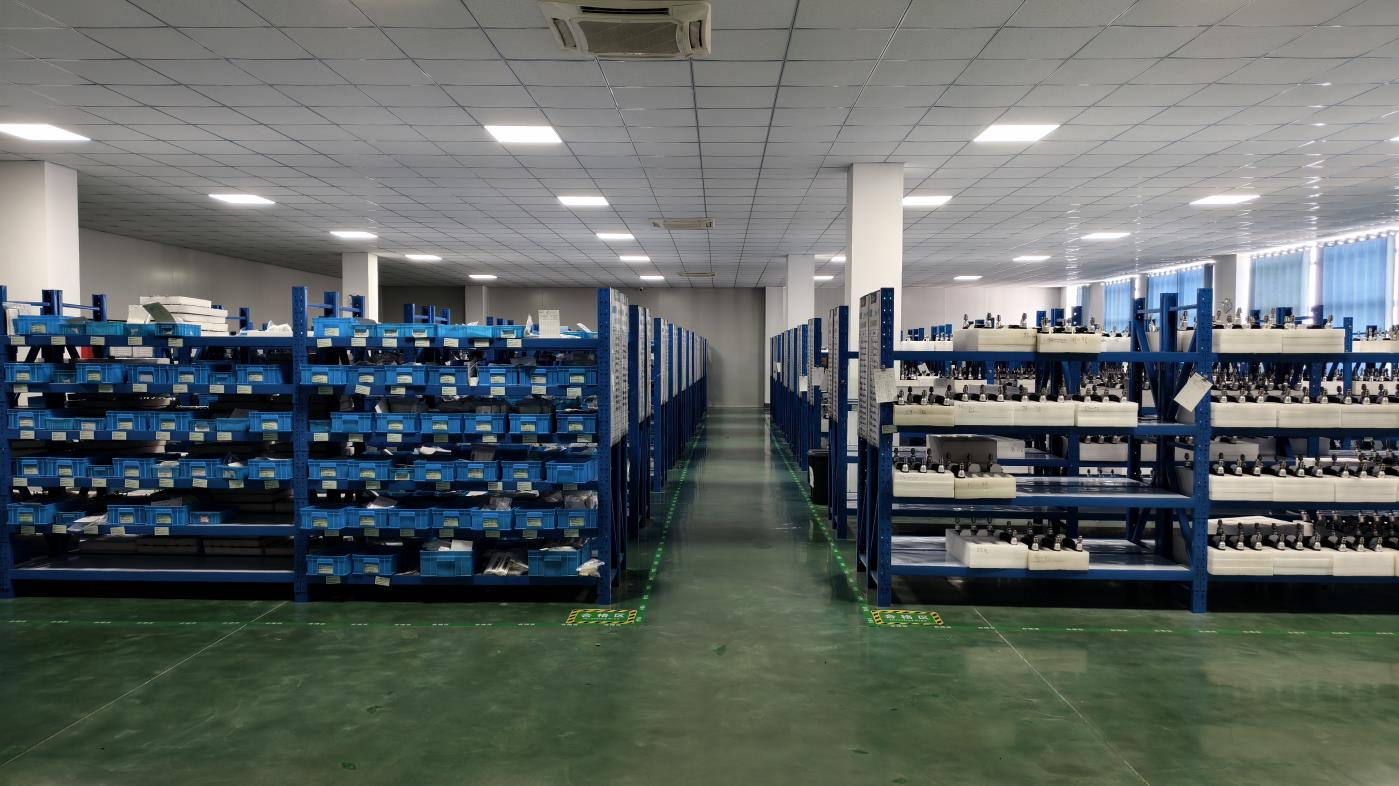
Our raw materials come with complete mill test certificates. We map mechanical compliance from the steel billet phase to the finished device in the operating room.
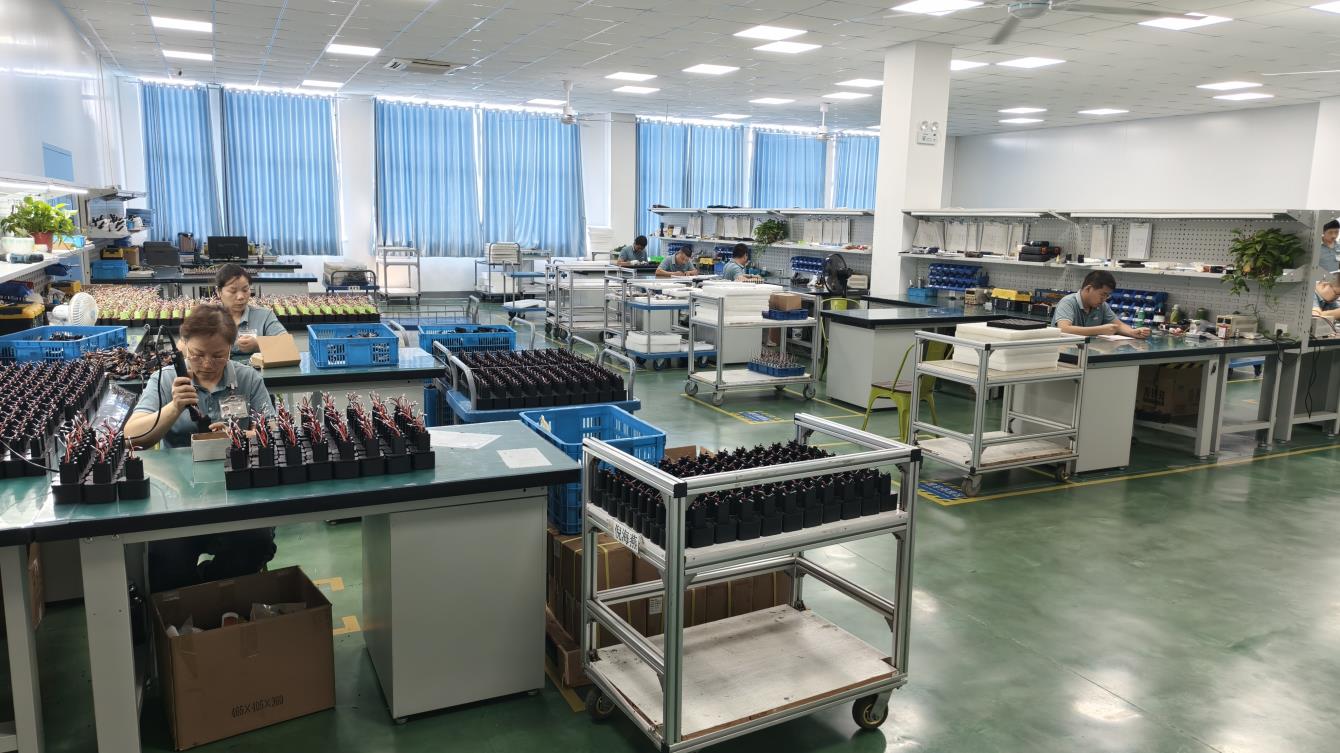
Transparency and rigorous compliance form the core of our business relationship with medical device distributors and sourcing managers. Below is the verified structural breakdown of our manufacturing organization, confirming our capabilities as a long-term supply chain partner for clinical and veterinary sectors.
Our export network spans critical international healthcare regions: North America (25%), South America (25%), Southeast Asia (15%), and other developing medical markets.
We feature full raw material traceability and accommodate a variety of check options, including random inspections and client-specified testing protocols.
Our engineering division supports custom medical equipment development, including sample-based adjustments, graphic-based blueprints processing, and customized ODM services.
We supply a diverse client portfolio, including premium brand owners, retail distributors, wholesale medical product companies, and private surgical practices.
Surgical gripping tools and retractors are engineered for specialized biomechanical roles. Selecting the right tool configuration depends on the anatomical structure and the target clinical procedure.
Instruments like titanium micro-tumor extracting forceps require lightweight handling and precise jaw alignments. Titanium alloys reduce user fatigue during long procedures, and ring-shaped gripping heads protect sensitive neural pathways from pressure spikes.
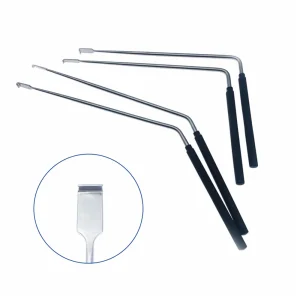
For spinal surgeries, our cervical distractor sets and postcranial self-retaining retractors hold soft tissue and bones securely in place. Bone plate benders allow surgical teams to reshape titanium plates to match the patient's skeletal structure in real time.
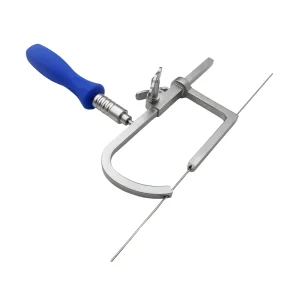
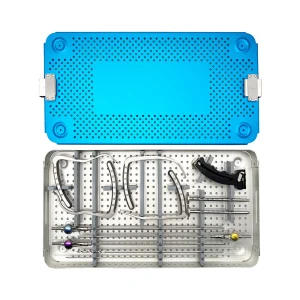
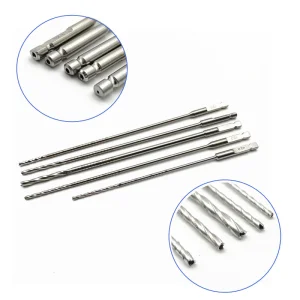
Animal surgery presents varied anatomy and scale challenges. Our veterinary instruments, such as knee joint distraction forceps and compression screw kits, are built for robust performance. They withstand the high mechanical loads encountered in canine and feline orthopedic procedures.
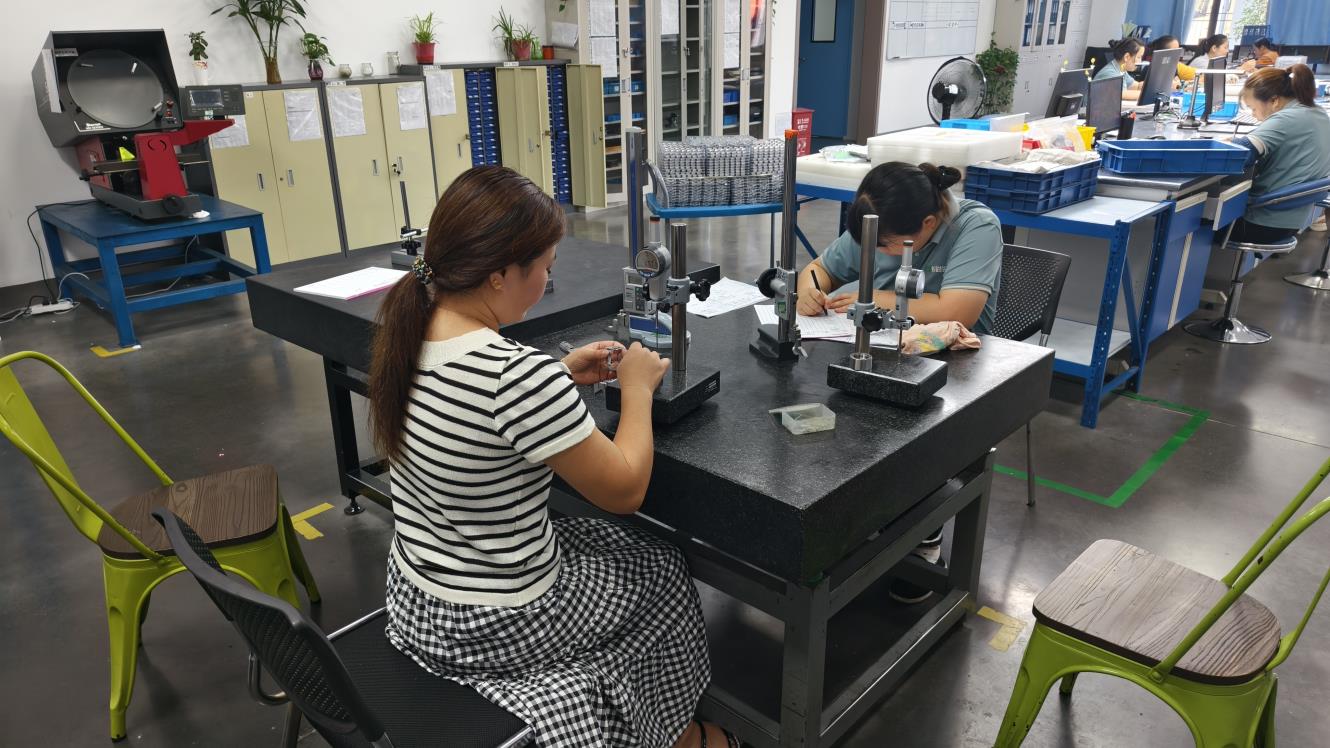
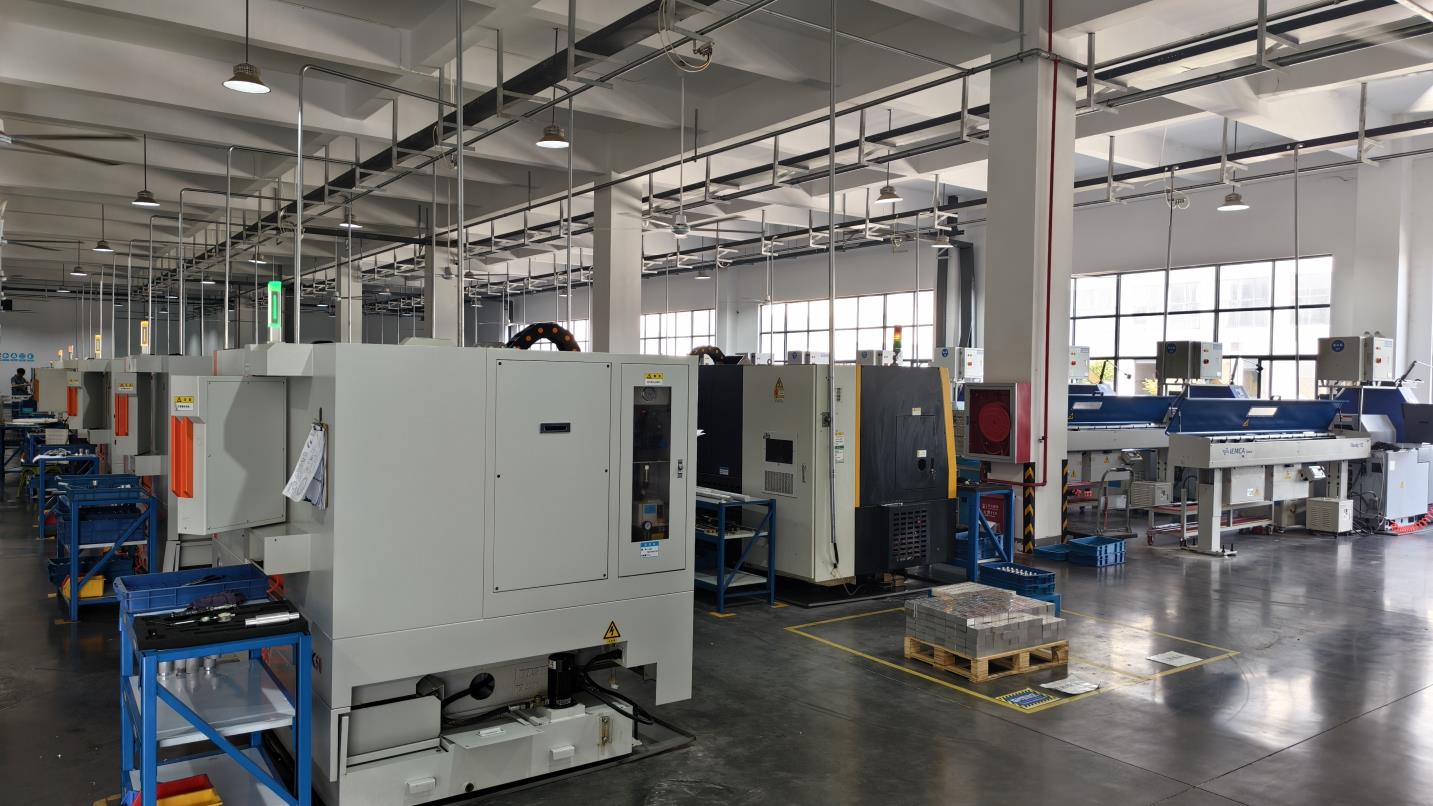
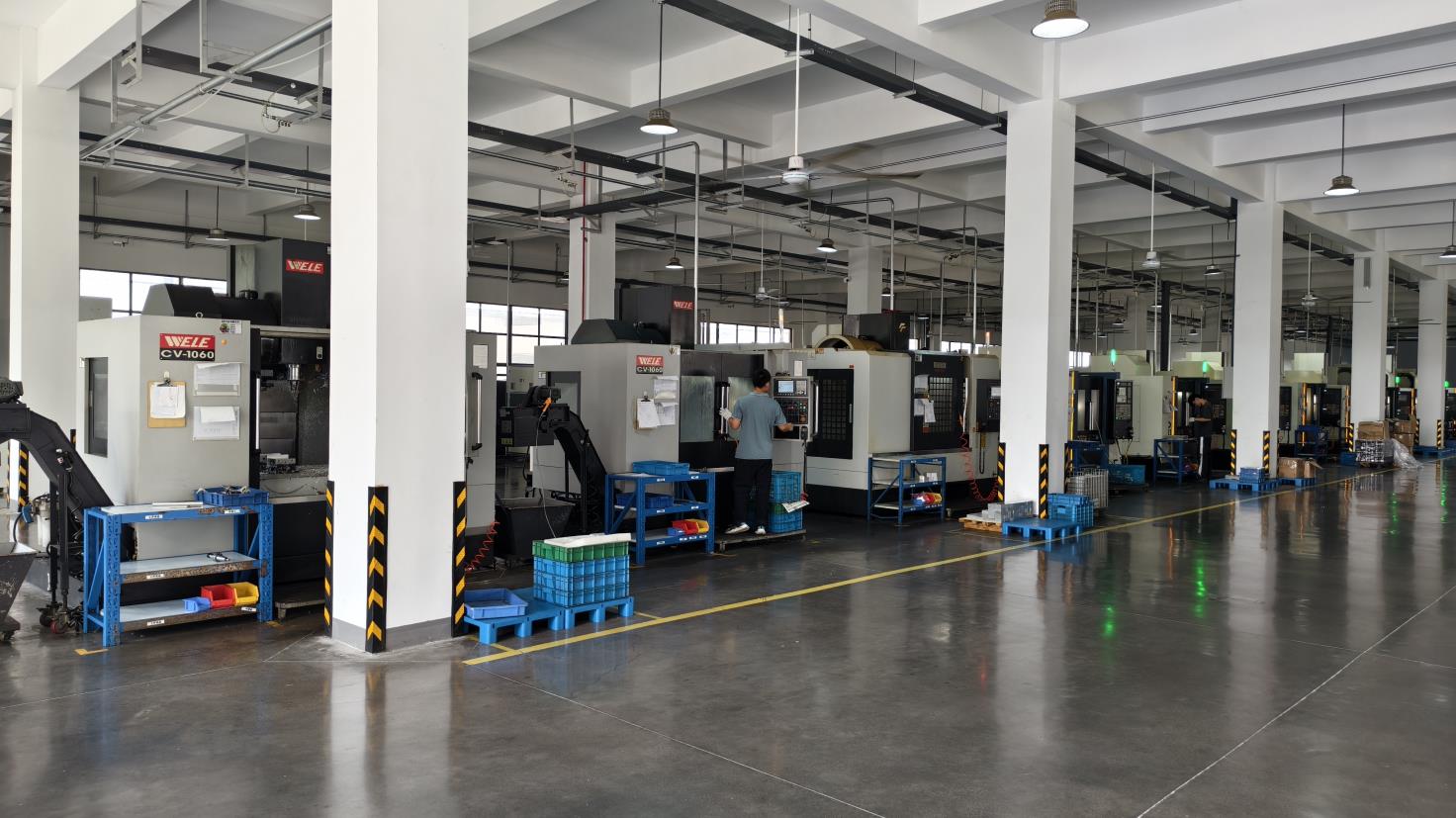
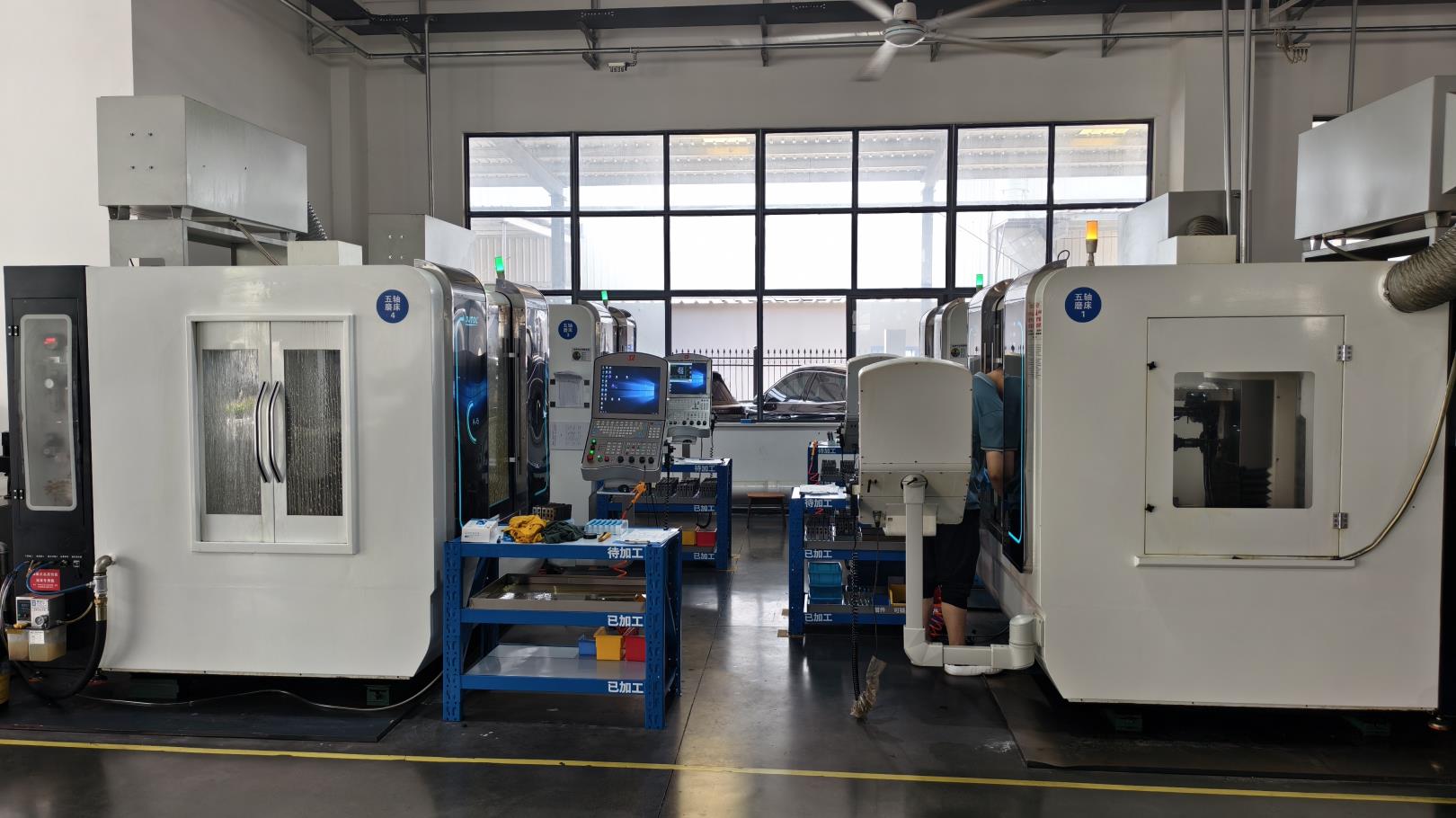
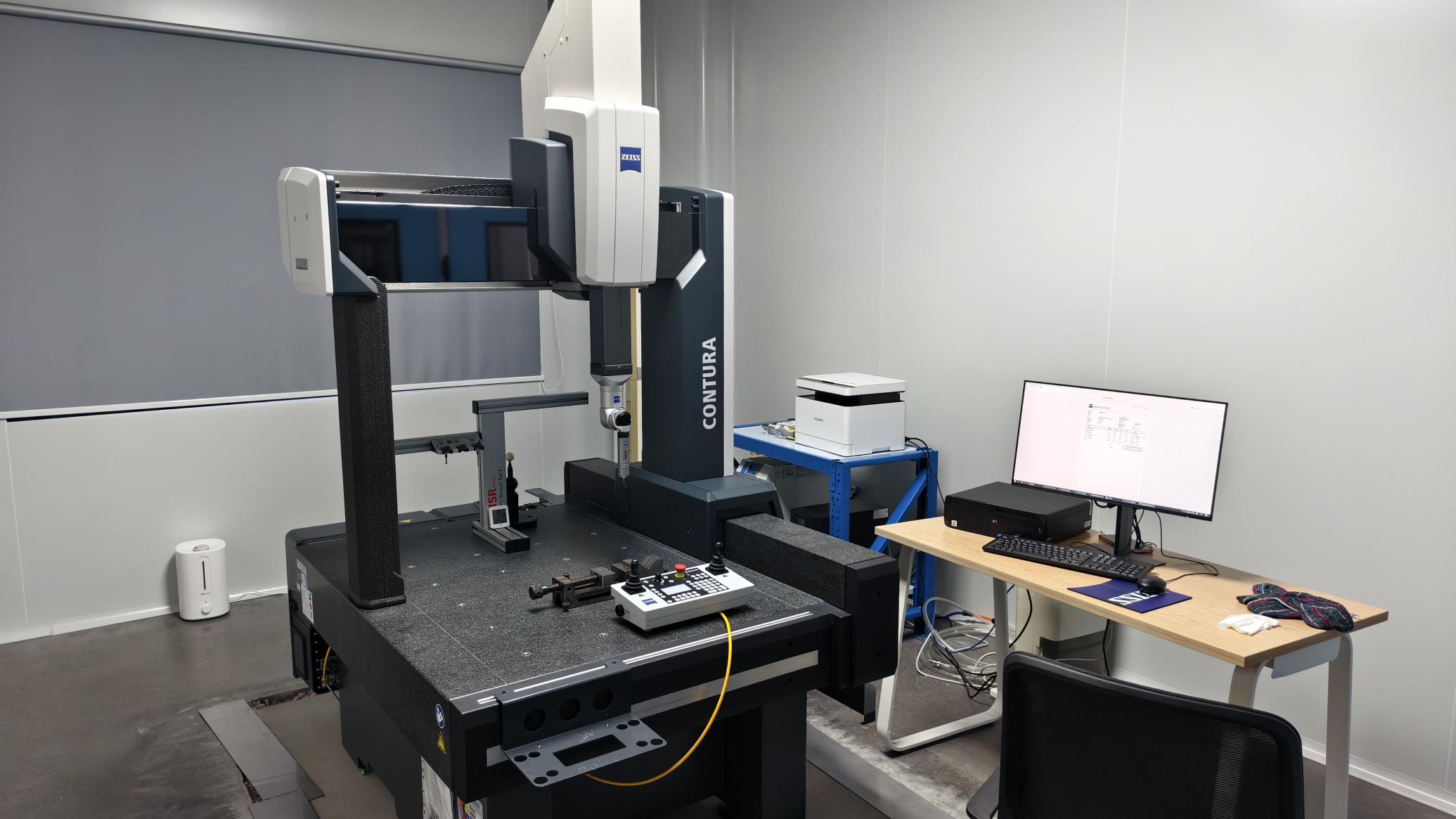
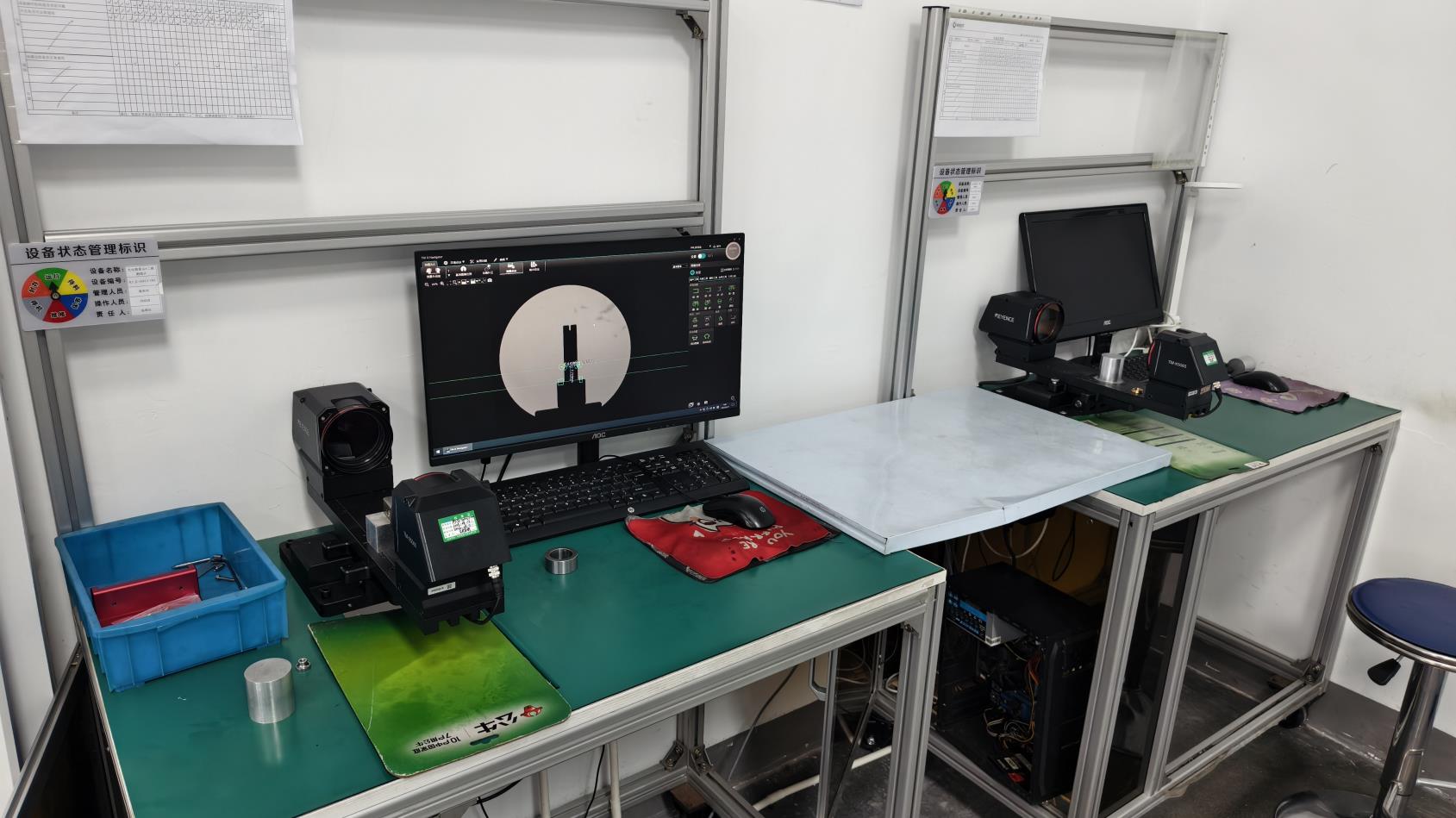
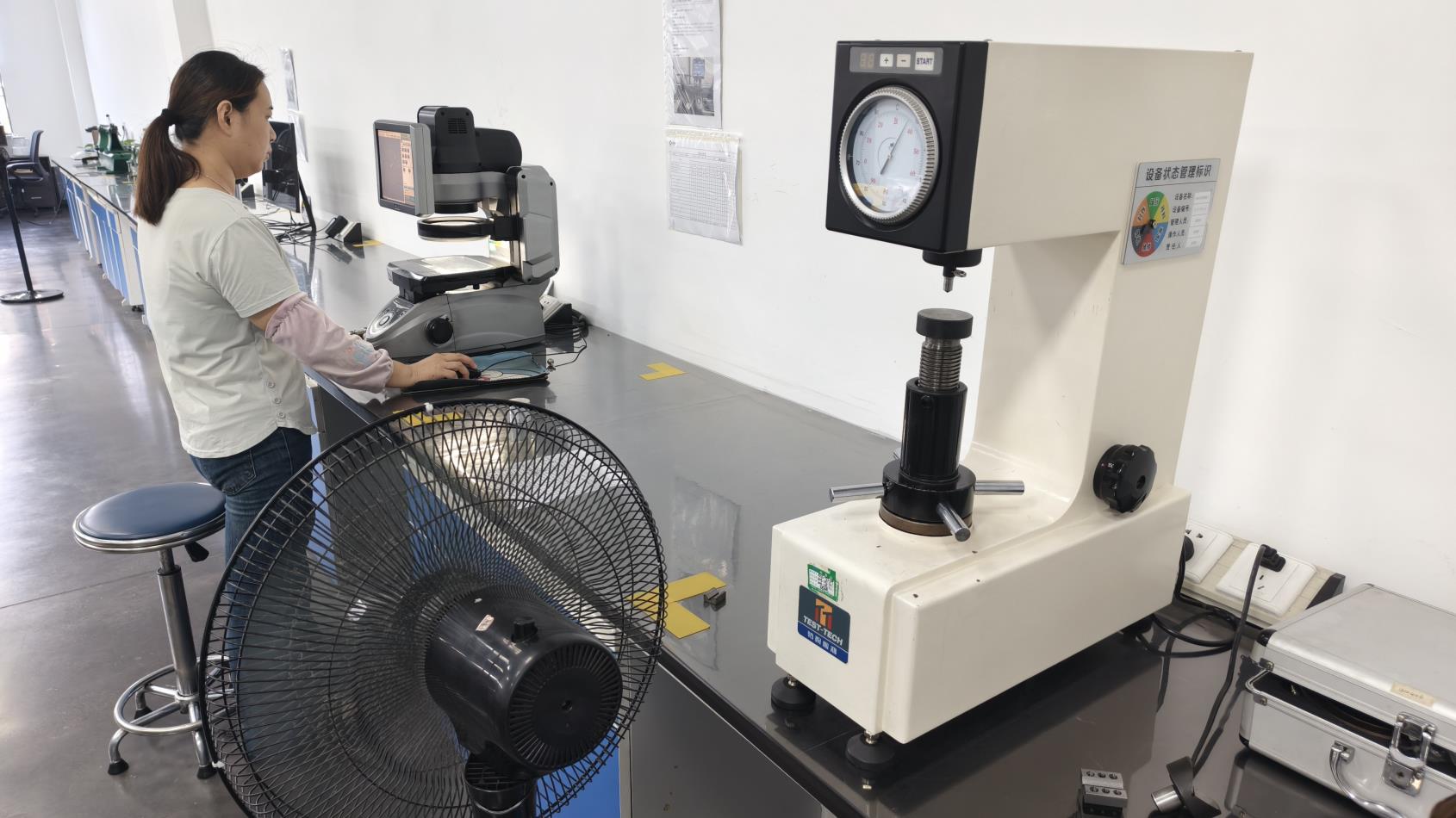
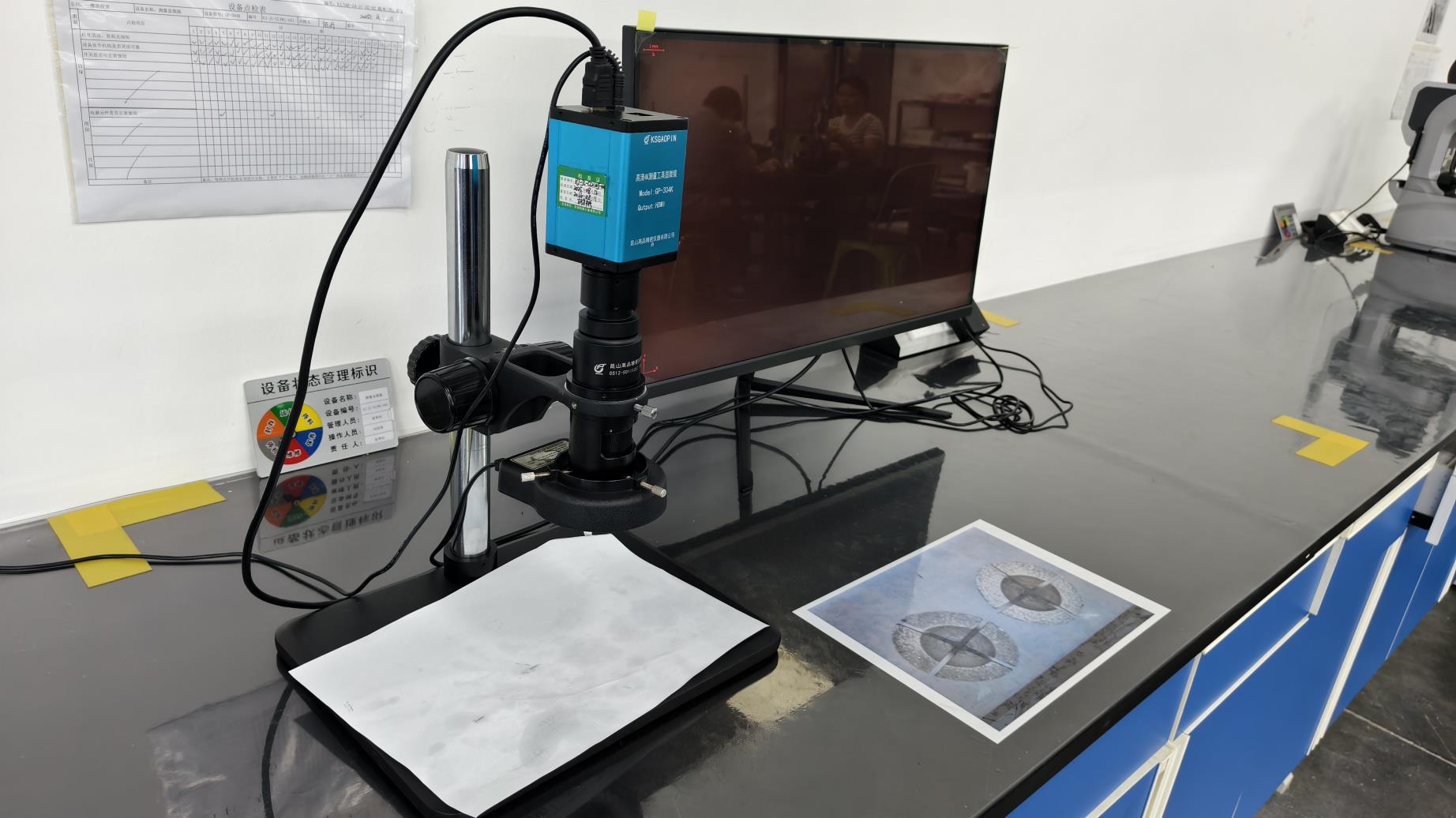
An inside look at our manufacturing facility, engineering processes, packaging standards, and raw material warehousing operations.

Importing medical and veterinary instruments requires strict attention to regulatory compliance and safety standards. To help procurement teams manage risks, we recommend using this structured quality assurance framework:
Require suppliers to present official Mill Test Reports (MTRs) and Chemical Analysis sheets. Ensure raw materials meet strict ASTM standards (such as ASTM F138 for implant-grade stainless steel or ASTM F136 for titanium).
Verify that your surgical instruments undergo thorough passivation treatment. You can confirm the stability of the protective oxide layer by requesting copper sulfate testing or boil testing reports.
For fine tools like micro-forceps, ask for dimensional tolerance reports. Micro-scale gripping tips must align accurately to prevent sliding or uneven pressure during delicate clinical procedures.
The medical device industry is evolving through advancements in material science and robotic surgery. Sourcing departments should monitor these three trends over the next decade:
Traditional instruments are adapting to function as end-effectors for robotic surgical systems, demanding tighter manufacturing tolerances.
Matte finishes, titanium nitride (TiN) coatings, and black diamond-like carbon (DLC) layers are increasingly popular for minimizing glare under bright operating room LED systems.
Industrial 3D metal printing enables factories to produce customized, lightweight grip patterns matched to a surgeon's preferences.