SENJIE Healthy & Technology
SENJIE Healthy & Technology
SENJIE Healthy & Technology
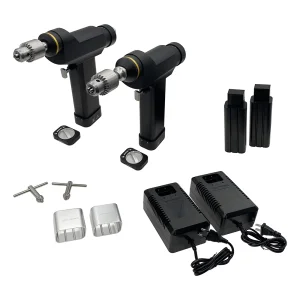
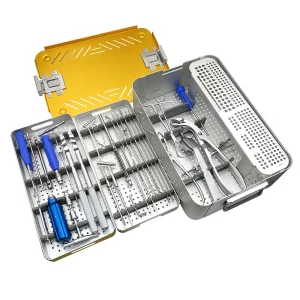
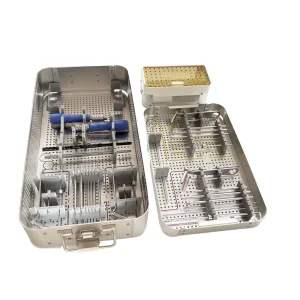
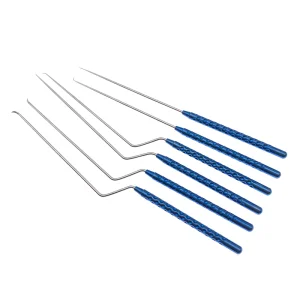
Premium surgical power instruments, reconstructive guide tools, and locking plate instrument kits manufactured under strict medical-grade QA standards.

An in-depth whitepaper on the structural design, clinical efficacy, and materials evolution of contemporary external fixation systems.
Modern orthopedic external fixation has evolved from rigid immobilization structures to dynamic, biomechanically active systems. The healing of complex open fractures and non-unions depends heavily on the micromotion allowed at the fracture site. Too much rigidity can delay union or cause stress shielding, while excessive instability leads to hypertrophic non-union or construct failure.
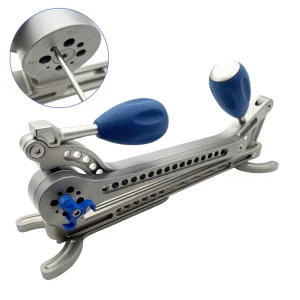
By leveraging medical-grade Grade 5 Titanium (Ti-6Al-4V) and high-strength carbon-fiber composite materials, our external fixators achieve an optimal balance. Carbon fiber rings and rods provide unmatched radiolucency, allowing surgeons to monitor bone healing under fluoroscopy without metal artifacts obstructing the view. Concurrently, high-precision pin-to-bar clamps ensure locking stability that supports controlled axial loading.
The choice of material defines the clinical application limits of external fixation devices. Stainless steel (316L) remains a robust, cost-effective option for temporary fixation in emergency damage control orthopedics (DCO). However, for definitive treatment regimens and complex deformity correction, titanium alloys and carbon fiber are superior.
Titanium provides a lower modulus of elasticity compared to steel, which is closer to the biomechanical properties of natural cortical bone. This reduces the risk of bone resorption. Carbon fiber, on the other hand, excels in weight reduction and radiolucency. Modern hybrid systems utilize titanium clamps with carbon fiber connecting rods, minimizing frame weight by up to 40% while maintaining absolute construct stiffness.
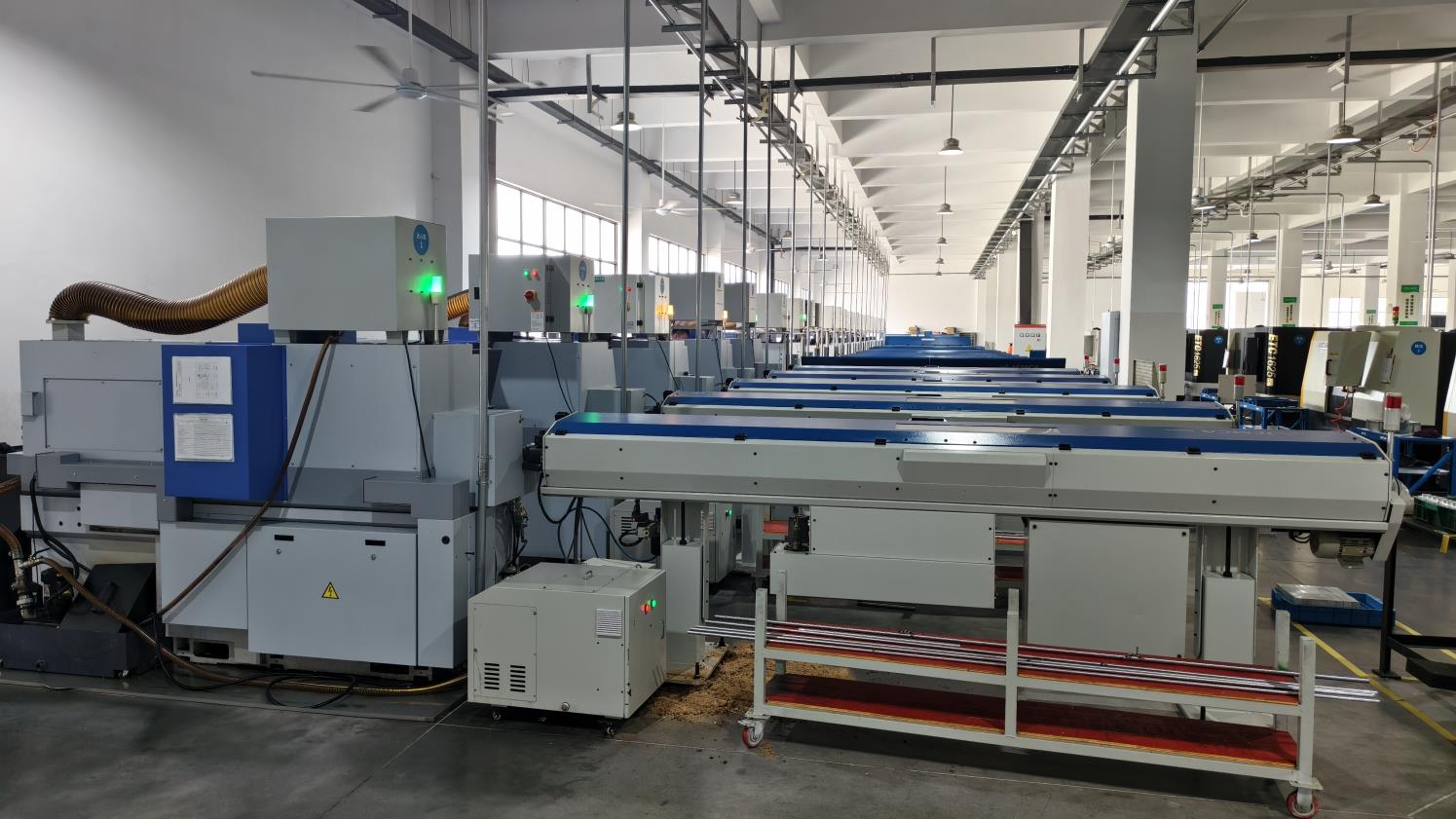
Why leading global medical brands choose China as their strategic OEM/ODM hub for orthopedic hardware.
Offering versatile sample processing, graphic customization, and tailored-on-demand engineering to meet unique clinical needs and regional anatomical variations.
Adhering strictly to ISO 13485 medical device quality management systems. Complete raw material traceability guarantees structural integrity and biological safety.
With 6 years of dedicated exporting experience, we regularly supply high-demand markets in North America (25%), South America (25%), and Southeast Asia (15%).
Navigating FDA, CE, and ISO standards to assure seamless clinical approval and safety in target healthcare markets.
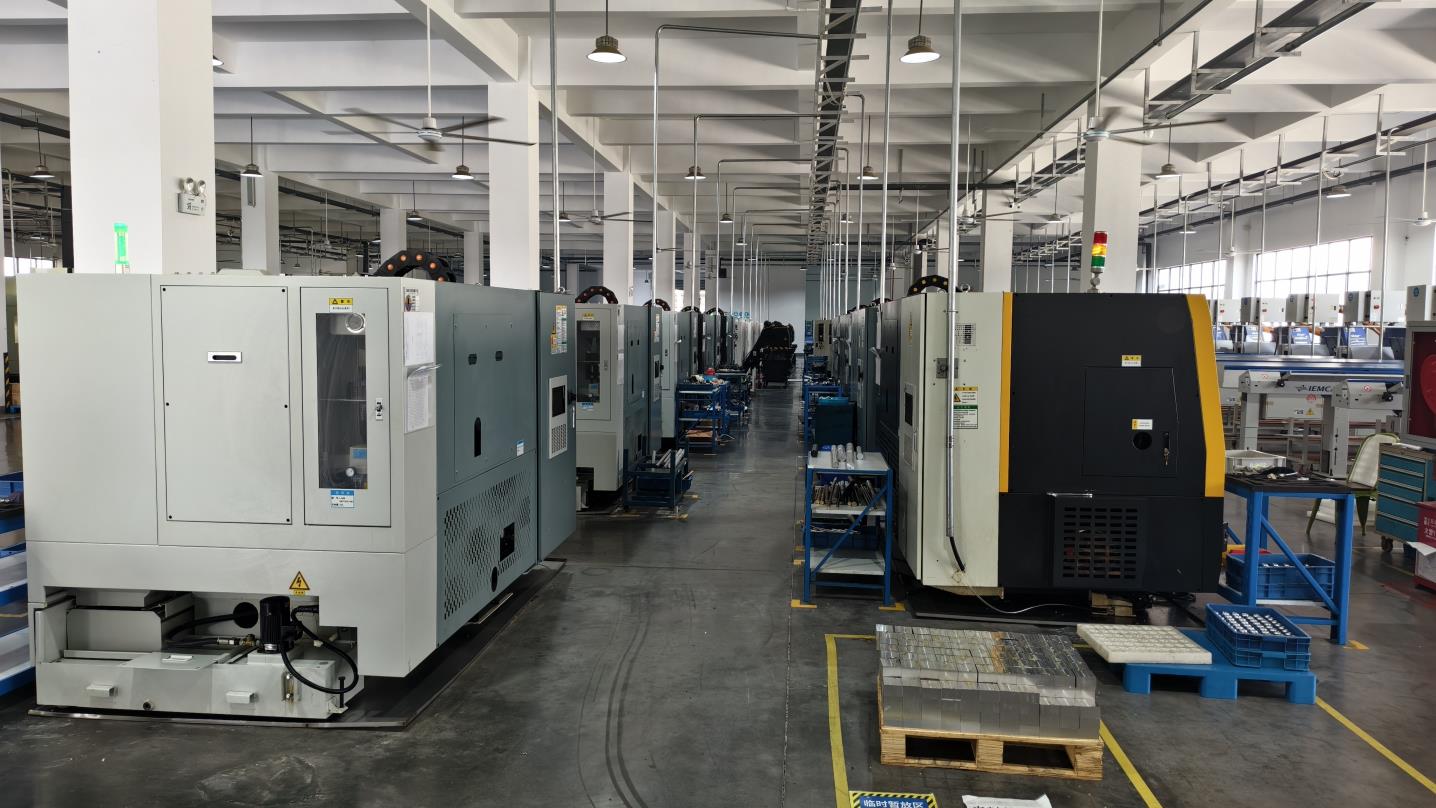
Our facility runs under an integrated medical device quality system. From the arrival of raw material bars to final sterile packaging, every phase is tracked. We provide comprehensive documentation for our international buyers: Mill Test Certificates (MTC), biocompatibility validation reports (conforming to ISO 10993 guidelines), and sterilization process validations.
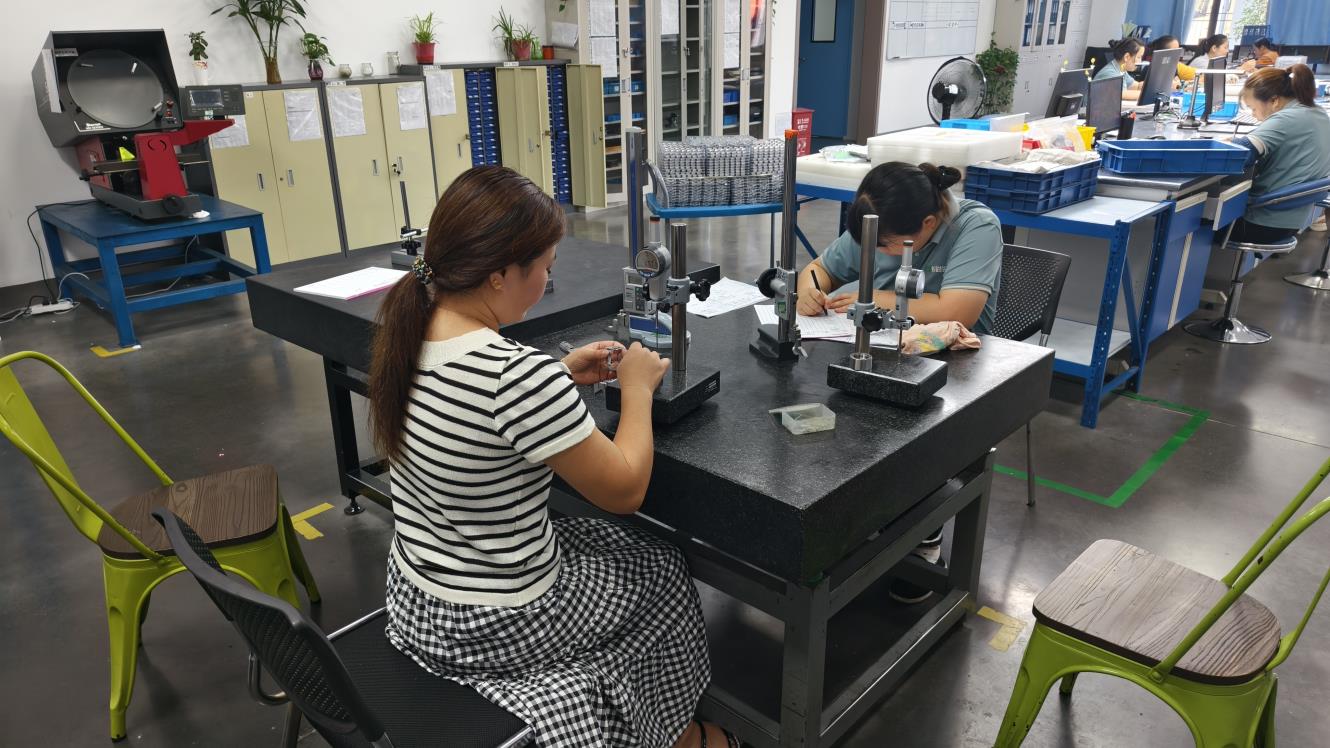
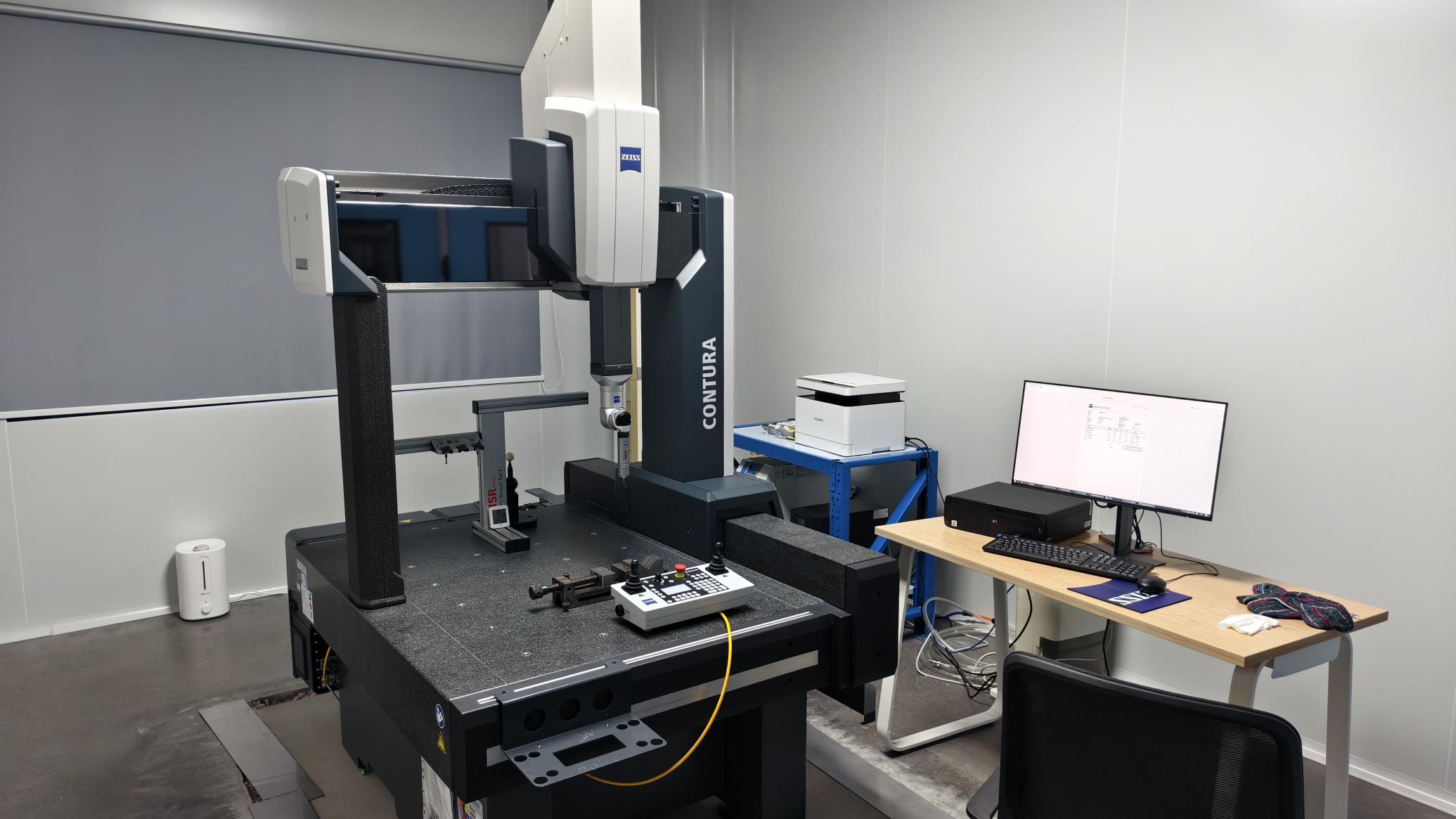
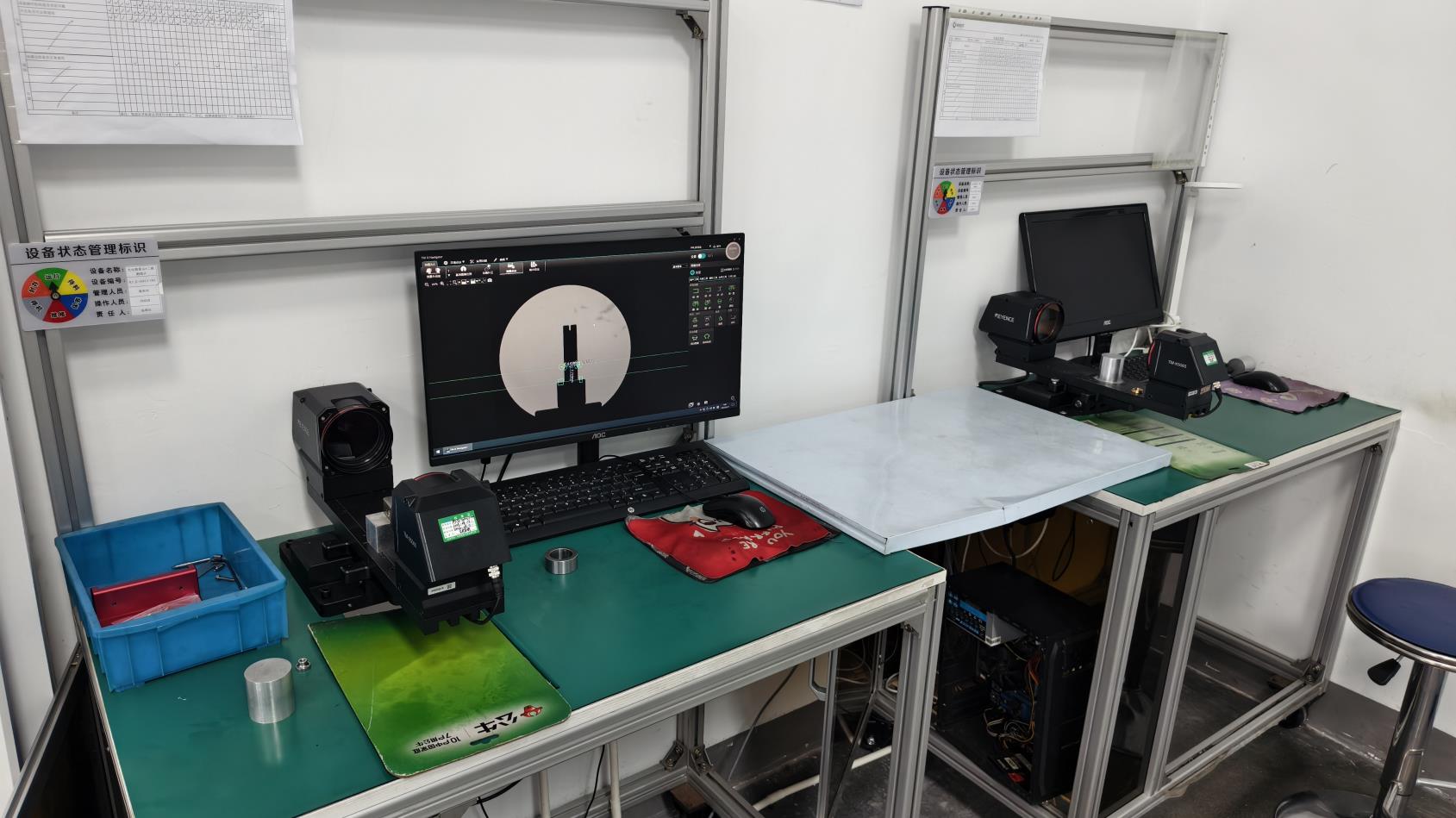
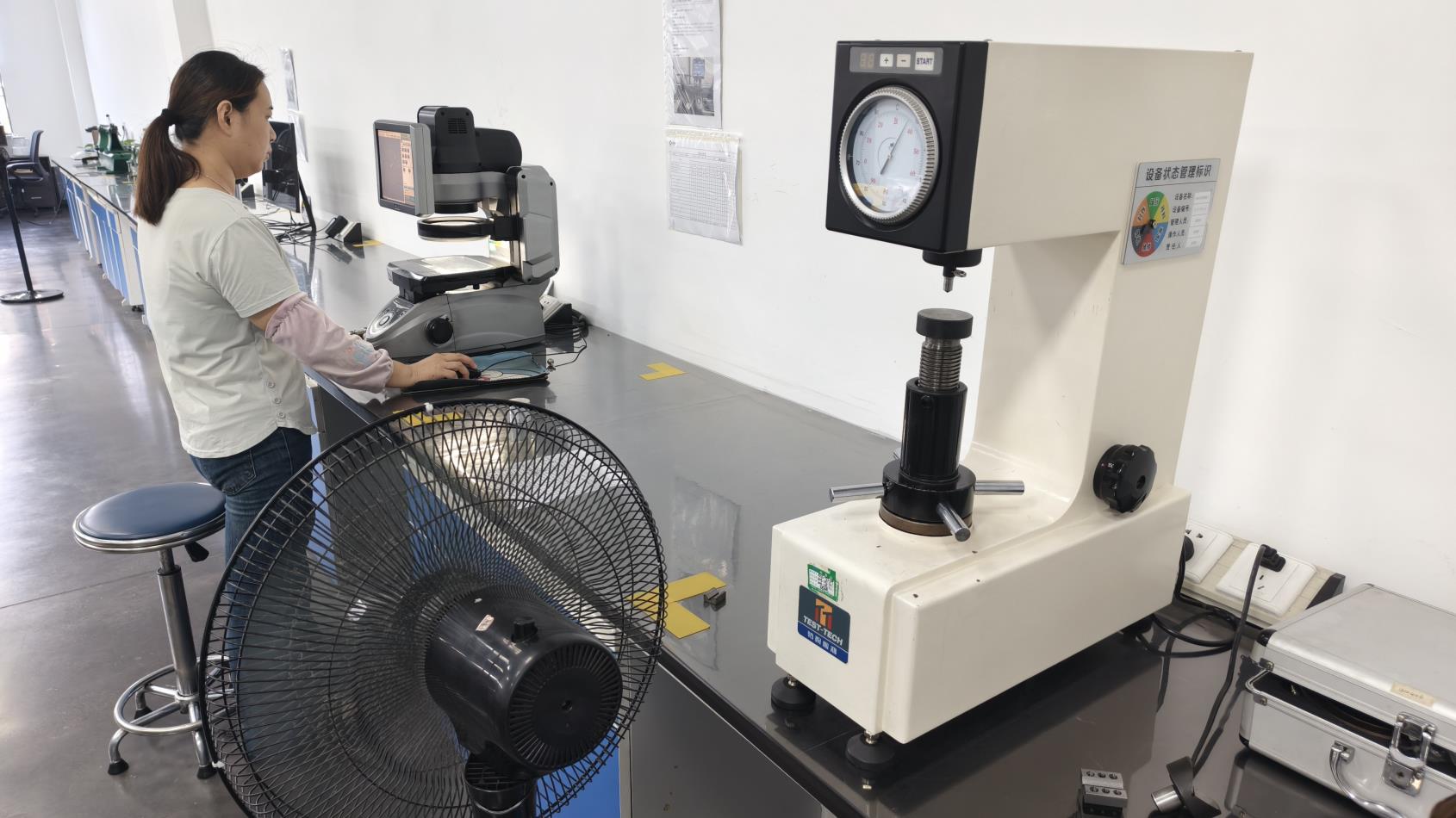
We deploy advanced random inspection parameters and client-driven inspection matrices during the production process. A team of three dedicated QA/QC inspectors conducts visual, dimensional, and functional verification tests under calibrated instruments to maintain zero-defect rates in hospitals and clinics worldwide.
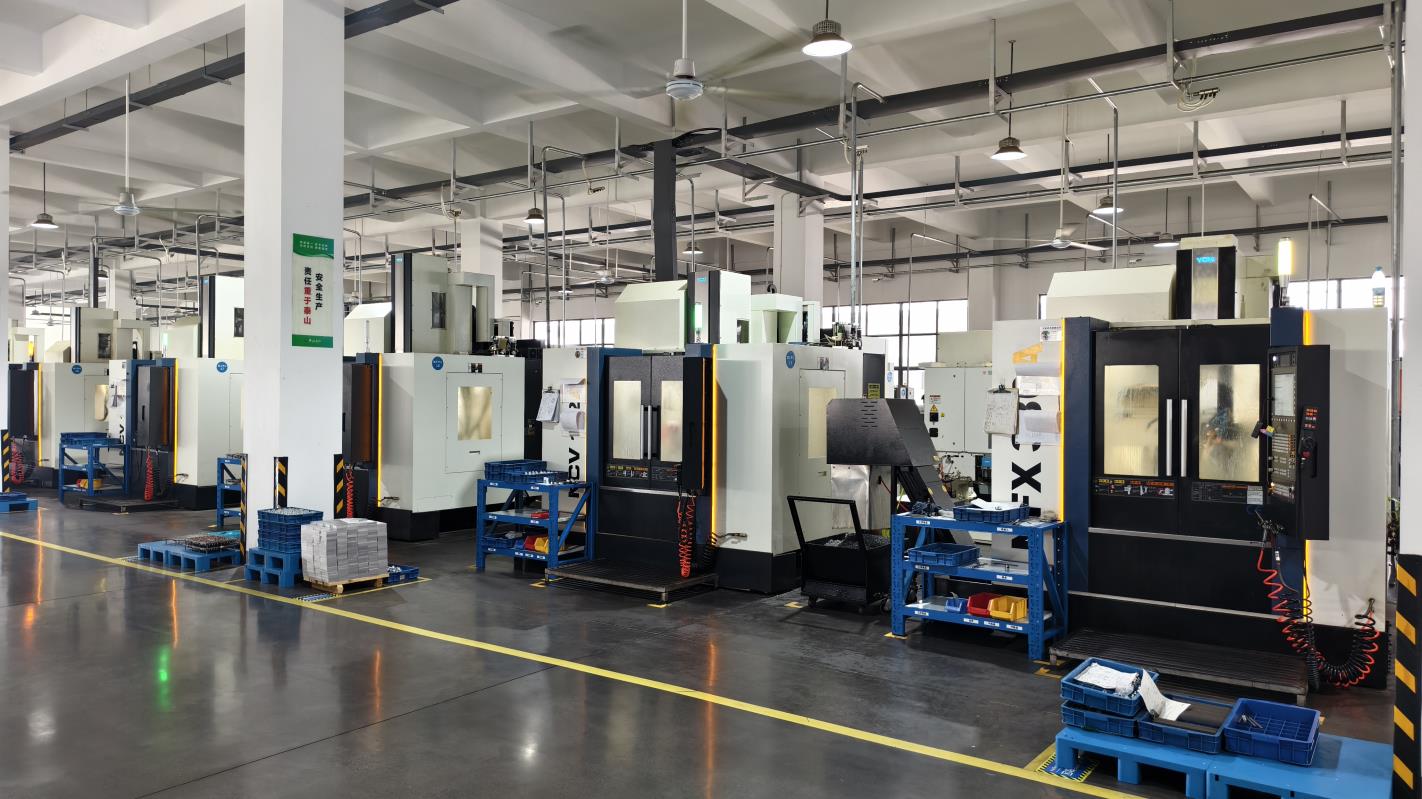
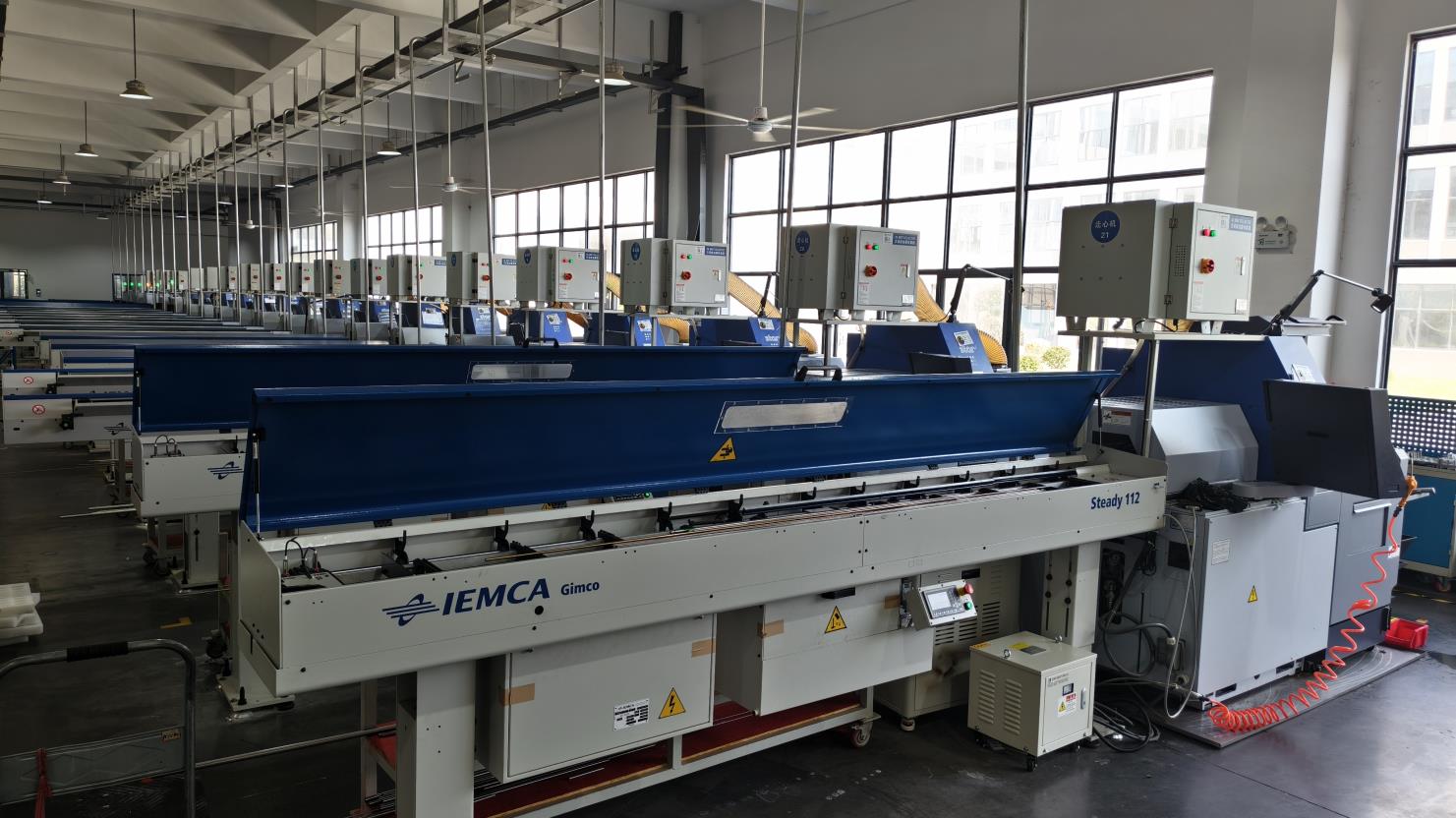
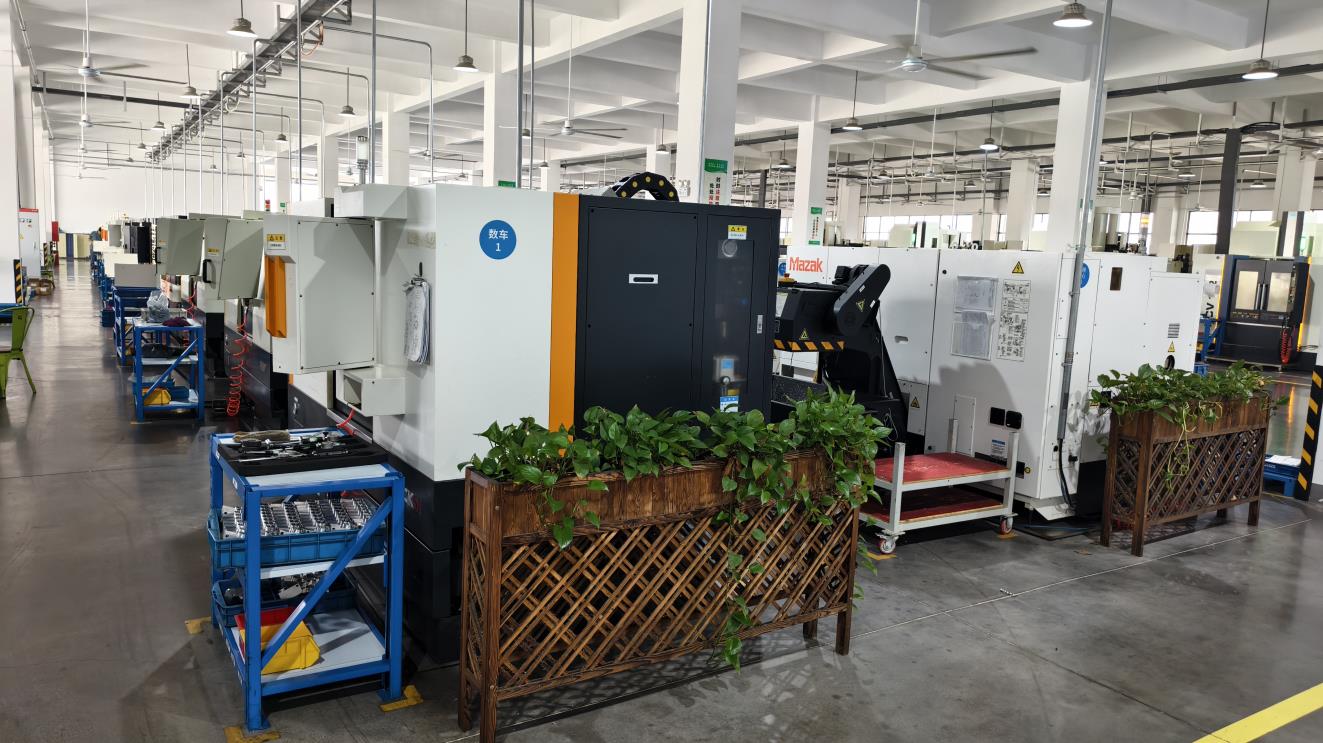
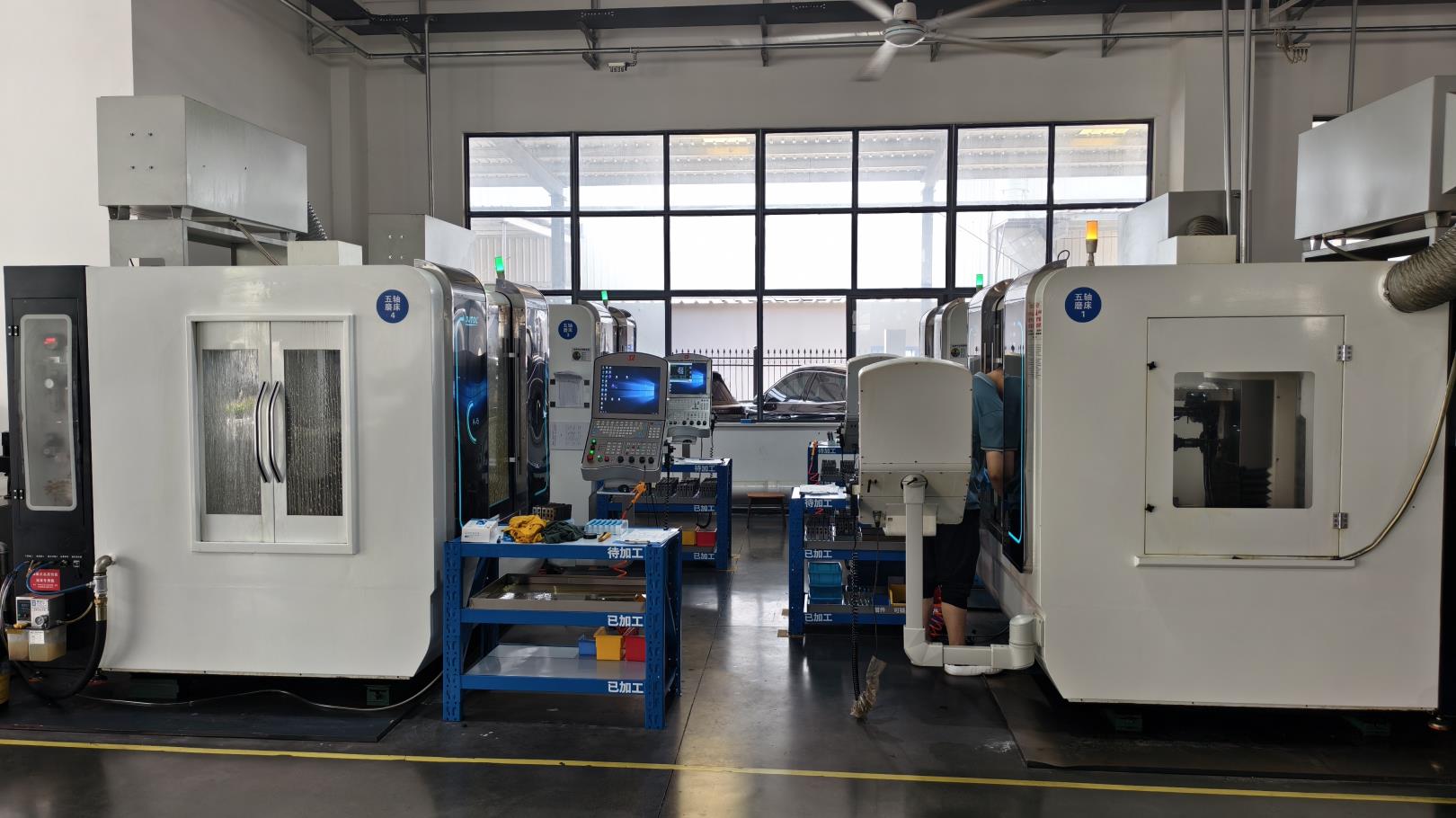
Ensuring micro-level tolerances is critical for orthopedic fixation threads and lock joints. The interfaces of our clamps and rods are fabricated utilizing Japanese and German 5-axis CNC machining centers. This high mechanical fidelity prevents joint slippage during patient weight-bearing cycles, avoiding catastrophic loss of alignment.
Furthermore, our surface finishing involves specialized electrochemical passivation processes. This process builds a clean oxide film over the titanium alloy, which dramatically improves corrosion resistance and reduces the leakage of metal ions into surrounding tissue.
From human trauma centers to veterinary surgery clinics, external fixators provide reliable, adaptive solutions.
In high-velocity traffic accidents or blast injuries, immediate temporary stabilization (damage control) of open fractures is vital. Our rapid-assembly external fixator frames allow quick stabilization, reducing blood loss and saving soft-tissue structures.
By utilizing Ilizarov-derived circular rings or computer-assisted hexapod spatial frames, surgeons can correct multi-planar angular deformities and perform bone transport (distraction osteogenesis) to reconstruct major skeletal defects.
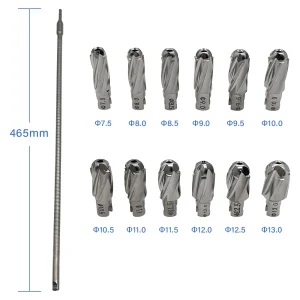
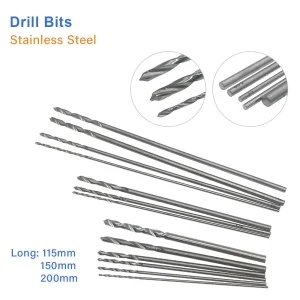
Small animal fractures pose distinct biomechanical challenges. We provide downsized, high-precision external fixator components, cannulated surgical drills, and specialty clamps designed for feline and canine orthopedic repair.
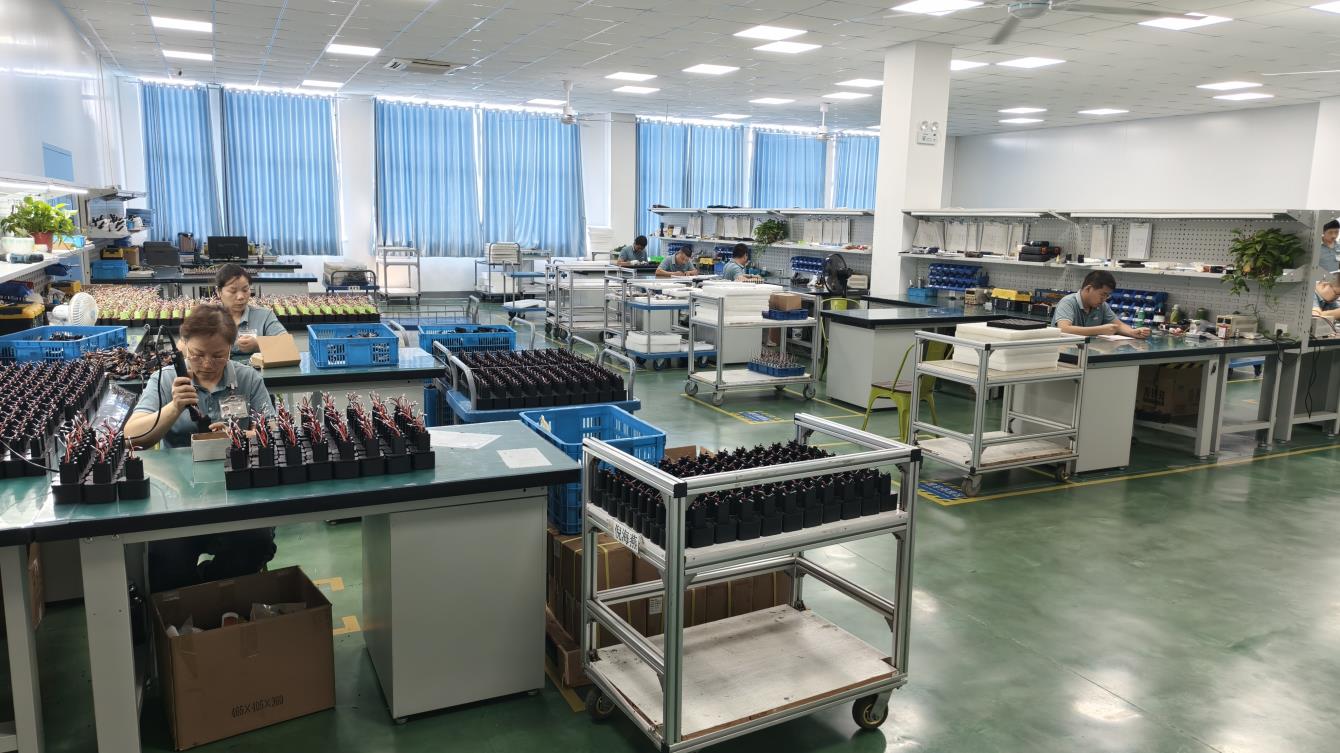
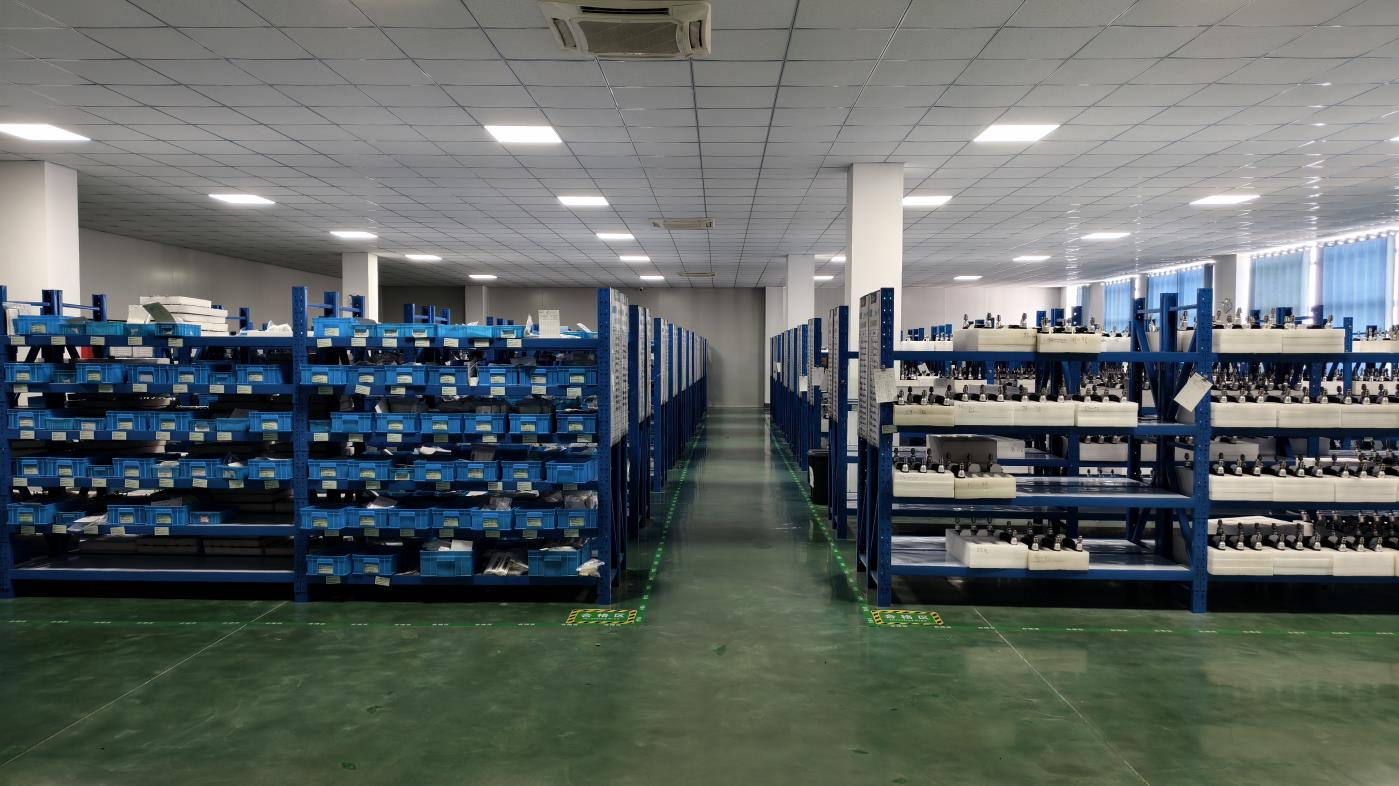
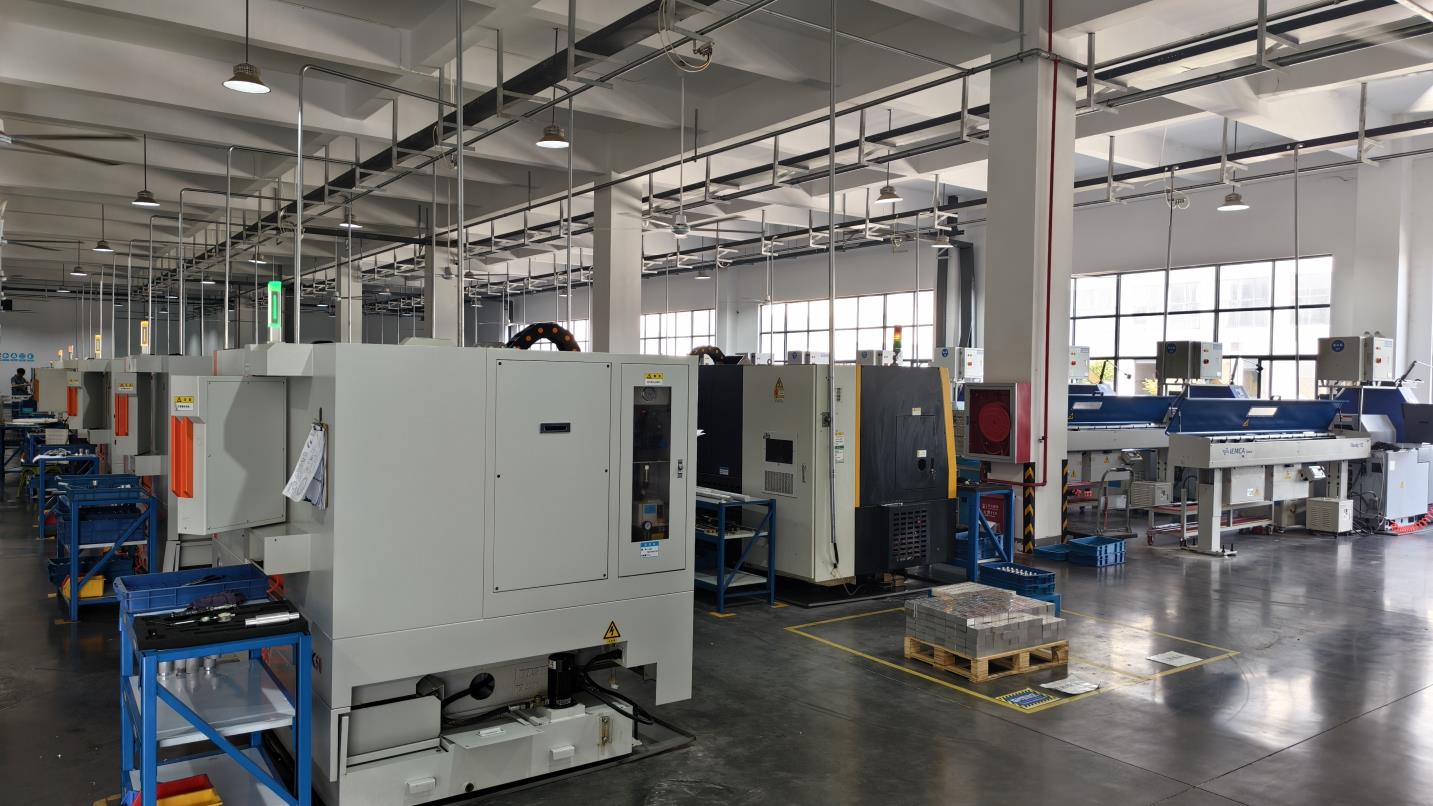
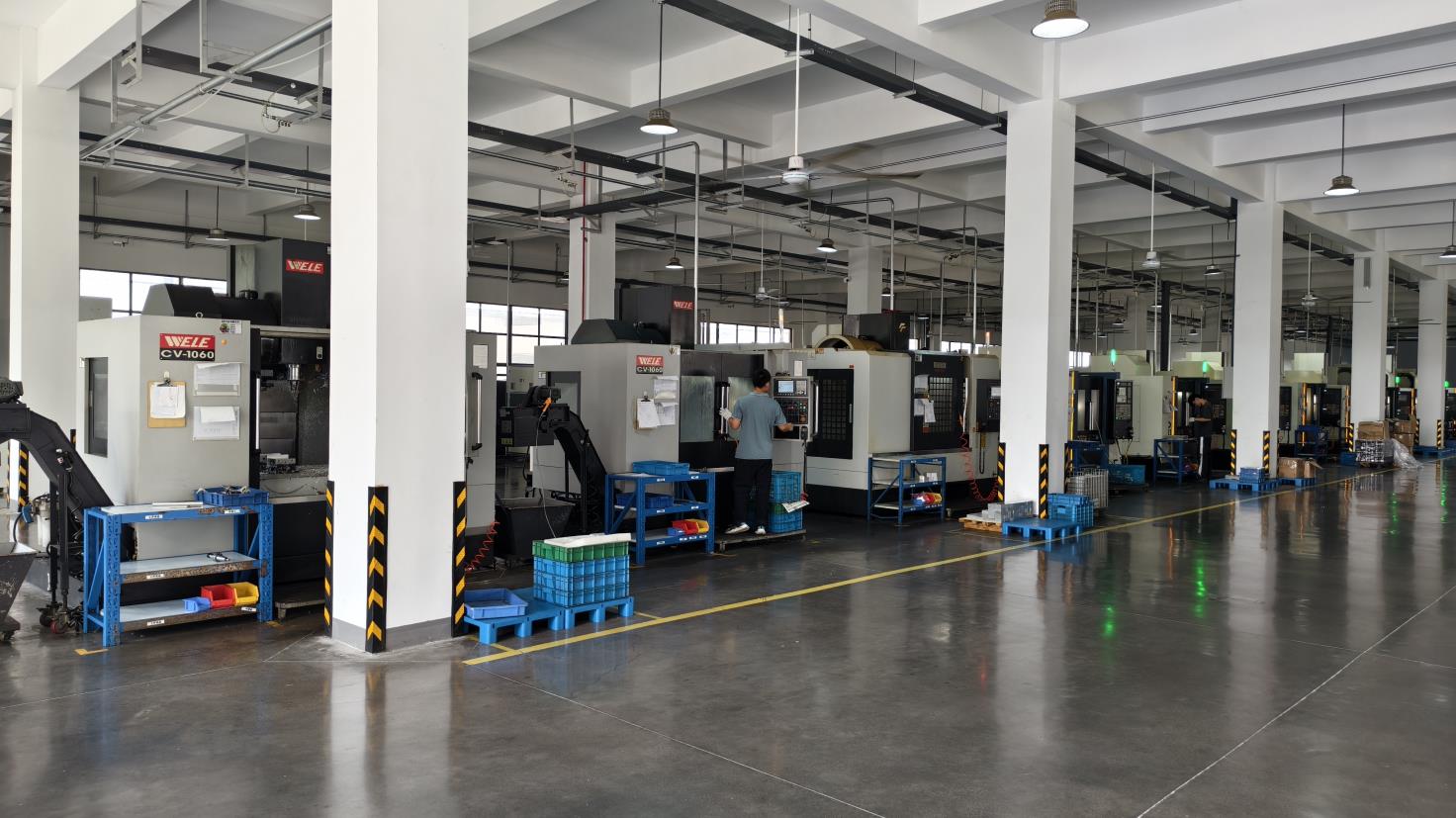
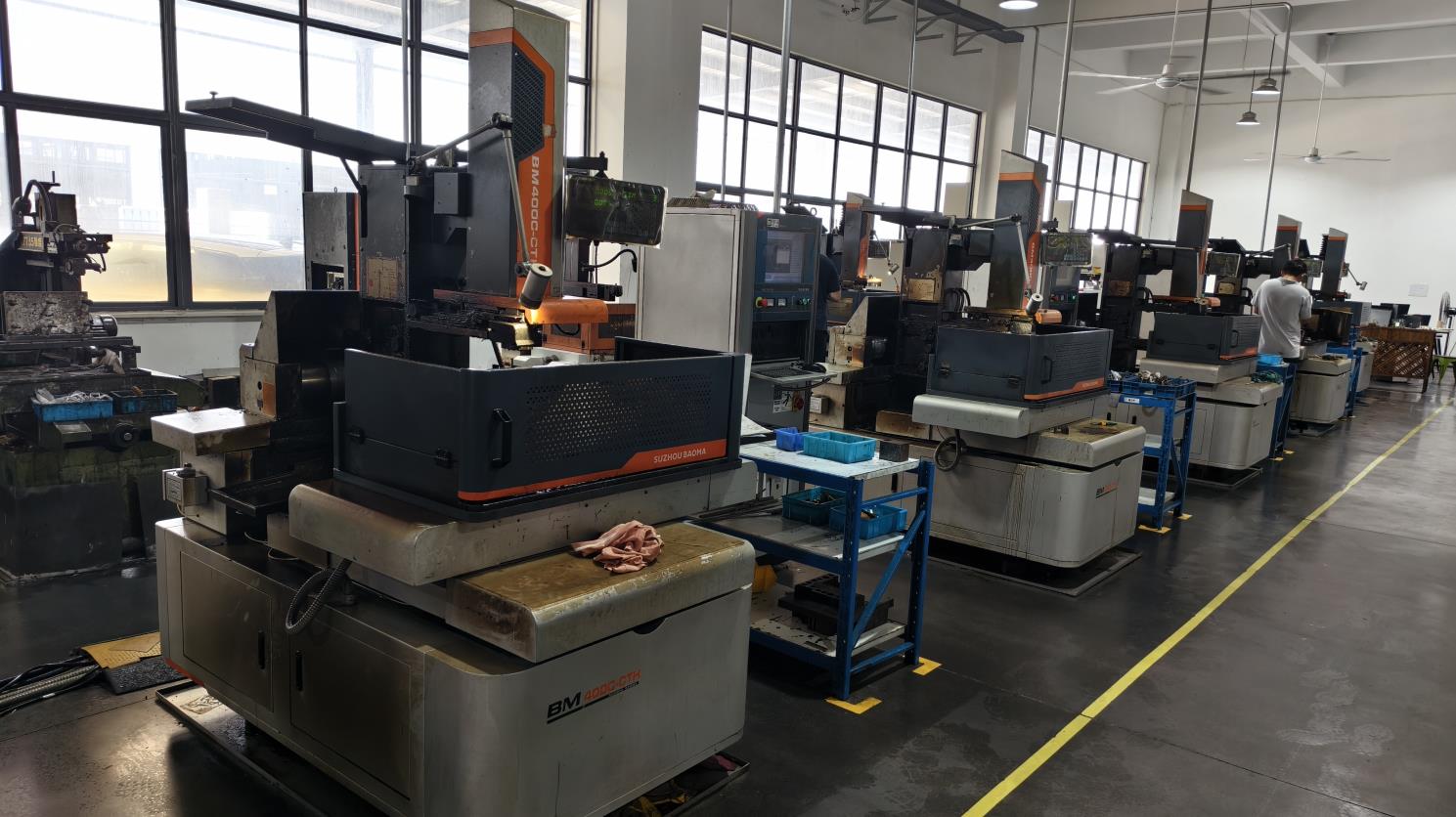
Take a visual tour inside our medical manufacturing facility, illustrating our cleanroom assembly, quality checking, and raw material storage areas.
Detailed technical answers to the most common queries from global healthcare distributors, hospital networks, and orthopedic clinics.
Explore our complete portfolio of surgical power systems, intramedullary instruments, and specialized retractors for complex joint surgeries.