SENJIE Healthy & Technology
SENJIE Healthy & Technology
SENJIE Healthy & Technology
Engineered for rigid stabilization, intraoperative accuracy, and long-term structural integrity.
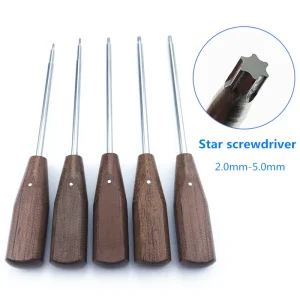
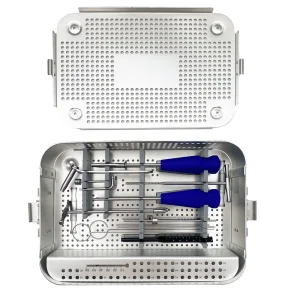
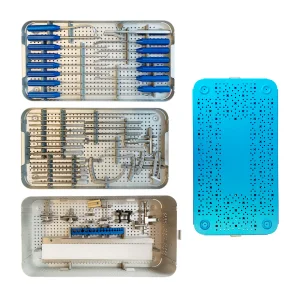
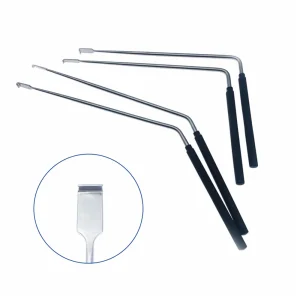
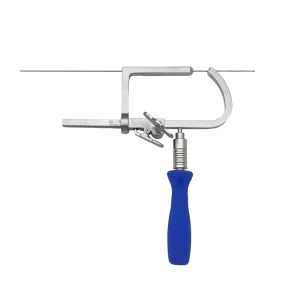
Modern orthopedic surgery has shifted dramatically toward minimally invasive procedures and personalized anatomical solutions. In the domain of upper limb care, orthopedic arm supports have evolved beyond mere textile slings into highly integrated mechanical and structural systems. Whether addressing pediatric developmental abnormalities, severe geriatric osteoporotic fractures, or critical trauma in veterinary patients, the alignment of high-grade surgical instruments and external stabilization frameworks is vital. Proper arm support begins on the operating table, requiring specialized instruments like bone plate benders, retractors, and cannulated screw assemblies to reconstruct structural geometry before applying external stabilization.
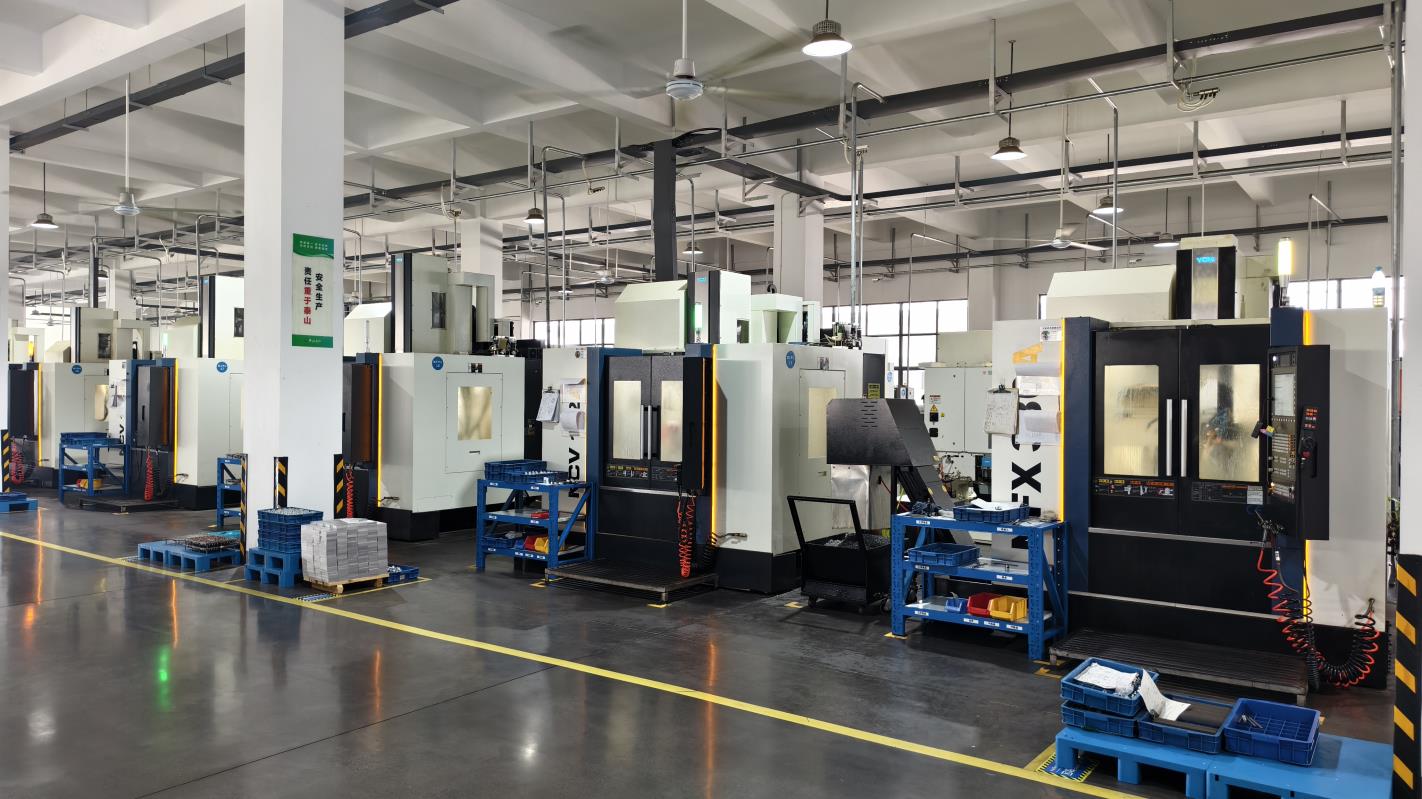
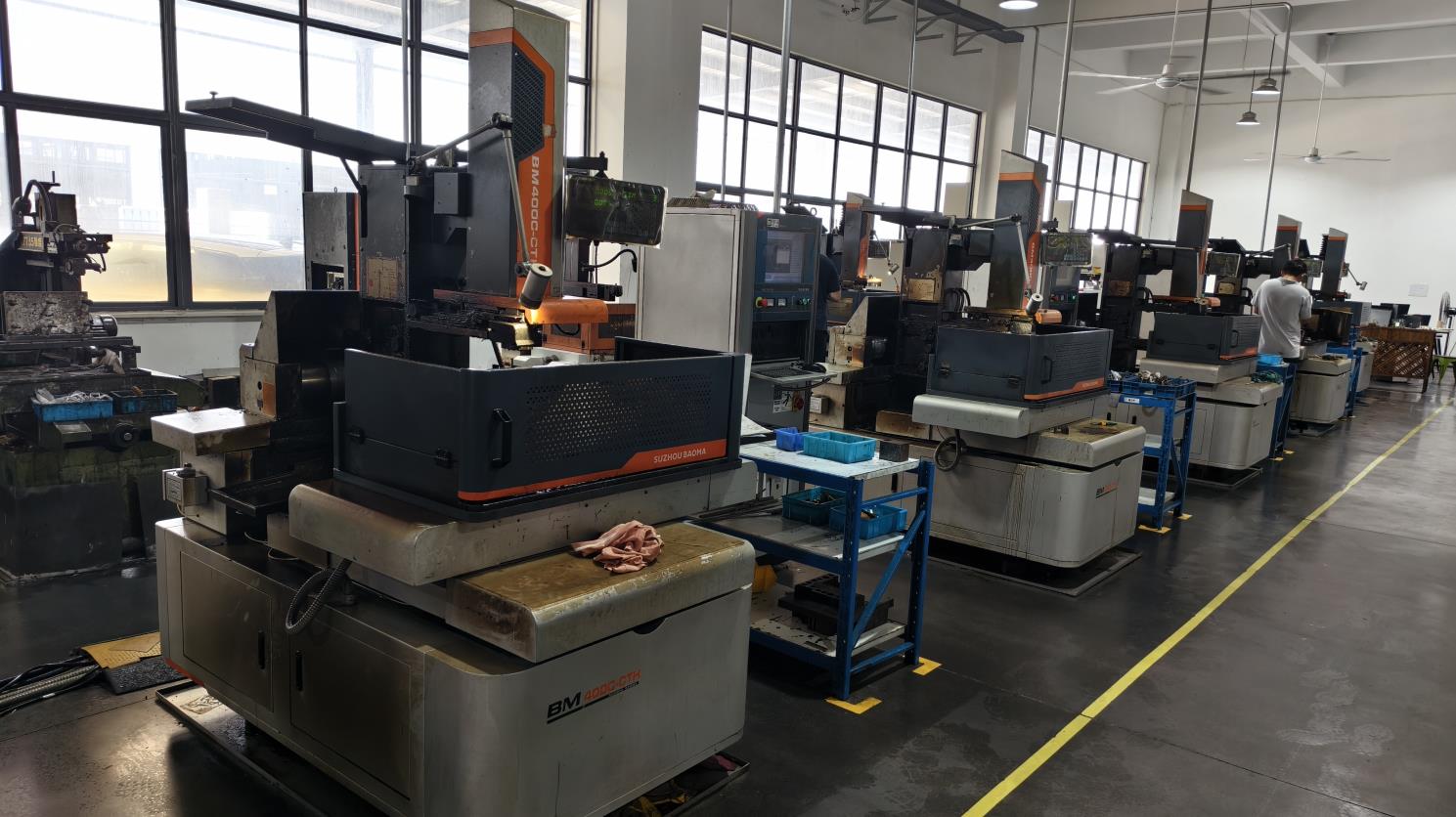
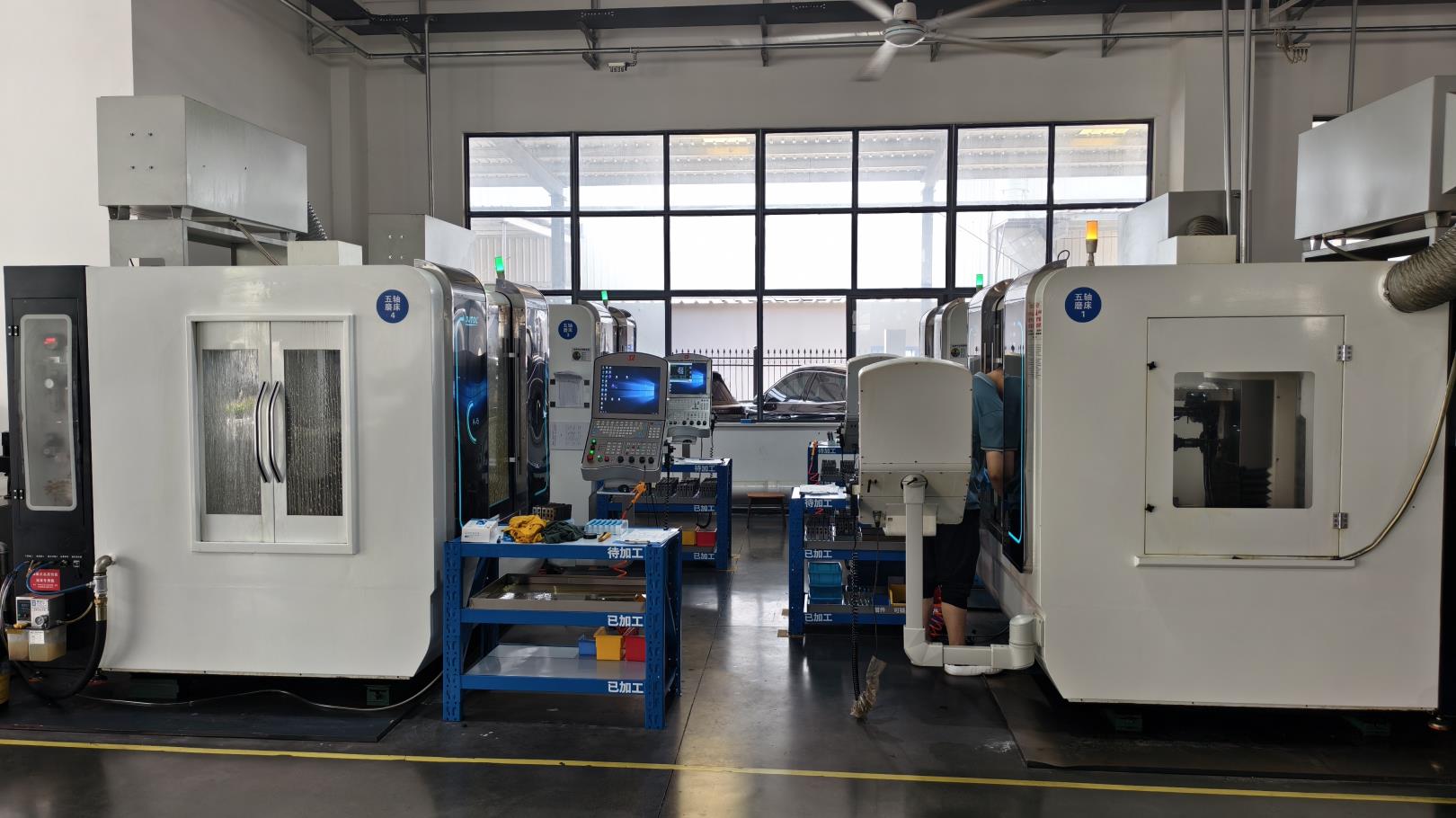
As a leading manufacturing hub, China’s orthopedic production infrastructure leverages state-of-the-art metallurgy, CNC machining, and rigorous compliance methodologies. This whitepaper analyzes the technical standards, global supply chains, and localized applications that define high-quality orthopedic arm supports and reconstructive instrumentation, providing global procurement directors, medical distributors, and surgical institutions with actionable sourcing intelligence.
Designed in collaboration with trauma surgeons, our orthopedic support systems and hand instrumentation guarantee ergonomic comfort and maximum biomechanical leverage during internal and external fixation protocols.
Utilizing high-tensile 316L medical stainless steel and titanium alloys. Certified for repeated steam autoclaving, preventing galvanic corrosion under high thermal stress.
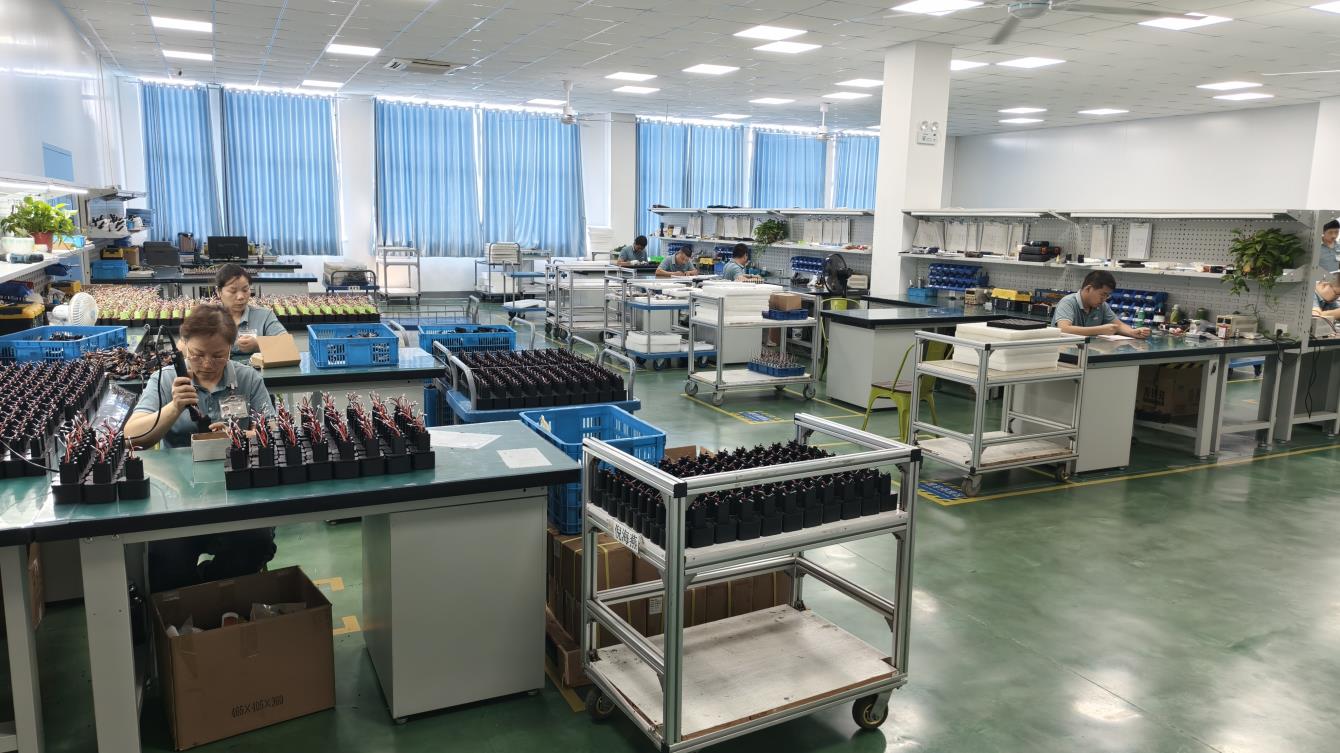
Every manufacturing batch undergoes structured random inspection protocols aligned with ISO 13485. Complete chemical composition certs are provided for raw materials.
The global market for upper extremity orthopedic devices has experienced robust growth. Demographic shifts—such as aging populations prone to proximal humeral fractures and the rising incidence of high-impact sports injuries—have driven demand for advanced stabilization systems. According to recent clinical datasets, fractures of the clavicle, humerus, radius, and ulna account for more than 30% of all emergency skeletal admissions. Developing high-quality arm support solutions requires an understanding of both external bracing structures and the precise instrumentation required to apply them.
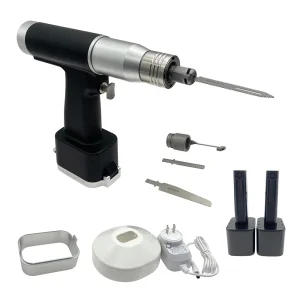
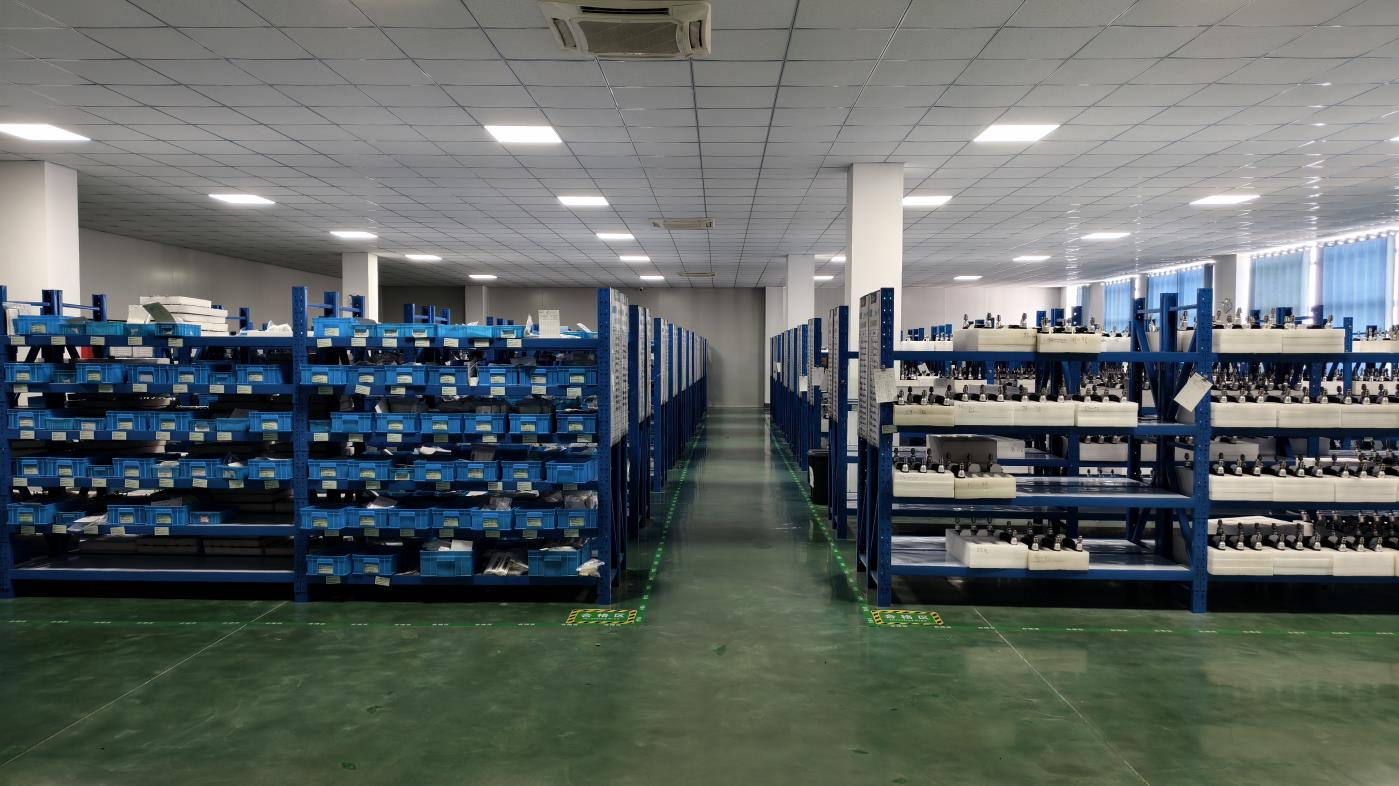
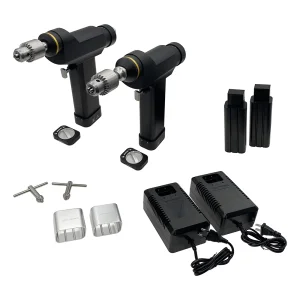
In response, factories in China have transitioned from simple component suppliers to integrated technology providers. Leading manufacturers offer comprehensive support ecosystems, combining custom bone plates, heavy-duty orthopedic power tools (such as reciprocating sternum saws and cannulated drills), and patient-specific stabilization braces. This unified manufacturing process reduces errors, lowers overall inventory costs, and guarantees that every surgical screwdriver, plate bender, and guide wire fits seamlessly during operations.
By consolidating advanced manufacturing technologies—including progressive multi-axis CNC milling, laser welding, and passivating surface treatments—OEM partners in China deliver high-precision orthopedic instruments at a fraction of Western production costs. This cost-efficiency allows hospital networks and veterinary groups to reallocate capital toward improving clinical patient care and upgrading diagnostic hardware.
Establishing industrial trust through transparent operation metrics, strict quality control procedures, and extensive export experience.
Registration Date: 2019-11-20
Export History: 6+ Years of Global Distribution
Accepted Communication Languages: Professional English, facilitating seamless technical integration and contract negotiation.
Raw Material Traceability: Yes, verified for all medical metal alloys.
Inspection Methods: Standard Random Inspections and customized batch inspections according to specific client requirements.
Dedicated Quality Inspectors: 3 Senior QA/QC Inspectors managing in-house testing labs.
Design Formats Accepted: Advanced sample processing, detailed graphic/CAD processing, and customized on-demand prototyping.
Key Markets: North America (25%), South America (25%), Southeast Asia (15%), with growing footprints in Europe and the Middle East.
Orthopedic arm supports and corresponding hand instruments are engineered for highly specific clinical environments. Understanding these specific application scenarios ensures procurement matches actual field demands.
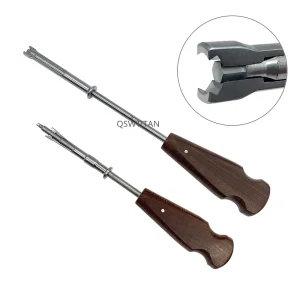
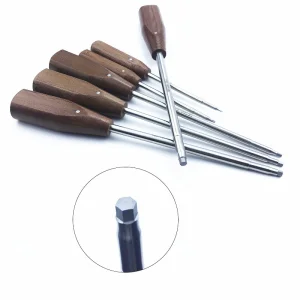
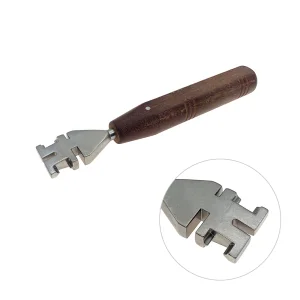
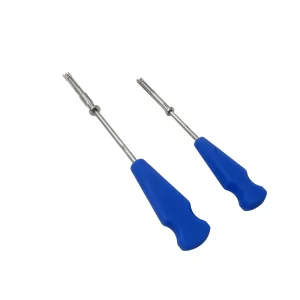
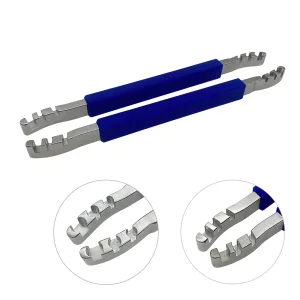
In high-pressure emergency medicine, time-efficiency during arm reconstruction is critical. Our orthopedic instruments are designed to work together seamlessly. For example, during a complex distal radius osteotomy, surgeons use the VKTIMALL Stainless Steel Patellar/Ligament Guide alongside precise Hex Head Bone Screwdrivers to secure distal fragments. Ergonomic plate benders allow immediate, real-time modification of reconstruction plates, ensuring they follow the natural curves of the patient's arm anatomy.
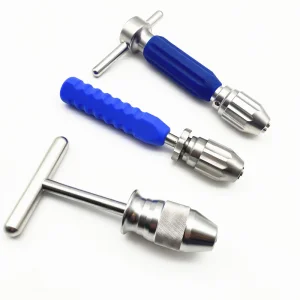
Veterinary medicine requires highly adaptable, durable tools due to the wide range of patient sizes and bone densities. Our Universal Hand Drill Chuck Handle and specialized veterinary power tools provide the manual tactile feedback necessary when working on smaller animals, reducing the risk of bone splitting. These instruments ensure reliable bone alignment, allowing external support braces to function properly during the healing process.
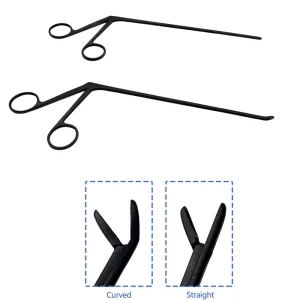
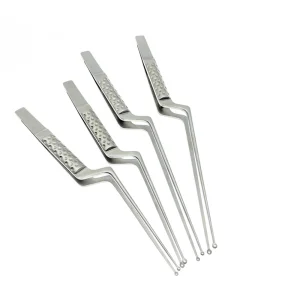
Reaching deep surgical fields during spinal surgeries requires tools that protect surrounding soft tissue. The Orthopedic Nerve Retractor (90° & 135° Black Metal Handle) and the Cervical Spine Microscope Nucleus Pulposus Forceps minimize tissue damage. This ensures the patient's cervical spine and upper limbs remain stable and protected during microscopic operations.
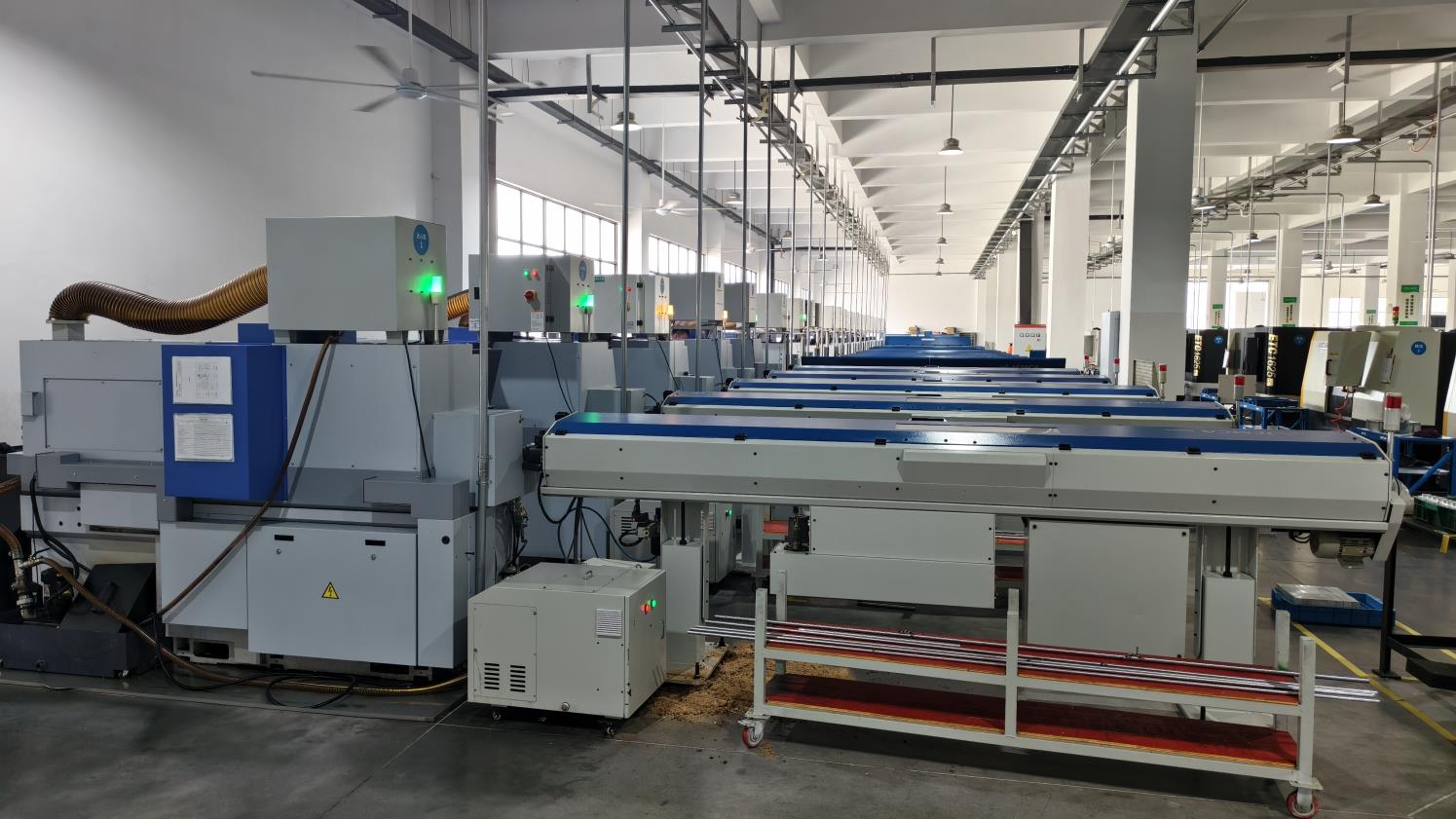
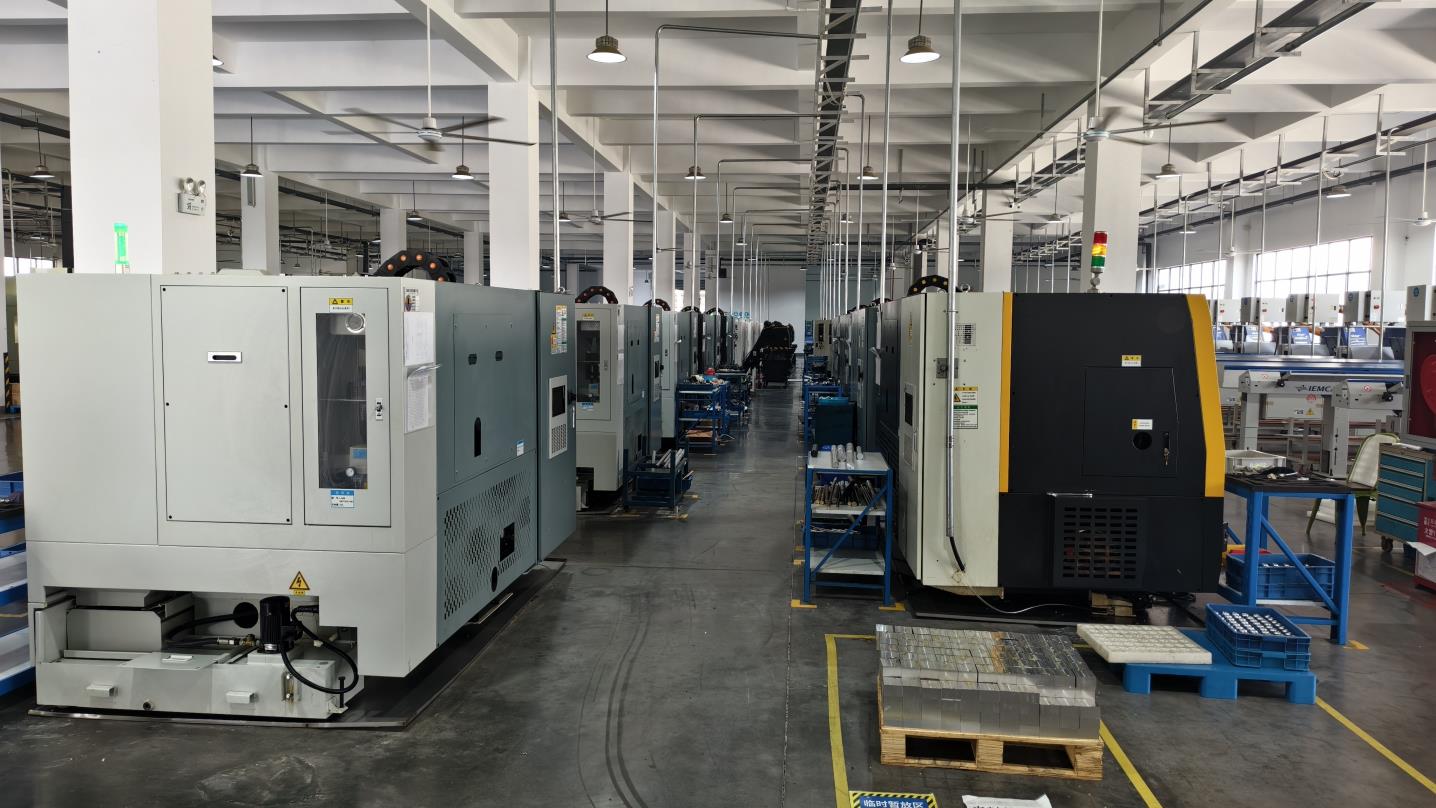
The reliability of medical instruments relies directly on material science. The metals used must withstand high structural loads, resist physiological corrosion, and endure autoclave cycles without degrading.
Our Quality Assurance department enforces strict compliance guidelines:
1. *Chemical Composition Testing:* Checked via optical emission spectrometry to verify chromium, nickel, and molybdenum content.
2. *Autoclave Cycle Stress Test:* Selected production batches undergo simulated cleaning and sterilization cycles to ensure durability.
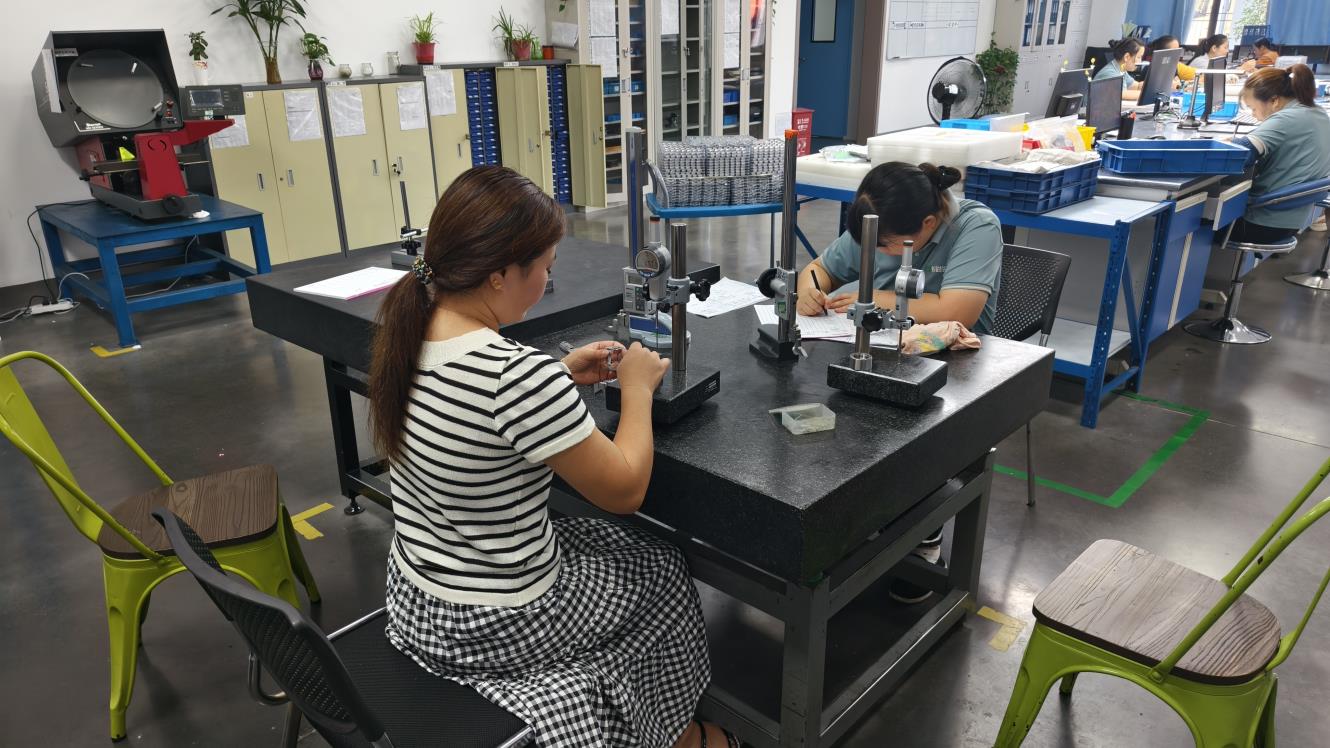
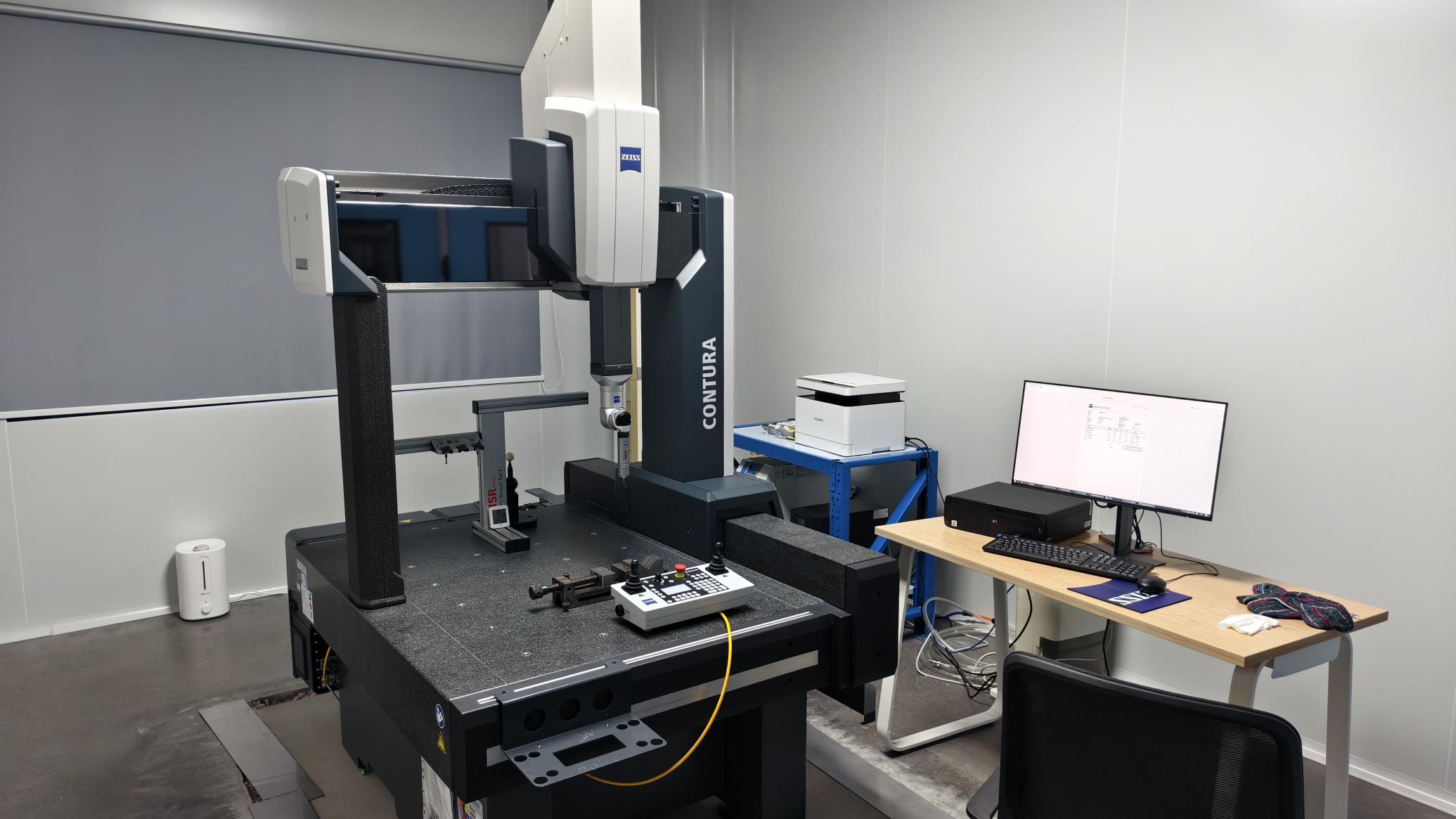
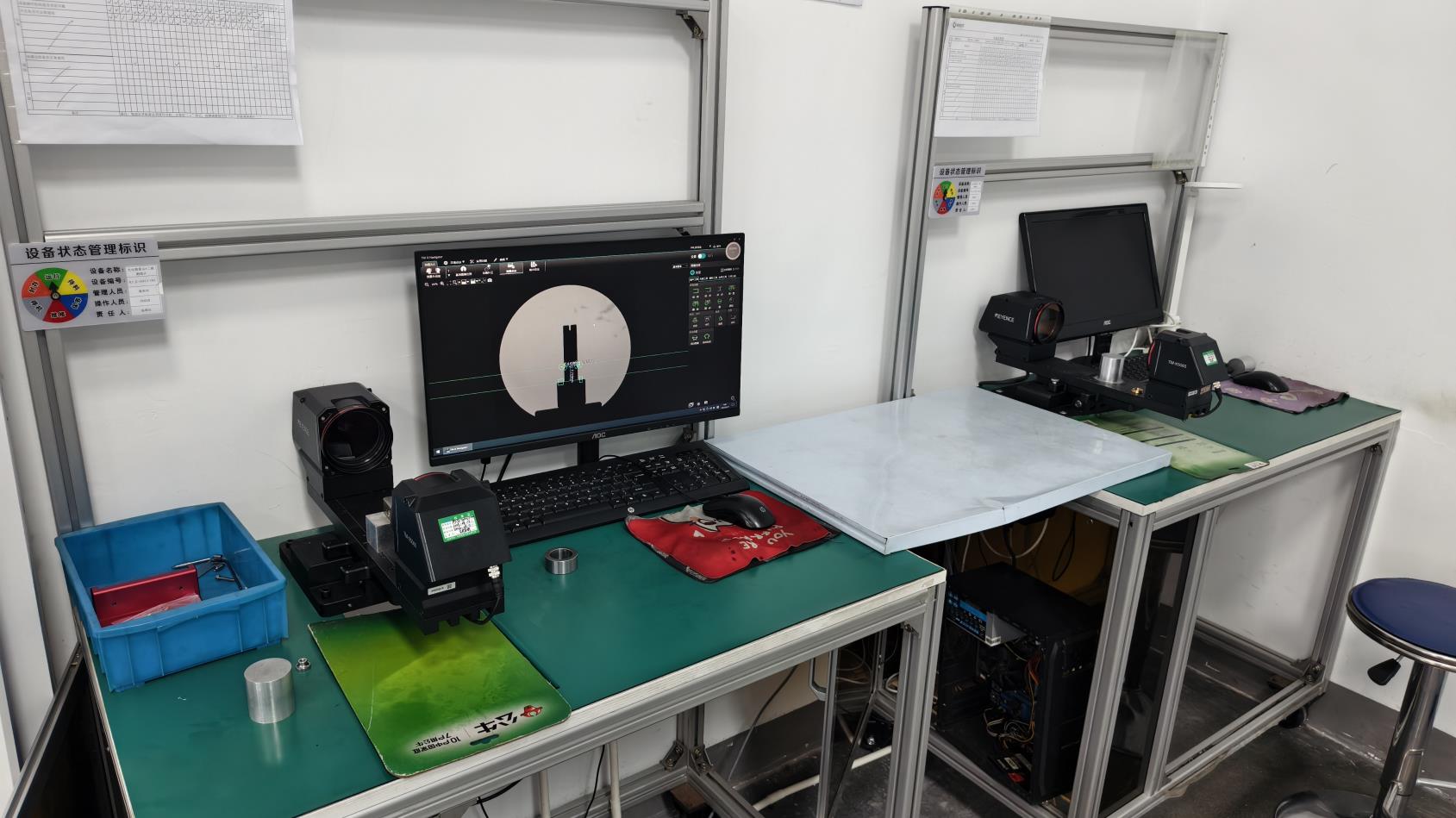
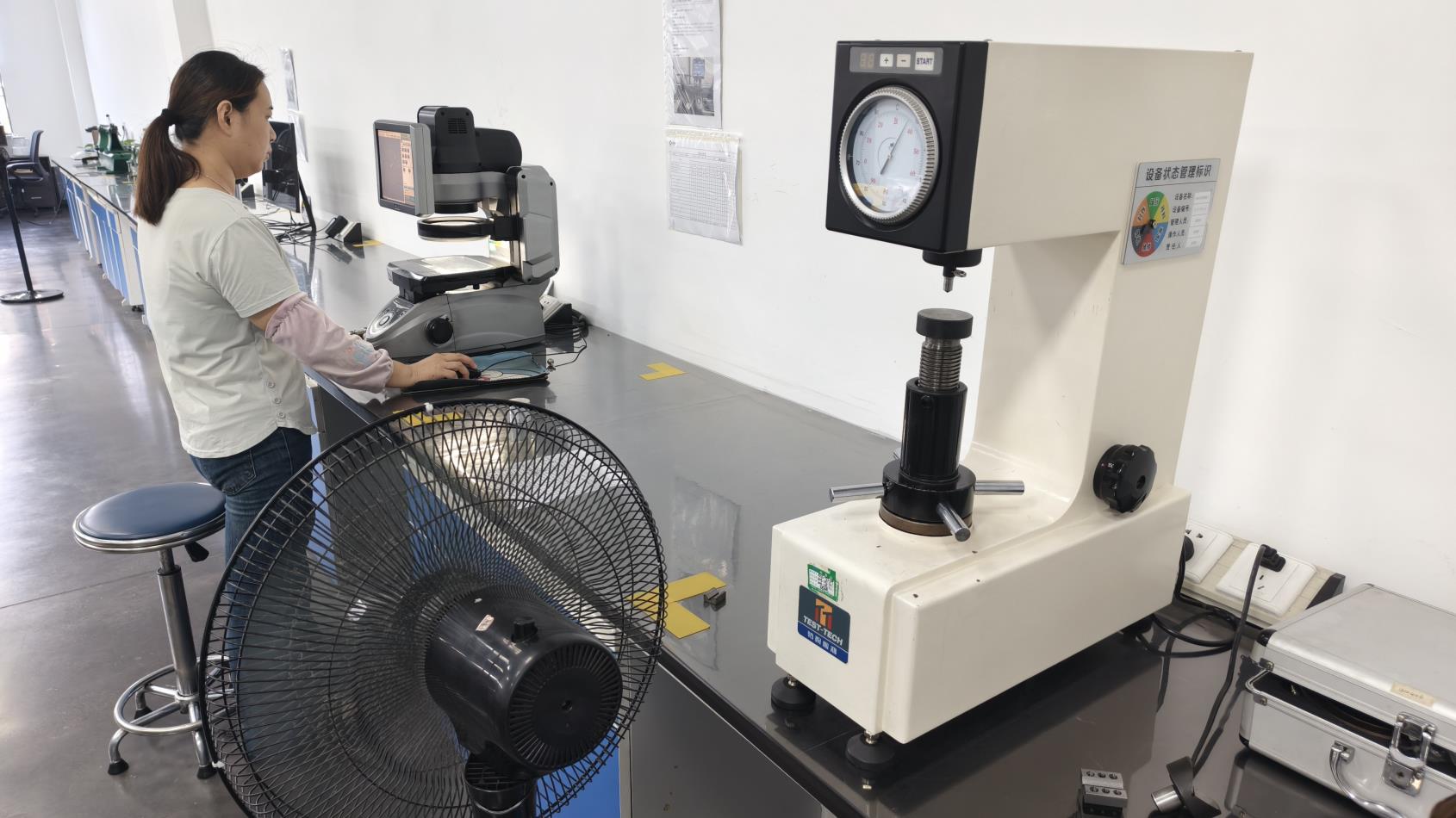
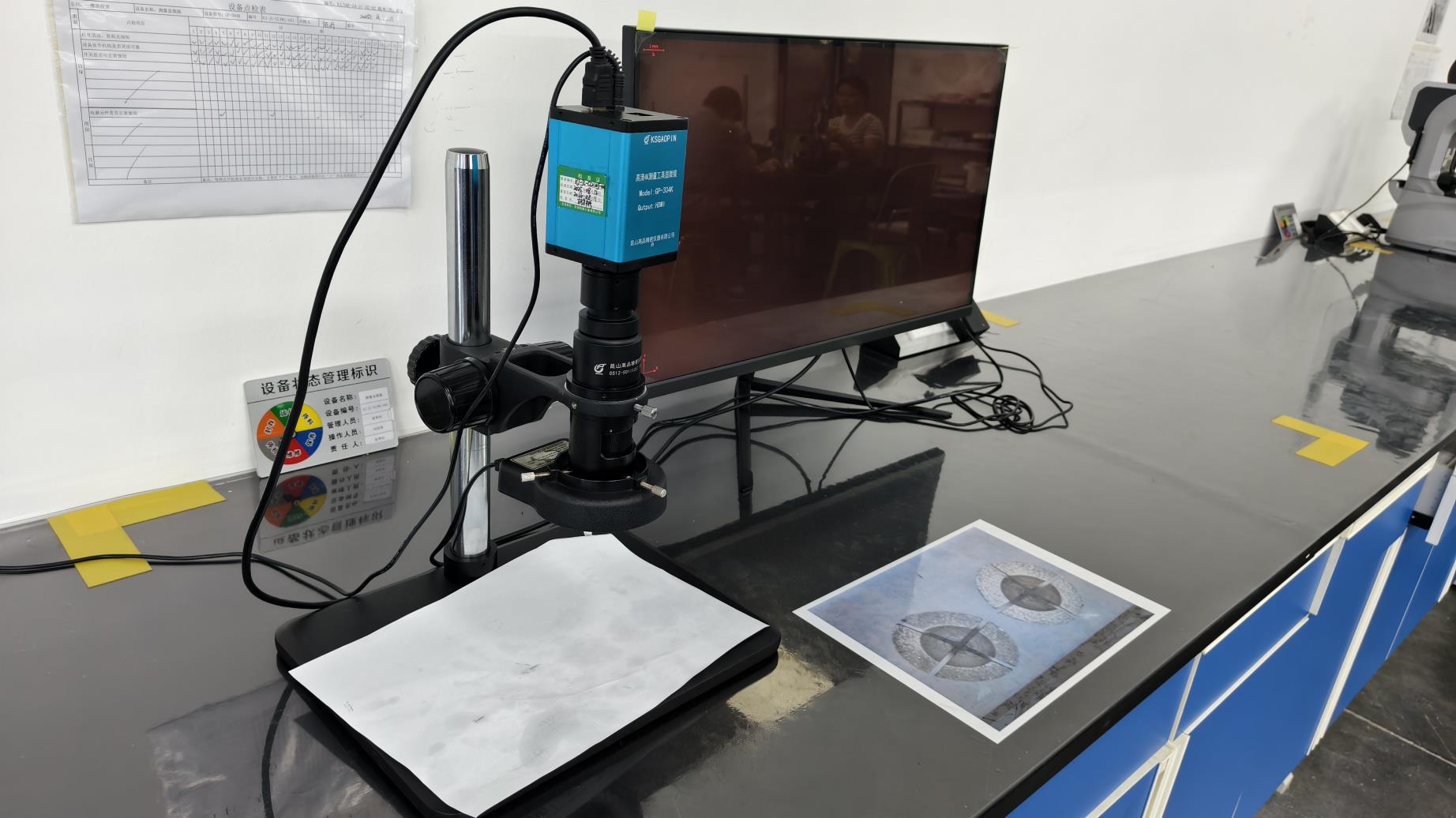
3. *Dimensional Verification:* Performed using high-precision optical comparators and micrometer systems to guarantee close tolerances.
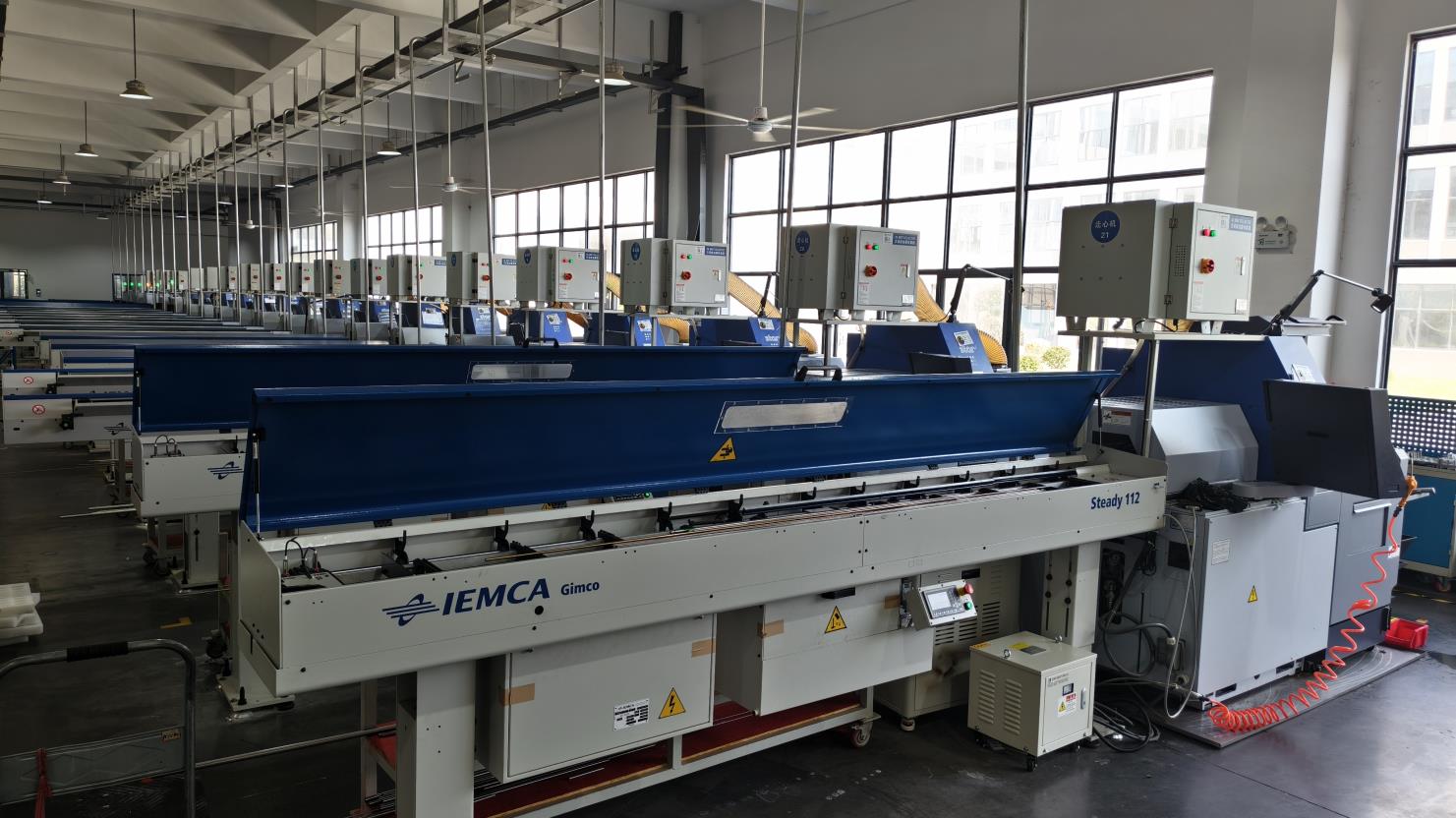
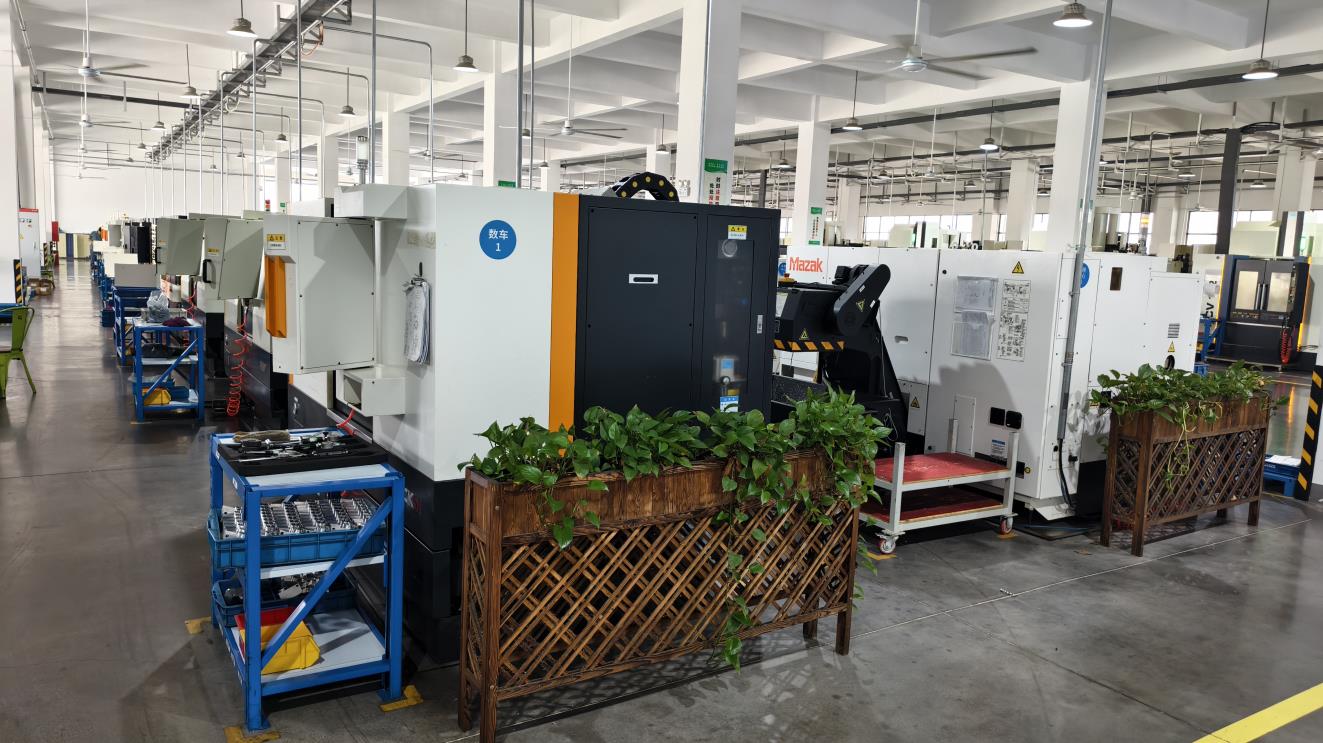
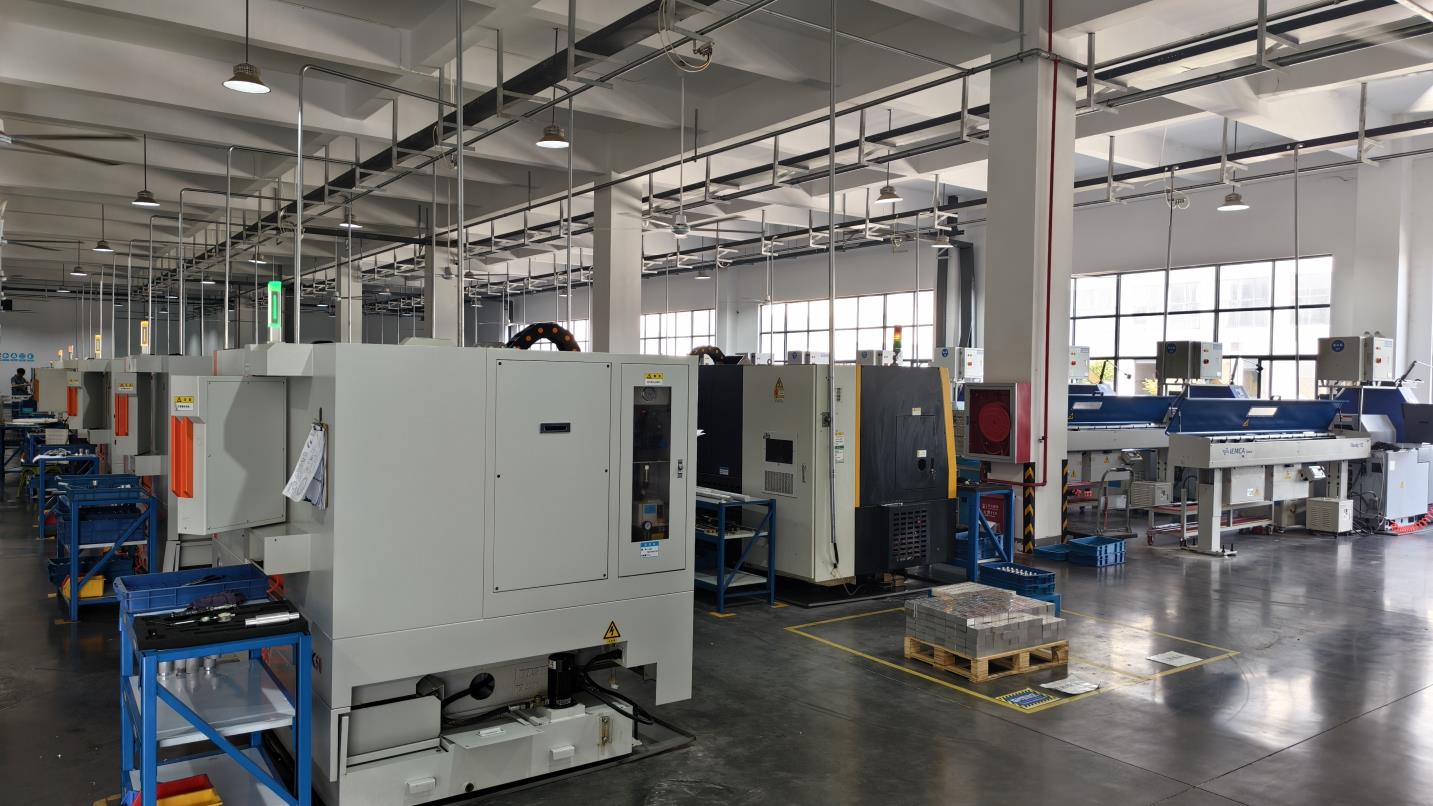
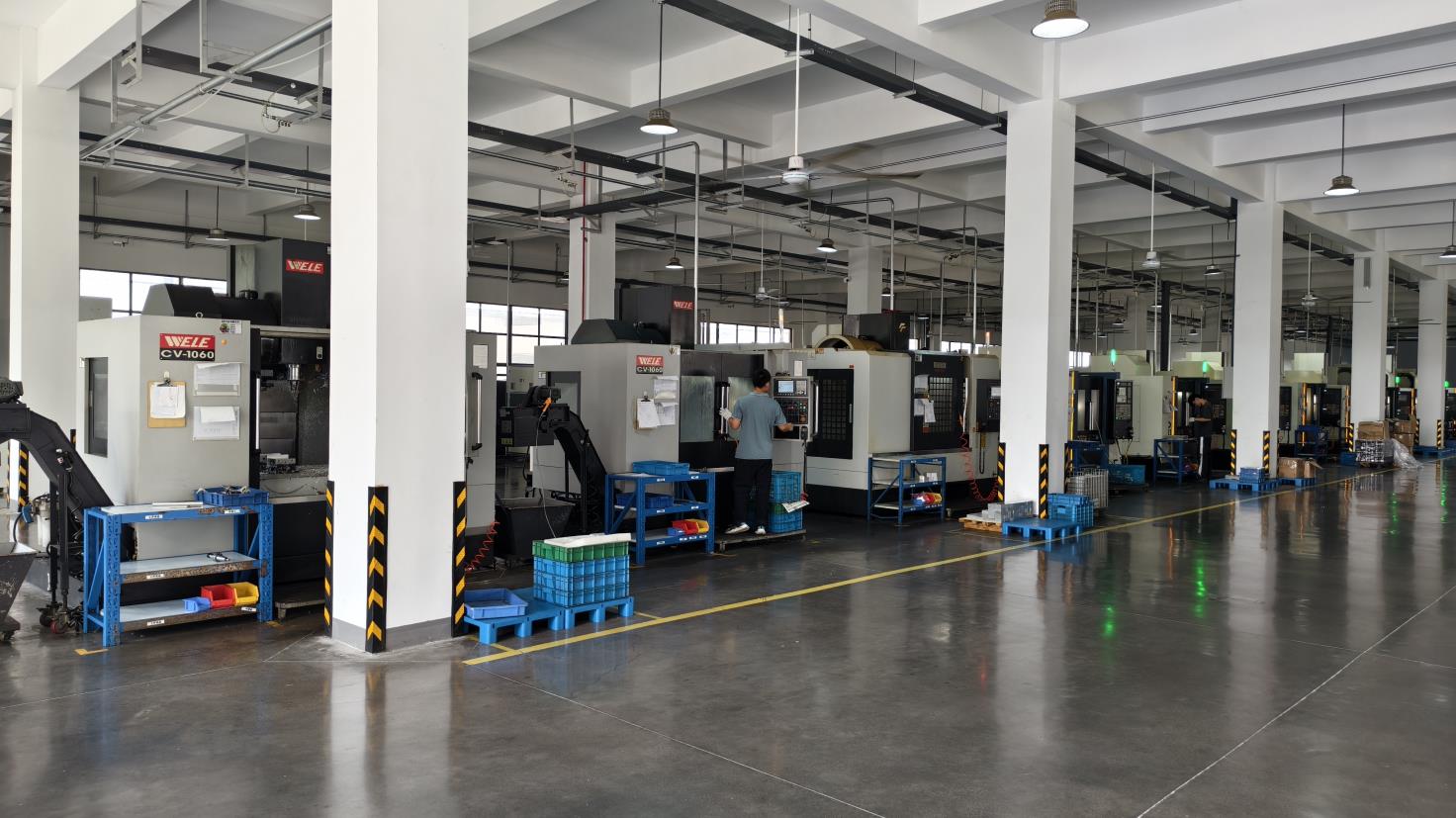
The orthopedic industry is adopting smart technologies and materials. Future arm supports will transition from passive structures to active, data-driven medical devices. We are focusing our research and development on several key areas:
Developing arm supports with micro-sensors that track recovery metrics like joint range of motion, swelling levels, and skin temperature. This data is transmitted directly to physical therapists to optimize recovery protocols.
Shifting production toward 3D-printed titanium structures. Using patient CT scans, we can manufacture custom-shaped bone plates and external support shells that match individual skeletal geometries.
Reducing environmental footprint by transitioning to reusable sterile cases and introducing recyclable bio-composites for non-invasive support components.
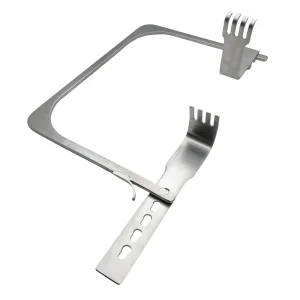
Professional-grade tools engineered for bone remodeling, fixation alignment, and delicate surgical interventions.
Get immediate clarity regarding custom fabrication parameters, quality certifications, shipping policies, and product support.