SENJIE Healthy & Technology
Choosing the right surgical scissors is crucial for any medical professional. Surgical scissors are essential instruments that influence the precision and efficiency of surgical procedures. These tools vary greatly in design, functionality, and purpose. Selecting the best ones requires careful consideration of various factors.
When evaluating surgical scissors, it's vital to understand your specific needs. Different types serve distinct functions, such as cutting, dissecting, or clipping. The quality of materials also affects the scissors' durability and sharpness. Inadequate choices might lead to complications during surgery.
Additionally, seeking advice from experienced colleagues can offer valuable insights. While personal preferences play a role, expert opinions enhance decision-making. This process can feel overwhelming, but it's essential to avoid impulsive purchases. Reflecting on past experiences with different scissors can also guide your selection. Making the right choice benefits both the surgeon and the patient.
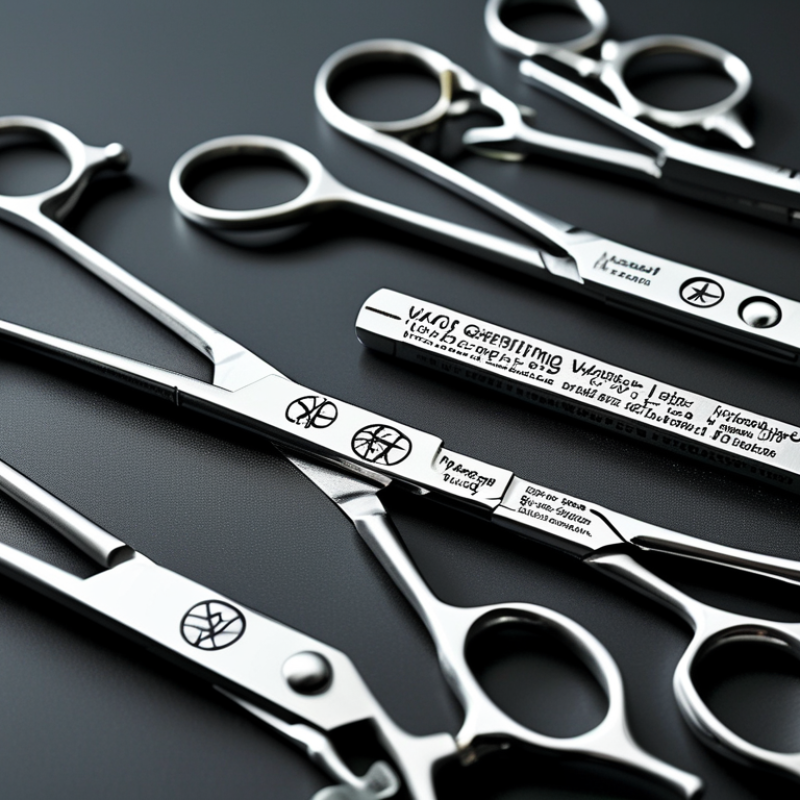
When selecting surgical scissors, several factors come into play. The type of procedure is crucial. Different surgeries require specific scissor shapes and sizes. For intricate tasks, fine-point scissors may work best. For larger incisions, heavier-duty scissors are more suitable. Comfort is another aspect. The handles should fit well in your hand, minimizing fatigue during long procedures.
Material is essential too. Stainless steel scissors offer durability and resistance to corrosion. Some models have coatings that enhance grip and ease of use. Additionally, consider the weight of the scissors. Heavier options might provide better cutting force but can be tiring over time. Light scissors may be easier to handle but may not perform as well for tough tissues.
Look for scissors with good blade tension. Too loose and they won't cut cleanly; too tight and they can damage tissues. It's also wise to evaluate maintenance needs. Scissors should be easy to clean and sterilize. Investing time in choosing the right scissors will improve surgical outcomes. Good scissors contribute to precision and efficiency, impacting patient safety.
When selecting surgical scissors, understanding different types is crucial. Scissors vary in design and purpose, impacting their effectiveness. Standard operating scissors are essential for cutting tissues. Their sharp blades allow for precision, minimizing tissue damage.
Scissors like Metzenbaum are specifically shaped for delicate dissection. Their longer handles enable better control in confined areas. Mayo scissors are more robust, suitable for cutting tougher materials. They boast a thicker blade, ideal for heavy-duty tasks, yet may risk excessive cutting in softer tissues.
In the realm of surgical tools, the right scissors can enhance performance significantly. However, many overlook their specific uses, leading to errors. Not all scissors are versatile. Learning the nuances can improve outcomes. It’s wise to reflect on your choices, as some instruments may not suit every procedure. A keen understanding ensures better results and minimizes unnecessary complications in surgery.
Material quality and durability are crucial when selecting surgical scissors. High-quality materials ensure that surgical scissors maintain their sharpness and strength over time. Stainless steel is a common choice due to its resistance to corrosion and staining. According to industry reports, approximately 70% of surgeons prioritize stainless steel for its reliability in various surgical environments.
However, not all stainless steel is created equal. Different grades offer varying levels of hardness, which directly affect durability. For instance, higher-grade stainless steels like 440C provide enhanced wear resistance, making them suitable for repetitive use. This is particularly important in surgical settings, where precision is paramount. Interestingly, a study revealed that surgical scissors with lower-grade materials failed integrity tests 30% more frequently than those made from higher grades.
Another aspect that often requires reflection is the balance between cost and quality. While cheaper options may seem appealing, their longevity and effectiveness can be questionable. A comprehensive analysis of surgical tools showed that investing in higher-quality scissors could reduce overall costs, as these tools require less frequent replacement. Thus, understanding material quality may lead to more informed purchasing decisions that can improve surgical outcomes.
When selecting surgical scissors, ergonomics and comfort play vital roles. A recent report highlighted that 75% of surgeons experience hand fatigue during prolonged procedures. This discomfort can lead to decreased precision and slower operation times. Surgical scissors designed with ergonomic grips and lightweight materials can significantly reduce this risk. A well-structured handle can support the hand's natural position, promoting better control and stability.
Clinical studies suggest that the optimal weight for surgical scissors ranges between 50 to 70 grams. Anything heavier can increase strain on the hand. Moreover, the angle of the scissors should align with the wrist's natural movement. Misalignment often leads to awkward wrist positions that can contribute to repetitive strain injuries. Design features such as padded handles and contour variations can enhance comfort and minimize the risk of injuries during surgeries.
Surgeons often underestimate the importance of handle design. An uncomfortable grip can cause distractions, hindering focus during delicate operations. Data shows that nearly 40% of surgical errors are linked to instrument handling and ergonomics. This statistic underscores the need for thoughtful design in surgical instruments, ensuring they not only cut effectively but also support the surgeon's performance. Investing time in choosing the right scissors can lead to a more efficient surgical workflow.
Surgical scissors are vital for precise cutting in medical settings. Proper maintenance of these tools ensures their longevity and effectiveness. Regular cleaning is essential. After each use, rinse scissors in warm, soapy water. Use a soft brush to remove any debris. Thoroughly dry them to prevent rust. Remember to inspect the blades for any dullness or nicks, as even minor damage can affect their performance.
Lubrication is another key aspect of care. Apply a small amount of surgical lubricant to the pivot point. This helps maintain smooth movement. Avoid using excessive lubricant, as it can attract dirt and debris. Store the scissors in a clean, dry place. A dedicated case or holder can protect them from damage. Reflect on your maintenance routine. Are you checking your tools regularly? Consistent care will lead to better outcomes during procedures.
: Consider the type of procedure, the required scissor shapes, sizes, and comfort level for long usage.
Stainless steel offers durability and corrosion resistance. Some have coatings for better grip and usability.
Heavier scissors may cut better, but they can tire your hand. Light scissors are easier to handle but might struggle with tough tissue.
Good blade tension is important. If it’s too loose, it won't cut well; too tight can harm tissues.
Rinse in warm soapy water. Use a soft brush and dry thoroughly to prevent rust.
Apply lubricant at the pivot point regularly, but avoid excess as it can attract dirt.
Metzenbaum scissors are ideal for delicate tasks due to their long handles and sharp blades.
Dull or nicked blades can significantly affect cutting performance and lead to complications.
Store them in a clean, dry place, preferably in a dedicated case to protect them from damage.
Misusing scissors for the wrong tasks can lead to errors, impacting patient safety and recovery.
When selecting surgical scissors, it is essential to consider several key factors to meet your specific needs. First, understanding the various types of surgical scissors and their specific applications will help ensure you choose the right tool for the procedure at hand. Quality and durability of materials play a significant role in the longevity and effectiveness of the scissors, so opting for high-quality manufacturing is crucial.
Additionally, an ergonomic design can enhance comfort and precision during surgical procedures, reducing hand fatigue for the surgeon. Regular maintenance and care for surgical scissors are vital to preserve their sharpness and functionality, ensuring optimal performance over time. By carefully evaluating these aspects, you can select the best surgical scissors that not only meet your professional requirements but also enhance overall surgical outcomes.
