SENJIE Healthy & Technology
Choosing the right Bone Cutting Tools can significantly impact your work’s efficiency and quality. According to a report by the Global Bone Cutting Tools Market, this sector is projected to grow at a CAGR of 6.5% from 2023 to 2030. This growth indicates an increasing demand for precision instruments. Dr. Emily Richards, a renowned orthopedic surgeon, emphasizes, "The quality of bone cutting tools directly affects surgical outcomes."
When selecting Bone Cutting Tools, consider both your specific needs and the tools' technical specifications. Factors like blade material and ergonomics are critical. High-quality tools can reduce fatigue and improve safety. However, the market is saturated with options, making it easy to feel overwhelmed. Many users have expressed regret over impulse buys that didn’t meet their expectations.
It's essential to reflect on the investment in Bone Cutting Tools carefully. Not every tool is suitable for every application. Feedback from industry experts can provide invaluable insights. Engage with your peers to make more informed choices. This reflection can lead to better results and enhanced safety in your practice.
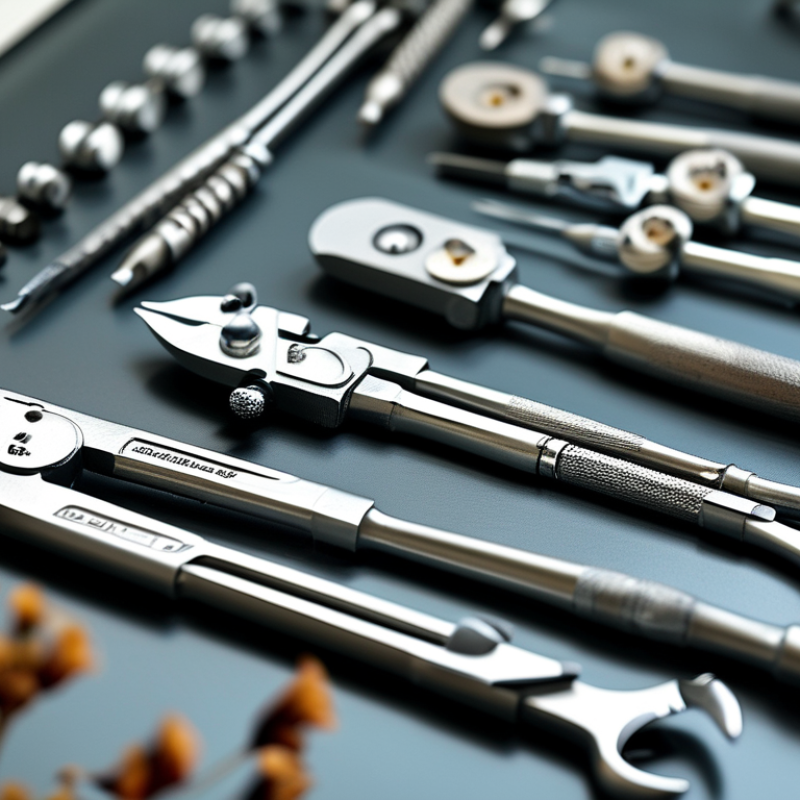
When choosing bone cutting tools, it’s crucial to identify your specific needs. For example, veterinary surgeries require precision and safety. Reports show that up to 37% of veterinary procedures involve bone cutting. Each application demands a different tool style. Understand whether you're focused on soft tissue or hard bone. This will guide your tool selection effectively.
Additionally, consider the type of bones you'll be cutting. Large bones require sturdy tools, while smaller bones may benefit from specialized saws. A study highlighted that 60% of surgical complications occur due to improper tool usage. Have you assessed your experience level with these tools? User comfort and familiarity greatly influence performance.
It’s important to reflect on your current tools. Are they meeting your requirements? Ergonomics can’t be overlooked. Research shows that improper grip can cause fatigue and errors. You might need to invest in better options based on your findings. Ultimately, understanding your requirements will enhance both safety and effectiveness in your bone cutting tasks.
When selecting bone cutting tools, it’s crucial to understand their various types and functions. Bone saws are commonly used in surgical settings. There are reciprocating saws, ideal for precise cuts. Ban-saws are versatile and handle multiple bone sizes. Understanding their mechanics can help in making informed decisions.
Then there are chisels and osteotomes. These tools assist in shaping and carving bones. They are manual and require skilled hands to operate efficiently. The right technique is necessary to prevent damage to surrounding tissue. Knowledge of these tools’ purposes is essential for success in your tasks.
Also, don’t overlook the importance of hygiene. Bone cutting tools must be sterilized before and after use. This ensures safety for both the operator and patient. Evaluating the demands of your project will guide you in selecting suitable tools. Experience and awareness of potential challenges lead to better outcomes. Always seek training and practice when necessary.
When selecting bone cutting tools, material quality and durability are paramount. Look for tools made from high carbon steel or stainless steel. These materials offer excellent sharpness and resistance to rust, ensuring longevity. Proper heat treatment can further enhance durability. Check for any inconsistencies in the metal finish, as rough spots may compromise performance.
Tool weight also matters. A well-balanced tool provides better control. Heavier tools can be more challenging to maneuver. Test the weight before deciding. The handle is another key area. Materials like rubber or wood can enhance grip. They should feel comfortable and safe in hand. Small imperfections in the handle can lead to slips during cutting, which is risky.
Finally, consider how the tool performs after intensive use. Does it maintain sharpness? Does it withstand heavy pressure? Reflect on these practical concerns. Every tool may have its strengths and weaknesses. Prioritize quality and usability for the best cutting experience.
Selecting the right bone cutting tools is critical for both comfort and effectiveness. Ergonomics plays a vital role in these instruments. A recent study highlighted that 75% of professionals experienced discomfort after prolonged use of poorly designed tools. This emphasizes the importance of user-friendly designs tailored to a surgeon’s hand.
When evaluating tools, consider grip shape and handle material. Research indicates that tools with soft grip handles reduce strain. Users reported less fatigue and improved control, particularly during extended procedures. Moreover, instruments with adjustable handles tend to accommodate various hand sizes, enhancing overall comfort.
However, not all designs are faultless. Some tools may allow for better grip but compromise on visibility during intricate tasks. Additionally, the balance of the tool can affect precision. It's essential to weigh these factors and choose tools that maximize comfort while maintaining function. Trialing different models helps identify what best suits individual needs. The goal is to achieve a seamless blend of ergonomics and performance for improved surgical outcomes.
| Tool Type | Ergonomics Rating | User Comfort Rating | Material Quality | Price Range |
|---|---|---|---|---|
| Bone Saw | 8/10 | 9/10 | High | $100 - $300 |
| Bone Chisel | 9/10 | 8/10 | Medium | $50 - $150 |
| Bone Cutter | 7/10 | 7/10 | High | $200 - $400 |
| Bone Graft Tools | 8/10 | 9/10 | Medium | $70 - $250 |
| Electric Bone Cutter | 9/10 | 8/10 | High | $250 - $600 |
When considering bone cutting tools, cost-effectiveness is crucial. Not all tools are created equally, and price does not always reflect quality. A less expensive option may perform adequately for lighter tasks, but may fail under more demanding conditions. Understanding what you need is vital before purchasing.
Investing in high-quality equipment can save you money over time. Cheap tools might break or dull quickly, leading to frequent replacements. Evaluate the materials used and the manufacturer's reputation. Reliable tools typically have longer lifespans and better performance. However, high-quality equipment may come with a hefty price tag initially.
Consider your own experience level as well. Beginners might benefit from more affordable options while they learn. On the other hand, professionals may need advanced tools to meet high demands. Reflecting on your personal needs and budget can help navigate the variety of options available. Ensure you balance cost with the performance you require.
: Identify your specific needs and the type of bones you'll be cutting.
Large bones need sturdy tools, while smaller bones benefit from specialized saws.
User comfort and familiarity with tools greatly influence performance outcomes.
Assess if they meet your requirements and consider ergonomics for efficiency.
Common tools include saws, chisels, and osteotomes for various cutting tasks.
Sterilizing tools ensures safety for both the operator and the patient.
High carbon steel and stainless steel offer sharpness and durability.
A well-balanced tool allows for better control, while heavier tools may be harder to maneuver.
The handle should provide good grip and feel comfortable to avoid slips.
Reflect on sharpness retention and resistance to heavy pressure during tasks.
Choosing the best bone cutting tools requires careful consideration of your specific needs and applications. It's essential to identify what type of tasks you will be performing, as this will guide you in selecting the right tools suited to those tasks. Understanding the various types of bone cutting tools available and their respective functions will further enhance your decision-making process.
Additionally, evaluating the material quality and durability of these tools is crucial, as high-quality, durable instruments can significantly impact performance and safety. Ergonomics and user comfort are also paramount, especially for users who may work with these tools for extended periods. Lastly, examining the cost-effectiveness and overall value of different bone cutting equipment options can help ensure you make a sound investment that meets both budgetary constraints and operational needs.
