SENJIE Healthy & Technology
Choosing the right surgical blades is crucial for medical professionals. Surgical blades play a vital role in various procedures, ensuring precision and safety. In 2026, a wide array of surgical blades will be available for global buyers. Each type serves different functions, addressing the needs of specific surgical tasks.
Understanding the features and benefits of these surgical blades is key. They vary in material, sharpness, and design. Quality can significantly impact surgical outcomes. Therefore, one must consider suppliers’ reputations and product reviews before making a purchase. Even well-known brands may have flaws, requiring careful assessment.
This guide aims to highlight the best surgical blades of 2026. It will provide insights into the options available. The goal is to inform and aid medical professionals in selecting the best tools for their practices. Reliable knowledge is essential for effective decision-making in healthcare settings.
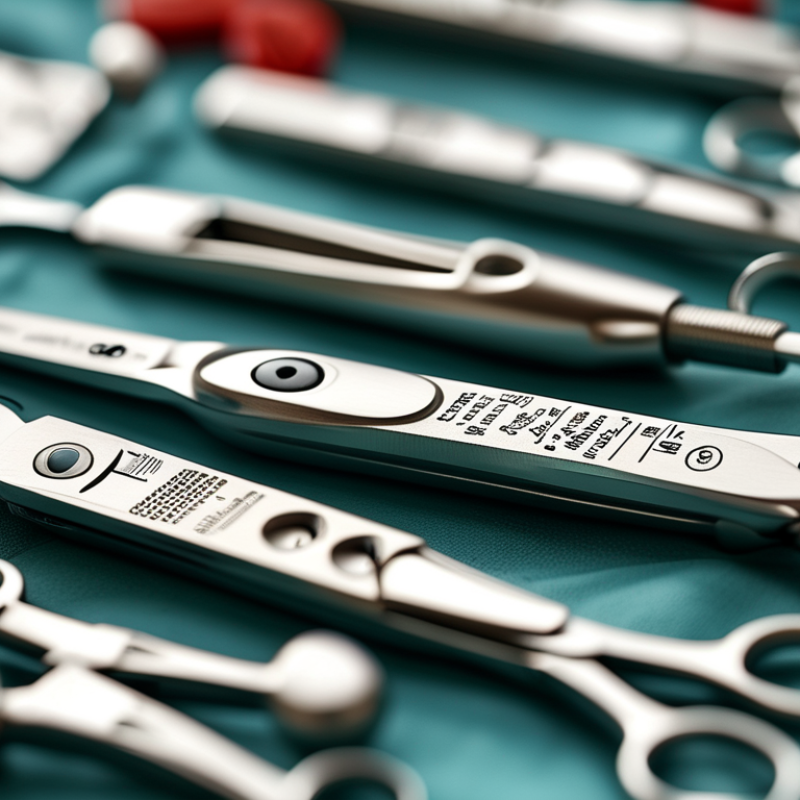
Surgical blades are essential tools in medical practice. They come in various types and materials, each serving specific purposes. Generally, blades are categorized based on their shapes and metal types. The most common types include scalpel blades and surgical knives.
Stainless steel blades are the most popular choice. They offer excellent sharpness and durability. A report by the World Health Organization highlights that surgical instruments, including blades, should maintain a sharp edge to minimize tissue damage. In hospitals, the functionality of a blade directly impacts surgical outcomes. A test conducted by surgical instrument experts found that dull blades can lead to increased recovery time.
On the other hand, there is a growing trend for disposable blades. These blades reduce the risk of cross-contamination. However, the environmental impact of single-use products raises concerns. Balancing efficiency and sustainability is a challenge that the industry faces. Blades made from materials like carbon steel are sharp but can rust easily if not maintained properly. This factor must be considered when selecting blades for surgeries. Surgeons need to evaluate each option carefully, weighing benefits against potential drawbacks.
The global demand for surgical blades is on the rise, driven by advancements in healthcare and surgery. According to recent market analysis, the surgical blades market is projected to grow at a CAGR of 4.5% through 2026. This growth indicates an increasing reliance on minimally invasive surgical procedures. Such operations require precision tools that surgical blades provide.
Innovations in materials and design are reshaping the market landscape. For example, stainless steel remains a preferred choice due to its durability and resistance to corrosion. However, new materials, such as carbon steel and coated blades, emerge as viable alternatives. These materials enhance precision and reduce friction during procedures. Some reports suggest that nearly 70% of surgeons prefer blades that are engineered for improved ergonomics.
Despite positive trends, some issues arise. Accessibility remains a challenge in developing regions, where healthcare resources are limited. Furthermore, environmental concerns about blade disposal cannot be overlooked. Market players must balance profit with sustainability. The industry will need to address these issues to meet growing demands effectively. This complex landscape makes 2026 an intriguing year for surgical blade innovations.
| Region | Estimated Market Size (USD Million) | Growth Rate (%) | Key Applications | Popular Blade Types |
|---|---|---|---|---|
| North America | 450 | 5.0 | Surgery, Emergency Care | Scalpel Blades, Safety Blades |
| Europe | 370 | 4.5 | Orthopedics, General Surgery | Colhoun Blades, Scissors |
| Asia-Pacific | 500 | 6.8 | Cardiac, Cosmetic Surgery | Disposable Blades, Custom Blades |
| Latin America | 180 | 3.2 | General Surgery, Diagnostics | Surgical Knives, Laser Blades |
| Middle East & Africa | 220 | 4.0 | Trauma Care, Surgery | Mayo Scissors, Bard Parker Blades |
Choosing the right surgical blade is critical in any medical procedure. A variety of factors play a role in this decision. One key aspect is the type of surgery being performed. Different techniques may require specific blades to enhance precision.
Material quality greatly influences performance. Stainless steel blades offer durability and sharpness, while some specialized procedures may prefer carbon blades for their fine edge. The surgeon’s familiarity with blade types also matters. An experienced surgeon may prefer a specific blade for comfort and control.
Ergonomics should not be overlooked. The handle design affects grip and maneuverability. A blade that feels right in a surgeon’s hand can improve overall effectiveness. Still, not all surgeons have access to every blade. The variability in availability poses challenges. The best choice is not always clear-cut. This uncertainty can sometimes lead to less-than-ideal outcomes.
The surgical blade market is vital in healthcare, primarily for its precision. Comparative analysis reveals that different surgical blade types cater to various procedures. Understanding these differences is crucial for healthcare providers. According to a 2023 industry report, blade materials vary, impacting both performance and cost.
High-carbon steel blades offer sharpness but may rust, while stainless steel blades resist corrosion. Recent data suggests that 70% of surgeons prefer stainless steel blades for their reliability. However, some professionals argue that high-carbon blades provide superior cutting quality. The decision isn't always straightforward.
Another factor is the blade's design. A 2023 survey highlighted that 60% of surgeons value ergonomic designs in blades. Yet, it's often overlooked during procurement decisions. Balancing cost and quality remains a challenge. Reliability and precision are paramount, but they often come with a price tag. Reflecting on these aspects can guide healthcare facilities in selecting the most suitable blades.
Surgical blades are crucial tools in medical procedures. Different regions have varied safety standards and regulations, reflecting their healthcare priorities. For instance, European countries often emphasize rigorous quality control. They require extensive testing before a blade can enter the market. This focus on safety protects both patients and healthcare professionals.
In contrast, some regions may have less stringent regulations. This disparity raises concerns about the consistency of surgical tools available worldwide. It can lead to questions regarding quality and reliability. A blade that meets standards in one area might not be suitable elsewhere. Medical practitioners need to be aware of these differences to ensure patient safety.
Moreover, adhering to international standards can be challenging. Manufacturers must navigate different regulatory expectations. This complexity can impact the availability of high-quality surgical blades. Continuous improvement is needed to bridge these gaps. The medical community should advocate for universal standards. This would help ensure that all surgical blades meet the highest safety criteria.
: Surgical blades vary, catering to different procedures. They include high-carbon steel and stainless steel options.
About 70% of surgeons favor stainless steel blades due to their reliability and resistance to corrosion.
High-carbon steel blades offer sharpness but are prone to rusting, which can hinder their performance over time.
Blade design is essential. A 2023 survey showed 60% of surgeons prefer ergonomic designs, though this factor is often ignored.
Balancing cost and quality is challenging. Reliable, precise blades often come at a higher price, complicating procurement decisions.
Different regions prioritize healthcare differently, leading to varying safety standards and testing requirements for surgical blades.
Inconsistencies can raise concerns about quality and reliability, potentially compromising patient safety across regions.
Advocating for universal standards would help ensure all surgical blades meet the highest safety criteria.
Using non-compliant blades can pose risks to patients and providers, highlighting the need for awareness of local regulations.
Manufacturers often face complexities in meeting different regulations, impacting the availability of quality surgical tools.
The article "2026 Best Surgical Blades for Global Buyers Guide" provides a comprehensive overview of surgical blades, encompassing their various types, materials, and uses in medical settings. As global demand for surgical blades is expected to rise in 2026, understanding the market trends and key factors influencing the selection of these tools in medical practice becomes essential.
Additionally, the article includes a comparative analysis of top brands, focusing on their specifications without endorsing any particular brand names. It also highlights the importance of adhering to safety standards and regulations that govern surgical blades in different regions, ensuring practitioners can make informed decisions while prioritizing patient safety. This guide serves as an essential resource for buyers looking to navigate the evolving landscape of surgical tools effectively.
